
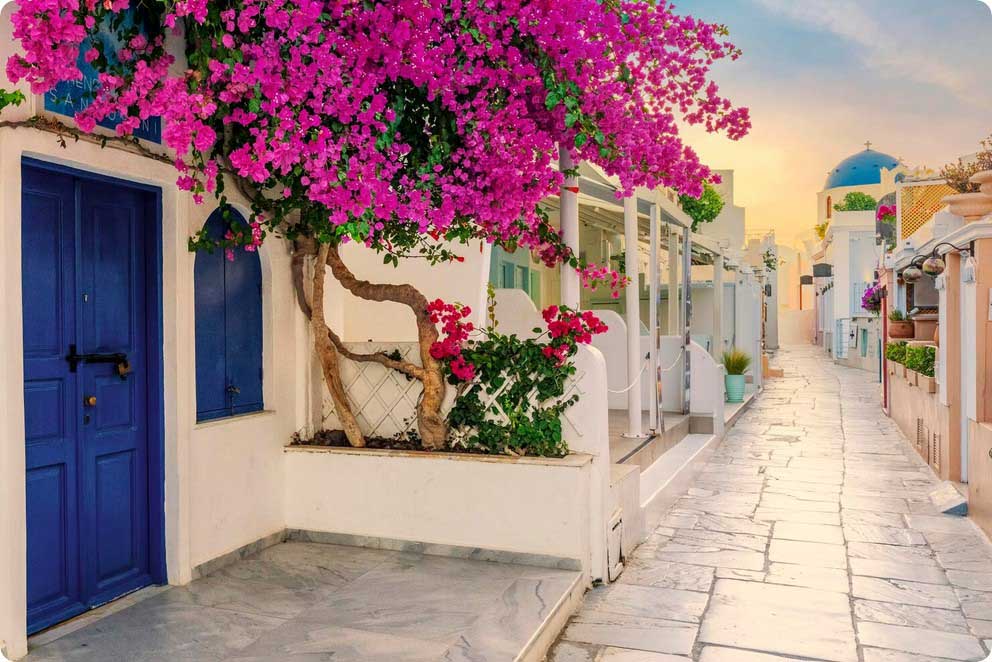
Welcome to the My Greece Tours guide to Santorini, Greece – an idyllic island where time seems to pause amidst shimmering azure waters and sun-kissed cliffs. Since 1989, I, Yannis Divramis, have been enchanted by Santorini’s stunning landscapes and vibrant culture. Whether you’re a seasoned traveler or setting foot on this breathtaking island for the first time, join us to discover the best things to do in Santorini. From exhilarating boat tours and exploring ancient ruins to savoring exquisite cuisine and unwinding in luxurious Santorini hotels, let your Santorini vacation be as unique as this mesmerizing island.
Explore the wonders of Santorini, Greece with our comprehensive travel guide. Discover essential Santorini attractions, top activities, and unforgettable experiences. From stunning sunsets to ancient ruins, uncover Santorini’s best. Plan your Santorini vacation with insights on tours, flights, hotels, and tips from My Greece Tours. Your Santorini adventure starts here.
Brief Overview
Santorini, Greece, a dazzling gem of the Cyclades, offers a magnificent blend of iconic beauty, rich history, and cultural allure. As a destination for every traveler, Santorini captivates with its breathtaking caldera views, exquisite wines, and luxurious accommodations. Immerse yourself in vibrant villages such as Oia and Pyrgos, enjoy exhilarating boat and wine tours, and relax on the island’s stunning beaches. Whether you’re seeking adventure or tranquility, Santorini’s enchanting sunsets and welcoming hospitality promise an unforgettable vacation. My Greece Tours helps you uncover Santorini’s timeless wonders, crafting memories that last a lifetime.
Key Highlights
- Experience the enchanting beauty of Santorini’s villages with stunning sunsets, iconic whitewashed structures, and rich culture in places like Oia and Pyrgos.
- Discover Santorini’s history by exploring ancient Thera and Akrotiri, and experience local culture through art, music, and cuisine.
- Choose from luxurious cliffside hotels to budget-friendly options in Perissa, each offering spectacular views and authentic Greek hospitality.
- Engage in diverse Santorini tours, from wine tastings and volcanic hikes to boat trips uncovering hidden gems and providing unique coastal perspectives.
- Relax on stunning beaches like Perissa and Red Beach, or catch unforgettable sunsets from Oia, Fira, or Imerovigli, each offering a magical experience.
Discover the Iconic Beauty of Santorini Greece
Embark on a journey to Santorini, an island that truly defines iconic beauty within the Cyclades.
This Greek gem, known as Thera in ancient times, has long captivated travelers with its dramatic landscapes. When it comes to Santorini travel, you are in for a treat with mesmerizing views, picturesque villages, and a rich tapestry of history. Known as island Santorini, the landscape is decorated with whitewashed buildings, blue-domed churches, and aubergine-colored cliffs. A reliable Santorini guide will lead you through the charming narrow alleyways, as you soak up the enchanting atmosphere that is uniquely Santorini Greece.
There’s no denying that the views are part of what makes Santorini’s beauty so iconic. As you explore Santorini, you’ll witness breathtaking vistas at every turn, the stunning sunsets are especially renowned. Whether you’re an adventurer eager to hike through scenic paths or a leisure seeker longing for a sunlit afternoon by the caldera, Santorini island offers an unforgettable experience. Delve into the heart of the island with a Santorini guide who knows the in-depth history behind each landmark and the secrets of its volcanic origins.
As part of your Santorini travel plans, make sure to uncover Cyclades Santorini’s array of attractions. From the archaeological wonders of ancient Akrotiri to the lively streets of Fira, the island thera is a treasure trove of culture. The abundance of luxurious Santorini hotels ensures that every guest finds the perfect place to unwind, with alluring vistas of the Aegean Sea from their balconies. It’s easy to feel at home amidst the welcoming hospitality of the Greek residents.

This slice of paradise proves itself to be not only a visual spectacle but a feast for your senses as well. Whether it’s your first time or your tenth, Santorini’s blend of natural beauty, culture, and history will leave you inspired and longing for more.
| Element | Description | Highlights | Notable Spots | Experience |
| Natural Beauty | Awe-inspiring landscapes filled with stunning vistas | Caldera views, sunsets | Oia, Fira | Photography, contemplation |
| Cultural Heritage | Rich history interwoven with Greek tradition | Archaeological sites, museums | Akrotiri, Ancient Thera | Exploration, learning |
| Architecture | Distinctive Cycladic structures, white-washed buildings | Classic blue domes, narrow streets | Imerovigli, Pyrgos | Strolling, admiration |
| Local Cuisine | Delicious and unique island dishes | Seafood, local wines | Amoudi Bay, Perivolos | Dining, tasting |
This summary table captures the essence of Santorini’s timeless appeal by highlighting its blend of natural beauty, cultural depth, architectural uniqueness, and culinary delights. The table distills these elements to neatly present how they enrich the visitor’s experience, drawing them into Santorini’s enchanting atmosphere where every element intertwines to create a memorable journey.
Explore Santorini’s Most Picturesque Villages
When it comes to exploring the enchanting island of Santorini, few attractions rival the beauty of its villages. Nestled atop the caldera’s edge, the iconic village of Oia stands as a quintessential postcard masterpiece. Visitors revel in Oia’s whitewashed homes, narrow cobblestone paths, and azure-domed churches. As the sun sets over the islands, Oia offers a breathtaking spectacle of oranges and pinks, making it a must-visit spot on the island.
Not far away, Pyrgos offers a unique contrast with its charming labyrinth of alleyways.
As the former capital, Pyrgos is less crowded than its sister towns, providing a more intimate glimpse into traditional Santorini life. Wandering through its spiraling streets, you’ll find quaint cafes, local boutiques, and stunning panoramic views of the islands from the ruins of Kasteli Castle. It’s a hidden gem that captures the essence of Santorini away from the bustling crowds.
The vibrant town of Fira, Santorini’s present capital, buzzes with energy as it bridges the old-world charm with modern-day amenities. Fira provides a lively atmosphere with a variety of shops, restaurants, and museums. The vibrant nightlife is not to be missed, making it an ideal starting point for anyone ready to discover the island’s vibrant scenes. From Fira, you can take part in exciting Santorini tours that highlight the town’s rich history and culture.

Classical church at Imerovigli
Of course, each village on the island offers its own story, each as captivating as the last. A journey through these Santorini villages is a deep dive into the heart and soul of Santorini Greece. When planning your Santorini travel itinerary, ensure to dedicate ample time to savor the beauty and diversity of its villages. Whether you’re seeking tranquil hideaways or bustling hubs, these villages embody the spirit of the island, promising an unforgettable Santorini vacation. Get ready to uncover the hidden treasures and timeless beauty with My Greece Tours!
| Attraction | Description | Significance | Activities |
| Caldera Views | Stunning panoramas of the volcanic crater and sunset vistas. | One of the world’s most iconic landscapes, shaped by volcanic activity. | Photography, sunset viewing, hiking along the caldera rim. |
| Ancient Akrotiri | Well-preserved ruins of a Minoan Bronze Age settlement. | Offers insight into prehistoric urban life, often called the “Pompeii of the Aegean.” | Guided tours, archaeological exploration, museum visits. |
| Oia Village | Quaint streets lined with traditional Cycladic architecture. | Famous for its picturesque beauty and vibrant sunsets. | Shopping, dining, sunset watching, art galleries. |
| Black Sand Beaches | Unique volcanic beaches, such as Perissa and Kamari. | Highlights Santorini’s volcanic history and natural diversity. | Swimming, sunbathing, water sports, beachside dining. |
This table encapsulates the timeless allure of Santorini, highlighting its breathtaking vistas, cultural richness, and the unique experiences awaiting every visitor.
Uncover the Rich History and Culture
Santorini has layers of history and culture that beckon every curious traveler. As you wander across Santorini Island, imagine stepping back into the time of the thriving Minoan civilization. Known for its vibrant art and advanced society, this era was abruptly halted by the cataclysmic eruption of Santorini, also known as the Thera eruption, one of the most powerful volcanic events in history.
The aftermath reshaped not only the geography of the island but also its destiny, giving birth to the iconic caldera that we admire today. This caldera now stands as a bold reminder of nature’s raw power and the resilience of the Greek inhabitants who adapted and thrived post-eruption.
Visit the ruins of ancient Thera, perched on the cliffside of Mesa Vouno, which offers breathtaking views of the Greek islands dotting the horizon. Walking among the ruins of this city gives a sense of Santorini’s ancient soul, where even the whispers of past life can be felt in the gentle breeze. The archaeological site provides a glimpse into daily Minoan life, architecture, and the profound influence of the Thera eruption on their civilization.
The stories of Santorini’s past are narrated not just in its landscapes but also in its vibrant traditions and Greek culture that continue to flourish. Engage with local artisans who keep age-old crafts alive, or dance to the rhythm of Greek music under the starlit sky. Santorini’s rich religious traditions are celebrated in its stunning whitewashed churches with iconic blue domes, reflecting the island’s enduring dedication to faith and community. Indeed, there’s no end to what you can discover.
The tales of Santorini’s tumultuous past, fascinating culture, and remarkable natural beauty ensure that every visitor leaves with a deeper understanding of Santorini’s rich tapestry, woven with threads of history and vibrant life.
Join us with My Greece Tours as we explore the untouched stories and illuminate the heart of Santorini Greece.
Where to Stay: Top Santorini Hotels
Welcome to Santorini, a magnificent island that promises an unforgettable experience for all travelers.
Choosing the right hotel can transform your Santorini adventure into a dream vacation. Whether you crave luxury or seek budget-friendly options, the island’s hotels cater to every whim. Immerse yourself in the charming sea views that Santorini is renowned for. Imagine waking up in one of the island’s exquisite suites, where the azure sea stretches endlessly before you, a sight that’s bound to take your breath away. Some of Santorini’s top hotels are nested in its picturesque villages, offering guests an authentic taste of Greek island life.
You can soak up the stunning vistas in comfort, overlooking the caldera or perched on the edge of a cliff, where every sunset becomes a memorable experience. Many of the hotels in Santorini provide not only spectacular sea views but also exceptional amenities that promise to elevate your stay to unparalleled heights. From infinity pools that seem to merge with the Mediterranean to opulent spas for ultimate relaxation, Santorini’s hotels redefine indulgence.
Whether staying in Fira or Oia, every corner of the island offers unique landscapes and views.
Couples on romantic getaways can enjoy serene surroundings, while adventure seekers might prefer hotels closer to action-packed activities. Santorini suites and hotels present a magical blend of comfort and traditional Greek architecture.
Picture yourself enjoying breakfast on a private terrace, as you take in the horizon’s mesmerizing monochrome. Those looking for excitement can find hotels that provide easy access to Santorini’s vibrant nightlife and lively culture. In essence, picking the right accommodation can set the tone for your Santorini vacation. Whether it’s the luxurious cliffside suites, the boutique hotels, or the secluded retreats away from the hustle, Santorini is a treasure trove waiting to be explored. Discover the top hotels in Santorini with My Greece Tours and make your dream island getaway a remarkable reality.
Luxurious Accommodation with Breathtaking Views
For those seeking a truly luxurious experience, Santorini Greece provides a wealth of accommodation options that boast not only elegance but also breathtaking views of the iconic caldera. Imagine waking to the serene sight of the azure sea stretching to the horizon, framed by the rugged beauty of the caldera cliffs. Whether you’re staying in Fira or the charming town of Oia, the island offers a stunning selection of suites, each promising a unique Greek paradise experience.
From chic cosmopolitan hotels perched atop Fira’s bustling center to secluded retreats offering unparalleled tranquility, Santorini has it all. Those in search of the quintessential Santorini stay should explore the cliffside accommodations in Oia, where the traditional whitewashed architecture harmoniously blends with contemporary luxury.
Many of the suites here are carved into the cliffs, ensuring unobstructed caldera views as standard. Picture yourself savoring a glass of local wine on a private terrace, as the sun sets and casts a rosy glow over the sea – it’s the stuff dreams are made of! The accommodations here are crafted to impress; think infinity pools that seem to merge with the sky, private Jacuzzis with panoramic views, and top-tier amenities that define the meaning of indulgence. Throughout the island, from Fira to Oia, Santorini hotels offer meticulously decorated rooms that speak to the heart of Cycladic charm.
Numerous travelers arrive at this incredible island either directly or via a connecting flight, all eager to uncover the essence of opulence synonymous with Santorini. When you embark on a Santorini vacation with My Greece Tours, our detailed Santorini guide ensures you find accommodations that not only enhance your travel experience but immerse you deeply into the rich culture and beauty of the island. Be it the scenic allure of Oia or the vibrant atmosphere of Fira, this Greek treasure offers luxurious accommodations that are nothing short of extraordinary.
For those seeking opulence in Santorini, the island offers luxurious accommodations with breathtaking views that enhance the overall experience:
- Cliffside suites with private infinity pools overlooking the caldera.
- Elegant villas featuring panoramic terraces perfect for sunset gazing.
- Exclusive resorts with personalized concierge services and gourmet dining.
- Secluded bungalows offering serene sea views and private jacuzzis.
- Opulent hotels with luxurious spa facilities and world-class amenities.
These accommodations truly elevate your Santorini experience, blending luxury with the island’s natural beauty for an unforgettable stay.
Budget-Friendly Hotel Options for Travelers
When you’re exploring the enchanting Cyclades Santorini, finding budget-friendly options for staying on this mesmerizing Greek island is essential. Luckily, there’s an abundance of well-priced hotels on Santorini that won’t break the bank. Perissa, a charming seaside village renowned for its stunning black sand beach, offers some of the best budget hotel options for travelers. Perissa takes pride in its selection of Greek hotels that combine comfort and affordability with a genuine island flair.

Among these options, you’ll find locally-owned hotels that exude traditional Greek charm. For those craving proximity to the beach, many hotels in Perissa cater to travelers looking for sea views and accessibility. Several hotels offer basic yet comfortable amenities, perfect for those who love to explore Santorini without the frills of plush accommodations. When planning your Santorini vacation, consider booking your stay well in advance, particularly during the high season, to secure the best deals.
The appeal of Santorini extends well beyond its cities, which means you’ll want to spend more time discovering its multiple attractions. Opting for budget hotels in the Cyclades Santorini frees up resources for remarkable excursions, whether it’s sipping wine on a terrace overlooking the caldera or delving into historical sites like Akrotiri. Enjoy the natural beauty and immerse yourself fully in the vibrant culture of Santorini without overspending.
For a true Greek island experience at a reasonable price, consider some of the hospitable hotels nestled within Santorini’s picturesque villages. These budget-friendly hotels often include amenities like complimentary breakfast, bike rentals, or insider travel tips from friendly hosts. Travelers on a budget seeking to enjoy everything Santorini has to offer will find precisely what they’re looking for in these carefully curated accommodations.
Getting to Santorini on a budget is also achievable with affordable flights and transport options available across Greece. Once you’ve arrived, rest assured these hotels provide a perfect base for you to explore the island and soak up the unforgettable sunsets, delicious food, and historic sites that Santorini is famed for.
Exciting Santorini Tours for Every Traveler
If you’re gearing up for a sensational Santorini travel experience, you’ll find that each moment on this Greek island is steeped in wonder. From leisure seekers to thrill enthusiasts, Santorini island offers an array of unforgettable tours sure to captivate every kind of traveler. Let’s begin with Santorini tours that take you deep into the heart of this breathtaking destination. Imagine a guided walk through the mesmerizing villages of Oia and Pyrgos, where local life unfolds against the stunning backdrop of the caldera. These tours present a perfect blend of picturesque scenery, vibrant culture, and traditional architecture, painting a vivid tapestry of Santorini’s unique charm.
For those fascinated by the island’s volcanic origins, delve into tours that explore the ancient caldera and the energetic landscape surrounding it. Adventurers can hike along the rim, with trails encircling this natural wonder offering spectacular views that will leave you breathless. These tours unveil the beauty and power of Santorini’s geological history, a magnet for geology enthusiasts and nature lovers alike.
Food lovers will delight in culinary tours that showcase the island’s delectable cuisine. Savor unique flavors, from savory tomato fritters to decadent fava, as tours lead you to local tavernas and hidden eateries. Meanwhile, wine aficionados will revel in the chance to sample world-class wines with vineyard tours that illustrate Santorini’s exceptional viniculture traditions.
Santorini is also renowned for its seafaring adventures, with boat tours providing a distinctive perspective of the island from the water. Whether you’re setting sail on a sunset cruise or exploring hidden bays, these tours offer the serene bliss of horizon-spanning vistas. In the world of Santorini tours, each option promises a story and a memory etched in time, ensuring that every traveler leaves with unforgettable experiences. Every tour is a journey into the essence of Santorini, a beloved jewel of the Greek islands destined to captivate your heart.
Wine Tours: Taste the Flavors of the Island
Exploring the vibrant palate of Santorini wine is an essential experience for any visitor to the stunning island of Santorini, nestled in the Cyclades archipelago.
The unique volcanic soil of this Greek paradise gives the local vintages an unparalleled character, making Santorini wine tours a must on your travel itinerary. As you embark on your journey through Santorini’s lush vineyards, you’ll discover the renowned Assyrtiko grape variety, known for its crisp and refreshing profile that perfectly embodies the essence of the island. Whether you’re a seasoned oenophile or just someone who appreciates good wine, these tours offer an unforgettable culinary adventure. Imagine sipping a glass of Vinsanto while gazing at the sweeping views of the Aegean Sea; it’s a moment that captures the magic of both the wine and the island.
Each winery you visit on the Santorini island will not only introduce you to the art of Greek winemaking but also recount the rich history that has shaped Santorini’s vinicultural heritage.
As you traverse the winding paths of this picturesque island, guided by My Greece Tours, you’ll gain insight into the traditional techniques that have been passed down through generations. Furthermore, the island’s passionate winemakers will share their stories, adding a personal touch to this enchanting experience, making it one of the highlights of your Santorini travel journey.
Apart from indulging your taste buds, these tours often include stops at charming villages and ancient ruins, allowing you to immerse yourself fully in the cultural tapestry of Santorini Greece.
As the sunsets paint the sky with hues of orange and pink, raising a glass of Santorini’s wine feels like a toast to the island itself, a fitting tribute to the land shaped by the sea and sun. Indeed, such experiences are the cornerstone of a memorable Santorini vacation, transforming your trip into a delightful odyssey of flavor and wonder.
Exploring Santorini’s vibrant wine culture offers a truly unforgettable experience through these highlights:
- Visit the renowned Gaia Wines for an exquisite beachfront tasting experience.
- Explore the underground cellars at Argyros Estate, steeped in tradition.
- Enjoy a sunset wine tasting at Santo Wines with panoramic views.
- Discover unique wine pairings at Domaine Sigalas’ scenic vineyard.
- Attend a local harvest festival for an authentic cultural immersion.
- Wander through the historical vineyards of Koutsoyannopoulos Wine Museum.
- Savor rare varietals and a gourmet meal at Venetsanos Winery.
These highlights perfectly illustrate the depth and diversity of Santorini’s wine tours, enriching your journey with every sip.
Boat Tours: Discover Hidden Gems Along the Coastline
Santorini, the crown jewel of Greek islands, is famed for its stunning sea vistas and picturesque cliffs. If you’re planning to travel to this enchanting island, embarking on a boat tour is an absolute must. Santorini boat tours offer a unique perspective of the coastline, allowing you to explore hidden coves and beaches that are often inaccessible on foot. These tours are not just about sightseeing; they provide a gateway to an unforgettable adventure on the sea. From the deck of a boat, you’ll witness the breathtaking beauty of Santorini like never before.
Imagine cruising around the island, the wind in your hair as you sail past the volcanic formations that tell the story of Santorini’s creation. The deep blue sea is the perfect backdrop for discovering these hidden gems. With each turn, the light dances on the _water_, accentuating the stunning landscapes and the charming architecture perched on the cliffs. Boat tours are a _fantastic_ way to see Santorini’s famous coastal features while enjoying the clear, azure waters of the _Aegean_ Sea.
As you travel around Santorini, you can opt for a private or group tour, each offering a unique experience. Many tours include stops at _hidden_ beaches, snorkelling spots, and even a visit to the volcanic island of Nea Kameni. You’ll also have the opportunity to taste local delicacies on board, adding to the culinary experience of your Santorini adventure. Whether you’re a seasoned traveller or a first-time visitor, a boat tour is an ideal way to uncover the island’s mysteries.
If you’re considering a Santorini vacation, make sure to include a boat tour in your itinerary. It’s a chance to immerse yourself in the island’s natural beauty and relax as the sea carries you along its charming coastline. With the right tour, you’ll not only discover the beauty of Santorini, but you’ll also create memories that will last a lifetime. Explore the possibilities and let the sea reveal the wonders of this Greek island.
Top Attractions and Activities on the Island
Santorini, one of the most captivating islands in Greece, offers an array of top attractions and activities that are not to be missed. The island’s breathtaking beauty is showcased through its spectacular caldera, formed from the mighty Santorini eruption that shaped its renowned landscape. For those with a knack for history, a visit to the ancient site of Ancient Thera is an absolute must. Perched high on a clifftop, it provides not only incredible views of Santorini’s stunning coastline but also a rich tapestry of the island’s past. Another essential stop on your Santorini travel itinerary is the charming village of Perissa. Known for its distinctive black sand beach, Perissa is a haven for those looking to indulge in the azure blue sea and vibrant, lively tavernas.
No Santorini adventure would be complete without exploring the island’s caldera by sea. Santorini’s unique topography makes boat tours an incredible experience where you can marvel at the towering cliffs and hidden coves. These tours allow direct interaction with the tranquil sea and give a perspective of Santorini that is like no other. For an elevated experience, indulge in Santorini’s exquisite wines with a tour of the local wineries, where the volcanic soil lends a unique flavor to the island’s acclaimed vintages.
Santorini’s culinary scene is yet another attraction not to be missed. From traditional Greek dishes to innovative culinary delights, there’s an abundance of flavors waiting to be discovered. These gastronomic excursions offer a deeper insight into the island’s culture and history. Don’t forget to capture the iconic, sun-drenched landscapes that have enthralled visitors for decades, making every moment a postcard-perfect memory.
Whether you choose to explore the ancient and historical or the modern and luxurious, Santorini, Greece beckons with a myriad of attractions and activities that promise to make your visit an unforgettable escapade. For those seeking adventure, relaxation, or a cultural deep dive, this island has it all, ensuring your Santorini vacation is as unique as the island itself.
Must-Visit Beaches for Relaxation and Adventure
Santorini, an island of unparalleled beauty, offers a plethora of beaches that cater to both relaxation and adventure seekers. The allure of Santorini can’t be overstated, as its diverse beaches are set against a backdrop of stunning Greek architecture and picturesque landscapes. Whether you’re in search of serene sea views or thrilling water activities, the sandy shores of Santorini island are your ideal destination.
Begin your Santorini travel experience at the famous Perissa Beach, known for its black volcanic sands and azure sea. It’s perfect for those seeking a tranquil retreat. Here, you can relax under the sun or explore numerous charming beachside tavernas offering delectable Greek cuisine. Meanwhile, adrenaline junkies can embark on an exciting adventure with water sports like jet-skiing and parasailing.
For a unique experience, visit the Red Beach, famous for its striking red cliffs. This iconic Santorini spot is an adventurer’s haven, drawing in travelers eager to hike along its rugged trails while marveling at the breathtaking landscape. Oia Beach, situated in a quaint village, is the perfect place to watch a mesmerizing sunset while enjoying a peaceful swim. The scenic beauty captures the true essence of Santorini, leaving visitors spellbound.
When planning your Santorini vacation, consider the quieter shores of Kamari Beach, which offers a mix of relaxation and activities, from diving excursions to beach volleyball. The charm of the island beaches truly compels visitors to return time and again. As the gentle breeze carries the scent of salt and the sounds of the sea beckon, immersing oneself in the captivating allure of Santorini becomes irresistible.
In crafting your island itinerary, remember that Santorini flights offer easy access to these coveted beaches. Exploring Santorini through organized Santorini tours ensures a seamless experience. As you indulge in this magical Greek island, you’ll find each beach a distinct treasure. With My Greece Tours, you can uncover hidden gems and create memories that last a lifetime, making Santorini not just a destination, but a heartfelt journey.
Best Spots to Catch Santorini’s Stunning Sunsets
There’s no place quite like Santorini to experience the world’s most breathtaking sunsets.
With its dramatic caldera formed by an ancient Santorini eruption, the island offers various vantage points that provide unparalleled views at dusk. When you’re on a Santorini travel adventure, witnessing a sunset over the caldera is a must-do. One of the best spots is Oia. This picturesque village perched on the edge of the island delivers a view that feels straight out of a postcard, with domed churches and charming houses tumbling down the cliffs. Amidst the crowd, the golden hues of the sun reflecting off the Aegean Sea and the unique architecture make for an unforgettable scene. Another excellent vantage point is from Fira, Santorini’s bustling capital. Here, the cliff-side walkways provide a romantic setting to watch the sunset while the caldera glows in the waning light. For a quieter experience, head to Imerovigli, also known as the “Balcony to the Aegean,” where you can enjoy a serene sunset without the throngs of tourists.
Don’t miss a sunset from Perissa, a lesser-known spot that offers a different perspective. Known for its black sand beach, Perissa provides a more grounded yet equally mesmerizing view of the sky’s vivid orange and pink colors.Island Santorini visitors should also consider a sunset cruise; these offer a unique opportunity to see the sun dip below the horizon from the heart of the sea. Experiencing this spectacle surrounded by the turquoise waters heightens the magnificence of Santorini’s sunsets. As you plan your Santorini vacation, incorporating these sunset spots into your itinerary will add magic to your Greek island journey. Whether you’re wandering through Santorini’s charming villages or lounging on Perissa’s shores, savoring a Santorini sunset promises to be a highlight of your visit.
With My Greece Tours, let us guide you to the best spots to catch nature’s own light show in this haven of beauty.
In conclusion, Santorini is not just a destination; it’s a vibrant canvas where mythology, beauty, and adventure intertwine. Whether indulging in sumptuous delicacies at local taverns, exploring the mystical caldera with My Greece Tours, or gazing at the breathtaking sunset view from the comfort of renowned Santorini hotels, the island promises an unforgettable sojourn.
With seamless Santorini flights, your dream holiday is just a journey away. Embark on a Santorini vacation to discover the enchanting wonders and release the storyteller in you as you unleash your own epic Greek adventure!
How long is the Fira to Oia hike?
The Fira to Oia hike covers about 10 kilometres along the rim of the Santorini caldera. It takes two and a half to five hours, passes Firostefani, Imerovigli and Skaros Rock, and ends in Oia in time for the sunset.
The first stretch runs on paved paths through Firostefani and Imerovigli. After Imerovigli the trail turns to rough dirt. It crosses open hillside with no shade and no shops. Walkers carry water, a hat and sturdy shoes. An early start or a late-afternoon departure avoids the worst of the summer heat.
A side path from Imerovigli drops to Skaros Rock, a headland once topped by a Venetian castle. A small chapel stands at its tip. The round trip takes about an hour and ends with a short scramble. More caldera and volcano walks appear in Santorini hiking.
What day trips can you take from Santorini?
Santorini day trips include the boat to the volcanic islet of Nea Kameni and the hot springs off Palea Kameni, the quiet caldera island of Thirassia, and fast ferries to Ios, Naxos and Crete. The volcano and hot springs trip is the classic half-day outing.
Boats leave from the old port below Fira. On Nea Kameni, a short hike climbs over black lava to the steaming craters. The boats then stop off Palea Kameni. Swimmers enter warm, iron-rich water that stains swimwear orange.
Thirassia sits on the western rim of the caldera. Manolas, its main village, stands on the cliff top above the small harbour of Korfos. Fast ferries also reach Ios, Naxos and Crete for a longer day out. Book the return ferry before leaving.
How long do you need in Santorini?
You need three to five days in Santorini. Three days cover a caldera cruise, the Oia sunset, the Fira to Oia hike and a wine tour. Four or five days add Akrotiri, a black-sand beach day and the inland villages.
Two nights allow the sunset and one boat trip. Ferry and flight times squeeze the rest of the stay.
A longer stay suits travellers who pair Santorini with a nearby island such as Ios or Naxos. Extra days leave room for long dinners on the caldera rim between the big outings.
How do you get around the island?
You get around Santorini by KTEL public bus from the central station in Fira, by hire car, scooter or ATV, or by taxi and pre-booked transfer. The cable car links Fira with the old port below the cliff in about three minutes.
The KTEL bus network runs from Fira to Oia, Kamari, Perissa, Akrotiri and both ports. Buses fill up at peak times and run less after dark. A hire car or ATV reaches the quieter southern corners. Parking in Oia and Fira fills up in summer.
The Santorini cable car climbs about 220 metres between Fira and the old port. It replaces a long zigzag stairway shared with working donkeys. Queues build when cruise ships send passengers ashore.
When is the best time to visit Santorini?
The best time to visit Santorini is late spring or early autumn, through September and October. Days are warm, the sea is swimmable and the crowds are thinner. July and August are the hottest and busiest months of the year.
Late spring brings wildflowers on the hillsides and a sea warm enough for swimming. September and October keep the water at its warmest after the long summer.
Winter turns the island calm and green. Most caldera hotels and cruise services close until spring. Easter brings processions and fireworks to the villages.
Which quieter villages and viewpoints are worth a visit?
The quieter Santorini villages worth a visit are Emporio, with its medieval castle quarter, Megalochori, with captains’ mansions and wine cellars, and Firostefani on the caldera rim. Profitis Ilias, the highest summit at 567 metres, gives the widest view.
Emporio guards a medieval castle quarter of covered passages and blind alleys. The builders designed the maze to confuse raiders from the sea. Megalochori keeps grand captains’ mansions, a shaded square and old wine cellars.
Firostefani sits on the rim a short walk north of Fira, with cliff-edge chapels and thinner crowds than Oia. The monastery of Profitis Ilias crowns the highest point of the island. Its summit looks over the caldera and the open Aegean at once.
What can families do in Santorini?
Families in Santorini swim at the black-sand beaches of Kamari and Perissa, spend a hot afternoon at the water park on the Perissa coast and walk the covered site of Akrotiri. The flat south-east coast keeps children away from the caldera steps.
Kamari and Perissa have shallow water, sunbeds and tavernas on flat ground with easy parking. The water park adds slides and pools.
A modern roof covers the whole Akrotiri excavation. Children walk raised gangways above the ancient lanes in the shade. A sunset from Kamari or Perissa avoids the crowds and cliff edges of Oia. More ideas appear in Santorini with kids.
Why is the island called Santorini?
The island is called Santorini after Santa Irini, a chapel that served as a landmark for passing sailors. The Venetians who ruled the Cyclades from the thirteenth century used the name. The official Greek name of Santorini is Thira.
Thira is the name of the island in ancient sources and on Greek maps today. Fira, the capital, carries a local form of the same name.
Scholars link the great Bronze Age eruption of the island to the Atlantis legend. The caldera walls rise about 300 metres from the sea. The water inside the caldera is so deep that cruise ships anchor offshore instead of docking. The full story appears in Santorini history.
Santorini Island Guide FAQs
What are the must-visit places in Santorini?
Santorini offers a range of must-visit places such as the iconic village of Oia for stunning sunsets, the archaeological wonders at ancient Thera and Akrotiri, and the bustling capital of Fira. Don’t miss exploring the charming alleyways of Pyrgos and savoring the vibrant life in local tavernas.
What kind of accommodations can I find in Santorini?
Santorini offers diverse accommodations ranging from luxurious cliffside hotels with infinity pools in Oia and Fira, to budget-friendly options in Perissa. All accommodations provide exceptional views and authentic Greek hospitality, suiting various travel preferences and budgets.
What activities should I include in my Santorini itinerary?
In Santorini, engage in activities like exhilarating boat tours to explore hidden coves, vineyard tours to taste exquisite local wines, and guided hikes around the ancient caldera. Each activity offers a unique perspective on Santorini’s natural beauty and vibrant culture.
What makes Santorini’s beaches unique?
Santorini’s beaches stand out for their unique colors and landscapes. Perissa Beach is known for its striking black sands, while Red Beach is revered for its dramatic red cliffs. These beaches offer relaxation as well as water sports for all adventure levels.
Why are Santorini sunsets considered a highlight?
Santorini sunsets are world-renowned for their breathtaking beauty. Locations like Oia, Fira, and Imerovigli offer exceptional views as the sun dips below the horizon, reflecting a dazzling array of colors across the Aegean Sea.
Explore Santorini: tours, tickets & day trips
- Santorini 3 Day Itinerary
- Santorini Itinerary
- Things to Do in Santorini
- Santorini Day Trips
- Santorini Cruise Port
- Santorini to Crete Ferry
- Santorini to Folegandros Ferry
- Santorini to Ios Ferry
- Santorini to Milos Ferry
- Santorini to Mykonos Ferry
- Santorini to Naxos Ferry
- Athens to Santorini
- Best Time to Visit Santorini
- Fira to Oia Hike
- How to Get to Santorini
- Where to Stay in Santorini
- Santorini Villages
- Santorini Car Rental
- Santorini Airport (JTR)