Mycenaean Pottery: The Ceramics of Mycenae

Mycenaean Pottery: The Ceramics of Mycenae
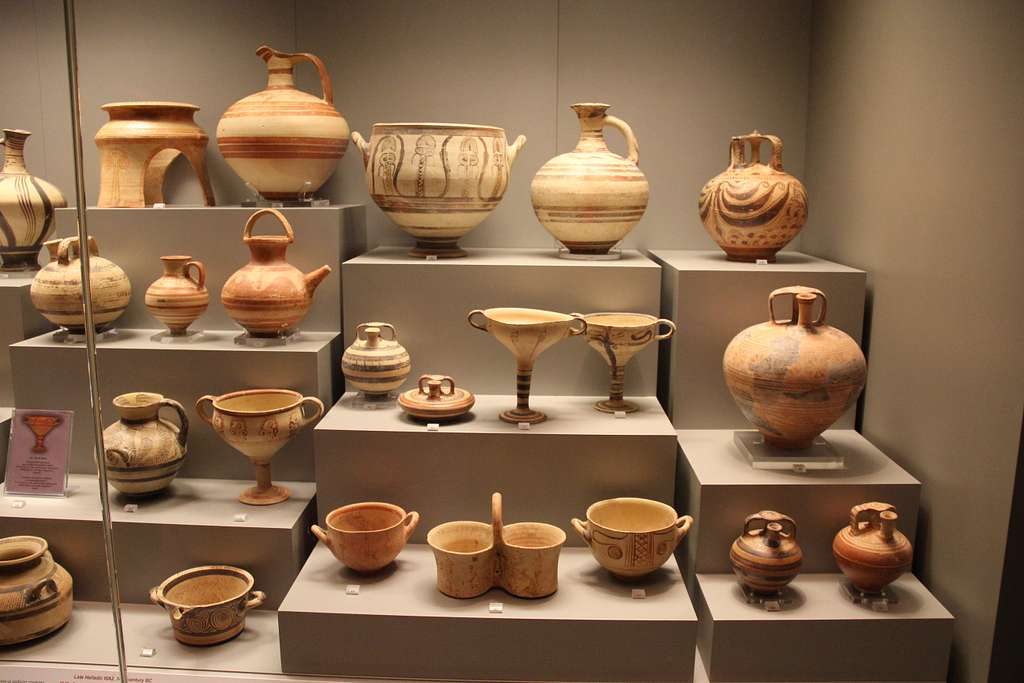
Mycenaean pottery is the decorated ceramic ware of Bronze Age mainland Greece, produced in quantity at centres such as Mycenae itself. Potters threw it on the fast wheel and fired it to a hard, pale surface, then painted it with lustrous dark designs. Early pieces borrowed flowing motifs from Minoan Crete, while later work turned … Read more
Menelaus: The Spartan Brother of Mycenae’s King

Menelaus: The Spartan Brother of Mycenae's King

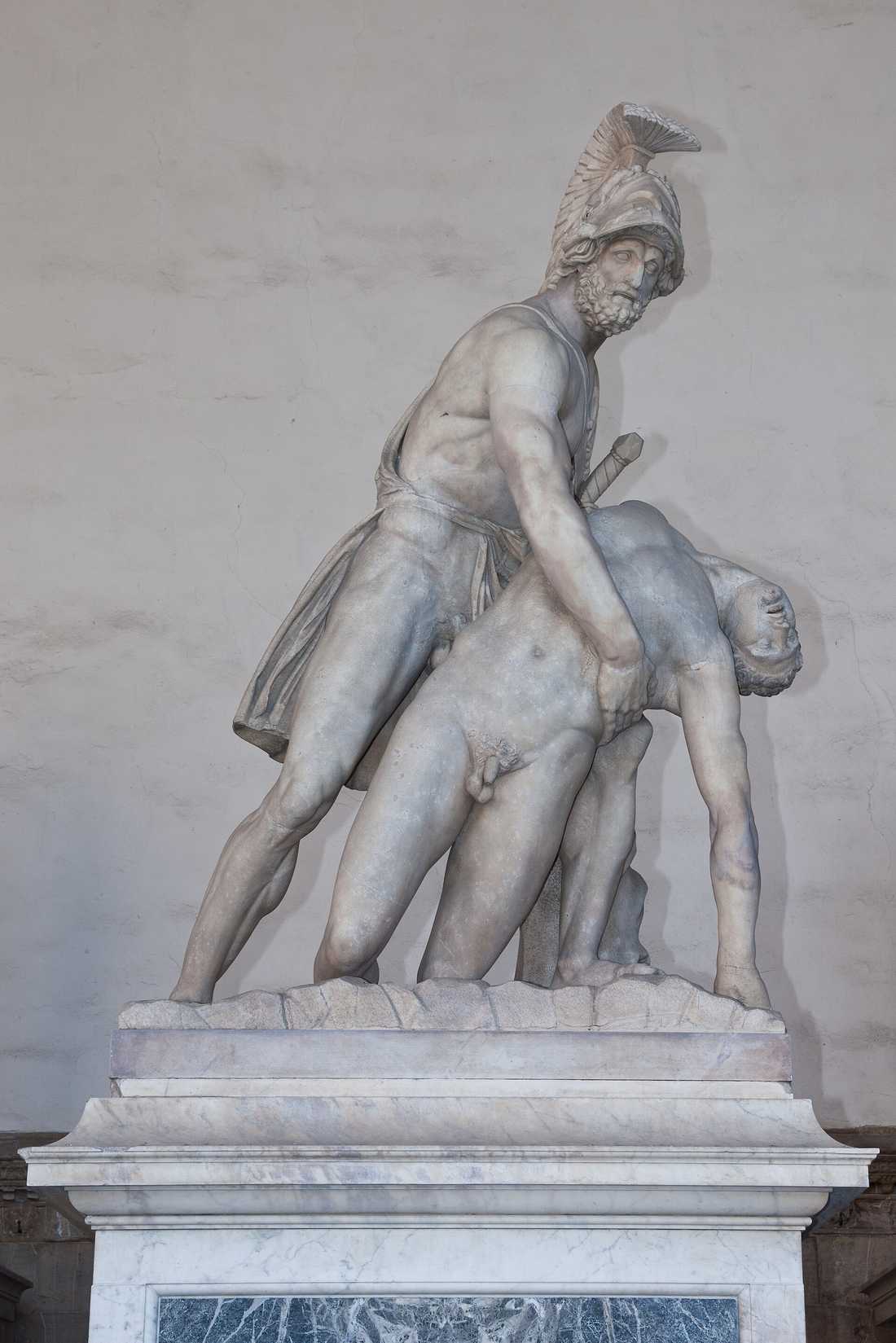
Menelaus stands in Greek myth as the king of Sparta and the younger brother of Agamemnon, the great king of Mycenae. Both were sons of Atreus, raised within a cursed royal line whose seat was the citadel above the plain of Argos. Menelaus married Helen, named the most beautiful woman in the world, and ruled … Read more

Pelops: Ancestor of the Kings of Mycenae

Pelops: Ancestor of the Kings of Mycenae

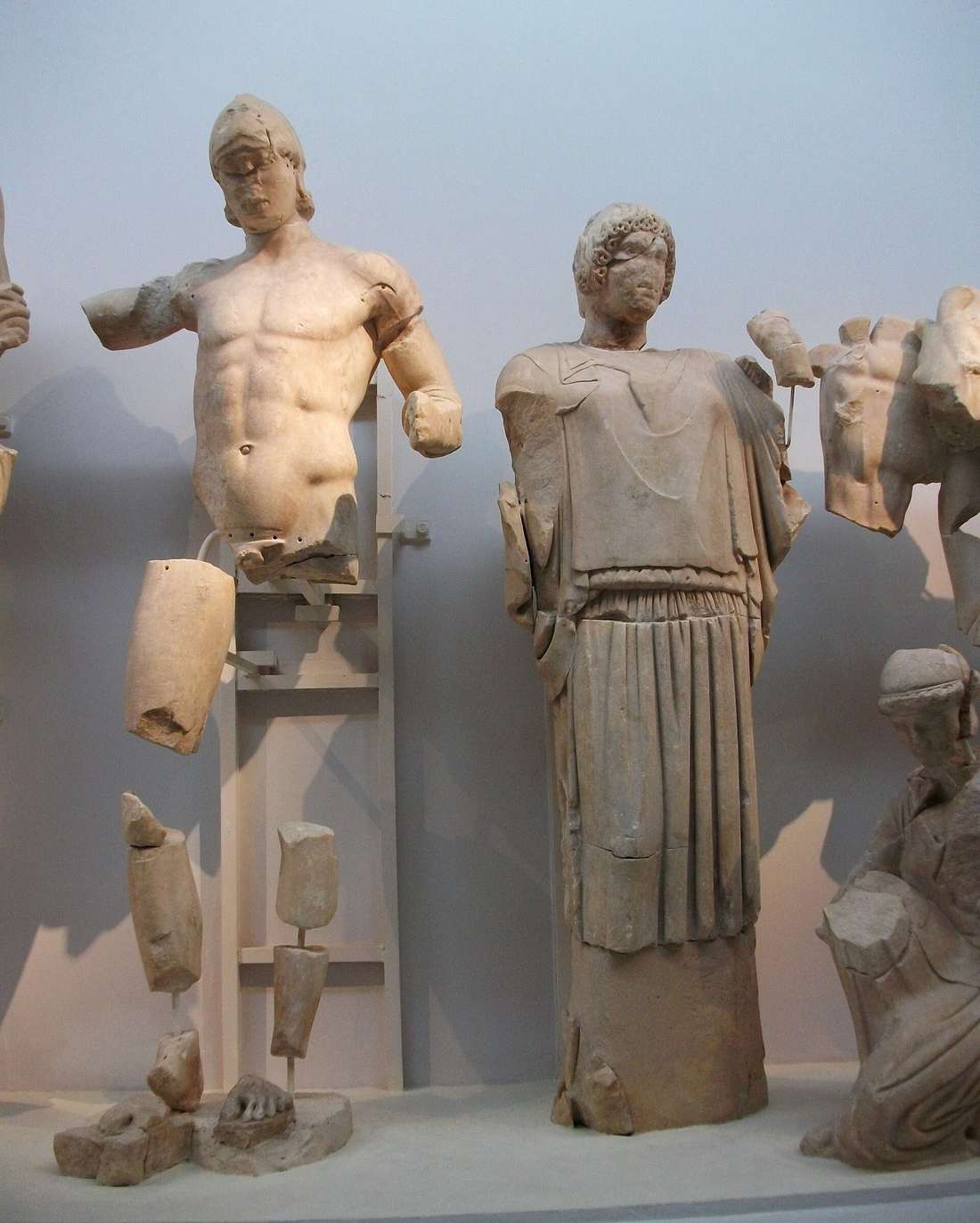
Pelops stands as the great ancestor of the royal house of Mycenae in Greek myth, the figure who gave the Peloponnese, the island of Pelops, its very name. A son of Tantalus, he won his bride Hippodamia by defeating her father Oinomaos in a deadly chariot race. That victory came through the treachery of the … Read more

Electra: Princess of Mycenae and the Avenging Sister

Electra: Princess of Mycenae and the Avenging Sister

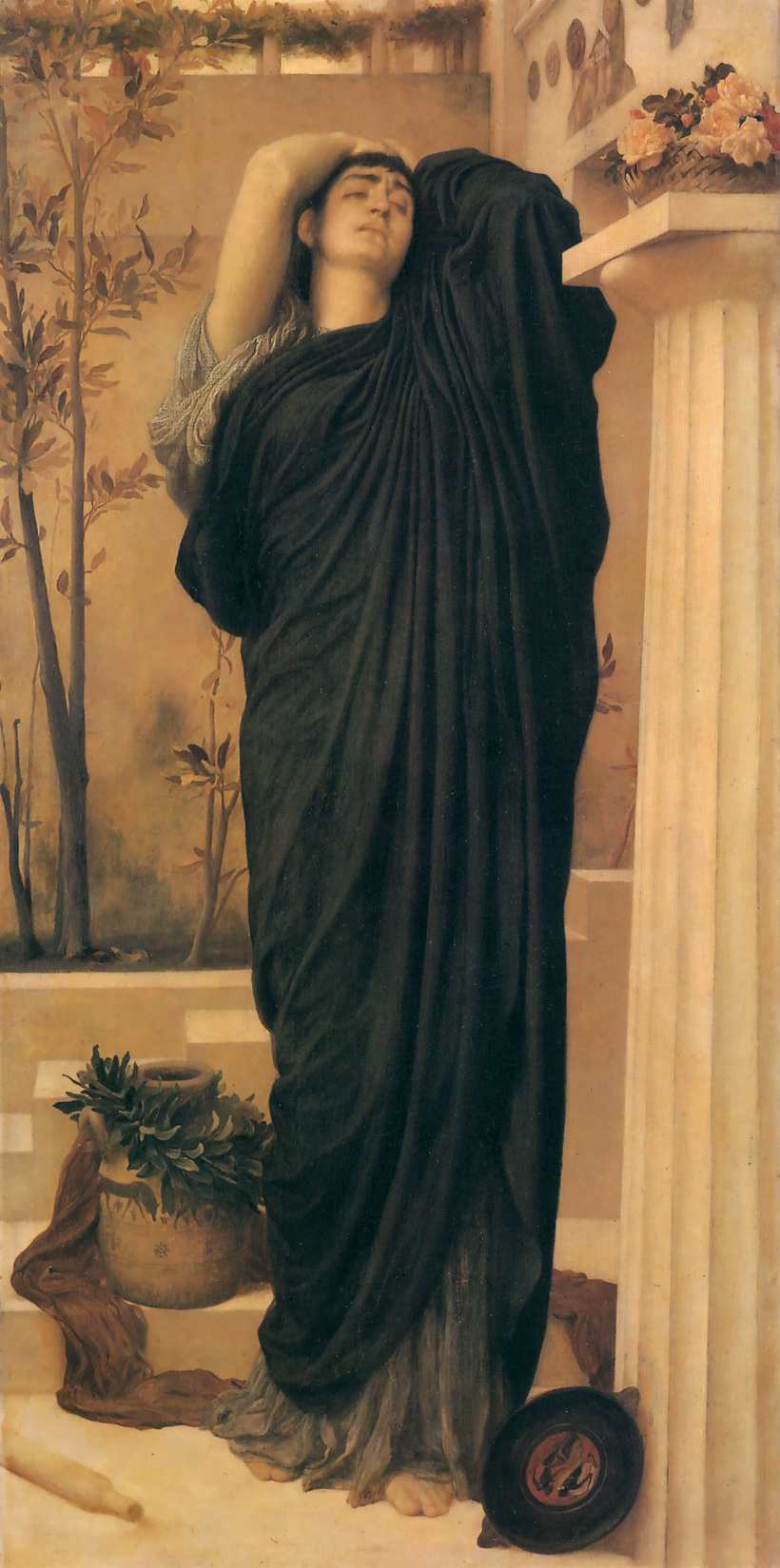
Electra ranks among the most haunting figures in the legend of Mycenae, a princess trapped inside the crime that tore her royal family apart. Greek myth named her a daughter of King Agamemnon and Queen Clytemnestra, sister to Orestes and to the sacrificed Iphigenia. Her mother and her mother’s lover murdered the returning king, and … Read more

Cassandra at Mycenae: The Trojan Prophetess

Cassandra at Mycenae: The Trojan Prophetess

Cassandra was the Trojan prophetess whose tragic story ends inside the citadel of Mycenae. A daughter of King Priam of Troy, she received the gift of true prophecy from the god Apollo, yet the same god cursed her when she refused him, so that no listener would ever believe her warnings. She foresaw the destruction … Read more

Aegisthus: The Usurper King of Mycenae

Aegisthus: The Usurper King of Mycenae

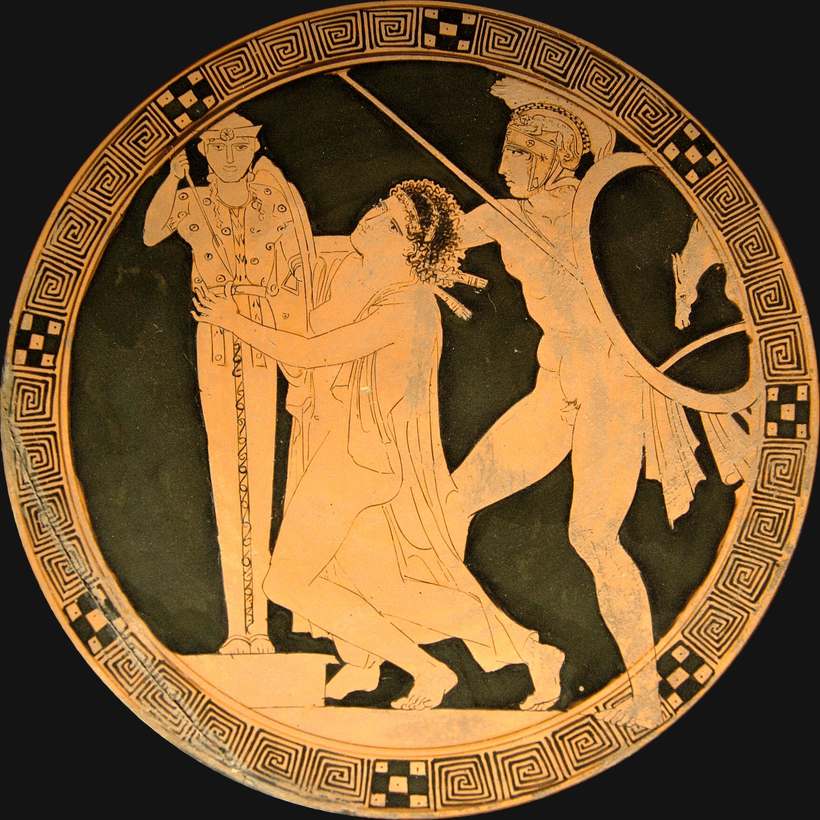
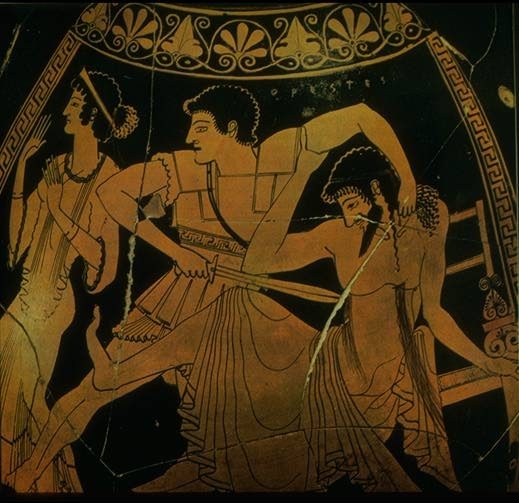
Aegisthus stands among the darkest figures in the legend of Mycenae, the usurper king whose crime and downfall belong to the bloodiest chapter of the royal saga. Greek tradition made him the son of Thyestes, born of the old feud between his father and Thyestes’ brother Atreus over the throne of the citadel. As King … Read more

Mykines Village: The Modern Base for Visiting Mycenae

Mykines Village: The Modern Base for Visiting Mycenae

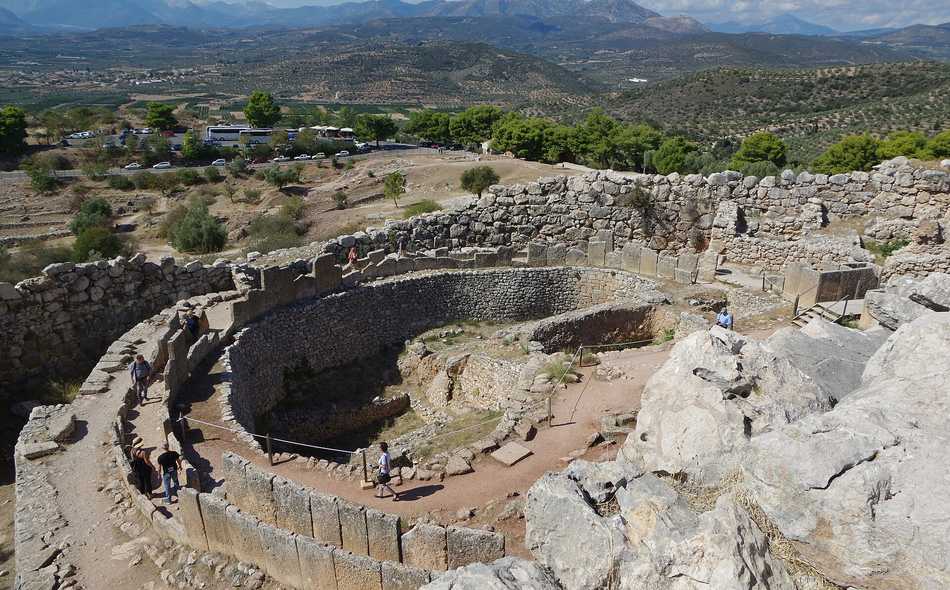
Mykines is the small modern village that sits at the foot of the archaeological site of Mycenae, in the Argolid region of the Peloponnese. It carries the name of the ancient city on the hill above and serves as the everyday base for reaching the citadel, the museum and the tholos tombs. A single main … Read more

The Bronze Age Collapse and the Fall of Mycenae

The Bronze Age Collapse and the Fall of Mycenae

The Bronze Age collapse was the wave of destruction that ended the Mycenaean world. It struck the eastern Mediterranean toward the close of the second millennium before the common era. Within three or four generations the great palaces of Mycenae, Pylos, Tiryns and Thebes were burned or abandoned. The Linear B script and the palace … Read more

Mycenaean Religion: Gods and Cult at Mycenae

Mycenaean Religion: Gods and Cult at Mycenae

Mycenaean religion was the system of gods, cult and ritual practised across Bronze Age Greece at powerful centres such as Mycenae. The clay tablets found in the palaces name deities familiar from later Greek worship, and a group of shrines inside the citadel served as a focus for ritual life. Worshippers brought offerings of food, … Read more

Mycenaean Art: Frescoes, Gold and Pottery of Mycenae

Mycenaean Art: Frescoes, Gold and Pottery of Mycenae

Mycenaean art is the art of Bronze Age mainland Greece, seen at its richest at Mycenae, the leading centre that gives the whole civilization its name. It gathers goldwork, wall frescoes, painted pottery, carved gems, ivory and worked bronze into one confident style. The shaft graves of Mycenae yielded gold funerary masks, inlaid daggers, cups … Read more

The Warrior Vase: Mycenae’s Famous Krater

The Warrior Vase: Mycenae's Famous Krater

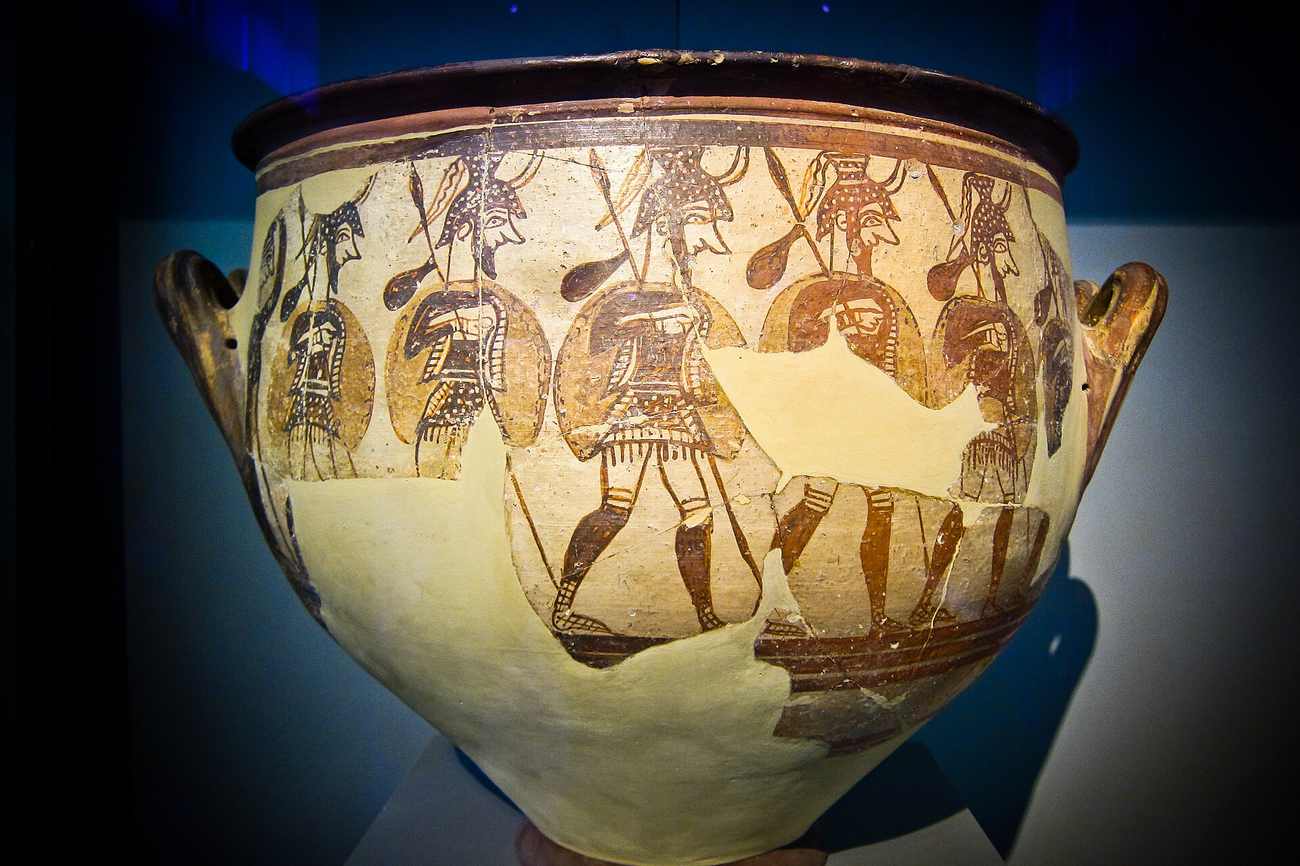
The Warrior Vase is one of the best-known works of Mycenaean art, a painted pottery krater found at the citadel of Mycenae. Heinrich Schliemann discovered it near the great fortress, and it dates to the late Bronze Age. The vessel is a large mixing bowl for wine. Painters covered it with a file of helmeted … Read more