Mycenae Day Trip from Hydra

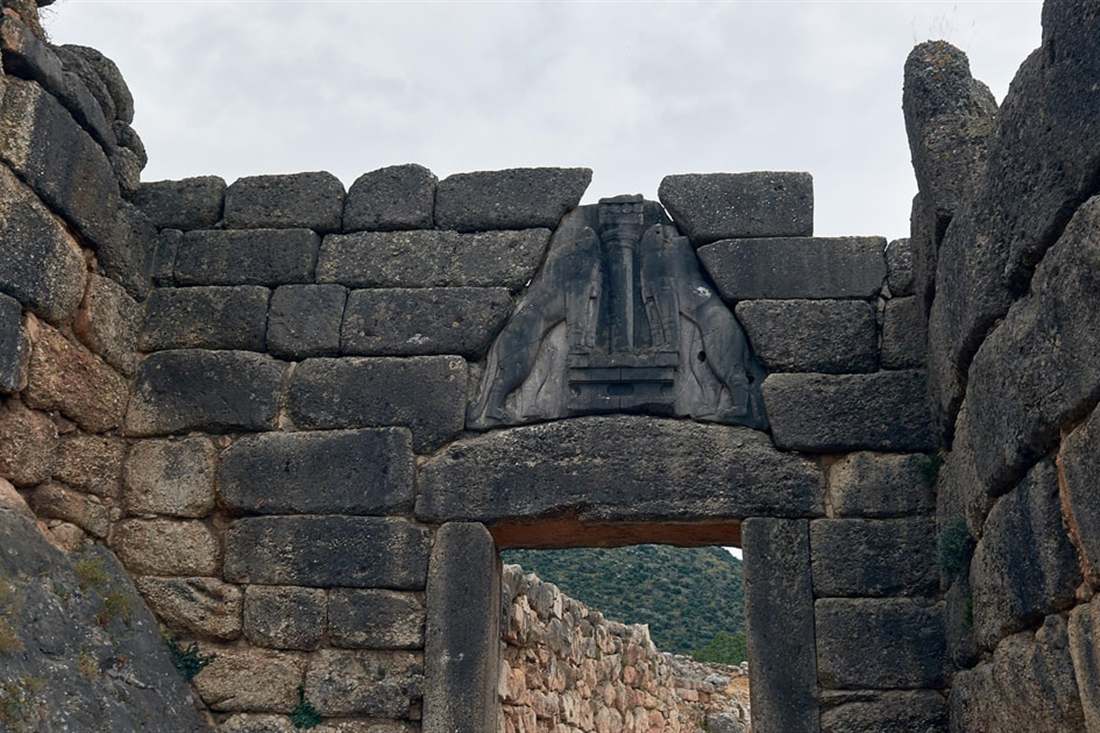
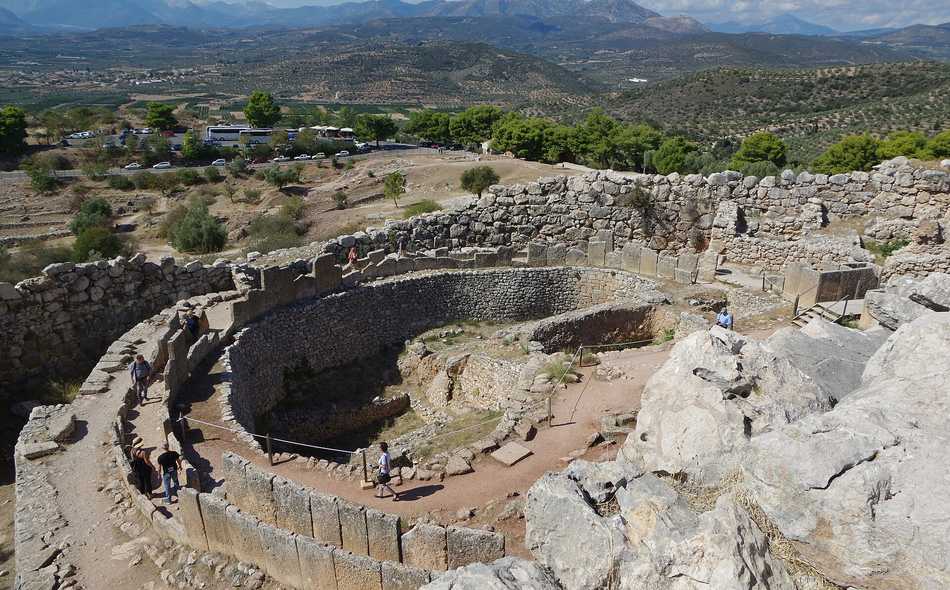
The Lion Gate of Mycenae, a carved relief of two lions above a stone lintel in walls of huge blocks.

A Mycenae day trip from Hydra starts with a short boat crossing to the mainland, then drives through the Argolid to the Bronze Age citadel of Mycenae, with stops at Epidaurus and Nafplio. Tours across the rest of the country are listed on Greece Tours. The sections below cover the tour you can book, the … Read more
Mycenae Day Trip from Corinth

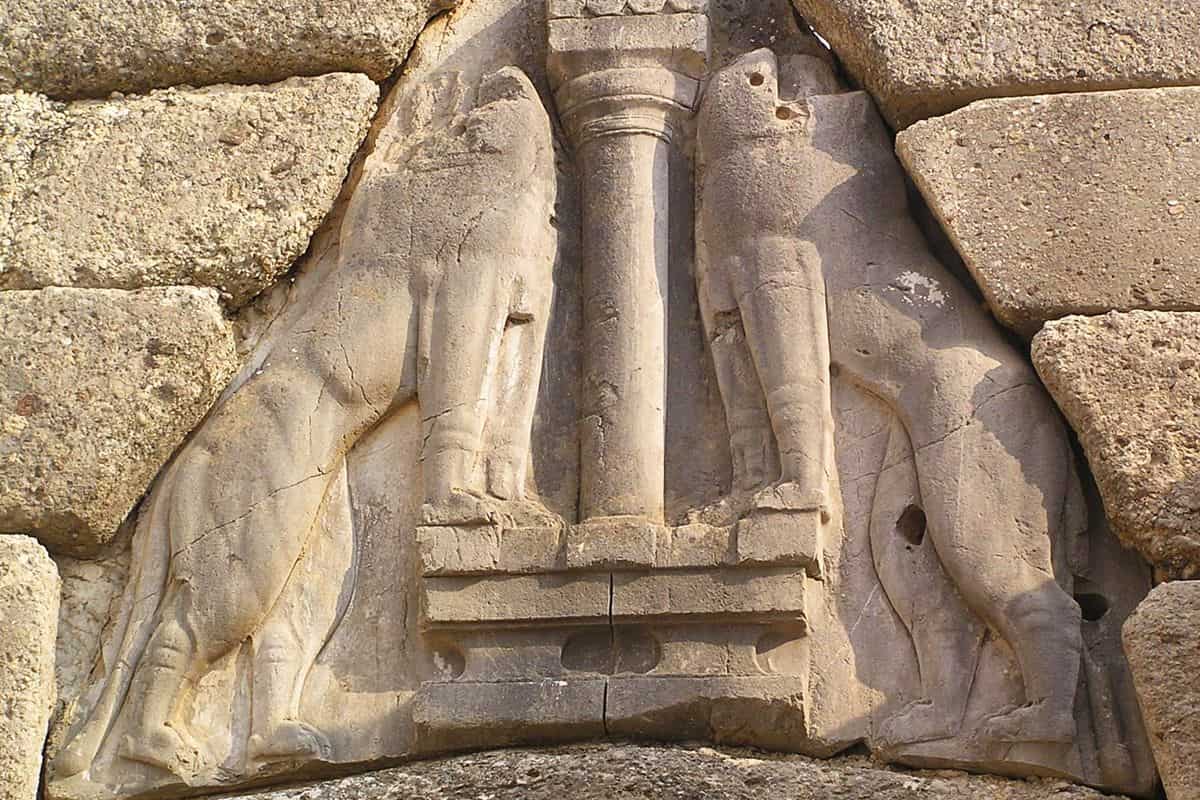
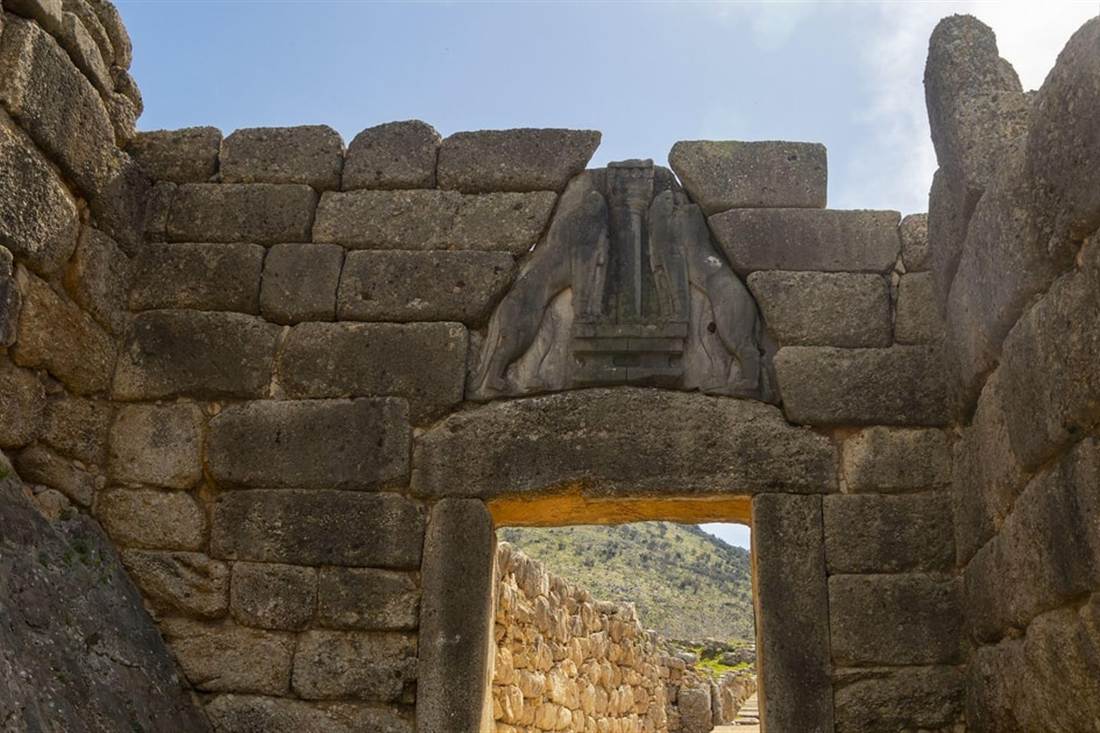
The Lion Gate of Mycenae, two carved stone lions above a massive lintel set in walls of huge limestone blocks.

A Mycenae day trip from Corinth is a drive south from the isthmus past Nemea to the Bronze Age citadel of Agamemnon in the Argolid, with time for the Lion Gate, the royal tombs and the museum. Tours across the rest of the country are listed on Greece Tours. The sections below cover the tours … Read more

Mycenae Day Trip from Nafplio

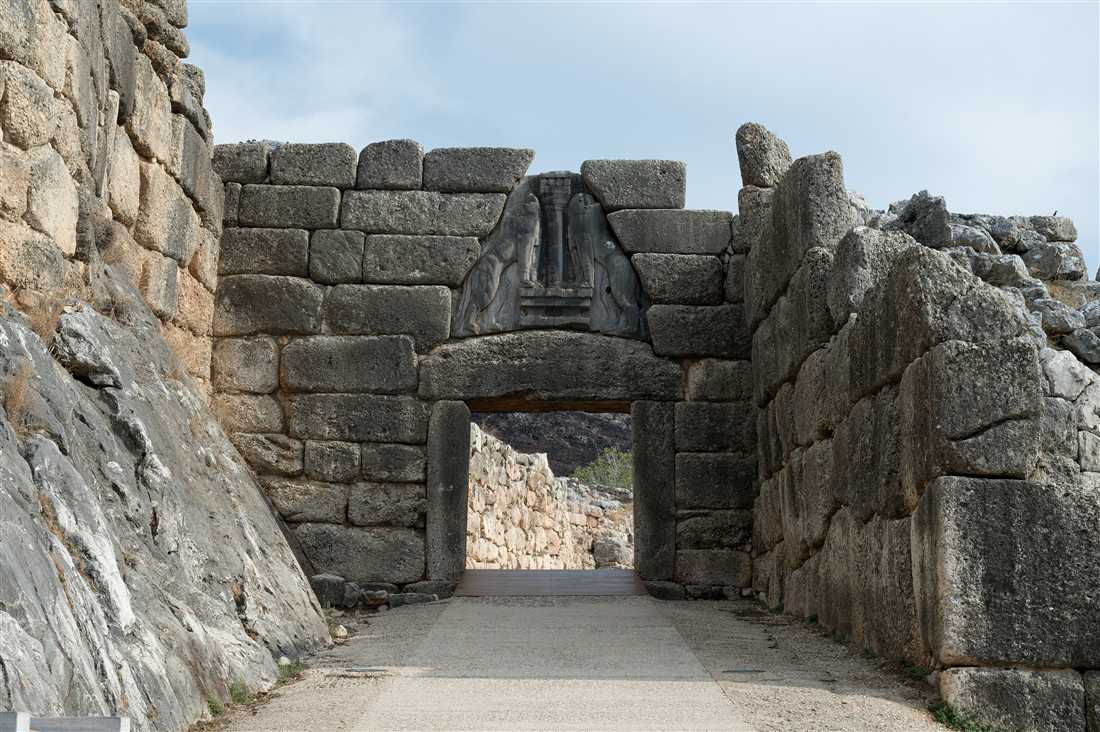
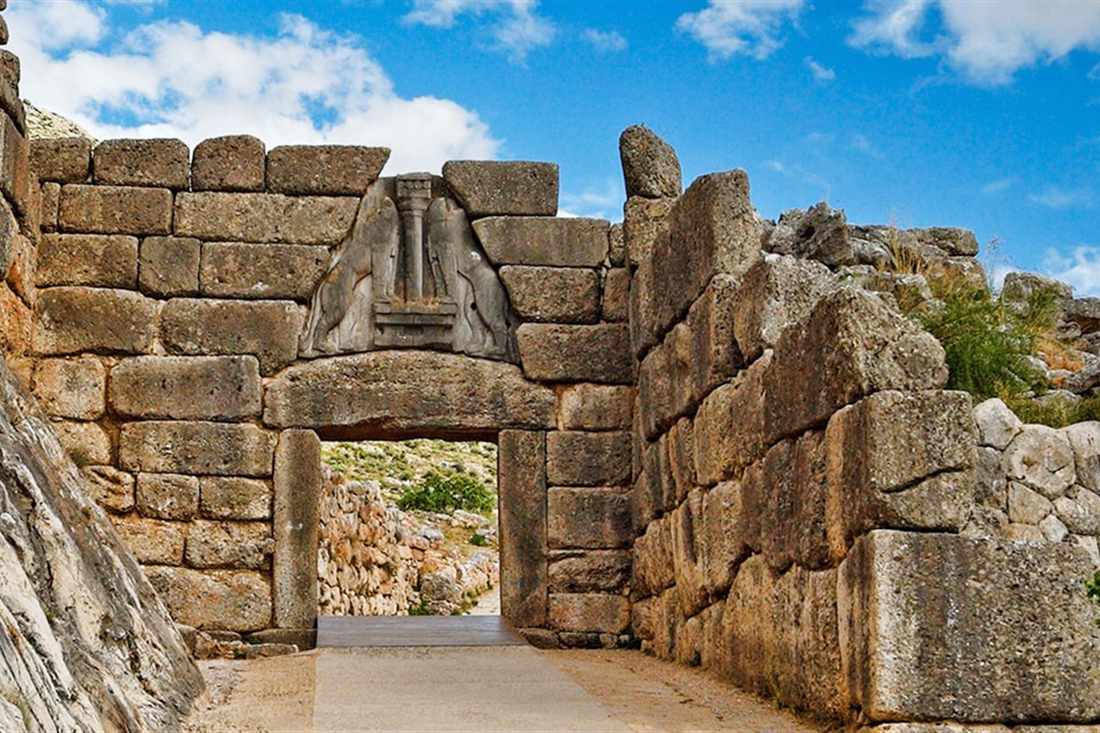
The Lion Gate of Mycenae, with two carved lions above the lintel, set in walls of huge stone blocks under a blue sky.

A Mycenae day trip from Nafplio is a half-day or full-day excursion from the old town of Nafplio to the Bronze Age citadel of Mycenae, about half an hour north by road. Tours across the rest of the country are listed on Greece Tours. The sections below cover the tours you can book, the road, … Read more

The Dendra Panoply: Mycenaean Armour near Mycenae

The Dendra Panoply: Mycenaean Armour near Mycenae

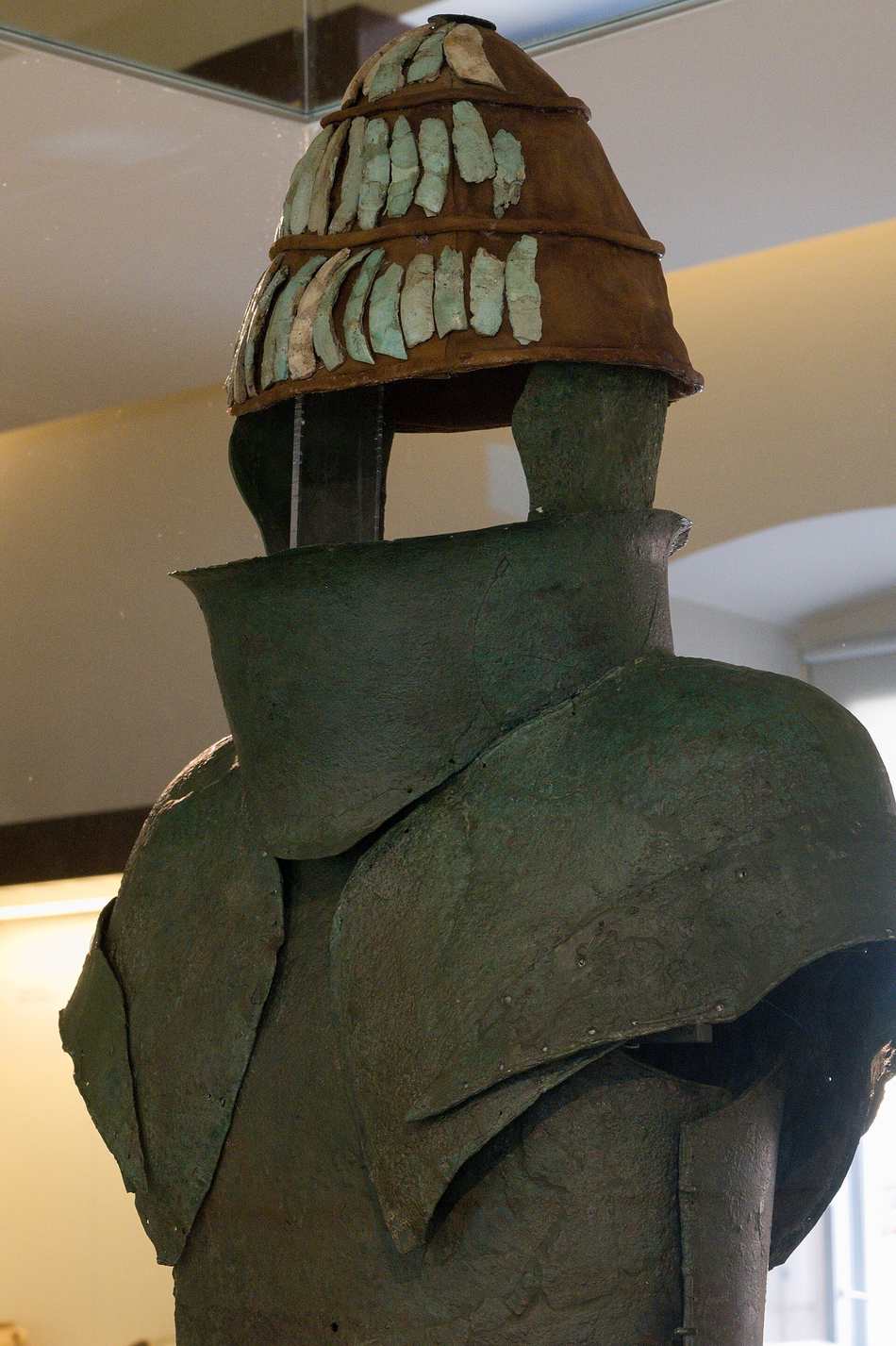
The Dendra panoply is a near-complete suit of Mycenaean bronze plate armour, one of the most important finds of Bronze Age Europe. Excavators unearthed it at Dendra in the Argolid, close to Mycenae, inside a chamber tomb near the ancient site of Midea. The armour dates to around the fifteenth century before the common era, … Read more

The Boar’s Tusk Helmet of Mycenaean Mycenae

The Boar's Tusk Helmet of Mycenaean Mycenae

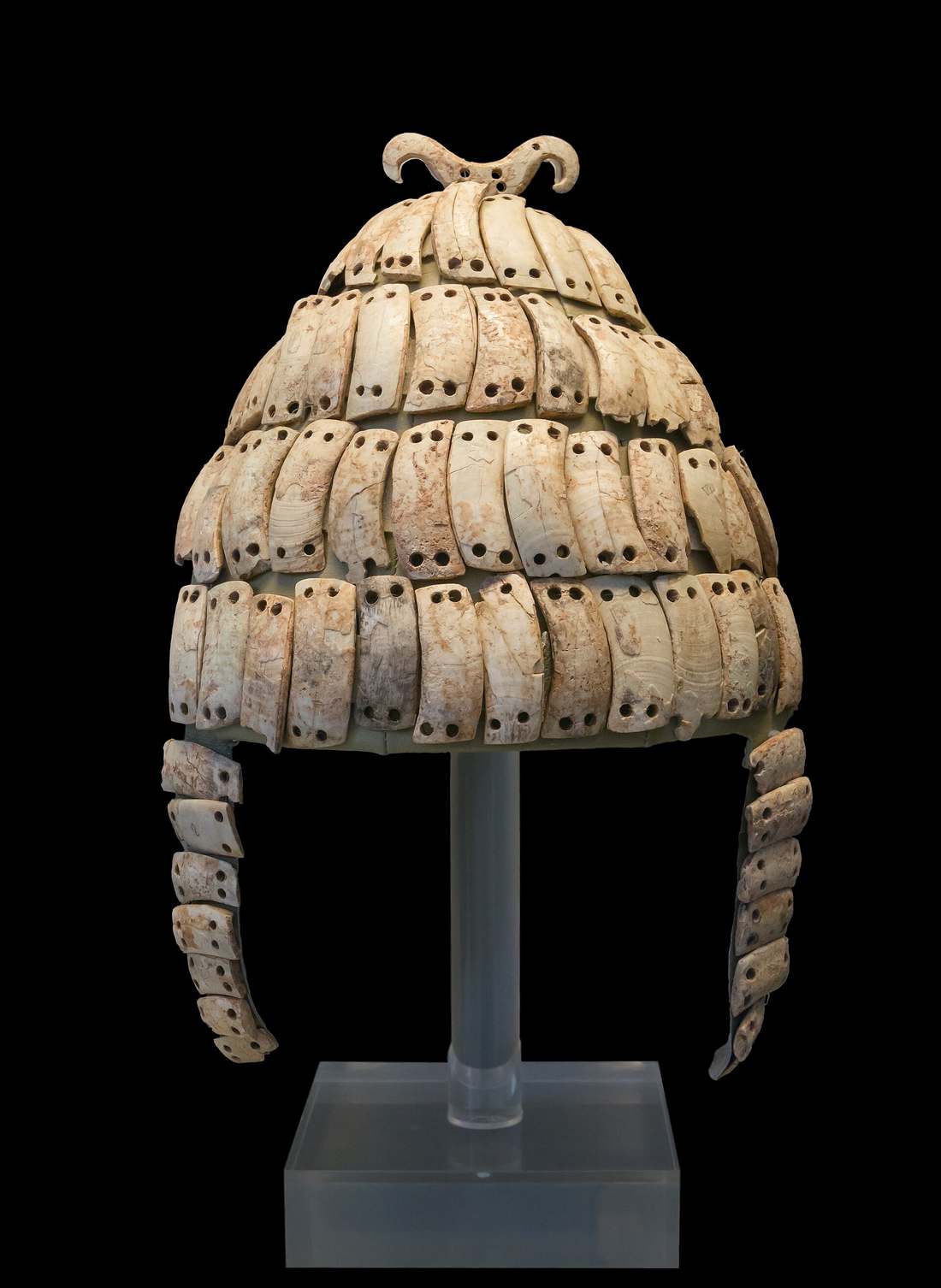
The boar’s tusk helmet stands among the clearest emblems of the Mycenaean warrior, a headpiece unlike any other in the ancient world. Craftsmen built it by splitting the tusks of wild boars into curved plates and sewing them in overlapping rows onto a padded leather cap, often finished with cheek-pieces and a tall plume. The … Read more

Mycenaean Frescoes: The Wall Paintings of Mycenae

Mycenaean Frescoes: The Wall Paintings of Mycenae

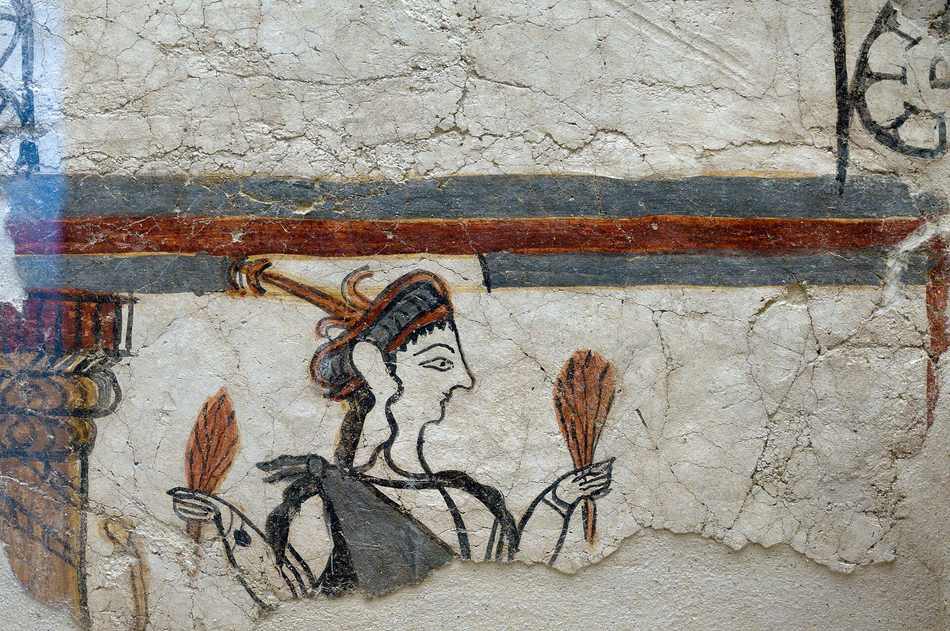
Mycenaean frescoes are the painted wall decorations that once covered the Bronze Age palaces of mainland Greece, the citadel of Mycenae among them. Painters spread mineral colours over wet lime plaster in a technique carried across from the Minoans of Crete, filling halls, corridors and shrines with bright scenes. Their palette ran to red, blue, … Read more

Mycenaean Pottery: The Ceramics of Mycenae

Mycenaean Pottery: The Ceramics of Mycenae

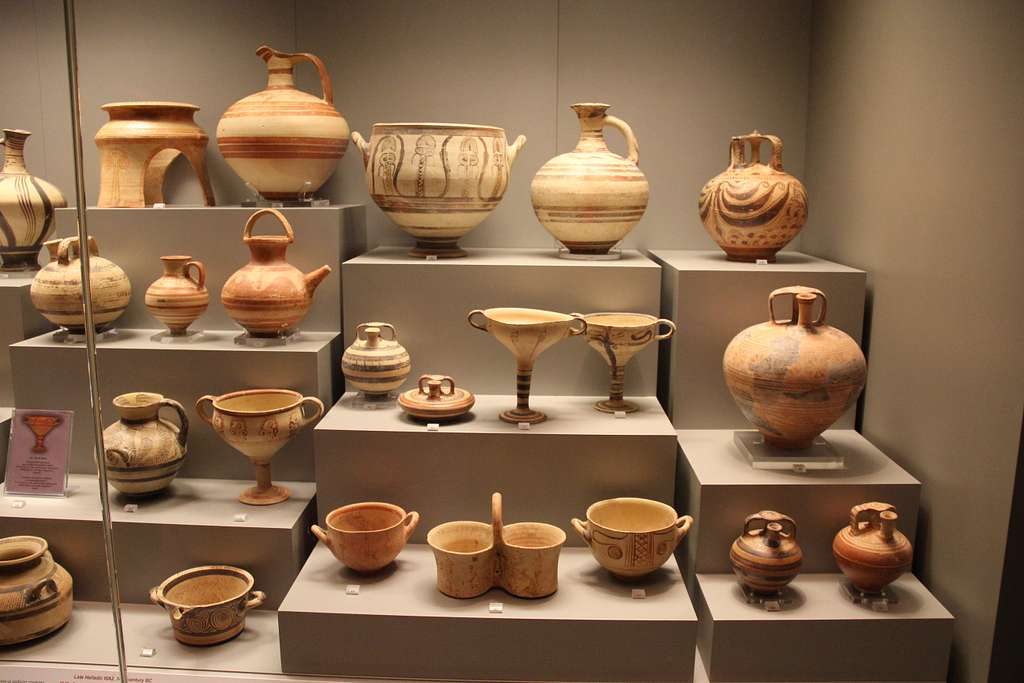
Mycenaean pottery is the decorated ceramic ware of Bronze Age mainland Greece, produced in quantity at centres such as Mycenae itself. Potters threw it on the fast wheel and fired it to a hard, pale surface, then painted it with lustrous dark designs. Early pieces borrowed flowing motifs from Minoan Crete, while later work turned … Read more

Menelaus: The Spartan Brother of Mycenae’s King

Menelaus: The Spartan Brother of Mycenae's King

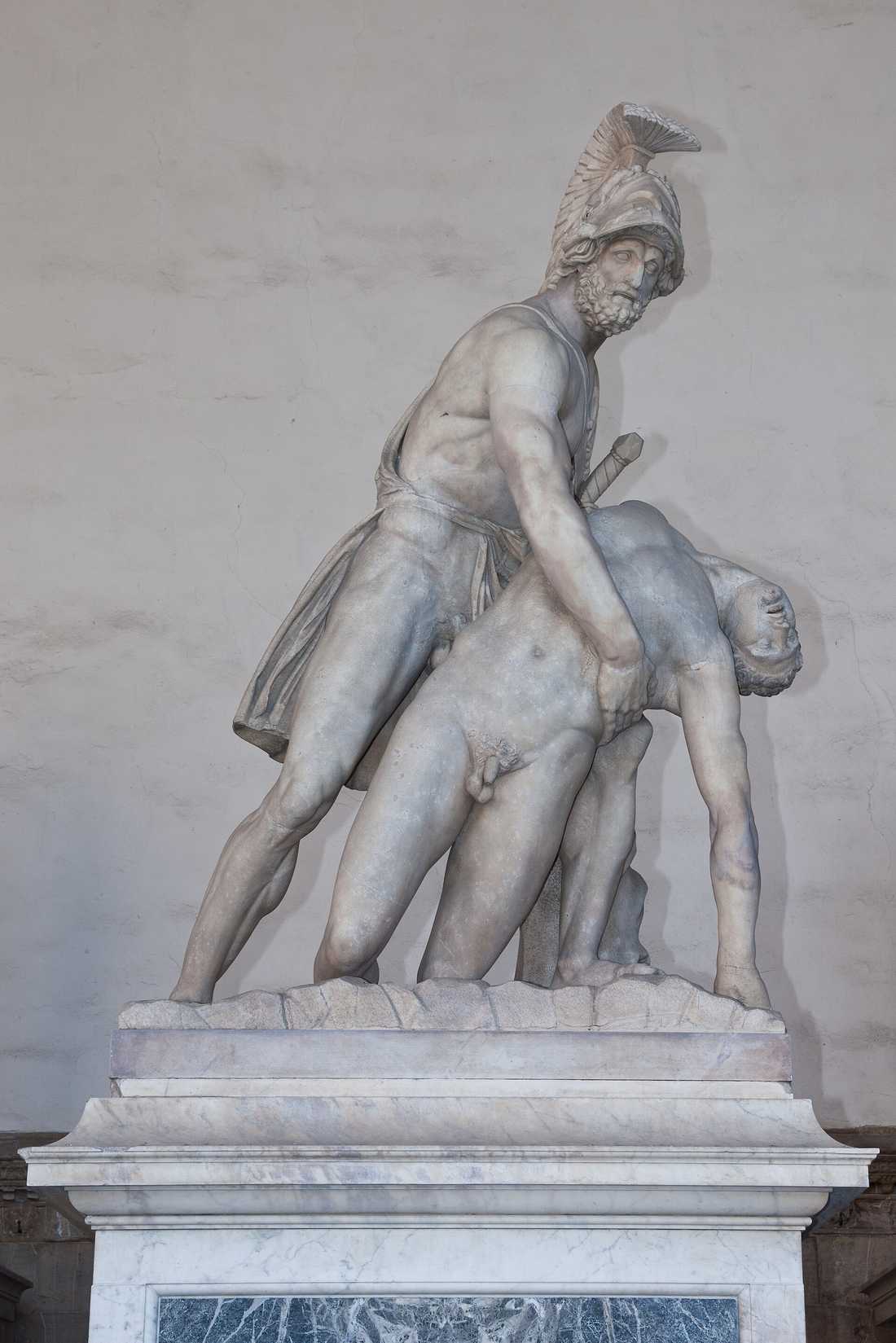
Menelaus stands in Greek myth as the king of Sparta and the younger brother of Agamemnon, the great king of Mycenae. Both were sons of Atreus, raised within a cursed royal line whose seat was the citadel above the plain of Argos. Menelaus married Helen, named the most beautiful woman in the world, and ruled … Read more

Pelops: Ancestor of the Kings of Mycenae

Pelops: Ancestor of the Kings of Mycenae

Pelops stands as the great ancestor of the royal house of Mycenae in Greek myth, the figure who gave the Peloponnese, the island of Pelops, its very name. A son of Tantalus, he won his bride Hippodamia by defeating her father Oinomaos in a deadly chariot race. That victory came through the treachery of the … Read more