Prehistoric Thassos: The Island’s Oldest History
Prehistoric Thassos: The Island's Oldest History

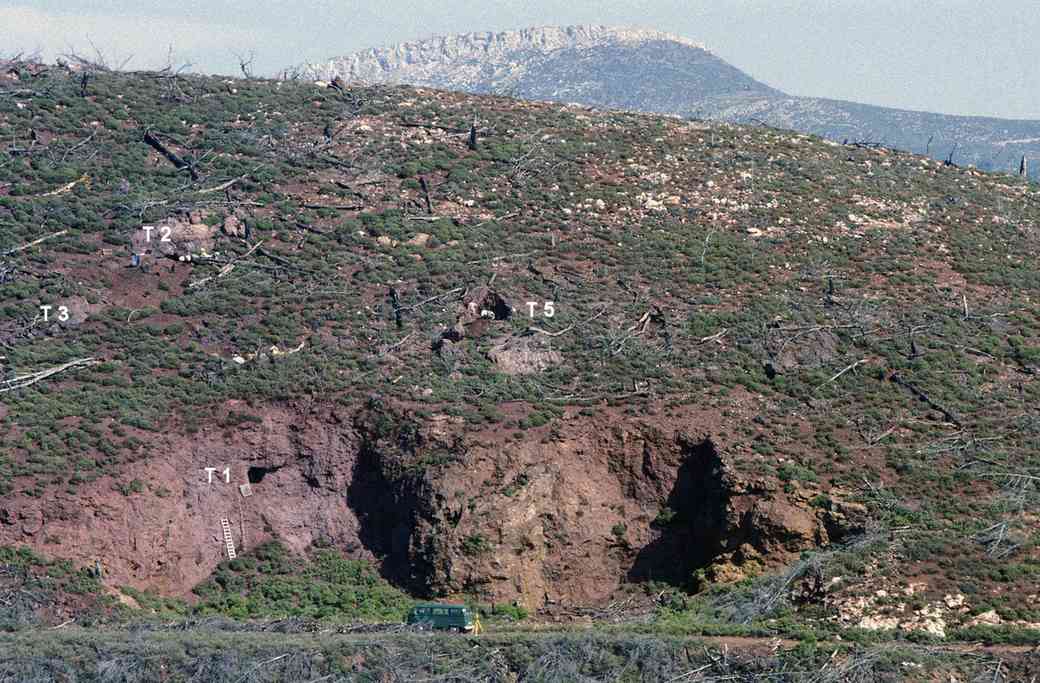
Prehistoric Thassos reaches back tens of thousands of years, long before the marble city of the classical age rose on the northern coast. Deep beneath the hills near Limenaria, miners of the Old Stone Age cut galleries into the rock to reach red ochre, leaving one of the oldest underground mines known in Europe. Farmers … Read more
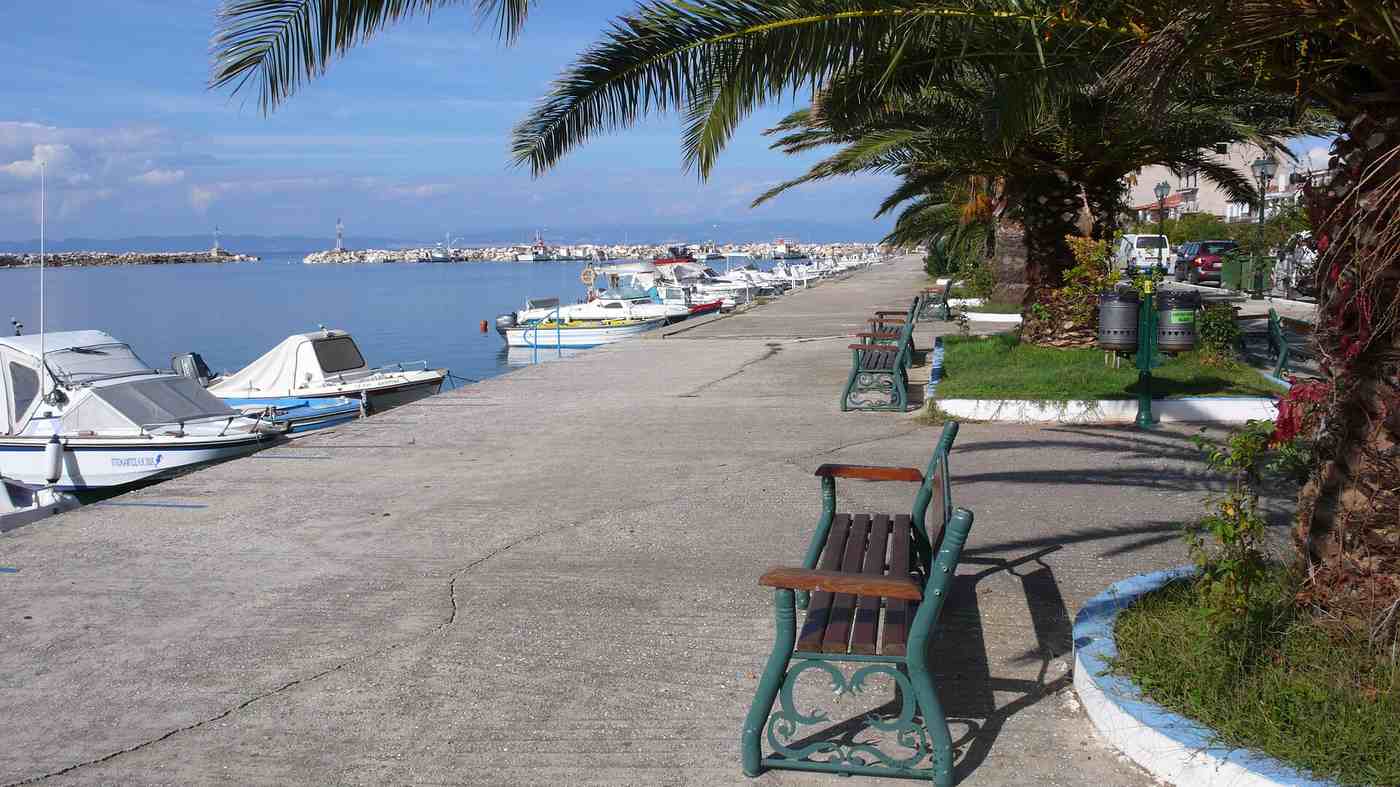
Skala Sotiros in Thassos

Skala Sotiros in Thassos

Skala Sotiros is a small, tranquil coastal village on the west coast of Thassos, built by the seaside in a green, sheltered area. The village lies 20 kilometres from Limenas, the island capital, and serves as the shore settlement of the inland village of Sotiros. It began as a modest fishing hamlet and grew slowly … Read more

The Boar’s Tusk Helmet of Mycenaean Mycenae

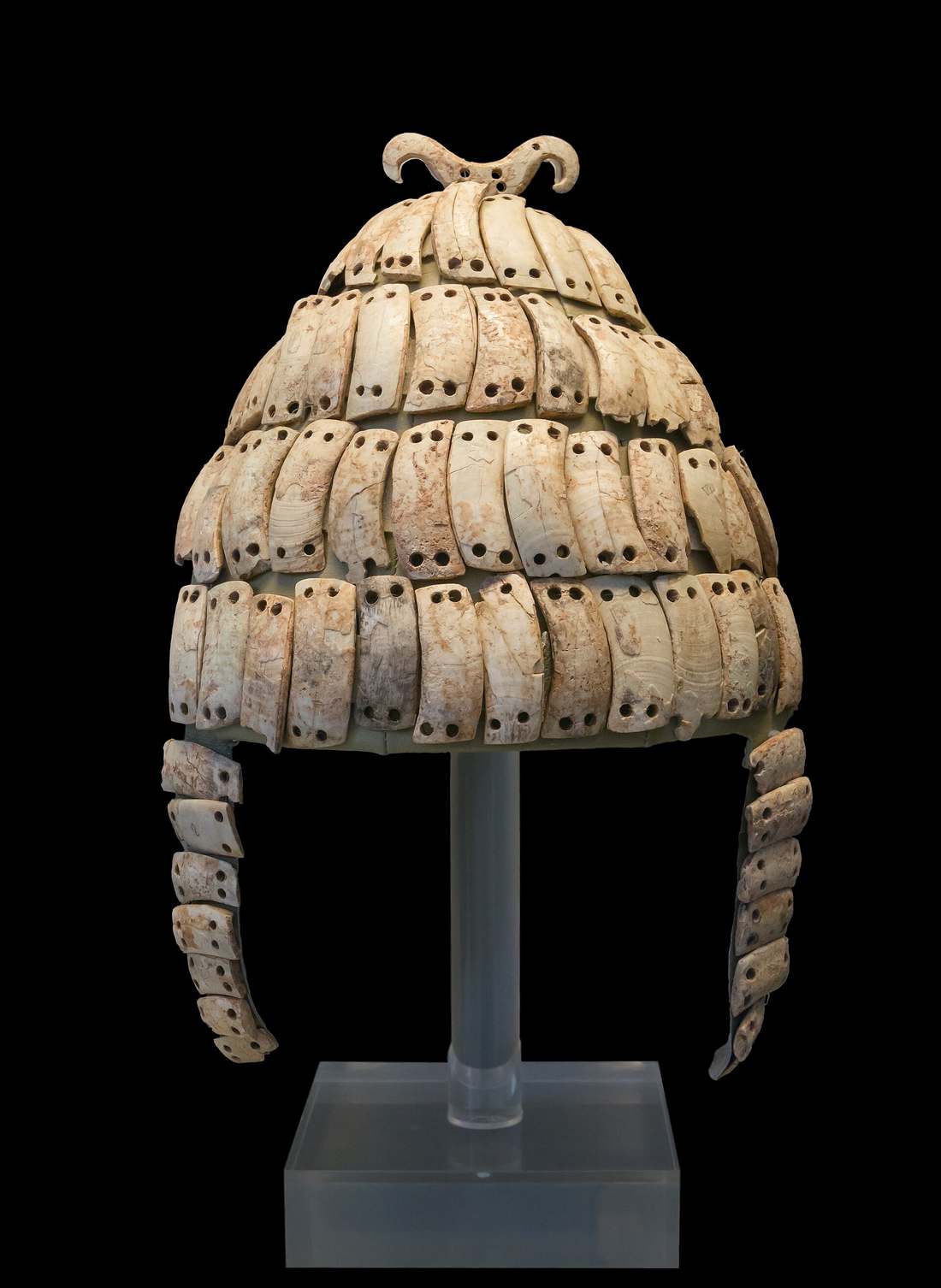
The Boar's Tusk Helmet of Mycenaean Mycenae

The boar’s tusk helmet stands among the clearest emblems of the Mycenaean warrior, a headpiece unlike any other in the ancient world. Craftsmen built it by splitting the tusks of wild boars into curved plates and sewing them in overlapping rows onto a padded leather cap, often finished with cheek-pieces and a tall plume. The … Read more

Mycenaean Pottery: The Ceramics of Mycenae

Mycenaean Pottery: The Ceramics of Mycenae

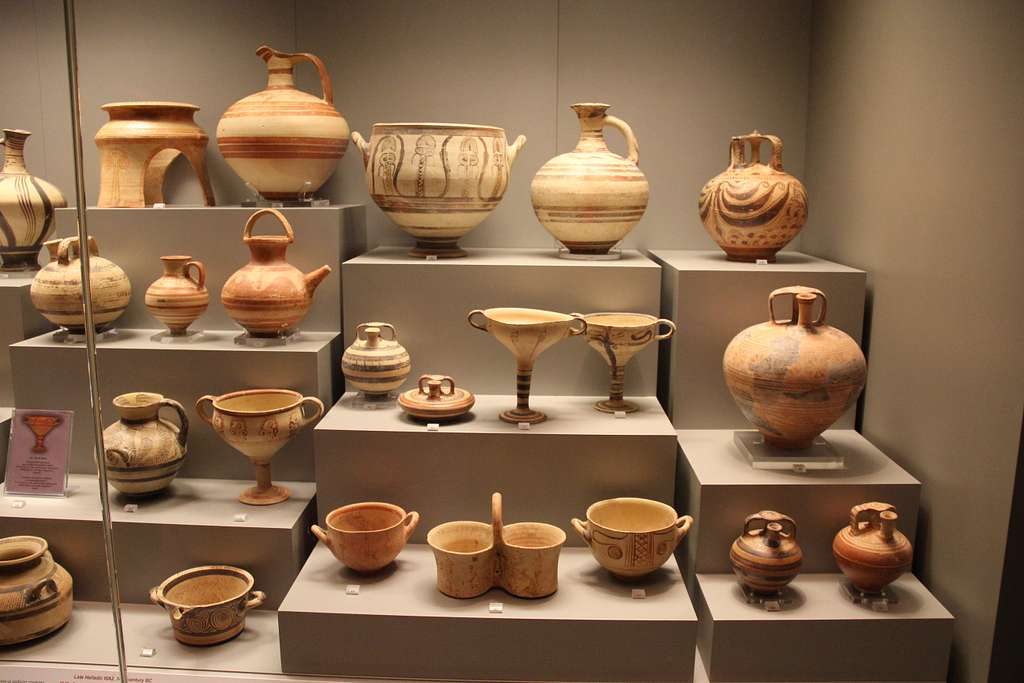
Mycenaean pottery is the decorated ceramic ware of Bronze Age mainland Greece, produced in quantity at centres such as Mycenae itself. Potters threw it on the fast wheel and fired it to a hard, pale surface, then painted it with lustrous dark designs. Early pieces borrowed flowing motifs from Minoan Crete, while later work turned … Read more

The Tomb of Clytemnestra: Mycenae’s Second Great Tholos

The Tomb of Clytemnestra: Mycenae's Second Great Tholos

The Tomb of Clytemnestra is a large Bronze Age tholos, or beehive tomb, standing at Mycenae near the Lion Gate and the grave circles below the citadel walls. It ranks second in size and grandeur only to the Treasury of Atreus. The chamber belongs to a ring of monumental tombs built for the rulers of … Read more

The History of Mycenae: Rise and Fall of a Bronze Age Capital

The History of Mycenae: Rise and Fall of a Bronze Age Capital

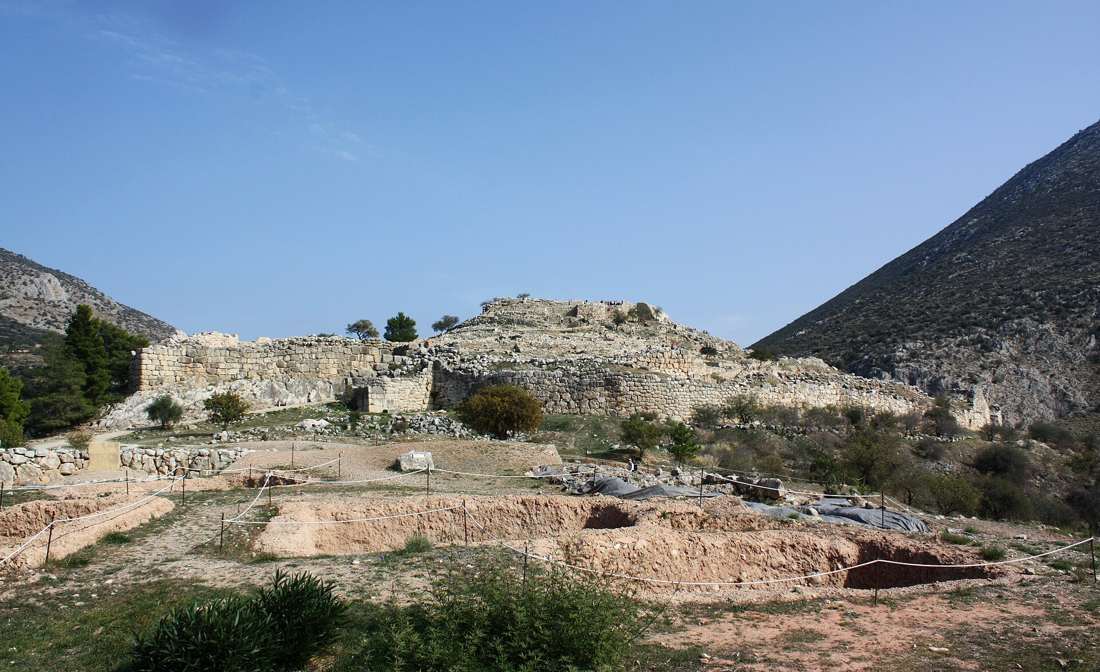
Mycenae began as a small hilltop settlement in the Argolid and grew into the leading centre of Bronze Age Greece, lending its name to a whole civilization. Its rulers gathered wealth, raised Cyclopean walls, and buried their dead in gold-filled graves and great domed tombs. From this fortified citadel they reached out across the Argolid … Read more

Linear B: The Written Records of Mycenae

Linear B: The Written Records of Mycenae

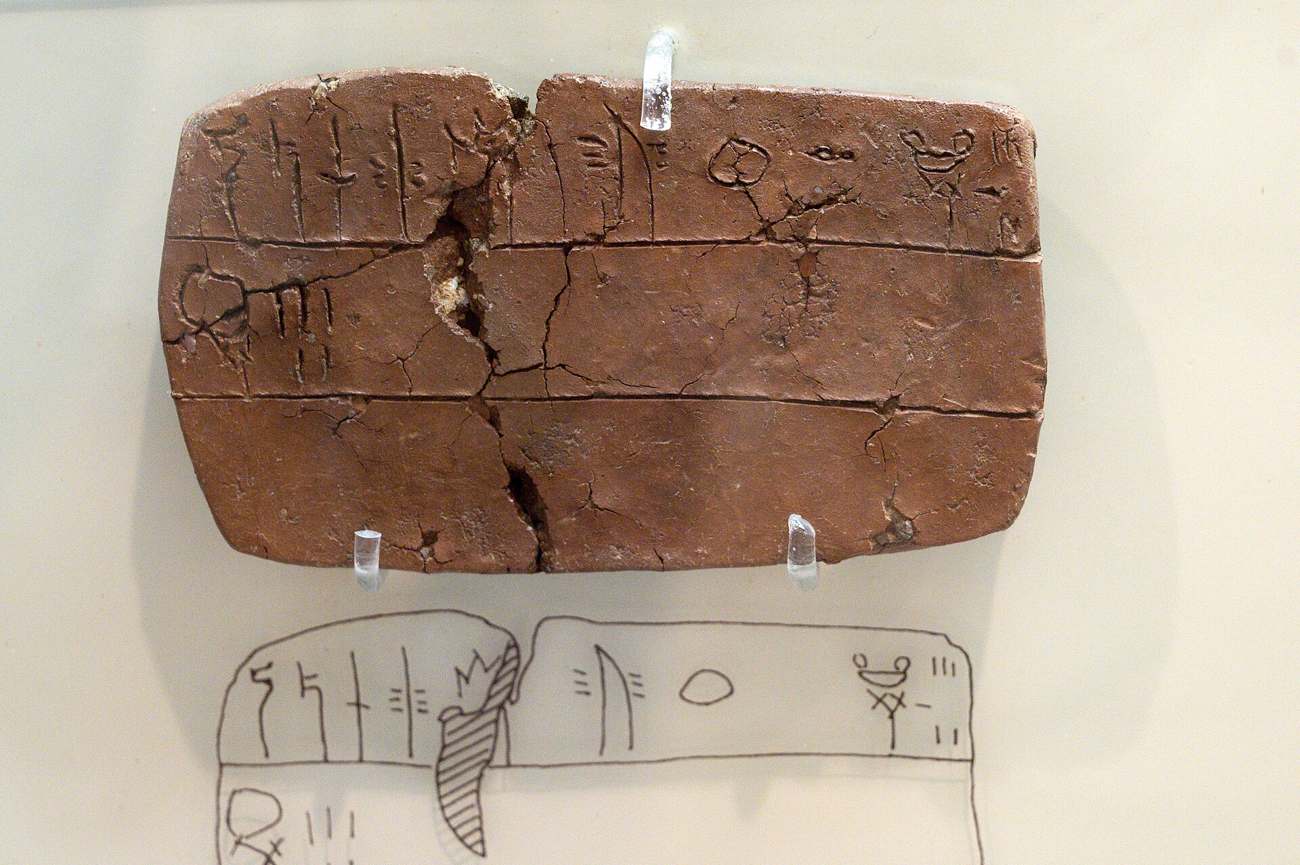
Linear B is the earliest known script used to write the Greek language, the writing system of the Mycenaean palaces in the Late Bronze Age. It survives on clay tablets, baked hard by the very fires that destroyed the palaces they belonged to. Copies of the script have turned up at Mycenae, Pylos, Tiryns, Thebes … Read more

Grave Circle B: Mycenae’s Earlier Royal Cemetery

Grave Circle B: Mycenae's Earlier Royal Cemetery

Grave Circle B is the older of the two royal grave circles at Mycenae, lying just outside the walls of the citadel a short distance from the Lion Gate. It holds shaft graves and simpler cist graves where early rulers were buried with pottery, weapons, jewellery and gold objects, though with less gold than the … Read more

The Mycenaean Civilization: Bronze Age Power at Mycenae

The Mycenaean Civilization: Bronze Age Power at Mycenae

The Mycenaean civilization was the first great civilization of mainland Greece, rising in the Late Bronze Age and named after Mycenae, its most important centre in the Argolid. Its people spoke an early form of Greek and wrote it in the Linear B script, kept mainly for palace records. Powerful kingdoms grew around fortified citadels, … Read more

Palace of Mycenae: The Megaron on the Citadel Summit

Palace of Mycenae: The Megaron on the Citadel Summit

The palace of Mycenae crowned the highest point of the citadel, rising above the Lion Gate and the grave circles that guard the slope below. Here the rulers of Mycenae held their seat through the Late Bronze Age, governing the surrounding kingdom from a hall built for command and ceremony. Courtyards, corridors and storerooms spread … Read more