
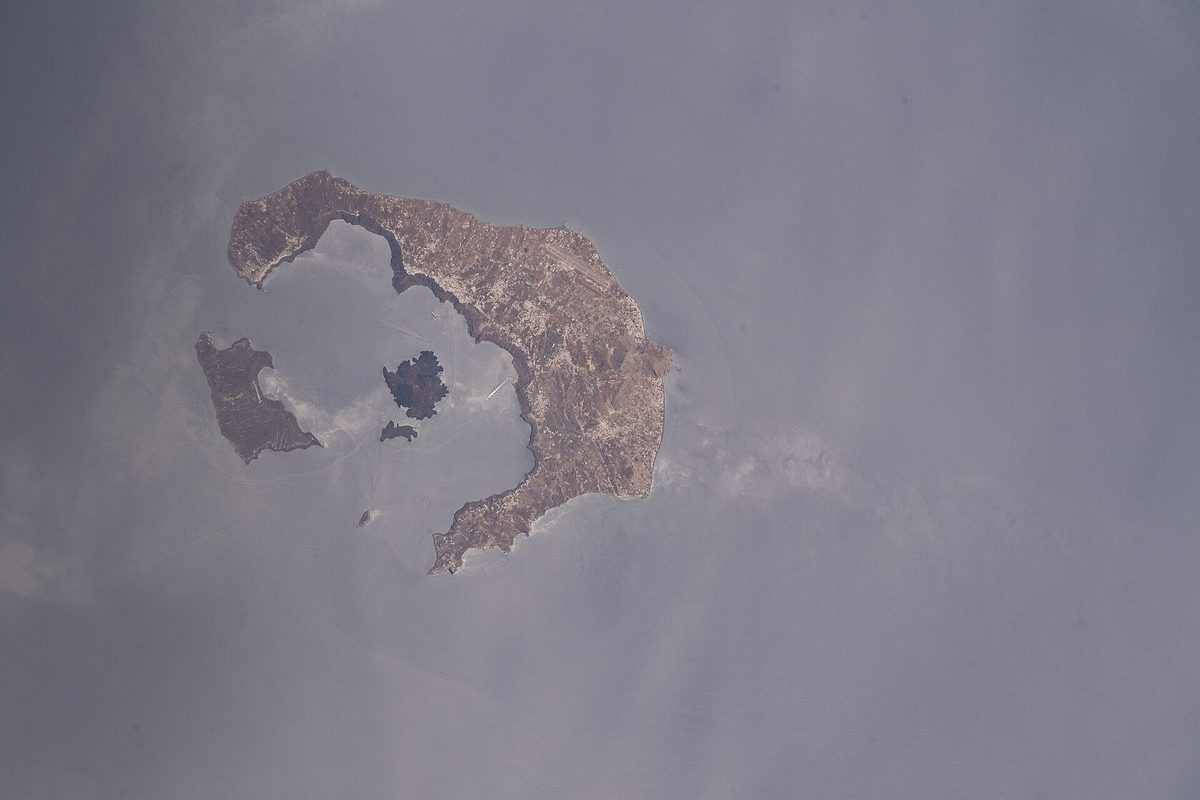
The best things to do in Santorini are watching the famous sunset from Oia, cruising the caldera to the volcano and hot springs, hiking the cliff path from Fira to Oia, tasting Assyrtiko wine and exploring the buried Minoan city of Akrotiri. This guide covers the island’s top attractions and experiences and how to fit them into a trip.
Santorini packs a remarkable range of experiences into a small volcanic island, the heart of the wider Santorini travel guide. Its caldera setting shapes everything. The sections below cover what to do.
What is the number one thing to do?
The number one thing to do is watch the sunset from Oia, the most famous sunset in Greece. The sun drops into the Aegean behind the caldera and blue-domed churches, so arriving early for a cliff spot is essential.
The Oia sunset is Santorini’s signature experience. Each evening, crowds gather along the cliffs of the island’s prettiest village to watch the sun sink into the sea. The light turns the whitewashed houses, windmills and blue domes gold, then pink, then a deep violet as it fades. The ruins of the Venetian castle at the village’s tip are the classic viewpoint, filling up one to two hours before sundown in high season.
Arriving early pays off, so it helps to book a caldera-view restaurant terrace or claim a wall well ahead. The steps by the church of Panagia Platsani or the harbour of Ammoudi Bay offer the same spectacle without the crush. These calmer perches reward walkers who arrive on foot down the old donkey path, set out in the guide to the Santorini sunset. A caldera cruise is the other essential experience.
Why take a caldera cruise?
A caldera cruise ranks among the best ways to see Santorini. Boats sail to the volcano of Nea Kameni, the warm hot springs and the cliffs of Thirassia, then finish with a sunset off Oia over five to eight hours.
Seeing Santorini from the water reveals the true scale of the caldera. The island is the rim of a vast flooded volcanic crater, and boat trips sail across it to the dark volcanic islet of Nea Kameni. A short hike there climbs to the steaming craters and their rust-red rock. The route then reaches the warm, iron-rich hot springs off Palea Kameni for a swim in orange-tinted water that stains swimwear.
Most cruises continue to the cliffs of Thirassia for lunch in a fishing hamlet and finish with the sunset viewed from the sea off Oia, often with a meal on board. Semi-private catamaran trips add swimming and snorkelling stops at the Red and White Beaches, giving a slower and quieter day on the water, set within the wider Santorini caldera. The caldera hike is a free classic.
What is the Fira to Oia hike?
The Fira to Oia hike is a roughly 10-kilometre caldera-edge trail linking the capital with Oia. The walk takes two and a half to five hours past Firostefani, Imerovigli and Skaros Rock, and rates as the top free activity.
The cliff-top walk is Santorini’s finest free experience. The trail follows the rim of the caldera for about 10 kilometres from Fira, running north through the villages of Firostefani and Imerovigli. It passes the dramatic Skaros Rock and then crosses open hillside to Oia, with the blue sea and volcanic cliffs in view almost the whole way. The paved village stretches give way to a rough dirt path once you leave Imerovigli behind.
Most walkers take between two and a half and five hours, depending on stops and the summer heat, so an early start or a late-afternoon departure works best. Sturdy shoes, a hat and water are essential on the exposed middle section, which offers no shade or shops. The route ends in Oia in time for the sunset, set out alongside the guide to the Fira to Oia hike. The beaches are unlike any others.
What are the beaches like?
Santorini’s beaches are volcanic and dramatic rather than golden sand. The black sand of Perissa and Kamari, the Red Beach near Akrotiri and the white-cliff coves of Vlychada draw visitors for scenery and warm water, organised with sunbeds and tavernas.
The island’s beaches reflect its volcanic nature. Instead of pale sand, you find long stretches of black volcanic sand and pebbles at Perissa and Kamari on the south-east coast. Both are organised with sunbeds, watersports and seafront tavernas backed by a long promenade. The black sand grows hot underfoot by midday, so beach shoes help on the walk to the water.
The famous Red Beach sits below towering rust-coloured cliffs near Akrotiri, reached by a short cliff-side scramble that rewards the effort with striking colour. The moon-like white cliffs of Vlychada and the darker pebbles at Perivolos add to the variety along the same coast. These beaches suit visitors chasing unusual scenery and warm, clear water, and a hire car or the KTEL buses reach them easily, set out in the guide to Santorini beaches. Wine is a highlight too.
Is a wine tour worth it?
A wine tour is a Santorini highlight. Tastings cover the crisp, mineral Assyrtiko white and the sweet Vinsanto at clifftop wineries, running four to five hours across two or three estates with hotel pick-up so no one drives.
Santorini’s wine is as distinctive as its landscape. The island’s vines grow in volcanic ash and pumice with almost no rain, drawing moisture from sea mist at night. Growers train them into low basket shapes called koulara to shelter the grapes from the fierce meltemi wind. The result is the bone-dry, mineral Assyrtiko white and the sweet, sun-dried Vinsanto dessert wine.
A half-day guided wine tour visits two or three wineries, such as the renowned estates near Pyrgos and Megalochori, for tastings paired with local cheese, tomato fritters and caldera views. Hotel pick-up means guests taste freely without worrying about the narrow roads, and cellars carved into the cliff keep the barrels cool through summer. It is a relaxed way to understand the island, set out in the guide to Santorini wine. History runs deep at Akrotiri.
What history and culture can you see?
The cultural highlight is Akrotiri, the well-preserved Bronze Age Minoan town buried by the eruption of the seventeenth century BC and often called the Greek Pompeii. The villages of Pyrgos, Emporio and Megalochori and Fira’s museums add further layers.
Beyond the views, Santorini holds extraordinary history. The archaeological site of Akrotiri preserves a sophisticated Minoan port town with multi-storey houses, paved streets, drainage and painted frescoes. The volcanic ash that buried it around thirty-six centuries ago also protected it, freezing the town in time. A modern roof now shelters the whole excavation, letting visitors walk raised gangways above the ancient lanes.
Inland, the traditional villages of Pyrgos, Emporio with its inhabited medieval castle, and Megalochori reveal a quieter, older Santorini of Venetian fortresses and shaded squares. Fira’s museums display the finds and frescoes lifted from the dig, from painted walls to household pottery and gold jewellery. Exploring these brings real depth to a trip, set out in the guide to Akrotiri. The best views come next.
What are the best views in Santorini?
The best views are the caldera panoramas from Oia castle, the cliff balconies of Imerovigli, the terraces of Firostefani, and the summit of Prophet Elias, the island’s highest point, which looks across the whole crescent to the open sea.
The caldera edge is one long viewpoint. Imerovigli, perched at the highest point of the cliff, earns its name of the balcony of the Aegean. It looks down on Skaros Rock and across the flooded crater to Thirassia on the far rim. Firostefani offers the same sweep with thinner crowds and a cluster of quiet cliff-edge chapels.
The paved path between the three cliff villages links them in under an hour of easy walking. Inland, the monastery on Prophet Elias crowns the island’s highest summit at 567 metres, giving a rare view of both the caldera and the open Aegean at once, taking in the vineyards and villages below. Photographers chase the blue domes of Oia here at first light, set within the wider Imerovigli. The villages themselves reward slow exploring.
What are the best villages to explore?
The best villages are Oia for its blue domes and sunset, Fira for the bustling capital, Pyrgos for hilltop lanes and a castle, Megalochori for wine cellars, and Emporio for a medieval fortress quarter of covered alleys and squares.
Each Santorini village carries its own character. Oia and Fira draw the crowds with caldera terraces, boutiques and cafes, yet the inland villages reward those who wander further from the rim. Pyrgos climbs a hill in a spiral of whitewashed lanes to a ruined Venetian kastro, with views to both coasts and a cluster of old churches around the summit. Megalochori hides wine cellars behind grand captains’ mansions and a quiet central square shaded by trees.
Emporio guards the island’s largest medieval fortress, the Kasteli, a warren of covered passages and blind alleys built to confuse raiders from the sea. These quieter corners show daily island life away from the souvenir shops, with local bakeries, kafeneia and washing strung between the houses. A rented car or the buses reach each of them, set out in the guide to Santorini villages. Boat tours open a different angle.
What are the best boat tours in Santorini?
The best boat tours are the sunset catamaran cruise around the caldera, the classic volcano-and-hot-springs boat trip, and the crossing to quiet Thirassia island. Semi-private sailing tours add swim stops at the Red and White Beaches with an on-board meal.
The water offers a full menu of trips beyond the standard caldera cruise. A sailing catamaran glides past the coloured cliffs to anchor at the Red and White Beaches for swimming and snorkelling. The crew then serves a barbecue dinner as the sun sets off Oia, with wine and drinks included on most trips. The traditional volcano boat lands walkers on Nea Kameni for the crater hike and pauses at the hot springs for a warm swim.
A ferry or excursion to Thirassia, the caldera’s forgotten sister island, trades crowds for a working fishing village and a cliff-top hamlet reached by an old stepped path. Private charters let a group set their own pace and route, choosing where to swim and how long to linger, set within the wider Thirassia. Land walks give a different adventure.
What are the best hikes in Santorini?
The best hikes are the Fira-to-Oia caldera trail, the short climb to Skaros Rock below Imerovigli, the ascent to Ancient Thera on the Mesa Vouno ridge, and the walk up the volcano of Nea Kameni to its steaming craters.
Walking is one of the most rewarding ways to feel the island. The star route runs along the caldera from Fira to Oia, but shorter trails add real variety for active visitors. The path to Skaros Rock drops from Imerovigli to a jagged headland once crowned by a Venetian fortress, ending at a lonely chapel with the caldera at your feet. The round trip takes about an hour and needs a head for heights on the final scramble.
On the far side of the island, a steep track climbs Mesa Vouno to Ancient Thera, the ruined classical city set on a ridge between Kamari and Perissa, with the sea on both sides. The volcano hike across Nea Kameni’s black lava rounds out the set, reached only by boat from the old port. Each trail rewards an early start before the heat, set out in the guide to Santorini hiking. Choosing where to stay shapes the trip.
Where is the best base in Santorini?
Stay in a caldera village such as Oia, Imerovigli, Firostefani or Fira for the famous views and cave-house hotels, or on the black-sand coast at Kamari and Perissa for beaches and gentler prices. The choice weighs views against budget.
Where you base yourself defines the pace of the days. The caldera villages of Oia, Imerovigli and Firostefani deliver the postcard views and cave-house hotels with private terraces and plunge pools carved into the cliff, at the island’s highest prices. Steep steps link the levels in these villages, which counts against travellers with heavy bags or limited mobility.
Fira, the capital, mixes caldera balconies with the shops, central bus hub and nightlife, making it the most convenient base for first-timers without a car. On the flat south-east coast, Kamari and Perissa trade the cliff panorama for direct beach access, family tavernas and gentler rates, which suits families and longer stays. Couples chasing romance lean toward the quieter cliff hamlets, set out in the guide to where to stay in Santorini. Knowing how long you need helps you plan.
How long do you need in Santorini?
You need three to five days to enjoy Santorini without rushing. That allows a caldera cruise, the Oia sunset, the Fira-to-Oia hike, a wine tour, Akrotiri and a beach day. Three days covers the essentials; five gives a relaxed pace.
The right length of stay balances the highlights against the island’s slow rhythm. Two nights let you catch the sunset and take one boat trip, but the days feel tight and travel-heavy around ferry or flight times. Three full days open room for the caldera cruise, the cliff hike and a wine tour without a rushed checklist, with an evening to spare for a long dinner on the rim.
Four or five days add a black-sand beach day, the Akrotiri site and the inland villages, plus the lingering meals that define a Cyclades holiday. Longer stays suit those pairing Santorini with a nearby island by ferry, such as Ios or Naxos. A gentle plan beats a crammed one here, and the island rewards repeat visits, set out in the guide to a Santorini itinerary. Getting around is the next question.
How do you get around Santorini?
You get around Santorini by the KTEL public buses that run from the Fira hub to villages and beaches, by hire car or ATV, or by taxi and transfer. The island is compact, roughly 18 kilometres end to end.
Moving between sights is straightforward on such a small island. The green KTEL buses radiate from the central station in Fira to Oia, Kamari, Perissa, Akrotiri and the two ports, cheap but crowded at peak times and infrequent after dark. A hire car or a quad ATV gives the freedom to chase the light and reach the quieter southern corners at your own pace.
Parking in Oia and Fira tightens right up in summer, so an early arrival or a hotel car park helps. Taxis number under forty on the whole island and are best pre-booked, while most hotels arrange port and airport transfers for arrival day. The cable car links Fira to the old port below in minutes, saving the climb up 580 steps, set out in the guide to the Santorini bus. The island’s geology surprises first-timers.
What are the interesting facts about Santorini?
Santorini is the rim of a collapsed volcano whose eruption in the seventeenth century BC ranks among the largest in history. The island’s real name is Thira, its black beaches are volcanic, and its cliffs rise 300 metres.
The island’s story is written into its geology. Santorini, officially Thira, was once a round island until a colossal eruption blew out its centre, leaving the crescent caldera flooded by the sea. Scholars link the blast to the Atlantis legend and to the sudden decline of Minoan Crete across the water. The dark sand and red-and-white cliffs come directly from cooled lava and layered ash, banded like a cross-section through the eruptions.
The caldera wall drops as a sheer 300-metre face into water so deep that cruise ships anchor offshore rather than dock at a pier. Whitewashed churches number in the hundreds across the island, their blue domes echoing the sea and sky. The name Santorini comes from Santa Irini, a chapel that gave sailors their landmark, set within the wider Santorini volcano. Food and wine round out any visit.
What food and drink can you try?
Order Santorini’s cherry tomatoes and tomato fritters, white aubergine, fava split-pea puree, fresh seafood at Ammoudi Bay, and the crisp Assyrtiko wine. A guided food walk or cooking class in Fira brings the volcanic-soil produce together.
The volcanic soil gives the island a cuisine of its own. Tiny, intense cherry tomatoes become fritters called tomatokeftedes, while the sweet white aubergine and the creamy yellow fava split-pea puree appear on nearly every taverna menu. Capers, wild greens and the local katsouni cucumber round out a table of dishes shaped by the dry, mineral ground.
The fishing harbour of Ammoudi Bay below Oia serves grilled octopus and the daily catch at tables set right at the water’s edge, reached down 300 steps or by the coast road. A guided foodie walk through Fira samples these dishes with tastings of local wine and cheese between the cliff-side cafes. A hands-on cooking class turns the same produce into a meal you make yourself, set out in the guide to Santorini cooking classes. Couples find the island especially romantic.
What are the best things for couples and honeymooners?
Couples enjoy a private caldera sunset cruise, dinner on a cliff terrace in Oia or Imerovigli, a two-person wine tasting, and a cave-house suite with a plunge pool. Santorini is among the top honeymoon islands in Greece.
Romance is woven into the island’s landscape. A private sunset sailing trip lets a couple watch the light fade from their own deck, away from the crush on the Oia cliffs. Candlelit tables on the caldera terraces of Oia and Imerovigli turn dinner into a slow event above the darkening sea, with the lights of the villages coming on across the crater.
A quiet tasting at a family winery near Pyrgos stretches the evening with local wine and shared plates. Cave-house suites carved into the cliff, with private plunge pools facing the volcano, complete the honeymoon picture and give couples a retreat between outings. A cliff-top spa treatment adds a calm afternoon, set within the wider Santorini honeymoon. Budget travellers still find worthwhile ways to fill each day.
What can you do in Santorini on a budget?
On a budget you can hike the free Fira-to-Oia caldera trail, ride the cheap KTEL buses to black-sand beaches, watch the Oia sunset for free, and picnic on local bread, tomatoes and fava rather than dining on the caldera rim.
Santorini rewards careful spending as readily as splurging. The island’s headline experience, the walk along the caldera rim from Fira to Oia, costs nothing but time and sturdy shoes. Public buses reach the black beaches of Perissa and Kamari for a euro or two, where the sand and sea are free to enjoy all day. A picnic of bakery bread, cherry tomatoes and fava eaten on a quiet cliff beats a pricey terrace on flavour and view alike.
The Oia sunset asks no ticket, and the inland villages of Pyrgos and Emporio cost nothing to wander. Staying in Kamari or Perissa keeps rooms affordable, and a shared boat tour costs far less than a private charter. Tap water is best avoided, so budget for bottled or a refill bottle, set out in the guide to Santorini on a budget. The season you pick changes the trip.
When is the best time to visit Santorini?
The best time to visit Santorini is late spring, in the warmer weeks before summer, or early autumn, through September and October, for warm weather, swimmable sea and thinner crowds. July and August are hottest and busiest; winter is quiet.
The shoulder seasons offer the finest balance on the island. Late spring brings warm days, wildflowers on the hillsides, a sea warming enough to swim and hotels below their peak rates. September and October keep the water at its warmest after a long summer of heat, with the grape harvest under way and the crowds thinning steadily through the autumn.
July and August deliver reliable sun and a full calendar of open bars and tours, but also the highest heat, prices and ferry queues of the year. Winter turns Santorini calm and green, though the caldera hotels and cruise trade largely close down until spring. Easter brings colourful processions and fireworks to the villages, a highlight for spring visitors, set out in the guide to the best time to visit Santorini. Watersports suit the active traveller.
What watersports and diving are on offer?
Santorini offers scuba diving over volcanic reefs and a wreck, snorkelling at the Red and White Beaches, sea kayaking below the caldera cliffs, and jet-ski and paddleboard hire off Perissa and Kamari. The warm Aegean makes the south coast ideal.
The underwater world here is as volcanic as the land. Dive centres run trips over black-rock reefs, caverns and a small sunken wreck, with the caldera wall plunging into cobalt depths beyond the divers. Snorkellers find calm, clear coves at the base of the Red and White Beaches near Akrotiri, where the water stays sheltered from the wind and the rocks glow with colour.
Sea-kayak tours trace the foot of the cliffs to hidden inlets and a sea cave, ending with a beach picnic and a swim. The organised sands of Perissa and Kamari rent jet-skis, paddleboards and pedalos for a lazier day, and instructors offer lessons for first-timers of any age. The south coast stays warm into October, extending the season, set out in the guide to Santorini watersports. Evenings bring the nightlife to life.
What is Santorini’s nightlife like?
Santorini’s nightlife centres on Fira, with cliff-edge cocktail bars, clubs on the main strip and open-air lounges, plus quieter wine bars in Oia and beach bars at Perissa. Most nights begin with a sunset drink on a caldera terrace.
The island shifts gear from postcard to party once the sun goes down. Fira holds the liveliest scene, its cliff-side bars pouring cocktails over the caldera before the crowd drifts to clubs and open-air lounges along the central strip that stay open until dawn. Oia keeps things refined with candle-lit wine bars and rooftop terraces suited to couples winding down after the sunset.
Down on the coast, Perissa and Perivolos run relaxed beach bars with music, cocktails and loungers that carry the day into the night. Live Greek music and dancing turn up at village festivals through the summer, adding a local edge to the tourist bars. Every evening tends to open with a sunset drink high on the rim, set out in the guide to Santorini nightlife. Day trips extend the island beyond its shores.
What day trips can you take from Santorini?
From Santorini you can take a boat day trip to the volcanic islet of Nea Kameni, the quiet island of Thirassia, or a fast ferry to Ios, Naxos and Crete. The volcano-and-hot-springs cruise is the classic half-day out.
The caldera and the nearby islands make easy escapes for a day. The short boat crossing to Nea Kameni lets walkers climb an active volcano and swim in the hot springs, the island’s most popular half-day trip by a wide margin. Sleepy Thirassia, on the caldera’s western rim, offers a car-free village and a cliff-top hamlet reached in under an hour of sailing from the old port.
High-speed ferries also open Ios for its beaches and youthful buzz, Naxos for mountain villages and long sands, and Crete for a fuller excursion to Knossos or the north coast. Folegandros makes a quieter alternative for a slow day away from the crowds. Booking the return ferry ahead avoids a stranded evening, set out in the guide to Santorini day trips. Fitting the highlights together needs a plan.
Where are the best sunset spots beyond Oia?
The best sunset spots beyond Oia are Imerovigli on its high cliff balcony, the caldera terraces of Firostefani and Fira, the hilltop village of Pyrgos with its inland view, and the harbour of Ammoudi Bay below Oia.
The Oia crowd sends its overflow hunting quieter alternatives for the evening light. Imerovigli sits at the highest point of the caldera rim, so its terraces catch the same golden light with room to breathe and a clear view over Skaros Rock. Firostefani and Fira line the cliff a short walk on, their bars and restaurants angled straight at the sinking sun across the crater.
Pyrgos, crowning a hill inland, trades the caldera view for a sweep across the vineyards and the whole island to the sea, with the sunset behind Prophet Elias. Down at sea level, Ammoudi Bay reflects the last colour on the water beside its fish tavernas, reached down 300 steps from Oia. These perches spread the crowd out, set out in the guide to Oia. The cable car offers a quick thrill of its own.
What is the Santorini cable car?
The Santorini cable car connects Fira on the cliff top with the old port 220 metres below in about three minutes. It is the quick alternative to the 580 zigzag steps or the donkey ride, and serves cruise passengers.
The cable car is a small experience in itself, gliding down the caldera face with the whole crescent spread below. It runs in gondolas between Fira and the old port throughout the day, carrying cruise passengers up from their tenders and day-trippers down to the boats. The ride replaces a steep climb of 580 steps that share the path with working donkeys, so it saves both legs and shoes.
Queues build when a cruise ship empties its passengers ashore, so an off-peak crossing avoids the wait. The alternative walk down the cobbled zigzag gives closer views but passes the donkeys and their traffic. Riding the cable car up and walking down suits travellers wanting both, set out in the guide to the Santorini cable car. The blue domes are the island’s icon.
Where are the famous blue-domed churches?
The famous blue-domed churches cluster in Oia, where three domes line up against the caldera in the classic Santorini photograph. More blue and white chapels dot Firostefani, Imerovigli and the villages, their domes echoing the Aegean and the sky above.
The blue domes are the single most photographed sight on the island. The best-known trio stands in the north of Oia, near the walk down to Ammoudi, where a narrow lane frames three churches against the sea. Photographers gather here at sunrise, before the crowd, to catch the domes in soft, even light with the caldera behind.
Beyond Oia, blue and white chapels punctuate every village and headland, from the cliff edge at Imerovigli to the quiet lanes of Pyrgos. The colours are practical as well as pretty, painted with the same lime wash and blue pigment used on window frames across the Cyclades. Finding a quiet dome away from Oia rewards patient walkers, set out in the guide to the Santorini blue domes. A photo tour captures it all.
Can you do a photoshoot in Santorini?
You can book a professional photoshoot in Santorini, a popular choice for couples, honeymooners and proposals. Photographers work the caldera lanes of Oia and Imerovigli at sunrise or sunset, capturing the blue domes, cliff terraces and sea as a backdrop.
A photoshoot has grown into one of the island’s signature keepsakes. Local photographers know the quiet corners of Oia and Imerovigli and the timing that avoids the thickest crowds, working the golden light at each end of the day. Sessions cover couples, honeymoons, proposals and families, moving between blue-domed lanes, cliff steps and caldera terraces.
Early morning delivers the calmest streets and the softest light, before the day-trippers fill the narrow paths of Oia. A sunset session trades the calm for warmer colour and a busier backdrop. Booking ahead secures a photographer during the peak wedding season, set out in the guide to a Santorini photoshoot. The old windmills add another landmark.
What are the Santorini windmills?
The Santorini windmills are round, whitewashed towers that once ground the island’s grain. The best-known stand at the tip of Oia above the sunset point, with more at Imerovigli and across the island, now converted to homes and photo landmarks.
The windmills mark the island’s farming past, when wind power turned local barley and wheat into flour. The row at the northern end of Oia, beside the Venetian castle, forms part of the classic sunset scene and now houses guest suites behind their thick stone walls. Their sails are long gone, but the cylindrical white towers remain a fixed point in every Oia photograph.
More windmills stand at Imerovigli and on the ridges above the villages, each a reminder of the meltemi wind that shapes the island. Two or three have become cave-style rentals with caldera terraces, joining the converted cliff houses. Spotting them on a village walk adds context to the landscape, set within the wider Santorini windmills. Ancient Thera crowns the eastern ridge.
Is Ancient Thera worth the climb?
Ancient Thera is the ruined classical city on the Mesa Vouno ridge between Kamari and Perissa, founded by Dorian settlers. Its terraces, temples, agora and theatre sit 360 metres up, reached by a steep road or a hiking path.
Ancient Thera rewards those who climb for a look at the island’s Greek and Roman past. The site spreads along a high limestone ridge that separates the beach resorts of Kamari and Perissa, its stone terraces holding the outlines of houses, an agora, temples and a small theatre. The setting, with the Aegean falling away on either side, ranks among the finest of any ancient site in the Cyclades.
A serpentine road climbs to the entrance, and a footpath switchbacks up from Kamari for walkers who prefer their own steam. The ruins tell a different story from Minoan Akrotiri, one of later Dorian settlers, temples and a hilltop town. Pairing it with a beach afternoon below makes an easy day, set out in the guide to Ancient Thera. Bringing it all together needs a plan.
Can you stay in a Santorini cave house?
You can stay in a Santorini cave house, the island’s signature lodging carved into the soft volcanic rock of the caldera cliff. These hyposkafa homes in Oia, Imerovigli and Firostefani offer curved white interiors, private terraces and plunge pools.
The cave houses grew from the way islanders once dug their homes straight into the pumice cliff for shelter and cool. The soft volcanic rock kept the rooms warm in winter and cool in summer, and their arched white ceilings became the look now sold as luxury suites. Oia, Imerovigli and Firostefani hold the finest examples, their terraces stepping down the caldera face.
A cave-house stay puts the sunset and the crater view on your own balcony, often with a private plunge pool cut into the rock. The trade-offs are steep steps between levels and high summer rates in the prime villages. Booking early secures a caldera-view suite in peak season, set out in the guide to Santorini cave houses. Families find their own version of the island too.
What can families do in Santorini?
Families in Santorini enjoy the black-sand beaches of Kamari and Perissa, a boat trip to the volcano and hot springs, the water park near Perivolos, and gentle village walks. The flat south coast keeps children clear of the caldera steps.
Santorini works for children when you base away from the cliff. The organised black-sand beaches at Kamari and Perissa give shallow swimming, sunbeds, tavernas and space to play, all on flat ground with easy parking. A boat trip to climb the volcano and swim in the warm hot springs turns geology into an adventure that younger travellers remember.
The water park near Perivolos adds slides and pools for a hot afternoon, and the Akrotiri site and its museum bring the ancient town to life in a shaded, level setting. Sunset from Kamari or Perissa spares the crowds and cliff edges of Oia. Renting a car keeps the days flexible around nap times, set out in the guide to Santorini with kids. Bringing it all together needs a plan.
How do you fit it all in?
You fit it all in with three to five days, mixing a caldera cruise, the Oia sunset, the Fira-to-Oia hike, a wine tour, Akrotiri and a beach day. Private tours cover the highlights efficiently, while basing centrally links them.
Santorini rewards a relaxed pace over a rushed checklist. Three to five days let you spread the highlights, running a caldera cruise one day, the Oia sunset and cliff hike on another, and a wine tour with Akrotiri on a third. That leaves time for a black-sand beach and long meals in between the big outings.
Guided private tours and day excursions combine three or four sights with a driver and local insight, saving the logistics of buses and parking on a tight trip. Basing centrally in Fira or Imerovigli and using the KTEL buses or a hire car keeps everything within reach for the independent traveller. A three-day frame packs the essentials neatly, set out in the guide to a Santorini 3-day itinerary. The questions below cover the points travellers ask most.
Frequently Asked Questions
What is the number one thing to do in Santorini?
The number one thing to do is watch the sunset from Oia, the most famous in Greece, as the sun drops into the Aegean behind the caldera. A close second is a caldera cruise to the volcano and hot springs, and the Fira-to-Oia cliff hike is the top free activity on the island.
Is Santorini worth visiting for more than the sunset?
Santorini is well worth more than the sunset, offering caldera boat cruises to the volcano and hot springs, the Fira-to-Oia hike, Assyrtiko wine tours, the Minoan site of Akrotiri, black-sand beaches and traditional villages like Pyrgos and Emporio. The island fills three to five days with ease.
What is a good length of stay in Santorini?
You need three to five days to enjoy Santorini’s highlights without rushing, allowing time for a caldera cruise, the Oia sunset, the Fira-to-Oia hike, a wine tour, Akrotiri and a beach day. Three days covers the essentials, and five lets you relax into the island’s slow rhythm.
What are the best free things to do in Santorini?
The best free things to do are hiking the caldera trail from Fira to Oia, watching the Oia sunset, wandering the whitewashed lanes of the cliff villages, and swimming at the black-sand beaches of Perissa and Kamari. The walk out to Skaros Rock below Imerovigli is another free highlight, and the inland villages of Pyrgos and Emporio cost nothing to explore slowly on foot for an afternoon or two.
Is Santorini good for families with children?
Santorini suits families who base on the flat south-east coast at Kamari or Perissa, where the black-sand beaches, shallow swimming and beachfront tavernas work well for children. Boat trips to the volcano, the water park and gentle village walks keep younger travellers happy away from the steep caldera steps.
Do you need a car in Santorini?
You do not strictly need a car, since the KTEL buses link Fira to the villages, beaches and ports cheaply, and boat tours include hotel pick-up. A hire car or ATV adds freedom to reach quiet corners and chase the light, though parking in Oia and Fira tightens right up in summer.
What is the best time of year to visit Santorini?
The best time to visit is late spring and early autumn, when warm days, a swimmable sea and thinner crowds line up together. The peak of summer brings the strongest sun and the busiest streets, along with the highest prices for rooms and tours. Winter turns the island calm and green, though the caldera hotels and cruise trade largely close down until spring returns.
How do you get from Santorini airport to the caldera villages?
You reach the caldera villages from Santorini airport by a pre-booked hotel transfer, a taxi or the KTEL bus that runs to Fira, where connections fan out to Oia and Imerovigli. The airport sits near Kamari on the east coast, so the ride to the cliff villages takes fifteen to thirty minutes. Booking a transfer ahead avoids the taxi queue on busy summer arrivals.