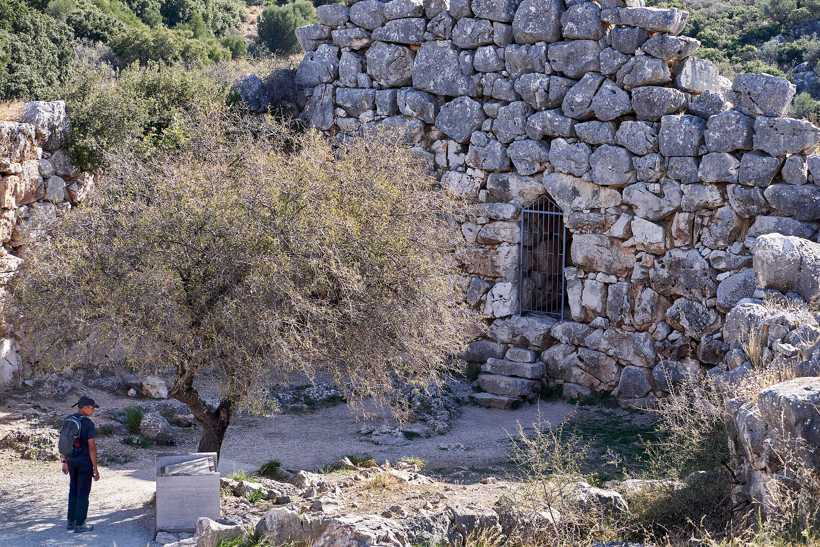
Linear B: The Written Records of Mycenae

Linear B: The Written Records of Mycenae
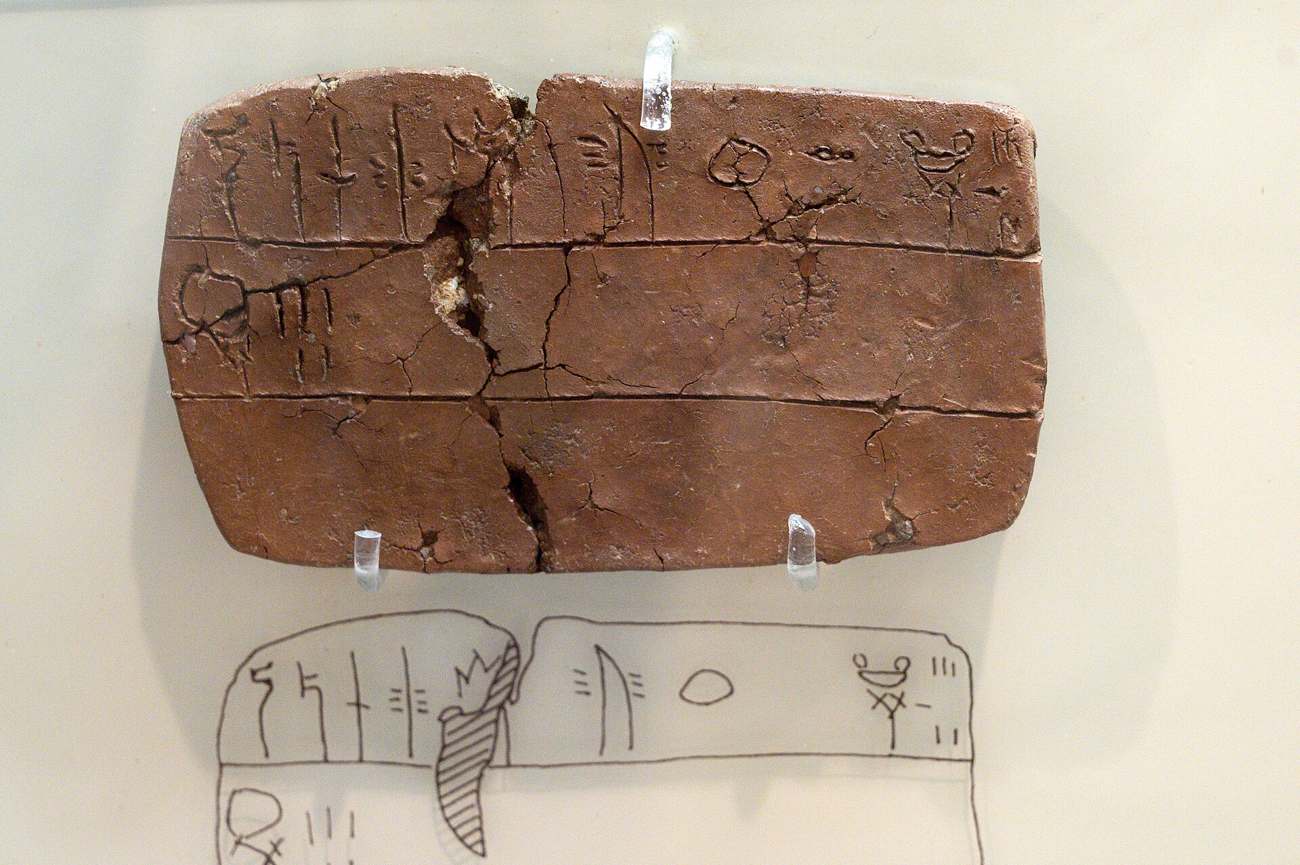
Linear B is the earliest known script used to write the Greek language, the writing system of the Mycenaean palaces in the Late Bronze Age. It survives on clay tablets, baked hard by the very fires that destroyed the palaces they belonged to. Copies of the script have turned up at Mycenae, Pylos, Tiryns, Thebes … Read more
Heinrich Schliemann and the Discovery of Mycenae

Heinrich Schliemann and the Discovery of Mycenae

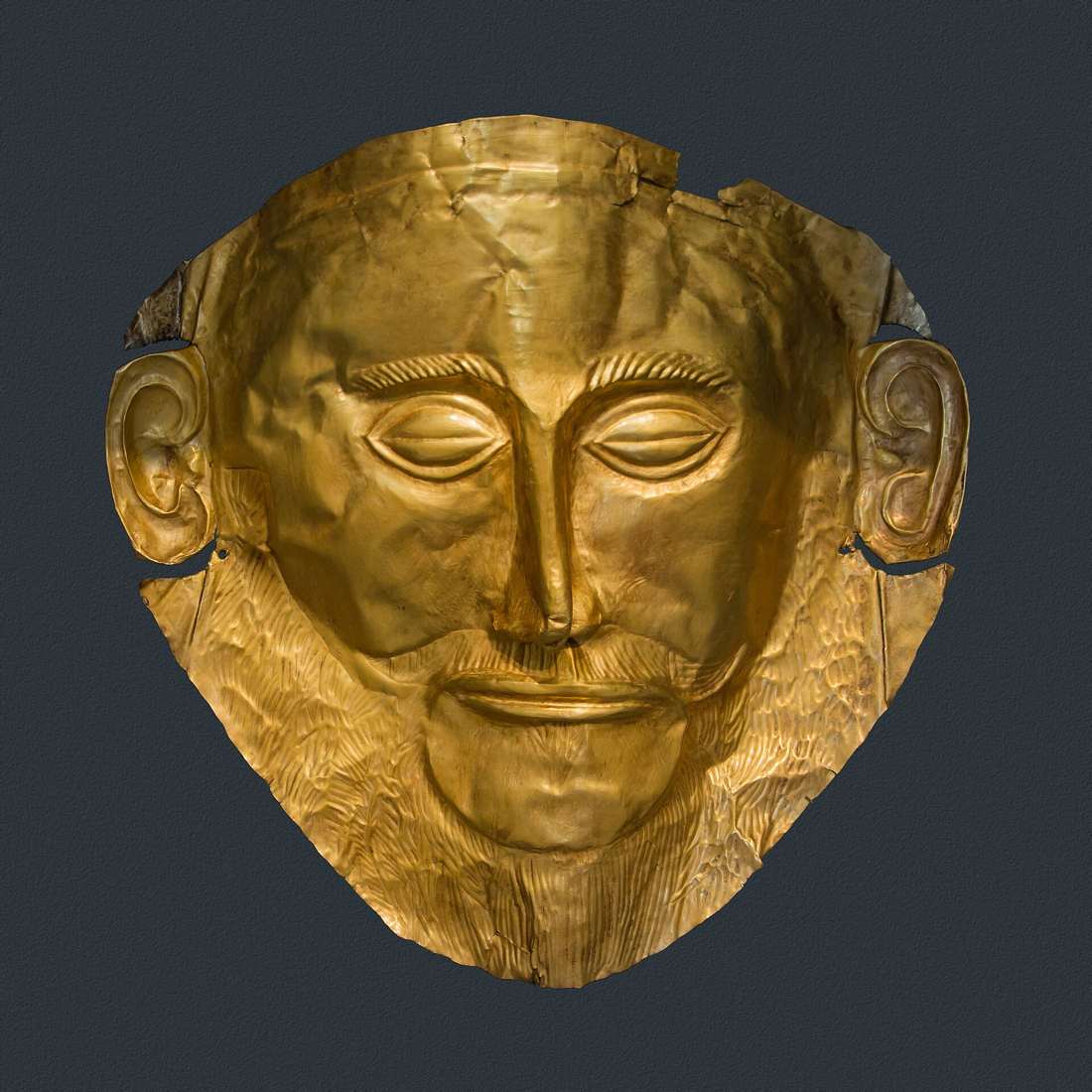
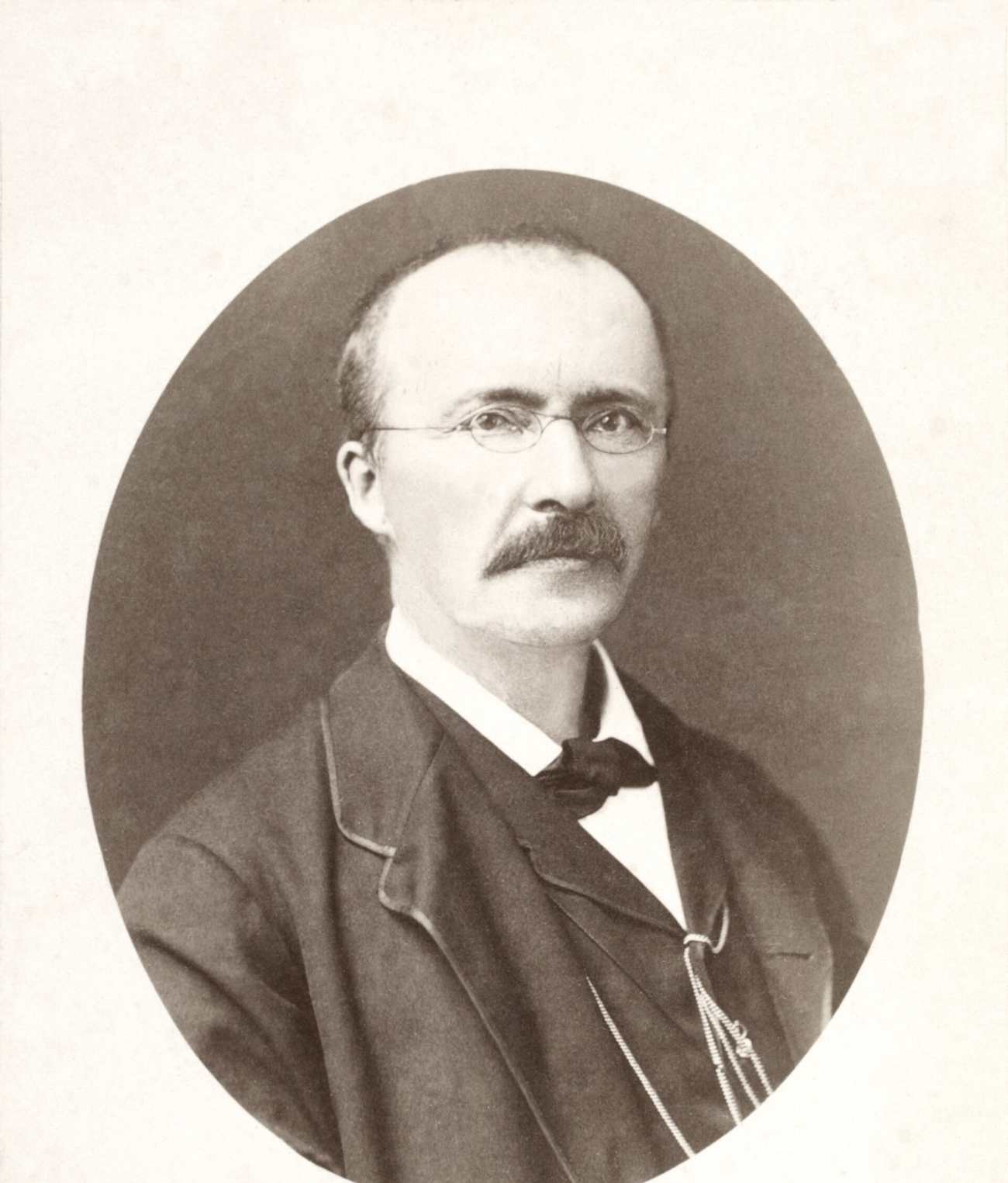
Heinrich Schliemann was a wealthy German businessman who turned late in life to archaeology, driven by a stubborn belief that Homer’s poems held real history rather than pure invention. Fresh from his celebrated digs at Troy, he brought that same conviction to the citadel of Mycenae in the later nineteenth century. Where scholars saw only … Read more

The House of Atreus: Mycenae’s Cursed Royal Dynasty

The House of Atreus: Mycenae's Cursed Royal Dynasty

The House of Atreus is the doomed royal dynasty of Mycenae in Greek myth, a family pursued across generations by a curse of murder and revenge. Its story descends from Pelops and Tantalus and runs through the brothers Atreus and Thyestes into the reign of Agamemnon, king of Mycenae. Bloodshed answers bloodshed here, and each … Read more

Tiryns: Mycenae’s Sister Citadel in the Argolid

Tiryns: Mycenae's Sister Citadel in the Argolid

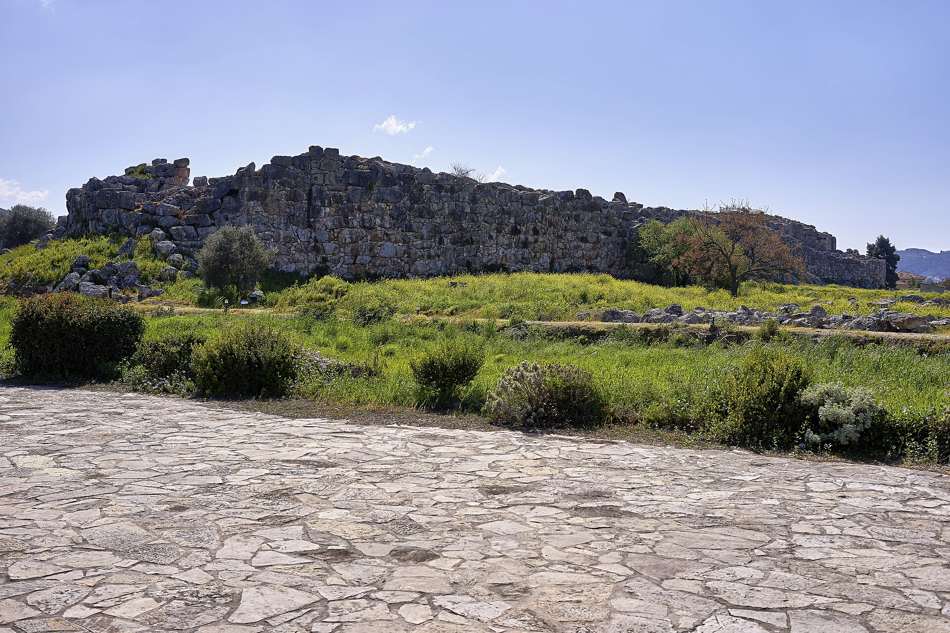
Tiryns is a fortified Bronze Age citadel on the Argolid plain of the Peloponnese, a short drive from Mycenae and close to the town of Nafplio. It ranked among the great centres of the Mycenaean world, its low hill crowned by walls of astonishing scale. Massive stone ramparts wrap the summit, pierced by long corbelled … Read more

Grave Circle B: Mycenae’s Earlier Royal Cemetery

Grave Circle B: Mycenae's Earlier Royal Cemetery

Grave Circle B is the older of the two royal grave circles at Mycenae, lying just outside the walls of the citadel a short distance from the Lion Gate. It holds shaft graves and simpler cist graves where early rulers were buried with pottery, weapons, jewellery and gold objects, though with less gold than the … Read more

Grave Circle A: Mycenae’s Royal Shaft Graves

Grave Circle A: Mycenae's Royal Shaft Graves

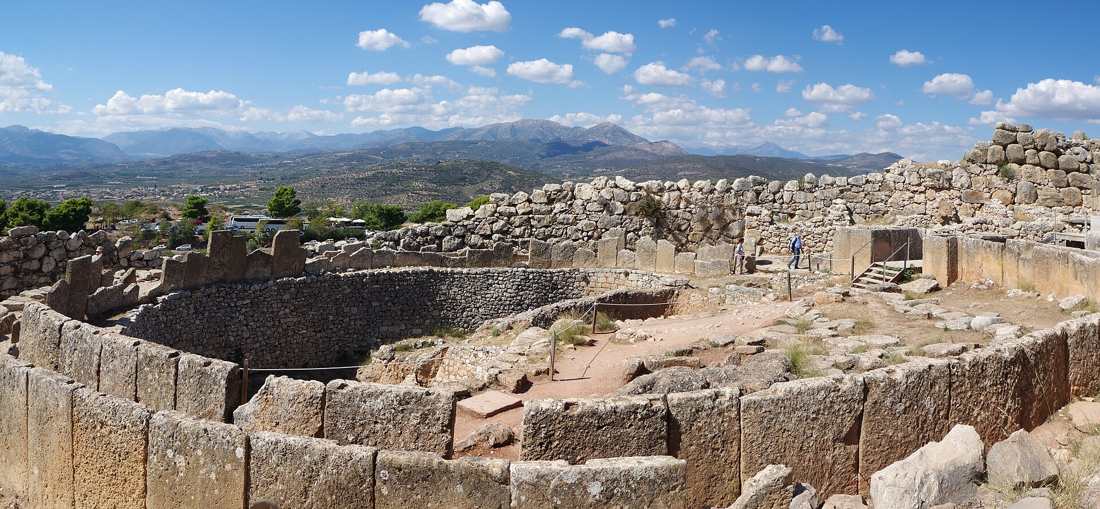
Grave Circle A is a royal cemetery of deep shaft graves lying inside the walls of the citadel of Mycenae, just beyond the great gateway. A double ring of upright stone slabs marks the circle, which held the bodies of men, women and children of the early ruling house. The graves belong to the dawn … Read more

The Mycenaean Civilization: Bronze Age Power at Mycenae

The Mycenaean Civilization: Bronze Age Power at Mycenae

The Mycenaean civilization was the first great civilization of mainland Greece, rising in the Late Bronze Age and named after Mycenae, its most important centre in the Argolid. Its people spoke an early form of Greek and wrote it in the Linear B script, kept mainly for palace records. Powerful kingdoms grew around fortified citadels, … Read more

Palace of Mycenae: The Megaron on the Citadel Summit

Palace of Mycenae: The Megaron on the Citadel Summit

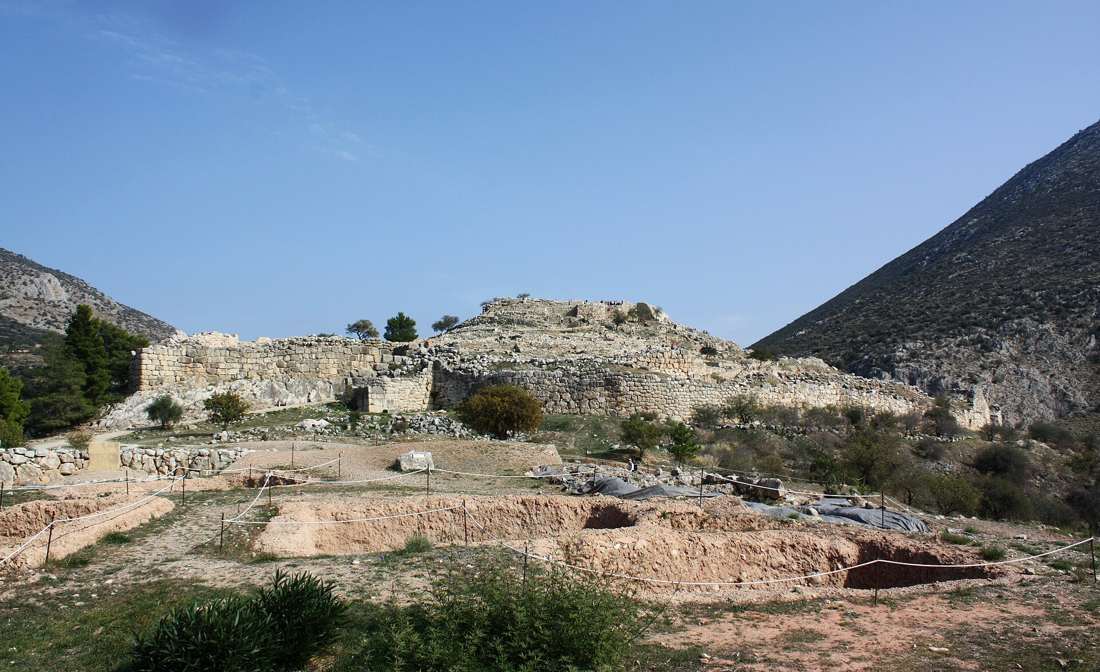
The palace of Mycenae crowned the highest point of the citadel, rising above the Lion Gate and the grave circles that guard the slope below. Here the rulers of Mycenae held their seat through the Late Bronze Age, governing the surrounding kingdom from a hall built for command and ceremony. Courtyards, corridors and storerooms spread … Read more

Mycenae Archaeological Museum: Finds from the Citadel

Mycenae Archaeological Museum: Finds from the Citadel

The Mycenae Archaeological Museum stands on the slope of the citadel, a short walk from the Lion Gate, gathering the finds pulled from the site and its cemeteries under one roof. Pottery, painted plaster, figurines, jewellery, bronze weapons and clay tablets fill its cases, arranged to explain how a Bronze Age capital lived, worshipped and … Read more

How to Visit Mycenae: Tickets, Hours and Getting There

How to Visit Mycenae: Tickets, Hours and Getting There

Mycenae is the great fortified citadel of the Argolid, set on a low hill in the Peloponnese near the modern village of Mykines in southern Greece. The site sits about a two-hour drive from Athens and around half an hour from Nafplio, which makes it an easy heritage stop on any tour of the region. … Read more

Cyclopean Walls: Mycenae’s Colossal Bronze Age Fortifications

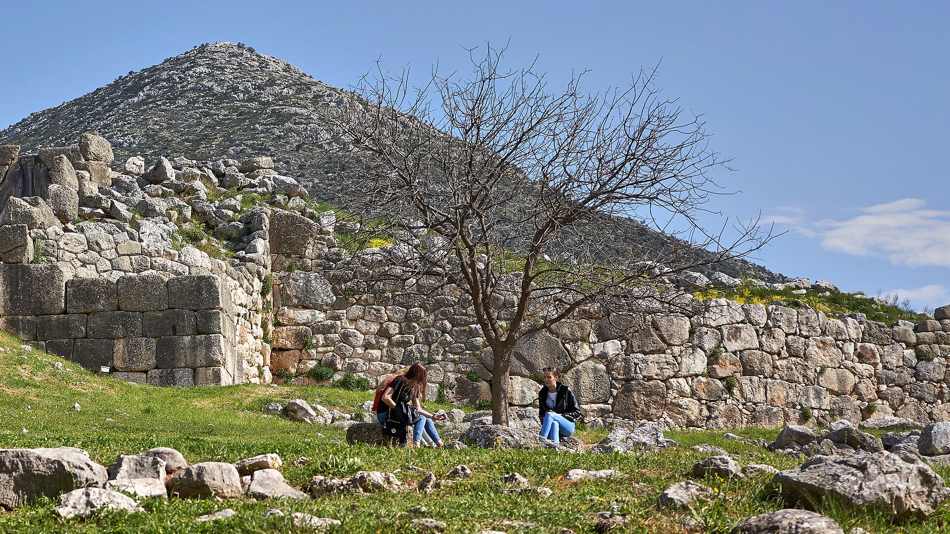
Cyclopean Walls: Mycenae's Colossal Bronze Age Fortifications

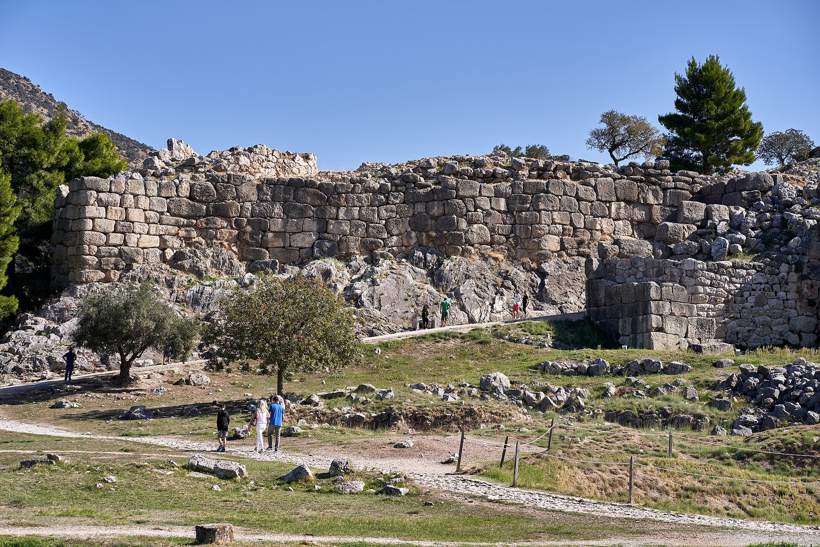
The Cyclopean walls of Mycenae are the vast fortification circuit that rings the Bronze Age citadel in the Argolid, in the Peloponnese. Builders raised them from huge, roughly worked limestone boulders set without mortar, the largest weighing tonnes apiece. The scale of the stones stunned later Greeks, who decided that only the giant Cyclopes could … Read more