Mycenaean Religion: Gods and Cult at Mycenae

Mycenaean Religion: Gods and Cult at Mycenae
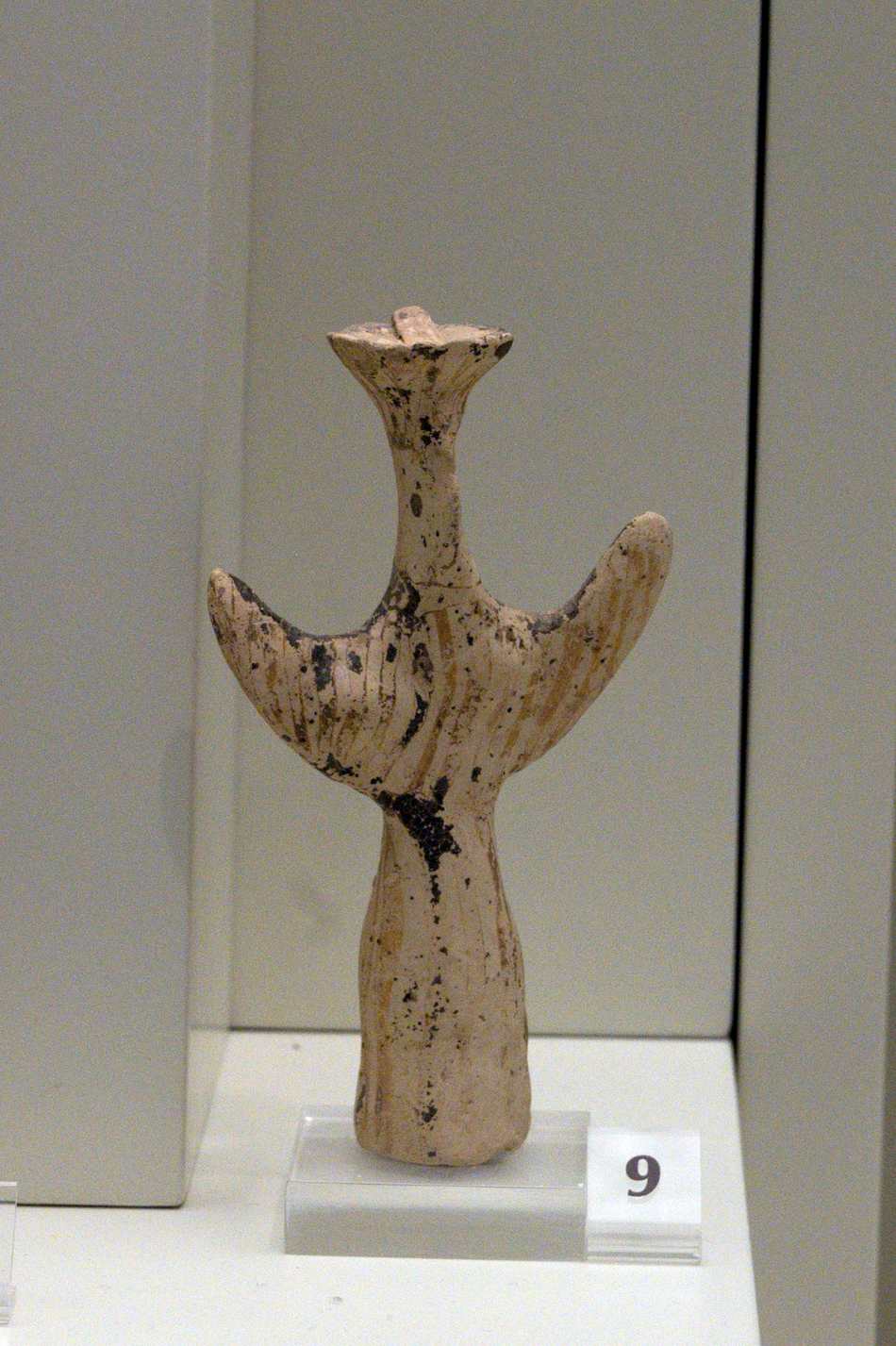
Mycenaean religion was the system of gods, cult and ritual practised across Bronze Age Greece at powerful centres such as Mycenae. The clay tablets found in the palaces name deities familiar from later Greek worship, and a group of shrines inside the citadel served as a focus for ritual life. Worshippers brought offerings of food, … Read more
Mycenaean Art: Frescoes, Gold and Pottery of Mycenae

Mycenaean Art: Frescoes, Gold and Pottery of Mycenae

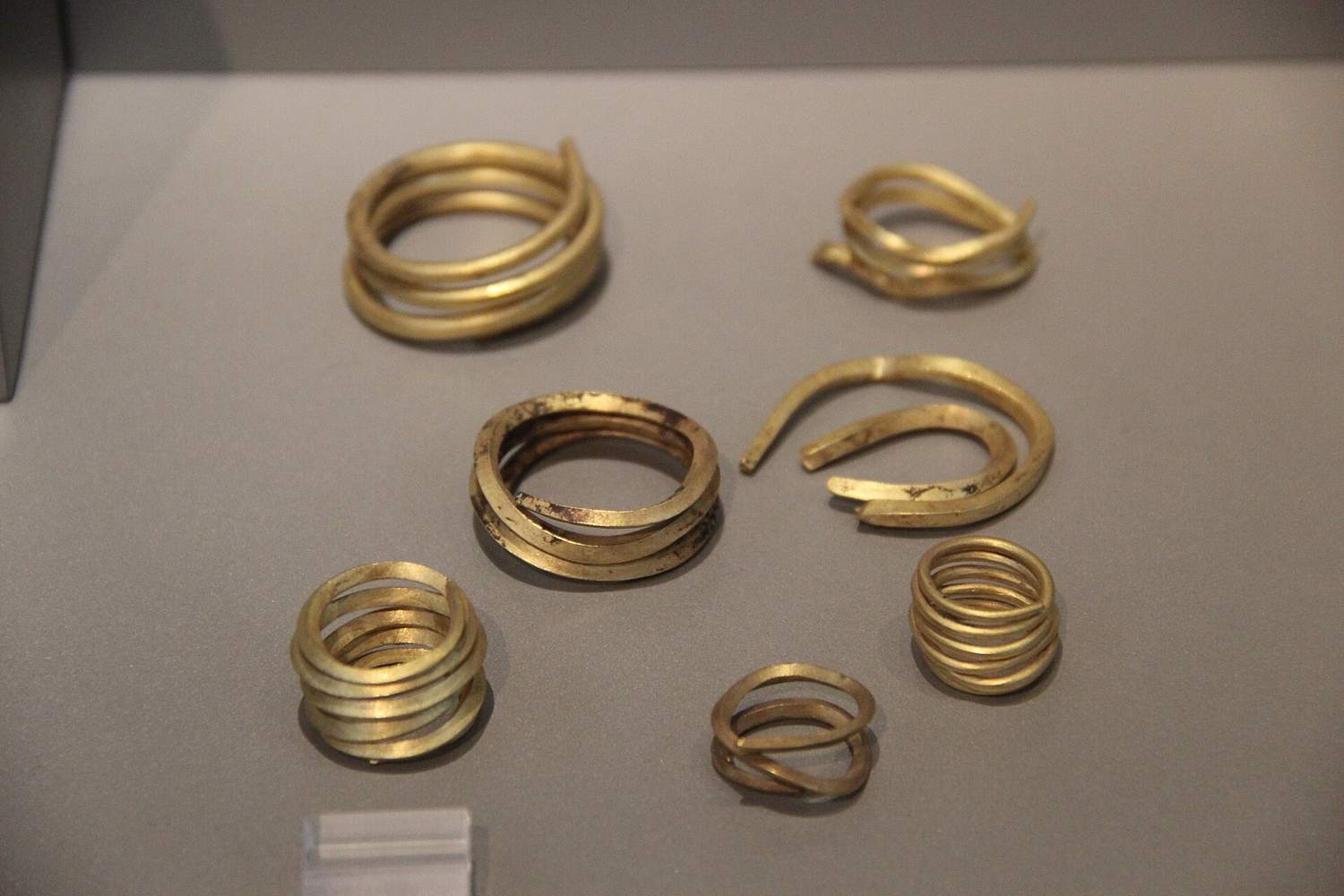
Mycenaean art is the art of Bronze Age mainland Greece, seen at its richest at Mycenae, the leading centre that gives the whole civilization its name. It gathers goldwork, wall frescoes, painted pottery, carved gems, ivory and worked bronze into one confident style. The shaft graves of Mycenae yielded gold funerary masks, inlaid daggers, cups … Read more

The Warrior Vase: Mycenae’s Famous Krater

The Warrior Vase: Mycenae's Famous Krater

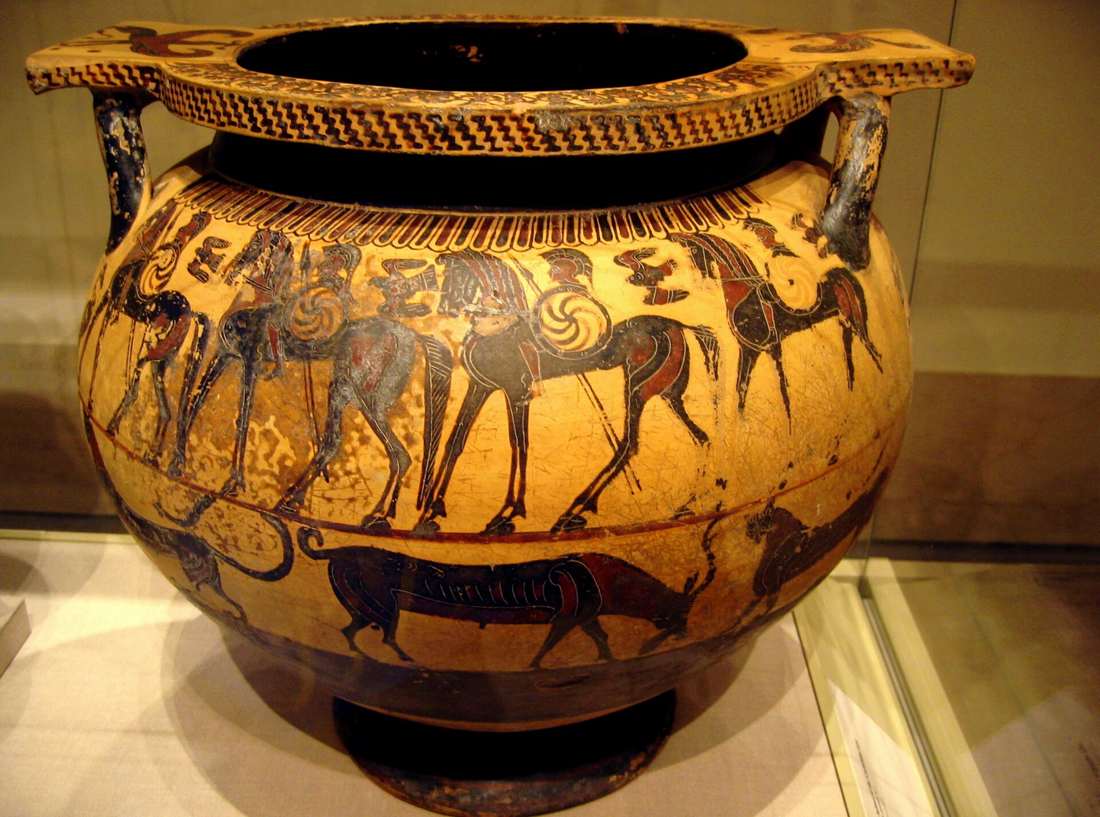
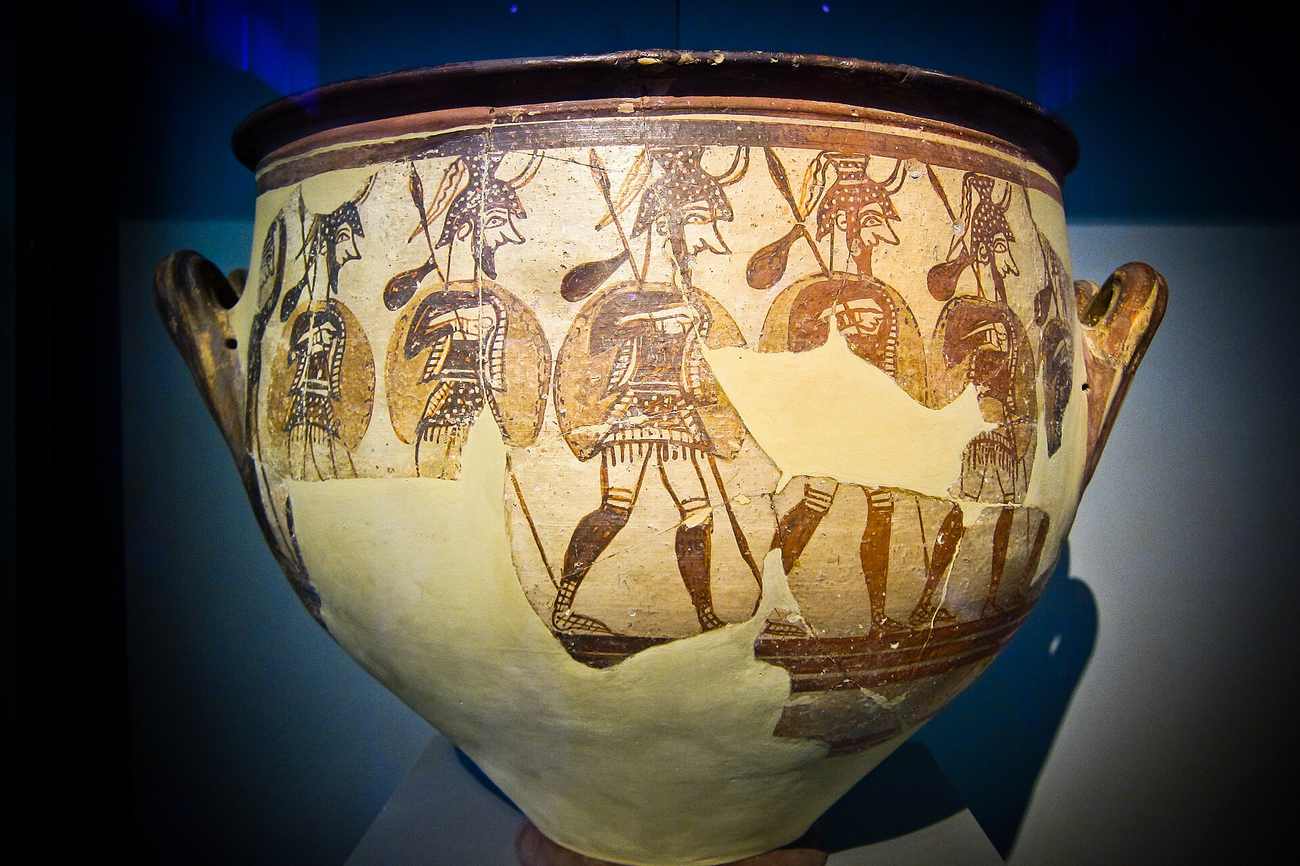
The Warrior Vase is one of the best-known works of Mycenaean art, a painted pottery krater found at the citadel of Mycenae. Heinrich Schliemann discovered it near the great fortress, and it dates to the late Bronze Age. The vessel is a large mixing bowl for wine. Painters covered it with a file of helmeted … Read more

The Mask of Agamemnon: Mycenae’s Golden Face

The Mask of Agamemnon: Mycenae's Golden Face

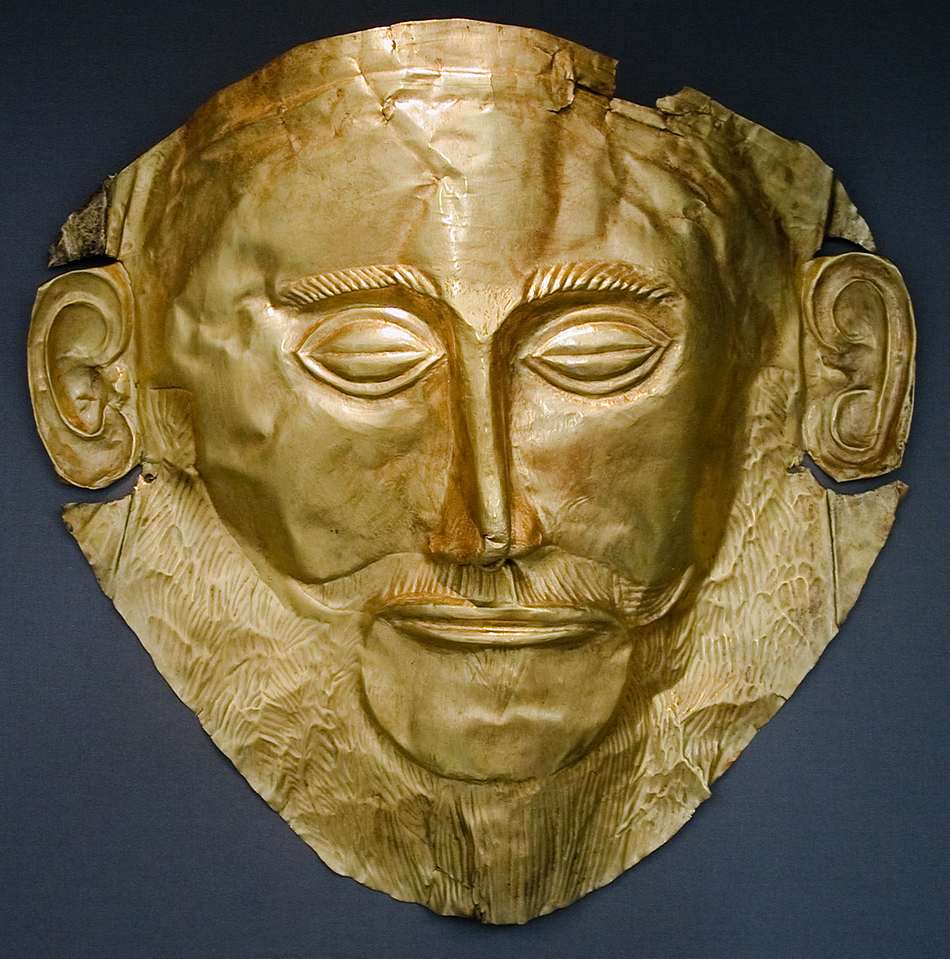
The Mask of Agamemnon is a funerary mask of beaten gold and the most famous single object ever recovered from Mycenae. It shows a bearded man’s face with closed eyes, a straight nose and finely worked ears, all hammered from one sheet of gold. Heinrich Schliemann lifted it from a shaft grave in the citadel … Read more

Iphigenia: The Sacrificed Princess of Mycenae

Iphigenia: The Sacrificed Princess of Mycenae

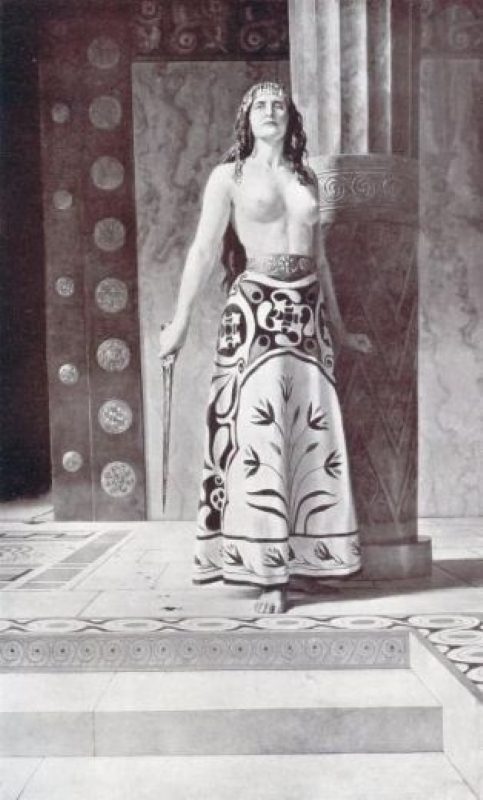
Iphigenia stands among the most sorrowful figures of Greek myth, the princess of Mycenae whose fate opens a long chain of grief within the royal house. She is the daughter of King Agamemnon and Queen Clytemnestra, born into the ruling line of a citadel that commanded the Greek world of legend. Her story turns on … Read more

The Tomb of Clytemnestra: Mycenae’s Second Great Tholos

The Tomb of Clytemnestra: Mycenae's Second Great Tholos

The Tomb of Clytemnestra is a large Bronze Age tholos, or beehive tomb, standing at Mycenae near the Lion Gate and the grave circles below the citadel walls. It ranks second in size and grandeur only to the Treasury of Atreus. The chamber belongs to a ring of monumental tombs built for the rulers of … Read more

The History of Mycenae: Rise and Fall of a Bronze Age Capital

The History of Mycenae: Rise and Fall of a Bronze Age Capital

Mycenae began as a small hilltop settlement in the Argolid and grew into the leading centre of Bronze Age Greece, lending its name to a whole civilization. Its rulers gathered wealth, raised Cyclopean walls, and buried their dead in gold-filled graves and great domed tombs. From this fortified citadel they reached out across the Argolid … Read more

The Secret Cistern: Mycenae’s Underground Water Supply

The Secret Cistern: Mycenae's Underground Water Supply

The secret cistern is one of the quiet marvels tucked into the north-east corner of the citadel of Mycenae. Here a vaulted passage descends by stone steps through and beneath the great wall to a deep rock-cut cistern, hidden away from the world outside. A concealed conduit once carried water to it from a spring … Read more