Best Time to Visit Amorgos: A Season-by-Season Guide
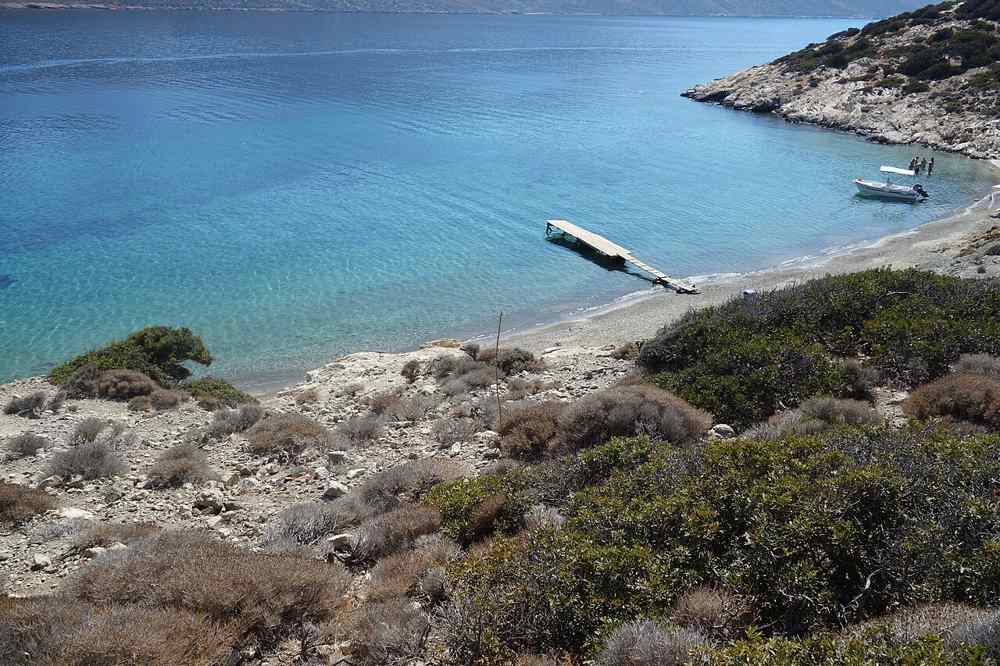
A turquoise cove and jetty on the islet of Nikouria off Amorgos, in the warm summer season

Amorgos has a warm, dry Mediterranean climate and a long season. The best time to visit depends on what you want: late spring to early October for the beaches and the sea. Spring and autumn for hiking and green landscapes, and the shoulder months of June and September for warm weather with thinner crowds. High … Read more
How to Get to Amorgos: Ferries and Getting Around

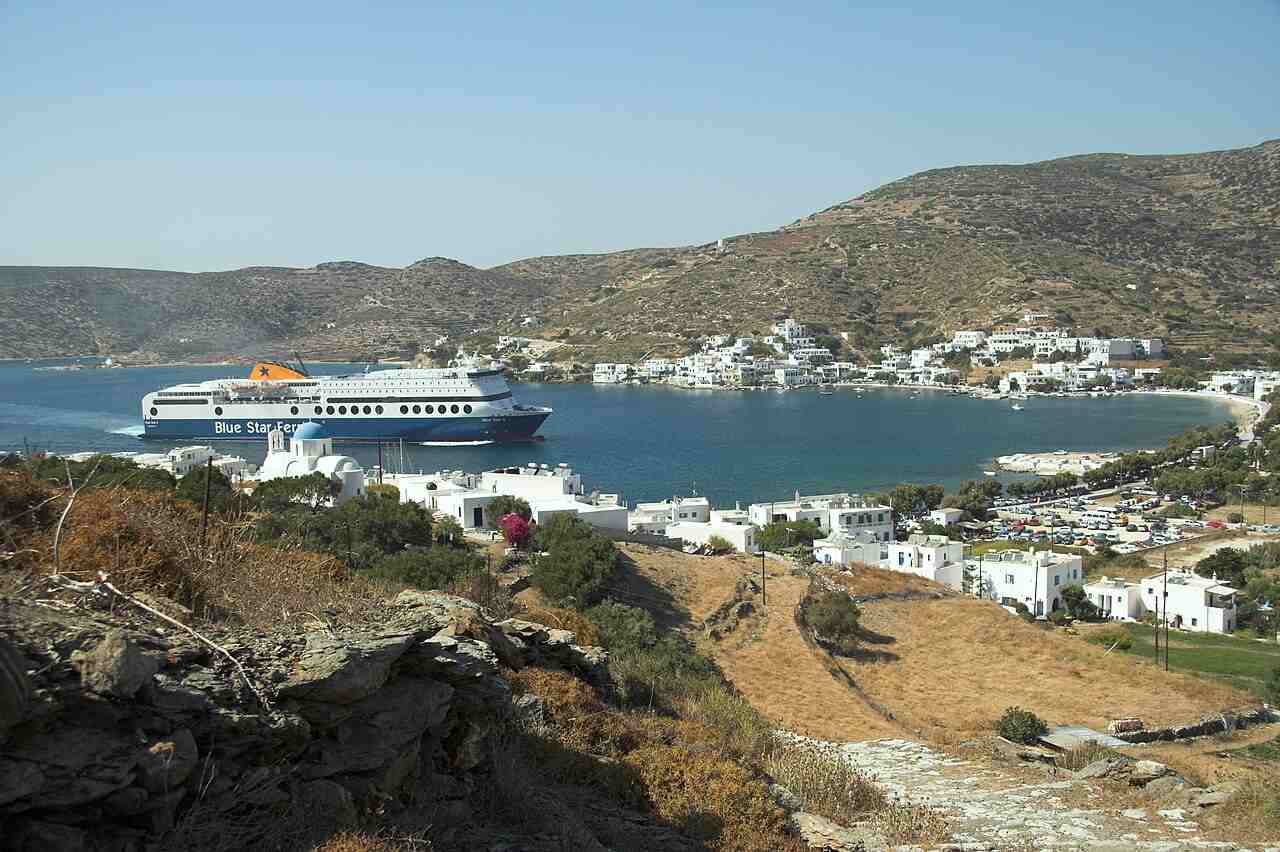
A Blue Star ferry arriving at Katapola, the main port of Amorgos, in its sheltered bay

Amorgos lies far to the east of the Cyclades and has no airport. Reaching it means a ferry: direct from Piraeus near Athens. Or, more quickly, by flying to Naxos, Santorini or Mykonos and sailing on from there. The island has two ports, Katapola in the centre and Aegiali in the north, and the crossing … Read more

Where to Stay in Amorgos: The Best Areas Compared

The bay and port town of Katapola, the central and most practical base on Amorgos

Amorgos is a long, spread-out island with two ports at opposite ends and its whitewashed capital on the ridge between, so where you stay shapes your visit. The three main bases are Katapola, the central port and easiest first-time choice. Aegiali. The northern bay with the best beach and the mountain villages. And Chora, the … Read more

Amorgos Boat Trips: Cruises, Coves and the Islet of Nikouria

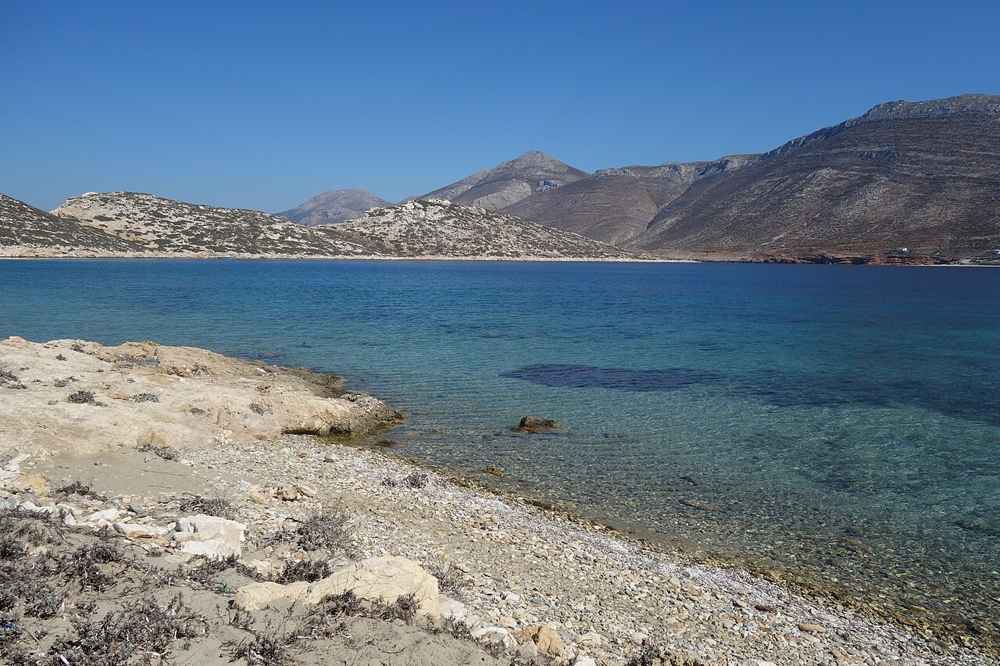
The clear turquoise water of a beach on the islet of Nikouria, reached by boat off the north coast of Amorgos

Amorgos has a long, cliff-bound coast whose finest coves, sea caves and islets are cut off from every road, and boat trips are the way to reach them. In summer, small boats and caiques run from the harbours to the clear-water beaches of the islet of Nikouria. The coves near Katapola and the wild southern … Read more

Chora, Amorgos: A Guide to the Cycladic Capital

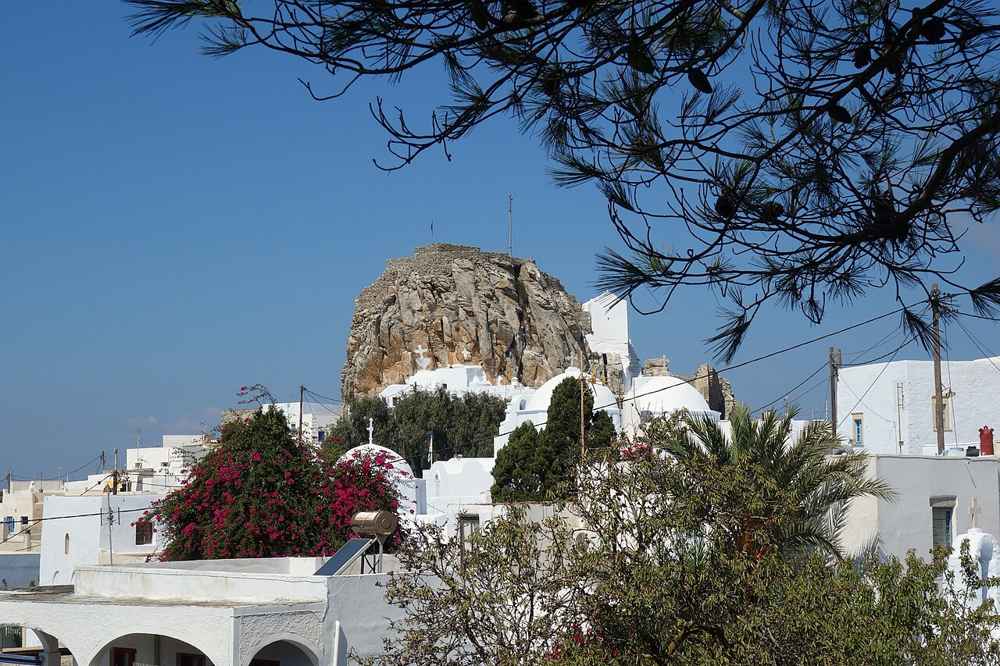
The castle rock, or Kastro, rising above the whitewashed houses of Chora, the capital of Amorgos

Chora is the capital of Amorgos, a classic Cycladic town set high on the island’s spine some four hundred metres above the sea. Safe from the pirates who once raided the coast. A car-free maze of whitewashed lanes, blue-domed churches and shaded squares, crowned by a ruined Venetian castle and ringed by old windmills. It … Read more

Hiking in Amorgos: A Guide to the Blue Paths and Best Trails

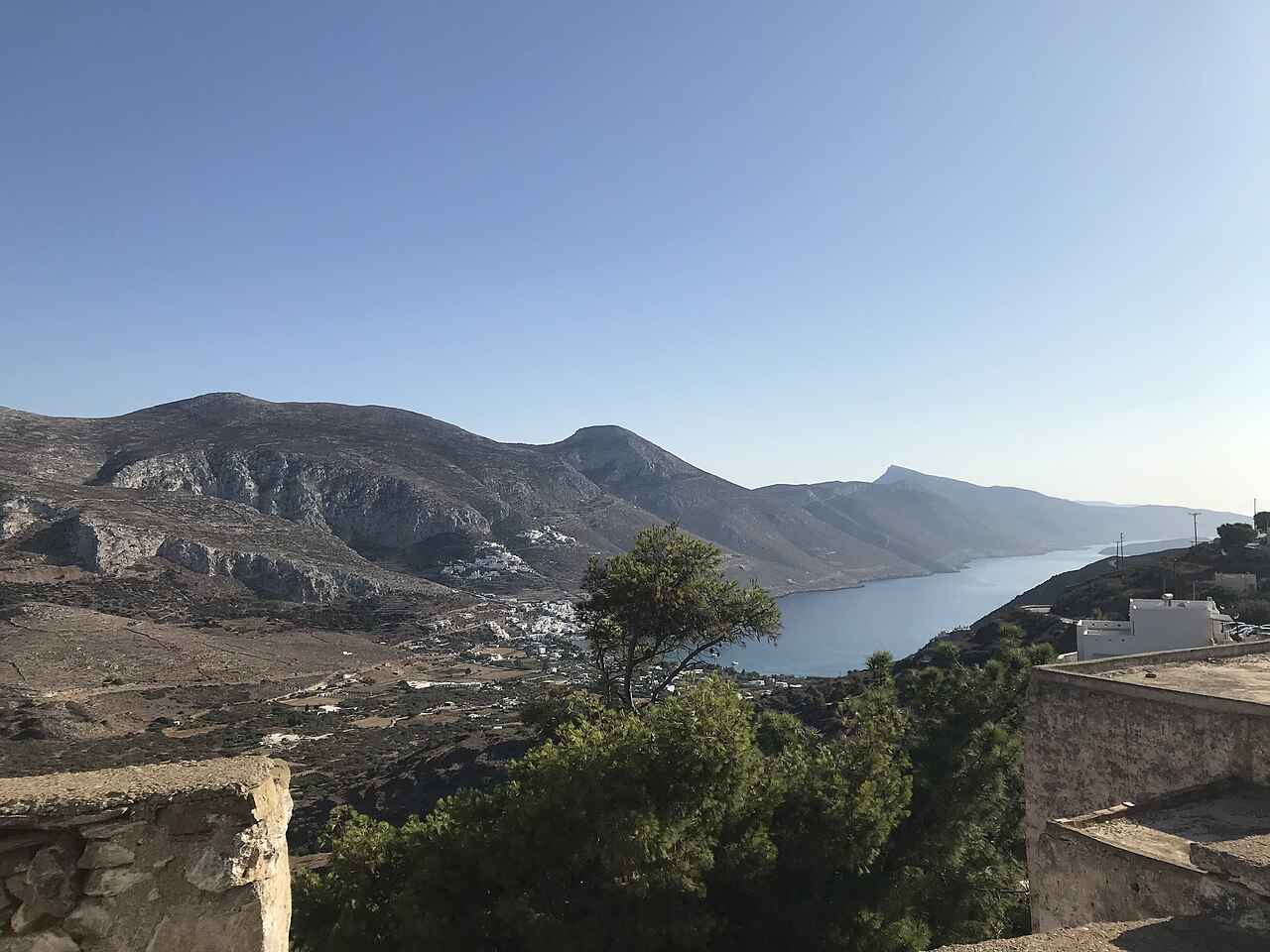
The bay of Aegiali and its villages seen from the mountain trails above Tholaria on Amorgos

Amorgos is one of the finest hiking islands in the Cyclades, a long, mountainous ridge laced with old stone paths that climb between the sea and the sky. Its waymarked network of trails, the Blue Paths, follows the ancient kalderimia that once linked every village, crossing terraces. Ridges and cliffs high above an intensely blue … Read more

Hozoviotissa Monastery, Amorgos: The Cliff Monastery and How to Visit

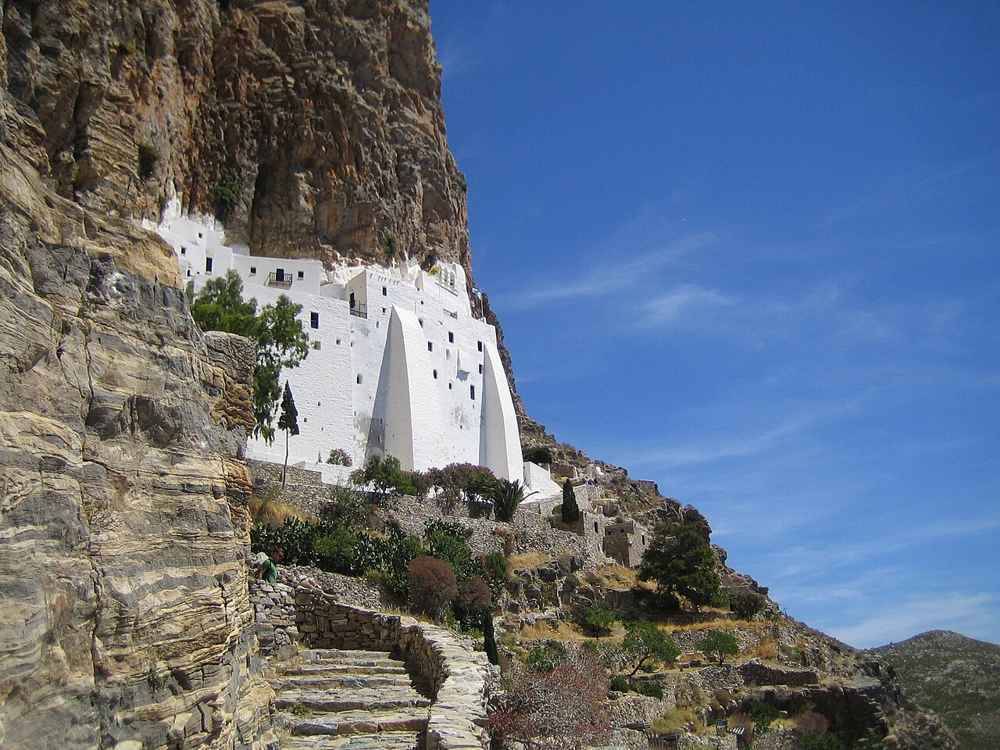
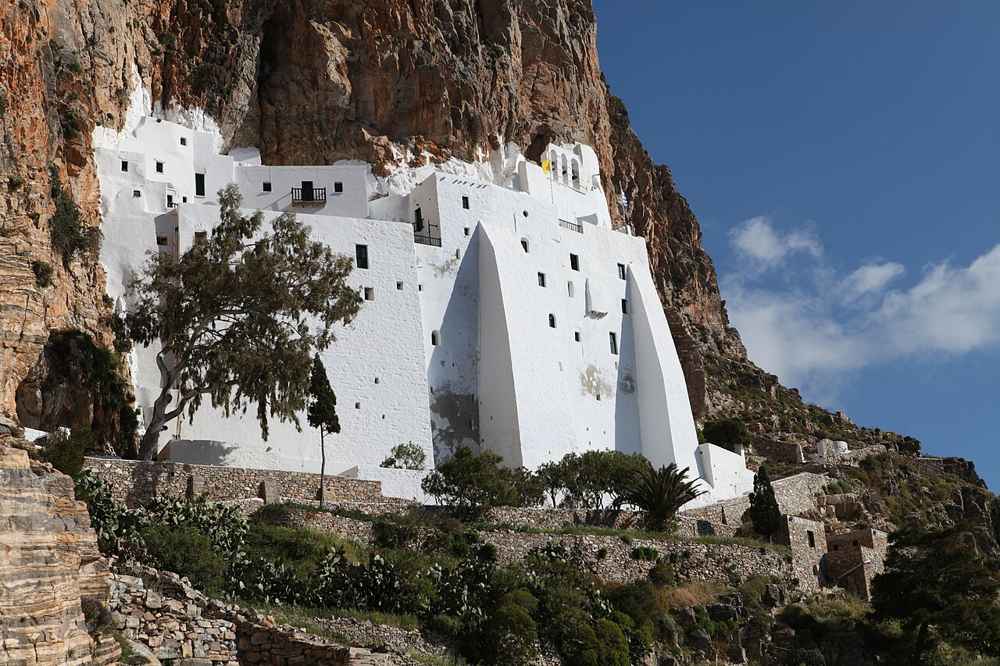
The white Hozoviotissa Monastery and the stone stairway climbing the cliff below Chora on Amorgos

The Hozoviotissa Monastery is the emblem of Amorgos, a dazzling white monastery pressed into a sheer cliff hundreds of metres above the sea below the capital Chora. Eight storeys high yet only metres wide, it clings to the rock face of Mount Profitis Ilias like a swallow’s nest. One of the most dramatic religious buildings … Read more

Amorgos Beaches: The Best Beaches and How to Reach Them

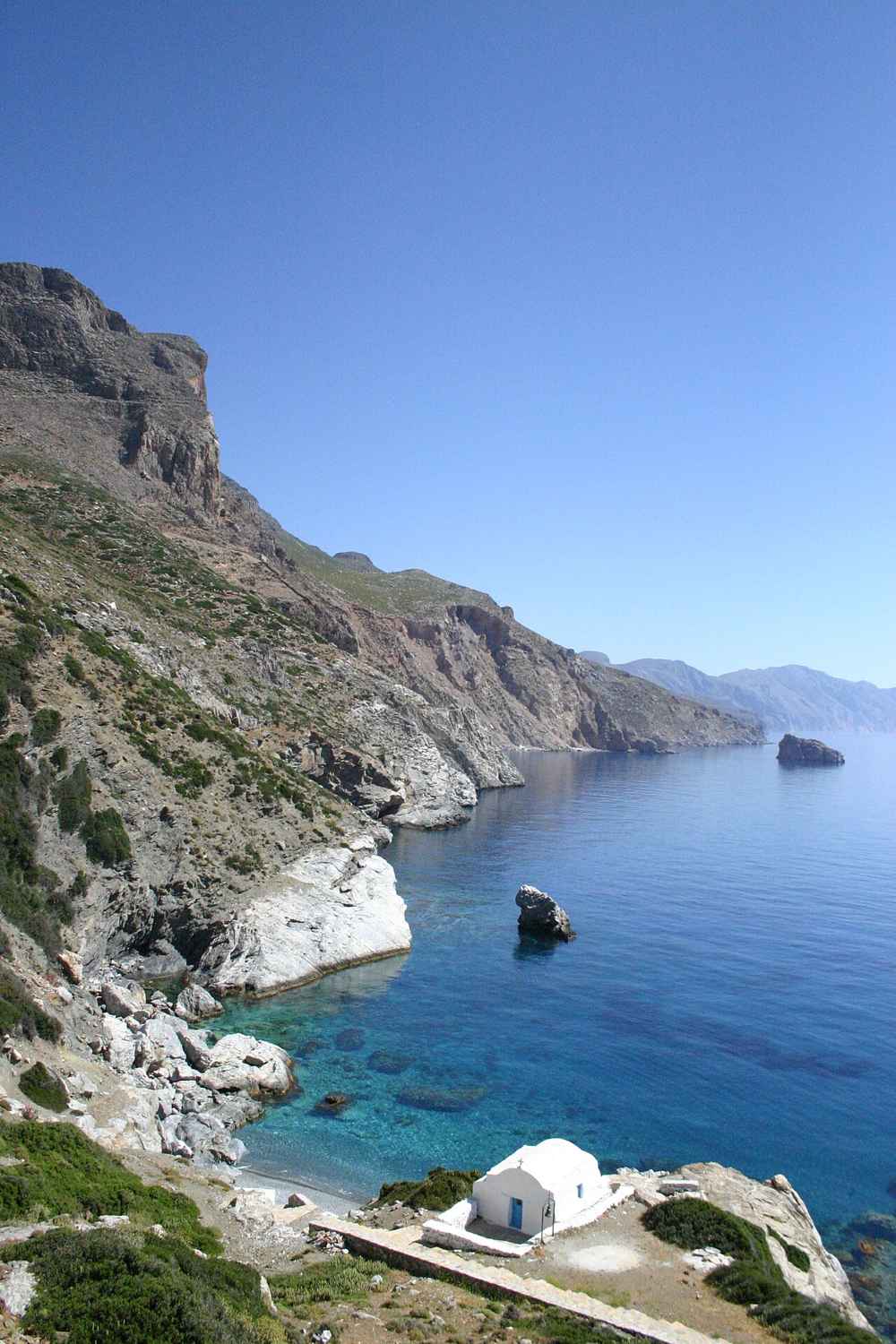
The turquoise cove and white chapel of Agia Anna beneath the cliffs of Amorgos, of Big Blue fame

The beaches of Amorgos are not long golden sands but dramatic, crystal-clear coves set beneath towering cliffs, the wild coast that Luc Besson chose for The Big Blue. From the pebbly turquoise of Agia Anna below the monastery to the cave-backed water of Mouros. The sandy bays of Aegiali and the boat-only coves of the … Read more

Things to Do in Amorgos: The Best Experiences

The white Hozoviotissa Monastery pressed into a sheer cliff below Chora on Amorgos

Amorgos is the wild, mountainous edge of the Cyclades, a long ridge of an island rising steeply from a deep blue sea far to the east of the archipelago. It is best known as the setting of Luc Besson’s film The Big Blue. Its draws are dramatic: the cliff-hanging Hozoviotissa Monastery, crystalline diving coves. An … Read more