
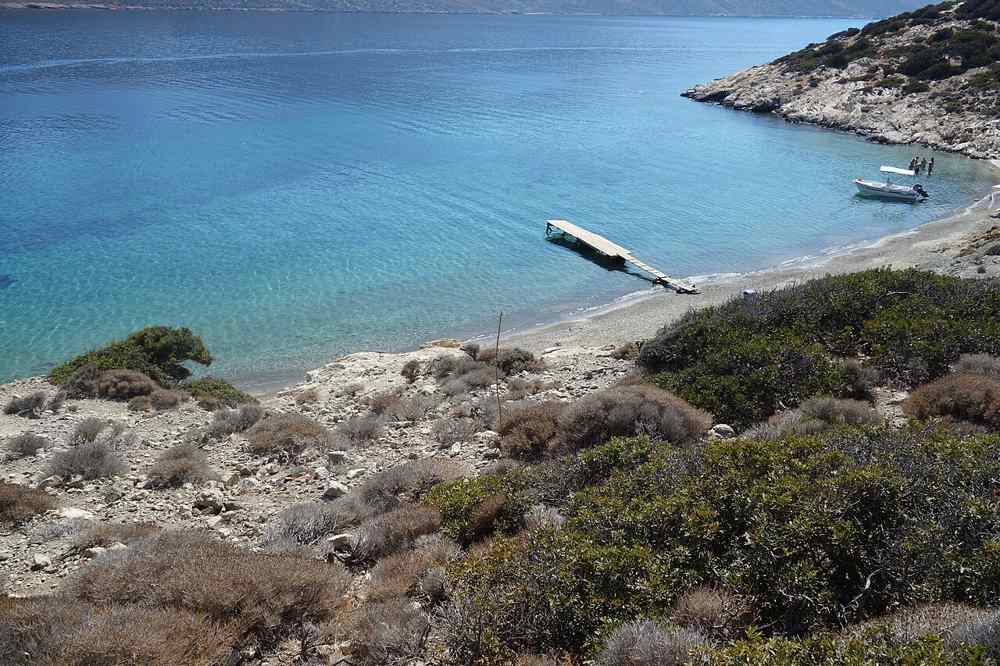
Amorgos has a warm, dry Mediterranean climate and a long season. The best time to visit depends on what you want: late spring to early October for the beaches and the sea. Spring and autumn for hiking and green landscapes, and the shoulder months of June and September for warm weather with thinner crowds. High summer is hot, busy and windy with the meltemi. Plan the whole trip with Greece Tours.
This guide sets out the best time to visit Amorgos season by season: what spring, summer, autumn and winter are like. The best months for the beaches and for hiking. How the summer meltemi wind shapes a trip. Read it beside the wider Amorgos travel guide and the guide to things to do.
When is the best time to visit Amorgos?
The best time to visit Amorgos is from late spring to early October for the beaches and sea, with June and September the sweetest months for warm weather and thinner crowds.
Amorgos rewards visitors across a long season, so the best time depends on your priorities. For swimming and the beaches, the warm, settled months from late May through September are ideal, with the sea comfortable into October. For walking the island’s trails, the cooler, greener shoulder seasons of spring and autumn are finest.
The two shoulder weeks of June and September are, for many, the perfect compromise: warm weather, a warm sea. Lively but uncrowded villages and lower prices, without the peak-season crush and the strongest winds of high summer. Amorgos stays quieter than the famous Cyclades even in August, but these months show it at its best.
The sections below take the seasons in turn, along with the best times for the beaches and for hiking, to help you choose when to go. Whatever the month, the island’s quiet, dramatic character shines through, though the meltemi wind and the ferry schedules are worth bearing in mind when planning.
What is Amorgos like in spring?
Spring, in April and the weeks around Easter, is beautiful on Amorgos: the island is green, the wildflowers are out and the weather is mild, ideal for hiking.
Spring is the loveliest season for the landscape. From April into May the island is at its greenest, the hillsides carpeted with wildflowers. The streams running and the air mild and clear, perfect for walking the trails and touring the villages before the summer heat. The days lengthen and the light is soft.
The sea is still on the cool side for swimming early in spring. Warming toward early summer. This is a season more for hiking, sightseeing and the villages than for the beach. Crowds are thin, prices low and the island calm, and Greek Orthodox Easter, falling in April or May, brings colourful religious festivals to the villages.
For walkers, nature lovers and those seeking a quiet, authentic Amorgos, spring is one of the finest times to come, though the ferry schedule is lighter than in summer and some tourist businesses have yet to open fully. Early summer, with warm days and a warming sea, begins the transition to the beach season.
What is Amorgos like in summer?
Summer, from June to September, is warm, dry and sunny on Amorgos, with highs around 27 to 30°C and a warm sea.
Summer is the peak season and the time for the beaches and the sea. From June to September the weather is warm, dry and reliably sunny, with daytime highs generally around 27 to 30°C, rising above 30 in the heat of July and August. The sea is warm for swimming, reaching around 25°C by August, and rain is rare.
July and August are the busiest and hottest weeks, when rooms be booked well ahead and the island, though quieter than the famous Cyclades, sees its most visitors. These months also bring the strongest meltemi, the north wind that cools the air but can whip up the exposed coast and disrupt the smaller boats.
June and early September are the sweet spot of summer: warm and settled, with a warm sea and the island lively but not crowded, and lower prices than the peak. For a beach-and-sea holiday with the best balance of weather and calm, these shoulder-of-summer weeks are the finest time to visit Amorgos.
What is Amorgos like in autumn?
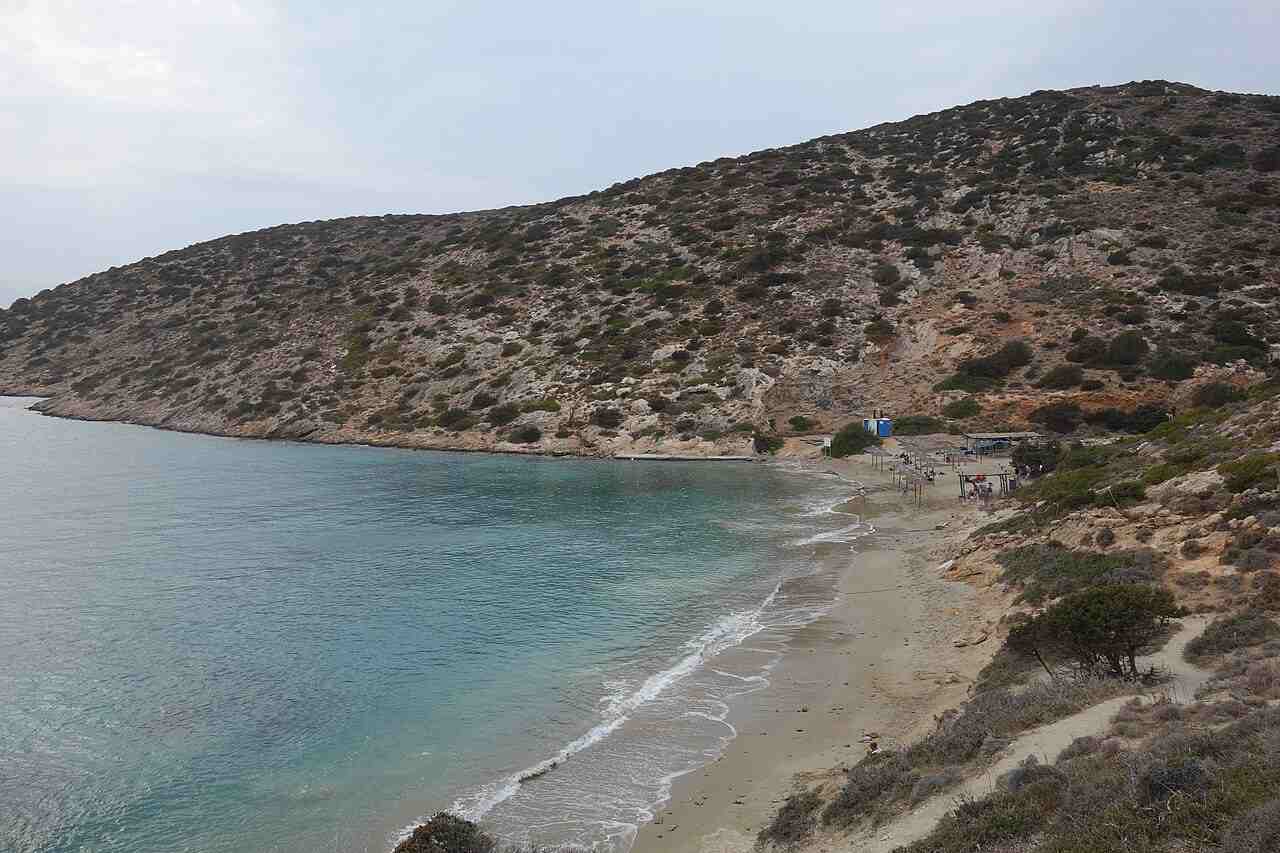
Autumn, in September and October, is one of the best times to visit Amorgos: the sea stays warm from summer, the weather is settled, the crowds thin and prices fall.
Autumn brings some of the most rewarding weeks on Amorgos. Through September and into October the sea holds the warmth of summer, comfortable for swimming, while the fierce heat and the strongest winds ease and the peak-season crowds disperse, leaving the island calm and the prices lower.
September in particular offers warm, settled weather, a warm sea and a relaxed atmosphere, an ideal all-round month, while October cools gradually and the light softens, excellent for hiking and touring the villages as the landscape begins to green again after the summer. Both months reward those seeking a quieter island.
By late October the season is winding down, the weather cooling, some tourist businesses closing and the ferry schedule thinning toward the winter timetable. For a warm-sea, low-crowd trip, though, September and early October are among the very best times to visit the island.
What is Amorgos like in winter?
Winter, from November to March, is quiet and green on Amorgos, with mild but changeable weather, some rain and occasional strong winds.
Winter is the island’s off-season. From November to March the weather is mild by northern European standards. With highs generally around 13 to 15°C. It is changeable, bringing the year’s rain and occasional strong winds and rough seas. The landscape turns green again, and the island is at its most peaceful and authentic.
Tourism largely grinds to a halt: most hotels, tavernas and tourist services close. The beaches are empty. The ferries drop to the essential year-round services, fewer and more subject to weather. Only the villages carry on their ordinary life, quiet and local, with their winter festivals.
Winter suits only a particular traveller, one seeking deep quiet, green landscapes and a glimpse of local island life out of season, and prepared for limited services and changeable weather. For most visitors, the season is too quiet and the connections too thin, and the months from spring to autumn are far more rewarding.
When is the best time for the beaches and swimming in Amorgos?
The best time for the beaches and swimming in Amorgos is from late June to early October, when the sea is warm, reaching around 25°C in August.
For a beach and swimming holiday, the warm months of late June through early October are the season on Amorgos. The sea warms through June, reaches its warmest at around 25°C in August and September. Stays comfortable for swimming into October, so the beaches and the clear coves are at their best across these weeks.
August offers the warmest sea and the most reliable heat but also the biggest crowds and the strongest meltemi, while June and September give nearly as warm water with a calmer, quieter island and lower prices. For the best balance of warm sea and crowds, these shoulder-of-summer months are ideal for the beaches.
The one factor to watch is the meltemi wind, which can whip up the exposed north and east coast in high summer. On windy days the sheltered coves of Katapola bay and the south stay swimmable, so there is almost always a good beach whatever the wind, as the guide to Amorgos beaches explains.
When is the best time for hiking in Amorgos?
The best time for hiking in Amorgos is spring, from April to May, and autumn, in September and October, when the island is green and cool and the trails comfortable.
For walkers, the cooler shoulder seasons are far and away the best. Spring, from March to May, brings green hillsides, wildflowers and running streams, with mild temperatures ideal for the longer trails, while autumn, from September into October, offers warm but easing weather and the chance to pair a hike with a swim in a still-warm sea.
High summer, in July and August, is hot and largely shadeless on the trails. The strong meltemi wind adds to the effort, so summer hiking is best confined to the early morning and the cooler evening, with plenty of water and sun protection. The longer and higher routes are better left for the shoulder months.
Spring and autumn also bring the greenest landscapes and the clearest air for the long sea views that make the island’s trails so rewarding. For a walking-focused trip, these seasons are the time to come, as the guide to hiking in Amorgos describes.
Frequently Asked Questions
What is the best month to visit Amorgos?
June and September are widely considered the best months to visit Amorgos, offering warm, settled weather. A warm sea for swimming, lively but uncrowded villages and lower prices than the July and August peak. Late spring and October are also excellent, especially for hiking and touring the villages, when the island is green and cool. July and August bring the warmest sea and the most reliable heat but also the biggest crowds and the strongest meltemi wind.
How hot does Amorgos get in summer?
In summer, Amorgos sees daytime highs generally around 27 to 30°C from June to September, rising above 30°C in the heat of July and August, the warmest months. The sea warms to around 25°C by August, ideal for swimming, and rain is rare through the summer. The strong meltemi wind cools the air but can whip up the exposed coast, while the sheltered coves stay calmer for swimming on windy days.
When is Amorgos quietest and cheapest?
Amorgos is quietest and cheapest outside the July and August peak. The shoulder months of late spring, June, September and October bring warm weather, thinner crowds and lower prices, an ideal balance for most visitors, while the winter off-season from November to March is quietest of all, though many tourist businesses close and the ferries thin. It suits only travellers seeking deep quiet and prepared for limited services.