
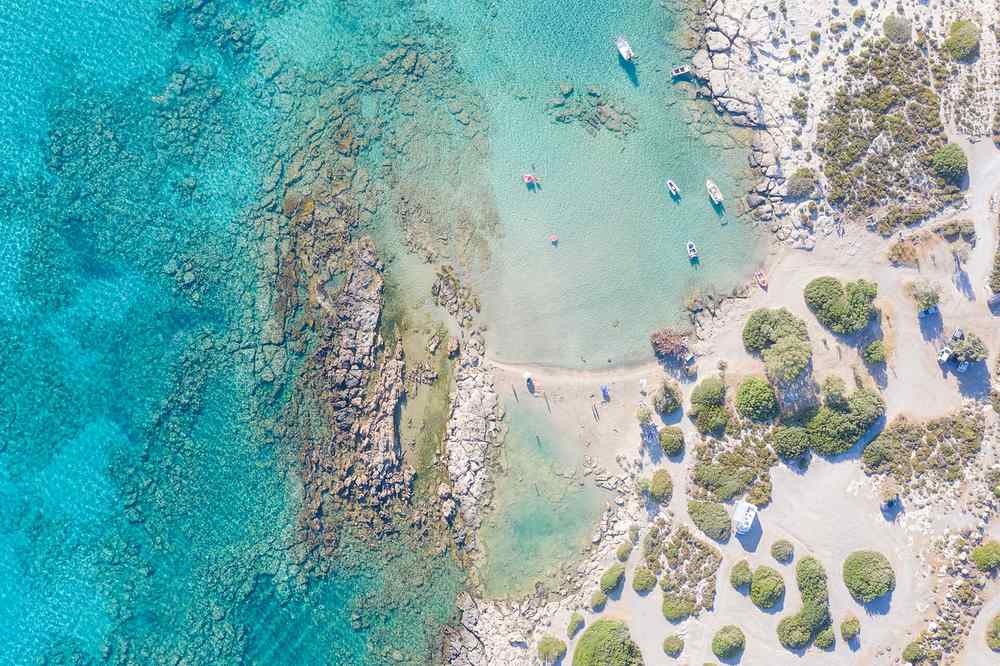
Crete is Greece’s largest island, stretching along the south Aegean and split into four regional units from west to east: Chania, Rethymno, Heraklion and Lasithi. That size gives you Minoan ruins, Venetian harbours, a mountain gorge, palm-fringed beaches and a food culture built on olive oil and raki. You can spend a week here and still leave experiences unticked. This guide sorts the island’s highlights by region and by type, so you can match your days to your interests and your base. Plan a trip that balances ancient sites, hikes, beaches and slow village meals with My Greece Tours.
Distances on Crete are long, and a rental car turns scattered highlights into a workable itinerary. The drive from Chania to the eastern tip runs 3 to 4 hours, so most travellers pick one or two bases rather than chasing everything from a single hotel. Our full Crete travel guide maps out where to stay, how to move between regions and which season suits each activity. The sections below cover the island’s leading experiences one theme at a time, from the Minoan palaces near Heraklion to the beaches of the far west and the food you should not miss.
What are the top things to do in Crete?
Tour the Minoan palace of Knossos, wander the Venetian harbours of Chania and Rethymno, hike the Samaria Gorge, swim at Elafonisi and Balos, and eat Cretan food across mountain villages and coastal towns.
Crete rewards a mix of ancient sites, dramatic landscapes and beach days, and the island’s four regional units each carry their own headline draws. Heraklion holds the Minoan palace of Knossos and the archaeological museum that displays its finest finds. Chania and Rethymno anchor the west with Venetian old towns, harbour forts and long sandy strips. Lasithi in the east adds the Lasithi Plateau, the Dikteon Cave and the palm beach of Vai. A well-planned trip pairs one cultural morning with one outdoor afternoon, so you might tour a palace before lunch and reach a quiet cove by mid-afternoon on the same driving loop.
The practical challenge is geography rather than choice. Crete measures roughly 260 kilometres end to end, and coastal roads twist through mountains that slow the pace. Group your days by region to cut driving time: base in Chania for the western gorges and lagoons, then shift east toward Heraklion for the Minoan circuit and the central beaches. Shoulder months bring warm sea, thinner crowds and open tavernas, which makes them the sweet spot for combining sightseeing with swimming. Book the marquee experiences, such as a Samaria Gorge transfer or a Balos boat trip, a day or two ahead in peak weeks so a single sell-out does not reshape your plans.
Which historic sites should you visit in Crete?
Start with Knossos and the Heraklion Archaeological Museum, then add the Palace of Phaistos in the south, the Venetian harbours of Chania and Rethymno, and the wider circuit of Minoan palaces across the island.
Crete is the cradle of the Minoan civilisation, Europe’s earliest advanced culture, and its ruins cluster around the central plain. Knossos, just south of Heraklion, is the largest and most restored Bronze Age palace on the island, with its throne room, storage magazines and reconstructed frescoes. Pair the site with the Heraklion Archaeological Museum, where the original artefacts, including the Phaistos Disc and painted pottery, put the ruins in context. Seeing the palace first and the objects second gives you a full picture of Minoan daily life, ritual and trade, and both sit close enough to combine into one focused day based in the capital.
Beyond the capital, the island spreads its heritage across every region. The Palace of Phaistos commands a hillside above the Messara Plain in the south, quieter than Knossos and rich in atmosphere. The broader network of Minoan palaces of Crete, including Malia on the north coast and Zakros in the far east, lets history buffs trace the culture from its rise to its collapse. Layered on top are the Venetian and Ottoman legacies of Chania and Rethymno, whose harbour lighthouses, fortress walls and narrow lanes reward an unhurried evening walk. Together these sites span 4,000 years of settlement in a single island trip.
What outdoor adventures can you do in Crete?
Hike the Samaria Gorge in the White Mountains, walk the Lasithi Plateau, explore the mythic Dikteon Cave, take boat trips to remote coves, and drive up to high mountain villages for cooler air and views.
The White Mountains and the Psiloritis range give Crete a rugged interior that draws hikers and drivers alike. The Samaria Gorge is the signature trek, a 16-kilometre descent through a national park that ends at the coastal village of Agia Roumeli, where a ferry carries walkers back to the road. The route runs one way and downhill, and most hikers allow five to seven hours, so an early start and sturdy shoes matter. The gorge opens seasonally once the spring melt eases, so check that it is running before you commit a full day to the transfer and the boat connection at the far end.
Gentler adventures spread across the island for those who want scenery without the full gorge. The Lasithi Plateau, a fertile upland ringed by mountains, mixes farmland, old windmill frames and the Dikteon Cave, which myth names as the birthplace of Zeus. The climb to the cave mouth is short but steep, and the chamber inside drips with stalactites lit for visitors. Boat trips from the north coast reach coves and sea caves that no road serves, while a drive into villages such as Anogeia or Archanes swaps beach heat for shade, mountain tavernas and long views. These outings suit families and casual walkers as easily as seasoned hikers.
Where are the best beaches in Crete?
Elafonisi and Balos lagoon anchor the west with pink-tinged sand and shallow turquoise water, while Vai in the east fronts Europe’s largest natural palm grove; each rewards an early arrival before the crowds build.
Crete’s coastline runs for hundreds of kilometres, and its most photographed beaches sit at the western and eastern extremes. Elafonisi, in the far southwest, is a shallow lagoon where a sandbar links the shore to a small islet, and the sand carries a soft pink tint from crushed shells. Balos, on the Gramvousa peninsula north of Kissamos, forms a wide turquoise lagoon best reached by boat or by a rough track and a walk down. Both lie far from the main resorts, so plan a dedicated day, carry water and shade, and arrive early because both fill fast once the tour boats and buses land through the middle of the day.
The east answers with Vai, whose beach backs onto the largest natural palm grove in Europe, giving it a tropical look unusual for the Mediterranean. Closer to the resorts, the north coast offers organised beaches with loungers, tavernas and calm water suited to families, while the south coast hides quieter pebble coves reached by winding roads. Water temperatures stay comfortable from late spring into autumn, and the meltemi wind can whip up the north shore on exposed days, which is when sheltered southern bays come into their own. Matching your beach choice to the wind and your base saves driving and turns a swim into the easy centrepiece of the day.
What food and culture define Crete?
Cretan cuisine leans on olive oil, dakos rusks, sheep and goat cheeses, slow-cooked lamb and raki, all shaped by mountain villages, long meals and a hospitality tradition that treats sharing food as a point of pride.
Cretan food is one of the island’s real attractions, rooted in a diet that researchers link to long, healthy lives. Meals build around local olive oil, poured generously over everything from salads to grilled vegetables. Dakos, a barley rusk topped with grated tomato, crumbled mizithra cheese and oregano, is the classic starter, while mains run to slow-cooked lamb or goat, snails, and wild greens gathered from the hills. Cheeses such as graviera and mizithra appear at nearly every meal, and honey, walnuts and thick yoghurt round out a simple dessert. Eating in a village taverna, where the menu follows the season and the day’s catch, beats any resort buffet for flavour and value.
Drink and ritual matter as much as the plates. Raki, a clear grape spirit also called tsikoudia, closes almost every meal and often arrives free with a plate of fruit or sweets as a gesture of welcome. Village festivals fill the summer calendar with music, the lyra fiddle and dancing that runs late into the night, and many mountain settlements still make their own oil, wine and cheese. Visiting a family-run producer, joining a cooking session or simply lingering over a long lunch shows how central food is to Cretan identity. This culture of generosity, called philoxenia, is the thread that ties the island’s ancient sites, wild landscapes and coastal villages into one memorable trip.
Frequently Asked Questions
How many days do you need to see the best of Crete?
Plan five to seven days to cover Crete’s main regions without rushing, and stretch to ten days if you want beaches, hikes and Minoan sites in equal measure. A short three-day trip works only for one corner, such as Chania and the western lagoons or Heraklion and the palace circuit. The island runs about 260 kilometres end to end, and the drive from Chania to the eastern tip takes 3 to 4 hours, so most travellers split their stay between two bases to cut driving. A sensible week gives two nights in the west for Chania, the Samaria Gorge and Elafonisi, then three or four nights around Heraklion for Knossos, the archaeological museum and the central beaches.
Add a Lasithi day for the plateau, the Dikteon Cave and Vai if your schedule allows. Building in a rest day pays off, because the winding coastal roads make even short hops slower than the map suggests.
Do you need a car to get around Crete?
A rental car is the practical choice for exploring Crete, since the island is large and its finest beaches, gorges and villages lie well off the main bus routes. Public buses connect the northern cities of Chania, Rethymno, Heraklion and Agios Nikolaos reliably and cheaply, so a city-focused trip can skip driving. The moment you want Balos, Elafonisi, the Lasithi Plateau or a mountain taverna, though, a car saves hours and unlocks places no timetable serves. Roads are paved and well signed on the main routes, while tracks to remote coves can be rough, so read reviews before tackling one in a small hire car.
Drive defensively, watch for goats on rural bends, and fill up in towns because rural stations are sparse. Booking a car in advance for peak months secures a better rate and avoids sold-out depots. Parking is easy outside the old-town cores, where you should leave the car and walk.
When is the best time to visit Crete?
Late spring and early autumn offer the best balance of warm weather, swimmable sea and manageable crowds on Crete. From May the sea warms enough for comfortable swimming, wildflowers colour the hills and the Samaria Gorge opens for the hiking season. Autumn holds warm water into October, thins the summer crowds and drops prices, which makes it ideal for pairing beach days with sightseeing at Knossos or the Minoan palaces. High summer brings the hottest, busiest weeks, with strong sun and the meltemi wind ruffling the north coast, so book marquee experiences and accommodation early if those months suit your calendar.
Winter turns quiet and cool, with rain in the lowlands and snow capping the White Mountains, and many coastal tavernas and small hotels close. City sights, museums and mountain villages still reward a winter visit for travellers who prefer solitude over sea. For most itineraries, the shoulder seasons deliver the fullest experience of the island.