
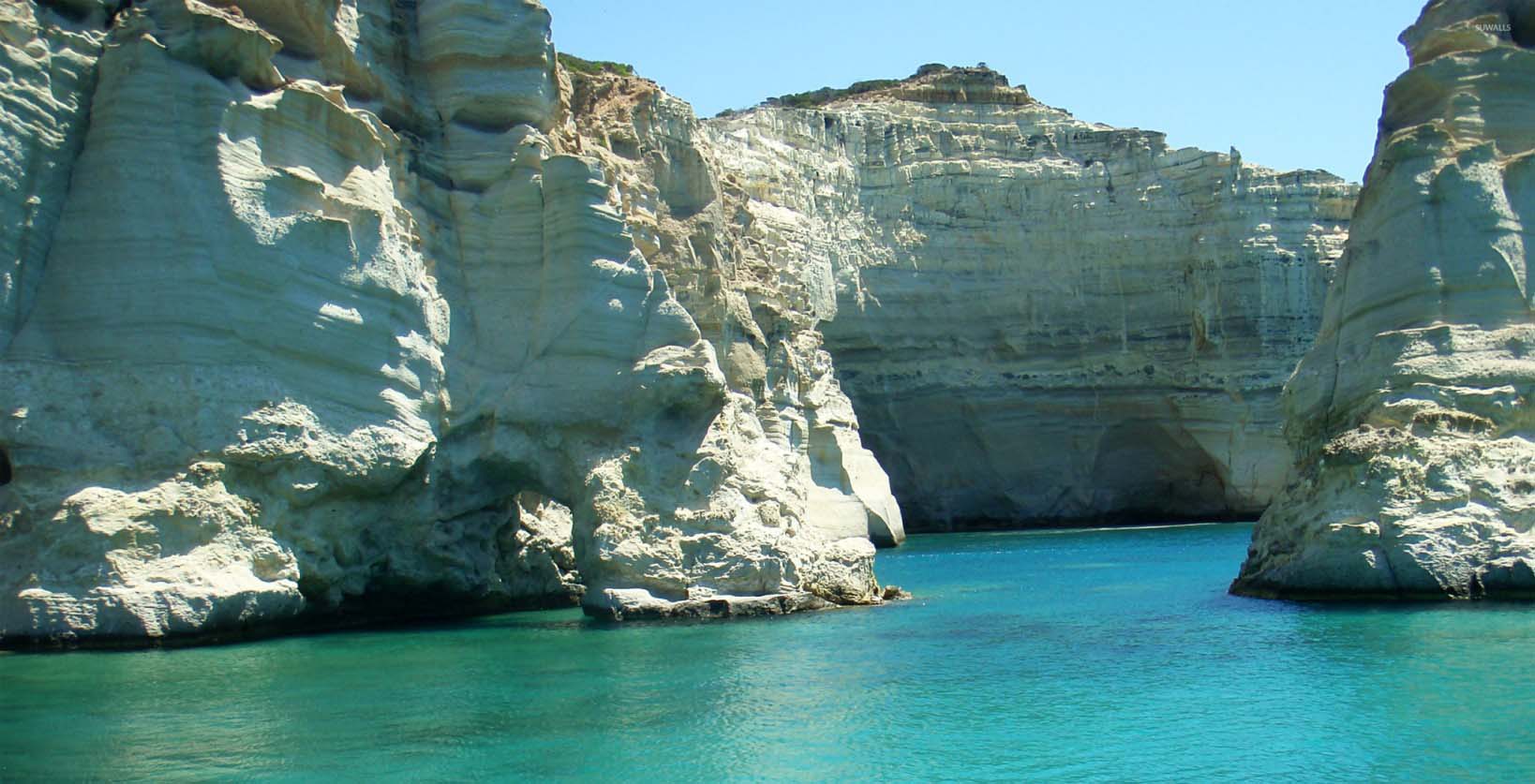
Welcome to the ultimate guide to Milos, a captivating island in Greece known for its dramatic landscapes, striking beaches, and rich history. Whether you’re planning a romantic getaway, a family vacation, or an adventure-packed tour, Milos promises an unforgettable experience. From the enchanting Sarakiniko’s moon-like terrain to the charming village of Plaka, explore the vibrant culture and serene beauty this Cycladic jewel offers.
Discover the best times to visit, where to stay, and must-see attractions with My Greece Tours, ensuring your Milos travel experience is nothing short of extraordinary.
Discover Milos, Greece with our ultimate guide. Explore stunning Milos beaches, invigorating local experiences, and top Milos attractions. Plan your Milos vacation with tips on flights, family travel, and romantic getaways. Find the best time to visit Milos and browse a range of accommodations from cheap hotels to luxurious villas. Make your Milos travel unforgettable with My Greece Tours and immerse yourself in the vibrant culture of this picturesque island.
Brief Overview
Milos, a dazzling island gem in Greece, captivates with its dramatic landscapes, stunning beaches, and rich historical tapestry. Whether you’re seeking a romantic getaway or an adventurous family trip, Milos offers something for every traveler. From the moon-like Sarakiniko Beach to the charming village of Plaka, the island seamlessly blends natural wonders with cultural heritage. Stay in cozy budget inns or indulgent luxury villas, ensuring comfort for every taste. With My Greece Tours, discover the best time to visit and immerse yourself in unforgettable local experiences that showcase the vibrant essence of Milos, Greece.
Key Highlights
- Discover Milos’ unique charm through hidden coves, lunar-like landscapes, and captivating historical sites that showcase its rich cultural heritage.
- Milos offers a vibrant mix of family-friendly beaches, romantic getaways, and adventure-packed tours ideal for all types of travelers.
- Visit Milos in late spring to early fall for a blend of mild weather, fewer tourists, and vibrant local festivals.
- Choose from cozy budget hotels to luxurious villas, experiencing authentic Greek hospitality near Milos’ top attractions.
- Explore Milos by boat or land, utilizing diverse travel options that offer scenic views and spot the island’s captivating beaches.
Why Visit Milos, Greece?
Wondering why you should explore the stunning beauty of Milos Island on your next vacation? Let’s discover what makes this gem of Greece travel so enticing. Known for its extraordinary landscape, Milos boasts an array of natural wonders and captivating vistas. The island is home to magnificent beach caves, picturesque fishing villages, and an abundance of charming historic sites. As you guide yourself through this paradise, you’ll understand why Milos, Greece, captivates travelers worldwide.
One of the highlights of your trip will certainly be embarking on a local boat tour, a perfect way to explore the hidden corners and secluded coves that grace the island’s periphery. These tours offer remarkable opportunities to photograph breathtaking landscapes and witness the unique rock formations that adorn the coastline , reasons why Milos is such a sought-after destination.
Aside from its natural charm, the island is steeped in history. There’s so much to learn and experience at the island’s archaeological sites, reflecting its ancient heritage. Milos Greece offers a rare blend of cultural depth and scenic tranquility, making it a must-visit for all who travel to Greece.
Whether you’re a history enthusiast, an adventurer, or a laid-back beachgoer, Milos Island caters to every type of traveler. It’s a vibrant destination that promises unforgettable memories. So, pack your bags, catch a flight to this enchanting island, and embark on an unforgettable journey that’ll leave you yearning for more.
Discover the Unique Charm of Milos Island
When you choose to explore the enchanting Milos Island, you’re embarking on a journey to one of Greece’s most captivating destinations. Known for its striking landscapes and turquoise waters, Milos Island offers an exquisite blend of natural wonders and picturesque villages that define the true essence of Milos. The island is not just about sun and sand; it’s a place where history and charm intertwine seamlessly. With its volcanic origins, Milos Island boasts some of the most unique beaches, with each cove revealing different shades of beauty. The Sarakiniko Beach, with its moon-like landscape, is a testament to the island’s geological wonders.
You’ll find Milos Island rich in culture and history, as evidenced by its ancient catacombs and the Venus de Milo, now residing in the Louvre, yet still very much a part of the island’s heritage.
Staying on the island offers a range of accommodations, from quaint guesthouses to luxurious villas, ensuring your stay is as memorable as the vistas surrounding you. Whether you’re meandering through the cobbled streets of Plaka or catching a sunset at Klima, the charm of Milos permeates every corner. So, pack your curiosity and a sense of adventure to truly savor what Milos Island has in store. With its friendly locals and serene landscapes, it’s no surprise that this island continues to captivate the hearts of travelers worldwide, making every visit unforgettable.As you stroll along the breathtaking shores of Milos Island, you’ll find an array of captivating activities that promise to enrich your visit:
- Explore the stunning Sarakiniko Beach, known for its moon-like landscape and crystal-clear waters.
- Dive into the vibrant underwater world at Kleftiko, a must-visit spot for snorkeling enthusiasts.
- Discover the history of Milos at the Ancient Theatre, offering panoramic views of the Aegean Sea.
- Embark on a boat tour to witness the enchanting sea caves and hidden beaches surrounding the island.
- Treat your tastebuds to local delicacies at a traditional taverna in charming Plaka village.
- Visit the iconic Catacombs of Milos, one of the earliest Christian burial sites in the world.No visit to Milos would be complete without these unforgettable memories waiting to be made at every corner.
Top Attractions on Milos Island
Milos Island, a captivating jewel in the Aegean Sea, offers a myriad of top attractions that will leave any traveler in awe. Spanning from striking beaches to unique geological formations, there are countless things to do in Milos. Start your adventure in the picturesque village of Pollonia, Milos, where you’ll find charming tavernas and quaint streets perfect for a leisurely stroll. For those fascinated by natural wonders, the ethereal caves of Kleftiko are not to be missed. These majestic cliffs are best explored by boat, allowing you to swim in the crystal-clear waters and marvel at the dramatic landscapes.
Don’t miss the chance to witness a stunning sunset in the quaint fishing village of Klima, where vibrant houses line the waterfront. It’s a sight that’s sure to captivate your heart. Unique volcanic formations dot the coastline, with the famous Sarakiniko Beach being a must-visit for its surreal moon-like terrain. Another intriguing spot is the catacombs of Milos, reflecting the island’s rich historical background, a true testament to Milos travel allure.

Explore the myriad of hidden coves, where secluded shores offer the perfect escape. For those seeking culture, a visit to the archaeological museum reveals ancient treasures, deepening your understanding of Milos. As you embark on a Milos guide journey, let the island’s enchanting allure unfold through carefully curated Milos tours. Whether you’re indulging in the local gastronomy or discovering the untouched beauty of this paradise, Milos Island promises an unforgettable and rewarding experience.
Must-See Historical Sites
When it comes to exploring Milos Island, few places capture the rich tapestry of Greek history better than this captivating destination. Nestled within the cycladic archipelago, Milos is a treasure trove boasting an array of significant historical sites. Start your journey at the Catacombs of Milos, an inspirational sanctuary dating back to the early Christian era.
Their labyrinth-like formation offers a profound glimpse into early religious life on the island. Then, wander through the ancient Theater of Milos, located in the village of Tripiti. Built by the Romans and overlooking the sea, this theater is a magnificent example of Roman architecture that once hosted spectacular performances. Another must-visit is the Archaeological Museum of Milos in Plaka, where you’ll find stunning artifacts like the Venus de Milo. Each exhibit weaves the story of the island’s storied past, enriching your travel experience. Don’t miss the imposing ruins of the ancient city of Klima.
Once a bustling hub for trade and commerce in ancient Greece, its remnants silently narrate tales of a vibrant bygone era. Whether you’re a history buff or a casual traveler, Milos provides a guide to uncovering its past through its well-preserved sites. Incorporating visits to these significant historical spots into your Milos vacation will undoubtedly enhance your understanding of the island and leave you with a newfound appreciation for its enduring legacy. So, get ready to embark on a historical journey through Milos, one of Greece’s most enchanting locales.
Natural Wonders of Milos
Milos Island, a true gem of Greece, boasts an array of natural wonders that create an unforgettable experience.
From the magical sea to its enigmatic caves, every corner of the island invites you to discover its unique beauty. One of the island’s highlights includes the famous Sarakiniko, renowned for its lunar-like landscape created by volcanic activity. Pay a visit to Kleftiko, where you can explore stunning sea caves accessible only by water. Kayaking or sailing here introduces you to hidden alcoves and amazing rock formations. Milos’s geological diversity reveals itself further at Papafragas, where towering cliffs open to crystalline waters. The mineral-rich soil of the island showcases brilliant colors, especially at the beaches of Paleochori, where the warmth of volcanic activity below creates natural hot spots in the sand. The island’s unique character doesn’t stop at these wonders. Adamas port offers mesmerizing sunsets over the water, truly a must-see.
To fully appreciate the island’s treasures, consider a local guided tour, enhancing your knowledge of Milos’s significant natural history. Consider visiting during the late spring or early autumn to enjoy milder temperatures while exploring at your leisure.
Whether you’re a first-time visitor or a seasoned traveler, the nature of Milos encourages both calm and adventure. So pack your bags, set your sights on this incredible island, and immerse yourself in its awe-inspiring landscapes. Milos promises a tapestry of experiences, neatly woven together by its natural allure and undeniable charm. Your travel journey awaits!
The Best Beaches on the Coast of Milos
Welcome to the enchanting coast of Milos, where each beach unveils its own charm and offers unparalleled experiences that are quintessentially Greek. Let’s begin with Sarakiniko, a surreal landscape characterized by its lunar-like white rocks and crystal-clear waters. This unique beach on the coastal stretch of Milos is a must-explore destination for anyone who yearns for an unforgettable photo under the sun. Then, there’s Firiplaka, a wonderfully sandy beach nestled against dramatic volcanic cliffs, perfect for those looking to enjoy a leisurely day by the sea. The beauty of Milos Island’s beaches extends to Kleftiko, accessible only by boat, where emerald water and towering rocks create a picturesque setting akin to paradise.
If tranquility is what you seek, make your way to Tsigrado, a secluded cove that’s as rewarding as its slightly adventurous access path. Once there, the serenity of the sunset over the vivid waters will captivate you. For those eager to embrace a social vibe, Paleochori Beach is buzzing with energy, combining natural beauty with beachside amenities. My Greece Tours can guide you to these gems, ensuring a seamless journey around this marvelous island. So, whether you’re planning to bask in the glorious Greek sun, take a refreshing swim, or capture the magnificent landscapes that line the coast, there’s no shortage of things to do here.
Embark on your Milos travel journey and let every beach become the highlight of your Greece vacation as you explore the captivating waters and enchanting shores of this Aegean treasure.
Exploring Hidden Coves and Pristine Shores
When it comes to discovering hidden gems amidst the Aegean, Milos Island is your gateway to an unforgettable exploration. This alluring isle is adorned with numerous coves and pristine shores, ideal for those who wish to embark on a captivating island adventure. As you travel, you’ll find that each beach tells its own story, whether it’s the lunar landscape of Sarakiniko or the vibrant, picturesque hues of Fyropotamos. Remember to explore them all by boat, a quintessential way to unveil the island’s beauty from the sea. Milos offers an authentic Greek experience with an abundance of turquoise waters, golden sands, and mesmerizing landscapes that will leave a lasting impression. The island’s sunsets are spectacular, painting the sky into a kaleidoscope of colors that dance over the water.
As you explore, take the time to swim in the crystal-clear sea at Kleftiko, which is accessible only by boat. It’s a spot where nature hasn’t been tainted by civilization, offering peace and tranquility. For those passionate about uncovering island secrets, a visit to Papafragas Cave is an absolute must. This natural wonder allows you to immerse yourself in an otherworldly setting, with dramatic cliffs framing the serene waters below. Whether you’re a seasoned traveler or new to Milos, the island’s charm blends seamlessly with its magnificent outdoor allure. Let the island’s enchanting landscapes beckon you to explore every hidden cove and remarkable shore, ensuring your Milos journey is truly exceptional.
Here are additional points to enhance your travel experience on Milos Island:
- Walk through the charming narrow streets of Plaka village, offering panoramic views of the island.
- Explore the Catacombs of Milos, a historic site offering insight into early Christian history.
- Set sail to the dramatic, uninhabited island of Polyaigos for pristine beaches and unique landscapes.
Complement these with the previous recommendations for a comprehensive exploration of Milos Island’s stunning locales and cultural heritage.
Beach Hopping Tips for Milos Travelers
Beach hopping on the island of Milos is an exhilarating experience that invites travelers to explore some of the most stunning shores Greece has to offer. With more beaches than days in the week, choosing where to start your adventure can be daunting. A helpful tip for travelers embarking on this journey is to consider the west side of the island first, where you’ll find the picturesque beach of Sarakiniko. Known for its lunar-like landscape, it’s a must-visit spot that ensures unforgettable views of the turquoise sea. Next, steer your exploration towards the southeast, where Fyriplaka Beach awaits with its vibrant mix of white sand and colorful cliffs, a perfect backdrop for those looking to capture the essence of Milos.
The sea is calm here, offering ideal conditions for swimming and lounging by the water. For those yearning to uncover more secluded beauty, head to Tsigrado, a hidden gem accessible via a small descent but rewarding with its tranquil waters and unspoiled scenery. A guided tour can enhance your beach hopping experience, providing insights into the island’s geological wonders and highlighting must-see spots you might otherwise overlook. Always check local weather conditions before setting out, as this can impact water clarity and your overall enjoyment. Remember, the journey is just as important as the destination, so take your time to savor the beauty that each beach in Milos presents. By following these tips, your Milos travel adventure will surely be a memorable chapter in your Greek vacation story.
Things to Do in Milos
Milos Island, a hidden gem in the Aegean Sea, presents an enticing blend of adventures and tranquil beauty. One of the essential things to do in Milos is to embark on a boat tour around the island’s breathtaking coastline. These tours reveal the unique landscapes and mesmerizing blue waters that make Milos an unforgettable travel experience. For those eager to explore, don’t miss the opportunity to delve into the island’s rich history and culture by visiting its charming local villages and ancient ruins; they add an enriching dimension to any Milos travel itinerary.
If outdoor activities are more your pace, the island offers a plethora of options to satisfy your thirst for adventure. Dive into snorkeling or take a bold step by going cliff jumping for an adrenaline rush. Hiking enthusiasts will find the rugged terrain both challenging and rewarding, offering stunning views over the sea. To truly immerse oneself in all that Milos has to offer, exploring its hidden paths and secluded beaches should not be missed. For a more relaxed day, unwind on one of the island’s pristine beaches and soak up the Mediterranean sun.
When considering what to do, our Milos Guide spoils you for choice, highlighting experiences that capture the island’s essence. Whether it’s indulging in local cuisine at a seaside taverna or browsing through quaint shops, these activities add a layer of enjoyment to any Milos vacation. You’ll leave with memories of unparalleled beauty and diverse adventures, all perfectly encapsulated in a visit to Milos.
Outdoor Adventures and Local Experiences
Milos is a spectacular island that promises a myriad of outdoor adventures and genuine local experiences. For those eager to explore, Milos offers breathtaking activities that immerse travelers in the beauty of the Greek sea. Discover hidden coves while kayaking through the crystal-clear waters, or embark on a snorkeling adventure to witness the vibrant marine life thriving beneath the surface.
From hiking the scenic trails that weave through the island’s rugged landscapes to sailing around its stunning coastline, there’s no shortage of exhilarating outdoor adventures on Milos. For those yearning for a more local touch, exploring the charming whitewashed villages provides a glimpse into the island’s rich culture and traditions. Interacting with the warm-hearted locals as you stroll through these villages will enrich your Milos travel experience. V
enturing into the heart of Milos presents opportunities to participate in traditional Greek cooking classes or pottery workshops, offering authentic experiences that connect visitors to the island’s heritage. If you’re looking to relax, consider indulging in a local wine-tasting tour that showcases the exquisite flavors unique to Milos.
Ultimately, Milos island creates a perfect balance between thrilling outdoor activities and enriching local experiences. As you plan your Milos travel itinerary with My Greece Tours, remember to pack both your sense of adventure and curiosity, ensuring a vacation filled with unforgettable moments. Embrace the wonders of Milos and let its enchanting landscapes, vibrant culture, and sea adventures leave an indelible mark on your journey.
Family-Friendly Activities on the Island
Milos Island offers a myriad of family-friendly activities sure to create lasting memories. This beautiful island is a paradise waiting to be discovered by families looking to explore the natural beauty and vibrant culture of Greece. For a perfect day at the sea, head to the stunning beaches of Milos, where crystal-clear waters and soft sands are ideal for building sandcastles or enjoying a refreshing swim.
Sea caves along the coast await adventurous families ready to discover hidden treasures, making it a fantastic spot for a guided kayaking tour. The fun doesn’t stop at the beaches; you can embark on an exciting exploration of the island by foot or bike. Several trails cater to all ages, allowing families to appreciate the diverse landscapes and unique geological formations of Milos.
Visit the local museums, such as the Archaeological Museum of Milos, offering an insightful look into the island’s rich history. When it’s time to unwind, stop by a family-friendly taverna to indulge in delicious Greek cuisine prepared with locally sourced ingredients.
Our My Greece Tours guide helps you plan your perfect family trip with ease. Milos Island is more than just a destination; it’s a place where your family can connect and create unforgettable moments that you’ll cherish forever. So pack your bags and get ready to discover the treasures of Milos in one family-friendly vacation full of exploration and fun activities.
Planning Your Milos Travel
As you embark on your Milos travel adventure, it’s essential to have a comprehensive guide to help maximize your experience on this enchanting island. Known for its stunning landscapes, vibrant culture, and warm hospitality, Milos Island is the perfect destination for both relaxation and exploration. Whether you craft a detailed Milos itinerary or prefer a more spontaneous approach, the key to successful travel lies in thoughtful planning and open-mindedness.
Start by researching top attractions that resonate with your sense of adventure; from visiting the intriguing geological wonders to indulging in local culinary delights. My Greece Tours offers unique and insightful Milos tours that provide an insider’s look at the island’s hidden gems and cultural richness.
Securing your transportation is another crucial step.
While flights and ferries connect Milos to other Greek destinations, renting a car or a scooter greatly enhances your ability to explore the island at your own pace. Accommodation options range from charming cheap hotels to luxurious villas, ensuring something for every budget and taste. Personalize your travel experience by diversifying activities: beach hopping, hiking, and kayaking all present glimpses of the island’s natural beauty. For a more profound connection with the island’s culture, participating in local experiences is a must. Keep an eye on seasonal events and celebrations to enrich your itinerary further. Ultimately, whether you’re an adventure seeker or a leisure traveler, planning ahead will set the stage for unforgettable moments and lasting memories on magical Milos Island.
When to Visit Milos for the Best Experience
When planning your Milos travel, timing is crucial to truly discover the best of this captivating island. Travelers often ask, “When is the best time to visit Milos?”
To ensure an unforgettable experience, the consensus among experts is late spring to early fall. During these months, Milos Island unveils its vibrant colors and dynamic culture while offering soothing temperatures ideal for exploration. Springtime, from April to June, is perfect for outdoor adventures, with nature blooming in full vibrancy, making it an excellent time to explore and connect with the island’s natural wonders. As summer approaches, the island becomes a lively hub of festivals, providing tourists with an opportunity to delve into authentic Milos experiences while basking in the sun on the stunning beaches.
However, visiting during the peak of summer in July and August means bigger crowds, so it’s recommended to book accommodations, such as Milos hotels, well in advance. September is an underrated gem of a month, offering stellar weather with fewer tourists, sharpening the essence of a relaxing by-the-sea getaway. No matter when you visit, each season on Milos Island guarantees distinct charms and offers unique experiences. Whether you’re looking to explore hidden coves or enjoy local gastronomy, this Greek island promises to captivate. Just remember, every travel experience is personal, but choosing the right season could be the key to your best Milos journey yet. Ready your bags and let’s plan your island adventure today!
| Aspect | Details | Recommendations |
| Transportation | Options include local buses, taxis, car rentals, and scooters. | Rent a car for flexibility and easy access to beaches and remote areas. |
| Accommodation | Diverse options from luxury hotels to budget guesthouses and Airbnbs. | Book early for best rates and consider staying in Adamantas for convenience. |
| Activities | Highlights include beach hopping, visiting ancient sites, and boat tours. | Don’t miss a boat tour to explore Kleftiko and other coastal formations. |
| Best Time to Visit | The island is best experienced from May to October. | Visit in September for good weather and fewer crowds than peak summer months. |
This table provides a streamlined checklist for planning an immersive and enjoyable Milos travel experience, capturing the essential considerations for a memorable trip.
Where to Stay: Milos Hotels and Accommodations
When planning your unforgettable Milos travel experience, choosing the right place to stay is crucial to making the most out of your time on this enchanting island. Milos Island, renowned for its breathtaking scenery and unique landscapes, offers a diverse range of accommodations to suit every traveler’s needs. From cozy, budget-friendly options to luxurious retreats, Milos hotels cater to a variety of preferences.
Whether you’re seeking a comfortable stay at a family-run inn or choosing to indulge in a higher-end experience at one of the island’s luxury villas, you’ll find no shortage of inviting places to rest your head.
Our Milos guide includes the best accommodations, ensuring you enjoy an authentic and memorable stay. The island’s hotels not only provide comfort but also a taste of genuine Greek hospitality.
With convenient locations often near top attractions, your exploration of Milos’ charming villages and stunning beaches is made easy. When planning your visit to Milos, take into account seasonal variations, as the best time for your Milos vacation could be outside the peak months. Whether you’re pursuing the island for its romantic sunsets or family-friendly adventures, there’s a perfect place waiting. Start by browsing Milos hotels to find accommodations that match your travel style and passions. To enhance your journey, don’t forget to look into options for comfortable flights and convenient accommodation packages to complete the seamless escape to Milos, Greece, where every moment is truly magical and enticing.
From Budget-Friendly to Luxurious Options
Welcome to the ultimate guide of accommodation choices on the picturesque Milos Island in Greece! Whether you’re searching for budget-friendly sanctuaries or sumptuous getaways, Milos has a range of hotels to suit every traveler’s needs. For those keeping an eye on their spending, you’ll find a variety of quaint and cozy options at budget-friendly Milos hotels that ensure comfort while enjoying the enchanting landscapes of this stunning island.
But if you’re leaning more towards indulging in a lavish experience, the island offers a selection of luxurious retreats that redefine elegance. Immerse yourself in the opulence of high-end hotels and villas that boast breathtaking sea views, world-class amenities, and exceptional service. These plush havens maximize your island escape, allowing you to completely absorb the beauty and charm of Milos.
Choosing where to stay on Milos is part of the magic, whether it’s a charming budget spot with character or a lavish, luxurious villa that’ll render your Milos travel truly unforgettable. With insights from our definitive guide, you can navigate through the myriad of options, making your Milos vacation seamless and customized to perfection.
Ease into the local vibe by exploring authentic Milos experiences right from the doors of these accommodations, connecting deeper with the rhythmic heartbeat of island life. So, whether you’re traveling solo, with family, or on a romantic retreat, finding the perfect place to stay in Milos enriches the allure of your overall visit to this Cycladic gem.
Navigating the Island: Getting Around Milos
Exploring Milos Island is nothing short of an adventure, and knowing how to get around can enhance your travel experience significantly. As you plan your journey, you’ll find that the island is well-served by various transportation options, offering you the flexibility to explore its many wonders at your own pace.
One popular method of travel on Milos is by boat or ferry, allowing you to hop between its stunning beaches and hidden coves with ease. Ferries connect Milos to other Greek islands, making it an ideal base for wider island exploration. For those who prefer land travel, rental cars and scooters offer the freedom to roam the island’s scenic roads, while buses provide a budget-friendly alternative for reaching key attractions. My Greece Tours offers guided tours that showcase the best of Milos, providing both insightful commentary and eliminating the hassles of navigating on your own. With so much to see, from shimmering coastal vistas to charming villages and historical sites, you’ll appreciate the variety of transportation options available.
A deciding factor might be the time of year you visit, as the best deals on travel can be found in the shoulder seasons, allowing more affordable access to Milos’ highlights. Navigating Milos Island doesn’t have to be complicated. Whether you choose to ferry your way across pristine waters or take a scenic drive through its unique landscapes, you’re sure to create unforgettable memories. Embrace the journey and enjoy every breathtaking view that Milos has to offer.
| Accommodation Type | Features | Ideal For | Example Hotels |
| Budget-Friendly | Convenient locations near public transport, basic amenities, friendly atmosphere | Solo travelers, backpackers, budget-conscious explorers | Hotel Dionysis, Milos Inn |
| Mid-Range | Comfortable rooms, good amenities, often near main attractions | Families, small groups, those seeking a balance of comfort and value | Hotel Aeolis, Santa Maria Village |
| Luxury | Prime locations, high-end amenities, exceptional service, often with sea views | Couples, romantic retreats, luxury seekers | Milos Breeze Boutique Hotel, White Pebble Suites |
This table illustrates the diverse accommodation options on Milos Island, ensuring travelers find the perfect stay to enhance their island experience.
As you plan your Milos travel adventure, remember that this island offers an unparalleled combination of natural beauty, vibrant culture, and intimate experiences. Whether you’re seeking Milos beaches, discovering local attractions, or indulging in romantic getaways, there’s something for every traveler. And with a range of accommodation options, from cheap hotels to luxury villas,
My Greece Tours ensures your Milos vacation is unforgettable. With its stunning vistas and welcoming locals, there’s no better time to experience the magic of Milos. Join us in Milos, where every moment becomes a cherished memory.
Why is Kleftiko called the pirates’ cove?
Kleftiko on Milos takes its name from the Greek word for thieves. Pirates hid their ships among its white sea stacks and arches on the roadless south-west coast. Boat trips reach the cove, and swimmers explore the caves.
The name comes from kleftis, the Greek word for thief. Local tradition holds that the sheltered water between the rocks hid pirate ships from passing fleets.
At Kleftiko, white volcanic rock rises straight out of deep turquoise water. Arches and tunnels cut through the stacks. Boats anchor in the cove, and passengers swim and snorkel through the openings. Morning and full-day boat trips leave from Adamas.
What is Phylakopi, the Bronze Age town of Milos?
Phylakopi is a Bronze Age town on the north coast of Milos, near Pollonia. It grew rich from obsidian, the black volcanic glass of the island. Three cities rose on the site, one above the other, across the Bronze Age.
Milos obsidian was traded across the Aegean for thousands of years before metal tools came into use.
The British School at Athens excavated Phylakopi at the end of the nineteenth century. Later digs found a shrine with clay figures, among them the figure known as the Lady of Phylakopi.
The site sits by the sea, a short drive west of Pollonia. Walls and house foundations survive. Part of the town has fallen into the sea.
What do the Kastro and the Folklore Museum of Plaka show?
The Kastro crowns the hill above Plaka, the capital of Milos, with the ruins of a Venetian castle and wide views over the west coast. In the village, the Folklore Museum shows the island’s traditional crafts, tools and home life.
A path climbs from the lanes of Plaka to the top of the Kastro. The church of Panagia Thalassitra stands on the way up, facing the sea. The view from the top takes in the bay of Milos and the west coast.
The Folklore Museum occupies an old house in Plaka. It displays furniture, costumes and tools of island life. In neighbouring Trypiti, a row of old windmills stands on the ridge.
What do the old sulphur mines of Milos show?
The old sulphur mines at Thiorichia, on the east coast of Milos, keep abandoned mine buildings, rusted rails and yellow-streaked cliffs above a small beach. The Mining Museum in Adamas explains how mining shaped the island.
Workers dug sulphur at Thiorichia and loaded it onto ships in the bay. The mine closed in the mid-twentieth century, and the site stands empty. A dirt road leads down to the bay.
Milos still mines bentonite and perlite today. The Mining Museum in Adamas shows the minerals, tools and history of this work, from ancient obsidian to modern quarries.
How do you get to Milos from Athens?
Ferries sail to Milos from Piraeus, the port of Athens. High-speed boats cross in about three hours, and conventional ferries take up to about seven. A flight from Athens to the Milos airport lasts about forty minutes.
Ferries to Milos dock at Adamas, the main port. Conventional ferries stop at other Western Cyclades islands such as Serifos and Sifnos on the way.
The small island airport lies south-east of Adamas. Flights from Athens suit travellers short on time.
Boats also link Milos with Santorini, Naxos, Paros and Kimolos, so the island fits an island-hopping route. Book ferries early for the summer months.
How long do you need on Milos?
Four to five days suit most visits to Milos. That time covers a full-day boat trip to Kleftiko, the coloured beaches and the villages of Plaka and Klima. Two or three days cover the highlights at a faster pace.
The beaches of Milos lie far apart, and some sit at the end of dirt tracks. Short stays leave little time to reach them.
A week on Milos lets travellers slow down. It adds a day trip to Kimolos and time for quieter coves. Milos has more than seventy beaches, so extra days open more of the coast.
How does the meltemi wind shape a beach day?
The meltemi is the strong north wind of the Aegean summer. On meltemi days the south-coast beaches of Milos, such as Firiplaka, Tsigrado and Paleochori, stay calmer. On days with a south wind, north-coast beaches such as Sarakiniko are calmer.
The meltemi blows hardest in July and August. It raises waves on the north coast and makes exposed beaches hard for swimming.
Check the wind forecast each morning and pick the sheltered coast. Boat trips to Kleftiko also depend on the sea state, and captains cancel sailings on rough days.
What do you pack for a beach day on Milos?
A beach day on Milos needs water shoes, shade, a full water bottle and snacks. Beaches such as Tsigrado and Kleftiko have no taverna, no sunbeds and no natural shade, so visitors carry what they need.
Water shoes top the Milos packing list for pebbly and rocky shores. An umbrella and a hat guard against the strong sun.
A dry bag keeps a phone safe on a boat trip. A snorkel mask opens the clear water around the rocks. Reef-safe sunscreen protects sea life.
Tsigrado is reached by a rope-and-ladder descent down a gully, so a small backpack keeps both hands free.
Where do you eat fresh fish and island pies?
Eat fresh fish at the harbour tavernas of Pollonia, seafood beside the boat houses of Mandrakia and Klima, and pitarakia cheese pies from the bakeries of Adamas. The cafés of Plaka serve drinks with the best-known sunset view on the island.
Pollonia is a fishing village on the north-east coast. Boats land the catch at its quay, and tavernas line the bay. The ferry to Kimolos leaves from its small harbour.
Mandrakia and Klima are fishing villages with syrmata, boat houses cut into the rock at the water’s edge. Their doors are painted red, blue and green. Medusa, a taverna at Mandrakia, serves seafood beside the water.
Pitarakia are small cheese pies, a speciality of Milos cooking. Bakeries in Adamas sell them from early morning, and they travel well to the beach.
Milos Guide FAQs
What are the top attractions to visit on Milos Island?
Milos Island offers a variety of attractions, including Sarakiniko Beach, known for its unique moon-like landscape, the picturesque village of Plaka, and the fascinating Kleftiko sea caves accessible by boat.
When is the best time to visit Milos Island?
The ideal time to visit Milos is from late spring to early fall. This period provides mild weather, fewer tourists, and vibrant local festivals, enhancing the travel experience.
What accommodation options are available on Milos Island?
Visitors to Milos can choose from a range of accommodations, including budget-friendly inns and luxurious villas, all offering authentic Greek hospitality and convenience to top attractions.
What outdoor activities can I enjoy on Milos Island?
Outdoor enthusiasts can enjoy various activities such as hiking scenic trails, exploring sea caves by kayak, and snorkeling in the crystal-clear waters surrounding the island.
How can I get around Milos Island?
Transportation options on Milos include rental cars, scooters, and buses for exploring by land. Additionally, boat tours offer scenic routes ideal for accessing remote beaches and coves.
See more places:
- Corfu Tours: Private Tours in Corfu, Walking Tours, Corfu Tour Guide & Guides
- Crete Travel Guide: Experience Crete, Greece – The Island Local Guide From a Local
- Delos
- Donousa
- Ephesus Tours: Explore Ancient Ephesus Adventures with Ephesus Tour Packages
- Epidaurus Day Tour – Self-Guided Epidaurus Tours to Ancient Epidaurus
- Explore Delphi, Greece: Ultimate Guide to the Archaeological Site of Delphi
- Folegandros
- Kimolos
- Kos Tours and Travel: Discover Kos Greece with the Best Tours
- Koufonisia
- Kythira Travel Guide: Discover Kythera’s Beautiful Island
- Kythnos
- Lefkada Slow Guide: Where to Stay in Lefkada Island, Greece – Best Areas and Hotel
- Leros
- Lesbos
- Limnos
- Lipsi
Explore Milos: tours, tickets & day trips
- Milos 1 Day Itinerary
- Milos 2 Day Itinerary
- Milos 3 Day Itinerary
- Milos 4 Day Itinerary
- Milos 5 Day Itinerary
- Milos 6 Day Itinerary
- Milos 7 Day Itinerary
- Milos Itinerary
- Things to Do in Milos
- Knossos Palace Tickets
- Knossos and Heraklion Tour
- Knossos Guided Tours
- Knossos Private Tours
- Milos Boat Tours
- Milos Jeep Tour
- Milos Private Tour
- Kimolos Day Trip from Milos
- Knossos Day Trips
- Milos Day Trip from Athens
- Milos Day Trip from Santorini
- Day Trips from Milos
- Milos Cruises
- Milos Sunset Cruise
- Best Time to Visit Knossos