
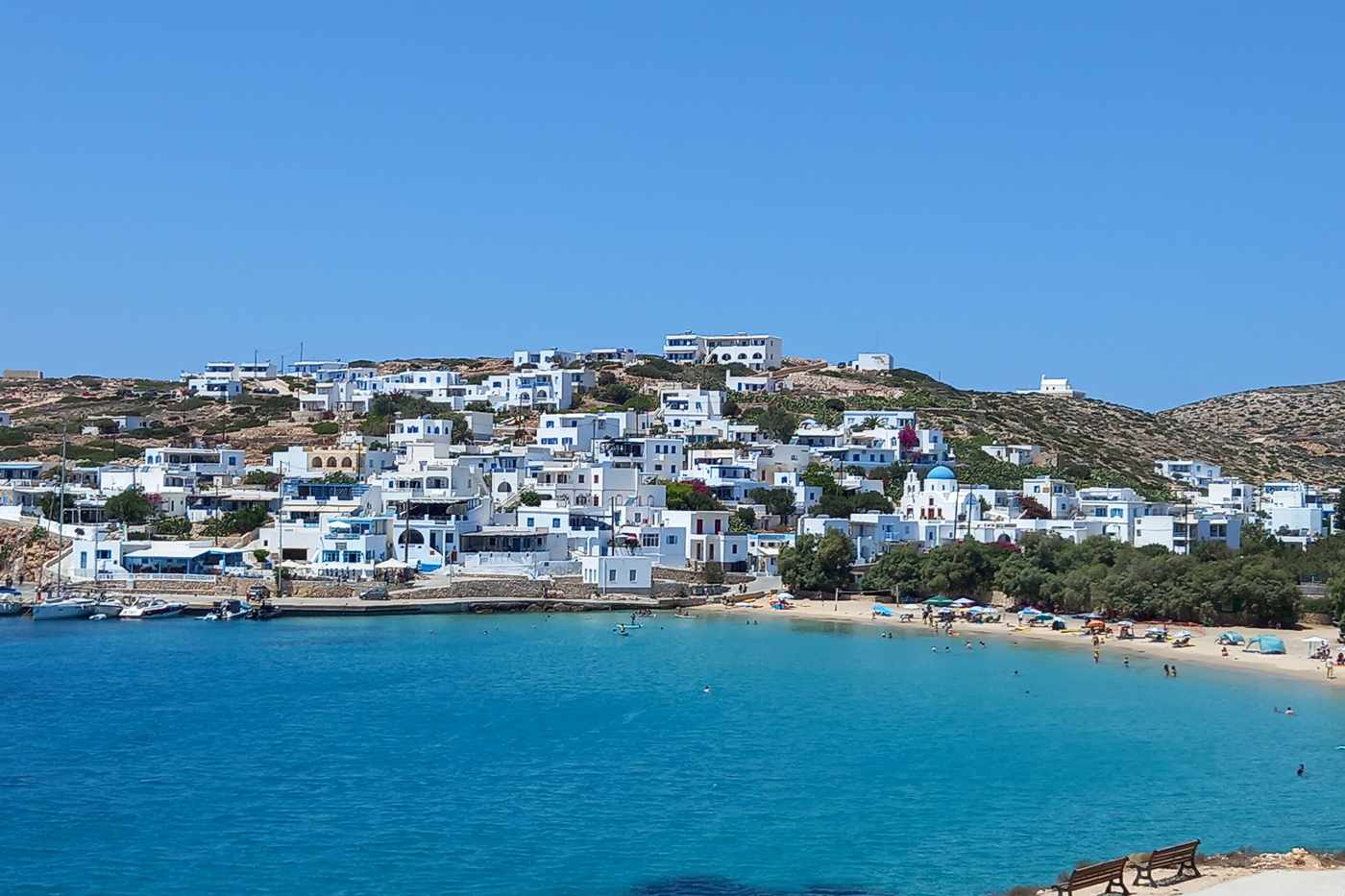
Explore Donousa Island, Greece, with this expert travel guide. Discover hidden beaches, authentic tavernas, hiking trails, and a relaxed 3-day itinerary perfect for your escape.
Donousa Travel Guide: The Cyclades’ Hidden Gem — What To See, Do & Eat
We’ve been exploring the quieter corners of the Cyclades for years, and Donousa remains one of those rare islands that still rewards visitors with genuine discovery. Small, rugged, and defiantly low-key, Donousa (Donoussa) sits northeast of Naxos and south of Amorgos and offers turquoise bays, chalk-white cliffs, and a handful of tavernas where the food tastes like a local family recipe passed down generations.
In this guide, we’ll cover who Donousa is best suited for, the practicalities of getting there, the beaches and hikes you can’t miss, where to sleep and eat, and a realistic 3-day itinerary so you get the most from your visit. Whether you’re planning island hopping in the Cyclades, a relaxed beach escape, or a hiking-focused trip, consider this our field-tested roadmap to Donousa.
No tour operator runs guided tours on Donousa itself, so the tours below cover Amorgos and Naxos, the two islands its daily boats link.
Why Visit Donousa: Who It’s For And What Makes It Special
Donousa isn’t for everyone, and that’s precisely why many of us love it. If you’re looking for a Cycladic island experience without the crowds of Santorini or Mykonos, Donousa offers intimacy, authenticity, and a pace that nudges you back to simple pleasures: morning swims, late lunches at a shaded taverna, and walks along empty trails. Here’s who will get the most from Donousa and what sets it apart.
Who it’s for
- Slow travelers and couples who want low-key romance and privacy. Donousa’s limited accommodation and few bars create a quieter, more intimate vibe than the busier islands.
- Hikers and outdoor lovers. The island punches above its weight with rewarding coastal and inland trails that connect remote beaches and scenic headlands.
- Food-focused travelers who prefer honest, home-style Greek cuisine, fresh fish, slow-cooked stews, and locally produced cheeses, served in unpretentious tavernas.
- Island-hoppers who want a contrast to the flashy islands: Donousa slots neatly between more touristic stops on a multi-island itinerary.
What makes Donousa special
- Unspoiled beaches: Small coves and long pebble beaches with crystalline water: many are reached by foot or short boat ride, so they stay peaceful.
- Authentic village life: Hora, the island’s main village, retains classic Cycladic architecture, narrow lanes, whitewashed houses, and a handful of cafés where locals still gather.
- Night sky and silence: With minimal nightlife and limited light pollution, the stars feel remarkably close.
- A strong local identity: Fishing, small-scale farming, and generations of islanders who still practice seasonal customs give Donousa a lived-in, authentic feel.
Why visit now
Travel trends since the pandemic have pushed many visitors toward more sustainable and less crowded destinations. Donousa benefits from that shift: ferry links have improved slightly with better seasonal schedules, and some family-run guesthouses have renovated rooms while keeping a small-scale approach. It’s an ideal time to visit if you want an island that balances accessibility with a sense of discovery.
In short: pick Donousa if you value quiet beaches, genuine tavernas, and hiking routes that end at a solitary cove rather than a beach bar with a DJ.
Where is Donousa, and how is its coast shaped?
Donousa is the easternmost island of the Lesser Cyclades, 16 kilometres east of Naxos and 14 nautical miles from Aegiali on Amorgos; it covers 13.7 square kilometres, rises to 385 metres and counted 213 residents at the 2021 census.
Stavros, the port and capital in the south-west bay, is home to the largest share of the residents of Donousa. The other settlements are Mersini on the south-east coast, Kalotaritissa near the northern shore and Charavgi in the south. The National Observatory of Athens classes the climate as hot semi-arid, with an average temperature of 19.2°C and about 260 millimetres of rain a year.
The coast of Donousa breaks into capes and bays, each with its own name:
- Stavros and Dendro: two bays with a sandy beach, south-south-east of Cape Aspro, Stavros holding the port.
- Rousa: a bay in the north-north-west, between Cape Kalotas, the northern tip, and Cape Moschonari.
- Peiratis and Mataio: the southernmost bays, south of Dendro near Cape Glaros.
- Skylonisi: an islet, also called Trigono, off the only bay on the east coast.
The Makares islets lie 4 nautical miles south-west of Donousa, on the way to Naxos. Daily local boats link the island with Naxos and Amorgos, so Donousa sits at the meeting point of the two larger islands.
What is the history of Donousa?
Donousa was settled in the Early Cycladic period around 3000 BC, held a fortified trading post at Vathy Limenari in the 9th and 8th centuries BC, served Rome as a place of exile, and sheltered pirates in the Middle Ages before Venetian and Ottoman rule.
In myth, Dionysus hid Ariadne on Donousa to keep her from Theseus, and Virgil names the island on the route of Aeneas from Troy to Italy. The settlement at Vathy Limenari, on a steep cape above a deep anchorage on the sheltered south-east side, held pottery from the Dodecanese as well as from Naxos, which marks it as a stop on a sea route linking Attica and Euboea with the eastern Aegean. In the 1st century BC Mark Antony gave Donousa to the Rhodians.
Modern history reached Donousa late. The islanders are said to have learned of King Otto’s removal from the Greek throne 14 years after the event, when King George I visited the island. In the First World War the German cruiser Goeben took on coal hidden behind Cape Aspro, out of sight of British and French warships. On 23 September 1944 the Orion, a ship requisitioned by the Germans, sank in Kedros bay after repeated attacks by the Royal Air Force; its hull was cut up and sold for scrap in the early 1950s, and pieces of the wreck still lie on the seabed off the beach.
The population of Donousa shows how small the island has stayed: 235 residents in 1928, 250 in 1946, 163 in 2001 and 213 in 2021. Today the island has a primary school, a secondary school with upper classes, a church, a port and a village square.
Getting There And Getting Around: Ferries, Flights, And Local Transport
Reaching Donousa feels like the first reward of the trip; you cross between islands and, as the ferry approaches, you watch a tiny village emerge against a raw, rocky backdrop. Here’s how to plan the journey and how to move around once you arrive.
Getting there: ferries and boat services
- From Naxos and Amorgos: The most common connections come from Naxos and the nearby islands, like Amorgos. During high season (June–September) there are multiple weekly ferries linking Donousa with Naxos, Amorgos, and occasionally with lesser-stopped ports. Fast and conventional ferries both operate: the fast catamaran is quicker but can be pricier.
- From Athens (Piraeus or Rafina): There are no direct flights to Donousa. You’ll take an overnight or daytime ferry from Piraeus/Rafina to Naxos or Amorgos and connect. Expect travel times of 6–9+ hours, depending on connections. For shorter sea time, consider flying ATH–Naxos (seasonal) and connecting by ferry.
- Island-hopping routes: Many island-hop itineraries include Donousa as a quieter stop between Naxos, Schinoussa, and Amorgos. If you’re booking a private or small-group island-hopping tour, ask the operator to include Donousa as a bespoke stop; it’s worth an overnight or two.
Practical ferry tips
- Book early for July–August: space is limited and popular crossing times fill fast.
- Check return schedules before you plan activities; services can be reduced or shifted by weather.
- If you’re prone to seasickness, choose conventional ferries (larger, steadier) over high-speed cats when possible.
Getting around Donousa
- Walking: Much of Donousa is wonderfully walkable. Hora to many close bays is an easy walk, and the short distances mean you can explore on foot.
- Rent a scooter or ATV: Renting an ATV, motorbike, or small car is the most flexible way to reach remote beaches like Kedros and Tripiti. Book ahead in high season: supply is limited.
- Local buses and taxis: There’s no dense public network, but a seasonal mini-bus or shareable taxi service sometimes operates between the port and Hora. Expect infrequent schedules; check locally.
- Water taxis and boat trips: Local skippers run water taxis to coves and remote beaches, often for a modest fee. Shared boat trips are a relaxing way to see multiple bays in a half-day.
Accessibility and tips
- Roads can be narrow and rocky: if you’re not confident on uneven terrain, choose a car over a scooter.
- Fuel and parts are sparse: if you rent a vehicle, confirm fuel policy and emergency contacts.
- Cash: Many small shops and tavernas still prefer cash; bring euros in small denominations. ATMs are limited; withdraw on Naxos or before departure.
In short: plan ferry connections carefully, rent a vehicle if you want independence, and embrace walking and water taxis for the most memorable access to coves and cliffs.
Top Beaches, Hiking Trails, And Outdoor Activities
Donousa’s main attraction is the outdoors: crystalline bays, hidden coves, and a network of trails that reward modest effort with dramatic sea views. We’ll map the must-see beaches and trails and suggest a few activities that showcase the island’s nature.
Top beaches (our favorites)
- Kedros (Kedri): A long, pebbly beach with shallow turquoise water, shaded by tamarisk trees in parts. It’s a favorite for families and swimmers who want a comfortable, sandy-feel shoreline without crowds.
- Tripiti: Smaller and rockier, Tripiti is dramatic, think turquoise water and a backdrop of white rock formations. It’s reached by a walk or short drive and is perfect for snorkelers.
- Mersini: A sheltered cove with a mix of pebbles and sand: there’s a laid-back taverna nearby during season, making it an easy half-day spot.
- Kedros Bay (southern reaches): A quieter extension of Kedros where you’re likely to find solitude, ideal if you want to read and nap under the sun with minimal interruptions.
- Livadi: Close to Hora and often the first beach visitors see after arrival, Livadi is convenient for a quick dip and sunrise views.
Hiking trails (don’t skip these)
- Hora to Kedros Trail: One of the island’s classic walks, it follows coastal cliffs and offers several lookout points. The path is uneven in places but well worth the scenic payoff. Plan for 1.5–2 hours one way if you keep a steady pace.
- Tripiti Headland Loop: A shorter circuit around rocky promontories with panoramic views of the Aegean and neighboring islands. Great for sunrise or late afternoon when the light is soft.
- Northern Headland Trek: For those who prefer more isolation, the northern headland has scrubby paths and dramatic cliff drops: route-finding is occasional, so bring a map or GPS.
- Walks between beaches: Many beaches are connected by straightforward coastal paths; combine two or three in a day and reward yourself at a taverna afterward.
Safety and trail tips
- Footwear: Good walking shoes or sturdy sandals are essential; some trails have loose stones.
- Water and sun: Carry at least 1–2 liters of water on hikes, plus a hat and sunscreen; shade is limited.
- Time of day: Hike early morning or late afternoon in summer to avoid heat.
- Navigation: Trails are generally marked, but phone signal can be patchy: download offline maps or ask locals for directions if unsure.
Outdoor activities beyond beaches and hikes
- Snorkeling: Clear water and rocky beds make for excellent snorkeling near Tripiti and rocky points around the island. Bring or rent basic gear.
- Boat trips: Half-day boat cruises visiting remote coves and sea caves are often offered by local skippers; they’re a relaxing way to see otherwise inaccessible spots.
- Kayaking and SUP: If you bring or rent a paddleboard or kayak, the calm mornings are ideal for paddling along the coast and exploring hidden coves.
- Photography and wildlife: Birdlife includes migratory species and seabirds: the island’s geology and light also make it a photographer’s dream, especially at golden hour.
In short: Donousa’s outdoor draw is simple, accessible beaches, scenic hikes, and water-based activities that reward modest effort with spectacular solitude.
Where To Stay And Eat: Accommodation Types, Local Taverns, And Nightlife
Donousa’s accommodation and food scene is small but sincere: family-run guesthouses, a few boutique rooms, and tavernas where recipes haven’t changed in decades. We prefer places that feel lived-in rather than staged. Here’s how to choose where to sleep and where to eat.
Where to stay: styles and recommendations
- Guesthouses and family-run rooms: These are the island’s backbone. Expect whitewashed rooms, simple comforts, and hosts who double as local guides. They’re ideal if you want warm service and local tips.
- Small hotels and studios: A handful of updated hotels and self-catering studios offer private baths and modern conveniences. Book early in high season.
- Apartments and villas: For couples or small groups who prioritize privacy, a self-catering apartment near Hora or the port can be convenient.
- Camping: There’s no official large-scale campsite, and wild camping is discouraged; instead, choose a budget room if you prefer an outdoorsy vibe.
Booking tips
- Reserve in advance for July–August: rooms are limited.
- Ask hosts about transportation from the port; many offer pick-up or can coordinate local taxis.
- Consider staying two nights in Hora for convenience, and one night closer to your favorite beach if you want sunset access without a commute.
Where to eat: tavernas, bakeries, and specialties
- Taverna culture: Dinner on Donousa is simple and delicious. Look for tavernas that serve local fish, grilled meats, fresh salads, and stews. Meals are often seasonal, based on what fishermen and local farmers bring that day.
- Must-try dishes:
- Fresh grilled fish, usually the day’s catch.
- Fava or fava-style split pea purée, often served with caramelized onions or capers.
- Local cheeses and dakos-inspired salads.
- Homemade desserts: small pies or spoon sweets that vary by family recipe.
- Breakfast and bakeries: Small cafés in Hora sell strong Greek coffee and pastries; sit outside and watch village life.
- Late-night options: There isn’t a nightclub scene; nightlife tends to be low-key, a glass of wine at a seaside taverna, occasional live music in summer, and bars that stay open late but rarely past 1–2 AM.
Dining tips
- Book a table for dinner in July/August if you have a preferred taverna; space is limited.
- Ask what’s fresh: If a taverna has fresh fish, they’ll usually recommend the best options.
- Respect local hours: Lunch often begins late (around 1–3 PM) and dinner after 8 PM.
Sustainable and local options
Many establishments are family-run and source locally. Eating on Donousa is a direct way to support small businesses. Choose tavernas that use local produce and avoid single-use plastics where possible.
In short: stay in family-run rooms for authenticity, plan meals at tavernas that highlight local seafood and simple Cycladic cooking, and embrace the island’s low-key nightlife.
Practical Travel Tips And A Sample 3‑Day Itinerary
We’ve distilled practical advice from multiple visits into this tips section and a focused 3-day itinerary that helps you see Donousa’s highlights without rushing. The itinerary assumes you arrive mid-morning on Day 1 and leaves flexibility for tides, ferries, and your energy level.
Practical travel tips
- Best time to visit: Late May–early July and September–early October offer warm weather, fewer crowds, and better ferry reliability than peak August.
- Money and communications: Bring cash; ATMs are limited or absent. Mobile signal is variable, download maps and your ferry bookings offline.
- Health and safety: Pharmacies are not guaranteed; bring basic meds and a small first-aid kit.
- Luggage: If you’re island-hopping, pack light; many ferries have limited space, and port transfers can be hands-on.
- Respect local life: Donousa is residential: dress and behavior expectations are conservative compared to party islands.
- Environmental etiquette: Take all rubbish with you if bins are full and avoid disturbing flora and fauna. Many visitors leave lighter footprints by using refillable water bottles and reusable bags.
Sample 3‑Day Itinerary (practical, relaxed)
Day 1, Arrival and settling in (afternoon + evening)
- Morning/Afternoon: Arrive at the port. Walk into Hora to get your bearings, drop bags at your guesthouse, and enjoy a café, try a strong Greek coffee, and a slice of local pie.
- Late afternoon: Head to Livadi beach for a first swim and watch the light change as boats bob in the harbor.
- Evening: Dinner at a taverna in Hora. Ask your host for recommendations: order the catch of the day and a simple salad.
Day 2, Beach day and coastal hike
- Morning: Early walk or short drive to Kedros. Enjoy a long swim and snorkel. Pack water and a light picnic if you plan multiple beach stops.
- Midday: Return to Hora for lunch or try a seaside taverna near Mersini.
- Afternoon: Hike the Hora-to-Kedros coastal trail (if you haven’t driven), exploring lookout points and quieter coves. Bring sun protection and water.
- Evening: Sunset at a headland, then dinner. If there’s live music in season, sitting outside with a glass of wine is a perfect end to the day.
Day 3, Boat trip and cultural stroll
- Morning: Book a short boat trip or water taxi to visit Tripiti and remote coves: snorkel and swim in clear water. If boats aren’t available, spend the morning exploring the island’s northern headland for solitude.
- Midday: Lunch at a taverna that serves grilled fish and fresh salads.
- Afternoon: Explore Hora’s alleys, visit a small local chapel, and pick up a few local products, such as honey or preserved treats. Prepare for departure: check ferry times and confirm transport to the port.
- Evening: If you’re staying a final night, enjoy a relaxed farewell dinner; otherwise, head to the ferry with time to spare.
Alternative activities (if you have extra time)
- Combine Donousa with Naxos or Amorgos for more hiking or cultural exploration; many visitors plan 3–7 day island-hopping loops.
- Pack a snorkel and explore lesser-known coves alone by water taxi.
- Take a cooking lesson or join a small family for a home-cooked meal if you want a deeper cultural exchange.
In short: prioritize a relaxed rhythm, half-day hikes, beach relaxation, and a boat trip, and always leave buffer time for ferry schedules.
Conclusion
Donousa is the Cyclades’ quiet, unassuming jewel, small enough to explore without a car for parts of your stay, but rich enough in beaches, hikes, and honest food to reward several days. For travelers who prioritize authentic island life, solitude, and outdoor experiences over nightlife and luxury resorts, Donousa delivers a memorable, low-key Greek island escape.
We recommend pairing it with neighboring islands if you want variety, but plan at least two full days here to soak in the pace. Pack light, book key ferries and rooms early in summer, and be ready to trade schedules for slow afternoons by the sea. You’ll leave feeling like you’ve discovered a favorite that not everyone knows about (yet).
Donousa Travel Guide FAQs
What makes Donousa Island a special destination in the Cyclades?
Donousa offers unspoiled beaches, authentic village life with classic Cycladic architecture, remarkable night skies due to low light pollution, and a strong local identity rooted in fishing and small-scale farming. It’s ideal for travelers seeking intimacy and genuine island experiences away from crowds.
How can I get to Donousa Island?
Donousa is accessible mainly by ferry from nearby islands like Naxos and Amorgos, especially during June–September, with multiple weekly connections. There are no direct flights; travelers typically fly to Athens, then take a ferry to Naxos or Amorgos and connect to Donousa. Booking ferries early is recommended during peak season.
What are the best ways to get around Donousa once I arrive?
Donousa is very walkable, especially around Hora and the nearby bays. For more remote beaches, renting a scooter, ATV, or small car offers flexibility. Local buses and taxis are infrequent; water taxis and shared boat trips provide relaxing options to access secluded coves and beaches.
Which beaches and hiking trails should I not miss on Donousa Island?
Top beaches include Kedros for families, Tripiti for snorkeling, Mersini with a nearby taverna, and peaceful southern Kedros Bay. Must-do hikes are the coastal Hora to Kedros trail, the Tripiti Headland Loop, and the Northern Headland Trek, all offering stunning sea views and solitude.
What local foods and dining experiences can travelers expect on Donousa?
Donousa’s tavernas serve fresh grilled fish, home-style Greek dishes like fava split-pea purée, local cheeses, salads, and homemade desserts. Meals are crafted from seasonal, locally sourced ingredients, often served in family-run establishments that provide a warm and authentic dining atmosphere.
When is the best time to visit Donousa Island for a quiet and enjoyable experience?
Late May to early July and September to early October offer warm weather, fewer crowds, and better ferry schedules. These shoulder seasons are perfect for enjoying Donousa’s tranquility, outdoor activities, and local life without the intensity of peak summer tourism.
Find more experiences in My Greece Tours:
- Thessaloniki Tours: Explore All Thessaloniki Tours & Excursions
- Tinos
- Travel to Antiparos: Your Guide to Antiparos, Greece
- Zante Guide Tours: Top Zakinthos and Zakynthos Tours – An Unforgettable Zakynthos Tour Experience
- Aegina
- Agios Efstratios
- Agkistri Boat Tours: Agistri Island Cruises & Activities – Amazing Tours on Agistri Island