
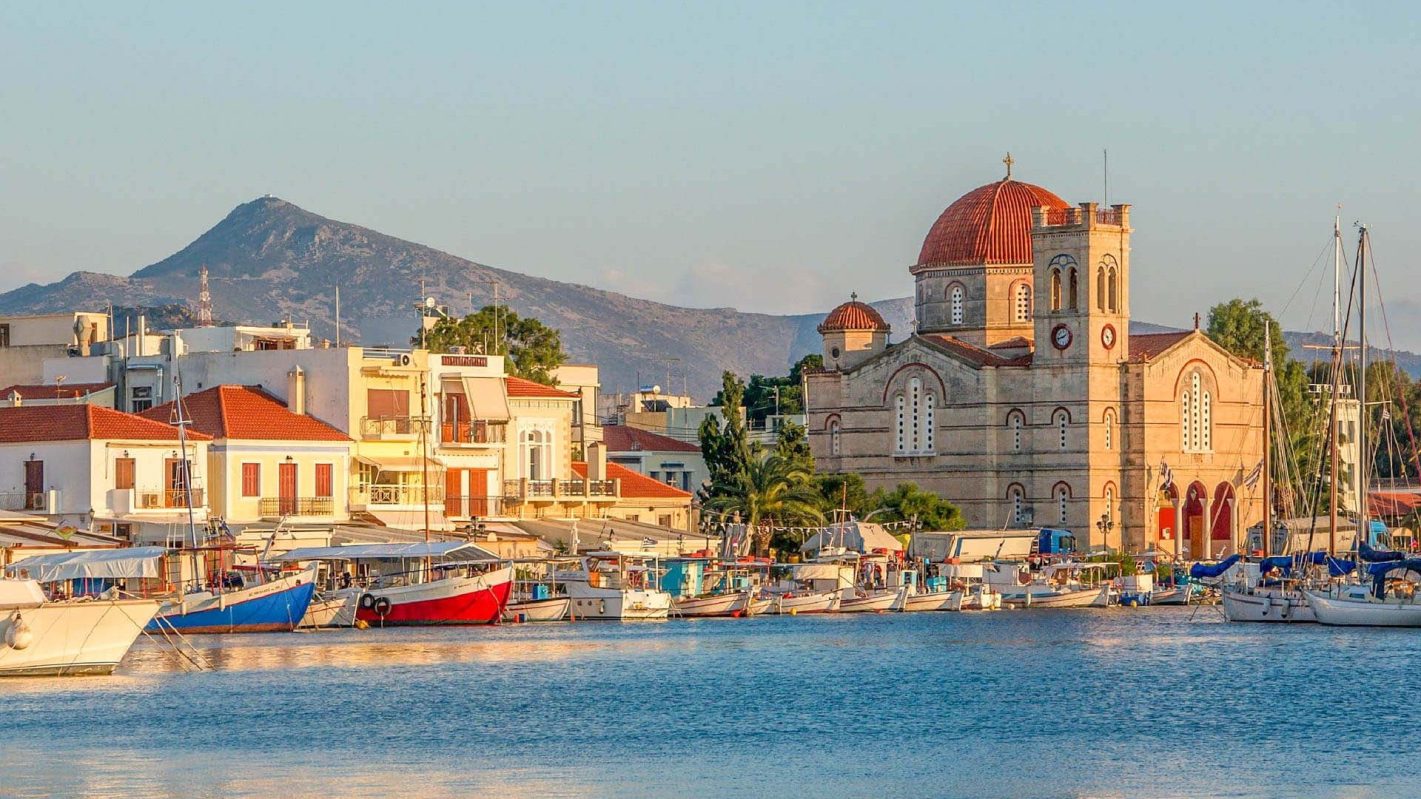
The Ultimate Guide to Aegina Tours and Excursions
As locals who have spent our lives exploring the nooks and crannies of Greece, we often tell travelers that you don’t need to fly to the far edges of the Aegean to find paradise. Sometimes, it’s hiding in plain sight, just a heartbeat away from Athens. Aegina is that hidden gem. Located in the Saronic Gulf, merely 45 minutes to an hour from the port of Piraeus, this island offers a microcosm of everything we love about our country: ancient history that rivals the Acropolis, culinary traditions that are world-renowned, and sapphire waters that invite you to dive right in.
Led by our founder, Yannis Divramis, a native Greek who grew up between Milos and Santorini and now dedicates his life to showcasing the authentic side of Greece, we have curated this guide to help you navigate the best Aegina tours. Whether you are a history buff looking to complete the “Holy Triangle” of antiquity, a foodie chasing the scent of fresh pistachios, or an adventurer ready to hike Byzantine trails, Aegina has a tour for you. Unlike the rushed stops of a standard cruise, taking the time to explore this island reveals a depth of culture that often surprises visitors. Let us walk you through exactly how to experience the First Capital of modern Greece like a local.
Read more in My Greece Tours.
Understanding the Aegina Tour Landscape
When we talk about touring Aegina, it is essential to understand that this isn’t just a sleepy fishing village. It is a vibrant, living island with a rich maritime past and a bustling present. Because of its proximity to Athens, the tour landscape here is incredibly diverse and accessible year-round. Ferries depart from Piraeus almost hourly, ranging from the swift Flying Dolphins (taking about 40 minutes) to the larger ferry boats that allow you to enjoy the sea breeze on a slower 75-minute journey. This ease of access makes Aegina the perfect destination for day-trippers and weekenders alike.
The island’s geography dictates the flow of tours. Most experiences center around three main hubs: Aegina Town (the capital and main port), the resort town of Agia Marina on the east coast, and the fishing village of Perdika in the south. The landscape shifts dramatically between these points, moving from the neoclassical architecture of the harbor to pine-covered hills and rocky ancient sites.
What makes the tour landscape here unique is the blend of structure and freedom. You can easily book a comprehensive, licensed guided tour that buses you between major monuments, or you can opt for a more rugged, self-paced experience using the island’s expanding network of hiking trails and bike paths. Whether you are interested in the spiritual serenity of monasteries or the adrenaline of sailing, understanding the lay of the land is the first step in crafting your perfect itinerary. We always advise our guests to view Aegina not just as a stopover, but as a destination with distinct zones, each offering a different flavor of Greek life.
Top Historical and Cultural Guided Tours
For those of us who live and breathe Greek history, Aegina is a playground of antiquity. It served as the first capital of modern Greece after the revolution against the Ottomans, but its roots go back much further, often rivaling Athens in power during ancient times. Licensed guides here are passionate about connecting these dots, offering walking tours and private car excursions that peel back the layers of time.
Hands-on classes with local potters, from pinch pots to the wheel, are covered on the Aegina pottery class page.
Exploring the Ancient Temple of Aphaia
Undoubtedly the crown jewel of the island, the Temple of Aphaia is a must-visit. Situated atop a pine-clad hill overlooking the Saronic Gulf, this Doric temple is remarkably well-preserved. It is one of the three points of the “Holy Triangle” of antiquity, forming a perfect geometric alignment with the Parthenon in Athens and the Temple of Poseidon at Sounion.
We recommend booking a tour that gets you here early in the morning. Not only do you beat the heat and the crowds, but the morning light hitting the limestone columns creates a photographic magic that is hard to replicate. Most guided tours will explain the fascinating transition of the temple’s architecture, which bridges the Archaic and Classical periods. After exploring the site, we love combining this visit with a stop in the nearby town of Agia Marina for a seaside lunch, allowing you to digest both the history and some excellent local cuisine.
Discovering the Ruins of Kolona
Just a short walk from the main port of Aegina Town lies the archaeological site of Kolona. It gets its name from the single, solitary column that remains standing, a remnant of a Temple of Apollo that once dominated the skyline. For us, Kolona is evocative because it represents the island’s maritime supremacy.
Guided tours here usually include admission to the on-site Archaeological Museum. This is where the story really comes together. The museum houses artifacts that prove Aegina was a major player in the ancient world, often minting its own coins (the silver turtle) before Athens rose to total dominance. Walking through these ruins, with the modern ferries passing in the background, gives you a tangible sense of the continuity of Greek life. It’s a smaller site than Aphaia, but the history is dense, and the views over the harbor are spectacular.
Spiritual Visits to the Monastery of Saint Nektarios
Aegina is also a profound spiritual center. The Monastery of Saint Nektarios is one of the most visited pilgrimage sites in the Orthodox world. Dedicated to a saint who performed miracles and died in the 20th century, the site is massive and undeniably impressive, regardless of your religious background.
Tours to the monastery often focus on the life of Saint Nektarios, visiting the tiny cell where he lived and the magnificent new church built in his honor, one of the largest in the Balkans. It is located on a hill roughly halfway between Aegina Town and Agia Marina. We always remind our guests to dress modestly when visiting (covering shoulders and knees), as this is a functioning place of worship. The panoramic views from the monastery grounds offer a moment of peace and reflection that defines the island’s spiritual character.
Culinary and Agricultural Experiences
You cannot say you have truly experienced Aegina until you have tasted it. The island is famous across the globe for one specific crop: the pistachio. But beyond the nut, there is a deep tradition of seafood and island cooking that makes food tours here exceptionally rewarding.
Walks through the ancient Eleonas olive grove with an oil tasting are covered on the Aegina olive oil tour page.
Famous Aegina Pistachio Farm Tours
The “Fistiki Aeginis” is a Protected Designation of Origin (PDO) product, meaning the specific climate and soil of Aegina produce a pistachio you literally cannot find anywhere else. We strongly encourage visitors to take a farm tour. These experiences take you into the groves, some of which have been cultivated for generations.
During late summer, you can witness the harvest, where locals beat the trees with long poles to shake down the nuts. But, farm tours are available year-round and usually focus on the sustainable initiatives farmers are using to protect their crops. You’ll learn about the drying and salting process, and, of course, you’ll get to taste them fresh. There is a sweetness and crunch to a fresh Aegina pistachio that puts the supermarket variety to shame. Many tours conclude with a tasting of pistachio-based products, from pesto and butter to sweet liqueurs and spoon sweets.
Traditional Greek Cooking Classes and Food Walks
For those who want to get their hands dirty, cooking classes are becoming increasingly popular on the island. These aren’t just about following a recipe: they are about understanding the Greek philosophy of food. We work with local chefs who host classes in traditional homes or seaside tavernas. You might learn to make “tiropita” (cheese pie) with local feta and honey, or craft Greek-inspired cocktails using local herbs.
Food walks are another fantastic way to tour. These usually start in Aegina Town near the fish market. We love taking guests here to see the catch of the day, rosy mullet, octopus, and sea bream, before heading to a taverna in Perdika or Marathonas. Perdika, in particular, is famous for its balcony-style restaurants hanging over the water. A food tour here isn’t complete without a long, lazy lunch of grilled octopus and Greek salad, washed down with local wine.
Maritime Adventures and Boat Tours
Day cruises from Athens to Agistri with stops at Moni or Metopi and Aegina, sailing yacht days and private boats around Agistri are compared on the Agistri boat trip page.
Since we are islanders, we believe the best perspective of Aegina is often from the deck of a boat. The Saronic Gulf is calm and inviting, making it ideal for sailing, even for those who don’t have their sea legs. The options range from large organized cruises to intimate private charters.
Sailing Around the Saronic Gulf
If you are staying in Athens and want a sampler platter of the islands, the day cruises that loop through Aegina, Poros, and Hydra are very popular. These large vessels depart daily from Piraeus and offer a festive atmosphere with lunch and entertainment on board. While we enjoy the energy of these cruises, they are fleeting. You usually get about two hours on Aegina, just enough time to see the main port or take a quick bus to the Temple of Aphaia. It’s a great “introductory” tour for first-timers who want to check multiple islands off their list in a single day.
Day Trips to Moni and Agistri Islands
For a more localized maritime experience, we prefer the short hops to the neighboring islets. From the fishing village of Perdika, you can catch a small water taxi to the uninhabited island of Moni. The trip takes less than 10 minutes. Moni is a nature reserve where peacocks, deer, and wild goats roam freely and are surprisingly tame. The water here is crystal clear and deep blue, perfect for snorkeling.
Alternatively, boat tours to Agistri are fantastic. Agistri is Aegina’s smaller, greener sister island. It’s known for its electric turquoise waters and pine trees that grow right down to the shoreline. Many local captains offer day trips that combine swimming stops at Moni with a lunch stop at a tavern in Agistri, giving you a full day of sun and sea without the crowds of the commercial liners.
Sunset Cruises and Private Yacht Charters
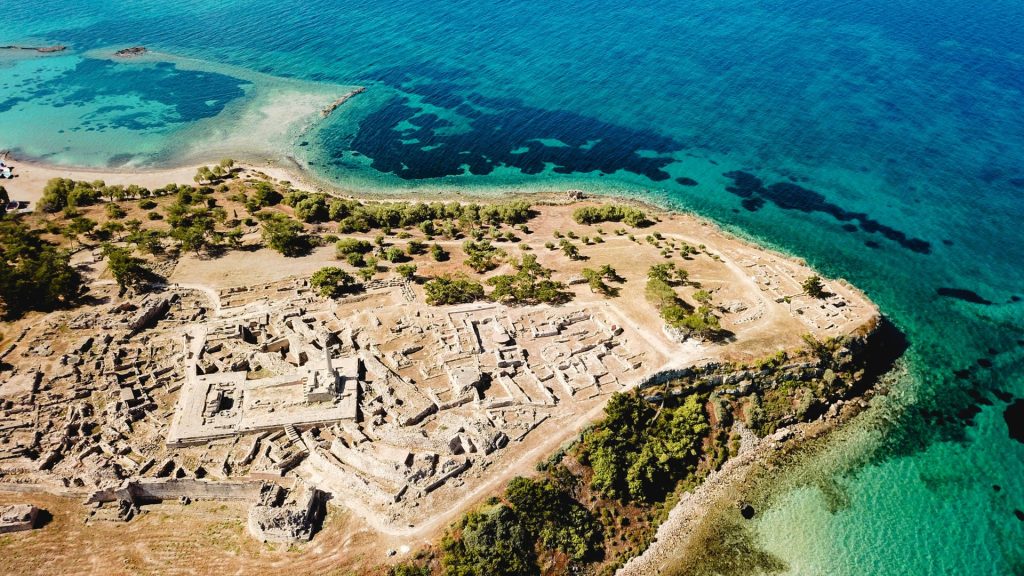
For a touch of luxury, private yacht charters and sunset cruises are available via various water tour operators in Aegina Town. Watching the sun dip behind the mountains of the Peloponnese while floating in the Saronic Gulf is a memory that sticks with you. These tours are highly customizable: you can request a romantic dinner on board or a specific route that explores hidden coves accessible only by boat. It’s a splurge, but in our opinion, it offers unmatched value in terms of privacy and beauty.
Active and Adventure Tours
Aegina’s terrain is surprisingly varied, making it a fantastic destination for active travelers. In recent years, local authorities and organizations have done a great job upgrading trails and signage, opening up the island’s interior to hikers and cyclists.
Hiking the Trails of Paleachora
Paleachora is often called the “Mystras of Aegina.” It was the island’s capital during the Middle Ages, built high in the hills to avoid pirate raids. Today, it is a ghostly, beautiful site scattered with the remains of 38 stone churches (legend says there were once 365, one for every day of the year).
Hiking tours here are magical, especially in the spring when wildflowers carpet the hillside. The trails are marked, but going with a guide adds immense value because they can navigate the labyrinth of paths and unlock the history of the Byzantine frescoes fading on the church walls. The hike usually leads up to the Venetian castle at the summit, rewarding you with 360-degree views of the island and sea.
Cycling Tours Along the Coastal Roads
Cycling is huge on Aegina. The coastal road from Aegina Town to Marathonas is relatively flat and hugs the sea, making it perfect for a leisurely ride. Recently, bike lanes have been expanded, and safety has improved.
For the more ambitious, there are guided mountain bike tours that head inland toward the ancient olive groves (some trees are over 1,000 years old) and up toward the Temple of Aphaia. We’re seeing a rise in e-bike tours, which we think is a fantastic development. E-bikes flatten out the steep hills, allowing people of all fitness levels to enjoy the incredible views from the upper ridges without arriving completely exhausted. It’s an eco-friendly way to see the island and cover more ground than you could on foot.
Choosing Between Day Cruises and On-Island Guides
We often get asked: “Should I take the big cruise from Athens or just come to Aegina and hire a local?” The answer depends entirely on what kind of traveler you are. Both have their merits, but they offer vastly different experiences.
The Popular Athens to Aegina, Poros, and Hydra Cruise
The “One Day Cruise” is an institution in Greek tourism. It is efficient, lively, and stress-free. Everything is organized for you, transport, meals, and entertainment. If you are in Athens for a short time and want to say you’ve seen the Greek islands, this is a solid choice. You get a taste of the cosmopolitan vibe of Hydra, the greenery of Poros, and the history of Aegina. But, the trade-off is depth. You are on a strict schedule. You won’t have time to linger over a coffee, get lost in the backstreets, or have a long conversation with a pistachio farmer. It is a panorama, not a portrait.
Hiring Private Local Guides for In-Depth Exploration
If you want the portrait, the real feeling of the place, we always suggest coming to the island independently and hiring a private local guide. Prices for private tours can range from $71 to $180 per person, depending on the duration and exclusivity, but the value is undeniable.
A local guide (like us.) can customize the day. Do you love photography? We know where the light hits the ruins best at 4 PM. Are you a vegetarian? We know which tavern has the best stuffed tomatoes. With a private guide, you aren’t fighting for space with 300 other people. You can hike the trails of Paleachora in silence or spend an extra hour at the museum. This approach supports the local economy directly and gives you a connection to the island that a cruise simply cannot replicate.
Planning Your Aegina Tour Itinerary
To get the most out of your trip, a little logistical planning goes a long way. Aegina is welcoming, but knowing the rhythms of the island helps you avoid common pitfalls.
Best Times to Visit for Outdoor Activities
Aegina is a year-round destination, but the experience changes with the seasons. For outdoor activities like hiking Paleachora or cycling, the best times are spring (April to early June) and autumn (September to October). The weather is mild, the nature is vibrant, and the scorching summer heat is absent.
Summer (July and August) is peak season. The island is buzzing, the ferries are full, and the water is perfect. If you visit in summer, plan your outdoor tours for the early morning or late afternoon to avoid the midday sun. Winter is quiet and authentic: while the beach bars may be closed, the archaeological sites are open, and you’ll have them largely to yourself.
Transportation Options for Self-Guided Touring
If you prefer to tour without a guide, the infrastructure is there. Ferries from Piraeus are reliable, and we recommend booking digital tickets in advance, especially during weekends or summer. Once on the island, the local KTEL bus service is decent, connecting the main town to the Temple of Aphaia and Agia Marina.
But, for total freedom, renting a vehicle is best. There are plenty of rental agencies in the port offering cars, scooters, and ATVs. A popular self-guided itinerary we suggest is: Take the morning ferry, pick up a rental car, drive directly to the Temple of Aphaia before the buses arrive, stop at the Monastery of Saint Nektarios on the way back, have a late lunch in Perdika, and spend the evening walking the harbor of Aegina Town buying pistachios before the return ferry. It’s a perfect day.
What are the best beaches on Aegina?
Aegina’s best beaches include Agia Marina, the island’s main sandy resort beach on the east coast, the family-friendly sands of Marathonas near the town, sheltered little Aeginitissa, and the pretty coves around the fishing village of Perdika, all lapped by clear, shallow Saronic water.
The most popular is Agia Marina on the east coast, a long, gently shelving stretch of sand below the pine hill of the Temple of Aphaia, well organised with sunbeds, tavernas and calm, shallow water that makes it ideal for families. Closer to the capital, Marathonas is the nearest proper sandy beach to Aegina Town, an easy, laid-back spot with tavernas at the water’s edge, while just beyond it the small, pine-backed cove of Aeginitissa offers sheltered, turquoise water in a quieter setting.
To the south, the fishing village of Perdika is the gateway to some of the loveliest swimming on the island, including the crystal-clear coves reached by the short boat hop across to the uninhabited islet of Moni, a nature reserve where peacocks and deer roam among the pines. The north coast around Souvala has its own low-key beaches and thermal springs. Because the sea here is shallow, calm and clean, Aegina is one of the easiest Saronic islands for a relaxed beach day; our full guide to the beaches of Aegina covers each in detail.
What is Aegina Town like?
Aegina Town, the island’s capital and main port, is an elegant, lively harbour town of neoclassical mansions, a long waterfront lined with cafes, fish tavernas and pistachio sellers, and handsome churches, and it briefly served as the first capital of modern Greece.
Arriving by ferry, you step straight into the heart of Aegina Town, whose curving waterfront is one of the most attractive in the Saronic Gulf. Fishing boats and the famous floating fruit-and-vegetable caiques line the quay, horse-drawn carriages wait for passengers, and the promenade is lively with cafes, ouzeries and tavernas serving the day’s catch. Behind the harbour stretch streets of graceful neoclassical houses, a legacy of the town’s brief but important role at the birth of the modern Greek state.
Landmarks cluster around the port, from the little white Church of Agios Nikolaos guarding the harbour entrance to the remains of the ancient Temple of Apollo, whose single surviving column gives the Kolona archaeological site its name, on the headland just north of town. The town is also the island’s shopping and dining hub, and the best place to buy Aegina’s prized pistachios straight from the growers. Easy to explore on foot, it makes a charming base; see our guide to Aegina Town for more.
What is the history of Aegina?
Aegina has a long and illustrious history: once a powerful maritime and trading rival of Athens that struck some of the first coins in Europe, later celebrated for the great Temple of Aphaia, and in 1828 chosen as the first capital of the newly independent Greek state.
In antiquity Aegina was a formidable sea power, its merchant fleets trading across the Mediterranean and its mint producing the silver “turtle” coins that were among the earliest coinage in the Greek world. This wealth funded the magnificent Doric Temple of Aphaia, still one of the best-preserved ancient temples in Greece, and made the island a serious rival to nearby Athens until it was eventually eclipsed by its powerful neighbour. Traces of this deep past survive across the island, from the Kolona hill above the harbour to the temple on its eastern heights.
In later centuries the islanders retreated inland to the fortified medieval town of Paleochora to escape pirate raids, leaving behind dozens of little churches that still dot the hillside. Aegina’s most celebrated modern moment came in 1828, when it was chosen as the first capital of the newly liberated Greek nation under Ioannis Kapodistrias, and the first coins and institutions of the modern state were established here. Our guide to the history of Aegina tells the full story.
Where should you stay on Aegina?
Most visitors stay in or near Aegina Town, the lively port with the widest choice of hotels, rooms and waterfront dining, while quieter alternatives cluster around the beach resort of Agia Marina and the fishing village of Perdika for a more relaxed, seaside base.
Aegina Town is the natural first choice for a stay, putting you beside the ferry quay and within easy reach of the island’s cafes, tavernas, shops and evening buzz, with a good range of hotels, guesthouses and rooms to rent. It suits those who want convenience, dining choice and a lively harbour atmosphere, and it makes an ideal base for exploring the rest of the island by bus, car or scooter.
For a more relaxed, seaside holiday, the resort of Agia Marina on the east coast offers hotels and studios right by its family-friendly sandy beach, while the southern fishing village of Perdika is loved for its quiet charm, its row of excellent seafood tavernas and its beautiful sunsets over the water. Whether you come for a single night after a day trip or a longer stay, the island rewards lingering; our guide to where to stay on Aegina compares the options in full.
How do you get around Aegina?
You get around Aegina by local bus, by hired car or scooter, or by taxi, with the island small enough that its main sights are all within a short drive of Aegina Town. Buses link the port with Agia Marina, the Temple of Aphaia and Perdika, while renting a vehicle gives the most freedom.
Aegina is easy to explore because it is compact and served by a reasonable public bus network that radiates from the main square by the port in Aegina Town. Regular buses run east to the Temple of Aphaia and the beach resort of Agia Marina, and south to the fishing village of Perdika, so car-free visitors can still reach the headline sights, though services are less frequent out of season and it pays to check the timetable and plan around it.
For maximum flexibility, many visitors hire a car, scooter or quad from one of the rental offices near the harbour, allowing them to reach the quieter beaches, hilltop villages and the medieval site of Paleochora at their own pace. Taxis are available at the port for shorter hops, and the flat coastal roads also make cycling a pleasant option. Because the distances are short, even a single day is enough to see a great deal, but having your own transport turns Aegina into a wonderfully rewarding island to roam.
Ferry passengers who want a driver waiting at the quay book one of the Aegina port transfers, with private cars from the harbour to Agia Marina, Perdika, Souvala and the hotels around the island.
Where are the best places to eat on Aegina?
The best places to eat on Aegina are the fish tavernas along the harbour of Aegina Town and, above all, the seafront seafood tavernas of the fishing village of Perdika, famed for the freshest fish and sunset views, all rounded off with the island’s celebrated pistachios.
Food is one of the great pleasures of a visit to Aegina, and the island is especially known for its seafood. The waterfront of Aegina Town is lined with ouzeries and fish tavernas where you can watch the harbour life over a plate of grilled octopus, fried calamari or the catch of the day, while the little southern village of Perdika is a destination in itself for eating, its row of tavernas along the quay serving superb fresh fish and seafood as the sun sets over the water and the islet of Moni beyond.
Beyond the fish, look out for local specialities and the island’s world-famous pistachios, which appear in everything from savoury dishes to sweets, ice cream and liqueur, and which make a delicious edible souvenir bought straight from the growers along the harbour. Traditional tavernas inland and in the villages serve hearty Greek dishes and island produce, so whether you want a simple meze by the sea or a full seafood feast, Aegina rewards hungry visitors handsomely.
How long do you need on Aegina?
You can see the highlights of Aegina on a single day trip from Athens, but staying one to three nights lets you enjoy the beaches, villages and sunsets at a relaxed pace. A full day covers the Temple of Aphaia, Saint Nektarios and the town; longer allows deeper exploration.
Thanks to the short ferry crossing, Aegina works beautifully as a day trip from Athens, and a well-planned day is enough to take in the island’s essentials: the Temple of Aphaia, the great Monastery of Saint Nektarios, a stroll and lunch along the harbour of Aegina Town, and a little pistachio shopping before the return boat. Many visitors do exactly this and leave delighted, which is why the island is one of the most popular escapes from the capital.
That said, Aegina rewards those who linger. Staying one to three nights lets you slow down and enjoy the things a day trip rushes past: long lazy swims at Agia Marina or the coves near Perdika, sunset seafood dinners by the water, quiet mornings before the day-trippers arrive, and time to reach the medieval ruins of Paleochora and the island’s inland villages. Whether you come for a single day or a leisurely long weekend, Aegina offers an easy, rewarding taste of authentic island life within touching distance of Athens.
Conclusion
Aegina is more than just the closest island to Athens: it is a capsule of Greek heritage. From the ancient columns of Aphaia to the bustling pistachio markets and the serene heights of Paleachora, the tours here offer a richness that rivals any destination in the Aegean. We hope this guide has inspired you to look beyond the surface and explore the deep history and vibrant culture of this Saronic gem. Whether you choose a luxury cruise, a rugged hike, or a culinary adventure, we are here to welcome you. See you in Greece.
Key Takeaways
- An expert Aegina tours guide reveals the island as an accessible historical gem located just one hour from Athens via ferry.
- Major historical highlights include the Temple of Aphaia, which forms the “Holy Triangle” of antiquity, and the pilgrimage site of Saint Nektarios.
- Culinary experiences feature visits to PDO pistachio farms and food walks that explore local markets and seaside tavernas.
- Maritime options range from standard three-island day cruises to private boat trips exploring the nearby islets of Moni and Agistri.
- Active travelers can hike the Byzantine ruins of Paleachora or book cycling tours to explore the island’s varied coastal and inland terrain.
- Hiring a private local guide provides a deeper, more customizable cultural immersion compared to the strict schedules of large organized cruises.
Frequently Asked Questions About Aegina Tours
What historical sites are included in the best Aegina tours?
Top-rated tours typically feature the Temple of Aphaia, a well-preserved Doric temple forming the “Holy Triangle” of antiquity. Other key stops include the Monastery of Saint Nektarios, the ancient ruins of Kolona near the port, and the medieval hillside capital of Paleachora, often called the “Mystras of Aegina.”
Is it better to hire a private Aegina tours guide or take a day cruise?
It depends on your goals. A standard three-island cruise is great for a quick overview of the Saronic Gulf. However, hiring a private local guide offers a deeper cultural immersion, customized itineraries, and the ability to enjoy authentic food and sites without the rushed schedule of large groups.
How do I get from Athens to Aegina for a tour?
Ferries depart almost hourly from Piraeus Port, making access easy. You can choose high-speed Flying Dolphins, which take about 40 minutes, or conventional ferries that take around 75 minutes. For a seamless experience, especially in summer, it is advisable to book tickets online in advance.
Can I experience local food and pistachio farms on Aegina?
Yes, culinary experiences are essential to any complete Aegina tours guide. Visitors can tour groves to taste the famous PDO “Fistiki Aeginis” pistachios and learn about the harvest. Food walks in the fish market and cooking classes featuring local ingredients like fresh seafood and cheeses are also popular.
Is Aegina a good destination for families with children?
Absolutely. Aegina is very family-friendly, offering safe, shallow beaches like Agia Marina and Marathonas. Kids particularly love boat tours to the nearby islet of Moni, where tame deer and peacocks roam freely, making for an exciting and educational nature experience suitable for all ages.
Find more experiences in My Greece Tours:
- Agkistri Boat Tours: Agistri Island Cruises & Activities – Amazing Tours on Agistri Island
- Amorgos Travel Guide: Explore Amorgos Island, Amorgos Greece
- Andros
- Astypalaia-Your Ultimate Guide to Astypalaia Island, Greece: A Greek Paradise
- Athens Travel Guide: Best Things to Do in Athens, Greece – Your Ultimate Athens Guide