
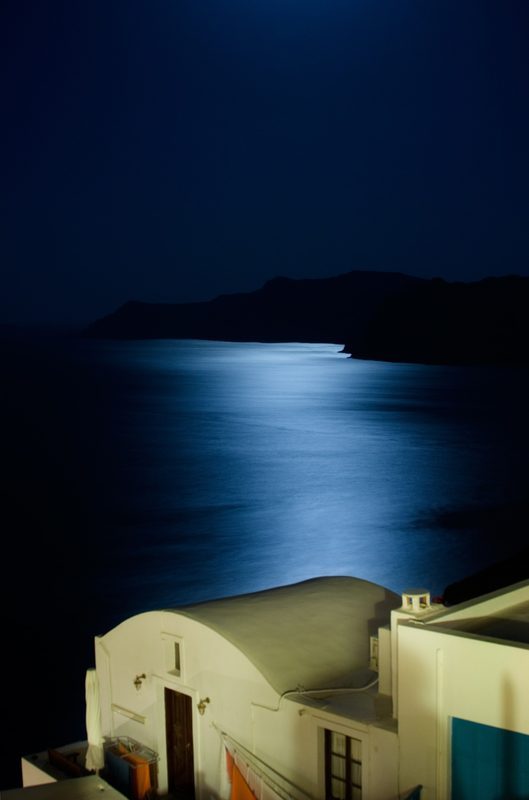
Santorini in July is hot, dry and very sunny, around 29 to 32C, with a warm sea of about 24C, the cooling meltemi wind and peak-season crowds and prices. This guide covers the July weather, the meltemi, swimming, the crowds and prices, and the best things to do to beat the heat and the throng. Plan the whole trip with Greece Tours.
July is high summer in the wider Santorini travel guide. It is hot, busy and full of energy. The sections below cover July.
What is Santorini like in July at a glance?
Santorini in July is peak-summer hot and dry, around 29 to 32C by day and 22 to 24C at night, with a warm 24C sea, long daylight, the cooling meltemi wind, heavy crowds and the highest prices of the year.
July delivers the classic Santorini postcard: cloudless skies, whitewashed villages baking in strong light and a deep-blue caldera below. Daytime highs settle in the hot 29 to 32C band, nights stay warm at 22 to 24C, and the sea reaches a swimmable 24C. Daylight runs long, from early sunrise to a sunset near half past eight, which stretches the day for beaches, boat trips and late dinners. The trade-off is scale: this is one of the two busiest months, so viewpoints, restaurants and the ferry port fill early and rates peak. The month rewards travellers who plan around the heat and the crowds rather than fight them.
The table below sets out the core July attributes at a glance, useful when you weigh the month against the shoulder-season alternatives in the wider best time to visit Santorini planning.
| Attribute | July value |
|---|---|
| Daytime high | 29 to 32C |
| Night temperature | 22 to 24C |
| Sea temperature | Around 24C |
| Rainfall | Very rare, effectively dry |
| Dominant wind | Meltemi, strong northerly |
| Daylight | Long, sunset near half past eight |
| Crowds | Peak, one of the two busiest months |
| Prices | Highest of the year |
How hot is Santorini in July?
Santorini in July is hot, dry and reliably sunny, with daytime highs around 29 to 32C and warm evenings of 22 to 24C. Rain is very rare, and the strong northerly meltemi wind often blows, cooling the heat.
July brings the full force of the Mediterranean summer. Daytime highs reach a hot 29 to 32C under near-constant sunshine, while evenings stay warm at around 22 to 24C, perfect for late alfresco dinners on a caldera terrace. Rain is almost unheard of, so you plan around guaranteed dry, bright days from breakfast to the small hours. The defining feature of the month is the meltemi, the strong seasonal northerly that blows across the Cyclades through July and August. At its best it tempers the heat, cools the evenings and keeps outdoor dining comfortable, though it also whips up choppy seas, so it repays understanding before you travel, set within the wider Santorini weather picture.
The heat lands hardest between noon and mid-afternoon, when the sun-trap caldera paths radiate stored warmth from the stone. Locals treat those hours as time for the beach, a shaded lunch or a rest, and save walking the villages for the cooler start and end of the day. Drink water steadily, wear a hat and reapply sun protection, because the reflected glare off white walls and pale volcanic ground is stronger than the temperature alone suggests. Handled this way, July heat becomes a rhythm rather than a strain, with early mornings and long golden evenings carrying most of the sightseeing.
Humidity stays low through July, which makes the hot afternoons feel drier and more bearable than the same temperatures in a humid climate. The long daylight is the month’s practical gift: sunrise arrives early and the sun sets near half past eight, giving a wide window for beaches, boat trips and village walks split around the midday peak. Sea breezes off the caldera lift the caldera-rim villages in the late afternoon, and by the time dinner service starts the terraces cool to a comfortable warmth. This dependable pattern is why so many travellers rank the classic Santorini experience at its best in high summer.
How does the meltemi wind affect July?
The meltemi is a strong northerly wind common in July that cools the intense heat and makes evenings pleasant, but can make boat tours choppy, disrupt water taxis and delay ferries. Book sea trips early and allow flexibility.
The meltemi wind is the thing that most distinguishes a July trip. This dry, gusty northerly blows for days at a time across the Cyclades in midsummer, and it is double-edged. It takes the edge off the strong heat, cools the nights and makes the otherwise oppressive midday temperatures far more bearable on exposed terraces. When it is strong, though, it churns the sea, which makes caldera boat tours and catamaran cruises choppy, closes the small water taxis to spots like the White Beach, and even delays or cancels high-speed ferries. The practical response is to build flexibility into your plans and schedule any sea trips early in your stay, keeping a backup day, alongside the guides to the hot springs boat trips and the ferries.
The wind matters most for the fast catamarans that run between islands, which are lighter and cancel sooner than the big conventional car ferries. Travellers linking Santorini with the neighbours plan a buffer for exactly this reason, whether they are heading to Milos or another Cycladic island. Check the forecast the evening before any crossing, avoid booking a tight airport connection straight off a fast boat, and treat a windy morning as a cue to swap the beach for an inland winery or a village walk. The meltemi is predictable enough to design around once you expect it.
What is swimming and the beaches like in July?
Swimming in July is excellent, with a warm 24C sea ideal for the volcanic beaches. Kamari and Perissa on the south-east coast and Perivolos to the south offer black sand, sunbeds and watersports, the top July beach choice.
July is the strongest swimming month of the summer, with the sea warmed to a comfortable 24C and no rain to interrupt a beach day. The island’s volcanic black-sand beaches come into their own now, and the biggest and best organised sit on the flatter south and south-east coast, away from the caldera cliffs. Kamari and Perissa anchor this coast with long stretches of dark sand, sunbeds, tavernas and watersports, while Perivolos extends the sand south into the liveliest beach-bar scene on the island. The dark sand heats up fiercely under the July sun, so sandals and an early or late swim are wise.
For variety, the south-west holds the photogenic Red Beach near Akrotiri and the boat-access White Beach beyond it, both dramatic but small and best reached before midday. Wherever you swim, the meltemi shapes conditions: north-facing shores get more chop on windy days, while the south coast usually stays calmer, which is another reason Kamari and Perissa suit July so well. A fuller rundown of the coast, including the quieter coves, sits in the guide to Santorini beaches. Arrive early for a sunbed at the popular stretches, because they fill fast in peak season.
The beaches double as the coolest place to spend the hottest hours, so plan the day around them. Most organised stretches rent sunbeds and umbrellas, and the beach tavernas serve long, shaded lunches within steps of the water. Snorkelling is rewarding along the rockier edges of Kamari and the Akrotiri coast, where the clear July water gives good visibility, and the calmer south coast suits paddleboards and pedalos on all but the windiest afternoons. Because the black volcanic sand grows painfully hot underfoot by midday, keep sandals close and rinse off at the beach showers before crossing it. These practical habits turn a July beach day into the heart of the trip rather than an endurance test.
Are the crowds and prices high in July?
July is peak high season, so crowds are heavy and prices are at their highest. Oia’s sunset, the caldera restaurants, boat tours and the ferry port fill early, and hotel rates peak. Booking accommodation, tours and restaurants ahead is essential.
July is one of the two busiest months, and it feels it. The island runs full, with daily cruise arrivals adding to the crowds, so the celebrated spots, above all the Oia sunset, the caldera-view restaurants, the popular boat tours and the Athinios ferry port, fill early and turn shoulder-to-shoulder at the famous viewpoints. Hotel rates climb to their yearly peak, and rental cars, restaurant tables and sunset cruises sell out, so booking everything well in advance is essential. To soften the crush, base yourself somewhere calmer and better value such as Pyrgos, Kamari or Perissa rather than Oia, and seek out quieter corners, alongside the guides to the sunset and Pyrgos.
Timing beats the worst of the crowds even in peak July. Walk the caldera villages at sunrise, when Oia and Fira are near empty and the light is soft, and save the beach and pool for the crowded middle hours. Reserve any sunset restaurant table days ahead, and consider watching the famous Oia sunset from a boat or from a quieter viewpoint such as Imerovigli rather than the packed castle ruin. Buying tour and ferry tickets before you arrive removes the daily scramble. The full accommodation strategy sits in where to stay in Santorini.
What are the best things to do in July?
July is best for swimming, boat tours, nightlife and late dinners in the warm sea and long evenings. To escape the crowds, walk the caldera at dawn, visit quieter Akrotiri, ferry to Thirassia, or tour a winery.
July rewards those who lean into summer and plan around the heat and crowds. The warm 24C sea makes it ideal for beach days, swimming, snorkeling, watersports and boat tours, while the long warm evenings suit nightlife and late dinners on a terrace. To escape the crush, head to the quieter south-western tip around the Akrotiri lighthouse and its beaches, or take a ferry to rugged, peaceful Thirassia for hiking and an old monastery. A caldera boat cruise to the volcano and hot springs is a July highlight worth booking early against the wind.
Inland activities pair well with a hot month, because they sit in shade and away from the crowds. A winery tour tasting the island’s crisp Assyrtiko is a cool, unhurried afternoon, covered in the Santorini wineries guide. The Bronze Age excavation at Akrotiri is roofed and shaded, a rare cool sightseeing option at noon. For walkers, the Fira-to-Oia caldera hike is magnificent but exposed, so start it at dawn before the heat builds and carry plenty of water. Rounding a July day with dinner and drinks in Fira or Oia captures the month’s energy.
The evenings are as much a July highlight as the days. The famous caldera sunset draws the biggest crowds of the trip, so arrive early for a spot or watch it from the water on a sunset cruise, options set out in the Santorini sunset guide. After dark the villages come alive, with rooftop bars in Fira and stylish terraces in Oia serving well past midnight, while the beach bars of Perivolos run late into the warm night. Dining sits at the centre of it: long tables of fresh seafood, tomato fritters and local wine stretch across the caldera terraces, and reserving a sunset table days ahead is the difference between a view and a wait.
What should you pack for Santorini in July?
Pack light, breathable summer clothes, strong sun protection, a hat and sunglasses, sturdy sandals for hot volcanic sand and cobbled caldera paths, and swimwear. Add a light layer for breezy meltemi evenings and comfortable shoes for the exposed Fira-to-Oia hike.
July packing centres on sun and heat. Bring loose, light-coloured cotton and linen, several swimsuits so one is always dry, and a wide-brimmed hat with quality sunglasses against the fierce reflected glare. High-factor sun cream is essential, as the volcanic ground and white walls bounce light back at you all day. Footwear matters more than most visitors expect: the black beach sand gets scorching, and the caldera villages are steep cobbles and steps, so pack proper sandals and a comfortable pair of walking shoes for the Fira-to-Oia route.
Do not leave the light layers behind despite the heat. A thin cardigan or shirt is welcome on breezy meltemi evenings and on open-deck boat trips, where the wind carries a real chill after dark. Add a reusable water bottle, a small daypack for beach and hiking essentials, and a power bank for long days out. A detailed month-by-month checklist sits in the Santorini packing list, which covers the finer points for a peak-summer trip.
A few extras earn their place in a July bag. Water shoes protect your feet on the pebbly and scorching-sand beaches, and a quick-dry towel packs smaller than a beach towel for boat days. Bring aloe or after-sun for the inevitable extra colour, and pack any medication for motion sickness if the meltemi has the catamarans rolling. For the caldera hike and dawn photography, a head torch and a spare camera battery are worth the space. Leave room in the case for the wine and local products you will carry home, since a July trip almost always ends with a stop at a winery or a village shop.
Where should you stay in Santorini in July?
Stay in a caldera village like Fira or Imerovigli for views and nightlife, or choose calmer, better-value Pyrgos, Kamari or Perissa in peak July. Beach lovers favour the south-east coast, while first-timers book Oia or Fira far ahead.
Where you stay shapes a July trip more than in quieter months, because the crowds and prices concentrate on the caldera rim. Oia offers the iconic cave-house and sunset experience but at the highest prices and densest crowds, while Fira puts you at the transport and nightlife hub with slightly better value. For a calmer caldera base with the same views and easier evenings, Imerovigli is a strong July pick, sitting on the highest point of the rim.
Travellers who prioritise swimming and value over caldera views do better away from the cliffs. The inland village of Pyrgos gives an authentic, quieter stay with panoramic sunsets, while the beach towns of Kamari and Perissa put you steps from the warm sea, sunbeds and tavernas at a lower nightly rate. Wherever you choose, book early: July accommodation across every price band fills months ahead. Weigh the trade-offs fully in where to stay in Santorini before you commit.
Is July better than August or June in Santorini?
July and August are the hottest, busiest and priciest months, with July marginally calmer and cheaper than peak August. June runs cooler and quieter with a slightly less warm sea, the gentler choice, while July delivers the fullest summer experience.
July sits at the heart of peak season, closely matched with August but with a slight edge for many travellers. Both months share the hot 29 to 32C days, the warm sea and the meltemi wind, yet August is the single busiest month with the highest prices and the most cruise traffic, so July usually feels a fraction less frenetic and costs marginally less. If your dates are flexible within high summer, the first half of July often lands just before the very heaviest August crush, comparison covered in the Santorini in August guide.
June makes the gentler alternative for those who find peak heat and crowds too much. Compared with July it runs a little cooler, noticeably quieter and cheaper, with a sea that is warm but not quite at its July peak, as set out in the Santorini in June guide. The choice comes down to priorities: July for the fullest summer energy, warmest swimming and longest buzzing evenings, June for a calmer, softer version of the same island. Neither is wrong, and both deliver reliably dry, sunny weather.
How do you get to Santorini in July?
Reach Santorini in July by direct flight to the island airport or by ferry from Athens and the Cyclades. Summer brings frequent flights and ferries, but the meltemi can delay fast boats, so allow buffer time and book ahead.
July is peak travel season, so both air and sea links run at their fullest and their busiest. Direct summer flights land at the island airport from Athens and many European cities, making flying the quickest route, detailed in the Santorini flights guide. Book early, because peak-season seats and fares move fast, and arrivals stack up through the day.
Ferries give the scenic alternative and the island-hopping option. Fast catamarans and larger conventional ferries connect Santorini with Piraeus and the wider Cyclades all summer, though the meltemi affects the fast boats most, as noted above. The essentials of routes, timings and boat types sit in Athens to Santorini, worth reading before you lock in dates. Whichever way you arrive, reserve the popular July departures ahead and leave a comfortable buffer for any onward connection.
Frequently Asked Questions
How is the weather in Santorini in July?
In July the island stays hot, dry and reliably sunny, with daytime highs around 29 to 32C and warm evenings of 22 to 24C. Rain is very rare, and the strong northerly meltemi wind often blows, cooling the heat but sometimes affecting boats and ferries.
What is the meltemi wind in July?
The meltemi is a strong northerly wind common in Santorini in July, which cools the intense heat and makes evenings pleasant, but can make boat tours choppy, disrupt water taxis and occasionally delay ferries. Allow flexibility and book any sea trips early in your stay as a backup.
Is July worth a Santorini trip?
July suits visitors who want hot, sunny weather, a warm sea and full summer energy, but it is peak season with heavy crowds, the highest prices and the meltemi wind. Book well ahead, and seek out quieter spots like Akrotiri and Thirassia to escape the crush.
Is the sea warm enough to swim in July?
The sea is at its warmest in July, around 24C, which makes it excellent for swimming, snorkeling and watersports. The organised black-sand beaches at Kamari, Perissa and Perivolos on the south and south-east coast are the top choice for a July beach day.
Is July too crowded to enjoy Santorini?
July is peak season with heavy crowds, but it stays enjoyable with planning. Walk the caldera at sunrise, book restaurants and tours ahead, base yourself in a calmer village like Pyrgos or Perissa, and watch the sunset from a quieter viewpoint than the packed Oia castle.