
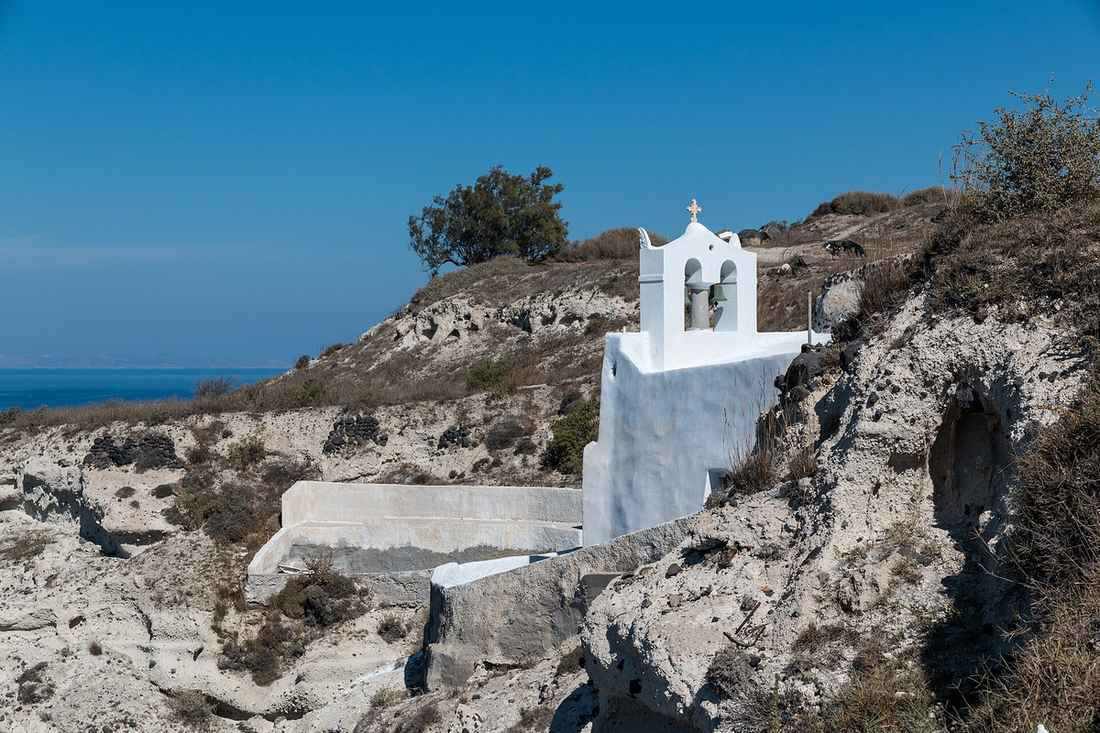
Megalochori Santorini is the island’s enchanting wine-capital village, a quiet, traditional settlement of old captains’ mansions, blue-domed churches and shaded squares set amid the vineyards a short drive from Fira. Home to renowned wineries, it is a peaceful escape from the crowds. This guide covers the village, the wineries, what to do and how to visit.
Megalochori is an authentic, unspoilt gem of the wider Santorini travel guide. It sits in wine country in the island’s centre-south. The sections below cover the village.
Where is Megalochori on Santorini?
Megalochori sits in the centre-south of Santorini, roughly six kilometres and a ten-minute drive south of Fira, inland from the caldera among the vineyards. The village lies near Pyrgos, Emporio and the southern wineries.
Megalochori occupies the fertile interior plateau of southern Santorini, a landscape defined by volcanic soil and low, basket-trained vines. The village stands away from the dramatic caldera edge, giving it a calmer, more rooted feel than the cliff-top settlements of Fira, Firostefani and Imerovigli. Roads run south from Fira and connect Megalochori to the hilltop village of Pyrgos, the medieval castle village of Emporio and the black-sand beaches of the south coast. This central position places Megalochori within easy reach of the airport, the port and the wineries, while keeping it removed from the busiest tourist crush. Travellers exploring the wider Santorini villages reach it in minutes from almost anywhere on the island. Its setting shapes its quiet character.
What is Megalochori like as a village?
Megalochori is a beautiful, traditional village of whitewashed mansions, blue-domed churches, shaded squares and quiet hidden lanes. Far less crowded than Oia or Fira, it keeps a genuine, lived-in atmosphere amid the vineyards of Santorini’s wine country.
Megalochori is one of Santorini’s most charming and peaceful villages. Its name means “big village”, a reminder of the prosperity that wine and Vinsanto trade once brought to the local families. The settlement is a tangle of narrow, flower-draped lanes, grand old sea-captains’ mansions with high walls and sturdy wooden doors, blue-domed churches and pretty squares shaded by trees where residents gather at traditional cafés.
Bougainvillea spills over stone archways, and hidden courtyards open unexpectedly off the main paths. Unlike the bustling, photo-thronged caldera towns, Megalochori has kept a genuine tranquillity, making it an ideal place to slow down and experience village life. Surrounded by vineyards, the village anchors the island’s wine region and rewards travellers who wander without a fixed plan. Wine is its defining feature.
Why is Megalochori the wine capital of Santorini?
Megalochori is the wine capital of Santorini, home to several of the island’s most important wineries amid the surrounding vineyards. Renowned estates such as Boutari, Gavalas and the clifftop Venetsanos lie in or near the village.
Megalochori sits at the centre of Santorini’s celebrated wine country. The plains around the village are filled with the island’s distinctive kouloura vines, coiled into low baskets that shelter the grapes from the fierce wind and sun. Megalochori hosts some of the most important wineries on the island, drawing on a winemaking tradition that stretches back millennia. The historic Boutari winery lies on the village outskirts, the well-regarded Gavalas estate stands in the village itself, and the dramatic clifftop Venetsanos winery, with its sweeping caldera views, is close by.
These estates open their doors for tastings of the crisp, mineral Santorini Assyrtiko and the sweet, sun-dried Vinsanto for which the region is famous. The small, friendly cellars of Megalochori offer a peaceful antidote to the crowds and sit at the heart of the wider Santorini wine story. Wine tourism defines the village character. There is plenty more to enjoy.
What is the history of Megalochori?
Megalochori grew wealthy from wine and Vinsanto trade in past centuries, when local merchant families built the grand mansions that still line its lanes. Its name, meaning “big village”, reflects that historic prosperity rooted in the vineyards and the export of Santorini wine.
Megalochori carries a long and prosperous past written into its architecture. Merchant and sea-captain families built the high-walled mansions and vaulted cellars during the golden era of the Vinsanto trade, when the sweet dessert wine of Santorini reached royal and religious courts across the wider region. Underground canavas, the traditional wine cellars carved into the soft volcanic rock, kept the barrels cool through the long, hot summers and still survive beneath many houses. Churches multiplied as families endowed chapels, giving the small village its unusual number of bell towers and blue domes. Travellers interested in the island’s deeper story find useful context in the guide to Santorini history. That heritage still shapes the village today.
What are the best things to do in Megalochori?
In Megalochori you can wander the lanes and squares, admire the Church of Agios Nikolaos and the pastel bell tower, taste wine at the local estates, take a vineyard walk or horseback ride, and visit the Akron art centre.
Megalochori offers a gentle, cultured half-day for travellers who enjoy slow exploration. Strolling its quiet lanes reveals hidden chapels, restored mansions and the impressive blue-domed Church of Agios Nikolaos with its frescoes and bell tower. The pastel campanile of the Church of the Ascension dominates the central square, a lovely spot for a coffee or a long meal beneath the trees.
Beyond the wineries, a walk through the surrounding vineyards teaches travellers the unique kouloura cultivation method, with wide views toward the Aegean and the caldera rim. The vines here grow low and coiled rather than trained on wires, a technique shaped by the wind, the volcanic soil and the scarcity of rain, and guides at the estates explain how this ancient system still yields the island’s celebrated wines. Wine tasting anchors most visits, and travellers can compare the mineral Santorini wineries that ring the village. The mix of churches, art, vineyards and squares gives Megalochori more depth than its small size suggests.
Horseback-riding tours in Megalochori lead through the lanes, vineyards and open country toward the volcanic landscape, a memorable way to see the interior. The Akron art centre adds a cultural note with paintings and sculptures housed in a traditional building. Food is another highlight, and a Santorini cooking class in the surrounding wine country pairs local produce with the region’s wines.
Photography draws many visitors to Megalochori for its unhurried version of the classic Santorini scene. The blue domes, the pastel bell tower and the flower-draped stone archways photograph beautifully without the sunset crowds that fill Oia, and the surrounding vineyards add golden-hour depth. Slow wanderers uncover tiny chapels tucked between houses, marble doorways carved with family crests, and shaded courtyards where cats doze by the wells. From the village edge you can drive on toward the beaches or set off on a stretch of Santorini hiking through the vine-covered plateau, and the blue domes here reward patient framing. Getting there is easy.
Is Megalochori worth visiting?
Megalochori is well worth visiting for its authentic, uncrowded charm, beautiful mansions and squares, and its renowned wineries. It suits travellers who want traditional village life, wine tasting and a slower pace in the heart of Santorini.
Megalochori earns a place on most well-rounded Santorini itineraries. The village delivers the whitewashed lanes, blue domes and photogenic corners travellers expect from the island, but without the crush of Oia’s sunset crowds or the shopping bustle of Fira. Wine lovers find it essential, since several major estates cluster within a short radius, and the tastings here feel personal rather than industrial.
Travellers who value culture appreciate the churches, the art centre and the sense of a working Greek community rather than a stage set. A visit costs little time yet adds real depth to a trip, especially when combined with the nearby villages and the southern beaches. For anyone assembling a broader Santorini itinerary, Megalochori is an easy and rewarding addition. The next question compares it with the alternatives.
How does Megalochori compare with Pyrgos, Oia and Fira?
Megalochori is quieter and more authentic than Oia or Fira, offering wine and village life rather than caldera views and nightlife. It resembles nearby Pyrgos in charm but sits lower and closer to the wineries.
Megalochori, Pyrgos, Oia and Fira each serve a different kind of traveller. Oia is the island’s postcard star, famous for its sunset, blue domes and luxury suites, and it draws the largest crowds, as the comparison of Oia versus Fira makes clear. Fira is the lively capital, packed with shops, bars and cable-car access to the old port. Both perch on the caldera and command sweeping sea views.
Megalochori and hilltop Pyrgos take the opposite path, trading the caldera panorama for quiet lanes, wine estates and a lived-in Greek character. Pyrgos climbs a hill with a Venetian castle and rooftop views, while Megalochori spreads across the flat vine plain closer to the cellars. Travellers who want views and energy choose the caldera towns, while those who want calm, wine and tradition choose Megalochori and Pyrgos. The village makes a fine base for the right visitor.
Where do you eat and drink in Megalochori?
Megalochori has a handful of tavernas and cafés around its shaded main square, serving classic Cycladic dishes and local wine beneath the trees. The village pairs relaxed dining with tastings at the nearby estates, making it a fine stop for slow, wine-focused meals.
Megalochori rewards travellers who linger over food and drink. The tree-shaded central square holds traditional tavernas and cafés where residents and visitors share tables, and the menus lean on Santorini staples such as fava, tomato fritters, white aubergine and fresh Aegean seafood. A glass of chilled Assyrtiko from a village estate is the natural accompaniment, and the setting beneath the bell tower turns a simple lunch into a highlight. Wine tastings at Gavalas, Boutari and the clifftop Venetsanos round out the day, each pouring the crisp whites and sweet Vinsanto of the region. Travellers curious about the island’s wider culinary scene can browse the guide to Santorini food. Comfortable lodging keeps the pace unhurried.
Where should you stay in Megalochori?
Megalochori offers boutique hotels, restored mansion suites and small guesthouses set among the lanes and vineyards, often with pools and quiet courtyards. Staying here suits travellers who want peace, wine country and a central island base.
Accommodation in Megalochori centres on character rather than cliff-edge drama. Many properties occupy converted captains’ mansions and cave houses, their thick walls keeping interiors cool through the summer, and several add gardens, courtyards and small pools tucked away from the lanes. The village atmosphere stays calm even in peak season, so guests sleep well and wake to birdsong and church bells rather than nightlife. A central location makes Megalochori a practical base, since the airport, the wineries and the southern beaches all lie within a short drive, and the caldera towns remain easy day trips.
Megalochori suits couples, wine lovers and travellers on a return visit who already know the caldera towns and want a calmer, more local stay. The trade-off is the lack of a direct caldera view from the village itself, so travellers whose priority is a cliff-edge sunset room may prefer Imerovigli or Oia and treat Megalochori as a day trip. For those who value quiet nights, easy parking and quick access to the estates, the village offers strong value and genuine character. Travellers weighing their options across the island can compare neighbourhoods in the guide to where to stay in Santorini. The next question covers reaching the village.
How do you get to Megalochori and get around?
You reach Megalochori in about ten minutes by car from Fira, roughly six kilometres south, with parking outside the pedestrian centre. Local buses and taxis serve the village, though a rental car or quad gives the most freedom.
Megalochori is quick and simple to reach from anywhere on the island. By car or quad it is roughly a ten-minute drive south from Fira, and parking sits on the village edge to keep the narrow pedestrian lanes free of traffic. A Santorini car rental or a nimble quad or ATV gives the most flexibility for reaching the estates and beaches beyond the centre.
Public buses on the southern routes pass close to Megalochori, linking it with Fira and the coast, and the Santorini bus network offers a budget-friendly option for travellers without a vehicle. A Santorini taxi covers the short hop from the airport or port when timing matters. Within the village, exploration is on foot across cobbled lanes and steps. Timing the visit well makes it even better.
What is near Megalochori worth seeing?
Near Megalochori lie hilltop Pyrgos, the castle village of Emporio, the Akrotiri archaeological site and the black-sand beaches of the south coast. The village makes a central base for exploring southern Santorini, combining wine country with history and beaches on easy short drives.
Megalochori anchors a rich corner of the island where several highlights sit within a few minutes’ drive. To the east, hilltop Pyrgos crowns the interior with its Venetian castle and panoramic views, and the medieval castle village of Emporio hides a labyrinth of vaulted lanes. South of the village, the Bronze Age town of Akrotiri preserves a remarkable prehistoric settlement buried by the ancient eruption. The dark-sand shores of the south coast, including the famous Red Beach, lie a short drive on for an easy afternoon swim. This concentration of wine, history and coastline makes Megalochori an efficient launch point for a full day exploring southern Santorini. Every season, though, has its own rhythm.
When is the best time to visit Megalochori?
The best time to visit Megalochori is late spring or early autumn, when the weather is warm, the vineyards are green or ripening, and the crowds are thinner than in midsummer. These shoulder seasons pair comfortable temperatures with lively wineries.
Megalochori shines in the shoulder months. Late spring brings green vines, wildflowers and warm, settled days, while early autumn coincides with the grape harvest and the busy energy of the wineries. Both periods deliver pleasant temperatures for walking the lanes and comfortable evenings in the squares, and they avoid the heat and density of the peak summer weeks.
High summer still works well for a wine-focused visit, though midday sun makes early mornings and late afternoons the kindest hours for wandering the Megalochori lanes. Winter is quiet, with many businesses on a reduced schedule, yet the village keeps its calm beauty for travellers seeking solitude, and the harvest energy of early autumn makes it a rewarding time for anyone drawn to the cellars. For a fuller seasonal breakdown across the island, the guide to the best time to visit Santorini helps with planning. Some travellers come for a special occasion.
Is Megalochori good for a wedding or photoshoot?
Megalochori is a beautiful choice for a wedding or photoshoot, with its blue-domed churches, pastel bell tower, flower-draped lanes and vineyard backdrops offering a romantic, uncrowded setting away from the busy caldera crowds.
Megalochori has quietly become a favourite for couples seeking romance without the crowds. The bell tower of the central square, the blue-domed churches and the bougainvillea-draped archways create timeless backdrops, while the surrounding vineyards and the nearby clifftop wineries add golden-hour drama for photographs. The calm lanes let a photographer work without the crush that fills Oia at sunset, and the village mansions and courtyards suit intimate gatherings. Couples planning a ceremony can draw on the guide to Santorini weddings, while those after portraits find inspiration in the guide to a Santorini photoshoot. The village atmosphere lends every image a sense of authentic, rooted Greece. The table below sums up the essentials.
Megalochori at a glance
The following attributes summarise the key facts travellers ask about Megalochori before planning a visit.
| Attribute | Detail |
|---|---|
| Location | Centre-south Santorini, inland from the caldera |
| Distance from Fira | About six kilometres, roughly a ten-minute drive |
| Character | Quiet, traditional, authentic village amid vineyards |
| Known for | Wine capital, mansions, blue domes, shaded squares |
| Nearby villages | Pyrgos, Emporio, Exo Gonia |
| Wineries | Boutari, Gavalas, clifftop Venetsanos nearby |
| Best for | Wine tasting, slow travel, weddings, photography |
- Location: inland wine plateau in southern Santorini, near Emporio and Exo Gonia.
- Character: uncrowded, traditional, lived-in Greek village.
- Known for: wine capital of the island, mansions and squares.
- Pace: relaxed half-day of wandering, wine and photography.
Frequently Asked Questions
What is Megalochori Santorini known for?
Megalochori is known as the wine capital of Santorini, a quiet, traditional village amid the vineyards with old captains’ mansions, blue-domed churches and shaded squares. It is home to renowned wineries such as Boutari, Gavalas and the clifftop Venetsanos nearby.
Is Megalochori worth visiting?
Megalochori is well worth visiting for its authentic, uncrowded charm, beautiful mansions and squares, and its renowned wineries. A peaceful contrast to busy Oia and Fira, it is ideal for a relaxed village wander and a wine tasting in the heart of Santorini’s wine country.
How far is Megalochori from Fira?
Megalochori is about six kilometres south of Fira, roughly a ten-minute drive by car or quad, with parking outside the village centre. Allow one to two hours for the village, longer with a winery, and combine it with Pyrgos and Emporio on a traditional-village day.
Which wineries are in or near Megalochori?
Megalochori hosts the Gavalas estate in the village and the historic Boutari winery on its outskirts, while the dramatic clifftop Venetsanos winery lies close by. All open for tastings of crisp Assyrtiko and sweet Vinsanto, making Megalochori the natural base for a Santorini wine day.
Can you combine Megalochori with other villages?
Megalochori pairs perfectly with hilltop Pyrgos and the medieval castle village of Emporio on a single day exploring Santorini’s quieter interior. A rental car, quad or taxi links the three easily, and the route weaves together wine estates, churches and traditional Greek village life.
How long should you spend in Megalochori?
Megalochori rewards one to two hours for the squares, churches and lanes, and half a day if you add a winery tasting or a vineyard walk. Travellers on a wine-focused trip often linger longer, pairing lunch in the square with tastings at the estates around the village.