
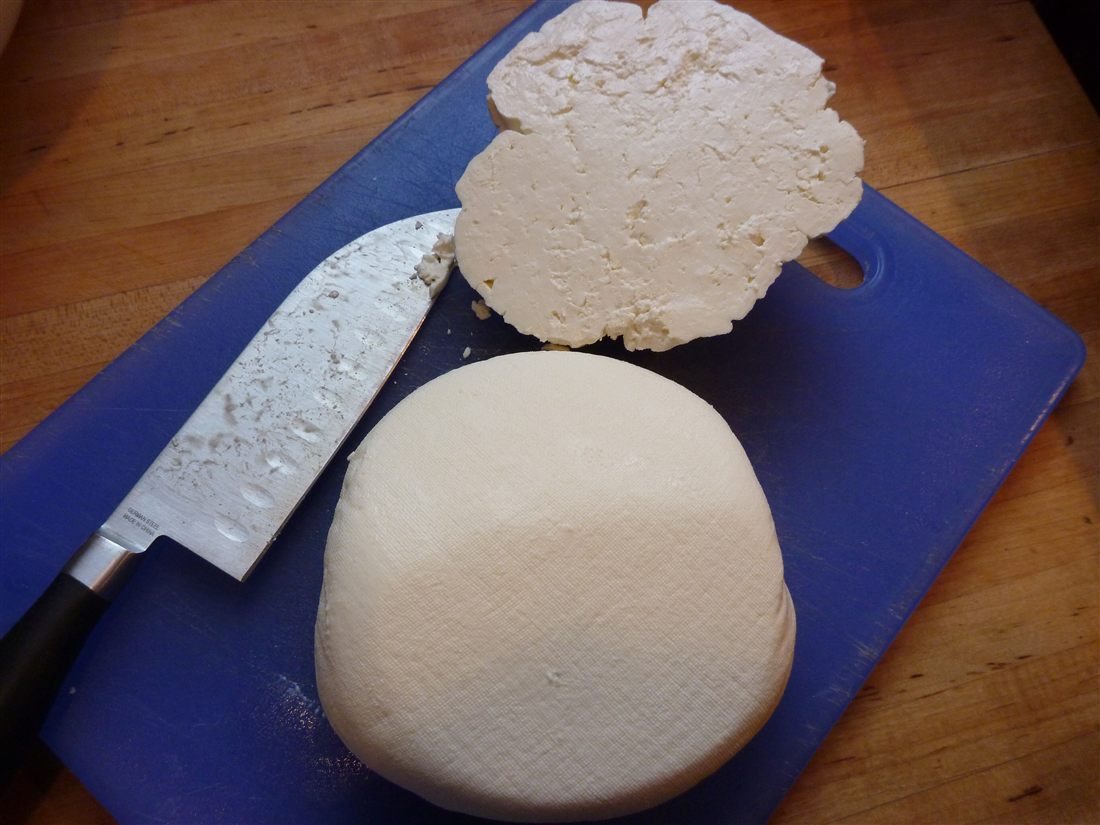
A Crete cheese tasting is a guided session where visitors taste the cheeses of Crete, such as graviera and xinomyzithra, at a farm, a winery or a cooking class on the largest Greek island. Tours across the rest of the country are listed on Greece Tours.
The sections below cover the cheeses, the tasting tours, the farm visit with milking, wine pairings at a winery, cheese making with a cooking class, olive oil and honey pairings, where the cheese is made, the dishes that use it, buying cheese, the season and booking, with links into the Crete pages. The tours shown are checked on GetYourGuide.
What is a Crete cheese tasting?
A Crete cheese tasting is a guided session where visitors sample the island’s cheeses, graviera, xinomyzithra, pichtogalo and others, with bread, olive oil, wine or honey, at a farm, a dairy or a family kitchen.
Crete sits at the top of world cheese consumption, and dairy shapes daily eating on the island. A tasting turns that habit into an activity. Hosts seat small groups at a table and cut slices of hard and soft cheese, naming the animal behind each wheel while wine, raki or water is poured. Bread and olive oil sit alongside.
Sessions run from ninety minutes at a working farm to a full day that adds a bakery, a mill and a winery. A Crete cheese tasting is not a restaurant meal. It is a guided walk through flavour, milk and ageing, with time for questions between slices. Honey closes the sweeter cheeses, and raki ends the sitting.
- Hard cheeses cut into firm slices and shavings
- Soft whey cheeses spread on bread
- Fresh curd cheeses eaten with a spoon
- Rusks, tomatoes and olive oil as partners
- Wine, raki or honey to close each taste
Which cheeses does a Crete cheese tasting cover?
A Crete cheese tasting covers hard graviera and kefalotyri, soft xinomyzithra, fresh pichtogalo, creamy anthotyros, rich staka, spring malaka and a cheesemaker’s own blends, each tied to sheep’s or goat’s milk and a set ageing time.
Graviera Kritis carries a protected designation of origin and comes mainly from sheep’s milk, with a little goat’s milk allowed. It matures for three to six months and tastes sweet, buttery and lightly salted. Kefalotyri Kritis blends sheep’s and goat’s milk and rests three months, giving a firmer, saltier paste with small holes. Both anchor a Crete cheese tasting built on hard cheese.
Xinomyzithra Kritis is a whey cheese with protected status. Makers heat strained whey to ninety degrees over half an hour, add up to fifteen per cent full-cream milk, drain the curd and ripen it for at least two months. Pichtogalo Chanion is fresher: unpasteurised sheep’s or goat’s milk curdled at eighteen to twenty-five degrees, salted lightly and eaten without ageing. Anthotyros, staka and spring malaka complete the row, and each one changes the shape of a Crete cheese tasting.
- Graviera Kritis: sheep’s milk, three to six months
- Kefalotyri Kritis: sheep’s and goat’s milk, three months
- Xinomyzithra Kritis: whey cheese, two months or more
- Pichtogalo Chanion: fresh and spreadable, no ageing
- Anthotyros and staka: whey cheese and milk cream
Which Crete cheese tasting tours can you book?
A Crete cheese tasting tour takes four shapes: a farm visit with milking, a winery tasting, a cooking class with cheese making, or a day trip that adds olive oil and honey. All four start from Rethymno, Chania or Heraklion.
At a farm near Rethymno the visit lasts ninety minutes. Guests meet goats, sheep, cows and poultry, milk by hand and by machine, watch cheese being made in the dairy and finish with feta, graviera, tyromalama, milk desserts, sheep yoghurt and raki. Hotel transfer, animal feeding and the tasting are included, and the farm is wheelchair accessible.
A winery tour in the Dafnes wine area lasts two hours for a private group. A certified wine professional walks guests through historic equipment and an old distillery, then pours six wines beside Cretan cheeses and snacks. A cooking class near Rethymno runs four hours and adds hands-on cheese making, olive oil tasting, kalitsounia, lunch and local wine, so a Crete cheese tasting can fit any half day. Walking versions in town appear on the Crete food tour page.
- Farm visit with milking: ninety minutes near Rethymno
- Winery tour with wine and cheese: two hours in Dafnes
- Cooking class with cheese making: four hours near Rethymno
- Olive oil, wine, cheese and honey day trip: seven hours from Chania
What happens on a farm Crete cheese tasting with milking?
On a farm Crete cheese tasting with milking, guests feed goats and sheep, try milking by hand and by machine, watch an authentic cheese being made from fresh milk, then taste feta, graviera, goat cheese, milk desserts, yoghurt and raki.
The session near Rethymno lasts ninety minutes and starts with the animals: goats, sheep, cows, dogs, cats, chickens, geese, partridges and peacocks. Guests feed them and take photos. Then comes milking, first by hand and then with modern equipment, while the farmer explains herd care and the path from milk to cheese. A Crete cheese tasting follows the same route.
In the farm dairy guests take part in making a fresh Cretan cheese and follow the process from warm milk to finished shape. The tasting that follows includes feta, graviera, tyromalama, handmade milk desserts, Greek sheep yoghurt and a measure of local raki. Guests then walk to a lake, a herb garden and a vegetable patch, and a playground keeps children busy. Farm products can be bought and carried home.
How does a winery Crete cheese tasting pair wine and cheese?
A winery Crete cheese tasting pairs six Cretan wines with cheeses and snacks, moving from lighter whites to fuller reds. A certified wine professional explains how salt, fat and acidity in cheese change the taste of each pour.
The setting is a family-run winery in Dafnes, a wine area in the hills south of Heraklion. The guided tour covers an old distillery, historic machinery and the working production rooms, comparing methods from the past with equipment used now. The group stays private, so questions flow back and forth between pours. A Crete cheese tasting here lasts two hours from start to finish.
Cheese and wine meet on fat, salt and acidity. A salty hard cheese softens the bite of a tannic red, while a creamy whey cheese sits better with a fresh white. The guide tastes each wine first, then invites guests to repeat the sip with cheese in the mouth and note what changes. For a wider view of island producers and cellars, the Crete wineries page gathers them.
- Taste each wine on its own first
- Repeat the sip with a slice of hard cheese
- Compare a creamy whey cheese with a fresh white
- Try a salty cheese against a fuller red
- Close with local snacks and a second pour
What does a Crete cheese tasting with cheese making and a cooking class involve?
A Crete cheese tasting with cheese making and a cooking class involves four hours of hands-on work: preparing Cretan dishes, making a fresh cheese, tasting extra virgin olive oil, and eating the results with local wine in a family home near Rethymno.
The host welcomes guests into a traditional Cretan house where family recipes still shape the kitchen. Together the group prepares seasonal dishes with local olive oil and aromatic herbs, using techniques handed down between generations. Talk runs alongside the chopping, covering village life and the place of food in Cretan culture. A Crete cheese tasting here begins with the cooking.
Cheese making is taught from scratch, so guests handle the curd and shape a fresh cheese with their own hands. A guided olive oil tasting follows, built around aroma, flavour and the markers of quality, and kalitsounia are made for dessert. At the end the group sits down to the meal it cooked, with local wine and refreshments. Longer programmes sit on a Crete cooking class page.
Which Crete cheese tasting tour adds olive oil and honey?
The Crete cheese tasting tour that adds olive oil and honey is the seven-hour day trip from Chania, which visits an ancient olive tree, a bakery, a cheese factory, an olive mill, a honey workshop and a family winery.
The day starts at the Olive Tree of Vouves, the oldest known olive tree in the world. Next comes a family-run bakery for Cretan rusks, fresh bread and savoury pastries. At a cheese factory the group tastes the produce and, in season, watches the work in progress; outside season the guide explains each step. A Crete cheese tasting anchors the middle of the day.
Among the olive trees the guide covers honey making, from bees and hives to extraction and bottling. A local olive factory then shows how Cretan olive oil moves from harvest to press and finish. Tasting plates follow with olive oil, fresh tomatoes, olives, cheese and honey. The last stop is a family-owned winery in Kolymvari, where Cretan wines meet delicacies and children receive their own platter. Depth on the oil side sits on a Crete olive oil tasting page.
- Olive Tree of Vouves
- Family-run bakery with rusks and pastries
- Cheese factory tasting
- Olive mill and honey workshop
- Family-owned winery in Kolymvari
Where is the cheese for a Crete cheese tasting made?
Cheese for a Crete cheese tasting is made across the island: on the slopes of Psiloritis around Anogia, on the Lasithi Plateau in the east, and in the mountains of Sfakia in the south-west, where flocks graze on wild herbs.
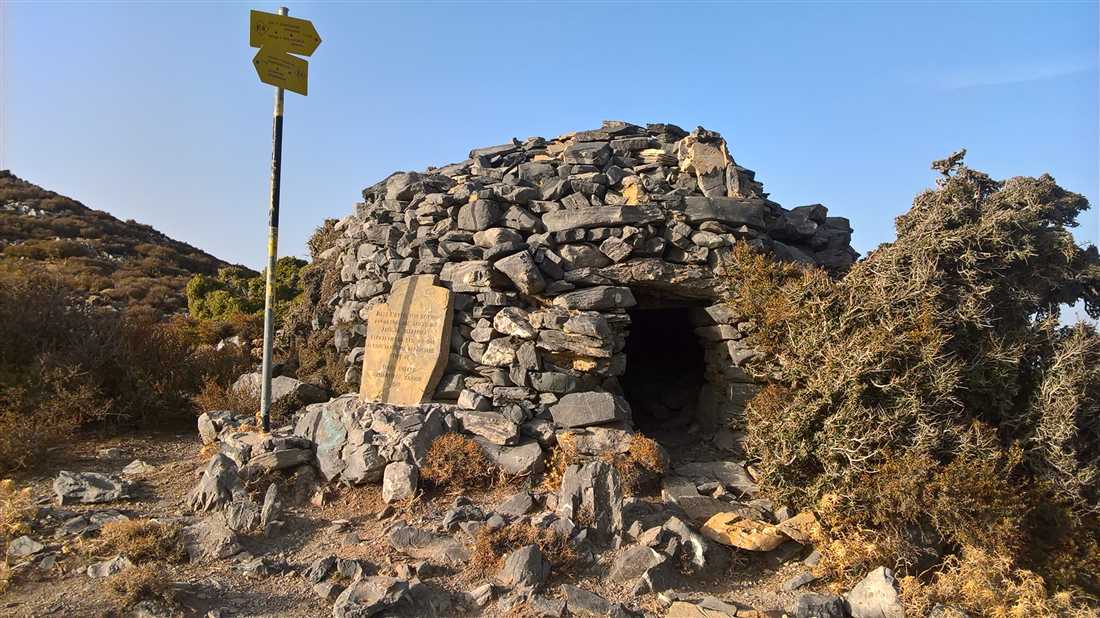
Psiloritis, also called Mount Ida, is the highest mountain in Crete at 2,456 metres, and its natural park belongs to a UNESCO Global Geopark network. Anogia sits on its northern slopes at 738 metres. Above the village, on the Nida Plateau, stone shepherd’s huts called mitata shelter shepherds and serve as small dairies. Milk from these flocks feeds a Crete cheese tasting.
The Lasithi Plateau lies in eastern Crete, about seventy kilometres east of Heraklion, at an average height of 840 metres, and stretches eleven kilometres east to west. Sfakia covers the south-western mountains of the Chania region, where goats roam free. Local dairies turn that milk into mizithra, graviera and soft cheeses sold in Chania town, and a Chania to Anogia drive crosses both worlds past the Psiloritis massif.
Which Cretan dishes use the cheeses from a Crete cheese tasting?
Cretan dishes built on the cheeses from a Crete cheese tasting include dakos with mizithra or feta, kalitsounia filled with fresh cheese, Sfakian pies with mizithra and honey, and staka stirred into eggs for breakfast.
Dakos is a Cretan salad of paximadi, a barley rusk soaked in water or olive oil. The rusk takes chopped tomatoes and crumbled cheese, feta or mizithra, then oregano, olives, capers and a pour of olive oil. Garlic rubbed on the rusk and a pinch of sea salt round it off. Kalitsounia close fresh cheese inside small pastries, fried or baked and eaten warm.
Sarikopita twists a cheese filling into a shape that copies the sariki, a traditional Cretan head cloth. Sfakian pies come from the south-western mountains: thin pancakes filled with mizithra and served with honey poured over the top. Staka gives Cretan cooking its richness, stirred into eggs, spread on bread or added to pies. Graviera appears sliced with honey, grated over pasta or fried as saganaki, and pichtogalo fills the sweet bougatsa sold in Chania, so the cheeses of a Crete cheese tasting turn up across the menu.
How do you buy cheese and carry it home after a Crete cheese tasting?
After a Crete cheese tasting you can buy cheese at the farm, the dairy or a town market, then carry it home vacuum-packed in checked luggage, keeping hard cheeses cool and soft ones for short trips only.
Farms sell directly after the tasting, and dairies pack wheels, wedges and tubs on site. Town markets and specialist shops stock the same protected cheeses, with labels naming the milk, the area and the producer. Pichtogalo Chanion keeps for up to ten days in a fridge, so it suits a short stay rather than a long journey home. A Crete cheese tasting can end with a full bag.
Hard cheeses travel well. Ask for a vacuum seal, keep the pack flat and cool, and place it in checked luggage. Soft whey cheeses and fresh curd cheeses bruise and weep, so buy them for the last days of a trip. Customs at home decide what enters the country. In Rethymno the central market and the old town shops carry a wide shelf of island cheeses.
- Buy at the farm gate right after the tasting
- Ask the dairy for a vacuum seal
- Choose hard cheeses for long journeys
- Keep soft whey cheeses for the last days
- Read your home customs rules before packing
Which months suit a Crete cheese tasting?
A Crete cheese tasting suits the months from April to October for outdoor farm visits, and the winter months for indoor dairy work, when milk flows after the autumn rains and fresh cheeses such as malaka appear in spring.
Spring brings lambing, fresh milk and the arrival of malaka, the spring curd cheese. From April the weather warms, herds move to high pastures and farm visits run comfortably outdoors. Summer keeps trails and beaches open, and a Crete cheese tasting moves indoors at midday to escape the heat. Afternoon sessions work well in the shade.
Autumn rains bring a second flush of grass and steady milk. Winter is quiet for tourism but busy in the mitata and dairies, where graviera wheels rest and cure. Cheese making follows the flock, not the holiday calendar, so a winter visit sees the working side of the trade. Spring and autumn give mild temperatures, quieter roads and green hills, which suit a Crete cheese tasting outdoors.
How do you book and cancel a Crete cheese tasting?
You book a Crete cheese tasting online through a tour platform or straight with the farm, picking a date and group size. Free cancellation is standard up to twenty-four hours before the start, and reserve now and pay later is common.
Listings show the duration, the language of the guide, the meeting point and the inclusions, so a booking can be matched to the day. Pickup is offered on the day trip and on the farm visit; the cooking class asks guests to drive to the meeting point near Rethymno. Mobile tickets arrive at once. A Crete cheese tasting books out fastest on weekends in high season.
Free cancellation up to twenty-four hours ahead is normal, and refunds return to the original payment method. Reserve now and pay later lets a guest hold a place without paying straight away. Group sizes stay small, and private options exist for couples. Arrive a couple of minutes early, bring comfortable clothes and shoes, and tell the host about allergies in advance.
Frequently Asked Questions
Do I need to book a Crete cheese tasting in advance?
Booking ahead helps, because groups stay small and weekend dates fill first in high season. Free cancellation up to twenty-four hours before the start keeps plans flexible, and reserve now and pay later options let guests hold a place without paying straight away. Walk-in places exist at farms but cannot be relied upon in July and August.
Is a Crete cheese tasting suitable for children?
Yes. The farm visit welcomes children, who feed the animals and use the playground, and the day trip from Chania provides a separate platter and drinks for younger guests. Wine is served to adults, and raki appears in small measures. Families with young children do well on the ninety-minute farm session.
Can vegetarians join a Crete cheese tasting?
Yes, cheese sits at the centre of every session, so vegetarian guests eat well. The cooking class prepares vegetable dishes, cheese pies and olive oil tastings, and hosts adapt menus when told in advance. Guests flag allergies and dietary needs at the booking stage, so the kitchen can plan the table in advance of a Crete cheese tasting.
How long does a Crete cheese tasting last?
Durations run from ninety minutes at the farm near Rethymno, to two hours at the Dafnes winery, four hours for the cooking class with cheese making, and seven hours for the day trip from Chania. The schedule includes travel on the longer tours, and pickup adds time at each end, so a Crete cheese tasting fills a morning or a whole day.