
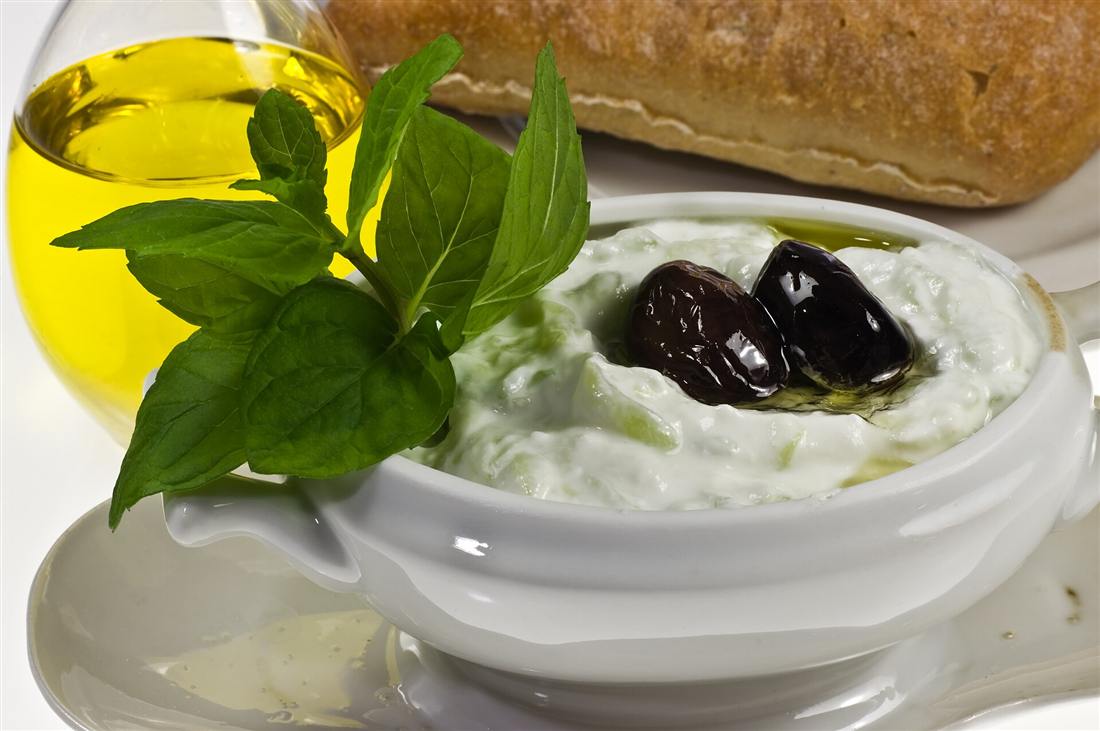
A Crete cooking class is a hands-on Cretan cookery experience, run in village homes, farms and rural estates across the island, where you harvest or shop for the ingredients, cook a full Cretan menu, and eat it at a long table with wine and raki. Plan the whole trip with Greece Tours.
This guide covers the Crete cooking class in full: what a class includes and costs, the dishes you cook from dakos and kalitsounia to boureki and lamb with stamnagathi, where classes run across the Chania, Rethymno, Heraklion and Lasithi regions, the Cretan diet behind the recipes, options for families and special diets, and how to book. Pair it with the island of Crete.
What Is a Crete Cooking Class and What Does It Include?
A Crete cooking class is a hands-on cookery session held in a village home, farmhouse, or rural estate, where guests prepare a full Cretan menu from scratch, share the meal at a long table with wine or raki, and take home printed recipe cards.
A Crete cooking class runs as a half-day session or a full farm-to-table day. A Crete cooking class is booked ahead for a fixed, agreed price per person. The format sits somewhere between a cooking demonstration and a working kitchen shift. A host — a local cook, a farming family, or a small team running a rural estate — sets out ingredients that come from the garden, the local market, or the family’s own olive grove and vineyard. Guests work at individual stations or side by side at one large table, rolling pastry, stuffing vine leaves, or turning meat on a grill under direct guidance.
Every Crete cooking class starts with the harvest, from the garden or the local market. Booking a Crete cooking class ahead secures the date and the kitchen. Transfers to and from hotels in the nearest town are part of the standard package on the majority of bookings, so the day starts with a pickup and ends with a drop-off after the meal. A class runs as a half-day session in the late morning or a longer afternoon-into-evening format that finishes with dinner. Aprons, ingredients, wine or raki, and the shared meal are included in the price; only personal extras sit outside it.
The set price on a Crete cooking class covers the food, the drinks and the recipes. Group sizes stay small — a single family kitchen table seats a dozen guests, which keeps the pace hands-on rather than a lecture. Recipe cards printed in English go home with each guest, along with any leftover dishes the host wraps for the road. The result is a full afternoon built entirely on food, not a one-hour demo squeezed between other stops. A guide or the host’s family member translates instructions step by step, so a language gap never slows the cooking down, and questions about ingredients, technique, or a family recipe’s history get answered at the stove rather than saved for the end.
What Dishes Do You Cook in a Cretan Cooking Class?
A Cretan cooking class menu covers dakos topped with ripe tomato and mizithra, sarikopites and kalitsounia pastries, dolmades and gemista, boureki from the Chania countryside, slow-cooked lamb with stamnagathi, grilled htapodi, and a honey-and-walnut sweet to close the meal.
The menu on a Crete cooking class builds from dakos to kalitsounia and boureki. For couples and families, a Crete cooking class is a hands-on day in a village kitchen. Dakos opens the table on the majority of menus: a barley rusk soaked lightly and piled with grated tomato, crumbled mizithra cheese, oregano, and olive oil. Guests grind the barley rusk topping themselves in a number of classes, learning why the twice-baked bread survives the island’s dry summers without spoiling. Sarikopites — thin cheese pies twisted into a spiral — and kalitsounia, small pastries filled with soft cheese or wild greens, come next, taught as a hands-on rolling and folding exercise.
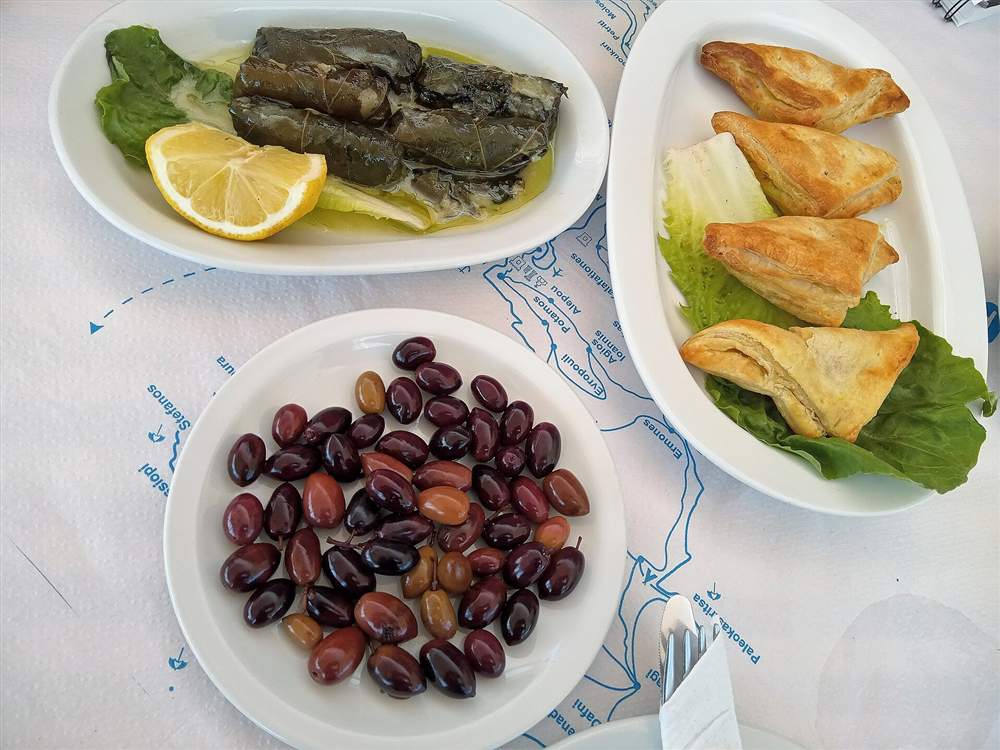
A Crete cooking class is the clearest way to learn the Cretan kitchen in one sitting. A Crete cooking class ends at a long table, eating everything the group has cooked. Stuffed dishes follow: dolmades wrapped in vine leaves from the host’s own garden, and gemista — tomatoes and peppers hollowed out and packed with rice, herbs, and pine nuts, then baked slowly in a wood oven. Boureki, a zucchini, potato, and cheese pie native to the villages near Chania, appears on menus that lean toward the western part of the island. A skordalia or tzatziki side, made fresh at the table with garlic pounded by hand, rounds out the spread on dinner-format sessions, and a warm loaf of village bread, baked earlier the same day, sits within reach throughout the meal.
Planning a Crete cooking class ahead beats the scramble for a summer date. Lamb braised with stamnagathi, a bitter wild green foraged from the hillsides, represents the meat course on the majority of full-day classes, while htapodi — octopus beaten, dried, and grilled over charcoal — stands in on coastal-leaning menus. Dessert closes with a walnut-and-honey sweet, sometimes set inside filo, always finished with thyme honey drizzled at the table.
Where Do Crete Cooking Classes Run Across the Island’s Four Regions?
Cooking classes run in all four regions of Crete: White Mountains villages inland from Chania, wood-oven kitchens in the hills near Rethymno, farm estates in the Heraklion countryside such as Arolithos, and rural homes near Agios Nikolaos and the Lasithi plateau in the east.
The set price on a Crete cooking class covers the food, the drinks and the recipes. The choice of Crete cooking class comes down to the region, the menu and the group size. Inland from Chania, villages set against the White Mountains host classes in stone farmhouses where the kitchen opens onto an olive grove. The Chania cooking class format for this region focuses on boureki, raki distilled on site, and mountain herbs picked before the session starts. Terraced groves surrounding the farmhouse supply the oil poured over every dish, and a number of hosts here keep goats or sheep on the property, tying the cheese course directly to the animals guests meet on arrival.
The host on a Crete cooking class explains each dish as the group works. Near Rethymno, classes sit in villages with working wood ovens, where bread, pastries, and slow-baked gemista go into the same fire that heated village kitchens for generations. The pace here leans toward baking technique — kneading, proofing, and reading a wood oven’s heat by hand rather than a dial. Guests feed the fire themselves under the host’s direction, learning to judge whether the oven has cooled enough for a pastry or still holds enough heat for a slow-baked casserole, a skill the host’s own grandmother passed down at the same hearth.
A Crete cooking class is booked ahead for a fixed, agreed price per person. Closer to Heraklion, rural estates such as Arolithos recreate a full traditional village on farmland outside the city, with a working mill, a bakery, and kitchens set up for group cooking sessions between vineyard rows. This region pairs the cooking session with wine tasting from estate-grown grapes on a larger share of bookings than the other three regions manage, since the same estate that grows the grapes runs the kitchen.
Booking a Crete cooking class ahead secures the date and the kitchen. In the east, near Agios Nikolaos and up on the Lasithi plateau, classes run in family homes surrounded by the plateau’s windmills and market gardens, with a menu shaped by whatever the garden produces that week — wild greens, courgettes, and stone fruit from trees on the property. The lake town setting near Agios Nikolaos pairs the kitchen session with a coastal walk beforehand, so the harvest stage draws on both a hillside garden and the morning fish market at the port.
How Does a Farm-to-Table Cooking Session Work?
A farm-to-table session starts with a walk through the host’s garden or the local market to gather vegetables, herbs, and cheese, moves into hands-on cooking at a shared table, and ends with a long lunch or dinner poured with raki or local wine.
A Crete cooking class ends at a long table, eating everything the group has cooked. A private Crete cooking class is exclusive to your party, with the host cooking alongside you. The harvest stage sets the format apart from a standard cooking demonstration. Guests pick tomatoes, courgettes, and wild greens straight from raised beds, or walk a village market with the host to select fish, cheese, and bread from stalls the family has bought from for years. Nothing on the menu arrives pre-chopped from a supplier.
Planning a Crete cooking class ahead beats the scramble for a summer date. A Crete cooking class draws on olive oil, wild greens and the island’s cheeses. Back in the kitchen, the group splits into small stations: one rolling pastry for kalitsounia, another stuffing vine leaves, a third tending meat or fish over charcoal. The host narrates technique throughout — why the dough rests before rolling, why stamnagathi needs a long simmer to lose its bitterness, why olive oil goes in at the end of a dish rather than the start.
For couples and families, a Crete cooking class is a hands-on day in a village kitchen. The meal itself stretches over an hour or longer at one long table, family-style, with every dish the group cooked set out together rather than served in courses. Raki appears between dishes as a digestif, poured in small glasses and refilled without being asked. The session closes with the table still half full, plates passed a second time before anyone leaves.
What Does a Crete Cooking Class Cost and What Is Included?
A Crete cooking class is priced as one whole-experience package covering the meal, wine or raki, all ingredients, and transfers to and from the nearest town, with a private session costing more per person than a shared group booking.
The host on a Crete cooking class explains each dish as the group works. The morning slot on a Crete cooking class fills first in high season. Pricing runs on a per-person basis for the standard shared-group format, where a single family kitchen hosts guests from multiple bookings at one table. A private booking — one party only, at a time the host sets aside exclusively — carries a premium over the shared rate, since the host blocks the full day for a single group.
A Crete cooking class is booked ahead for a fixed, agreed price per person. For vegetarians, a Crete cooking class leans on horta, pulses and garden vegetables. The whole-experience structure means nothing is billed separately once the price is quoted: ingredients, the cooking session itself, the shared meal, wine or raki, and hotel transfers all sit inside one figure. Children joining an adult booking are priced at a reduced rate on the majority of listings, reflecting a smaller appetite and a shorter attention span at the stove.
The choice of Crete cooking class comes down to the region, the menu and the group size. What sits outside the price is anything personal — extra bottles of wine beyond what is poured at the table, souvenir purchases at the host’s shop if one exists on site, and gratuities, which stay optional and are handled directly with the host rather than folded into the booking fee.
Which Cretan Ingredients Define the Cuisine?
Cretan cuisine is built on estate-grown olive oil, wild greens known as horta, the bitter green stamnagathi, graviera and mizithra cheeses, thyme honey, and twice-baked barley rusk, all sourced from the same hillsides and villages where the cooking classes run.
A Crete cooking class draws on olive oil, wild greens and the island’s cheeses. Families take a Crete cooking class for the hands-on kneading, rolling and shaping. Olive oil sits at the center of every dish, poured raw over vegetables, bread, and finished meat rather than reserved only for frying. Estates across the island press their own oil each season, and a cooking class built into a farm stay draws its oil straight from that harvest rather than a bottle bought at a shop. Guests taste the raw oil straight off a spoon before it goes anywhere near a dish, a step every host insists on so the difference between a fresh estate press and a supermarket bottle registers before the cooking starts.
The recipes from a Crete cooking class go home on printed cards. Wild greens, gathered under the collective name horta, cover a long list of foraged plants — dandelion, wild fennel, amaranth, and the specific mountain green stamnagathi, which needs a long boil to tame its natural bitterness before it joins a lamb braise or a simple salad dressed with lemon and oil.
A private Crete cooking class is exclusive to your party, with the host cooking alongside you. Graviera, a firm, slightly sweet cheese made from sheep’s or goat’s milk, and mizithra, a soft fresh cheese used in both savory pies and dakos, come from small dairies tied to specific villages. Thyme honey, gathered from hives set among wild thyme on the hillsides, finishes desserts and dresses cheese pies alike. Barley rusk, baked twice to survive months without spoiling, forms the base of dakos and stands in as a pantry staple across the island’s kitchens.
Why Is the Cretan Diet Considered the Original Mediterranean Diet?
The Cretan diet is the specific eating pattern researchers used to define the Mediterranean diet, built on olive oil as the primary fat, wild greens, legumes, whole grains, fish over red meat, and wine taken with food rather than alone.
For vegetarians, a Crete cooking class leans on horta, pulses and garden vegetables. A Crete cooking class runs in village homes and farms across the island. Population studies carried out on the island in the decades after the Second World War recorded lower rates of heart disease among Cretans eating this way than among comparable populations in northern Europe and North America, and the finding became the foundation for the Mediterranean diet as it is now defined worldwide.
A Crete cooking class includes the transfer from the hotel where the operator offers it. The pattern rests on proportion as much as ingredients: vegetables and wild greens fill the largest share of a plate, olive oil replaces butter and other animal fats entirely, legumes and whole grains stand in for refined carbohydrates, and fish and small amounts of goat or sheep dairy substitute for red meat, which appears rarely and in small portions.
The morning slot on a Crete cooking class fills first in high season. A cooking class recreates this pattern directly rather than describing it. The dishes on a standard menu — horta dressed in oil, legume stews, grilled fish, cheese pies made with mizithra instead of heavier dairy — are the Mediterranean diet’s founding meals, cooked in the same kitchens and with ingredients grown on the same land the original studies drew from.
Are Crete Cooking Classes Suitable for Families and Children?
Crete cooking classes welcome families, with hosts setting children up on simpler tasks such as rolling pastry or stuffing vine leaves, reduced pricing for young guests, and a relaxed, unhurried pace that suits a mixed-age group better than a formal restaurant setting.
The recipes from a Crete cooking class go home on printed cards. The price of a Crete cooking class covers the ingredients, the meal and the wine or raki. Hosts running family-style sessions build in tasks that match a child’s attention span and coordination — pressing kalitsounia closed with a fork, shaping dough into rounds, or stirring a pot under supervision — while adults handle the stove, the grill, and any step involving heat or sharp tools.
The Cretan diet gives a Crete cooking class its barley rusk, thyme honey and greens. The outdoor and garden component of a farm-based class gives children room to move between cooking stages, whether that means picking vegetables, feeding chickens on a working farm, or exploring the grounds of a rural estate while a dish rests or bakes. This built-in break keeps a full-day session from feeling long to a young guest.
Families take a Crete cooking class for the hands-on kneading, rolling and shaping. The shared, family-style meal at the end suits children directly, since the format is closer to a home dinner than a formal multi-course service — dishes land on the table together, portions are flexible, and a fussy eater finds something plain on the spread even when the main dish is unfamiliar.
Do Crete Cooking Classes Offer Vegetarian and Vegan Options?
Crete cooking classes accommodate vegetarian and vegan guests directly, since the island’s own cuisine already runs on wild greens, legumes, vegetables, and olive oil, and hosts swap out meat, fish, and dairy dishes for plant-based versions of the same menu on request.
A Crete cooking class includes the transfer from the hotel where the operator offers it. A Crete cooking class runs as a half-day session or a full farm-to-table day. Vegetarian guests find the switch simple: gemista, dolmades made without meat filling, horta, legume stews, and cheese-based pastries such as kalitsounia already sit on the majority of menus without needing substitution. A host removes the lamb or htapodi course and replaces it with a second vegetable-forward dish, keeping the meal’s structure intact.
Every Crete cooking class starts with the harvest, from the garden or the local market. Vegan guests need one further adjustment, since mizithra, graviera, and yogurt-based sauces appear across the standard menu. Hosts prepare dolmades and kalitsounia with a rice-and-herb or olive-oil-based filling instead of cheese, lean the meal further into legume stews and horta, and swap honey desserts for a fruit-and-nut plate finished with thyme honey left on the side.
A Crete cooking class runs in village homes and farms across the island. Booking notes are the mechanism that makes this work — a dietary requirement flagged at the time of booking gives the host time to plan the harvest and shopping list for it, rather than improvising a substitution once the group has already arrived at the kitchen table.
When and How Do You Book a Crete Cooking Class?
Book a Crete cooking class online in advance, choosing a shared-group or private session, confirming pickup details for hotel transfers, and flagging dietary needs and group size at checkout; the season runs from spring through autumn, with summer months filling first.
The Cretan diet gives a Crete cooking class its barley rusk, thyme honey and greens. The menu on a Crete cooking class builds from dakos to kalitsounia and boureki. The booking window tightens hardest in the peak summer months, when island-wide demand for rural experiences fills small family kitchens weeks ahead. Spring and autumn carry lighter demand and cooler working conditions in an outdoor kitchen, along with the same garden harvest that defines the summer menu, since Crete’s growing season stretches well beyond the height of summer. A booking made a month out secures the date and the exact pickup slot; a same-week request depends entirely on a single seat opening up at one of the family tables still taking guests that day.
A Crete cooking class is the clearest way to learn the Cretan kitchen in one sitting. At checkout, the booking form asks for pickup location, group size, and any dietary flags, so the host receives the information needed to plan the harvest, the shopping list, and the seating before the group arrives. Confirmation email carries the exact pickup time and a contact number for the transfer driver.
The price of a Crete cooking class covers the ingredients, the meal and the wine or raki. What to bring is short: comfortable closed shoes for an outdoor kitchen or garden walk, a light layer for evening sessions that run past sunset, and an appetite, since the shared meal at the end runs long and second helpings are the norm rather than the exception. A camera captures the wood oven, the olive press, or the harvest walk that a printed recipe card does not — a set of images worth keeping alongside the recipes once the trip ends and the kitchen table is a plane ride away again.
Frequently Asked Questions
How much is a Crete cooking class?
A Crete cooking class is priced per person for the whole experience, agreed at booking. The price covers the ingredients, the hands-on cooking, the shared meal, the wine or raki, and hotel transfers where the operator includes them; private classes are priced for the group.
What do you cook in a Crete cooking class?
A Crete cooking class teaches dakos on barley rusk, kalitsounia and sarikopites, dolmades and gemista, boureki from Chania, lamb with stamnagathi, and honey-and-walnut sweets, all built on olive oil, wild greens and local cheeses.
Where are Crete cooking classes held?
Crete cooking classes run across all four regions: the White Mountains villages inland from Chania, Cretan villages with wood ovens near Rethymno, the countryside around Heraklion, and the Lasithi east near Agios Nikolaos.