
A Crete olive oil tasting runs 45 minutes to three hours at a mill, an estate or an olive grove, pouring two to six extra virgin oils from blue panel glasses with the faults and the positive attributes explained as you go. Plan the rest of the trip with Greece Tours.
This page covers the session: where the tastings happen, what they cost, the Koroneiki olive, how the tasting protocol works, what happens on the mill floor, the Cretan table that comes with it, the season, the wine pairing, what to buy and how to book.
What is a crete olive oil tasting?
A guided session of 45 minutes to three hours at a mill, an estate or an olive grove where you taste two to six extra virgin oils from small blue glasses, learn the three faults and the three positive attributes, and finish with bread, rusks and a Cretan table.
Crete carries about 35 million olive trees across 1.6 million stremmata, roughly a third of the island’s farmland, and it produces close to a third of all Greek olive oil. A crete olive oil tasting estate states this at booking and prints it on the voucher.
The tasting itself follows the same protocol as the international panels: oil warmed to 28 degrees in a covered blue glass, a slurp that aerates it across the palate, then the swallow that shows the pepper at the back of the throat. Visitors on a crete olive oil tasting meet it in the first ten minutes.
The blue glass is not decoration. Colour tells a taster nothing about quality and it biases the judgement, so the panel glass hides it entirely. It decides which crete olive oil tasting format fits the party.
Most sessions add the farm: a walk into the grove, the mill floor with the malaxer and the decanter, and the tanks where the oil rests under nitrogen before bottling. The crete olive oil tasting season runs for it from October to January.
Where do the tastings happen on Crete?
Around Chania at Vouves and the Apokoronas villages, in the Heraklion hinterland at Peza, Archanes and Voutes, near Rethymno at Georgioupoli and the Amari valley, and in Lasithi at Kritsa and the Sitia plain.
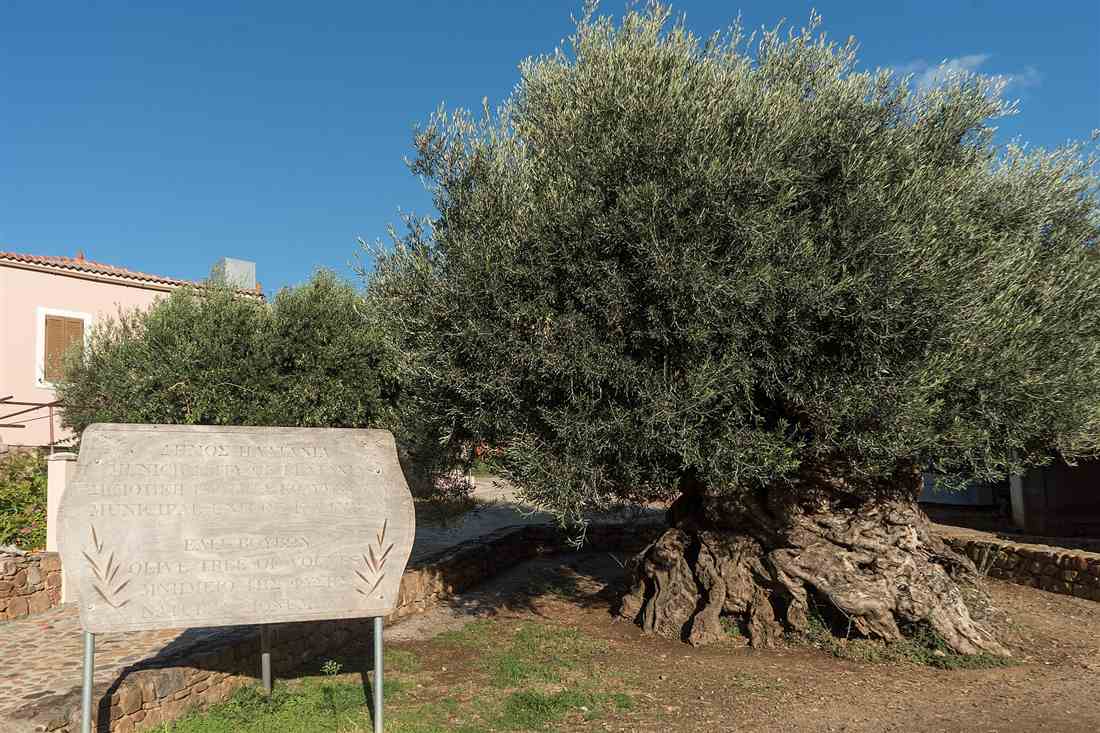
Chania holds the oldest trees. The monumental olive of Vouves is dated by the Ministry of Agriculture at somewhere between two and three thousand years and it still bears fruit. Every crete olive oil tasting is planned around it before the group sits down.
Peza and Archanes south of Heraklion are the organised cluster, with mills and wineries in the same villages, which is why the combined wine and oil tours run from there. That is the crete olive oil tasting difference against a shop counter.
Sitia in the far east holds the island’s only Protected Designation of Origin for oil, Sitia Lasithiou Kritis, granted in 1996 for oil pressed within the municipality from Koroneiki fruit. The crete olive oil tasting price reflects it, glass by glass.
The Amari valley behind Rethymno is the quiet option, with small family mills that press for the village and take visitors by appointment rather than on a timetable. A crete olive oil tasting starts with this settled at the table.
What does a crete olive oil tasting cost?
From 15 to 30 euros for a 45-minute tasting at a mill, 35 to 60 euros with a grove walk and a Cretan meze table, and 70 to 120 euros for a half-day tour with transfers, a mill, a winery and lunch.
The mill-only session is the cheapest and the most technical. It runs 45 minutes, covers three to four oils and ends at the shop. A crete olive oil tasting is sold on that, and the listing says so plainly.
The half-day version is what most visitors book. Hotel pickup, a grove, the mill, four to six oils, a table of rusks, cheese, tomato and honey, and two hours back at the hotel by mid-afternoon. A crete olive oil tasting carries the rusks and the water for it.
Private groups pay 200 to 400 euros for a family of four with a driver-guide, which buys the timing and the choice of estate rather than extra oil. A crete olive oil tasting fills first on that count in spring and autumn.
Nothing is bundled beyond the tasting itself. Bottles bought at the mill run 8 to 25 euros a half-litre depending on harvest date and certification. The crete olive oil tasting timetable is built on it rather than on the clock.
What is Koroneiki and why does it matter?
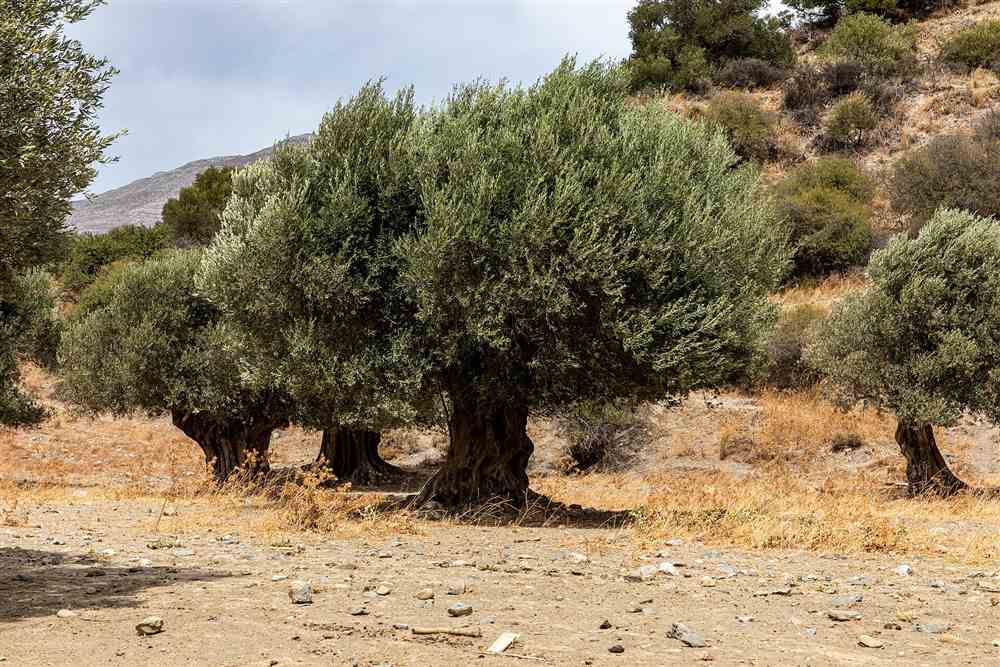
The dominant Greek olive variety, about 60 percent of the national crop and almost all of Crete’s, a small fruit with a high phenol count that gives the oil its pepper, its bitterness and its long shelf life.
The fruit is tiny at under a gram and the yield per tree is low, which is why Koroneiki oil costs more per litre than the high-yield varieties grown elsewhere. This is what a crete olive oil tasting delivers between the grove and the mill.
The phenols are the point. Oleocanthal is the compound that stings the throat, and a 2005 study in Nature identified it as acting on the same pathway as ibuprofen. The crete olive oil tasting table turns on this more than on the label.
An oil high in oleocanthal makes a taster cough on the swallow, and the tasters count the coughs. One is good, two is better and three is a very young, very green oil. The crete olive oil tasting route is set by it more than by distance.
Tsounati and Throumbolia are the other Cretan varieties, blended in small amounts for aroma, and the estates pour them alongside the Koroneiki to show the difference. Guides brief it at the mill before a crete olive oil tasting begins.
How do you actually taste the oil?
Cup the blue glass in one palm to warm it, cover it, swirl, uncover and smell. Then take a small sip, draw air across it with a hiss, hold it three seconds and swallow. Judge the fruitiness, the bitterness and the pungency.
Those three are the positive attributes in the International Olive Council method, and an extra virgin oil must show fruitiness above zero and no defect at all. The crete olive oil tasting season runs for it from October to January.
The three common defects are fusty from fruit fermented in the bin, musty from mould, and rancid from oxidation. A guide pours a faulty oil alongside the good ones so the fault is learned rather than described. A crete olive oil tasting estate states this at booking and prints it on the voucher.
Between oils the palate is cleared with a slice of green apple or a piece of bread and a sip of water, never with anything sweet. Visitors on a crete olive oil tasting meet it in the first ten minutes.
Bread is served at the end rather than during, because it masks bitterness and carries its own salt into the judgement. It decides which crete olive oil tasting format fits the party.
What happens at the mill?
The fruit is washed and defoliated, crushed to a paste by hammer mill, worked in a malaxer at under 27 degrees for 20 to 45 minutes, then separated in a horizontal decanter and a vertical centrifuge. No heat and no water are added.
Cold extraction is the legal term and 27 degrees is the ceiling. Above it the yield rises and the aromatics leave with the steam, which is the whole argument between volume and quality. A crete olive oil tasting starts with this settled at the table.
The malaxation time is the part a visitor can see and smell. The paste turns from purple to a dull green and the room fills with cut grass and tomato leaf. Every crete olive oil tasting is planned around it before the group sits down.
Harvest runs from late October to January, and a visit inside those months sees the mill working rather than standing. That is the crete olive oil tasting difference against a shop counter.
Outside the harvest the mill is explained rather than demonstrated, and the estates say so at booking rather than letting visitors expect a running press in July. The crete olive oil tasting price reflects it, glass by glass.
What else goes on the table?
Barley rusks, tomato, xigalo or graviera cheese, capers, thyme honey, olives cured at the estate, tsikoudia and a dish cooked in the oil so the difference between raw and cooked is tasted in the same sitting.
The dakos is the standard demonstration: a barley rusk moistened only with oil and topped with grated tomato and cheese, which puts the oil at the centre rather than as a dressing. The crete olive oil tasting timetable is built on it rather than on the clock.
Thyme honey from the Cretan mountains is poured alongside because the two are the island’s paired exports and the estates sell both. A crete olive oil tasting is sold on that, and the listing says so plainly.
Tsikoudia, the Cretan pomace spirit, closes the table. It is distilled from the grape residue rather than the olive, and refusing it is taken as poor manners. A crete olive oil tasting carries the rusks and the water for it.
Vegetarian and vegan tables are the default here rather than a request, since almost everything served is plant-based already. A crete olive oil tasting fills first on that count in spring and autumn.
When is the best time to go?
November to January for the working harvest and the new oil straight from the decanter, and April to June or September to October for comfortable weather with the mill explained rather than running.
New oil in November is cloudy, violently green and peppery enough to cough at, and it is a different product from the settled oil sold in spring. Guides brief it at the mill before a crete olive oil tasting begins.
The harvest also brings the groves alive with nets under the trees and the rakes working, which is the part photographers come for. This is what a crete olive oil tasting delivers between the grove and the mill.
July and August run the tastings indoors in air conditioning, with the grove walk cut short because the ground reaches 38 degrees. The crete olive oil tasting table turns on this more than on the label.
Winter on Crete is mild at 15 to 18 degrees on the coast, and a crete olive oil tasting is one of the few activities that is better then than in summer. The crete olive oil tasting route is set by it more than by distance.
How does it combine with wine?
Most operators pair the two in one half day, because the estates sit in the same villages. Peza, Archanes and the Apokoronas run a mill and a winery within ten minutes of each other and sell the pair as a single tasting circuit.
Crete has four Protected Designation of Origin wine zones, Peza, Archanes, Dafnes and Sitia, and the native grapes are Vidiano, Vilana, Kotsifali, Mandilari and Liatiko. It decides which crete olive oil tasting format fits the party.
The order matters at the table. Oil first with bread and rusk, then the wine, because the pepper in a young oil flattens a delicate white if the two are reversed. The crete olive oil tasting season runs for it from October to January.
The combined tour costs 70 to 120 euros with transfers and lunch, against 35 to 60 for the oil alone, and it fills the half day properly. A crete olive oil tasting estate states this at booking and prints it on the voucher.
The wine side of the island is covered at Crete wineries, and the Heraklion version sits at Heraklion wine tasting. Visitors on a crete olive oil tasting meet it in the first ten minutes.
What do you buy and how do you carry it home?
Half-litre and litre tins rather than glass, sealed and boxed for the hold. Airlines refuse oil in cabin baggage above 100 ml, and the estates pack for checked luggage as a matter of routine.
Tin beats glass twice over: it blocks light, which is what turns oil rancid, and it survives the baggage handlers. The crete olive oil tasting price reflects it, glass by glass.
Read the harvest date rather than the best-before. An oil pressed this season and kept dark and cool holds its character for about eighteen months. A crete olive oil tasting starts with this settled at the table.
Price tracks the work rather than the label. A single-estate early-harvest Koroneiki at 18 to 25 euros a half-litre is a different product from a 6-euro supermarket blend. Every crete olive oil tasting is planned around it before the group sits down.
Many estates ship, at 15 to 30 euros to Europe for six bottles, which is the sensible route for anyone travelling with hand luggage only. That is the crete olive oil tasting difference against a shop counter.
Who does a crete olive oil tasting suit?
Food travellers, cooks, anyone on a rainy or windy day when the beach is off, families with children old enough to taste, and visitors who want a half day of the island’s agriculture rather than another archaeological site.
Children take to the mill rather than the tasting. The machinery, the noise and the smell hold attention in a way a glass of oil does not. A crete olive oil tasting fills first on that count in spring and autumn.
Cooks get the most from it, because the difference between a finishing oil and a cooking oil becomes obvious once both are tasted side by side. The crete olive oil tasting timetable is built on it rather than on the clock.
It also travels well as a group activity, since the tables seat twenty and nobody has to walk far. A crete olive oil tasting is sold on that, and the listing says so plainly.
The wider Cretan table, the tavernas and the markets, sits at Crete food tour. A crete olive oil tasting carries the rusks and the water for it.
How do you book a crete olive oil tasting?
Two to five days ahead from May to October and a day or two in winter, stating the party size, any allergies and whether transfers are wanted. Free cancellation to 24 hours is the standard term.
Confirm whether the mill is working. Between February and September there is no pressing, and an estate that promises a live press outside the harvest is overselling. The crete olive oil tasting route is set by it more than by distance.
Ask how many oils are poured. Two is a demonstration and four to six is a tasting, and the price bands follow that count rather than the length of the visit. Guides brief it at the mill before a crete olive oil tasting begins.
Transfers from Heraklion, Chania and the resort strips cost 10 to 25 euros a head return, or are included on the half-day tours. This is what a crete olive oil tasting delivers between the grove and the mill.
Private sessions need three to seven days because the estates run them around the working day of the mill rather than on a public timetable.
Frequently Asked Questions
What does a Crete olive oil tasting cost?
From 15 to 30 euros for a 45-minute session at a mill, 35 to 60 euros with a grove walk and a Cretan meze table, and 70 to 120 euros for a half-day tour with transfers, a mill, a winery and lunch.
Why is the tasting glass blue?
Because colour tells a taster nothing about quality and biases the judgement. The International Olive Council panel glass is cobalt blue and covered, so the oil is judged on aroma, bitterness and pungency alone.
When can you see the mill working?
From late October to January, which is the Cretan harvest. Outside those months the machinery is explained rather than running, and the estates state it at booking.