
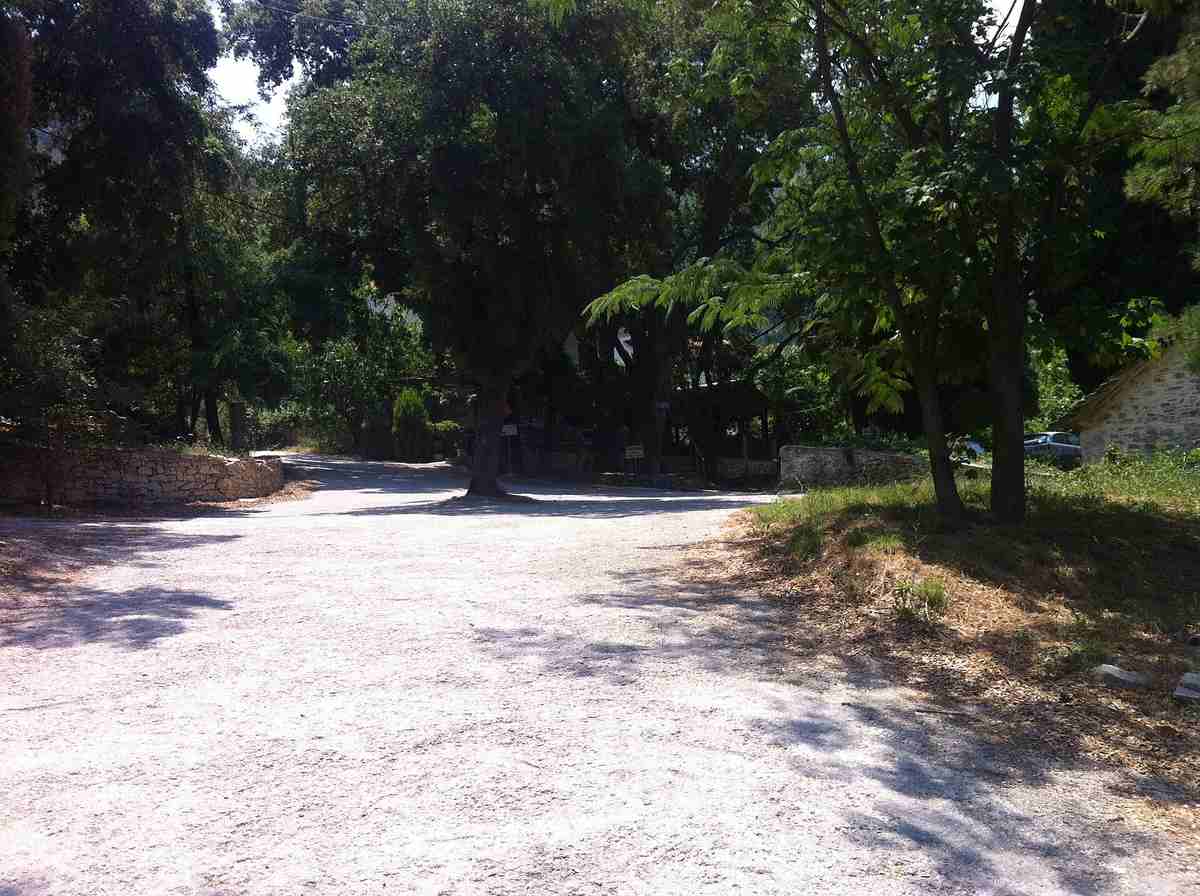
Prinos is an inland farming village on the north-west of Thassos, set back from the coast among dense olive groves. The village anchors the island’s agricultural heart, where families press olive oil, keep bees for honey, and gather each winter for the olive harvest. A square shaded by old plane trees forms the social centre, ringed by tavernas that cook with the produce of the surrounding land. Smaller hamlets scatter across the plain and the lower slopes, tied to Prinos by lanes that thread between the trees. The district trades the beach bustle of the resorts for the slow rhythm of a working countryside. Plan a quiet inland stay and explore the groves, the square, and the harvest with My Greece Tours.
Prinos rewards travellers who want the countryside side of Thassos rather than a crowded shore. The sections below cover the village’s farming identity, its location and access, the olive groves that fill the plain, the olive-oil and honey production that sustains the district, the annual harvest, the plane-tree square and its tavernas, and the case for a quiet inland base. Each section answers one clear question and points to what matters on the ground. The coastal port below handles the ferries and the beach, while the old mountain villages nearby climb the wooded hills. Read on to plan a day among the groves or a full week rooted in the agricultural heart of the island, from the winter harvest to the shaded evening square.
What defines Prinos village in Thassos?
Prinos is an inland agricultural village on the north-west of Thassos. Olive groves, honey, and a shaded plane-tree square define the district, the island’s farming heart, set back from the coast and its ferry port at Skala Prinos.
Prinos stands a few kilometres inland from the west coast, ringed by olive groves that climb from the plain toward the foothills. The village serves as the centre of a farming district rather than a beach resort, and its layout reflects that role. Stone houses gather around a central square shaded by tall plane trees, with a church, a cafe, and tavernas close at hand. Lanes run out from the square between groves and small holdings toward scattered hamlets on the slopes. Farmers here work olives, keep bees, and tend vegetable plots through the year. The pace stays slow and rooted in the land, far from the summer crowds. Prinos reads as an authentic working village, where agriculture, not tourism, sets the daily rhythm.
Olive groves form the defining feature of the land around Prinos, covering the plain and the lower slopes in silver-green canopy. Thassos has grown olives for its oil across a long history, and this north-west district ranks among its most productive corners. The village anchors that trade, with presses, storerooms, and cooperatives serving the surrounding farmers. Honey adds a second strand, as beekeepers set hives among the groves and the flowering hillside scrub. The old mountain villages of the Kazaviti villages rise in the hills just behind, sharing the same farming roots and traditions. Together these settlements form an inland network built on oil, honey, and the seasonal harvest. This concentration of groves and presses separates Prinos from the coastal resorts.
Daily life in Prinos revolves around the square, the groves, and the working calendar of the farm. Residents gather under the plane trees for coffee, conversation, and the slow business of village life. Tavernas around the square cook with local oil, honey, and vegetables grown in the nearby plots. Lanes carry tractors and pickups between the village and the terraced groves through the seasons. Visitors sense a settled community that welcomes travellers without reshaping itself for them. The square fills in the evening as families and neighbours meet after the day’s work in the fields. Shade, water from old springs, and the scent of the groves mark the village atmosphere. Prinos offers a genuine window onto the farming life that underpins the whole island.
Prinos stands apart from the purpose-built strips that line parts of the coast. The village grew around farming, and it keeps that character openly on show. Travellers who base themselves here trade sea views for groves, quiet, and a genuine local welcome. Prices in the tavernas and rooms tend to sit well below those in the busier resort towns. The district suits walkers, food lovers, and anyone curious about how the island really earns its living. Short drives reach the beaches, so the countryside base never feels cut off from the shore. The square, the groves, and the surrounding hamlets give the village real depth beyond a single sight. Prinos rewards visitors who value character and calm over a front-row spot on the sand.
Where is Prinos and how do you reach it?
Prinos lies a few kilometres inland on the north-west of Thassos, above its coastal port. The island ring road passes close by, linking the village north to Limenas and south along the coast, with the ferry landing at Skala Prinos nearby.
Prinos sits on the north-west flank of Thassos, set back from the sea on the gentle rise of the coastal plain. The village looks down over its own shoreline outlet, the port of Skala Prinos, a short drive downhill. That port handles the ferry crossing from the mainland city of Kavala, so many arrivals pass through. The main island ring road runs along the coast just below the village, tying it into the whole network. A drive north on that road reaches Limenas, the capital and main harbour, in under half an hour. The position places Prinos within easy reach of both ferry ports while keeping it clear of the coastal traffic. This inland setting shapes how travellers approach the village.
Cars offer the simplest way to reach Prinos and explore the groves and hamlets around it. Drivers arriving by ferry at Skala Prinos climb a short road inland to reach the shaded square. Those landing at Limenas follow the ring road south along the coast before turning up into the hills. Hire cars from the ports give the freedom to move between village, beach, and mountain at will. The lanes around Prinos suit unhurried driving, winding between olive groves and small settlements. Parking near the square stays straightforward outside the busiest summer evenings. The nearby settlement of Rachoni village sits a little further along the same stretch of coast and hills. A car turns the north-west corner into an easy touring ground.
Buses along the ring road connect the Prinos area with the main towns of the island. Services run north to Limenas and south toward Limenaria and Potos through the season. Stops sit on the coast road near Skala Prinos, a short distance below the inland village. Fares stay modest, making the bus a practical link for travellers without a car. Timetables thicken in high summer and thin outside the main months. The flat coastal road also suits cyclists riding between the western bays and villages. A short uphill walk or drive reaches the square at Prinos. Public transport covers the main coast well, though the inland lanes reward drivers. The village stays connected without demanding a car for every single trip.
Prinos occupies a central point on the western side of the island’s road network. A drive north reaches Limenas, its archaeological museum, and the ancient sites of the capital. A drive south leads along the coast to Limenaria, Potos, and the string of southern beaches. The mountain interior climbs directly behind the village toward pine forest and remote hill hamlets. The ferry at Skala Prinos adds the mainland to that list of easy excursions. Day trips fan out in every direction from this inland base, by car or by bus. Short distances keep travel time low, so a full loop of the island fits into a single day. The village balances seclusion with connection, tucked into the groves yet close to the main road.
Why is Prinos the agricultural heart of Thassos?
Prinos anchors the island’s most productive farmland, where broad olive groves, beehives, and vegetable plots fill the north-west plain. Generations of families have pressed oil and gathered honey here, making the village the working centre of Thassos agriculture.
Olive groves define the farmland around Prinos, spreading across the plain and up the terraced slopes in every direction. Thassos counts olives as its signature crop, and this north-west district holds some of the densest, oldest groves on the island. The village serves as the hub where farmers bring their fruit, press their oil, and store the finished harvest. Cooperatives and family presses cluster in and around the settlement, turning olives into the island’s prized oil. A closer look at Thassos olive oil shows how central the crop is to the local economy. The groves also shape the scenery, filling the plain with silver-green canopy from the shore to the hills. This concentration of trees and presses makes Prinos the natural centre of island farming.
Honey production forms the second pillar of the agricultural life around Prinos. Beekeepers set hives among the olive groves, the pine forest, and the flowering scrub of the hillsides. Thassian honey draws its flavour from pine, thyme, and the wildflowers spread across the varied land. The village and its hamlets host families who have kept bees for generations alongside their groves. Jars of local honey sell from roadside stalls, village shops, and the tavernas around the square. A guide to Thassos honey sets out how the island’s forests and flowers shape the taste. The pairing of oil and honey gives the district a double harvest and a steadier rural income. This combination roots Prinos firmly in the island’s long farming tradition.
Vegetable plots, orchards, and grazing land round out the farming landscape around the village. Families tend gardens of tomatoes, beans, and greens on the fertile plain behind the coast. Fruit trees and vines fill the corners between the olive groves and the houses. Animals graze the rougher ground on the slopes above the cultivated land. This mixed farming feeds the village kitchens and the tavernas around the shaded square. Produce travels only a short distance from plot to plate, keeping the food fresh and local. The working year turns through planting, tending, and harvest across these varied crops. Farmers pass skills and land down through families rooted in the district. This depth of cultivation confirms the village as the agricultural heart of the island.
Farming shapes not just the land around Prinos but the whole culture of the village. The calendar follows the crops, from spring blossom through summer growth to the winter olive harvest. Tavernas cook with oil, honey, and vegetables drawn straight from the surrounding plots and groves. Roadside stalls sell the district’s produce directly to travellers passing through the village. Visitors who explore the lanes see the working countryside up close, tractor by grove. The village square doubles as a meeting point for farmers and a social hub for the community. This living agriculture distinguishes Prinos from resort villages built purely for the summer trade. The district offers travellers a rare, honest look at how a Greek island truly feeds itself.
What role do olive oil and honey production play in Prinos?
Olive oil and honey drive the economy of Prinos. Winter presses turn the district’s olives into prized Thassian oil, while hives among the groves yield pine and wildflower honey, both sold locally and carried home by visitors as edible souvenirs.
Olive oil stands as the flagship product of Prinos and the groves that surround it. Oil from Thassos carries a respected name across northern Greece for its aroma and low acidity. Presses in and near the village process the winter pick into fresh oil within days. Family operations and cooperatives run these mills, working to methods handed down over generations. Cooks reach for the oil to dress vegetables, finish grilled fish, and enrich baked dishes. Containers sell from village shops, farm gates, and tavernas on the square. Travellers often leave with a tin or two as an edible memento. The chain from tree to mill to kitchen forms the backbone of village life. This product carries the name of Prinos beyond the island.
Honey production runs alongside oil as a mainstay of the Prinos economy. Beekeepers position hives among the olive groves, the pine woods, and the herb-covered slopes. The bees draw nectar from pine, thyme, and the wildflowers that carpet the hills in spring. Amber jars of the resulting honey line the shelves of village shops and roadside stands. Local families keep bees as a second craft beside their olive groves. The honey varies in colour and taste with the season and the source of the nectar. Cooks fold it into desserts, pair it with cheese, and spoon it over yoghurt. Visitors buy jars to carry the flavour of the hillsides home with them. This second harvest broadens the district’s income beyond the olive alone.
Selling direct to visitors gives producers around Prinos a valuable extra market. Roadside stalls and farm gates offer oil, honey, and other produce straight from the growers. Prices at source often undercut the shops in the resort towns along the coast. Travellers gain the chance to meet the families behind the products they buy. A tour of Thassos food and cuisine shows how these staples reach the island table. Village shops stock a fuller range, from bottled oil to jars of honey and preserves. Cooperatives handle larger volumes for sale across the island and the mainland beyond. This direct trade keeps money in the district and supports the farming families. The short path from producer to buyer defines commerce in the village.
Production shapes the working year and the character of the whole village. Winter brings the olive harvest and the busy weeks of pressing at the mills. Spring and summer see the bees at work and the hives slowly filling with honey. Autumn readies the groves and the presses for the coming pick. Families balance the two crops across the seasons, spreading their labour and income. The tavernas showcase the results, cooking with the village’s own oil and honey. Visitors taste the connection between the land and the plate at every meal. Roadside stalls turn the harvest into a small but steady tourist trade through the year. This rhythm of oil and honey gives Prinos a livelihood rooted firmly in its own soil.
What is the annual olive harvest like around Prinos?
The olive harvest around Prinos runs through the winter months, roughly November to January. Families and hired crews strip the groves by hand and net, then rush the fruit to the presses, filling the village with activity and the smell of fresh oil.
Winter marks the busiest season in the groves around Prinos, when the olive harvest begins. Picking usually runs from late autumn into the new year, as the fruit reaches full ripeness. Families gather in the groves with nets, rakes, and ladders to bring in the crop. Crews spread nets beneath the trees and comb the branches so the olives fall clean. The work draws relatives and hired hands together in a seasonal effort. Cool, bright winter days suit the labour among the terraced groves on the slopes. The harvest sets the pace of village life for several weeks each year. Prinos comes alive with tractors, crates, and the movement of fruit toward the presses. This annual gathering forms the high point of the farming calendar.
Pressing follows the picking quickly, as fresh olives yield the best oil within days. Growers haul crates of fruit down to the mills in and around the village. The presses run long hours through the harvest weeks to handle the incoming crop. Machinery washes, crushes, and separates the olives into oil and waste pulp. The first oil of the season flows green and cloudy, prized for its fresh, peppery taste. Families collect their own oil, keeping the harvest tied to each grove and household. The smell of crushed olives hangs over the village during the busiest days. Cooperatives coordinate larger batches for sale across the island and beyond its shores. This swift path from grove to mill protects the quality of the Thassian oil.
Community and tradition run through the harvest as strongly as the labour itself. Neighbours help one another strip the groves in turn across the district. Meals in the groves and around the square punctuate the long working days. Older methods survive alongside modern nets and mechanical aids in many family plots. Children learn the rhythm of the harvest from parents and grandparents each winter. The season binds the scattered hamlets around Prinos into a shared collective effort. Tavernas stay open through the picking, feeding hungry crews with hearty winter dishes. Stories and songs from past harvests pass around the tables after dark. This social side of the harvest keeps the village traditions alive from year to year.
Visitors who come in the harvest season see the district at its most alive. Groves fill with pickers, and the roads carry crates of fruit toward the mills. The presses often welcome curious travellers to watch the oil flow during the busy weeks. Cool, clear winter weather makes for pleasant walks between the working groves. Fresh oil appears on taverna tables and at roadside stalls straight from the press. The harvest offers a rare chance to see the island’s farming life in full swing. Few resorts stay busy this late, so the countryside holds the real activity. Rooms and tavernas in the village remain open for off-season guests. This window into the harvest rewards travellers who visit beyond the summer beach season.
What is the village square and taverna scene like in Prinos?
The heart of Prinos is a square shaded by old plane trees, cooled by spring water and ringed by tavernas. Cooks there serve local oil, honey, grilled meats, and garden vegetables, making the square the social and culinary centre of the village.
Plane trees shade the central square of Prinos, forming the social heart of the whole village. Their broad canopy cools the open space through the hottest summer months. Old springs feed water into the square, a traditional feature of the island’s inland villages. Stone houses, a church, and a cluster of tavernas frame the shaded ground. Villagers gather here for coffee in the morning and long conversation in the evening. Tables spread beneath the trees, filling steadily as the day cools toward dusk. The square doubles as a meeting point for farmers and a gathering place for families. Travellers find an easy, unforced welcome among the locals at the tables. This shaded square gives Prinos its distinctive, restful character throughout the season.
Tavernas around the square cook with the produce of the surrounding groves and plots. Menus lean on local olive oil, garden vegetables, grilled meats, and village honey. Family kitchens prepare slow-cooked dishes rooted in the food traditions of the island. Fresh bread, cheese, and salads accompany the heartier plates on the table. Prices sit comfortably below those of the coastal resorts, matching the village setting. Meals stretch long into the evening under the plane trees and the stars. Local dishes place the district’s cooking firmly within the island’s culinary tradition. The tavernas turn the day’s harvest into the evening’s meal within a few short steps. This farm-to-table cooking defines the whole experience of dining in the village.
Evenings bring the square to life as the working day winds down in the groves. Families, neighbours, and travellers fill the tables beneath the plane trees. Children play in the open space while adults talk over food and drink. The gentle bustle stays a world away from the loud beach bars of the coast. Cooks send out plate after plate of grilled meat, vegetables, and village specialities. Glasses of local wine and spirits accompany the long, relaxed meals. Musicians sometimes play at village feasts and church festivals through the summer. The square hosts these celebrations, drawing the scattered hamlets together for the evening. This nightly gathering forms the beating heart of village life in Prinos.
Lanes beyond the square reward a slow evening stroll through the old village. Stone houses, small chapels, and shaded corners line the quiet streets. Cats doze on doorsteps as the smell of cooking drifts from the tavernas. Old fountains and springs mark the village’s long relationship with water and the land. Walkers reach the edge of the groves within a few minutes of the square. The surrounding hamlets offer their own small squares and family-run kitchens. Views open toward the wooded hills and, in places, down toward the distant coast. The village keeps its authentic feel after dark, free of the glare of resort neon. This blend of square, lanes, and groves gives Prinos its lasting charm.
Why choose Prinos as a quiet inland base?
Prinos suits travellers who want authentic village life over a beach strip. The shaded square, low taverna prices, working groves, and central road position make it a restful inland base, with beaches and both ferry ports a short drive away.
Prinos makes a strong case as a calm, authentic base on Thassos. The village pairs genuine countryside life with easy reach of the coast and the ferry ports. Travellers who value quiet, food, and character over nightlife find the pace here well suited. Rooms and small guesthouses cluster around the square and among the surrounding groves. Prices for rooms and meals tend to undercut the busier coastal resorts by a clear margin. The shaded square, the tavernas, and the lanes lie within a short, easy stroll. Nights stay peaceful, broken only by the gentle sound of the tavernas at dinner. Beaches sit a short drive downhill for lazy days beside the sea. This restful, rooted setting draws visitors seeking the real island.
The inland setting brings its own quiet advantages to a stay in the village. Groves and hills replace the crowds and noise of the coastal strips. The countryside stays cooler and greener than the exposed beaches. Families settle into a safe, low-traffic village with space for children to roam. Older travellers value the flat square, the shade, and the short distances. Food lovers reach farm-fresh oil, honey, and vegetables at every taverna table. The working village offers a sense of place rather than a packaged resort. Walkers and cyclists explore the groves, lanes, and hamlets straight from the door. Guests trade sea views for authenticity, calm, and a genuine local welcome. This blend suits anyone after a true base rather than a beach dormitory.
Prinos sits at a useful point for touring the whole of Thassos by car. A drive downhill reaches the port and beaches at Skala Prinos in minutes. The ring road links north to Limenas and south to Limenaria and Potos. The mountain villages of the interior climb the slopes directly behind the plain. Day trips fan out in every direction from this central north-west position. The ferry to Kavala adds the mainland to the list of easy excursions. Travellers reach beaches, ruins, and hill villages within short, scenic drives. Buses on the coast road cover the main towns for car-free guests. Fuel, shops, and services line the nearby route for touring drivers. This connectivity makes the quiet village a genuinely practical touring base.
Prinos brings together farmland, village life, and easy island access in one place. Visitors eat, walk, and explore without the crowds or the noise of the resorts. The groves, the harvest, and the square set the village apart from beach-only bases. Its road position carries travellers to beaches, mountains, and both ferry ports alike. The village suits slow, restful weeks and shorter island breaks equally well. Families, couples, and solo travellers each find a comfortable footing here. Low prices, calm, and authentic food combine into a strong inland choice. A stay here captures the working, rooted side of the island. The olive groves and the shaded square frame days that never feel rushed. Prinos rewards travellers who want character, calm, and a genuine island base.
Frequently Asked Questions
Where is Prinos on Thassos?
Prinos lies inland on the north-west of Thassos, set back a few kilometres from the coast on the rising plain. The village sits above its own shoreline port, Skala Prinos, which handles the ferry crossing from the mainland city of Kavala. Olive groves surround the settlement on every side, climbing toward the wooded foothills behind. The island’s main ring road runs along the coast just below, linking the village north to Limenas, the capital, and south toward Limenaria and Potos. Smaller hamlets scatter across the plain and lower slopes, tied to Prinos by lanes threading between the groves. The old mountain villages of Mikros and Megalos Kazaviti climb the hills a short drive away. This inland position places Prinos at the agricultural heart of the north-west.
Is Prinos the same as Skala Prinos?
Prinos and Skala Prinos form two linked but distinct settlements on the north-west of Thassos. Prinos is the inland farming village, set back among the olive groves on the rising plain a few kilometres from the sea. Skala Prinos is its coastal port, the shore landing that grew as the village’s outlet to the water. The word skala means a shore landing in Greek, marking the port as the harbour of the inland village. Skala Prinos handles the ferry crossing from Kavala and fronts a long beach lined with tavernas. Prinos, by contrast, centres on a shaded plane-tree square, olive presses, and farmland. The two settlements share a name and a history but offer different experiences, one coastal and busy, the other inland and calm.
What is Prinos known for?
Prinos is known as the agricultural heart of Thassos, a farming village surrounded by some of the island’s densest olive groves. The district produces prized Thassian olive oil, pressed at family mills and cooperatives each winter. Honey forms a second speciality, drawn by bees from the pine woods, thyme, and wildflowers of the surrounding hills. The village centres on a square shaded by old plane trees and cooled by spring water, ringed by tavernas serving local produce. The annual olive harvest, running through the winter months, fills the groves and presses with activity. Smaller hamlets scatter across the plain around the village, sharing its farming roots. Visitors know Prinos for its authentic, working countryside, its farm-fresh food, and its calm alternative to the coastal resorts.
When is the olive harvest around Prinos?
The olive harvest around Prinos runs through the winter months, from late November into January, when the fruit reaches full ripeness. Families and hired crews spread nets beneath the trees and comb the branches so the olives fall clean. The picking draws relatives and neighbours together across the groves in an effort that lasts several weeks. Cool, bright winter days suit the labour among the terraced groves. Growers rush the fresh fruit to the presses within days, as prompt pressing yields the best oil. The mills run long hours through the harvest weeks to handle the crop. The first oil of the season flows green and peppery, prized by cooks across the island. Visitors who come in winter can watch the picking and pressing.
Is Prinos a good base for a Thassos holiday?
Prinos makes a calm, authentic base for a Thassos holiday, suited to travellers who prefer countryside over a beach strip. The village offers rooms and small guesthouses around a shaded square and among the olive groves, at prices below the coastal resorts. Tavernas serve farm-fresh food built on local oil, honey, and garden vegetables. The position on the north-west of the island places beaches, mountains, and both ferry ports within short, scenic drives. A drive downhill reaches the port and beach at Skala Prinos in minutes, while the ring road links north to Limenas and south to the resorts. Buses on the coast road cover the main towns for travellers without a car. Prinos rewards visitors who want authenticity, calm, and a true sense of island life.
What can you eat in Prinos?
Food in Prinos draws on the produce of the surrounding groves, plots, and hills, served in the tavernas around the shaded square. Local olive oil dresses salads, fries fish, and enriches the slow-cooked dishes of the island’s cooking. Village honey appears in desserts, paired with cheese, or spooned over yoghurt. Grilled meats, garden vegetables, fresh bread, and local cheese fill the taverna menus through the season. Family kitchens prepare traditional recipes rooted in the farming life of the district. Meals stretch long into the evening beneath the plane trees, with local wine and spirits. Roadside stalls and village shops sell oil, honey, and preserves to carry home. The short path from grove to plate gives the food in Prinos a real freshness.