
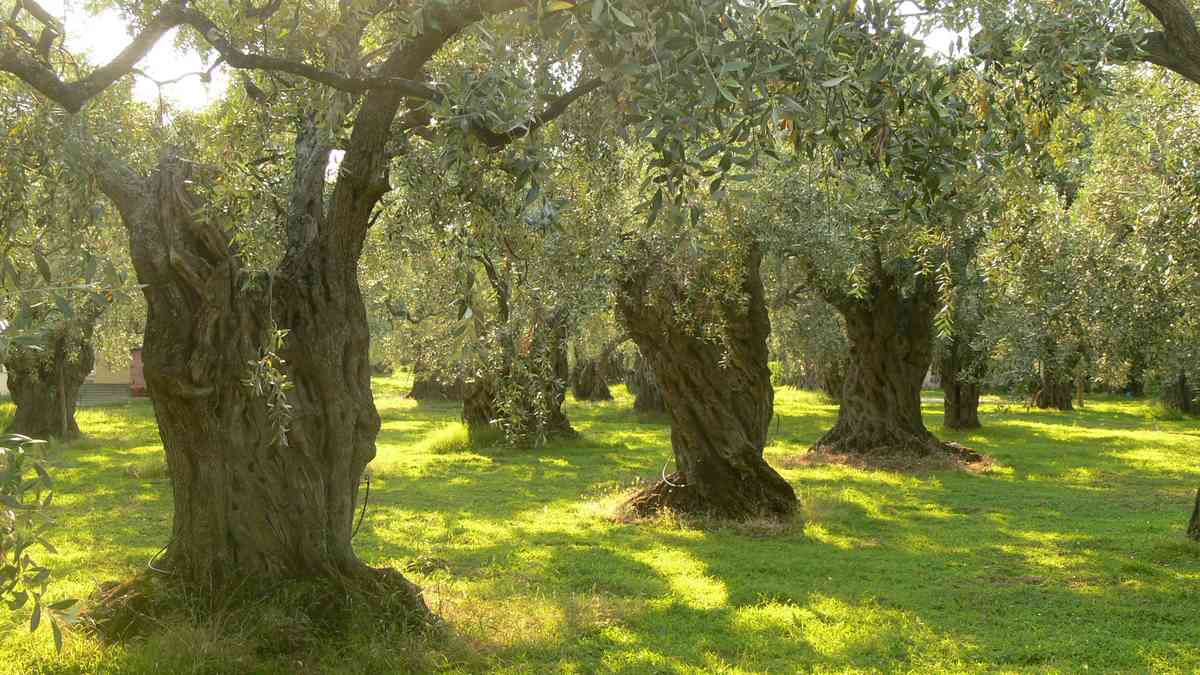
Thassos, a picturesque island in the northern Aegean, is not only known for its stunning landscapes but also for its exceptional olive oil. The island’s olive oil, especially the extra virgin variety, is celebrated for its robust aroma, rich colour, and unique taste, thanks to its low acidity. This premium product is derived from the Thasitiki olive variety, and the island is home to the Throuba Thassos, a distinctive black table olive. The olive groves, with trees that have stood for centuries, are a testament to the island’s enduring agricultural heritage. Visitors can explore the olive mills and even purchase this exquisite oil directly from local producers, making it an integral part of the island’s culture and economy with My Greece Tours.
Thassos olive oil is a staple of the island’s rich culinary tradition, alongside honey, walnuts, and fresh fish. The island boasts numerous small factories dedicated to producing only extra virgin olive oil through traditional cold extraction methods. Visitors can witness the entire process, from harvest to pressing, and even buy oil directly from village cooperatives. The sections below cover the history, production, and cultural significance of Thassos olive oil in detail. For a comprehensive exploration of the island’s offerings, including its culinary delights, consider visiting Thassos tours.
What makes Thassos olive oil unique?
Thassos olive oil is distinguished by its low acidity, giving it superior colour, aroma, and taste.
The olive oil produced on Thassos is known for its quality, largely attributed to the island’s unique climate and soil conditions. The Thasitiki olive variety, predominantly used for oil production, thrives in these conditions, resulting in an oil with low acidity. This low acidity enhances both the taste and the aroma, making it a sought-after product among connoisseurs. The island’s traditional methods of cold extraction further add to the oil’s superior quality, ensuring that the natural flavours and nutrients are preserved. The olive oil is a staple in local dishes, highlighting its integral role in Thassos’s gastronomic culture.
Olive groves are a prominent feature of Thassos’s landscape, with trees that have flourished for centuries. These ancient groves, particularly around villages like Kazaviti, Theologos, and Panagia, are an integral part of the island’s agricultural heritage. The trees are meticulously tended to by local farmers who have passed down their knowledge through generations. This commitment to traditional practices and the preservation of ancient groves contribute significantly to the uniqueness of Thassos olive oil. These groves not only provide economic benefits but also enhance the island’s scenic beauty, attracting tourists.
The Throuba Thassos olive, which carries a protected designation status, is another factor that sets Thassos olive oil apart. This distinctive black table olive is naturally cured without brine, enhancing its rich flavour and making it a prized ingredient in local cuisine. The oil produced from these olives is similarly valued for its authenticity and purity. Visitors to the island can experience this firsthand by visiting local mills and tasting the oil directly from the source. The preservation of traditional methods ensures that the quality of the olive oil remains consistent.
Thassos’s olive oil is not just a culinary product; it is a cultural emblem of the island. Its production and consumption are deeply woven into the social and economic fabric of Thassos. Festivals and local events often celebrate the harvest season, highlighting the oil’s importance to the community. This cultural significance, combined with its exceptional quality, makes Thassos olive oil truly unique in the world of gastronomy. The island’s dedication to preserving its agricultural heritage contributes to the global reputation of its olive oil.
How is Thassos olive oil produced?
Thassos olive oil is produced using traditional cold extraction methods in small factories across the island.
The production of Thassos olive oil begins with the careful harvesting of olives. Green olives are picked in September, while the black ones are harvested in November. This timing is crucial to ensure the quality of the oil. The olives are collected by hand, a practice that has been maintained to minimise damage to the fruit and preserve its quality. This meticulous approach is a hallmark of Thassos’s dedication to producing superior olive oil. The careful selection and handling of the olives are essential steps in maintaining the oil’s renowned taste and quality.
Once harvested, the olives are transported to small factories scattered across the island. These facilities are equipped to press only extra virgin olive oil, ensuring the highest quality product. The traditional cold extraction method is employed to preserve the oil’s natural flavours and nutrients. This process involves pressing the olives without the use of heat, which can degrade the quality of the oil. The result is a pure, unrefined product that retains all its beneficial properties. The commitment to these traditional methods reflects the island’s dedication to quality and authenticity.
The Thasitiki olive variety, used primarily for oil production, is known for its high-quality oil yield. This variety is carefully selected to ensure the oil’s distinctive taste and aroma. The process of pressing the olives is closely monitored by skilled artisans who have honed their craft over generations. Their expertise and attention to detail are evident in every bottle of Thassos olive oil, which is revered for its superior taste and health benefits. The artisans’ dedication to their craft ensures that each batch of olive oil meets the highest standards.
Visitors to Thassos can witness the production process firsthand by touring the local olive mills. These tours offer an insight into the traditional methods used and the care taken at each step of production. Guests can also purchase fresh olive oil directly from the mills, ensuring they take home a genuine piece of Thassos’s culinary heritage. The opportunity to experience the production process adds to the appreciation of the oil’s quality and significance.
What are the different varieties of olives used on Thassos?
Thassos primarily uses the Thasitiki variety for oil and the Throuba Thassos for table olives.
The olive varieties on Thassos are integral to the island’s renowned oil and cuisine. The Thasitiki olive is the primary variety used for oil production, known for its rich oil content and distinctive flavour. This variety thrives in the island’s unique climate and soil conditions, contributing to the superior quality of Thassos olive oil. The Thasitiki olives are carefully harvested and processed to ensure that the oil retains its low acidity and robust taste, characteristics that are highly prized by enthusiasts. The island’s commitment to quality is evident in the careful cultivation of these olives.
The Throuba Thassos olive stands alongside the Thasitiki variety as the island’s most famous fruit. This black table olive is renowned for its unique appearance and flavour. Unlike many other olives, the Throuba Thassos ripens naturally on the tree, developing a distinctive wrinkled texture. These olives are cured naturally without brine, which preserves their authentic taste and enhances their nutritional value. The Throuba olive holds a protected designation status, underscoring its cultural and culinary importance to the island. The natural curing process contributes to the olive’s unique taste and popularity.
The cultivation of these olive varieties is deeply rooted in Thassos’s agricultural traditions. The island’s farmers employ age-old techniques to nurture the olive trees and ensure a bountiful harvest. This dedication to maintaining traditional practices is evident in the quality of the olives produced. The trees are carefully pruned and tended to, with each step of the process aimed at enhancing the fruit’s natural characteristics and ensuring the sustainability of the groves. The continuous care and attention to the groves are crucial for maintaining the high standards of olive production on Thassos.
Visitors to Thassos have the opportunity to explore the olive groves and learn about the different varieties grown on the island. Many local producers offer guided tours of their groves, providing insights into the cultivation and harvesting processes. These tours are an excellent way to appreciate the hard work and dedication that go into producing the island’s exceptional olives and olive oil, making it a must-visit experience for anyone interested in Thassos’s rich agricultural heritage. The tours often include tastings, allowing visitors to savour the unique flavours of Thassos olives.
Where can visitors buy Thassos olive oil?
Visitors can buy Thassos olive oil directly from village mills and cooperatives across the island.
The island of Thassos offers numerous opportunities for visitors to purchase its renowned olive oil. Local mills and cooperatives, scattered across the island, provide direct sales to consumers. This allows visitors to acquire fresh, high-quality olive oil while supporting the local economy. These purchases are often accompanied by personal interactions with the producers, who are happy to share their knowledge and passion for olive oil production. The direct purchase from producers ensures authenticity and quality, providing a genuine taste of Thassos.
Kazaviti, Theologos, and Panagia are among the villages where visitors can find local mills selling authentic Thassos olive oil. These villages are not only known for their scenic beauty but also for their rich agricultural traditions. Visitors can explore the picturesque landscapes, visit the olive groves, and purchase oil directly from the mills. This direct purchase ensures the authenticity of the oil and offers a unique insight into the island’s cultural heritage. The opportunity to interact with local producers provides a deeper appreciation of the traditional production methods.
Local markets and specialty shops across Thassos offer a selection of olive oils beyond the mills and cooperatives. These venues provide an array of products, including the distinctive Agoureleo, a fresh, peppery green olive oil made from early-harvested green olives. Purchasing from these outlets allows visitors to experience the diverse range of olive oils produced on the island, each with its unique flavour profile and culinary applications. The variety of available products caters to different tastes and preferences, enhancing the culinary experience.
For those interested in a comprehensive experience, guided tours of the olive mills and groves are available. These tours often include tastings and opportunities to purchase olive oil directly from the producers. Such tours provide a deeper understanding of the production process and the cultural significance of olive oil in Thassos. They are an excellent way for visitors to engage with the local community and appreciate the island’s rich agricultural heritage. The chance to witness the production process firsthand adds to the value of the experience.
How does Thassos olive oil influence local cuisine?
Thassos olive oil is a cornerstone of the island’s cuisine, enhancing dishes alongside honey, walnuts, and fresh fish.
Thassos olive oil is a fundamental ingredient in the island’s culinary tradition. Its rich flavour and low acidity make it a versatile component in a variety of dishes. Local chefs and home cooks alike use this oil to enhance the taste of salads, marinades, and cooked dishes. The oil’s robust aroma and distinctive taste elevate simple ingredients, turning them into culinary delights. This makes it an indispensable part of the island’s gastronomy. The integration of olive oil into daily cooking highlights its importance in Thassian cuisine.
The island’s cuisine is characterised by its reliance on fresh, local ingredients, with olive oil serving as a key element. It is often used in traditional Thassian recipes, adding depth and richness to the flavours. The oil pairs beautifully with other local staples such as honey, walnuts, and fresh fish, creating a harmonious balance of tastes. This synergy of flavours is a hallmark of Thassian cooking and a testament to the island’s rich culinary heritage. The combination of these ingredients creates a unique and memorable dining experience.
Visitors to Thassos can experience the island’s unique cuisine firsthand by dining at local tavernas and restaurants. These establishments often feature dishes that showcase the island’s premium olive oil, allowing diners to savour its distinctive taste. Many restaurants pride themselves on using locally sourced ingredients, including olive oil, to create authentic Thassian dishes. This commitment to tradition and quality is evident in every bite, offering a true taste of the island. The emphasis on local products enhances the authenticity and quality of the dining experience.
For those interested in learning more about Thassian cuisine, culinary tours and cooking classes are available. These experiences often include visits to olive groves and mills, where participants can learn about the production of olive oil and its role in the local diet. Such tours provide a deeper understanding of the island’s gastronomic traditions and offer a unique opportunity to engage with the local culture. They are an excellent way for visitors to immerse themselves in the flavours and traditions of Thassos. The hands-on experience provides valuable insights into the island’s culinary practices.
What is the history of olive oil production on Thassos?
Olive oil production on Thassos has been a significant source of income for generations, deeply rooted in the island’s history.
The history of olive oil production on Thassos dates back centuries, playing a crucial role in the island’s economy and culture. Olive trees have been cultivated on the island for generations, providing a sustainable source of income for local families. The practices and techniques used in olive oil production have been passed down through the ages, preserving the island’s rich agricultural heritage. This continuity has ensured the survival of traditional methods, which contribute to the exceptional quality of Thassos olive oil. The historical significance of olive oil production is evident in the island’s cultural traditions.
The island’s unique climate and fertile soil have long supported the cultivation of olive trees. These conditions, combined with the expertise of local farmers, have resulted in the production of high-quality olive oil that is celebrated for its flavour and nutritional benefits. The Thasitiki olive variety, in particular, has been cultivated for its oil-producing qualities, with historical records indicating its significance in the island’s agricultural economy. The combination of ideal growing conditions and skilled cultivation techniques has cemented the reputation of Thassos olive oil.
Olive oil production is not only an economic activity but also a cultural tradition on Thassos. Festivals and events celebrating the olive harvest are a testament to the oil’s importance in the local community. These gatherings provide an opportunity for locals and visitors alike to honour the island’s agricultural past and present. The celebrations often include demonstrations of traditional harvesting and pressing techniques, highlighting the craftsmanship and dedication involved in producing Thassos olive oil. The cultural celebrations reinforce the deep connection between the community and olive oil production.
The enduring legacy of olive oil production on Thassos is evident in the island’s landscape, dotted with ancient olive trees. These trees, some of which are centuries old, stand as living monuments to the island’s agricultural history. Their presence is a reminder of the generations of Thassians who have relied on olive oil as a staple of their livelihoods. This deep connection to the land and its produce is a defining characteristic of Thassian culture, making olive oil production an integral part of the island’s identity. The preservation of these ancient groves highlights the importance of tradition in Thassos agriculture.
Why is the Throuba Thassos olive significant?
The Throuba Thassos olive is significant for its unique characteristics and protected designation status.
The Throuba Thassos olive is renowned for its distinctive appearance and taste, setting it apart from other olive varieties. This black table olive develops its unique wrinkled texture as it ripens naturally on the tree. Unlike many other olives, the Throuba is cured without brine, preserving its authentic flavour and nutritional value. Its taste is rich and robust, making it a prized ingredient in both local and international cuisines. The olive’s unique characteristics have earned it a protected designation status, underscoring its cultural and culinary importance to Thassos. The unique curing process enhances the olive’s flavour and appeal.
The cultivation of Throuba Thassos olives is deeply embedded in the island’s agricultural traditions. Farmers on Thassos have honed their techniques over generations, ensuring that the olives are harvested at the peak of ripeness. This careful approach to cultivation and curing reflects the island’s commitment to quality and authenticity. The Throuba olive is a testament to the expertise and dedication of Thassos’s farmers, who have maintained these practices despite the challenges of modern agriculture. The farmers’ dedication to preserving traditional methods ensures the continued success of Throuba olive production.
The Throuba Thassos olive plays a significant role in the island’s economy well beyond its culinary uses. The olive’s protected status has helped to boost its reputation and demand, both locally and internationally. This has provided a valuable source of income for local producers, who continue to uphold the traditions that have made the Throuba olive so revered. The economic benefits of this protected status have been instrumental in supporting the island’s agricultural community and preserving its cultural heritage. The increased demand for Throuba olives has strengthened the local economy and supported sustainable farming practices.
Visitors to Thassos can experience the unique flavour of the Throuba olive by sampling it at local markets and tavernas. Many restaurants incorporate the olive into their dishes, allowing diners to savour its distinctive taste. Guided tours of olive groves and mills often include tastings of the Throuba olive, providing an opportunity to learn more about its production and significance. These experiences offer a deeper appreciation of the Throuba Thassos olive and its role in the island’s culinary and cultural landscape. The opportunity to taste the olives and learn about their production enhances the visitor experience.
Frequently Asked Questions
What is the main olive variety used for Thassos olive oil?
The main olive variety used for Thassos olive oil is the Thasitiki olive. This variety is known for its rich oil content and distinctive flavour, making it ideal for producing high-quality extra virgin olive oil. The Thasitiki olives are carefully harvested and processed to ensure the oil’s superior taste and low acidity.
Where are the olive groves located on Thassos?
The olive groves on Thassos are primarily located on the hillsides around villages such as Kazaviti, Theologos, and Panagia. These ancient groves are a prominent feature of the island’s landscape and have been cultivated for generations, contributing to the production of Thassos’s renowned olive oil.
Can visitors tour olive mills on Thassos?
Yes, visitors can tour olive mills on Thassos. These tours provide an insight into the traditional methods of olive oil production and often include tastings. Guests can learn about the entire process, from harvesting to pressing, and purchase fresh olive oil directly from the mills.
What is Agoureleo?
Agoureleo is a fresh, peppery green olive oil made from early-harvested green olives on Thassos. This oil is known for its vibrant flavour and is produced using traditional cold extraction methods. Agoureleo is a popular choice for enhancing salads and other dishes with its distinct taste.
How does Thassos olive oil compare to other Greek oils?
Thassos olive oil is renowned for its low acidity, which gives it a superior taste, aroma, and colour compared to other Greek oils. The traditional production methods and the unique Thasitiki olive variety contribute to its exceptional quality, making it a prized product among olive oil enthusiasts.
What is the significance of olive oil in Thassos’s culture?
Olive oil is a cornerstone of Thassos’s culture and economy, deeply embedded in the island’s traditions. It plays a significant role in local cuisine and is celebrated in festivals and events. Olive oil production has provided a sustainable income for generations of Thassians, reflecting its cultural importance.