
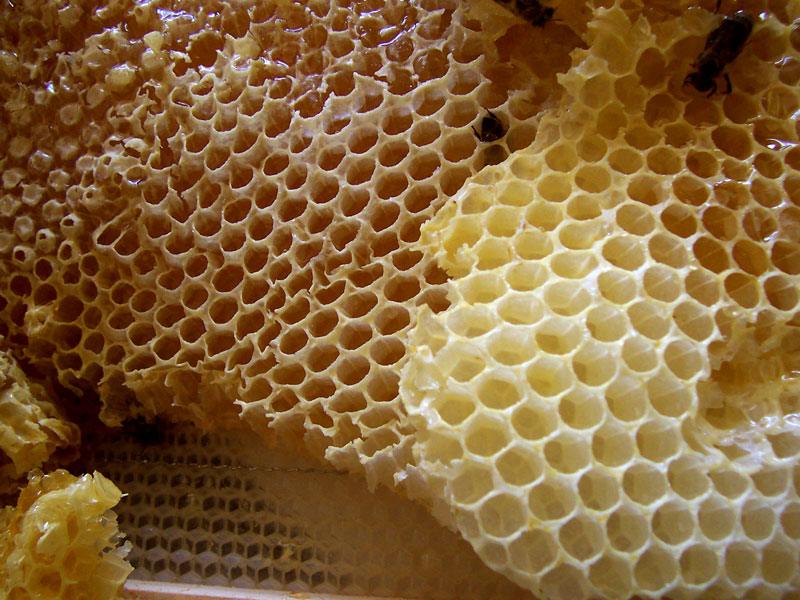
Thassos, an island renowned for its rich beekeeping traditions, produces some of the finest honey in Greece. This island’s pine forests, home to the endemic Pinus brutia and Pinus pallasiana, provide the perfect environment for bees to thrive. The signature pine honey, darker and thicker when harvested in autumn, is rich in trace minerals, offering a unique taste experience. Alongside pine honey, Thassos produces thyme, heather, and orange-blossom honey, each with its distinct flavour profile. These honeys are available for purchase directly from producers in villages like Theologos and Panagia, pairing beautifully with local delicacies. Discover the rich flavours and traditions of Thassos honey with My Greece Tours.
The island of Thassos is not only a scenic destination but also a prominent centre for honey production in Greece. Known for its aromatic pine and thyme honeys, Thassos offers visitors a taste of its rich natural heritage. The sections below cover the intricacies of Thassos honey, including its production, varieties, and cultural significance. Whether visiting the rustic villages of Theologos, Maries, or exploring the island’s flora on a hike up Mount Ipsarion, the honey of Thassos remains a must-try. For a comprehensive guide to this sweet delicacy, explore Thassos tours.
What makes Thassos honey unique?
Thassos honey is unique due to its aromatic complexity, derived from the island’s endemic pine forests and wild thyme. These natural elements contribute to its distinct flavour and high mineral content.
Thassos honey stands out because of its connection to the island’s unique flora. The endemic pines, Pinus brutia and Pinus pallasiana, are crucial to its production. These pines provide secretions that feed the bees, resulting in honey rich in trace minerals. This mineral content gives Thassos honey its characteristic flavour and nutritional benefits. Pine honey, especially, is thicker and darker when harvested in autumn, adding to its unique appeal. The island’s varied elevation and microclimates further influence the floral diversity, enhancing the honey’s complexity. The beekeeping practices on Thassos have been refined over generations, ensuring each batch of honey is of the highest quality.
The presence of wild thyme on Thassos further enhances the honey’s uniqueness. Known as the king of honey, thyme honey boasts a bold flavour and deep amber colour. This aromatic herb grows abundantly across the island, infusing the honey with a distinctive taste that is both rich and complex. The combination of pine and thyme creates a flavour profile that is difficult to find elsewhere. This biodiversity is a testament to the island’s pristine environment and the sustainable beekeeping practices of the local producers. Each jar of honey captures the essence of the island’s natural beauty, making it a cherished product.
The production methods used by Thassos beekeepers also contribute to the honey’s uniqueness. A small number of beekeepers move their hives into chestnut forests before gathering pine honey. This harder method prepares the bee colonies more effectively, resulting in a higher quality product. Such dedication and traditional practices ensure that Thassos honey maintains its high standards and reputation. The careful selection of bee foraging areas ensures that each jar of honey captures the essence of Thassos. This meticulous process is what makes the honey from Thassos so highly regarded among connoisseurs.
Visitors to Thassos can experience this unique honey firsthand by purchasing directly from local producers. Villages like Theologos and Panagia are known for their honey sales, allowing travellers to engage with the beekeeping community. This direct interaction not only supports local producers but also provides a genuine taste of Thassos’s natural bounty. Engaging with these communities allows visitors to understand the dedication behind every spoonful of this exceptional honey. Experiencing the island’s honey in its place of origin adds depth to its already rich flavour profile.
How is Thassos honey produced?
Thassos honey is produced by bees feeding on secretions from endemic pines and wild thyme. Beekeepers may move hives to chestnut forests to prepare colonies, enhancing the honey’s quality.
The production of Thassos honey begins with the island’s diverse flora. Bees primarily feed on the secretions from the endemic pines, Pinus brutia and Pinus pallasiana, which are abundant on the island. These secretions are rich in minerals, contributing to the honey’s unique flavour and nutritional profile. The bees also gather nectar from wild thyme, further enhancing the honey’s aromatic qualities. This intricate process results in honey that embodies the essence of Thassos’s natural landscapes. The island’s microclimates and varied terrain play a significant role in the diversity of plant life available to the bees.
A unique aspect of Thassos honey production is the practice of moving beehives. Some beekeepers transfer their hives into chestnut forests before collecting pine honey. This practice prepares the bee colonies more effectively, leading to a higher quality honey. While this method requires more effort, it results in a product that stands out for its purity and flavour. The movement of hives is a strategic decision that reflects the beekeepers’ deep understanding of their environment. The chestnut forests provide an ideal setting for bees to prepare for the pine honey season, ensuring a rich harvest.
Beekeepers on Thassos are dedicated to maintaining traditional methods. The Apicultural Cooperative of Thasos plays a vital role in supporting local producers, ensuring that the honey meets high standards. The cooperative helps in the distribution of honey, pollen, royal jelly, and beeswax across the island, promoting the unique qualities of Thassos honey to a broader audience. This network of support and knowledge sharing strengthens the island’s beekeeping heritage. The cooperative’s efforts ensure that the honey of Thassos retains its esteemed reputation in the market.
Visitors to the island can witness the honey production process firsthand. Many villages, such as Maries and Panagia, offer opportunities to learn about beekeeping traditions. These interactions provide insight into the meticulous care and effort involved in producing Thassos honey, enhancing the appreciation for this natural delicacy. Observing the beekeepers’ craft offers a deeper understanding of the symbiotic relationship between the island’s flora and its honey. Participating in these experiences allows visitors to connect with the island’s cultural and natural heritage.
Why is pine honey significant in Thassos?
Pine honey is significant in Thassos due to its dominant production, making up a large portion of Greek honey. Its rich mineral content and thicker texture are distinctive features.
Pine honey holds great significance in Thassos due to its widespread production and unique characteristics. Approximately 65 percent of all Greek honey comes from pine, with Thassos being a leading source. The island’s endemic pines, Pinus brutia and Pinus pallasiana, are integral to this production. The secretions from these trees provide the essential nutrients that bees need to create this distinctive honey. This close relationship between the island’s flora and its honey underscores the importance of environmental preservation. The rich biodiversity of Thassos supports a thriving beekeeping industry, integral to the local economy.
The mineral richness of pine honey sets it apart from other varieties. Harvested in autumn, this honey is thicker and darker than its spring counterpart. This seasonal variation adds complexity to its flavour, making it a sought-after product. The high mineral content not only contributes to its taste but also enhances its nutritional value, making it a favourite among health-conscious consumers. The autumn harvest captures the full spectrum of the island’s natural flavours. This distinctive quality of pine honey makes it a staple in local households and beyond.
Thassos’s beekeepers play a crucial role in maintaining the quality of pine honey. By employing traditional techniques, such as moving hives into chestnut forests, they ensure the production of pure pine honey. This dedication to quality results in a product that is both authentic and superior in taste. The efforts of these beekeepers are supported by organisations like the Apicultural Cooperative of Thasos, which helps in marketing and distribution. The cooperative’s role is essential in bringing this exceptional honey to a wider audience. The collaboration between beekeepers and the cooperative ensures that Thassos honey maintains its high standards.
Visitors to Thassos can explore the significance of pine honey by visiting local producers. Villages such as Theologos and Panagia offer opportunities to purchase directly from beekeepers, ensuring an authentic experience. This direct interaction allows travellers to appreciate the care and effort involved in producing this unique honey, enhancing their understanding of Thassos’s rich beekeeping heritage. Tasting the honey in its place of origin provides a deeper connection to the island’s natural beauty. Experiencing the honey firsthand offers insight into the island’s traditional practices and ecological richness.
What varieties of honey does Thassos produce?
Thassos produces pine, thyme, heather, and orange-blossom honey. Each variety offers distinct flavours and aromas, reflecting the island’s diverse flora.
Thassos is renowned for producing a variety of honeys, each with its distinct characteristics. Pine honey is the most prominent, known for its rich mineral content and thicker texture. The endemic pines, Pinus brutia and Pinus pallasiana, provide the secretions that the bees use to create this unique honey. Its darker, thicker appearance when harvested in autumn is a testament to its quality and richness. This honey is a staple in the local economy and a symbol of the island’s natural wealth. The production of pine honey is a deeply rooted tradition that showcases the island’s environmental diversity.
Thyme honey is another celebrated variety produced on Thassos. Often referred to as the king of honey, it boasts a bold flavour and deep amber colour. The wild thyme that grows abundantly on the island infuses the honey with a distinctive taste that is both aromatic and complex. This variety is highly prized for its unique flavour profile and is a favourite among honey connoisseurs. The vibrant thyme fields contribute to the island’s biodiversity and ecological balance. This honey reflects the island’s commitment to preserving its natural habitats.
Heather and orange-blossom honey round out the island range alongside the pine and thyme varieties. Heather honey is known for its subtle floral notes and smooth texture, offering a lighter alternative to the more robust pine and thyme varieties. Orange-blossom honey, with its delicate citrus undertones, provides a refreshing taste experience. Each of these honeys reflects the diverse flora of Thassos, offering a unique taste of the island’s natural environment. The seasonal availability of these honeys adds to their allure, making each variety a special treat.
Visitors to Thassos have the opportunity to sample these various honeys directly from local producers. Villages such as Maries and Panagia are known for their honey sales, allowing travellers to engage with the beekeeping community. This direct interaction not only supports local producers but also provides a genuine taste of Thassos’s natural bounty. Sampling these honeys offers a sensory journey through the island’s landscapes and traditions. Experiencing the diverse flavours of Thassos honey enhances the overall appreciation of the island’s cultural and natural heritage.
How does Thassos honey pair with local foods?
Thassos honey pairs excellently with local foods like walnuts, yoghurt, and olive oil. Its rich flavours complement these ingredients, enhancing their taste and nutritional profile.
Thassos honey is a versatile ingredient that pairs beautifully with a variety of local foods. One of the most popular combinations is honey with walnuts. The rich, nutty flavour of the walnuts complements the complex taste of the honey, creating a delightful contrast. This pairing is not only delicious but also offers numerous health benefits, as both ingredients are rich in antioxidants and essential nutrients. The local walnut groves provide a fresh and flavourful accompaniment to the honey. This combination is a staple in the island’s culinary traditions, enjoyed by locals and visitors alike.
Yoghurt is another local food that pairs exceptionally well with Thassos honey. The creamy texture of the yoghurt provides a perfect base for the honey’s rich flavours. This combination is a staple in Greek cuisine and is often enjoyed as a breakfast or dessert. The honey adds a natural sweetness to the yoghurt, enhancing its taste and providing a nutritious start to the day. The locally produced yoghurt is known for its quality and freshness. This pairing is a testament to the island’s rich dairy production and culinary heritage.
Thassos’s renowned olive oil also pairs well with its honey. The smooth, fruity notes of the olive oil complement the honey’s aromatic qualities, creating a harmonious blend of flavours. This combination can be used in salad dressings, marinades, or simply drizzled over fresh bread. The marriage of these two local products highlights the rich culinary heritage of Thassos and offers a taste experience that is both authentic and satisfying. The island’s olive groves are a testament to its agricultural traditions. This pairing reflects the deep connection between the island’s natural resources and its culinary practices.
Visitors to Thassos can explore these pairings by sampling local delicacies at traditional tavernas and markets. Many restaurants and eateries incorporate honey into their dishes, offering a taste of the island’s culinary traditions. This exploration of local foods provides an opportunity to appreciate the versatility and richness of Thassos honey, enhancing the overall travel experience. Experiencing these pairings in their cultural context enriches the visitor’s understanding of the island’s gastronomy. The island’s vibrant food culture is a reflection of its diverse natural bounty and historical influences.
Where can visitors buy Thassos honey?
Visitors can buy Thassos honey directly from producers in villages like Theologos, Maries, and Panagia. These locations offer authentic products and support local beekeepers.
Visitors to Thassos can purchase honey directly from local producers, ensuring an authentic and high-quality product. The village of Theologos is a popular destination for honey shopping. Known for its traditional architecture and rich history, Theologos offers a range of honey varieties, including pine and thyme. Buying directly from producers allows visitors to engage with the beekeeping community and learn about the production process. This village is a hub for cultural and culinary exploration. The unique setting of Theologos adds to the charm of purchasing honey directly from its source.
Maries is another village where visitors can purchase Thassos honey. This quaint village is nestled in the island’s lush interior, providing a picturesque setting for honey shopping. Local producers in Maries offer a variety of honeys, each reflecting the unique flavours of the island’s flora. The opportunity to buy honey directly from the source ensures that visitors receive a product that is both fresh and authentic. Maries is known for its vibrant community and dedication to traditional practices. The village’s scenic beauty enhances the experience of purchasing local honey.
Panagia, a charming village on Thassos, is also known for its honey sales. The local producers in Panagia are dedicated to maintaining traditional beekeeping practices, ensuring the quality and authenticity of their honey. Visitors can explore the village’s narrow streets and discover a range of honey products, from pine to orange-blossom, each offering a taste of Thassos’s natural bounty. Panagia’s scenic beauty and welcoming atmosphere make it a delightful stop for honey enthusiasts. The village’s rich cultural heritage is reflected in its honey production.
For those interested in a more comprehensive exploration of Thassos honey, guided tours are available. These tours provide an opportunity to visit multiple villages, meet local producers, and sample a variety of honeys. This experience not only enhances the appreciation of Thassos honey but also supports the island’s beekeeping community, contributing to the preservation of this rich tradition. Engaging with these tours offers insights into the island’s cultural and natural history. The guided tours provide a deeper understanding of the island’s beekeeping practices and their significance.
What role does the Apicultural Cooperative of Thasos play?
The Apicultural Cooperative of Thasos supports local beekeepers by ensuring high standards in honey production and aiding in marketing and distribution across the island.
The Apicultural Cooperative of Thasos plays a vital role in the island’s beekeeping industry. This organisation supports local beekeepers by promoting traditional methods and ensuring high standards in honey production. By maintaining these standards, the cooperative helps preserve the unique qualities of Thassos honey, ensuring that it remains a sought-after product both locally and internationally. The cooperative’s commitment to quality is evident in every jar of honey produced. The support provided by the cooperative strengthens the island’s reputation as a centre for premium honey production.
Marketing and distribution are key functions of the Apicultural Cooperative of Thasos. The cooperative aids local producers in reaching a broader audience, ensuring that the honey is available across the island. This support is crucial for small-scale beekeepers who may lack the resources to market their products independently. By facilitating distribution, the cooperative helps sustain the island’s beekeeping industry and promotes Thassos honey as a premium product. The cooperative’s efforts ensure that the honey reaches consumers who appreciate its unique qualities. The cooperative’s marketing strategies are essential for the growth of the local honey market.
The cooperative also plays an educational role, providing resources and training for local beekeepers. This support helps producers adopt best practices, enhancing the quality and sustainability of their honey production. By promoting knowledge sharing and collaboration, the cooperative fosters a strong beekeeping community on Thassos, ensuring the continuation of this rich tradition. The educational initiatives are aimed at preserving the island’s ecological balance and promoting biodiversity. The cooperative’s educational programs are designed to empower beekeepers and enhance their skills.
Visitors to Thassos can learn more about the cooperative’s efforts by visiting local producers and participating in guided tours. These experiences offer insight into the cooperative’s role in supporting the island’s beekeeping industry and highlight the importance of community collaboration in maintaining the high standards of Thassos honey. This understanding enhances the appreciation of the honey and the dedication of those who produce it. The cooperative’s work is integral to preserving the island’s cultural and natural heritage. Engaging with the cooperative’s initiatives provides a deeper connection to the island’s beekeeping traditions.
Frequently Asked Questions
What is the signature honey of Thassos?
The signature honey of Thassos is pine honey. Known for its rich mineral content and thicker texture, pine honey is a dominant product on the island. It is primarily harvested from the endemic pines, Pinus brutia and Pinus pallasiana, contributing to its unique flavour.
How does thyme honey differ from pine honey?
Thyme honey differs from pine honey in flavour and aroma. Thyme honey is bold and amber-coloured, known as the king of honey. It is infused with the aromatic qualities of wild thyme, offering a distinct taste compared to the mineral-rich pine honey.
Can visitors see the honey production process in Thassos?
Yes, visitors can see the honey production process in Thassos by visiting local beekeepers in villages like Theologos and Panagia. These visits provide insights into traditional beekeeping methods, allowing visitors to appreciate the care involved in producing high-quality honey.
What foods pair well with Thassos honey?
Thassos honey pairs well with local foods such as walnuts, yoghurt, and olive oil. These combinations enhance the flavours and nutritional profiles of the dishes, providing a delicious taste experience that reflects the island’s rich culinary heritage.
How does the Apicultural Cooperative of Thasos support beekeepers?
The Apicultural Cooperative of Thasos supports beekeepers by ensuring high production standards, aiding in marketing and distribution, and providing educational resources. This support helps maintain the quality and authenticity of Thassos honey, sustaining the island’s beekeeping industry.
Where can I buy authentic Thassos honey?
Authentic Thassos honey can be purchased directly from producers in villages such as Theologos, Maries, and Panagia. These locations offer a range of honey varieties and provide an opportunity to engage with the local beekeeping community, ensuring a genuine product.