
Thassos food draws its character from the island’s olive groves, honey, harbours and mountain pastures. The kitchen here leans on a handful of honest ingredients rather than elaborate technique. Cold-pressed olive oil dresses almost every plate, while wrinkled throumba olives and pine honey carry the island’s name across Greece. Fishermen land sardines, octopus and calamari that tavernas grill beside the water. Village cooks slow-roast kid and lamb over coals in the hills. Spoon sweets, rock samphire and local cheese fill out the table, and tsipouro or ouzo ties a meze together. This guide walks through each pillar of the island’s cooking, ready to plan around when you travel with My Greece Tours.
Every dish on the island points back to the land and the sea that surround it. The sections below cover olive oil and throumba olives, pine and thyme honey, harbour fish and mountain meat. They also reach the wild greens, spoon sweets and drinks that round out a meal. Each section answers one question a traveller tends to ask before booking a table or a market stop. You will find where to eat by the water, what to carry home, and how a meze is built. Read it beside our wider guide to Thassos tours so the food fits neatly into your route across the island.
What defines Thassos food and local cuisine?
Thassos food rests on four pillars: green-gold olive oil, pine and thyme honey, fresh harbour fish, and slow-cooked mountain meat. Wild greens, cheese and spoon sweets fill the gaps between them.
Thassos food grows straight out of the island’s geography rather than any fashion. Olive groves climb the lower slopes, beehives sit among pine and thyme, and small boats work the sheltered bays. Cooks lean on what these three landscapes give them, so the plates stay short on ingredients and long on flavour. A wedge of feta, a bowl of olives, bread and green-gold oil already make a meal here. The mountain villages add roasted meat, while the coast adds grilled fish. This balance between hill and shore defines the island’s cooking and separates it from the mainland kitchens further north. The result feels rustic, seasonal and deeply tied to place.
A meal on Thassos usually arrives as a spread of small plates rather than a single main course. Diners share tomato salad heavy with oil, fried courgette, stuffed vine leaves and a dish of olives cured on the island. Warm bread mops up the last of the dressing between bites. This style of eating suits the climate and the pace of a coastal village, where lunch stretches long into the afternoon. Families order for the table and pass every plate around. The approach turns even a simple taverna stop into a slow, sociable event. Portions favour generosity, and nobody rushes the last mouthful of oil-soaked bread.
Thassos feeds itself far more than most Greek islands of its size. The same family that presses oil often keeps bees, tends a vegetable patch and knows a fisherman by name. Menus therefore shift with the calendar rather than staying fixed all year. Spring brings wild greens and young cheese, summer brings ripe tomatoes and grilled fish, and autumn brings the olive harvest and fresh oil. Winter turns the kitchen towards preserved olives, honey and slow-cooked meat. This rhythm keeps the food honest and rooted in the season you happen to visit. Travellers who eat with the calendar taste the island at its truest.
Olive oil ties the whole cuisine together and appears at every stage of a meal. Cooks pour it over salads, brush it on grilling fish, fold it into pastry and finish stews with a raw drizzle. The island’s low-acidity oil carries a green, slightly peppery note that flavours a dish without masking it. Bread dipped in fresh oil and a pinch of salt counts as a first course in its own right. This reliance on good oil explains why the olive tree sits at the centre of local pride. The next section looks closely at that oil and the wrinkled throumba olives beside it.
Why is Thassos olive oil so prized?
Thassos olive oil earns its reputation through low acidity, a green peppery flavour and the local throumba olive. Growers press ripe fruit quickly, which keeps the oil fresh, aromatic and rich in antioxidants.
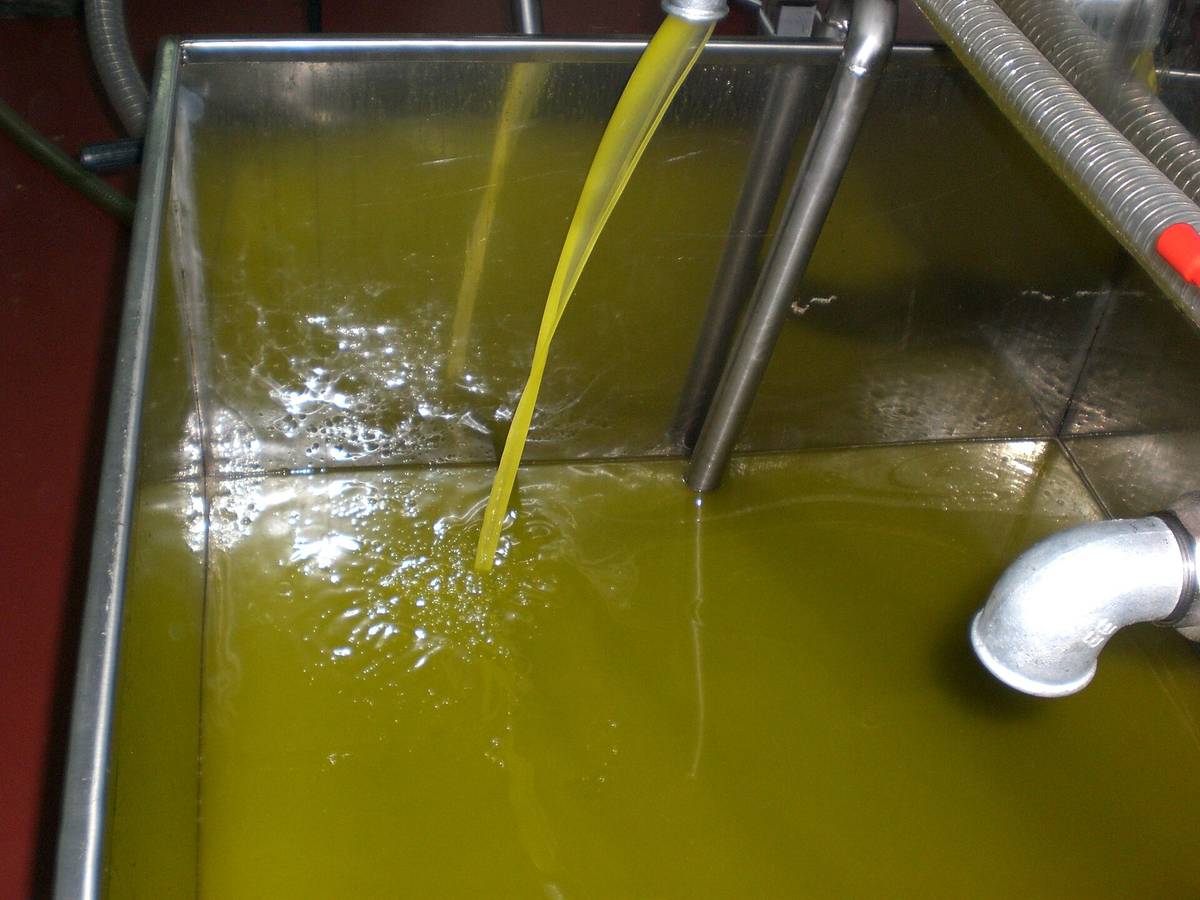
Olive groves cover the lower hills of Thassos and shape both the scenery and the economy. Silver-leaved trees run in terraces from the villages down towards the shore, often worked by the same families for generations. The island’s mild winters and long dry summers suit the fruit and concentrate its oil. Growers harvest from late autumn into winter, stripping the branches by hand and net. Presses in Limenas and the inland villages then turn the fruit into oil within hours. This short gap between tree and press protects the flavour and keeps acidity low, which marks a genuinely good oil.
The wrinkled throumba olive gives the island its most distinctive table olive. Growers leave the fruit on the branch until it ripens fully and the winter cold shrivels the skin. They then cure it in dry salt rather than liquid brine, which draws out water and concentrates the taste. The finished olive looks shrunken and dark, yet it eats meaty, rich and only lightly bitter. Locals serve throumba plain with bread and oil, or alongside cheese as part of a meze. This variety carries the name Throumba Thassou and stands among the best-known olives in northern Greece. Visitors often carry a vacuum pack home as an edible souvenir.
Thassos oil works as both a cooking fat and a finishing touch across the local kitchen. Cooks fry with it, roast vegetables in it and pour it raw over salads and pulses at the table. Certain producers steep the oil with wild herbs such as oregano, rosemary or thyme to lift its aroma. This herb-infused oil suits grilled fish and fresh bread especially well. The oil also anchors baked feta, where slices sit in a clay pot with tomato, pepper and pepper flakes until soft. Understanding how central the oil is helps explain why a bottle makes the classic gift to bring back from the island.
Olive oil supports a real part of the island’s economy beyond the tourist season. Cooperatives and family presses sell bottles, tins and gift packs directly to visitors and shops. A tour of a working press shows the sorting, crushing and separating that turn fruit into clear green oil. Tasting straight from the tap reveals how fresh island oil differs from a supermarket bottle. The same rural landscape that feeds the olive trees also feeds the bees that make the island’s honey. That honey forms the second great pillar of the local table, and the following section turns to it in detail.
What makes Thassos honey a signature product?
Thassos honey draws its flavour from bees working the island’s pine forests and thyme-covered hillsides. Producers sell it plain in jars and folded into walnut and fig spoon sweets sold across the island.
Honey ranks beside olive oil as a product that carries the island’s name across Greece. Bees on Thassos feed on the resin of the pine forests and the wild thyme that scents the hills. Pine honey turns out dark, thick and less sweet, with a faintly resinous, almost woody depth. Thyme honey runs lighter and more floral, prized for its clean aroma. Beekeepers move their hives between the forest and the flowering slopes to follow each source through the season. This range lets a single island offer two very different honeys, each tied to a specific landscape rather than a factory.
Spoon sweets show the sweeter side of the island’s honey and preserving traditions. Cooks simmer fruit or nuts in honey and syrup until glossy, then serve a single spoonful with coffee or cold water. Walnut, fig, chestnut, quince and bitter orange all appear in local jars. The green walnut version, known as karidaki, cooks whole young walnuts down to a dark, chewy sweet with a gentle bitterness. Households once made these preserves to carry summer fruit through the winter. Shops in the villages now line their shelves with jars that make an easy and typical gift. A spoon sweet with a strong coffee closes a Thassos meal the traditional way.
Local honey reaches the table in more forms than a simple jar. Cooks drizzle it over thick strained yogurt, spoon it onto fresh cheese, and brush it across fried dough and nut pastries. The pine variety also pairs well with the island’s salty cheeses as a sweet-and-savoury bite. Market stalls and roadside shops sell honey straight from producers who keep their hives nearby. Buyers can often taste before they choose between the darker pine and the lighter thyme. Honey travels home more easily than most edible souvenirs, since a sealed jar survives a suitcase without trouble. This durability keeps it near the top of every visitor’s shopping list.
Honey and olive oil together sum up the farming half of the island’s food. Both come from the hills, both carry the island’s name, and both fill the shelves of every gift shop by the port. The other half of the story belongs to the sea that rings the coast. Fishing harbours send out small boats each morning and land the catch for the tavernas that line the water. Grilled sardines, octopus and calamari answer the oil and honey of the land with the salt of the Aegean. The next section moves down to those harbours to look at the island’s fish and seafood.
Where can you eat the freshest fish and seafood on Thassos?
Harbour tavernas in Limenas, Potos and the fishing villages grill the daily catch beside the water. Sardines, octopus, calamari and small fish arrive simplest, dressed only with oil, lemon and herbs.
The fishing harbours ring the island and set the scene for its best seafood meals. Potos on the south-west coast keeps a lively waterfront where tavernas grill the morning catch metres from the boats. Skala Prinos, Skala Maries and the smaller coves each land their own fish for local kitchens. Tables sit close enough to the sea that spray and boat rope form part of the view. Eating here means choosing the fish that came in that day rather than a printed menu. This link between the boat and the plate keeps the seafood as fresh as an island can offer.
Island cooks treat good fish with restraint rather than heavy sauces. They grill sardines and small fish whole over charcoal, then finish them with oil, lemon and a scatter of oregano. Octopus goes on the same coals until the edges char and the flesh turns tender. Calamari appears either grilled or lightly floured and fried until crisp. A squeeze of lemon and a slick of local oil do the rest of the work. This plain method lets the freshness of the catch and the quality of the oil speak for themselves. The kitchen adds salt and fire, and little else.
Fish rarely arrives alone, since the coast has its own full meze tradition. Small plates of marinated anchovy, fried whitebait, grilled octopus and taramasalata cover the table before the main fish lands. A cold glass of ouzo or tsipouro sits alongside, clouding as ice melts into it. Waterfront tavernas cluster near the popular swimming bays, so a long lunch follows a morning at the beaches of Thassos. Diners pick a whole fish by weight, watch it cross the grill and share it around the table. This unhurried, salt-air meal is one of the defining pleasures of the island’s summer.
The catch changes with the season, so a summer table looks different from a spring one. Warmer months bring sardines, anchovy, bream and squid close to the shore for the small boats. Cooler waters favour larger fish and octopus dried on lines along the quay. Prices track supply, and the day’s best value is usually whatever came in heaviest that morning. Seafood answers the salt-and-sea half of the island’s cooking, yet the hills tell another story entirely. Up in the mountain villages the coals turn from fish to kid and lamb. The next section climbs inland to that tradition of slow-roast meat.
What meat dishes define the mountain villages of Thassos?
Mountain villages such as Theologos roast kid and lamb slowly over wood coals until the meat falls from the bone. Cooks season simply with oil, lemon, salt and wild herbs from the surrounding hills.
The mountain villages hold the meat-eating heart of the island’s food. Theologos, the old capital set back in the hills, is the name most linked with slow-roast kid and lamb. Tavernas there cook whole cuts over wood embers for hours until the outside crisps and the inside turns soft. The smell of roasting meat and herbs drifts along the single main street through the afternoon. Shepherds have grazed goats and sheep on these slopes for centuries, so the meat comes from close by. Eating lamb in Theologos connects a simple plate to a long pastoral history that shaped the whole village.
Slow cooking defines the mountain kitchen far more than quick grilling. Cooks roast kid and lamb on the spit or seal it in a wood oven with potatoes, oil and lemon. The long, gentle heat renders the fat and leaves the meat tender enough to pull apart by hand. Goat also goes into hearty stews with tomato, onion and mountain herbs for the cooler months. Offal dishes and grilled sausages fill out a meat-focused table for those who want them. This style rewards patience over speed and turns tougher hill-raised cuts into something rich and satisfying. The result tastes of smoke, herbs and the open fire.
A meal in the hill villages carries a different mood from the busy coast. Tables sit under plane trees in small squares where the pace slows and the air cools. Cheese plays a big part inland, from sharp aged wheels to soft fresh curds eaten with bread and honey. Home-grown vegetables, wild greens and beans round out the plates beside the roasted meat. The wine and tsipouro here often come from the owner’s own barrels rather than a bottler. Sitting in a village taverna as evening falls shows a quieter, older side of the island’s food. The mountains feed the table as generously as the sea.
The mountain meat completes the four great pillars of the island’s cooking. Olive oil, honey, harbour fish and hill-raised meat cover the everyday heart of the local table. Around these pillars sits a ring of smaller specialities that give the cuisine its final character. Wild rock samphire, green-walnut sweets and island cheeses turn a good meal into a distinctive one. These extras also make the most memorable flavours to seek out and to carry home. The next section gathers those local specialities and the sweets that travellers ask about most. Each adds a detail that marks the food as unmistakably from Thassos.
Which local specialities and sweets belong to Thassos food?
Thassos food includes pickled kritamo rock samphire, the karidaki green-walnut spoon sweet, and island cheeses such as baked feta. These smaller specialities sit alongside the oil, honey, fish and meat.
Kritamo, the wild rock samphire, is one of the island’s quietest treasures. The fleshy green shoots grow straight out of the sea cliffs where salt spray reaches the rock. Gatherers pick the young stems in early summer and pickle them in vinegar and oil. The result eats crunchy, briny and sharp, a little like a caper with a stronger sea flavour. Cooks serve kritamo as a meze, scatter it through salads, or set it beside grilled fish. Its taste sums up the meeting of land and sea that runs through the whole cuisine. A jar of pickled kritamo also travels home well as an unusual souvenir.
Karidaki gives the island one of its most prized spoon sweets. Cooks pick green, unripe walnuts in late spring while the shells stay soft. They soak the whole nuts for days to draw out bitterness, then simmer them slowly in syrup and honey. The finished karidaki turns almost black, glossy and dense, with a deep, gently bitter sweetness. Hosts serve a single walnut on a small dish with coffee or a glass of cold water. Making karidaki takes patience and skill, which keeps it a point of local pride. A jar bought from a village shop preserves that effort for the table back home.
Island cheese deserves a place next to the olives and sweets on any local table. Small dairies turn sheep and goat milk into feta, hard grating wheels and soft fresh curds. The classic island dish bakes feta in a clay pot with tomato, pepper, oil and pepper flakes until it softens and browns. Fresh cheese also pairs with pine honey for a simple sweet-and-savoury plate. Harder aged cheeses grate over pasta or eat in chunks with bread and olives. Buying cheese to take home works best for a short trip, since it keeps only so long. A vacuum-packed wedge, though, survives the journey for most travellers.
These specialities give the island’s food its personality beyond the four main pillars. Kritamo, karidaki and local cheese turn a familiar Greek table into a distinctly Thassian one. Each carries a strong sense of the exact hillside, cliff or dairy it came from. Together they explain why food shopping ranks high on any visit to the island. No meal here feels complete, though, without something to drink alongside it. Tsipouro, ouzo and local wine bind the meze together and shape how islanders eat. The final section looks at those drinks and at the edible gifts worth carrying home.
What drinks and edible souvenirs complete a Thassos food trip?
Tsipouro, ouzo and local wine complete a Thassos food trip, poured alongside a shared meze by the sea. Olive oil, honey, herbs and spoon sweets make the edible souvenirs most travellers carry home.
Thassos makes its own tsipouro and wine to pour beside the food. Tsipouro, a clear grape spirit distilled after the wine harvest, arrives strong and warming in small glasses. Islanders sip it slowly with meze rather than knocking it back, letting the food and drink trade flavours. Local wine, both red and white, comes from village vines and often reaches the table straight from the barrel. Ouzo, the aniseed spirit found across Greece, turns milky with ice and suits grilled fish especially well. These drinks are made to share across a long table rather than to hurry. A carafe of house tsipouro sits at the centre of a proper island evening.
The meze is the traditional frame that holds a Thassos meal together. Diners cover the table with small plates and let a bottle of tsipouro or ouzo set the pace. Olives, cheese, kritamo, grilled octopus and fresh bread all appear at once rather than in courses. Talk, food and drink flow together for hours as the sun drops over the water. This way of eating values company and time as highly as the food on the plate. Choosing a taverna right on the shore turns an ordinary dinner into the classic island experience. The rhythm of the meze, more than any single dish, defines how the island eats.
Edible souvenirs let travellers carry a piece of the island home. Olive oil in tins or bottles tops the list, followed closely by jars of pine and thyme honey. Throumba olives, spoon sweets, dried herbs and vacuum-packed cheese fill out the typical shopping basket. Village shops and roadside stalls sell these products straight from the people who make them. Planning a food-focused trip pairs naturally with choosing a base near the markets and tavernas, so it helps to read about where to stay in Thassos before booking. A well-chosen bag of local goods keeps the flavour of the island alive long after the trip ends.
The food of Thassos rewards travellers who slow down and eat with the island’s rhythm. A morning at a press, an afternoon by the harbour and an evening in a hill village each add a different flavour to the trip. The oil, honey, fish, meat, samphire and sweets together tell the story of the land and sea. Sharing a meze by the water, spirit in hand, remains the truest way to taste all of it. Careful planning around the markets and tavernas turns eating into a real part of the holiday. A food-led route across the island leaves a stronger memory than any single sight. The table, in the end, is where Thassos tells its story best.
Frequently Asked Questions
What is Thassos best known for in its food?
Thassos is best known for its olive oil and wrinkled throumba olives, cured on the tree in dry salt. Pine and thyme honey, fresh grilled harbour fish, and slow-roast mountain kid and lamb complete the island’s reputation. Spoon sweets, wild kritamo and local cheese round out the list of signature products.
What are throumba olives?
Throumba olives are the wrinkled black olives that Thassos is famous for across Greece. Growers leave the fruit on the tree until it ripens fully and the winter cold shrivels the skin. They cure it in dry salt instead of brine, which gives a dry, meaty olive with a rich, only lightly bitter flavour.
Where can I eat fresh fish on Thassos?
Harbour tavernas in Limenas, Potos, Skala Prinos and the smaller fishing villages serve the freshest fish on Thassos. Cooks grill the daily catch of sardines, small fish, octopus and calamari beside the water, dressed only with oil, lemon and herbs. Choosing whatever came in that morning gives the best plate and value.
What sweets should I try on Thassos?
Spoon sweets are the sweets to try on Thassos, made by simmering fruit or nuts in honey and syrup. Karidaki, the green-walnut version, cooks whole young walnuts into a dark, gently bitter treat served with coffee. Walnut, fig, quince and bitter-orange spoon sweets also appear in jars sold across the island.
What food souvenirs can I bring home from Thassos?
Olive oil, honey, throumba olives, dried herbs and spoon sweets are the usual edible souvenirs from Thassos. Sealed jars and tins travel safely in a suitcase and keep for months at home. Village shops and roadside stalls sell these products directly from the producers, often with a taste before you buy.
What is kritamo?
Kritamo is wild rock samphire, a fleshy green plant that grows on the sea cliffs of Thassos. Gatherers pick the young shoots in early summer and pickle them in vinegar and oil. The result tastes crunchy, briny and sharp, and locals serve it as a meze or beside grilled fish.