
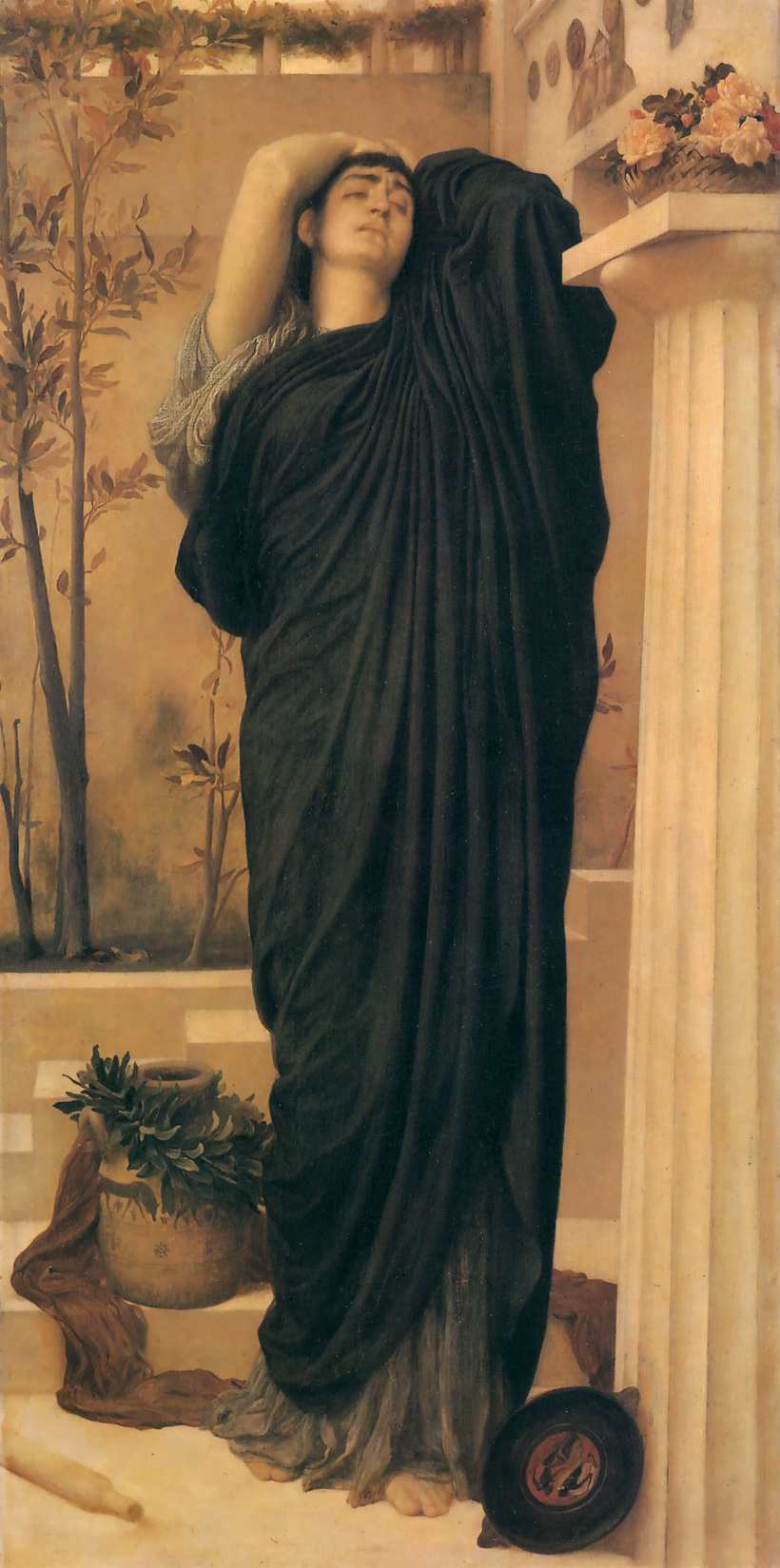
Electra ranks among the most haunting figures in the legend of Mycenae, a princess trapped inside the crime that tore her royal family apart. Greek myth named her a daughter of King Agamemnon and Queen Clytemnestra, sister to Orestes and to the sacrificed Iphigenia. Her mother and her mother’s lover murdered the returning king, and Electra lived on in the palace as a grieving, resentful daughter, kept low by the pair who had seized the throne. She held to her dead father and to her hope of vengeance through long years of mourning. Enter this dark chapter of the House of Atreus with My Greece Tours.
Electra gives the tragedy of Mycenae its fiercest voice, the daughter who refused to forget her father’s blood. Her grief was not passive but a burning wait for her exiled brother to come home and set the crime right. Orestes returned in secret, she knew him at once, and she stood at his side through the killing that answered their father’s death. The sections below cover her royal birth, her years of grief in the ruined household, her recognition of Orestes, her part in the revenge, and her long afterlife on the Athenian stage. Set the whole saga against the ancient citadel with our Mycenae travel guide.
Who was Electra, the princess of Mycenae?
Electra was a princess of Mycenae in Greek myth, daughter of King Agamemnon and Queen Clytemnestra. She was sister to Orestes and to Iphigenia, and became the fierce keeper of her murdered father’s memory within the royal house.
Electra belongs to the royal family of Mycenae at the height of its tragic legend, the daughter of a king who led the Greek host to Troy and a queen whose betrayal destroyed him. Her father was the warlord Agamemnon, master of the citadel and commander of the whole Greek expedition against the Trojans. Her position as a king’s daughter placed her at the very centre of the palace and its fortunes, heir to the prestige and the peril of the ruling line. Greek storytellers drew her as a figure of intense feeling from the start, marked less by power than by loyalty and grief.
She stands in the tale as the child who felt her father’s murder most keenly and carried its memory when others chose to forget or to profit from the crime.
The family around Electra reads as a catalogue of the tragedies that struck the royal house. Her mother was Queen Clytemnestra, who turned against her husband and helped to kill him. Her sister was Iphigenia, the girl her father had sacrificed to win favourable winds for the voyage to Troy, the deed that first poisoned the marriage. Her brother was Orestes, the son on whom the hope of vengeance rested. Electra thus sat at the meeting point of every wound in the family, bound by blood to the victim, the killer, the sacrificed daughter and the future avenger alike.
Her whole character grew from that terrible web of kinship, a princess defined by the crimes committed within her own household and by the justice she longed to see done.
How did Electra live at Mycenae after Agamemnon’s murder?
Electra remained at Mycenae in grief and resentment following her father’s murder. Clytemnestra and her lover held the throne and kept the princess low, yet she preserved her devotion to the dead king through long years.
The killing of Agamemnon overturned the whole life of the palace and left Electra a captive within her own home. Her mother and her mother’s lover had seized the throne together, and the pair had every reason to fear the children of the king they had struck down. Electra found herself pushed to the margins of the household she had been born to lead, kept low and watched, denied the honour due a king’s daughter. Her days passed in mourning rather than in the ease of royal life. She wore her grief openly, refusing the comfort of forgetting, and let her resentment of the guilty pair harden into a settled purpose.
Her endurance through these bleak years forms the emotional core of the legend, the long dark middle of the story between the crime and its eventual answer.
Electra’s grief was bound up from the first with the fate of her exiled brother, the one hope she nursed through the empty years. The man now sharing the throne beside her mother was Aegisthus, the cousin whose feud with the ruling line reached back into the older crimes of the family. He and the queen held Mycenae, and their grip left the princess powerless to act alone. Electra answered that powerlessness by keeping faith, tending her father’s memory and praying for Orestes to return and set the balance right. Her devotion did not fade with the passing seasons but grew fiercer, a steady flame in the shadowed halls of the citadel.
She became the household’s conscience, the daughter who would not let the murder be smoothed over or the dead king be quietly forgotten.
How did Electra recognise the returning Orestes at Mycenae?
Electra recognised her brother Orestes on his secret return to Mycenae from exile. Their reunion at the scene of grief bound the pair together and turned her long mourning into a shared resolve to avenge their father.
The turning point of Electra’s story came with the secret return of Orestes, the brother on whom her every hope had rested. He had been spirited off as a boy after the murder, growing up far from the citadel and safe from the reach of the guilty pair. His homecoming, made in secret so as not to alarm the rulers of Mycenae, brought the two surviving children of Agamemnon back together at last. Electra knew him, and the recognition scene became one of the most charged moments in the whole tradition, the joyful, grief-laden meeting of a sister and the avenger she had waited for. Her long solitary mourning ended in that instant of reunion.
The daughter who had kept the dead king’s memory alive now had at her side the one person able to turn memory into action.
Their reunion changed the balance of the whole tale. This meeting between brother and Orestes and sister fused their separate burdens into a single purpose. Electra had guarded the grief and the grievance through the years of waiting, while Orestes carried the duty and the strength to strike. Together they formed a united front against the pair who held the throne. The recognition confirmed for the princess that her long faith had not been in vain, that the brother she had prayed for stood real and grown before her, ready to act. From this moment the story drives toward its violent resolution.
Electra no longer mourned alone in a hostile house but stood shoulder to shoulder with the rightful heir, the two of them bent on answering the crime that had shattered the royal family of Mycenae.
What part did Electra play in the revenge at Mycenae?
Electra stood with Orestes as he killed Clytemnestra and Aegisthus, sharing in the act of vengeance that ended the crime against their father. Her resolve strengthened her brother and made her a full partner in the deed.
The revenge formed the fierce climax of Electra’s legend, the deed toward which every year of her mourning had pointed. Orestes moved against the pair who had murdered their father and seized his throne, and Electra stood with him rather than shrinking away. She had kept the crime alive in memory through the long waiting, and now she took her place beside the avenger as the household’s reckoning fell due. Her brother struck down both the queen and her lover, ending the guilty rule over Mycenae with their deaths. Electra shared in that act of vengeance, her fierce will steadying the hand of the man who carried it out.
The killing answered the murder of Agamemnon in the harshest terms the myth could offer, blood for blood within the walls where the first crime had been done.
Electra’s part in the revenge marked her as far more than a passive mourner in the tale. This settling of the family’s deepest wound closed the long line of crimes that had run through the House of Atreus for generations. The feud stretched back to the older horrors of the royal line. The princess had refused to let her father’s death be forgotten, and her steadiness across the dark years made the final act possible. She stood as a full partner in the vengeance, a sister whose grief had hardened into justice. The deed brought its own terrible weight, a mother killed by her children, yet within the myth it answered a murder that could not go unpunished.
Electra ends her story not as a victim but as one of the two who set right the great crime against Mycenae.
Why did the Athenian tragedians love the story of Electra?
Electra’s fierce and mournful character made her a favourite subject of the Athenian tragedians. Plays named Electra survive from Sophocles and Euripides, and she also appears in the drama of Aeschylus that tells of the revenge.
Electra found her fullest life not in early legend alone but on the stage of ancient Athens, where the great tragedians made her one of their most compelling figures. Her character offered the playwrights everything their art demanded. She was a heroine consumed by grief and by a thirst for justice, trapped in a household of murderers, waiting through long years for the chance to see her father avenged. That mix of mourning and fierce resolve gave the poets a rich and searching subject. Two surviving tragedies carry her name outright, one by Sophocles and one by Euripides.
Her presence on the Athenian stage lifted Electra from a supporting role in the family saga to a heroine studied in her own right. Her inner life lay bare before the theatre audiences of the ancient city.
The dramatic tradition around Electra reached beyond the two plays that bear her name. She appears as well in the great trilogy of Aeschylus that tells of the revenge on the murderers of Agamemnon, standing at her brother’s side. Across these works the playwrights returned to the same haunting core, the daughter who would not forget, the sister who shared in the killing that justice seemed to demand. The wider saga of the ruined royal line ran alongside the story of the sacrificed Iphigenia, another daughter of the same doomed house whose fate the tragedians dramatised too.
Electra embodies the grief and the thirst for justice that haunt the royal family of Mycenae, and it was that intensity of feeling, more than any single deed, that kept her at the heart of Greek tragedy.
Frequently Asked Questions
How is Electra related to the other famous figures of Mycenae?
Electra sat at the very centre of the royal family of Mycenae, bound by blood to every major figure in its tragic legend. Her father was King Agamemnon, the warlord who led the Greeks against Troy, and her mother was Queen Clytemnestra, who helped to murder him on his return. Her brother was Orestes, the avenger who came home in secret to answer their father’s death, and her sister was Iphigenia, the girl sacrificed by their father before the voyage to Troy. The man who shared the throne with her mother after the killing was Aegisthus, the lover whose feud with the ruling line reached back into the older crimes of the family.
Electra thus stood at the meeting point of every wound in the house, tied by kinship to the victim, the killers, the sacrificed sister and the future avenger alike. Her whole legend grows from this dense web of royal relationships and the crimes committed within it.
Did Electra herself kill Clytemnestra and Aegisthus?
The deed of killing fell chiefly to Orestes, the son and rightful heir, but Electra stood with him as a full partner in the revenge rather than a mere onlooker. She had preserved the memory of their murdered father through long years of grief, keeping the crime alive when others chose to forget, and her fierce resolve strengthened her brother for the act. Orestes struck down Clytemnestra and Aegisthus, ending the guilty rule over Mycenae, and Electra shared in the vengeance that answered the murder of Agamemnon. The tradition presents her as the steadying will behind the deed, the sister whose long faith and hardened purpose made the reckoning possible.
Different tellings weigh her direct role in their own ways, yet all agree that she was no passive figure at the climax. Her part lifted her from grieving princess to avenging sister, one of the two children of the dead king who set right the great crime against their house.
Which ancient plays tell the story of Electra?
Electra became one of the most popular subjects of Athenian tragedy, and works about her survive from all three of the great tragedians. Two plays carry her name directly, one written by Sophocles and one by Euripides. Each dramatises the same core story of the grieving princess who waits for her brother and shares in the revenge on their father’s killers. She also appears in the drama of Aeschylus, whose great trilogy tells of the murder of Agamemnon and the vengeance that follows, with Electra standing at her brother’s side in the unfolding of the crime.
Across these works the playwrights returned again and again to her fierce and mournful character, the daughter who would not let her father’s death be forgotten. Her thirst for justice and her long endurance in a hostile household gave the poets a searching subject. It is largely through the Athenian stage that Electra passed from a figure of legend into a heroine studied for her own inner life.