
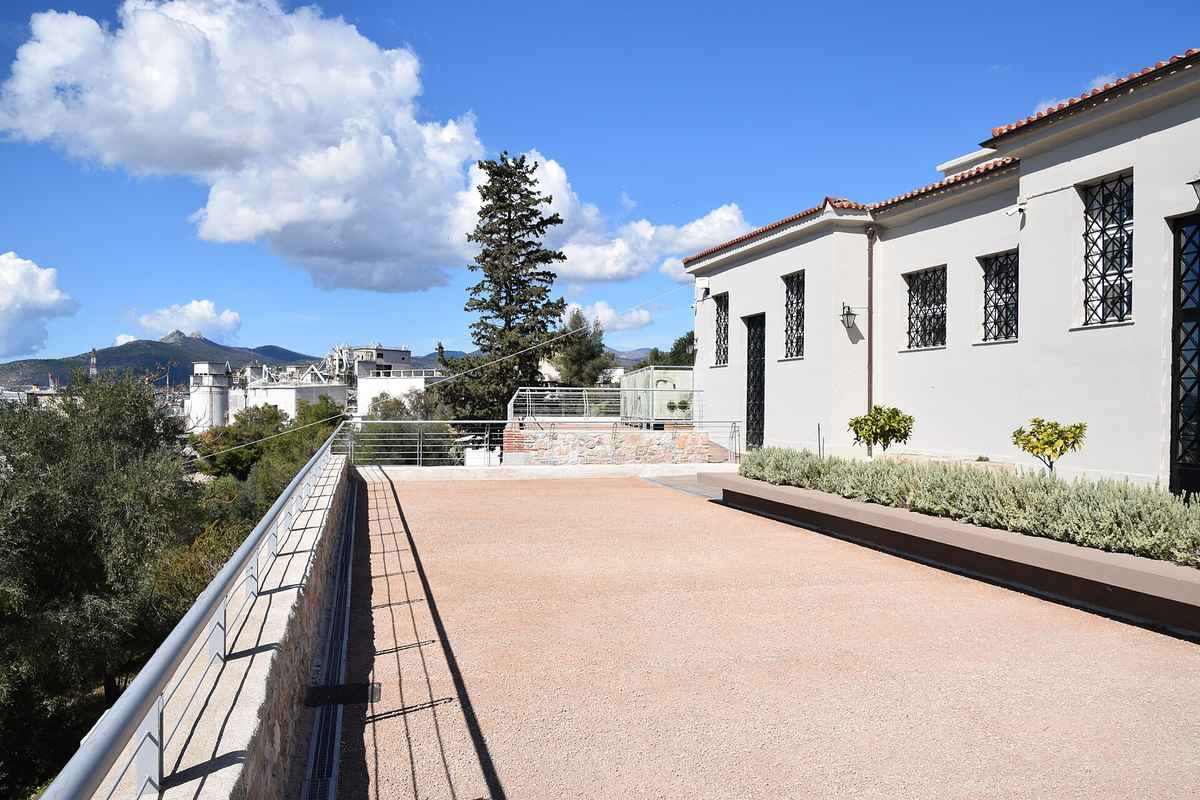
An Eleusis (Elefsina) day trip from Athens reaches the ancient sanctuary of the Eleusinian Mysteries, sacred to the goddess Demeter, just 23 kilometres west of the city. Pair this off-the-beaten-path site with skip-the-line sightseeing tickets and guided tours from My Greece Tours for the full mythological story.
This fascinating, lesser-known excursion is a hidden gem in the Athens travel guide. The sections below cover what it is, the Eleusinian Mysteries, how to get there, what to see, the museum, costs and the best way to visit.
What is Eleusis (Elefsina)?
Eleusis, modern Elefsina, is an ancient sanctuary about 23 kilometres west of Athens, one of the most important religious sites of the ancient Greek world. For nearly 2,000 years it was home to the Eleusinian Mysteries, secret initiation rites sacred to Demeter, the harvest goddess, and to her daughter Persephone. Today its ruins and museum make a rewarding, uncrowded day trip.
For travellers fascinated by ancient religion and myth, Eleusis is one of the most intriguing yet overlooked sites near Athens. Located just 23 kilometres west of the city centre, in the modern industrial town of Elefsina, it was in antiquity one of the holiest and most renowned sanctuaries in the entire Greek world, rivalling Delphi and Olympia in importance. The sanctuary was the home of the famous Eleusinian Mysteries, a set of secret religious initiation ceremonies held here for almost two thousand years, from around 1500 BC until they were suppressed in the late fourth century AD. These rites were dedicated to the harvest goddess Demeter and to her daughter Persephone, and they promised initiates a blessed afterlife.
Today the extensive archaeological site, with its temple foundations, gateways, sacred caves and the great hall of initiation, along with an excellent museum, offers a profound glimpse into this mysterious cult, all in a peaceful, refreshingly uncrowded setting close to the capital. Elefsina was even named the European Capital of Culture. For something different from the usual sights, it is a captivating choice. It complements the great sanctuaries reached on the Delphi day trip. The mysteries themselves are the heart of the story.
What were the Eleusinian Mysteries?
The Eleusinian Mysteries were secret annual initiation rites staged at Eleusis for close to 2,000 years, dedicated to Demeter and Persephone. Based on the myth of Persephone’s abduction to the underworld and return, they symbolised death and rebirth and promised initiates a happy afterlife. The rituals were so secret that revealing them was punishable by death, and their details remain largely unknown.
The reason Eleusis mattered so much to the ancient world lies in its extraordinary religious ceremonies, the Eleusinian Mysteries, among the most important and enduring rites of ancient Greece. Held annually for close to two thousand years, they were rooted in the myth of Demeter and Persephone, her daughter, whom Hades carried off to the underworld; in her grief Demeter caused the earth to grow barren until Persephone was allowed to return for part of each year, a story that explained the cycle of the seasons and symbolised death and rebirth. Initiates into the mysteries, who could include almost anyone, men, women, even slaves, provided they spoke Greek and had not committed murder, underwent secret rituals that were believed to grant them a privileged, blessed existence in the afterlife, free from the fear of death.
The ceremonies culminated in the great Telesterion hall, where the most sacred rites were revealed. Crucially, the mysteries were guarded by an absolute vow of silence: initiates were forbidden on pain of death to reveal what they had seen and experienced, and so well was the secret kept that, remarkably, the precise nature of the central rites remains unknown to this day. This aura of profound secrecy gives Eleusis its enduring mystique. The myth connects to the wider world of the gods. The site preserves the setting of these rites.
How do you get from Athens to Eleusis?
Eleusis is about 23 kilometres west of central Athens, among the closest ancient sites to the capital. You can reach it by city bus, route A16 or B16 from Eleftherias Square by the Kerameikos metro, in about 40 to 50 minutes, by the suburban railway to Elefsina station plus a short taxi, by car in around 30 to 40 minutes, or on an organised tour.
Getting to Eleusis is relatively easy thanks to its closeness to Athens, with several practical options to suit different travellers. The most budget-friendly public transport choice is the city bus: the A16 and B16 buses run from Eleftherias Square, by the Kerameikos metro station on the edge of central Athens, directly to Elefsina, taking around forty to fifty minutes depending on traffic, and dropping you within reach of the site. Alternatively, the suburban railway, the Proastiakos, links Athens with Elefsina station, from where a short taxi ride completes the journey to the archaeological area. Drivers can reach the site quickly, in around thirty to forty minutes outside rush hour, following the coastal road or motorway west toward Elefsina, with parking available, though the route passes through an industrial landscape of refineries and works.
For those who prefer everything arranged, organised half-day tours from Athens take in Eleusis with a guide who explains the mysteries and the myths, removing all the logistics. Because the site is so close to the city, it makes an easy half-day or relaxed full-day outing. Whichever way you travel, the journey is short. The wider transport network is explained in the getting around Athens guide. The ruins themselves reward exploration.
What can you see at the Eleusis archaeological site?
At Eleusis you can see the Greater Propylaea gateway, the Sacred Way’s end, the Telesterion, the great hall where the secret initiation rites took place, the Plutonion cave linked to the underworld, walls, temples and Roman additions. The site spreads across a hillside overlooking the bay, with an on-site museum displaying statues, reliefs and finds from the sanctuary.
The archaeological site of Eleusis is extensive and atmospheric, rewarding visitors who take the time to explore its layered ruins spread across a low hill above the Saronic bay. Entering through the monumental gateways, the Greater and Lesser Propylaea, modelled on those of the Athenian Acropolis, you follow the route the ancient initiates took at the climax of the Sacred Way that ran all the way from Athens. The heart of the sanctuary is the Telesterion, the great square initiation hall, once a vast columned chamber capable of holding thousands, where the supreme secret rites of the mysteries were revealed; though now ruined, its scale and significance are deeply evocative.
Nearby lies the Plutonion, a sacred cave associated with the entrance to the underworld and the myth of Persephone, along with temples, terraces, defensive walls, wells and later Roman additions that reflect the site’s long life. The whole sanctuary is set against a backdrop that, despite the modern industry around it, still conveys the sacred importance it once held. Information panels help interpret the remains. Wandering these quiet, historic ruins is a thoughtful and rewarding experience. The Acropolis gateways that inspired its own appear in the Acropolis history guide. The museum completes the picture.
What is in the Eleusis museum, and what does it cost?
The on-site Archaeological Museum of Eleusis displays statues, reliefs, pottery and finds from the sanctuary, including the famous running Persephone and a caryatid from the Lesser Propylaea. Admission to the site and museum is around €6 (reduced €3), with a combined ticket. The site is open daily except some Tuesdays, roughly 8.30am to 3.30pm, with longer summer hours.
Set within the archaeological grounds, the Archaeological Museum of Eleusis is a small but excellent collection that greatly enriches a visit by displaying the finest objects found at the sanctuary. Its galleries gather statues, votive reliefs, pottery, inscriptions and architectural fragments spanning the long history of the site, helping to bring the abstract story of the mysteries into focus. Among the highlights are evocative depictions connected to Demeter and Persephone, including a celebrated statue of a running maiden often identified with Persephone, a large caryatid that once supported the Lesser Propylaea, and Roman-era sculptures and copies. Seeing these works alongside the ruins outside makes the sanctuary’s purpose far more vivid.
As for practicalities, admission to the combined site and museum is modest, generally around €6 full price and €3 reduced, with the usual free-entry days. The site is typically open daily, though it may close on certain Tuesdays, with hours running roughly from 8.30am to 3.30pm and often extended in the summer season, so it is wise to check current times before visiting. Allow around one and a half to two hours to explore the ruins and museum at a relaxed pace. Sturdy shoes, water and sun protection are useful for the open, partly shadeless site. The questions below cover the points visitors ask most.
What is the best way to do an Eleusis day trip?
Because Eleusis is so close to Athens, it works well as a half-day trip. An organised guided tour is best for understanding the mysteries and myths, while independent travellers can use the bus or suburban railway cheaply, or drive in around 30 to 40 minutes. Combine it with nearby Kerameikos or pair it with another site to fill a full day.
The ideal way to visit Eleusis depends on how much context you want and whether you prefer independence, but its proximity makes it flexible. For most visitors, the richest experience comes from an organised guided tour or hiring a private guide, because the meaning of the Eleusinian Mysteries, so secret and symbolic, is far more rewarding when an expert explains the myths of Demeter and Persephone, the rituals and the significance of each ruin, transforming what might otherwise look like scattered stones into a powerful story. Independent and budget-minded travellers, however, can reach the site easily and cheaply on the city bus or the suburban railway, or drive in around thirty to forty minutes, and explore at their own pace with the help of the site’s information panels and a good guidebook.
Because the visit itself takes only one and a half to two hours, Eleusis makes an excellent half-day outing, leaving time to combine it with other sights; it pairs naturally with the ancient cemetery of Kerameikos, from where the Sacred Way to Eleusis once began, or with a relaxed afternoon back in the city. Going earlier in the day helps you avoid the heat at the open site. With a little planning, this hidden gem is easy to enjoy. The starting point of the Sacred Way appears in the Kerameikos guide. The questions below cover the points visitors ask most.
Frequently Asked Questions
How far is Eleusis from Athens?
Eleusis, modern Elefsina, is about 23 kilometres west of central Athens, making it among the closest ancient sites to the capital. You can reach it by city bus (A16 or B16) in around 40 to 50 minutes, by the suburban railway plus a short taxi, by car in about 30 to 40 minutes, or on an organised tour.
What were the Eleusinian Mysteries?
The Eleusinian Mysteries were secret annual initiation rites performed at Eleusis over almost two millennia, dedicated to the goddesses Demeter and Persephone. Based on the myth of Persephone’s abduction and return, they symbolised death and rebirth and promised initiates a blessed afterlife. Their details were kept so secret they remain largely unknown today.
Is Eleusis worth visiting from Athens?
Yes, Eleusis is worth visiting for anyone interested in ancient religion and myth, offering the atmospheric ruins of among the ancient world’s most important sanctuaries, plus a fine museum, in a peaceful, uncrowded setting just 23 kilometres from Athens. It makes an easy and rewarding half-day trip.