
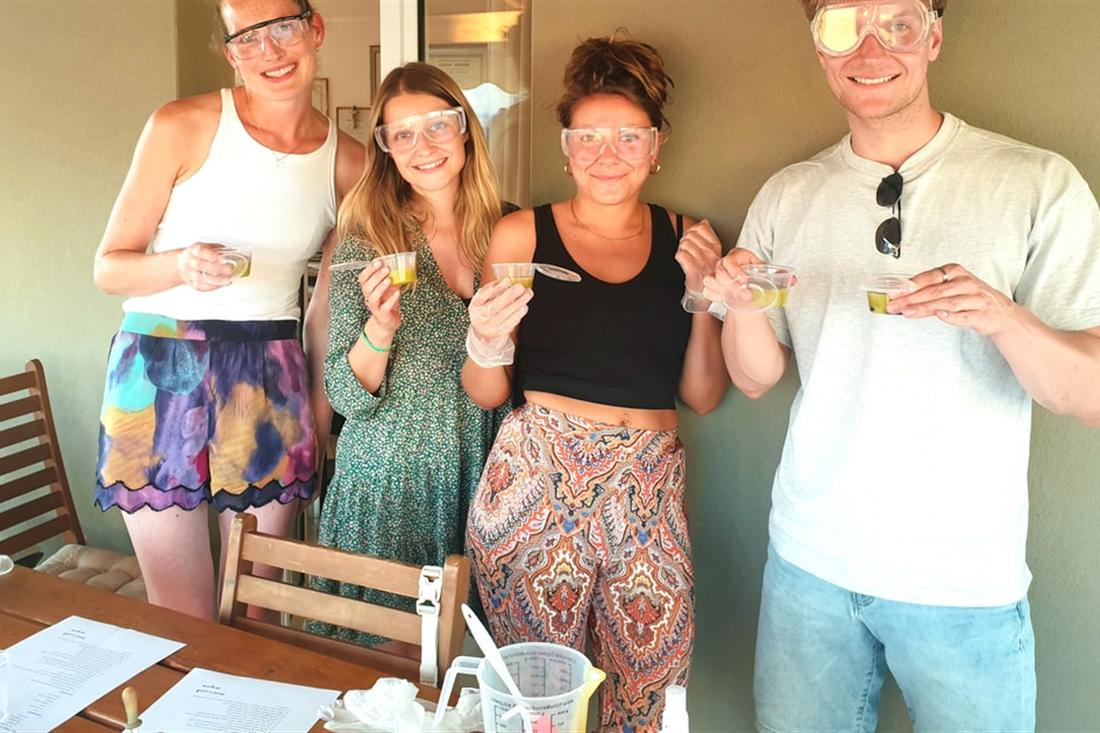
Crete soap making is a hands-on workshop where guests make their own bars of soap from Cretan extra virgin olive oil and local herbs, the way island families once did. Workshops run in Heraklion and the countryside around it. Tours across the rest of the country are listed on Greece Tours.
The sections below cover the workshops, the olive oil base, the history, the cold process, herbs, the steps and safety. They also cover curing, producer tours, who it suits, durations, getting there, the season and booking, with links into the Crete pages. The workshops shown are checked on GetYourGuide and Viator.
What is Crete soap making?
Crete soap making is the craft of turning Cretan olive oil into hard bars of soap by hand. Visitors learn it at small workshops in Heraklion, the Peza valley and the Chania villages. Each guest leaves with bars of their own soap.
The craft has deep roots on the island. Cretan families once made their own soap at home from extra virgin olive oil. Today’s hosts teach recipes passed down through their own families.
A Crete soap making class mixes chemistry, history and hands-on work. Guests choose the scent, colour and shape of their bars. The Heraklion rooftop class also gives each guest a step-by-step recipe to use at home.
Crete soap making needs no earlier knowledge or special skill. Hosts range from a biochemist in Heraklion to a family soap lab near Knossos and farm estates near Chania.
Which Crete soap making workshops can you book?
Five listed tours cover Crete soap making. They are a rooftop class, a cold process workshop and three producer tours. Helleo near Knossos, Cretan Gea and Fabrica Houses near Chania, and Bioaroma Crete run their own classes.
- Create Your Own Traditional Cretan Soap, Heraklion: a 2-hour rooftop class for up to 6 guests, in English.
- Handmade Natural Soap Workshop, Fres, Apokoronas: a 1.5-hour small-group cold process class where guests make their own bar.
- Soap, Wine, Raki, Olive Oil, Meet the Local Producers Tour, Heraklion: a small-group morning tour of 6.5 hours.
- Small Group Soap Making, Olive Oil, Wine and Raki Tasting Tour, Peza valley: a 5-hour tour with pick-up.
- Crete: Olive Oil, Soap, Wine, Raki – Flavorful Culinary Journey, Peza: a soap demonstration plus a light village lunch.
Helleo runs a 1-hour tour of its soap lab in Vasilies. Shared demos take up to 20 guests. A private option lets a group craft and keep its own soaps.
Cretan Gea lists a handmade soap workshop at Xirosterni, near Chania. Fabrica Houses runs a soap session of about 1.5 hours for 4 to 8 people in Vamos. Bioaroma Crete holds soap, perfume and cream workshops at its Agios Nikolaos store.
For hands-on Crete soap making, pick the rooftop class, Fabrica Houses or the private Helleo option. The Peza tours show the craft as one stop on a longer day.
Where do Crete soap making workshops take place?
Crete soap making workshops take place in Heraklion city and in villages just outside it. The Peza valley hosts the producer tours. In the west, classes run in Xirosterni, Vamos and Fres near Chania. In the east, Bioaroma Crete teaches in Agios Nikolaos.
- Heraklion: the rooftop class meets at Michail Vlachou 27, close to the city centre.
- Vasilies: Helleo’s lab lies 7 km from Heraklion, 5 km from Knossos and 5 km from Archanes.
- Peza valley: the producer tours stop at a family soap workshop, an olive mill and a micro-winery.
- Spilia: a private 4-hour tour pairs an organic olive mill with a cold process soap class.
- Apokoronas, Chania: Cretan Gea works in Xirosterni, Fabrica Farm in Vamos, and a soap class in Fres.
- Agios Nikolaos: the House of Bioaroma Crete stands at the town’s port.
City bus No 4 runs to the rooftop class. Riders get off at the Ieroloxiton 76 Daskalaki stop. A Heraklion market tour fits into the same day in the city. The Heraklion city guide covers the sights nearby.
Fres lies 25 minutes from Chania city. That puts Crete soap making within easy reach of west Crete stays. The farm classes sit in the same olive country as the Chania olive oil tour.
Why is olive oil the base of Crete soap making?
Olive oil is the base of Crete soap making because the island produces it in large amounts. The oil makes a gentle, long-lasting bar. The rooftop host and Helleo make soap from their own family olive oil.
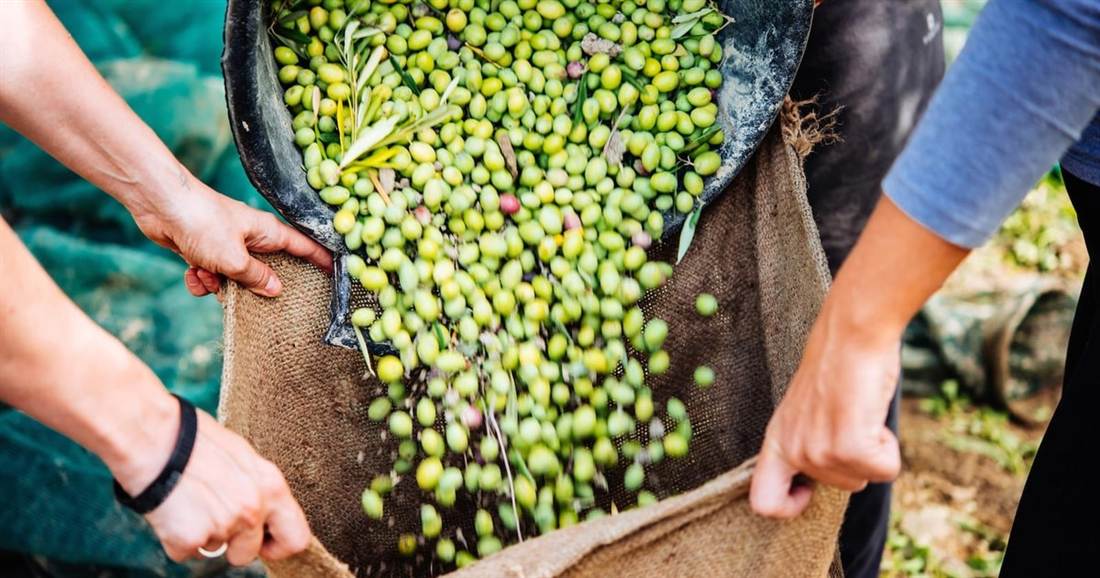
Olive oil is high in oleic acid, a fatty acid that makes a mild bar. Soap made from pure olive oil is called castile soap, after the Castile region of Spain. Traditional Crete soap making follows this style.
Koroneiki is the main Greek olive grown for oil. It covers 50 to 60 percent of Greek olive land. Its fruits are small but yield high-quality oil.
In soap, the oil meets lye, a strong alkali that turns fat into soap. About 134 g of lye reacts with 1 kg of olive oil. That ratio guides the hosts’ Crete soap making recipes.
The rooftop host’s oil comes from trees grown without insecticides or fertilisers. Helleo’s oil is organic, and its bars add herbs, fruits, spices and clays. To taste the oil itself, book a Crete olive oil tasting.
What is the history of Crete soap making?
Crete soap making grew into a big trade under Ottoman rule. Bad olive harvests in France sent French merchants to Crete for oil. In time the island had about 45 soap factories, and Cretan soap rivalled the soap of Marseilles.
- Heraklion: soap made up half the city’s exports in the 17th and 18th centuries.
- Agia Triada: this Heraklion district held a cluster of soap factories.
- Hotel Heraklion: one old soap factory building still stands behind it.
- Chania: twenty soap factories worked in the city during the Cretan State period.
- Nea Chora: French chemist Julius Dey founded AVEA, the first of the Chania factories.
- Kritsa, Lasithi: one family turned village oils into soap in a 150 kg barrel over a wood fire.
Chania’s makers produced green soap from Cretan olive oil. Ships loaded it at a wooden pier west of the city. The municipal swimming pool stands on that spot today. Cargoes went to France, Syria and Asia Minor.
The AVEA factory ran on steam with up to ten cauldrons. A soap maker had to know chemistry and the recipe for mixing and baking. Workers cut, sealed and dried the soap plates, then packed them in boxes.
The Cretan revolutions halted the factories for a time. By the end of the 19th century, Crete soap making was thriving again for home use and export.
How does cold process Crete soap making work?
Cold process Crete soap making mixes olive oil with lye dissolved in water, without boiling the oil. The two react and slowly turn into soap. The fresh bars then rest for weeks until they become hard and mild.
Saponification is the name of this reaction. In plain words, the lye splits the oil and rebuilds it as soap and glycerine. Glycerine is a natural moisturiser that stays inside the bar.
Crete soap making hosts add lye to water, never water to lye. The oil is warmed, and the cooled lye water is poured in. Scents and colours go in before the mix fills the moulds.
Once cut, the bars cure while the last traces of lye disappear. Cold process soap needs at least 6 weeks of curing. Pure olive oil bars take longer, as long as 4 to 6 months.
In the rooftop class, Crete soap making ends with bars ready to collect the next day. Guests let the bars finish curing at home. The Heraklion host explains the chemistry of saponification before the mixing starts.
Which herbs and scents go into Crete soap making?
Crete soap making draws on the island’s own plants. Dittany, thyme honey, sage, rosemary, chamomile and rock rose all appear in Cretan soaps. At the rooftop workshop in Heraklion, each guest picks the perfume and colour of the bar.
Locals call dittany erontas, which means love. Hippocrates, the ancient Greek doctor, used it to heal wounds. The herb is gathered while in bloom in summer. Helleo adds it to Crete soap making for its soothing, astringent effect, which tightens the skin.
- Dittany: an endemic herb of cliffs and gorges, found wild nowhere else on Earth.
- Thyme honey: blended into the Honey and Thyme bar from Helleo in Heraklion.
- Sage: paired with lemon verbena in another Helleo blend.
- Rosemary: mixed with organic dark beer, a nod to beer brewed in Crete.
- Chamomile and calendula: two mild flowers in one Helleo soap.
- Rock rose: a native Cretan plant that Bioaroma Crete uses in its products.
At Bioaroma Crete, Crete soap making begins in the fields. The firm grows more than 150 species of aromatic and medicinal plants. It distils its own essential oils in Agios Nikolaos. Its farm also keeps bees for Cretan beeswax and honey.
Fruit, wine and clay go into the pot too. Helleo blends pomegranate juice and red wine into one bar. Its Ground soap uses black, red and brown clays from soil near Margarites. Margarites is a village of potters, the craft behind a Crete pottery class.
What happens step by step in a Crete soap making workshop?
A Crete soap making workshop moves from a short talk to hands-on work. Guests mix olive oil with lye, a strong chemical that turns fat into soap. They add scent and colour, then pour the mix into moulds.
This Crete soap making class on a Heraklion rooftop runs for 2 hours, with up to 6 guests. Its host, Grigorios Giakoumakis, is a biochemist. The recipes come down through his family. Guests also take home a written recipe.
- Meet at Michail Vlachou 27, a short trip from central Heraklion.
- Hear how saponification, the reaction between oil and lye, makes soap.
- Put on the protective gear from the host.
- Make the soap from scratch with family olive oil grown without insecticides.
- Choose the perfume, colour and shape of the bar.
- Pause for 10 minutes with Cretan herb tea and olive oil cookies.
A family-friendly Crete soap making class near Knossos takes 3 hours. The village sits between the palace of Knossos and Archanes. Guests pick ingredients, then mix, mould, cure and pack their soap. Herbs, olive oil and fruit come from a local organic farm.
Crete soap making at Bioaroma Crete in Agios Nikolaos takes 80 minutes. Guests blend their chosen ingredients into a bar that belongs only to them. They take it home when the session ends. The workshop is wheelchair accessible. Bioaroma also runs perfume and natural cosmetics workshops.
Why do Crete soap making workshops use gloves and goggles?
Crete soap making needs lye, also called caustic soda or sodium hydroxide. Lye burns skin and eyes on contact. Gloves and goggles keep splashes away, so the rooftop workshop in Heraklion includes protective gear for every guest.
Goggles for Crete soap making must shield the eyes from all sides. Ordinary glasses leave gaps at the edges. Guests who wear glasses put the goggles on over them. Long sleeves and an apron guard the arms and clothes. Gloves made of nitrile or rubber keep lye off the hands.
Lye gives off brief fumes when it meets water. For this reason, soap makers work near an open window or outdoors. Lye also reacts with aluminium, so tools are steel, glass or heatproof plastic. Goggles and gloves stay on until every jug and spoon is rinsed.
One rule guides cold process Crete soap making: lye goes into water, never water onto lye. The wrong order can splash and burn. The rooftop listing still calls the process completely safe, even for young children.
How long does soap from Crete soap making need to cure, and how do you take it home?
Soap from Crete soap making is safe to use within days of the pour. Soap makers still let cold process bars cure for 4 to 6 weeks. The rooftop workshop in Heraklion hands guests their bars the next day.
In Crete soap making, fresh soap stays in its mould for 24 to 48 hours. It then comes out and gets cut into bars. Curing is the drying time that follows. A thin white layer called soda ash is harmless and rubs off.
During the cure, extra water leaves the bar. The soap turns harder and milder, and it lasts longer in the shower. Store bars from Crete soap making upright, with space between them, in a cool, dry and airy spot. Turn them over from time to time.
A Cretan soap class adds a tip. After 10 days, pierce one edge and thread a string through to hang it. Wrap each bar in paper for the flight, so air still reaches it. A solid bar is not a liquid, so cabin liquid limits do not apply.
What do the producer tours add to Crete soap making?
Producer tours set Crete soap making inside a day out in the Peza valley. Besides the soap workshop, guests visit an olive mill, a family winery and a raki distillery. One tour ends with a light lunch at a tavern in Peza village.
- Soap workshop: a family-run Crete soap making demonstration that guests join.
- Olive mill: a walk through the grove and mill, then a tasting of 3 olive oils.
- Winery: a micro-winery pours 3 wines from local grape varieties.
- Raki distillery: guests see how raki is made and taste 1 raki aged in a barrel.
The Olive Oil, Soap, Wine, Raki tour uses an air-conditioned vehicle between stops. On the Peza afternoon tour, Crete soap making turns hands-on. Guests stand beside the artisans and stir natural soaps. Its olive stop is the family-run Politakis Olive Mill. That tour also pours four boutique wines.
A private Peza tour pairs Crete soap making with the Lyrarakis Winery and 5 wines. For a longer session in the cellar, see wine tasting near Heraklion. Out west, Cretan Gea runs a soap workshop in Xirosterni, Chania. Its other classes cover thyme honey and Cretan cheese.
The private day also includes a full Cretan lunch at Peteinos Alaniaris. The meal brings starters, a main course, dessert and local wine. Non-alcoholic options are on hand for guests who skip the wine.

Who suits Crete soap making?
Crete soap making suits families, couples and small groups who like hands-on crafts. The Heraklion rooftop class calls its process safe even for young children. The Peza producer tours set a minimum age of 18 because they include wine and raki.
Crete soap making with children works well at a family workshop near Heraklion. It sits in a village between Knossos and Archanes and welcomes children aged 5 and over. The Crete with kids page lists more family activities.
A 1.5-hour olive oil soap workshop in a garden studio sets an age range of 15 to 90. The host uses oil from family trees and herbs picked by hand.
Groups stay small. The rooftop class and the garden workshop each take up to 6 people. The Peza afternoon tour takes up to 15. Languages differ by host:
- Rooftop class in Heraklion: English
- Helleo soap lab near Knossos: Greek and English
- Garden workshop: Greek and English
- Producer tours from Heraklion: English
How long does Crete soap making last, and what is included?
Crete soap making sessions run from 1 hour at a soap lab to 7 hours on a full producer tour. Workshops include the oil, tools and your own bars. Tours add transport, tastings and, on the Viator tour, lunch.
The rooftop class in Heraklion includes food, drinks and equipment. Guests take their soaps home, and the bars are ready the next day. Session lengths differ by host:
- Helleo soap lab near Knossos: 1 hour
- Garden workshop: 1.5 hours
- Rooftop class in Heraklion: 2 hours, with a 10-minute break
- Family village workshop: 3 hours
- Peza small group tour: 5 hours
- GetYourGuide producers tour: 5.5 to 6.5 hours
The Viator tour lasts about 6 hours. It includes an olive mill tour with oil tasting, three local wines and one barrel-aged raki. Lunch in the village is part of the day.
On this tour, Crete soap making takes the form of a hands-on demonstration at a family-run workshop. The ride runs in an air-conditioned vehicle. Personal expenses are not included.
How do you get to Crete soap making workshops?
Crete soap making in Heraklion city sits close to the centre, within walking distance or a short bus ride. The producer tours collect guests from hotels and from Heraklion port in an air-conditioned vehicle.
Bus No 4 towards Mastampas stops at Ieroloxiton 76 Daskalaki, near the meeting point. Guests can also walk from the centre or come by car. Transfers from hotels outside Heraklion are not part of this class.
The Viator tour lists Heraklion Port Passenger Station on Leoforos Nearchou as a pick-up point. The GetYourGuide producers tour is built for cruise passengers and offers a back-on-time guarantee. Ferry and cruise arrivals can plan with the page on Heraklion port transfers.
The private Crete soap making tour with Lyrarakis winery collects guests from the areas below. Each one features in the guide to where to stay in Crete.
- Agia Pelagia
- Heraklion and Ammoudara
- Kokkini Hani
- Gouves
- Analipsi and Anissaras
- Hersonissos
When does Crete soap making run?
Crete soap making runs all year at Bioaroma in Agios Nikolaos, on reservation. The private soap and Lyrarakis winery tour runs from April to October. Producer tours split into morning trips and afternoon trips that end at sunset.
The Lyrarakis tour runs Monday to Saturday. Hotel pick-up is at 09:30, and the drive passes villages and olive groves. The day lasts about 7 hours.
The GetYourGuide producers tour is a light morning trip. The Peza afternoon tour also stops at a soap workshop. It then times its tastings for sunset over the vineyards.
The Athos workshop in Aggeliana, Rethymno, opens for Crete soap making visits Monday to Saturday, 10:00 to 17:00. Weather by month features on the page about when to visit Crete.
How do you book and cancel Crete soap making?
Crete soap making books online through GetYourGuide and Viator, or directly with the soap labs. The Viator tour gives a full refund up to 24 hours before the start. The rooftop class lets you reserve now and pay later.
The producer tour team contacts guests a day before the trip. The message gives the pick-up time, the driver’s name and the vehicle’s colour, type and plate.
Helleo near Knossos offers two options for Crete soap making. Guests watch a live demonstration or join a private hands-on class for 2 to 8 people. Lead times and cancellation windows differ by host:
- Bioaroma in Agios Nikolaos: reserve at least 3 days ahead
- Athos in Aggeliana: book 36 hours ahead to help cut the soap
- Helleo near Knossos: cancel up to 24 hours before
- Rooftop class in Heraklion: free cancellation up to 24 hours before
The Viator tour runs in English and lists group discounts and a mobile ticket. Its listing also states that the tour is not wheelchair accessible.
Frequently Asked Questions
Is there an evening Crete soap making event?
Yes. The Olive Oil Mill Festival runs every Wednesday and lasts 6 hours. Guests join four workshops on olive oil, honey, raki and soap. A buffet dinner, unlimited local wine and a folklore dance show follow. Pick-ups in Sissi, Malia and Stalis start between 6 and 7 pm.
Can you watch Crete soap making without joining a class?
Yes. The Athos workshop in Aggeliana welcomes visitors free of charge. Guests see the daily work, smell the herbs and dried fruits and look at the handmade soap cutters. The workshop runs fully on solar power. Its soaps, creams and herbal extracts use organic olive oil from the family’s own trees.
Do you leave the class with a recipe?
Yes. The rooftop class in Heraklion sends guests home with a step-by-step recipe. The aim is to repeat Crete soap making at home. The host works from recipes handed down through his family. His family produces the olive oil without insecticides or fertilisers.
Is there a private family tour with an olive mill?
Yes. A 4-hour private tour visits an organic olive mill in Spilia, on the outskirts of Heraklion. Guests prepare table olives with stones and sea salt. Then a local soap expert leads Crete soap making with essences of wild Cretan herbs. The tour ends with dakos, a quick traditional Cretan dish.
Where can you see dittany inside a soap shop?
The House of Bioaroma Crete in Agios Nikolaos uses 200 kg of dittany as wallpaper. Its walls also hold 20,000 handmade soap bars. A chemist and a perfumer founded the brand. Its estate grows more than 150 plant species. Visitors watch Crete soap making alongside essential oil distilling.