
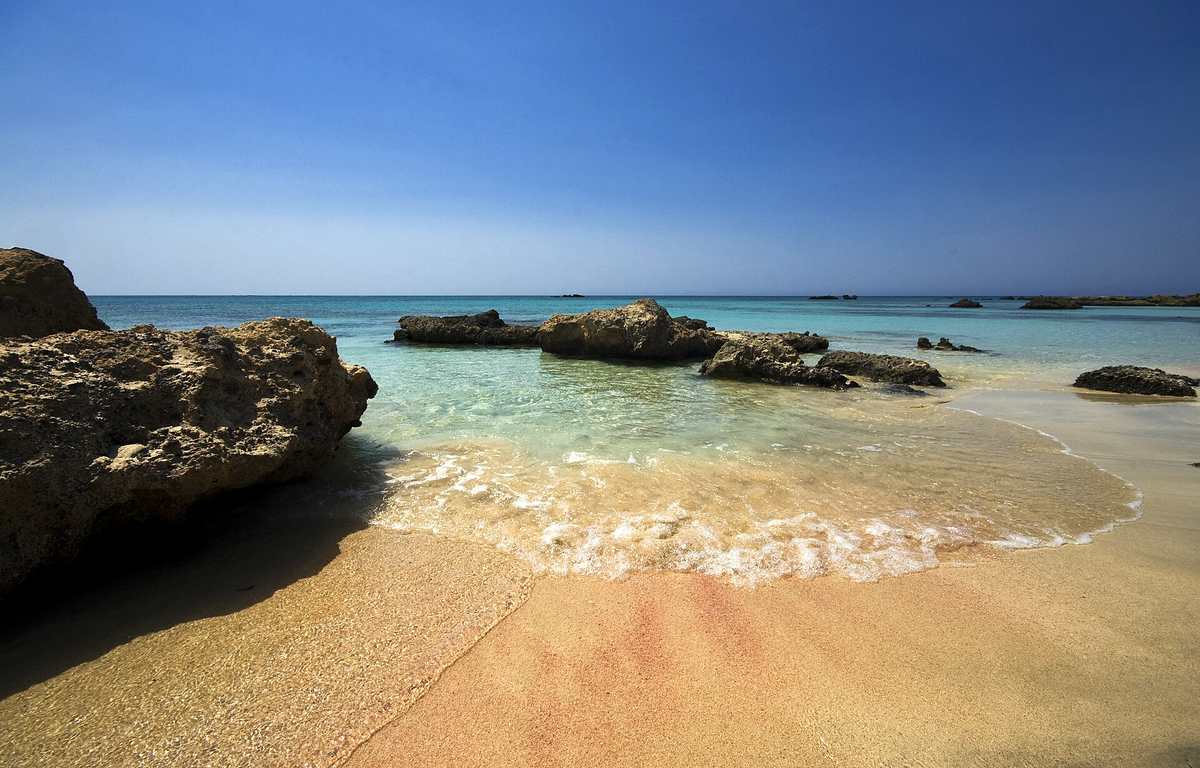
Crete rewards families with warm, shallow water, sandy beaches and a relaxed pace that suits every age group beautifully. Young children paddle safely at Elafonisi, Georgioupoli and Almyrida, where the sea stays calm and warm long into the afternoon. North-coast resort beaches add sunbeds, lifeguards and tavernas within easy reach, so parents can unwind while children play close by. Older kids happily trade beach days for the myths of Knossos, the marine tanks of the Cretaquarium and splashy afternoons at the island water parks. This guide gathers the beaches, attractions and practical advice that make a Cretan family holiday feel effortless, drawn from years of trips planned with My Greece Tours.
Our Crete family planning follows a simple idea: pick calm bases, keep drives short and mix beach time with a couple of standout attractions. For the wider picture of the island, read our full Crete travel guide, then return here for the child-friendly detail. The sections below cover where families swim safely, which attractions delight children of every age, how the ancient palaces spark young imaginations, and the practical tips that keep the days smooth. Each answer stays short and useful, so you can plan quickly and spend your energy on the holiday itself rather than the logistics behind it.
Is Crete good for families with kids?
Crete suits families with kids remarkably well. Calm, sandy beaches, gentle attractions and welcoming tavernas make daily life simple with children, and short island distances keep drives manageable when you base yourself thoughtfully on the north coast.
Crete earns its family reputation through gentle geography and an unhurried daily rhythm that children settle into fast. The north coast holds most resort beaches, where shallow water, sunbeds and lifeguards sit beside tavernas that welcome children without fuss. Parents rarely feel rushed, and mealtimes stretch happily across long, relaxed summer evenings. Distances stay reasonable too, so a well-chosen base puts beaches, a water park and one ancient site within an easy morning’s reach. Explore our roundup of things to do in Crete to see how beach days, boat trips and museum visits fit together into a balanced week. That mix keeps energetic children content.
It also gives tired parents the quiet downtime a real family holiday should always deliver in full measure, right through the busiest summer weeks.
Family logistics feel lighter here than on smaller Greek islands, which reassures first-time visitors. Supermarkets, pharmacies and clinics cluster around the main towns, and hire cars with child seats are straightforward to arrange in advance. The Cretan approach to children shapes the whole experience: waiters bring extra plates, locals stop to chat, and no one minds a toddler wandering between the tables. That warmth turns ordinary dinners into easy, memorable evenings that everyone remembers fondly. Choosing one or two bases rather than constant hotel changes cuts packing stress and long transfers, leaving more precious hours for the sea.
With a little planning, the island balances excitement and calm so that both small children and older kids finish each day pleasantly tired rather than overwhelmed by travel.
Which Crete beaches are best for young children?
On Crete, Elafonisi, Georgioupoli and Almyrida top the list for young children. Their shallow, warm, sandy shallows let toddlers paddle safely, and the north-coast resort beaches add lifeguards, sunbeds and tavernas close by for comfort.
Shallow water and soft sand define the finest beaches for young children on the island. Our guide to the best Crete beaches highlights spots where the sea stays knee-deep for a long stretch, giving toddlers ample room to splash under close parental watch. Georgioupoli offers a wide sweep of soft sand backed by friendly tavernas, while Almyrida stays sheltered and calm, ideal for first swims and gentle floating in warm water. The famous pink-tinged sands of Elafonisi beach sit at the island’s south-west tip, where a shallow lagoon lets children wade across warm, ankle-deep water with wide room to roam.
Arrive early to claim precious shade near the water, and pack a light beach tent so babies can nap safely out of the strong midday summer sun.
Resort beaches along the north coast add reassuring infrastructure for families who want an easy day out. Lifeguards patrol the busier stretches, sunbeds and umbrellas save you from hauling gear across the sand, and tavernas sit only steps away for lunch and cold drinks. Gentle slopes and organised swimming zones keep confident swimmers within safe limits, which matters greatly with excitable young children. Water shoes help on the rockier edges, and a simple bucket-and-spade kit turns any stop into hours of contented play. Rotate a couple of beaches through the week so nobody tires of the same view. Time your longest sessions for morning and late afternoon.
Keep the fierce midday hours for shade, a leisurely lunch and a proper rest indoors before the second swim of the day.
What are the best Crete attractions for kids?
The best Crete attractions for kids are the Cretaquarium at Gournes, the Water City and Limnoupolis water parks, boat trips, and gentle donkey and nature walks. Each one entertains children while giving parents a comfortable day.
Beyond the beach, a strong handful of attractions keep children happily busy across a Cretan week. The Cretaquarium at Gournes, east of Heraklion, ranks among the top rainy-day or midday-heat options, its tanks full of Mediterranean sharks, rays and shimmering shoals that hold small attention spans easily. Water City and Limnoupolis water parks deliver slides and splash zones that burn off surplus energy on scorching afternoons. Boat trips add gentle adventure, letting kids scan for fish from the deck, while donkey rides and easy nature walks connect them to the wider landscape at a toddler-friendly pace.
Threading one big attraction into each part of your stay keeps children looking forward to the next day, and stops any single outing from feeling like too much at once.
Nature offers quieter thrills that still delight younger explorers and give parents a scenic break. The gentle Imbros Gorge gives families a real taste of Cretan canyon scenery without the demanding length of the Samaria hike, so shorter legs manage the walk with regular breaks for snacks and shade. Freshwater outings make a refreshing change from salt water, and calm inland spots such as Kournas Lake let children ride pedal boats across still water ringed by green hills. Pack enough water, sun hats and sturdy shoes for these outings, and start early to beat the heat. Alternating a lively attraction one day with a slower nature morning the next keeps the pace sustainable.
That gentle rhythm stops the smallest travellers from wearing out halfway through a long week away from home.
Can kids enjoy Knossos and the ancient palaces of Crete?
Yes, kids can enjoy Knossos and the ancient palaces of Crete. They bring the Minotaur and the labyrinth to life for older children, and telling the myth first turns weathered stone walls into an exciting treasure hunt.
Ancient ruins can feel abstract to children until a good story unlocks their imagination. Knossos, the great Minoan palace near Heraklion, carries the legend of the Minotaur and the labyrinth, and older kids light up once they picture a maze hiding a mythical beast beneath the very courtyards they walk across. Read the tale of Theseus and Ariadne’s thread the night before, then let children hunt for the throne room, the tall storage jars and the red-columned halls as if solving a giant puzzle. Keep the visit fairly short and aim for the cooler morning hours. Reward the effort with a shady lunch afterwards.
The palace then stays a genuine highlight of the trip rather than an exhausting endurance test in the strong Cretan summer sun.
The other Minoan sites reward families who want the myths without the heavier crowds. Phaistos and Malia spread across open ground where children can roam more freely, imagining daily life among the ancient courts and workshops. Bring a printed picture of how each palace once looked, since young minds bridge the gap between bare ruins and grandeur far more easily with a clear image in hand. Carry water and sun hats, because shade is limited across these exposed archaeological sites. Pairing one palace with a nearby beach afternoon balances culture and play in a single outing. Older kids absorb the history in the morning and cool off in the sea later.
That simple contrast keeps everyone cheerful and prevents museum fatigue from ever taking hold during the visit.
What practical tips help families travelling in Crete?
For families travelling in Crete, book child seats with your hire car, carry sun hats and high-factor sunscreen, plan around the midday heat, and choose one or two bases to cut long drives and keep children comfortable.
Smart preparation makes a Cretan family trip run smoothly from the airport onward and saves stress later. Reserve child seats when you book the hire car, since availability tightens in peak season and safe fitting matters on the winding coastal roads. Pack sun hats, high-factor sunscreen and refillable water bottles, then reapply cream through the day, because the summer sun is far stronger than it feels beside a cooling sea breeze. Structure each day around the heat: swim and sightsee in the morning, rest indoors through the fierce midday hours, then head out again as the afternoon softens. Deciding early on where to stay in Crete shapes the whole rhythm of your trip.
Weigh a lively resort such as Hersonissos against a quieter village base carefully, and match the choice to the ages of your children.
Base choice does more than almost anything else to keep young children content on holiday. Picking one or two bases rather than a new hotel every night slashes packing, transfers and the tired meltdowns in the back seat that ruin an afternoon. From a well-placed base you can reach a beach, a water park and an ancient site without any drive dragging past an hour, which keeps everyone calm and relaxed. Cretan tavernas smooth the evenings further, greeting children warmly, serving simple grilled dishes early and never rushing a family through a long meal. Carry snacks and a small first-aid kit for beach days, download offline maps for patchy rural signal, and build in unhurried mornings.
That gentle structure lets the holiday feel restful rather than a race between attractions.
Frequently Asked Questions
What is the best time of year to visit Crete with kids?
Late spring and early autumn suit families best, offering warm seas and comfortable temperatures without the fierce peak-summer heat that tires small children. May, June and September bring pleasant days for beaches, gentle gorge walks and sightseeing, with the water warm enough for young children to swim happily and safely. High summer delivers reliable sunshine and every attraction open, though the strong midday heat means families should swim and explore in the morning, rest indoors through the hottest hours, then head out again in the late afternoon. School holidays push July and August into the busiest, priciest window, so book accommodation and hire cars with child seats well ahead of your trip.
Spring rewards visitors with green landscapes and quieter sites, ideal for combining Knossos with easy nature outings. Whatever the month, pack sun hats and high-factor sunscreen, plan around the heat, and choose calm north-coast beaches for the youngest swimmers to enjoy safely and comfortably throughout.
How many days do you need in Crete with children?
A week gives families a comfortable, unhurried holiday that mixes relaxed beach days with a couple of standout attractions. Seven days let you settle into one base, rotate through gentle beaches such as Georgioupoli and Almyrida, spend a morning at the Cretaquarium, cool off at a water park and still visit Knossos without any cramming. Ten to fourteen days open up an easier two-base trip, pairing the west around Chania with the centre near Heraklion, which cuts long drives and suits younger children who tire quickly on the road.
Shorter stays of four or five days work well if you stay near the airport and keep the itinerary tight, choosing one beach zone and two or three attractions rather than racing across the whole island. Whatever the length, build in slow mornings and rest through the midday heat, so children stay cheerful and the days never once feel like an exhausting endurance test from start to finish.
Do you need a car when visiting Crete with kids?
A hire car makes family travel far easier, giving you the freedom to reach quiet beaches, water parks and ancient sites on your own schedule rather than around fixed bus timetables. Public buses link the main towns and larger resorts along the north coast, yet the best child-friendly beaches and quiet inland spots sit beyond convenient routes, and waiting at stops in the midday heat tests young patience quickly. Booking a car with properly fitted child seats lets you carry beach gear, snacks and sun shades, then time drives for cooler hours when children travel more calmly and happily. Roads on the north coast are straightforward, though mountain routes wind and demand a steady, careful pace.
Families who prefer not to drive can still enjoy a relaxed holiday by basing themselves in a walkable resort with a beach, tavernas and a pool close by, adding the occasional taxi or organised day trip for further attractions.