
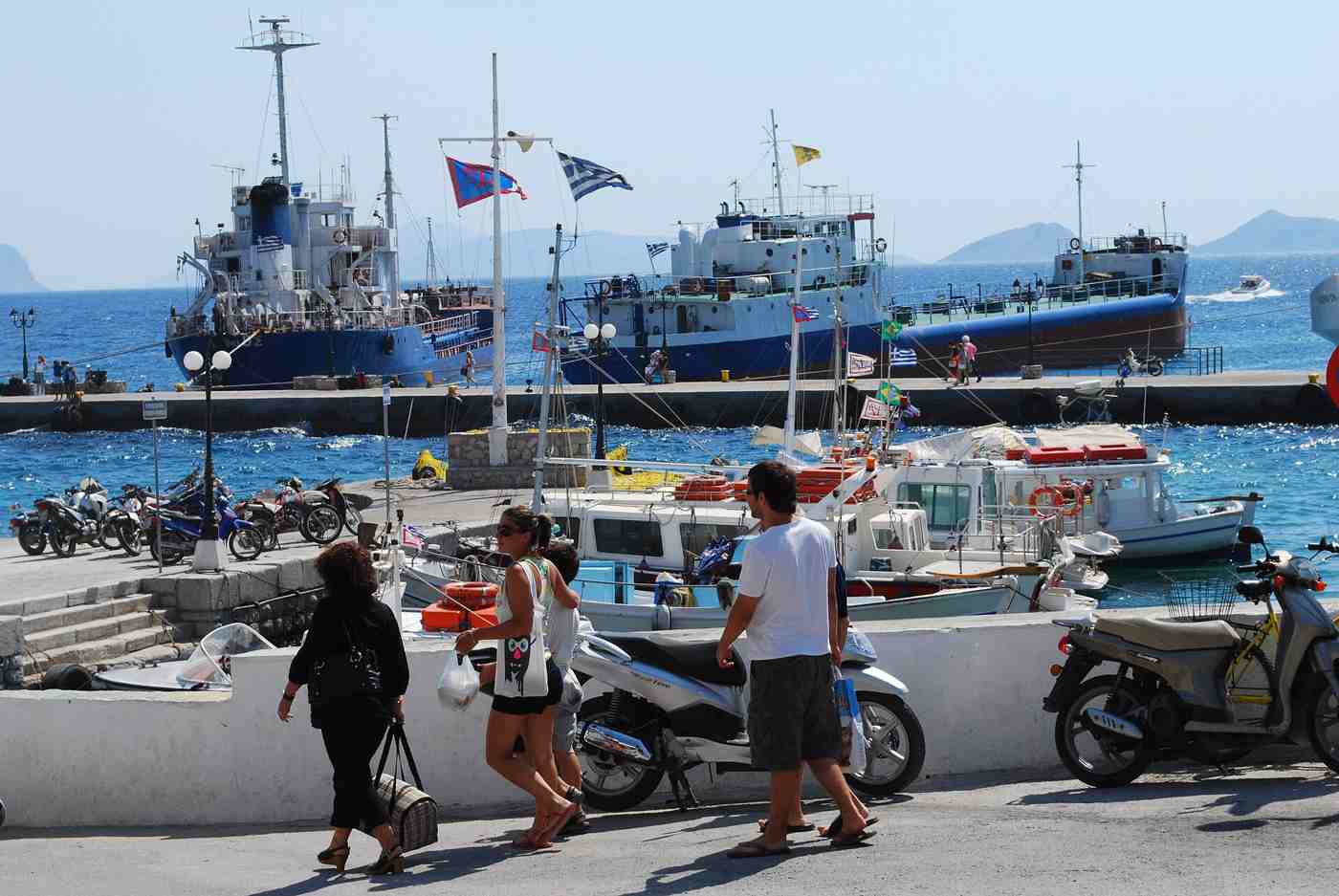
Vrellos beach is one of the greenest, most sheltered coves on Spetses, a pine-clad bay on the island’s northwest coast that locals nickname Paradise, and My Greece Tours mapped it here for anyone planning a calm swim and an unhurried lunch. Backed by dense Aleppo pines and lapped by clear, protected water, Vrellos offers pebbles, shade and a single taverna above the shore, reached by water taxi from the Dapia or by bicycle along the coast road.
A day at Vrellos is built around slow pleasures: a swim in glassy, transparent water, a shady rest beneath the pines, and a long lunch overlooking the bay. The nickname Paradeisos, meaning Paradise, captures the mood of a cove where the forest presses almost to the sea and the setting stays quiet and scenic. This guide covers exactly where Vrellos sits, why it earns its Paradise name, how to reach it, and how to plan a relaxed visit.
Where is Vrellos Beach located on Spetses?
Vrellos beach lies on the northwest coast of Spetses, kilometres from Spetses Town along the coast road. It fills a small, sheltered bay backed by dense pine forest and faces the calm channel toward the Peloponnese mainland.
Vrellos occupies the green, wooded northwestern shoulder of Spetses, tucked into a compact bay that opens toward the mainland across a narrow, sheltered channel. Following the coast road from the harbour, it sits kilometres from Spetses Town, close enough for an easy outing yet far enough to feel like a genuine retreat from the busier eastern side of the island. The slopes above the cove are covered in the Aleppo pines that gave Spetses its ancient name, Pityoussa, the pine-covered place, and those trees reach almost to the waterline.
Most people arrive at Vrellos by water taxi from the harbour or by bicycle and scooter along the shore, which keeps the approach quiet and the setting unspoilt.
The bay itself is small and enclosed, cradled between low, pine-covered headlands that shelter it from the open sea. Vrellos faces roughly northwest, so the hills of the mainland and the island’s own wooded flank protect the water from the prevailing summer winds. This orientation gives the cove its trademark calm, with a glassy, transparent surface even on days when the exposed southern beaches feel choppy. The shoreline is pebbly rather than sandy, sloping into water that deepens fairly quickly and stays clear over the stony seabed. Dense greenery frames the shore on almost every side.
The overriding impression is of a leafy, protected inlet, a natural pocket of pines and clear sea rather than an organised, purpose-built beach strip.
Getting your bearings makes the location easy to picture. Spetses Town and the elegant Spetses Town and the Dapia quay sit on the eastern side of the island, and from there the coast road runs around the northern shore, threading through pine woods and past a string of small coves toward Vrellos. Along the way the mansions and cafes of the town gradually give way to forest and quiet shoreline. Because the cove faces northwest, it catches lovely afternoon and early-evening light, when the sun drops toward the mainland and warms the water and the pines.
For visitors, that mix of a short, scenic journey and a secluded, leafy arrival is precisely why they make the trip out to this particular bay.
The mainland ports of Kosta and Porto Heli lie just across the strait from this side of Spetses, which underlines how sheltered and inland-facing the Vrellos channel feels. Rather than open, restless water, you look out onto a calm band of sea, sometimes dotted with a yacht or two at anchor and the green outline of the mainland beyond. This protected geography is a large part of why Vrellos works so well for a relaxed swim and lunch: the water is usually flat, clear and inviting.
Combined with the encircling pine forest and the near-total absence of development, the location delivers a distinctly Saronic kind of beauty, close enough to town for a simple day trip yet secluded enough to earn the affectionate local nickname of Paradise.
Why is Vrellos Beach on Spetses called Paradise?
Vrellos earns its nickname Paradise, or Paradeisos in Greek, from its lush setting: dense pine forest sweeping down to a sheltered cove of clear, calm water.
The Paradise nickname, Paradeisos in Greek, is the first thing many people learn about Vrellos, and it reflects the beauty of the setting rather than any single amenity. The cove is unusually green even by the leafy standards of the island’s northwest coast, with thick pine forest tumbling down the surrounding slopes almost to the water’s edge. That wall of resinous greenery, framing a small bay of clear, calm sea, creates the kind of enclosed, natural picture that feels a world away from a developed resort beach. Add the shade of the pines, the transparency of the sheltered water and the quiet that comes with limited development.
It is easy to see why generations of visitors have reached for the word Paradise to describe the place.
The nickname also captures the mood of a day spent at Vrellos rather than just the view. The sheltered, northwest-facing bay stays calm and glassy on most days, so the water invites long, lazy swims, while the pines provide a cool, shaded refuge from the summer sun. There is little of the noise and bustle of the island’s busier shores here, no thumping beach clubs or long rows of concessions, so the atmosphere stays peaceful and unhurried. That combination of clear water, deep green shade and quiet is exactly the idyllic escape the name promises.
For travellers, a swim followed by a slow lunch above the cove is the very definition of a paradisiacal beach day, which keeps the nickname firmly attached to Vrellos.
It helps to see the Paradise tag in the context of the island’s wider coast, which is dotted with pine-framed coves competing for the title of most beautiful. Vrellos holds its own among the leading entries on any list of Spetses beaches, precisely because it distils the island’s green, forested character into a small, sheltered bay. Where beaches trade on size or facilities, Vrellos trades on natural beauty and calm, which is what the Paradise nickname really rewards. The name is not an official designation but an affectionate, widely used description, passed between locals and returning visitors who know the cove well.
Once you have seen the pines meeting the clear water, the reason for the nickname needs little further explanation.
The idyllic reputation of Vrellos is heightened by the way the light plays across the bay through the day. Because the cove faces northwest, it catches soft, golden light in the afternoon and early evening, when the sun sinks toward the mainland and warms the pines and the water together. Photographers and casual visitors alike find this the most magical time at the beach, when the greens deepen and the sea takes on a burnished sheen. Morning brings a fresh, cooler kind of beauty, with calm water and few people about, while the middle of the day shows off the clear turquoise sea at its brightest.
Whatever the hour, the interplay of forest, light and transparent water sustains the sense of a small, sheltered paradise that the nickname promises.
What is Vrellos Beach on Spetses like?
Vrellos is a small, natural cove of pebbles and pine shade rather than an organised resort beach.
Vrellos reveals itself as a compact, sheltered bay hemmed in by pine-covered slopes, its shoreline pebbled and its water strikingly clear. This is a natural cove rather than a broad sandy beach. You find smooth stones and coarse shingle underfoot instead of soft sand, and the greenery of the forest reaches almost to the sea on either side. Pine trees supply patches of natural shade along parts of the shore, a genuinely welcome feature on a hot Greek beach where organised umbrellas are the usual source of shelter. The overall scale is intimate rather than sprawling, which reinforces the sense of a hidden, enclosed pocket of coast.
It is a place that rewards a slow, unhurried visit, where the forest and the calm sea meet with very little built between them.
The defining quality of Vrellos is its water, which is clear, calm and inviting. Because the shore is pebbly and the seabed stony rather than sandy, the sea stays free of stirred-up sediment and takes on bright, translucent shades of blue and turquoise. The sheltered, northwest-facing bay keeps the surface flat on most days. The water tends to be glassy and easy for swimming even when other, more exposed beaches are ruffled by the meltemi wind. You can often see clearly to the stony bottom a short way out, which makes the cove a pleasant spot for a relaxed swim.
That clarity, together with the pine scent drifting off the slopes and the quiet lapping against the pebbles, gives Vrellos a serene, almost secret atmosphere that sets it apart from the island’s livelier shores.
What Vrellos deliberately lacks is as much a part of its character as what it offers. There are no long rows of sunbeds, no beach clubs pumping out music, no watersports concessions and no line of shops. The single taverna set above the bay is the one significant amenity, and beyond it the cove stays refreshingly bare and green. This low-key, undeveloped character is precisely why so visitors seek it out, whether they arrive by water taxi for a lazy swim or cycle over from town for lunch and a dip. Vrellos rewards those who like their beaches natural and quiet, and who are content to bring a little of what they need.
But if you come for pines, peace and clear water, the cove delivers.
The beach also sits within a wider green landscape that repays a little exploration. The pine woods behind the cove are laced with quiet tracks, and the coast road that brings you here continues past other secluded inlets around the island’s wooded northern flank. Small boats and yachts sometimes anchor in the sheltered bay, drawn by the same calm, clear water that makes the shore so appealing. Vrellos consistently features among the most cherished natural entries when people compare the best Spetses beaches, because it captures the island’s pine-clad essence in a single, small cove.
It feels less like an isolated destination and more like the heart of the island’s green northwestern coast, where the forest, the light and the transparent sea combine into something quietly memorable.
How do you get to Vrellos Beach on Spetses?
You reach Vrellos mainly by water taxi from the Dapia in Spetses Town, a ride of roughly ten to fifteen minutes, or by bicycle and scooter along the coast road.
The most popular way to reach Vrellos is by water taxi from the Dapia, the main quay in Spetses Town. These small boats run through the day in the warm season, ferrying swimmers and diners around to the island’s beaches. The trip out to Vrellos typically takes about ten to fifteen minutes. Arriving by sea is part of the pleasure, as you glide out of the busy harbour, round the wooded coast and slip into the calm, clear bay with the pines rising ahead of you.
It is wise to confirm return times with the skipper or at the quay so you are not left waiting at a cove with little passing traffic. This water-borne approach suits the island’s car-free, unhurried character perfectly.
Cycling to Vrellos is the other classic option, and it fits the island beautifully. The coast road runs from town around the green northern shore, and the ride to Vrellos covers a few gently scenic kilometres through the pines. Bicycles are widely available to hire in Spetses Town, and the relatively shaded stretches make the journey enjoyable rather than gruelling for reasonably fit riders. Understanding getting around Spetses is the key to a smooth outing, since the island has no rental cars for visitors and relies instead on bicycles, scooters, water taxis and horse-drawn carriages.
Many people cycle out in the cooler morning, swim and lunch at the cove, then ride back as the afternoon heat begins to soften and the light turns golden over the bay.
Scooters and mopeds offer a faster land alternative for those who would rather not pedal. Rented easily in town, they cover the coast road to Vrellos in a matter of minutes and let you carry a little more gear for the day. The route is straightforward, following the shoreline northwest from the harbour, and signposting for the main beaches helps you find your way. Whichever land route you choose, remember that Spetses is car-free for visitors, so the roads are quiet and shared mainly with cyclists, scooters and the occasional service vehicle.
This keeps the journey calm and the air clean, though it also means you should ride carefully on the narrower, pine-shaded sections where the road hugs the coast and the surface can be uneven, particularly on the descent toward the cove.
Planning your transport around the day makes all the difference at a beach as natural as Vrellos. If you rely on a water taxi, agree on a pick-up time before you are dropped off, because the cove has no bus service and only limited passing traffic to fall back on. If you cycle or take a scooter, set off before the midday heat and carry water for the ride. It is also worth thinking about how Vrellos fits into your wider trip, since visitors reach it as part of a day exploring the coast, or combine it with a broader look at how to get to Spetses and moving on around the island.
With a little forethought, the journey to this pine-framed Paradise cove becomes a highlight in itself rather than a logistical worry.
Is Vrellos Beach good for swimming?
Vrellos is a fine spot for swimming, with clear, calm water that shelves fairly quickly from a pebbled shore.
Swimming is the main reason most people make the trip to Vrellos, and the cove rewards them with clear, calm water in a green, sheltered setting. The sea is transparent and cool, deepening fairly quickly a short way out so that swimmers have room to stretch out beyond the shallows. The pebbly seabed means there is little loose sand to cloud the water, which is why Vrellos offers such clear bathing. On a calm, sunny day the sea glows in bright shades of blue and turquoise, and you can see the stones and the occasional fish below the surface. For anyone who values clean, clear water over soft sand underfoot, this sheltered bay is close to ideal.
It is easy to spend hours drifting between swims and spells of pine shade above the shore.
The sheltered geography of Vrellos is a genuine practical advantage for swimmers. Because the small bay faces northwest and is guarded by pine-covered headlands and the mainland beyond, it is largely protected from the meltemi wind that can churn up the island’s more exposed southern beaches in high summer. This means Vrellos often stays calm and swimmable on days when other shores are choppy, making it a reliable fallback when the wind is up. The water tends to be flat and glassy, ideal for a relaxed swim and for children paddling near the shore under supervision. That said, the shore shelves fairly quickly and the seabed is pebbly rather than sandy.
Less confident swimmers should take care and keep an eye on where the shallows give way to deeper water.
Snorkelling is a quiet pleasure at Vrellos thanks to the clarity of the water and the rocky, pebbled seabed. The transparency lets you follow the contours of the bottom easily, and the rocks along the edges of the cove shelter small fish and marine life. Bringing a mask and snorkel turns a simple swim into a chance to explore the underwater world of the bay. The calm, sheltered conditions make it accessible for beginners as well as more experienced swimmers. Because Spetses is car-free and Vrellos remains largely undeveloped, the sea here stays notably clean, free of the pollution and disturbance that can affect busier, more built-up coastlines.
That cleanliness is a large part of what makes both the swimming and the underwater scenery so appealing at this pine-framed cove.
A few sensible precautions help you get the most from swimming at Vrellos. Water shoes are genuinely useful, since the pebbled shore and rocky patches can be hard on bare feet, both entering and leaving the sea. There is little natural shallow shelf, so plan where you get in and out, and supervise young children closely given how the water deepens. Sun protection matters even in the pine shade, because the reflected glare off the clear water is strong. With those basics covered, Vrellos offers rewarding, relaxed swimming, and it ranks among the coves that make the island’s coastline so special.
Pairing a long swim here with lunch at the taverna above the bay is one of the classic pleasures of a Spetses beach day. The reason so visitors return.
What facilities and amenities does Vrellos Beach have?
Vrellos has minimal facilities, in keeping with its natural character.
The defining feature of Vrellos’s amenities is how few of them there are, which is precisely what draws so visitors. Unlike the organised beaches near town, Vrellos is not lined with rows of hired loungers and umbrellas, nor does it have beach bars, watersports kiosks or shops. Instead, the shoreline stays natural and green, with pine trees supplying much of the shade and the pebbled shore left largely as nature made it. This restraint is central to the cove’s quiet, unspoilt appeal and to its Paradise reputation.
Visitors who value a wild, low-key beach over a fully serviced one find Vrellos a refreshing change, though it does mean you should plan ahead and bring the essentials you might otherwise expect to buy or hire on a busier, more commercial stretch of coast.
The one significant amenity is the taverna set above the bay, and it plays an outsized role in the Vrellos experience. Perched among the pines overlooking the water, it serves food and drinks through the season and gives visitors a reason to linger long after their swim. A leisurely lunch here, with the clear cove spread out below, is for many people the whole point of the outing. The taverna also provides a welcome patch of organised shade and a place to rest, buy a cold drink and escape the midday sun. Because it is essentially the only catering option at the beach, it can get busy at peak lunchtime in high summer.
Arriving a little early or later helps you secure a comfortable table with a good view over the Paradise bay.
Given the limited amenities, coming prepared is the key to a comfortable day at Vrellos. Bring plenty of drinking water, especially if you cycle or scooter over in the heat, along with sun cream, a hat and a towel. Water shoes make the pebbled shore far more pleasant, and a mask and snorkel let you enjoy the clear water fully. If you plan to picnic rather than eat at the taverna, pack your own food and, importantly, take all your rubbish away with you to help keep this natural cove pristine. Shade can be found beneath the pines, but a beach umbrella is worth considering if you want a guaranteed spot out of the sun.
A little preparation turns a facility-light beach into a wonderfully self-contained day out at one of the island’s prettiest coves.
It also helps to see Vrellos in the context of the island’s wider dining and beach scene. The taverna above the bay is part of a broader tradition of relaxed, sea-view eating that runs through the island’s Spetses restaurants, from harbour-front fish tavernas to simple beach kitchens. If you want a fuller range of choice, the town offers far more, so visitors swim at Vrellos and dine back in Spetses Town later. For a day at the cove itself, though, the single taverna and your own supplies are all you need.
The deliberate lack of development is not a shortcoming but the whole appeal: Vrellos trades convenience for a natural, peaceful beauty that the island’s busier, better-serviced beaches simply cannot match, which is exactly why the Paradise nickname has stuck.
When is the best time to visit Vrellos Beach on Spetses?
The best time to visit Vrellos is from late May to September, when the sea is warm and the weather settled.
The prime season for Vrellos runs from late spring through early autumn, broadly late May to September, when the Saronic sea is warm and the weather dependable. In June the water has shed its spring chill and the island is lively but not yet at its peak, making it an excellent month for a relaxed swim in the clear cove. July and August bring the warmest seas and the sunniest, most settled conditions, though also the largest crowds, while September holds the summer’s warmth with a gentler, quieter feel. Across all these months the sheltered water at Vrellos stays inviting, and the pine shade offers relief from the midday heat.
For most visitors, this warm stretch of the year is unquestionably when the Paradise cove is at its best.
Timing your visit within the day matters just as much as choosing the month. Mornings at Vrellos are typically calm, cooler and least crowded, so arriving early rewards you with quiet water and an easy choice of spot beneath the pines. The bay tends to fill through the middle of the day as water taxis bring swimmers and diners out from town, particularly around the taverna at lunchtime in high summer. The northwest-facing cove then catches its most beautiful, softening light through the late afternoon and early evening, when the sun sinks toward the mainland and gilds the pines and the sea.
Aim for an early start or a later, lingering afternoon rather than the busy midday peak. You will experience the cove much closer to its natural, tranquil character.
The sheltered position of Vrellos makes it especially valuable during the meltemi winds of high summer. When the seasonal northerly blows and stirs up the island’s exposed southern and eastern beaches, the northwest-facing cove often stays notably calmer and more swimmable. This makes Vrellos a smart choice on breezy days when other shores are uncomfortable. It is worth keeping in mind as a wind-proof fallback whenever you are deciding where to swim. Checking the day’s conditions before you set out helps you match the beach to the weather.
The broader question of the best time to visit Spetses as a whole feeds naturally into planning a beach day, since sea temperature, crowds and wind all shift noticeably across the season and shape how the cove feels.
The shoulder edges of the season have their own quiet appeal at Vrellos, provided you accept cooler water. In late September and early October the sea often stays swimmable, the crowds thin dramatically. The cove returns to something close to solitude, ideal for a peaceful swim and lunch. Spring, from April into May, brings green hills and flowering slopes, though the water is still bracing and services are only just reopening. In the depths of winter the beach reverts to a wild, empty inlet, beautiful for a walk but not for swimming, and the taverna is unlikely to be operating.
For the classic Vrellos experience of warm, clear water and pine-shaded lunches, the late-spring-to-early-autumn window remains the one to target.
How does Vrellos Beach compare with other beaches on Spetses?
Vrellos is one of the island’s benchmark natural coves, quieter and greener than the organised bays or town beaches.
Set against the island’s other shores, Vrellos stakes out a clear identity as a green, natural, low-key choice. The beaches close to Spetses Town. The more organised bays, offer more in the way of sunbeds, beach bars and easy amenities, which makes them convenient but also busier and more built-up. Vrellos takes the opposite path, keeping its small cove wild and quiet, with a single taverna and little else. This means it appeals to a particular kind of visitor: someone who prizes clear water, pine shade and seclusion over the comforts of a fully serviced beach.
Understanding this distinction helps you plan, since it is easy to spend a lively, well-catered day on one part of the coast and a peaceful, natural one at Vrellos on another.
The comparison with Zogeria beach is especially natural, because the two neighbouring coves share the same pine-clad, sheltered character on the island’s northwest coast. Both are pebbled, both back onto dense forest, and both offer clear, calm water and a single taverna rather than an organised resort strip. Zogeria is a larger double cove, while Vrellos is smaller and more intimate, but the mood at each is similar: quiet, green and unhurried. Many visitors happily pair the two across a trip, hopping between them by water taxi or cycling the coast road that links this stretch of shore.
Together they define the island’s wild northwestern beaches, and choosing between them often comes down to which cove is calmer on the day and which taverna table you can secure.
Vrellos also differs sharply from the beaches right beside Spetses Town in both feel and access. The shores near the Dapia and the old harbour are easy to reach on foot or by a very short ride. They sit within the buzz of the town, close to cafes, shops and the waterfront promenade. Vrellos requires a deliberate journey by water taxi or bicycle, and that small effort is rewarded with genuine seclusion and cleaner, clearer water away from the harbour. For visitors weighing convenience against tranquillity, this is the central trade-off.
Another green comparison is with Agioi Anargyroi beach, a larger, more organised bay with a stretch of sand and the Bekiris sea cave nearby, which suits a busier, more sociable beach day than quiet Vrellos.
Placing Vrellos within the island’s full spread of coves helps you build a varied beach itinerary. The rich choice of Spetses beaches ranges from organised, family-friendly bays to remote, boat-access inlets, and Vrellos occupies the sweet spot of being wonderfully natural yet still easy to reach by a short water-taxi hop or bicycle ride. This accessibility, combined with its clear water, pine backdrop and Paradise nickname, is why it consistently ranks among travellers’ favourite spots. Rather than choosing a single beach for a whole trip, most visitors mix and match across coves. Vrellos earns its place as a reliable go-to for a quiet, scenic swim.
It represents the island’s wild, forested character at its most appealing, and it pairs naturally with a livelier bay elsewhere for a fuller, more varied itinerary.
What can you do around Vrellos Beach on Spetses?
At Vrellos you can swim, snorkel and picnic in pine shade, then lunch at the taverna above the bay.
The core activities at Vrellos revolve around the water and the shade. Swimming in the clear, sheltered cove is the main draw, and the calm, glassy conditions make it a joy for hours at a time. Snorkelling over the pebbled, rocky seabed adds another dimension, letting you explore the transparent underwater world close to the shore. Between swims, the pine trees along the beach offer natural shade for reading, resting and simply soaking up the tranquil setting that earned the cove its Paradise name. Because the bay is so quiet and undeveloped, the pleasures here are gentle and unhurried rather than action-packed, which is exactly the point.
A day at Vrellos is about slowing down, alternating dips in the cool water with spells in the shade and long, lazy lunches overlooking the bay.
Cycling forms a natural companion to a Vrellos beach day, and it is one of the classic ways to experience this part of the island. The coast road that leads to the cove continues around the green northern shore, passing other inlets and pine woods, so visitors turn the outing into a wider ride. Renting a bicycle in town and pedalling out to Vrellos, swimming, then continuing along the coast is a notable way to see the car-free island at a human pace. This kind of relaxed exploration sits at the heart of the best things to do in Spetses, where the absence of traffic makes cycling Spetses safe, quiet and genuinely scenic.
The pine-shaded stretches keep much of the route comfortable even on warm days.
Vrellos also works well as one stop on a boat-based tour of the coast. Water taxis link the cove to the town and to other beaches, so it is easy to string together several swimming spots in a single day on the water. Organised excursions and private hires open up even more of the coastline, including inlets that are hard or impossible to reach by land. Booking a place on one of the island’s Spetses boat tours lets you view Vrellos from the sea, anchor in the sheltered bay for a swim, and move on to explore further around the island.
Seeing the pine-framed Paradise cove from the water, with the dense forest rising behind the beach, is a memorable perspective that adds a great deal to the experience.
Beyond swimming, cycling and boating, Vrellos rewards those who simply want to relax and take in the natural surroundings. The pine forest behind the beach carries a fresh, resinous scent, and quiet tracks lead into the woods for short, shaded walks. Photographers find plenty to love in the interplay of clear turquoise water, pale pebbles and dark green pines, especially in the soft, golden light of late afternoon that the northwest-facing cove catches so well. A picnic beneath the trees, followed by an unhurried swim, is a perfect way to pass the middle of the day. The overriding appeal is calm and natural beauty.
The best thing to do at Vrellos is often to do very little: swim, eat, rest and let the peaceful rhythm of this sheltered Paradise cove set the pace of your day.
Frequently Asked Questions
Where exactly is Vrellos Beach on Spetses?
Vrellos beach is on the northwest coast of Spetses, kilometres from Spetses Town and the main Dapia harbour along the coast road. It occupies a small, sheltered bay that faces the Peloponnese mainland across a narrow, calm channel, with dense pine forest rising behind the pebbled shore. The northwest orientation, together with the shelter of pine-covered headlands and the mainland beyond, keeps the water unusually calm and clear, even when the island’s exposed southern beaches are ruffled by wind. Because Spetses is car-free for visitors, Vrellos is reached mainly by water taxi from the Dapia, which takes about ten to fifteen minutes, or by bicycle and scooter along the shore road.
Its position on the green, wooded northern flank of the island gives it a secluded, natural feel while keeping it close enough to town for an easy day trip, which is a large part of its enduring appeal and its Paradise nickname.
Why is Vrellos Beach nicknamed Paradise?
Vrellos is nicknamed Paradise, or Paradeisos in Greek, because of its lush, idyllic setting rather than any official designation. Dense pine forest sweeps down the surrounding slopes almost to the water’s edge, framing a small, sheltered cove of clear, calm sea. That wall of greenery, combined with the transparency of the water, the natural shade of the pines and the quiet that comes with limited development, creates a picture that generations of visitors have described as paradisiacal. The mood matches the view, as the calm, glassy bay invites long swims while the trees offer a cool refuge from the summer sun, with none of the noise of the island’s busier shores.
The nickname is affectionate and widely used, passed between locals and returning visitors who know the cove well. The northwest-facing bay is especially beautiful in the soft, golden light of late afternoon, which deepens the greens and warms the water, reinforcing the sense of a small, sheltered paradise.
How do you get to Vrellos Beach on Spetses?
You reach Vrellos mainly in one of two ways, since Spetses is car-free for visitors. The most popular is by water taxi from the Dapia, the main quay in Spetses Town, a short ride of about ten to fifteen minutes that drops you right at the cove. These boats run regularly through the summer season, though it is wise to agree a return pick-up time so you are not left waiting at a beach with little passing traffic. The alternative is to travel overland by bicycle or scooter along the coast road, a scenic journey of kilometres through the pines.
Bicycles and scooters are widely available to hire in town, and the relatively shaded route makes cycling enjoyable for reasonably fit riders. There is no public bus to the beach and no option to drive a private car. Plan your transport in advance, set off before the midday heat if riding, and carry water for the trip.
Is Vrellos Beach sandy or pebbly?
Vrellos is a pebbly beach rather than a sandy one, and this pebbled character is closely tied to what makes it so appealing. The shore is made up of smooth stones and coarse shingle that slope fairly quickly into deeper water. Because there is little loose sand to be stirred up, the sea stays clear and takes on bright shades of turquoise and blue. That clarity is one of Vrellos’s signature qualities and a major reason it is prized for a relaxed swim and a gentle snorkel. The practical consequence is that water shoes are genuinely useful here, since bare feet can find the pebbles uncomfortable both entering and leaving the sea.
The small cove is backed by dense pine forest that reaches almost to the waterline in places, providing natural shade along parts of the shore. If you prefer broad stretches of soft sand, other beaches on the island suit better. For clear water and a wild, green setting, Vrellos’s pebbles are part of its charm.
Is there a taverna at Vrellos Beach?
Yes, there is a single taverna set above the bay at Vrellos, and it is the beach’s one significant amenity. Perched among the pines with a view over the clear cove, it serves food and drinks through the warm season and gives visitors somewhere to enjoy a relaxed lunch after a swim. For many people, a long, unhurried meal here overlooking the water is the highlight of the whole outing. The taverna also provides welcome shade and a place to buy a cold drink out of the midday sun. Beyond it, Vrellos has no shops, kiosks or beach bars, so the taverna really is the extent of the catering.
It can get busy at peak lunchtime in high summer. Arriving a little earlier or later helps you secure a comfortable table with a good view. If you would rather picnic, bring your own supplies and take all your rubbish away.
Is Vrellos Beach good for children and families?
Vrellos can be a good beach for families, but it comes with caveats worth weighing. On the positive side, the sheltered cove usually has calm, clear, glassy water that is pleasant for paddling and swimming. The pine shade offers natural relief from the sun, which is a real bonus for children on a hot day. The taverna above the bay provides food, drinks and a shady rest spot. On the other hand, the shore is pebbly rather than sandy and shelves fairly quickly into deeper water. There is little gentle shallow area for very young children, and there are no lifeguards.
Facilities are minimal, so you must bring water, snacks, sun protection and ideally water shoes to protect small feet on the stones. Families who prefer a broad sandy beach with more amenities may find an organised bay easier. For those happy with a natural, quiet cove and close supervision, Vrellos works well and its green setting is a delight.
Which is better, Vrellos or Zogeria beach?
Neither Vrellos nor Zogeria is simply better, as the two neighbouring coves share the same pine-clad, sheltered character on the island’s northwest coast. Many visitors happily enjoy both across a trip. Both are pebbled, back onto dense forest and offer clear, calm water with a single taverna rather than an organised resort strip. The main difference is scale: Zogeria is a larger double cove split by a low wooded headland, while Vrellos is smaller and more intimate, which some find even more idyllic and paradisiacal. The mood at each is very similar, quiet, green and unhurried.
Both are reached by a short water-taxi ride from the Dapia or by cycling the coast road that links this stretch of shore. Rather than choosing one over the other, the easiest approach is to hop between them, letting the calmer sea and the available taverna table on the day decide which pine-framed cove wins your afternoon.