
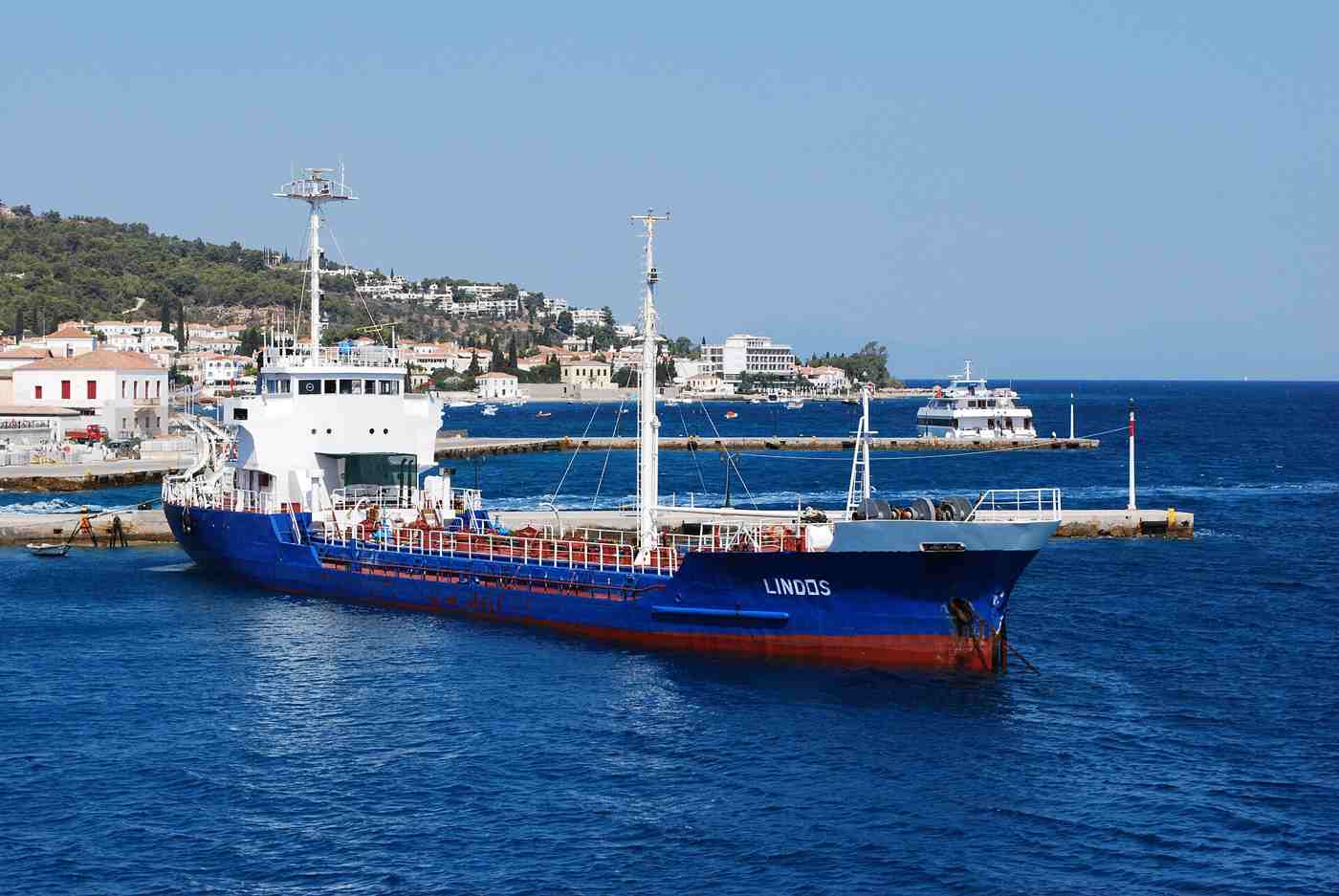
Spetses beaches string along a pine-fringed coast that rewards anyone willing to swim, and this guide from My Greece Tours maps every bay worth the trip. The island of Spetses, ringed by roughly twenty-six kilometres of coast road, hides sandy sweeps, sheltered coves and pebbled inlets all within easy reach of the town. Knowing which beach suits your day makes the car-free island effortless to enjoy from the first morning.
The beaches divide neatly into organised sands with sunbeds and tavernas, and quiet coves where pines run down to clear water. Agioi Anargyroi, Agia Paraskevi, Zogeria, Vrellos, Xylokeriza, Ligoneri, Kaiki and Agia Marina each offer a different mood. Reaching them by bicycle, water taxi or the seasonal minibus is half the pleasure. This overview helps you match the right bay to families, strong swimmers or anyone chasing a little solitude.
What are the best beaches on Spetses?
Spetses offers a compact ring of contrasting beaches, from the broad organised sands of Agioi Anargyroi and Agia Paraskevi to sheltered pine-framed coves like Zogeria and Vrellos, with smaller pebbled inlets and town beaches filling the gaps between them.
The island’s beaches spread around a single coastal loop of about twenty-six kilometres, so no bay sits far from the town. The celebrated trio of Agioi Anargyroi, Agia Paraskevi and Zogeria lines the western and southern shore, each backed by pine woods and served by a seasonal taverna. Closer to the centre lie Kaiki, Agia Marina and Ligoneri, easy to reach on foot or a short ride. To the far corners sit quieter Xylokeriza and the cove of Vrellos, often nicknamed Paradise. Understanding getting around Spetses makes it simple to link several of these in a day, and most visitors sample three or four different beaches across a stay.
Choosing between the bays is a pleasure rather than a logistical headache.
Character, not size, is what separates the beaches here, and choosing well shapes the whole day. Some, like Agioi Anargyroi and Agia Marina, are fully organised, with rows of sunbeds, umbrellas, beach bars and water sports that suit families and sociable swimmers. Others, such as Zogeria and Vrellos, keep a wilder feel, with pines for shade, a single taverna and water that stays clear and calm. The town beaches trade scenery for convenience, sitting within a stroll of cafes and shops. Between these extremes are pebbled inlets that reward the effort of reaching them with quiet. Deciding whether you want facilities or seclusion is the first and most useful question to answer before you set out.
Getting that single decision right early is the surest way to a satisfying day spent by the water.
Water quality is a consistent strength across the island, and it is the reason regulars return each summer. The sea around Spetses runs clear and clean, shifting through turquoise shallows to deep blue where the pines meet the shore. Because the island faces the sheltered Argo-Saronic gulf and the mainland coast of the Peloponnese, bays stay calm even when a northerly breeze ruffles the open Aegean elsewhere. The western coves in particular offer glassy, protected swimming that suits children and snorkellers. This combination of clear water and shelter, rather than long ribbons of sand, is what defines the beach experience here and sets it apart from the windier, sandier islands of the Cyclades further out to sea.
For swimmers and snorkellers, this reliable calm is a large part of the island’s enduring seaside appeal.
Planning around the beaches also guides where you choose to base yourself for the trip. Staying near the Dapia keeps ferries, water taxis and the town beaches within a short walk, which suits travellers who value convenience over a beachfront room. Those set on a particular cove sometimes prefer lodgings further along the coast so a bicycle reaches the sand quickly each morning. Thinking about where to stay in Spetses alongside your favourite beaches saves backtracking later. Because the island is small and the coast road connects everything, no choice of base ever cuts you off from the water. Matching accommodation to the beaches you most want to visit simply turns good days into effortless ones.
A short walk or ride is all that ever separates you from the next inviting stretch of shore.
How do you reach the beaches on a car-free island?
You reach Spetses beaches by bicycle along the coastal ring road, by water taxi from the Dapia, by scooter or quad, or on the seasonal minibus, since private cars are restricted and almost nobody drives on the island.
The car-free rule shapes every beach day, and once you understand it the logistics become simple. Because private cars are heavily restricted, you cannot drive a hire car to the sand as you would elsewhere in Greece. Instead the beaches are served by bicycles, small motorbikes, ATV quads, water taxis and a limited seasonal minibus. Bikes rented near the Dapia are the classic choice, cheap and flexible along the flat coastal road. Learning getting around Spetses in advance takes the guesswork out of beach-hopping. Most visitors mix modes freely, cycling out to a distant cove in the cool morning and taking a boat back when their legs have had enough of the ride.
This freedom to switch between wheels and water is exactly what makes beach days on the island feel so relaxed.
Water taxis turn the sea into the fastest route to the finest beaches, and for many they are the highlight of the trip. Small motorboats wait at the Dapia and the Old Harbour, setting off on demand once a destination and fare are agreed rather than following a timetable. From the water you reach coves like Zogeria and Agioi Anargyroi far quicker than any bicycle, and the approach along the pine-clad shore is a scenic reward in itself. Some swimming spots are barely served by road at all, so a boat is the only sensible way in.
For a group splitting the fare, a water taxi can be good value, and it removes any worry about a hot, tiring return journey in the afternoon.
The coastal ring road is the backbone of every beach day for those who prefer to travel under their own power. Running for roughly twenty-six kilometres, it hugs the shore for long stretches and dips inland through fragrant pine forest where it climbs slightly. Following it clockwise from the town threads past one beach after another in sequence, so you can chain swims into a single outing. The surface is generally good and traffic stays light thanks to the car restriction, making it a genuine pleasure to cycle or ride. A fit cyclist circles the whole island in a couple of unhurried hours, stopping wherever the water looks inviting along the way.
You can set out in either direction and still return to your starting point.
Timing and simple preparation transform a beach day, especially at the height of summer. Setting off in the morning avoids the fiercest heat and gives you the pick of the sunbeds before the popular bays fill. Carry water, sunscreen and some cash, since services thin out at the far coves and cannot be relied upon for everything. Consulting the best time to visit Spetses helps too, because the spring and autumn shoulder seasons bring cooler cycling and quieter sands. If you tire before completing a loop, you can usually flag a water taxi from a beach back towards the town.
That flexibility is exactly why the car-free system suits beachgoers of every age and energy level, whatever the season or the weather happens to bring.
What is Agioi Anargyroi beach like on Spetses?
Agioi Anargyroi is the most famous and one of the largest beaches on Spetses, a broad sweep of sand and fine shingle on the south-western coast, fully organised with sunbeds, water sports and tavernas, with the Bekiris sea cave nearby.
Agioi Anargyroi ranks as the island’s signature beach, and it is where most first-time visitors head. It occupies a wide, gently curving bay on the south-western shore, backed by pine-covered hills and reached along the coastal ring road or by water taxi from the Dapia. The beach mixes sand with fine shingle, sloping into clear, calm water that deepens gradually and suits swimmers of every ability. Being fully organised, it offers rows of sunbeds and umbrellas, beach bars, and a choice of tavernas for lunch just behind the shore.
Its scale means it rarely feels cramped even in high summer, and its blend of facilities and natural beauty explains why it consistently tops lists of the best Agioi Anargyroi beach guides.
The great curiosity of the bay is the Bekiris cave, a sea cave set into the rocks at one end of the beach. Reached by a short swim or a careful scramble over the rocks, the cave opens into a chamber where light filters through gaps and colours the water. Local tradition ties the cave to the island’s role in the Greek War of Independence, when it is said to have served as a hiding place, which adds a layer of story to the swim. Exploring it is a highlight for confident swimmers and snorkellers, though it calls for care over slippery rock and only calm conditions.
This natural feature sets Agioi Anargyroi apart from the island’s other organised beaches and draws the curious back repeatedly.
Facilities at Agioi Anargyroi are among the fullest on the island, which makes it a dependable choice for a whole day out. Beyond sunbeds and umbrellas, the bay usually offers water sports in season, from pedalos and kayaks to towed rides, along with showers and somewhere to buy a cold drink or an ice cream. The tavernas set back from the sand serve fish, mezedes and lunch with a sea view, so you need not carry supplies. This level of service, combined with the safe, shelving water, makes the beach especially popular with families and with anyone who wants comfort rather than a wild, unserviced cove.
Arriving earlier in the day secures the best spots and the welcome patches of natural shade under the pines.
Reaching Agioi Anargyroi is straightforward by any of the island’s transport modes, which adds to its popularity. By land, the coastal ring road leads directly to the bay, a manageable bicycle ride best tackled in the cooler morning, or a brief cruise on a scooter or quad. By sea, water taxis from the Dapia call here through the day, and the approach along the pine-fringed coast is memorable in its own right. The seasonal minibus also serves the western beaches, giving a low-cost option for those who would rather not pedal.
Agioi Anargyroi works equally well as a first-day introduction to the island’s coast or as a reliable return visit later in the stay.
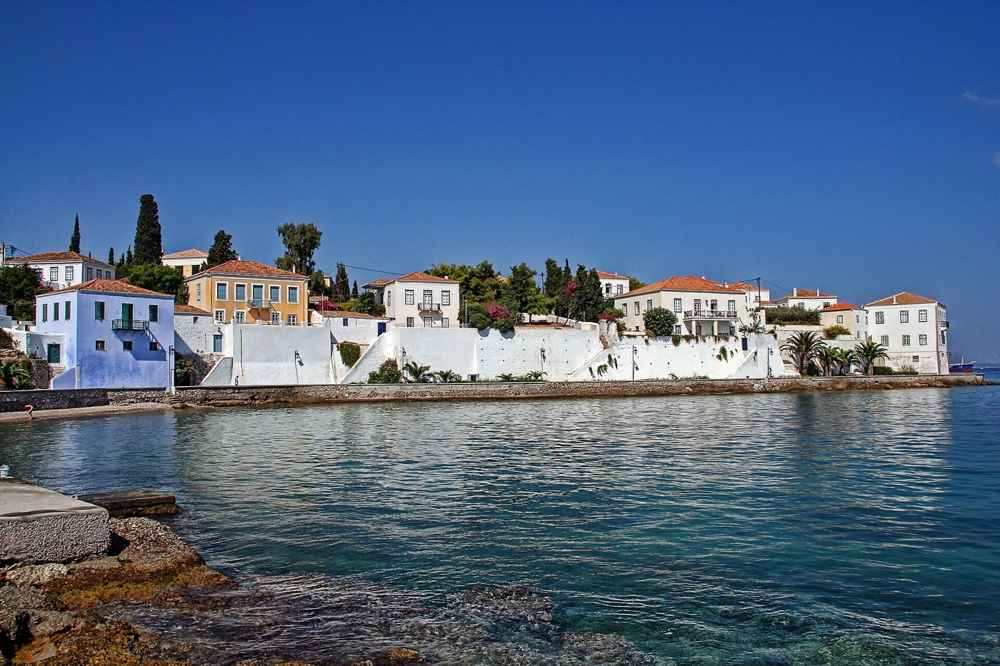
What makes Agia Paraskevi beach special?
Agia Paraskevi is a pine-backed beach on the south-western coast of Spetses named after the small whitewashed chapel above it, offering sand and shingle, shade from the trees and clear, sheltered water a short distance from Agioi Anargyroi.
Agia Paraskevi sits just along the coast from Agioi Anargyroi and shares the same beautiful south-western stretch of shoreline. It takes its name from the little whitewashed chapel of Agia Paraskevi that stands close to the beach, a simple landmark that gives the bay its identity and a photogenic focal point. The shore mixes sand and shingle, backed closely by pine trees that lean towards the water and cast welcome shade across part of the beach. The sea here is clean and generally calm, deepening gently and inviting long, unhurried swims.
Quieter and more natural in feel than its busier neighbour, Agia Paraskevi appeals to visitors who want organised comforts without the full bustle of the island’s largest and most popular bay.
The setting is one of the most attractive on the island, and it has earned a place in literary history. The pines running almost to the sand, the small chapel and the sheltered turquoise water combine into a scene that feels timeless and serene. The area around the beach is associated with the English novelist John Fowles, who taught on Spetses and drew on the island for the setting of his novel The Magus, with a villa near the bay often linked to the book. Whether or not you know the story, the atmosphere of pines, chapel and clear sea gives Agia Paraskevi a quiet magic that travellers rate among their favourite corners of the whole coast.
That literary association only deepens the sense of stepping into a scene that time has barely touched.
Facilities strike a middle balance that suits a range of visitors, which is part of the beach’s appeal. In season you will usually find sunbeds and umbrellas. There is typically a beach taverna or canteen for drinks and a simple lunch, so a full day here is comfortable. Even so, it keeps a more relaxed, less commercial feel than Agioi Anargyroi, and the natural shade under the pines means you are not wholly dependent on a rented umbrella. The gentle, clear water makes it a sound choice for families with children, while its calm and beauty equally reward couples looking for somewhere pretty and peaceful.
Arriving earlier helps you claim a shady spot near the trees before the middle of the day grows warm.
Getting to Agia Paraskevi follows the same easy pattern as the rest of the western coast, and it pairs naturally with a visit to its neighbour. The coastal ring road passes close by, so a bicycle, scooter or quad reaches it without difficulty, and the ride through the pine woods is a pleasure in itself. Water taxis from the Dapia will drop you here, and the seasonal minibus serves this side of the island too. Because Agioi Anargyroi lies only a short distance away, visitors combine the two in one outing, swimming at both and choosing where to eat between them.
This proximity lets you sample the busier and the calmer sides of the same lovely coastline within a single relaxed and rewarding day.
Is Zogeria beach worth visiting on Spetses?
Zogeria is one of the most scenic spots on Spetses, a pine-framed cove on the north-western coast facing the mainland, prized for deep, clear, sheltered water, natural shade and a single relaxed taverna above the shore.
Zogeria lies on the north-western side of the island, facing the sheltered channel towards the Peloponnese, and it is widely rated among the island’s most beautiful bays. The setting is the draw: pine forest tumbles down to a small, sheltered cove where the water glows a deep, translucent blue. The shore is largely pebble and rock rather than broad sand, which keeps the sea exceptionally clear, and the pines provide generous natural shade right down to the edge. Because it sits in a protected fold of the coast, the water usually stays calm and glassy, ideal for swimming and snorkelling.
Many rank Zogeria beach as the finest on the island for its combination of pines, clear water and quiet. The setting alone justifies the slightly longer journey needed to reach it on the north-western coast.
The area is often described as two coves, sometimes called Big and Small Zogeria, and the arrangement adds to its charm. The larger cove is the main swimming spot, backed by trees and served by a taverna, while the smaller neighbouring inlet offers an even quieter, more secluded dip. A small chapel and the surrounding greenery complete a picture that feels more like a private hideaway than a public beach. Because it is a little further from the town than the southern beaches, Zogeria tends to stay calmer and less crowded, which is exactly why so regulars love it.
The sense of arriving somewhere tucked away and unspoiled is a large part of what makes the effort of reaching it so worthwhile.
Facilities here are deliberately modest, and that restraint is part of the appeal for those who seek it. There is generally a taverna above the shore serving fish, mezedes and cold drinks with a view over the cove, which makes a long, lazy lunch easy. Beyond that, you should not expect the full array of sunbeds, water sports and beach bars found at the organised southern beaches. The shade comes chiefly from the pines rather than rows of umbrellas, so arriving earlier to claim a spot beneath the trees pays off on a hot day. Bringing water, a towel and perhaps a snorkel lets you make the most of the clear water.
Zogeria rewards those who value natural beauty and calm over amenities and crowds.
Reaching Zogeria is part of its allure, and arriving by sea is the classic way to do it. Water taxis from the Dapia sweep along the pine-clad shore and set you down at the cove. Regulars often insist the boat is the only proper way to arrive, framing the coves as they open between the trees. By land, the coastal road and its branches will get a cyclist, scooter or quad there, though the ride is longer and a little hillier than the run to the southern beaches. Pairing an outward boat trip with a return ride, or the reverse, makes a fine day.
A relaxed boat tour of the coast is another way to see it, so exploring the island’s Spetses boat tours can put Zogeria on your itinerary.
What are the beaches closest to Spetses Town?
The beaches closest to Spetses Town are Kaiki, also called College or Scholes beach, sandy Agia Marina to the south-east, and pebbly Ligoneri to the north-west, all within walking distance or a short ride of the Dapia.
Kaiki beach, widely known as College or Scholes beach, is the handiest organised beach to the centre and a favourite with a younger crowd. It sits a short walk west of the Dapia, next to the grand Anargyrios and Korgialenios School, the boarding college that gives the beach its nickname and where John Fowles once taught. The shore is sandy and organised, with sunbeds, umbrellas and a lively beach bar that keeps the atmosphere sociable. Being so near Spetses Town and the Dapia, it is easy to reach on foot when you want a swim without committing to a longer trip.
Its convenience, sand and buzz make it the natural choice for a quick dip close to the cafes and shops.
Agia Marina, on the south-eastern edge of the town, is the closest fully organised beach to the Old Harbour and one of the busiest and most sociable on the island. A short walk or ride beyond the picturesque Old Harbour brings you to a compact bay of sand and fine shingle, backed by tavernas and a beach bar. It is well equipped, with sunbeds, umbrellas and water sports in season, and its shelving water suits swimmers of all ages. The lively, see-and-be-seen atmosphere has long made it fashionable, and it fills quickly on summer days, so arriving earlier secures a place.
Its proximity to the town and the Old Harbour means you can combine a morning swim here with a wander among the mansions and waterfront cafes nearby.
Ligoneri lies a short distance north-west of the town, in the opposite direction from Agia Marina, and offers a calmer, more shaded alternative close to the centre. The beach is mainly pebble, backed by trees that lean over the water and provide natural shade, and the sea here is clean and clear. It is easy to reach on foot along the coast, by a short bicycle ride, or on the seasonal minibus that runs from the town in summer, making it accessible even without much effort.
The shade and the gentle, clear water make it a pleasant family option and a good choice on a very hot day when a shaded pebble beach is more comfortable than an open sandy one. Its closeness to town keeps it convenient for a half-day swim.
Having beaches within walking or minibus range transforms how you plan a stay, especially without a car. You can swim before breakfast at Kaiki, spend a lively afternoon at Agia Marina, or slip away to shaded Ligoneri when the sun is fierce, all without hiring transport for the day. This cluster of town beaches means you are never far from the water, whatever your energy or plans. It takes the pressure off reaching the more distant coves every single day. Basing yourself near the centre, close to Spetses restaurants and the waterfront, lets you weave short swims between meals and sightseeing.
For visitors these convenient beaches end up being used more often than the celebrated bays further round the coast.
Where are the quieter beaches, Xylokeriza and Vrellos?
Xylokeriza is a quiet pebble beach on the southern coast of Spetses ringed by pines, while Vrellos, often nicknamed Paradise, is a sheltered pebbled cove on the northern side with a taverna, both calmer than the island’s busiest bays.
Xylokeriza sits on the southern coast, one of the more distant beaches along the ring road, and it rewards the extra effort with peace and clarity. The shore is chiefly pebble and shingle, which keeps the water strikingly clear and clean, and pine trees fringe the bay to soften the setting and offer patches of shade. Because it lies further from the town than the popular western trio, it tends to stay quieter, especially outside the peak of summer. There is usually some seasonal organisation, with sunbeds and a canteen or taverna for drinks and a light lunch, but the mood stays relaxed and low-key.
For swimmers who want clear water and space to breathe, away from the busiest sands, Xylokeriza is a fine and dependable choice.
Vrellos, on the northern side of the island, carries the nickname Paradise, a hint at the setting that greets those who make the trip. It is a sheltered pebbled cove framed by green pine-covered slopes, with clear, calm water that is perfect for a long swim. A taverna above the shore serves food and drinks with a view over the bay, so you can settle in for a leisurely lunch without carrying supplies. The cove’s protected position keeps the sea gentle, and its greenery and quiet give it a restful, away-from-it-all feel that visitors treasure. Though it draws its share of admirers in high summer, Vrellos generally stays more peaceful than the organised southern beaches.
Its scenery lives up to the affectionate nickname it has earned.
Both beaches suit travellers who prize scenery and calm over sunbeds and buzz, and they show a different, gentler side of the island’s coast. The pebble shores mean you may want swim shoes for comfort entering the water, but they also keep the sea beautifully clear and free of stirred-up sand. Natural shade from the pines is a real asset on hot days, though arriving earlier helps you claim a good spot. Facilities are lighter than at the big organised bays, so it is wise to bring water and anything else you need for the day.
For anyone seeking a quieter swim with a taverna at hand rather than a full resort atmosphere, Xylokeriza and Vrellos deliver exactly that combination of peace and comfort.
Reaching these quieter beaches takes a little more planning, which is part of why they stay uncrowded and appealing. Both lie further along the coastal ring road, so a bicycle ride to them is longer and, in Vrellos’s case on the northern side, a touch hillier through the interior. A scooter or quad shortens the journey considerably and makes light work of the climbs. Water taxis from the Dapia can also reach the coves, and arriving by sea spares you the effort while adding a scenic cruise. Because they sit at the further reaches of the loop, it is worth confirming your return, especially by boat, before you settle in.
The modest extra effort to reach Xylokeriza or Vrellos is repaid times over in tranquillity.
Which Spetses beaches are best for families and children?
The best Spetses beaches for families are the organised bays with shallow, calm water and facilities, chiefly Agioi Anargyroi, Agia Paraskevi and Agia Marina, where sunbeds, tavernas and gently shelving sea make a day with children easy.
Families with young children are best served by the organised beaches, where shallow water and facilities take the strain out of a day at the sea. Agioi Anargyroi leads the way, with its broad, gently shelving bay of sand and fine shingle, calm protected water, sunbeds, showers and tavernas for lunch just behind the shore. Agia Marina, close to the town, is another sound choice, well equipped and lively, with sand and easy, safe swimming within a short walk of the centre. Agia Paraskevi adds natural pine shade to organised comforts, which helps on the hottest days.
These beaches let parents settle in for hours with everything to hand, from cold drinks to a shady umbrella and a meal without a long trek.
Shade and calm water matter most when travelling with children, and beaches score well on both counts. The pine trees at Agia Paraskevi, Zogeria and Ligoneri throw natural shade close to the sand, giving little ones a cool retreat from the midday sun without relying solely on a rented umbrella. For calm, sheltered swimming, the western and north-western coves that face the mainland channel stay gentle even when a breeze picks up. Their gradually deepening water suits paddling and first swims. Ligoneri in particular combines shade, clear shallow water and closeness to the town, which makes it a practical family pick on a very hot afternoon.
Choosing a shaded, sheltered bay over an exposed one keeps children comfortable and the whole day relaxed.
The car-free nature of the island is a quiet bonus for families, and it changes the feel of a beach day for the better. Without ordinary traffic to worry about, the walk or gentle cycle to the town beaches feels safe. Children can move around the waterfront with far less anxiety than in a busy resort. Reaching a beach can itself become part of the fun, whether that is a short bicycle ride, a horse-drawn carriage through the lanes, or a water-taxi hop that children usually love. The novelty of arriving by boat often turns the journey into a highlight of the trip.
This relaxed, low-traffic environment is one reason the island appeals so strongly to families returning year after year.
A little preparation makes a family beach day on Spetses run smoothly, whichever bay you choose. Setting off in the morning secures shade and sunbeds before the popular beaches fill, and it avoids the fiercest heat for young skin. Pack water, sunscreen, hats and swim shoes, the last especially useful on the pebbly beaches where the entry to the water can be stony. Choosing an organised beach with a taverna spares you carrying a picnic and lets you break the day with a proper lunch. If you plan to use a water taxi, confirm the return arrangement before you leave so nobody is left waiting in the afternoon sun.
With these simple steps, the island’s beaches make an easy, memorable playground for children of every age.
What facilities, shade and sunbeds can you expect at Spetses beaches?
Spetses beaches range from fully organised bays with sunbeds, umbrellas, beach bars and water sports to natural coves offering only pine shade and a single taverna, so facilities vary sharply from one beach to the next.
Facilities on the island’s beaches fall along a clear spectrum, and knowing where each beach sits helps you pack and plan. At the organised end, Agioi Anargyroi, Agia Marina, Kaiki and Agia Paraskevi typically offer sunbeds and umbrellas for hire, beach bars or canteens for cold drinks and snacks. Tavernas nearby for a full lunch. Several also provide water sports in season, from pedalos and kayaks to towed rides, along with showers. At the quieter end, coves like Zogeria, Vrellos and Xylokeriza keep facilities light, often just a taverna above the shore and natural pine shade rather than rows of umbrellas.
Deciding whether you want full service or seclusion is the single most useful question to settle before choosing a beach for the day.
Shade is worth thinking about carefully, since the summer sun on the island is strong and not every beach offers relief. The great advantage of Spetses beaches is the pine forest that grows almost to the water’s edge, giving genuine natural shade at Agia Paraskevi, Zogeria, Vrellos and Ligoneri. This means you are not wholly dependent on hiring an umbrella, though arriving earlier helps you claim a spot beneath the trees before they are taken. At the more open, sandy beaches, rented umbrellas and sunbeds are the main source of shade, so budget for them or bring your own.
On any beach in high summer, a hat, sunscreen and plenty of water are essential, as the midday heat can be fierce even by the cooling sea.
The type of shore underfoot varies as much as the facilities, and it affects comfort and what you carry. The most famous beaches, Agioi Anargyroi and Agia Paraskevi, mix sand with fine shingle, while Agia Marina and Kaiki lean sandy, making them the softest underfoot. Many of the quieter coves, including Zogeria, Vrellos, Xylokeriza and Ligoneri, are pebble or shingle, which keeps the water beautifully clear but can be hard on bare feet. A pair of swim shoes is a small, sensible investment that makes entering the water at the pebbly beaches far more pleasant.
The trade-off is worth understanding: pebbles usually mean clearer, less crowded water, while sand means softer lounging but sometimes busier, more churned-up shallows on the popular bays.
Planning around facilities lets you tailor each beach day to exactly what you want from it. If you seek comfort, water sports and lunch without effort, head for the organised southern and town beaches and simply hire what you need on arrival. If you prefer quiet and natural beauty, choose one of the pine-shaded coves, but carry water, food and anything else you might want, since services there are limited. Either way, arriving earlier in the day rewards you with the best shade, the pick of the sunbeds and the calmest water before the afternoon crowds and breezes build.
With such a range across a small island, from full resort comfort to unserviced tranquillity, the beaches of Spetses genuinely offer something to suit every kind of beach day and every kind of traveller.
Frequently Asked Questions
Which is the best beach on Spetses?
There is no single best beach on Spetses, because the island’s bays suit different tastes. Agioi Anargyroi is the most famous and popular, and Zogeria is often rated the most beautiful. Agioi Anargyroi, on the south-western coast, is a broad, organised sweep of sand and fine shingle with sunbeds, water sports, tavernas and the intriguing Bekiris sea cave nearby, which makes it a dependable all-round choice for families and sociable swimmers. Zogeria, on the sheltered north-western side, is a pine-framed cove prized for deep, crystal-clear water, natural shade and a quiet, tucked-away feel, served by a single relaxed taverna.
For lively convenience close to the centre, Agia Marina and Kaiki win, while Agia Paraskevi blends pine shade with organised comforts. The honest answer is to try several during your stay, since the small size of the island makes beach-hopping easy and each bay offers a different mood worth experiencing.
Are Spetses beaches sandy or pebbly?
Spetses beaches are a mix of both, and knowing the difference helps you choose and pack accordingly. The most famous beaches, Agioi Anargyroi and Agia Paraskevi on the south-western coast, combine sand with fine shingle, while the town beaches of Agia Marina and Kaiki lean more clearly sandy and are the softest underfoot. Many of the quieter and more scenic coves, including Zogeria, Vrellos, Xylokeriza and Ligoneri, are pebble or shingle rather than sand. Pebbles have a real advantage, since they keep the sea exceptionally clear and clean, free of the stirred-up cloudiness that busy sandy shallows can develop. They can be uncomfortable on bare feet.
For that reason a pair of swim shoes is a sensible thing to bring, making the entry to the water at the pebbly beaches far more pleasant. In short, expect sand and shingle at the big organised bays and clear-watered pebble at the quieter coves.
How do you get to the beaches on Spetses without a car?
You get to Spetses beaches without a car by bicycle, water taxi, scooter, ATV quad or the seasonal minibus, since private cars are heavily restricted across the island. Bicycles rented near the Dapia are the classic choice for the flat coastal ring road, which links one beach to the next around a loop of about twenty-six kilometres. Water taxis, small motorboats that leave the Dapia and the Old Harbour on demand once a fare is agreed, are the quickest and most scenic way to reach the western coves such as Zogeria and Agioi Anargyroi. The only easy way into spots barely served by road.
Scooters and quads suit those wanting to cover ground faster with less effort, while a limited summer minibus offers a low-cost option to the popular beaches. Many visitors mix modes, cycling out in the cool morning and taking a boat back when their legs tire in the afternoon.
What is the Bekiris cave at Agioi Anargyroi?
The Bekiris cave is a sea cave set into the rocks at one end of Agioi Anargyroi beach. It is one of the most distinctive natural features of any beach on Spetses. Reached by a short swim or a careful scramble over the rocks from the sand, the cave opens into a chamber where daylight filters through gaps and lends the water an atmospheric glow. Local tradition connects it to the island’s role in the Greek War of Independence, when it is said to have served as a hiding place, which gives the swim an extra layer of story. Exploring it is a memorable highlight for confident swimmers and snorkellers.
It calls for caution, since the rocks can be slippery and conditions need to be calm for a safe visit. Wearing swim shoes and choosing a settled day makes the experience easier, and it is a good reason to include Agioi Anargyroi on any beach itinerary.
Which Spetses beaches are best for families with children?
The best Spetses beaches for families are the organised bays with shallow, calm water and full facilities, chiefly Agioi Anargyroi, Agia Marina and Agia Paraskevi. Agioi Anargyroi offers a broad, gently shelving bay with sunbeds, showers, tavernas and safe, protected water, making it easy to settle in for a whole day with children. Agia Marina, close to the town, is well equipped and lively, with sand and easy swimming within a short walk of the centre. Agia Paraskevi adds valuable natural pine shade to its organised comforts, which helps on hot days. Ligoneri, near the town, is another good family pick, combining shade, clear shallow water and a short, easy journey.
The car-free island is a bonus for families too, since the low-traffic waterfront feels safe and the novelty of arriving by bicycle, carriage or water taxi often delights children as much as the swimming itself does. Choosing an organised bay with a taverna nearby keeps the whole day simple and comfortable for parents.
Are there quiet, uncrowded beaches on Spetses?
Yes, Spetses has several quiet, uncrowded beaches for those who prefer peace over facilities and crowds. Zogeria, on the sheltered north-western coast, is a pine-framed cove with deep, clear water and just a single taverna. Its distance from the town keeps it calmer than the popular southern bays. Vrellos, on the northern side and nicknamed Paradise, is a sheltered pebbled cove ringed by green pine slopes, with a taverna above the shore and gentle, clear swimming. Xylokeriza, on the southern coast, is another peaceful pebble beach fringed by pines, quieter for lying further along the ring road.
These beaches keep facilities light, so it is wise to bring water and anything else you need for the day, and to confirm your return if you arrive by water taxi. Reaching them takes a little more effort by bicycle, scooter or boat, but that very effort is what helps keep them tranquil and unspoiled.
Do you need to pay for sunbeds and umbrellas on Spetses beaches?
On the organised beaches of Spetses you can generally hire sunbeds and umbrellas for a fee, while the quieter coves rely more on natural pine shade than on rented equipment. At the busy, fully organised bays such as Agioi Anargyroi, Agia Marina, Kaiki and Agia Paraskevi, rows of sunbeds and umbrellas are available in season, often linked to a beach bar or taverna. Hiring a set buys you comfort and shade for the day. Prices vary by beach and season, so it is best to check locally rather than assume a fixed rate. At the natural coves like Zogeria, Vrellos and Xylokeriza, facilities are lighter.
The shade comes chiefly from the pines that grow close to the water, so arriving earlier to claim a shaded spot beneath the trees is the sensible approach. Bringing your own umbrella or beach mat is always an option if you want to avoid hire charges or plan to visit the quieter beaches.