
Santorini vs Crete is a choice between a small, romantic, view-driven island and a vast one with better beaches, deeper history and lower prices. Santorini suits a short, scenic break; Crete suits a longer, varied holiday. This guide compares them on size, beaches, scenery, cost and who each suits. Plan the whole trip with Greece Tours.
Both are top picks beyond the wider Santorini travel guide, and they pair well by ferry. The sections below compare them. They are very different islands.
What is the difference between Santorini and Crete?
The difference is size and character. Santorini is a small volcanic island built around caldera views, sunsets and romance, seen in a few days. Crete is the largest Greek island, with mountains, gorges, beaches and ancient sites, needing a week.
Santorini and Crete offer two very different Greek holidays. Santorini is compact and intense. It is a single volcanic island whose appeal centres on the caldera, the whitewashed clifftop villages of Oia and Fira, the sunset and a polished romantic atmosphere. You can experience all of it from one base in three to five days.
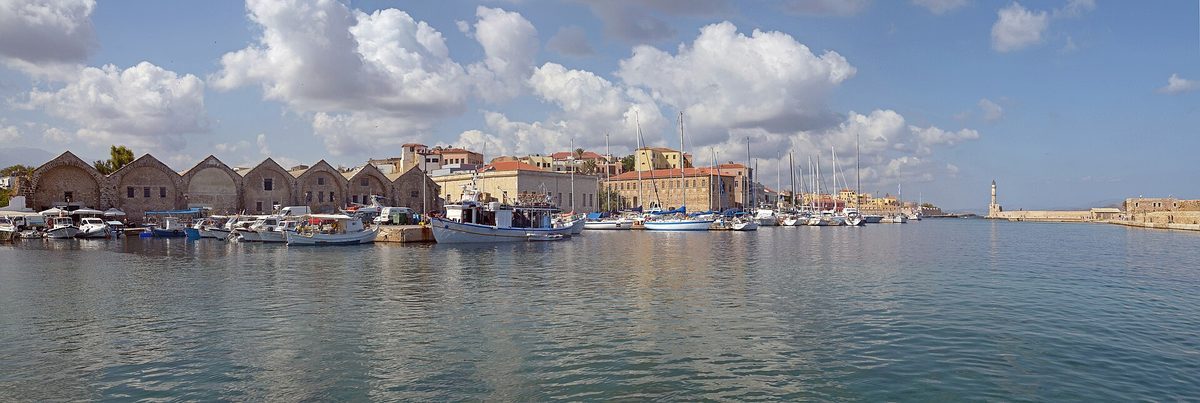
Crete works on another scale entirely. It is the largest island in Greece, ringed by a long coastline that stretches for hundreds of miles. Snow-capped mountains, deep gorges, wide beaches, Minoan palaces, Venetian harbour towns and traditional villages spread across the island. Seeing it well takes a week or more, and a road trip serves it best. One island is a scenic short break; the other is a country-sized adventure, set within the wider Santorini to Crete ferry route. Beaches divide them sharply.
Which has better beaches?
Crete has better beaches. It offers long stretches of sand and headline spots like pink-sand Elafonissi, Balos lagoon and Falassarna. Santorini’s beaches are small volcanic black and red pebbles, striking but rockier underfoot, so Crete wins.
For beaches, Crete is the clear winner. The island is ringed by superb shores. The pink sands and turquoise shallows of Elafonissi sit in the west, near the Balos lagoon. Falassarna adds a long golden sweep, and quieter sandy coves line the coast between them. Most are broad, family-friendly and made for a lazy day on soft sand.
Santorini’s beaches are products of the volcano. Perissa and Kamari lay out dark strands of black pebbles and sand, while the Red Beach shows off rust-coloured cliffs above the water. They look dramatic and unusual. They are also rockier underfoot, often small and busy in high summer. If soft sand and long swims sit at the centre of your trip, Crete delivers far more, set out alongside the guide to Santorini beaches. Scenery and romance favour Santorini.
Which is more scenic and romantic?
Santorini is more scenic in the iconic sense and far more romantic. Its caldera, blue-domed villages, cave hotels and sunset are unmatched in Greece. Crete is beautiful in a wilder way, but for the postcard image, Santorini wins.
For the dreamlike, romantic image of Greece, Santorini stands alone. Its caldera holds whitewashed villages spilling down sheer cliffs, blue-domed churches, cave suites and the celebrated sunset over the volcano. This is the most photographed scenery in the country. It is the reason the island tops honeymoon and anniversary lists year after year.
Crete is beautiful too, in a grander register. Soaring mountains, plunging gorges such as Samaria, palm-fringed beaches and historic towns give it a rugged, varied character rather than a postcard-pretty one. Crete rewards explorers and lovers of landscape and history. Couples chasing the iconic, intimate, view-driven Greek escape will find it in Santorini, set out alongside the guides to the Santorini sunset and the Santorini caldera. Cost and who suits each settle it.
Which is cheaper and who should choose what?
Crete is cheaper, with lower prices for food, hotels and car hire, suiting families, longer trips and budget travellers. Santorini is pricier and suits couples, short scenic breaks and first-timers chasing the views. Ten days combines both.
Money and travel style often decide the choice. Crete is markedly more affordable. Food, accommodation and car rental cost less across the island. Its space, sandy beaches and family resorts make it ideal for families, holidays of a week or more, and travellers who want their money to stretch further.
Santorini commands a premium for its setting. It suits couples, romantic or special-occasion trips, and first-time visitors who simply want the caldera and sunset in a short, easy break. The two islands are not mutually exclusive. Direct ferries in the warm season pair them beautifully, so with ten days or more you can enjoy Santorini’s views and then Crete’s beaches and history, set out alongside the guide to a Santorini itinerary. Size and geography start the deeper comparison.
How do Santorini and Crete compare in size and geography?
Santorini is a small crescent-shaped caldera island in the Cyclades, walkable end to end. Crete is the largest Greek island, a long landmass south of the Aegean with mountain ranges, plateaus and a coastline of hundreds of miles.
Santorini is the rim of a drowned volcano. The main island curves as a thin crescent around a flooded caldera, with the smaller islets of Thirasia and the volcanic centre inside the bay. You can drive its length in under an hour. That compactness is the point: one base near Oia or Fira puts the whole island within easy reach.
Crete sits far to the south, a barrier between the Aegean and Libyan seas. Three mountain ranges run along its spine, rising to snow-topped peaks that hold snow into late spring. Between them lie fertile plateaus, olive groves and gorges cut down to the coast. Distances are real here. Driving from the west near Chania to the east near Sitia fills a long day, which is why Crete rewards a planned route rather than one fixed base. Scenery flows from that geography.
Which has more dramatic scenery, the Santorini caldera or Crete’s gorges?
Santorini owns the single most dramatic view in Greece: the caldera cliffs falling to the sea. Crete answers with wilder, larger landscapes, notably the Samaria Gorge and the White Mountains. Santorini wins on the iconic image; Crete wins on variety.
The Santorini caldera is a natural amphitheatre. Cliffs drop hundreds of feet to a dark blue bay, with white villages clinging to the top edge and the volcano smoking gently offshore. No other Greek island frames the sea this way. The Santorini sunset over that rim is the scene most visitors picture first.
Crete trades that single set-piece for range. The Samaria Gorge cuts a long walking route down through the White Mountains to the Libyan Sea. Palm groves back the beach at Preveli, high plateaus like Lasithi open above the coast, and cave-pocked cliffs guard the shore. Crete’s drama is spread out and earned on foot or by car. Santorini concentrates its drama into one unforgettable frame. Things to do split along the same lines.
What is there to do on each island?
Santorini centres on caldera walks, sunset viewing, wine tasting, boat trips to the volcano and clifftop villages. Crete offers gorge hikes, ancient ruins, harbour towns, beach days and mountain villages, a far broader menu that fills a longer stay.
Santorini packs a focused set of experiences into a small space. You can walk the clifftop path from Fira to Oia, sail out to the volcanic islets and hot springs, tour the wineries on the island’s high plateau and settle in for the sunset each evening. The full range sits in the guide to things to do in Santorini.
Crete’s list is longer because the island is bigger. Hikers tackle gorges, history lovers explore ruins and museums, and beach seekers move between sandy bays along the coast. Venetian harbour towns like Chania and Rethymno reward slow evenings, while mountain villages serve cheese, honey and raki far from the crowds. A week fills easily, and a road trip ties the highlights together. History and culture deepen the contrast.
Which has richer history and ancient sites?
Crete has the deeper ancient record, home to the Minoan palace of Knossos and Europe’s earliest advanced civilisation. Santorini answers with the buried Bronze Age town of Akrotiri and Ancient Thera. Crete leads on scale; Santorini stays compact.
Crete carries Europe’s oldest advanced culture. The Minoan civilisation rose here, and its palace at Knossos remains the island’s headline site, backed by the collections in Heraklion. That Minoan story belongs to Crete, and this guide only points to it rather than retelling it. Venetian and Ottoman layers add fortresses and harbours on top of the ancient base.
Santorini’s past is shorter but vivid. A volcanic eruption in the Bronze Age buried the town of Akrotiri, preserving streets, frescoes and multi-storey houses under ash, an Aegean parallel to Pompeii. Higher up, the ruins of Ancient Thera spread along a mountain ridge with sea views on both sides. The wider arc appears in the Santorini history guide. Food and wine carry their own contrast.
How does the food and wine compare?
Crete has one of Greece’s most celebrated regional cuisines, built on olive oil, greens, cheese and slow cooking. Santorini offers a smaller table of cherry tomatoes, white aubergine, fava and volcanic Assyrtiko wine. Crete leads on breadth; Santorini on wine.
Cretan cooking is a destination in itself. The island’s diet leans on its own olive oil, wild greens, sheep’s cheeses, snails, rusks and slow-braised meats, backed by strong village winemaking and the fiery spirit raki. Long tables in mountain tavernas define the experience, and portions run generous.
Santorini grows flavour from volcanic soil. Sweet cherry tomatoes, white aubergine, capers and the split-pea purée fava all thrive without much rain, and the island’s Santorini wine scene centres on crisp, mineral Assyrtiko from ancient basket-trained vines. The full plate sits in the guide to Santorini food. Both islands eat well; Crete simply serves a wider table. Nightlife sets a further difference.
Which has better nightlife?
Santorini offers polished, romantic evenings of sunset cocktails and clifftop bars, plus a livelier scene at Fira. Crete ranges from quiet mountain tavernas to busy resort strips at Malia and Chania’s harbour. Santorini leads on romance; Crete offers more variety.
Santorini’s evenings match its mood. Sunset drinks on a caldera terrace, wine bars in Oia and Fira, and a cluster of late clubs in Fira give couples a refined night out rather than a raucous one. The setting does the heavy lifting, and the atmosphere stays elegant.
Crete spreads its nightlife across many settings. Malia draws a young party crowd in summer, Chania and Rethymno fill their Venetian harbours with bars and music, and inland villages offer slow evenings of raki and song. The range means Crete suits both party seekers and travellers who prefer a quiet taverna. Accommodation and how you get around round out the picture.
Where should you stay, and how do you get around each island?
Santorini favours one caldera-view base near Oia or Fira, easily managed without a car. Crete rewards two or three bases along a driving route, with a hire car close to essential. Santorini is simpler; Crete needs planning.
Santorini works best from a single stay. A room with a caldera view near Oia or Fira puts the sunset, the villages and the boat trips within reach, and buses plus short taxi hops cover most needs. The full breakdown sits in the guide to where to stay in Santorini, and the Santorini villages guide compares the settlements.
Crete asks for a different plan. Given the distances, most visitors split their stay between a western base near Chania and an eastern base near Heraklion or Agios Nikolaos, then drive between the highlights. A hire car is close to essential, since public transport thins out beyond the main towns. One island rewards settling in; the other rewards moving on. Getting between them is the next question.
How do you travel between Santorini and Crete?
Ferries link Santorini and Crete directly in the warm season, connecting Santorini’s port with Heraklion in the north of Crete. Sailings run most often from late spring through early autumn, which makes combining the two islands straightforward.
Ferries are the practical link. In the warm months, boats sail between Santorini’s port at Athinios and Heraklion on Crete’s north coast, carrying both foot passengers and cars. Services run more often at the height of summer and thin out in the cooler months, so a shoulder-season traveller checks the current timetable before locking plans. The route and options sit in the Santorini to Crete ferry guide.
The direction of travel is worth planning. Many visitors start with Santorini for two or three days, catch a daytime boat south to Crete and finish with a longer, slower week on the bigger island. Arriving into Heraklion also drops you close to Knossos and the island’s history before the road trip begins. Which island suits which traveller comes next.
Which island suits couples, and which suits families?
Santorini suits couples and honeymooners best, with romantic caldera views, cave suites and sunsets. Crete suits families and road-trippers, with sandy beaches, space, lower prices and a broader range of activities. Match the island to the trip you want.
Santorini is built for romance. Cave suites with private plunge pools, sunset dinners over the caldera and quiet clifftop villages make it a natural honeymoon and anniversary choice. Couples who want the postcard image of Greece in a short, polished break find it here, backed by the guide to a Santorini honeymoon.
Crete answers the needs of families and explorers. Sandy, shallow beaches suit children, resorts cluster along the north coast, and the island’s size gives active travellers gorges, ruins and villages to chase across a week. Lower prices help larger groups too. The best time to go shapes both trips, covered in the guide to the best time to visit Santorini. How long to spend follows.
How long should you spend on each island?
Santorini fits three to five days, enough for the caldera, sunset, villages and a boat trip. Crete needs a week or more to cover its beaches, gorges and ancient sites without rushing. Combining both comfortably takes ten days or more.
Santorini is a short-break island. Three to five days cover the clifftop walk, the sunset, a wine tour, a boat trip to the volcano and time to slow down. Adding nights past that brings diminishing returns unless you plan day trips to nearby islands. The pacing sits in the Santorini itinerary guide, and arriving is handled in the guide to how to get to Santorini.
Crete asks for a longer commitment. A week lets you split time between the west and east, hike a gorge, visit the Minoan sites and still find beach days. Two weeks let a road trip breathe from the west near Chania to the east near Sitia. To pair the islands, ten days or more works well: three on Santorini for the caldera and sunset, then the ferry south for a full week of Cretan beaches, gorges and ancient sites. The questions below cover the points travellers ask most.
Frequently Asked Questions
Should you visit Santorini or Crete?
You should visit Santorini for a short, romantic, view-driven break of three to five days, and Crete for a longer, varied holiday with better beaches, deeper history and lower prices. With ten days or more, the seasonal ferry lets you combine both, pairing Santorini’s views with Crete’s beaches.
Is Santorini or Crete cheaper?
Crete is cheaper than Santorini, with lower prices for food, hotels and car hire, making it the better choice for families, longer trips and budget travellers. Santorini commands a premium for its caldera setting and sunset, so it suits couples and short scenic breaks rather than money-conscious stays.
Does Santorini or Crete have better beaches?
Crete has better beaches, with long stretches of sand and headline spots like pink-sand Elafonissi, Balos lagoon and Falassarna. Santorini’s beaches are small volcanic black and red pebbles, dramatic to see but rockier underfoot, so Crete wins clearly for a relaxed beach holiday.
Can you combine Santorini and Crete in one trip?
Yes, you can combine Santorini and Crete on a longer trip. Ferries link the two islands directly in the warm season, connecting Santorini’s port with Heraklion on Crete. Most travellers start with two or three days on Santorini, then sail south for a week exploring Crete’s beaches, gorges and Minoan history.
Which island is better for a honeymoon?
Santorini is the stronger honeymoon choice, with caldera-view cave suites, romantic sunset dinners and quiet clifftop villages built for couples. Crete is better for active honeymooners who want beaches, gorges and a road trip, but for the classic romantic Greek escape, Santorini leads clearly.