
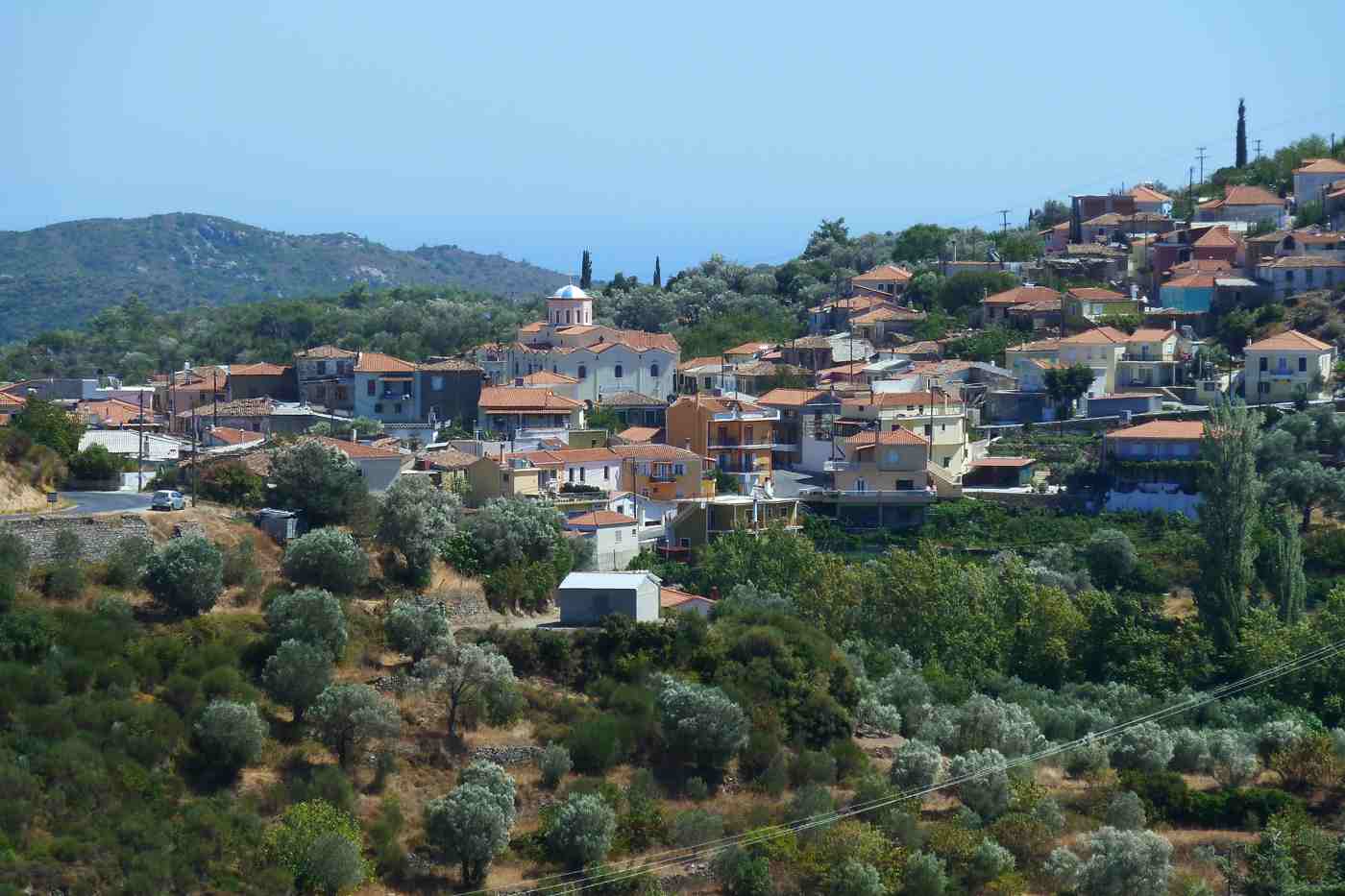
Samos runs a relaxed, low-key nightlife rather than a club-heavy party scene. Evenings here centre on long taverna dinners, harbour cafe-bars pouring cocktails and the sweet local Muscat, and slow walks along the waterfront. The main scenes gather in the harbour town of Pythagorio, the capital Vathy, and the north-coast resort of Kokkari, with a student edge in Karlovasi. Live Greek and rebetiko music threads through the summer at tavernas and village festivals, giving the island evenings a distinctly Greek, unhurried character. Plan the whole trip with Greece Tours.
This guide maps nightlife across Samos town by town, from the busy Pythagorio marina to the quieter lanes of Vathy and the beach bars of Kokkari. It covers where to go for cocktails, live music, wine and late tavernas, and how the scene shifts with the seasons and the meltemi wind. Expect casual dress, late dinners and prices below the big party islands. The tone stays social and slow, built for long evenings by the water rather than a fast night of bar-hopping.
What is the overall character of nightlife on Samos?
Samos nightlife stays relaxed and low-key, built on seafront tavernas, cafe-bars and wine rather than large clubs. Pythagorio, Vathy and Kokkari hold the main evening scenes, with music spots and late bars in high summer.
Samos runs a quiet, family-friendly nightlife shaped by its size and its role as a green, spread-out island. Evenings begin late over long dinners at seafront tavernas, where grilled fish, mezedes and carafes of local wine stretch past sunset. The main scenes gather in Pythagorio, Vathy and Kokkari, each within a short drive of the others on the north and southeast coasts. Bars here favour cocktails, cold beer and conversation over loud dance floors, and usually close by the small hours rather than dawn. The island draws walkers, beach families and wine visitors more than a club crowd, so the after-dark tone stays calm and unhurried.
This guide covers the main towns, the bars and tavernas, the live music, and the summer beach bars in turn across the island.
Nightlife on Samos follows a clear seasonal rhythm across the calendar. July and August bring the fullest scene, when the towns fill with visitors and bars, tavernas and music spots run every night. June and September stay lively but calmer, with warm evenings and easy tables along the harbours. May and October turn quiet, and the summer bar life slows as the season winds down. Across the whole island of Samos, the pattern rewards slow evenings. People walk a waterfront, choose a taverna and settle in rather than hunting for one big venue. Towns lie far apart on this large island.
Most travellers stay near their base and enjoy the bars within walking distance of their rooms, then drive out only for a special dinner.
Two habits define an evening out on Samos: the long taverna dinner and the harbour stroll that follows. Greek dinners start after nine, so bars and mezedopoleia stay busy well past midnight while diners linger over wine and small plates. The volta, an unhurried walk along the waterfront, sets the pace in every town, families and couples circulating between cafe-bars and ice-cream shops. Prices sit below the big Cyclades party islands, and the crowd mixes Greek holidaymakers, walkers and beach families rather than a young club set. The island grows its own sweet Muscat, so wine bars and tavernas pour the local product late into the night.
The result is a social, slow nightlife measured in courses, wine and conversation more than in loud venues.
Families and quieter travellers find the early evening the calmest part of the Samos night. Waterfronts in Pythagorio, Vathy and Kokkari turn into gentle promenades before ten. Children play by the harbour while cafe-bars serve juices and coffee beside cocktails. Later the same spots shift to music and drinks, and the small dance bars in Pythagorio and Kokkari fill only in high summer. Karlovasi keeps a separate, younger rhythm from the University of the Aegean, with cheaper student bars busiest outside the summer holidays. Dress stays casual across the whole island, and reservations rarely matter except at the popular tavernas on August weekends.
Anyone wanting a big, late club scene heads to Mykonos or Kos instead, while Samos rewards those after calm, relaxed harbour evenings.
What is nightlife like on the Pythagorio marina in Samos?
Pythagorio concentrates the liveliest nightlife on Samos along its marina, where cafe-bars, cocktail spots and late tavernas line the harbour.
Pythagorio sits on the southeast coast, a UNESCO harbour town built over the ancient capital, and its marina forms the heart of Samos nightlife. A curving quay lined with tavernas, cafe-bars and cocktail spots wraps the yacht harbour, so the whole scene sits within a short walk. Evenings open with dinner at the water’s edge, fresh fish and mezedes served as fishing boats and yachts rock alongside. Tables clear late, and the same strip turns to drinks as groups move from taverna to bar without leaving the quay. The town lies about three kilometres from the airport, so most first-time visitors base here and find the nightlife on their doorstep.
The mix of history, harbour and bars gives Pythagorio the broadest evening appeal on the island.
The cafe-bars along the Pythagorio quay carry the day into night without a hard break. Morning coffee tables become afternoon frappe stops, sunset cocktail terraces and then late-night drinks under the same awnings. Bartenders mix cocktails with the sweet local Muscat and Greek spirits alongside the usual international list. Cold draught beer flows through the hot months. Music stays at conversation level in most spots, a background of Greek pop and lounge rather than a dance floor. Seats face the water, so the harbour lights, the masts and the passing volta become the evening’s entertainment. Couples, families and yacht crews mix easily here, and a drink can stretch across an hour as the marina fills.
The pace suits long, unhurried nights rather than bar-hopping at speed.
Late tavernas give Pythagorio its long summer evenings, serving well past midnight in peak weeks. Kitchens send out grilled fish, mezedes and Samian dishes while carafes of Muscat and cold beer keep coming. Diners hold their tables for hours, so dinner itself becomes the night out rather than a prelude to a club. Between courses, people wander the quay, buy an ice cream and drift back, and children stay up late in the warm air. Bars near the marina keep going after the tavernas wind down, playing music into the small hours in July and August.
The town is compact, so everything sits within a two-minute walk, and no car or taxi is needed once you are on the harbour. The evening ends when the last table decides, not by a fixed closing time.
Pythagorio works as a base precisely because the nightlife matches its daytime draw. Visitors who spend a morning at the Eupalinos Tunnel or the Heraion return to the marina in the evening. Their rooms sit a short stroll from the quay. The harbour suits families early, with space for children and a gentle promenade, then shifts to an adult crowd nearer midnight. Sailing crews stopping at the marina add to the mix, stepping straight from their yachts to the quayside bars. Compared with Vathy, Pythagorio feels more geared to visitors and stays busier later in the season.
Anyone wanting one settled spot for a Samos holiday finds the town covers dinner, drinks and a walk in a single, walkable strip. The ancient sights and beaches lie close by in daylight.
Where do you go out at night in Vathy on Samos?
Vathy spreads its nightlife along the waterfront promenade and through the lanes off the main square.
Vathy, officially Samos Town, wraps around a deep northeast bay and serves as the island’s capital and main ferry port. Its nightlife splits between the long waterfront and the older streets climbing inland, giving two different moods a block apart. The harbour promenade carries the evening volta, families and locals strolling past cafe-bars, ouzeris and the town square. Vathy is a working town rather than a resort. The crowd leans local, and the bars stay open across the year, not the summer alone. Ferries arriving and leaving keep the waterfront busy at odd hours, and the cafes serve travellers waiting for late boats. The capital offers a more Greek, everyday nightlife than the visitor-focused marina at Pythagorio.
Prices sit a little lower than in the resorts.
The Vathy waterfront sets the tone for an easy evening beside the water. Cafe-bars and ouzeris spread tables along the promenade, where diners share mezedes, ouzo and the local Muscat as the ferries come and go. The volta fills the seafront after nine, three generations walking together between the square and the harbour front. Tables face the bay, so the fishing boats, the moored yachts and the town lights carry the evening. Music stays low in most cafes, a backdrop to talk rather than a draw in itself. Waterfront tavernas serve grilled fish and Samian dishes late, and dinner can run for hours in the warm night air.
The scene is calm, social and unhurried, aimed at a long sit rather than a fast night of bar-hopping.
Behind the harbour, the lanes off the main square hold Vathy’s later, livelier bars. Narrow streets climbing toward the old upper quarter of Ano Vathy hide small music bars, cocktail spots and a younger local crowd. Away from the exposed waterfront, these inland bars stay sheltered and warm, filling once the taverna dinners wind down. The central square, ringed by cafes under plane trees, works as the meeting point before the night moves into the surrounding streets. Sound rises here, with Greek music and later hours than the promenade, though the scale stays small and neighbourly. Regulars know each door, so a quiet lane can hold a busy bar behind an ordinary front.
This inland pocket gives Vathy its after-midnight energy, close enough that walking between the square and the seafront takes only minutes.
Karlovasi adds a second, younger strand to nightlife in and around the capital’s end of the island. The University of the Aegean campus fills Neo Karlovasi with students, so cheap bars, cafes and music spots run through the academic terms. Term-time crowds mean Karlovasi can feel livelier out of high summer, when the beach resorts quieten and the students return. The port town’s waterfront warehouses and squares hold the bars, a short drive west of Vathy toward Potami. Back in Vathy, the everyday scene suits travellers who want a local evening, ferry connections and lower prices over a resort strip. The two towns together give the north an authentic, unpolished nightlife.
Residents and students drive it rather than a summer visitor rush, and it stays open across far more of the year.
What is the beach-bar scene like in Kokkari on Samos?
Kokkari keeps a summer buzz of beach bars and music spots along its north-coast harbour and pebble bay.
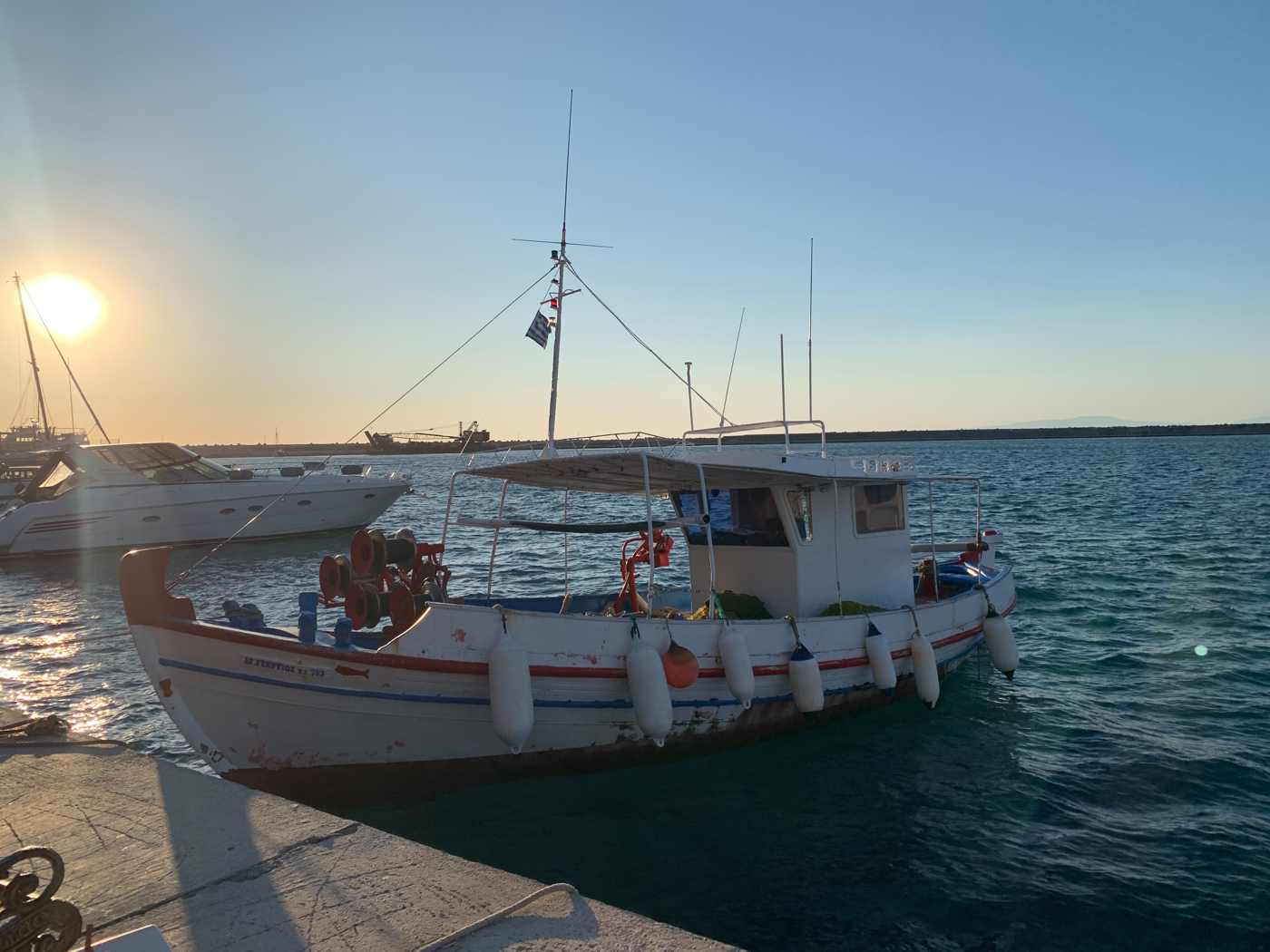
Kokkari sits on the north coast about 10 km west of Vathy, a former fishing village grown into the island’s busiest resort. Whitewashed houses, a curving pebble bay and a headland chapel frame a harbour packed with tavernas, cafe-bars and music spots. The meltemi wind that funnels along this coast turns Kokkari into a windsurfing centre, so the evening crowd skews young and international. Boards and rigs line the beach by day, and the same sailors fill the bars once the wind drops at dusk. The village stays compact, so dinner, drinks and a harbour walk sit within about two hundred metres of each other.
This mix of sport, sea and a lively bar strip gives Kokkari the most energetic nightlife on the north coast of Samos.
Beach bars give Kokkari its distinctive after-dark mood, set right on the pebbles and the harbour edge. Loungers and low tables face the water through the afternoon, then serve cocktails, cold beer and music as the sun drops behind the headland. The windsurf schools and their crews gather here first, swapping the day’s wind and waves over drinks before dinner. Sound is stronger than in Pythagorio or Vathy, with DJ sets and dance music on the busiest August nights. The setting stays open-air and casual, sand or pebbles underfoot and swimwear giving way to light summer clothes. The strong meltemi keeps this whole coast breezy, so the beach bars stay comfortable even through the full height of summer.
The party runs late when the wind allows.
The beaches west of Kokkari extend the scene beyond the village harbour. Tsamadou, Lemonakia and Tsabou lie minutes away, three pine-backed pebble coves. Their beach canteens and bars carry the crowd from afternoon swims into sunset drinks. Days on Samos often end with a drive or walk between these coves and the Kokkari bars, chasing shade, wind and the best light. The windsurf spots draw a repeat summer crowd who know each other. The nightlife feels like a returning community rather than a passing tourist churn. Music, cheap drinks and an outdoor setting define it, closer to a beach-holiday buzz than a town bar scene.
Kokkari also serves as the base for walks up to the mountain villages of Vourliotes and Manolates. Quiet vineyard days balance the lively coastal nights.
Kokkari suits travellers who want a beach base with nightlife attached rather than a quiet retreat. Windsurfers, young couples and groups fill the summer rentals, drawn by the wind by day and the bars by night. The scene peaks in July and August, when the meltemi blows hardest and the village runs at full stretch. June and September stay busy but calmer, with warm water, working bars and space to breathe on the pebbles. Access is easy, about 20 minutes by car or bus from Vathy and the airport, so a night out needs no long transfer. Anyone after Samos’s liveliest, most youthful evenings without a full club scene finds Kokkari the clear choice.
The village trades the calm of Pythagorio and Vathy for beach bars, wind and music.
Where can you hear live Greek and rebetiko music on Samos?
Live Greek and rebetiko music runs through the summer at tavernas, wine bars and music spots across Samos, strongest in Pythagorio, Vathy and the mountain villages.
Live music runs deep in the culture of Samos, and summer nights carry it across the island. Rebetiko, the urban blues of the Greek mainland and islands, plays alongside nisiotika island songs and popular laika at tavernas and music bars. A typical set pairs bouzouki, baglamas, guitar and voice, and diners join the singing as the wine flows. Music tends to start late, after dinner is well under way, and builds through the small hours in the busiest venues. Musicians move between towns and villages through the season, so the same players appear in Pythagorio one night and a mountain village the next.
This living tradition, rather than a manufactured show, gives the island’s nightlife its most Greek and memorable evenings for visitors who seek it out.
Tavernas and mezedopoleia host most of the live music on Samos, especially in Pythagorio and Vathy. A long table of mezedes, grilled meat or fish and carafes of Muscat sets the scene. Musicians play from a corner as the night deepens. The music turns dinner into an event, with clapping, singing and sometimes dancing between the tables in the late hours. Wine bars pouring the sweet local Muscat also stage acoustic sets, pairing the island’s own product with its songs. These evenings run informally, without cover charges or tickets in most places, the cost folded into food and drink. A taverna with live players on a summer night gives a fuller taste of Samos than any bar.
The evening blends food, wine and music in one long sitting by the water.
Village festivals, the panigyria, carry live music beyond the towns into the Samian summer. Saints’ days fill village squares with long tables, grilled food, barrels of wine and musicians playing island songs late into the night. Mountain villages like Vourliotes and Manolates on the slopes of Mt Ampelos hold the liveliest gatherings, drawing people up from the coast. Whole communities dance traditional syrtos and ballos in a circle, and visitors are welcomed to join the tables and the steps. These feasts follow the religious calendar through summer and early autumn, so dates shift by village and saint. Asking locally about an upcoming panigyri can turn an ordinary night into the most authentic music experience on Samos.
These gatherings sit among vineyards and stone houses far from any bar strip.
Practical habits help visitors catch live music on Samos through the season. Music concentrates in July and August, when tavernas, wine bars and village festivals run at full pace across the island. June and September still bring regular sets, especially at weekends, while the shoulder months lean on local venues and festival dates. Nights start late by northern-European habits, with the music rarely warming up before ten or eleven. Dress stays casual, tables turn slowly, and staying for the whole set is the norm rather than dropping in and out. Pairing a live-music taverna with the island’s Muscat and a seat by the harbour gives the fullest evening on Samos.
This joins the food, wine and song that define its nightlife more than any dance floor.
Where do wine bars on Samos pour the local Muscat in the evening?
Wine bars on Samos pour the local Muscat mainly in Pythagorio and Vathy, plus tavernas in the Ampelos wine villages of Vourliotes and Manolates, where small producers serve sweet and dry Muscat by the glass.
Pythagorio’s marina anchors the island’s wine-bar scene, where cafe-bars along the harbour front list the PDO Samos Muscat beside Aegean whites and cocktails. Servers pour the fortified Vin Doux, the sun-dried Nectar, and the naturally sweet Anthemis in small measures, often with a plate of local cheese or olives. The setting favours slow evenings, with tables set at the water and fishing boats moored just off the quay. Visitors comparing the sweet styles against a dry Muscat find the full range on one list here more readily than in the mountain villages. The town sits about 14 km from Vathy. A wine evening in Pythagorio pairs naturally with a daytime tour of its UNESCO sights.
The Eupalinos Tunnel, and the airport beaches close by.
The mountain villages of Vourliotes and Manolates, set among the terraced Muscat vineyards on Mt Ampelos, pour the wine at its source. Tavernas ringing the shaded square in Vourliotes serve the sweet and dry Muscat that small producers press nearby, and the drive up from the coast takes about 20 minutes. An evening here trades the harbour buzz for cool mountain air, valley views, and the scent of pine. The Samos wine tradition, reaching back to antiquity, makes these villages a fitting place to taste the Muscat where the grapes grow. Diners often pair a glass of Nectar with walnut cake or thick local yogurt.
Closing a relaxed meal in the lanes under lantern light before the winding drive back down toward Kokkari and the north coast.
Vathy offers a quieter wine-bar option, with a cluster of bars in the lanes off the main square and along the waterfront pouring Muscat beside ouzo and mezedes. The capital’s mezedopoleia treat the sweet wine as a dessert course, served after grilled fish or small plates. The Malagari wine museum on the edge of town, near the old cooperative buildings, sets the context for what the glasses hold. Vathy works as a ferry port and administrative centre rather than a resort, so its evenings run on local rhythm, filling later and emptying earlier than Pythagorio. Travellers staying near the harbour reach these bars on foot.
Making Vathy a low-key base for tasting the island’s signature sweet wine without a drive into the hills or up the coast.
Wine bars on Samos run seasonally, busiest from June to September when tavernas and cafe-bars stay open late along the coasts. The sweet Muscat suits the warm nights, poured chilled as an aperitif or a slow finish to dinner. Beyond Pythagorio, Vathy, and the Ampelos villages, Kokkari’s harbour bars add Muscat to their lists during the windsurf season, giving the north coast its own wine-and-sunset ritual. Prices for a glass stay modest compared with mainland cocktail bars, though the exact figures shift from venue to venue and season to season. Visitors keen to taste widely often combine a village tavern, a harbour cafe-bar. The Malagari museum across a stay.
Building a full picture of the PDO styles from the fortified Vin Doux to the dry Muscat.
What is the Karlovasi student nightlife like around the University of the Aegean?
Karlovasi’s nightlife runs on its student population from the University of the Aegean, filling low-key bars and cafes in the Neo Karlovasi district through term time, with a livelier, cheaper and more local feel than the resort towns.
Karlovasi sits on the northwest coast about 30 km from Vathy, spread across the Palaio, Meseo, and Neo districts around a working port. The University of the Aegean campus here brings a student population that shapes the town’s evenings, concentrated in Neo Karlovasi near the waterfront. Bars and cafes fill the streets behind the harbour, running on term-time rhythm rather than the tourist season, so autumn and winter nights stay busy when the resorts have closed. The crowd skews young and Greek, the music mixes Greek pop with international tracks, and prices sit below those in Pythagorio.
This working port town rewards travellers wanting a local scene over a harbourfront cocktail bar, especially those basing themselves in the northwest near Potami and the wild Seitani coves.
Term-time defines the Karlovasi scene, so its busiest nights fall outside the summer peak that drives Pythagorio and Kokkari. Students fill cafe-bars from late evening, and the pace holds through the cooler months when much of Samos slows down. Summer visitors find the town quieter, as most students leave for the holidays, though the port stays active with ferries to Piraeus and the Aegean. The old tanning warehouses and neoclassical mansions along the waterfront give the setting a faded-industrial character unlike the whitewashed resorts. Travellers curious about everyday island life, rather than a holiday strip, find Karlovasi the most authentic of the four nightlife towns.
Its bars run by and for people who live on Samos year-round rather than for a transient summer holiday crowd.
Karlovasi’s student bars stay small and informal, favouring conversation, cheap drinks, and Greek music over a dance-floor scene. Groups gather at pavement tables, and the night drifts between bars on foot within the compact Neo Karlovasi grid. The university’s presence also seeds occasional live gigs, poetry nights, and film screenings tied to campus life, which shift by term and are not fixed events. Cafes double as bars, opening from morning coffee straight through to a late frappe or beer, blurring the line between day and evening.
Short distances within town let drivers coming from the Ampelos villages or Vathy park once and walk the whole scene, though the mountainous road from Kokkari and the north coast takes about 30 winding minutes each way over Mt Ampelos.
The Karlovasi scene complements rather than competes with the coastal nightlife, giving Samos a second register of evening life. Visitors staying in Pythagorio or Vathy rarely drive over for a single night out, since the town lies far across the island. Those based in the northwest, walking the Potami gorge or heading for the Seitani coves, find the student bars a natural end to the day. The mix of a university, a working port, and old industrial architecture makes Karlovasi feel like a real town first and a resort second. Its evenings tell travellers that Samos is a large, lived-in island of about 33,000 residents, not a seasonal holiday shell.
Where nightlife means the local cafe-bar as much as the harbourfront cocktail terrace at Pythagorio.
Are there dance bars on Samos that run late in high season?
Dance bars on Samos run late mainly in July and August, concentrated in Pythagorio’s marina and Kokkari’s harbour, where music bars stay open past midnight; the island keeps a small, low-key scene rather than the club strips of Mykonos or.
Pythagorio holds the densest cluster of late bars, where the marina’s cafe-bars shift from evening cocktails to music and dancing as the night deepens in July and August. The venues stay small, often a single room and a terrace, playing Greek hits and international dance tracks rather than hosting big-name DJs. The crowd moves between spots along the harbour on foot, and the night runs later here than anywhere else on Samos. Kokkari on the north coast provides the second hub, its harbour bars drawing the windsurf crowd into music-led evenings that carry the beach mood after dark. Both towns fill only at the peak of summer, thinning quickly once September arrives and the meltemi eases.
A visitor chasing late dancing plans a stay within the July-to-August window.
Vathy adds a modest late scene, with music bars in the lanes off the main square and along the harbour drawing a mix of locals and visitors. The capital’s evenings run on a slower gear than Pythagorio, and dancing tends to stay informal, spilling from bars rather than filling dedicated clubs. Sound limits and the residential character of the town keep the volume down, so the late scene here reads more as extended bar-hopping than as clubbing. Karlovasi’s student bars carry their own after-midnight energy during term time, separate from the summer tourist peak. Across the island, the pattern holds steady: Samos offers late bars and music terraces, not superclubs.
Matching its reputation as a green, laid-back island for slow holidays rather than all-night parties.
High season sharpens the contrast between Samos and the party islands, and travellers arriving from Mykonos or Ios notice the gentler tempo at once. Music bars here close earlier, cover charges are rare, and the dress code stays casual even at the busiest spots. The dancing that happens grows out of long dinners and drinks by the water, an organic drift rather than a planned club night. Weekends in July and August bring the fullest crowds, boosted by Greek holidaymakers and visitors from the Turkey day boats. Samos rewards those who treat nightlife as one thread of a coastal evening, woven through dinner. Wine.
A walk along the marina, rather than the main event that shapes the whole trip and its late-night hours here.
Planning a night out on Samos rewards flexibility, since the late scene shifts with the calendar and the weather. Pythagorio and Kokkari deliver the most reliable music-bar energy at the summer peak, while the shoulder months trade dancing for quieter drinks and dinner. The meltemi wind, strongest in July and August, pushes open-air bars to sheltered corners on breezy nights along the north coast. Groups wanting a livelier base often choose Pythagorio for its walkable marina cluster, keeping late options within a short stroll of dinner. The island’s compact towns mean a taxi or a designated driver covers the gaps between bases, though the mountainous roads between Pythagorio. Vathy.
Karlovasi discourage long late-night drives across Samos after a night of music and sweet Muscat.
What are the calmer shoulder-season evenings like on Samos?
Shoulder-season evenings on Samos, in May, June, September, and October, run quiet and local, with open tavernas and wine bars but light late crowds; cooler nights suit long dinners, harbour walks, and early drinks over dancing.
May and October bookend the Samos season, bringing mild evenings, open-but-quiet tavernas, and a slower pace across Pythagorio and Vathy. The summer music bars either stay shut or run at half-strength, so the night settles into long dinners and unhurried drinks by the water. Wildflowers and green hills define these months, and the Potami gorge and Ampelos villages draw walkers by day who linger over dinner at dusk. Sea temperatures cool through October, but warm afternoons still allow a swim before an evening meal. Travellers seeking a peaceful holiday over a party one find the shoulder months ideal, the towns turned back toward local life.
With tables free at the tavernas and space to talk without a summer crowd pressing in at the harbour tables.
Pythagorio in the shoulder season keeps its marina cafe-bars open, but the mood turns reflective, with fewer tables and earlier closings. Visitors sip Muscat or a coffee watching the fishing boats, and conversations replace the summer music. Vathy runs on its year-round rhythm, its harbour bars and mezedopoleia serving a steady local clientele undisturbed by the seasonal swing. The wine villages of Vourliotes and Manolates stay welcoming, their taverna terraces cool in the mountain air even as the coast warms at midday. These quieter weeks reward slow travellers, letting the island’s food, wine, and landscape lead the evening.
The pace matches walkers, couples, and older visitors who prefer a long dinner and a nightcap to a late bar, closing the day gently under the stars.
Shoulder-season nightlife on Samos ties closely to the local calendar, when village festivals, or panigyria, bring music and dancing to the squares. These saint’s-day celebrations, spread through spring and early autumn, fill mountain villages like Vourliotes and Manolates with long tables, live playing, and communal dancing open to visitors. The dates follow the church calendar rather than the tourist season, so an evening festival can outshine any bar for atmosphere. Travellers timing a stay around one join a genuine island tradition rather than a staged show. Beyond the festivals, the shoulder months keep restaurants and wine tavernas lively at dinner, the tables full of Greeks as much as visitors.
Giving a truer picture of how Samos eats and drinks once the summer rush recedes from the coast.
Weather shapes the shoulder-season evening as much as the calendar, with warm, still nights in May, June, and September inviting outdoor dinners. October cools further, and the first rains green the hills, pushing evenings indoors to tavernas warmed by the kitchen. The meltemi fades from its summer strength, so open-air harbour dining stays comfortable on most nights across Pythagorio and Vathy. Daylight shortens, and the earlier dusk shifts dinner and drinks forward, ending nights sooner than in high summer. This rhythm suits the island’s shoulder-season identity as a place for quiet, food-led evenings, where a bottle of Samos Muscat. A plate of fresh fish.
The sound of the harbour outweigh any search for a late dance floor or a crowded bar along the marina.
What do family-friendly early evenings look like on Samos?
Family-friendly early evenings on Samos centre on harbour promenades and taverna dinners in Pythagorio, Vathy, Kokkari, and Votsalakia, where children play by the water while families eat; the relaxed, safe waterfronts suit young kids before bedtime.
Pythagorio’s marina makes an easy family evening, its car-free harbour front letting children run and play while parents eat at waterside tavernas. The moored fishing boats, the passing ferries, and the lit castle on the hill give young eyes plenty to watch. Dinner starts early by Greek standards for families with children, though local kids often stay up late into the warm nights. Ice-cream shops and gentle strolls along the quay round out the evening without a bar in sight. The town’s compact, walkable layout means a family can park once and cover dinner, a stroll. A treat on foot.
Making Pythagorio one of the simplest bases for parents wanting a calm evening rhythm near the beaches and the airport a short drive west.
Vathy suits families with its long waterfront promenade, wide enough for prams and evening bike-riding along the bay. The town square, ringed by cafes, gives parents a coffee while children play in the open space, a nightly ritual for local families. The Archaeological Museum and the giant Kouros make an easy pre-dinner visit, and the harbour’s coming and going holds a child’s attention. Gagkou beach lies a short walk away for a late-afternoon swim before an early dinner in town. Vathy runs as a real capital rather than a resort. Its evenings feel authentically Greek, with families gathering at the square well past dusk.
Giving visiting children a natural playmate crowd and parents a relaxed, local setting free of any late-night bar noise or crowds.
Kokkari gives families a north-coast alternative, its curved pebble bay and harbourfront tavernas set close together for an easy evening. Children paddle at the sheltered village beach in calm water while parents watch from a taverna table metres away. The windsurfers out on the bay add a free show as the sun drops behind the headland chapel. Votsalakia in the southwest offers the same early-evening ease on a longer sandy strand under Mt Kerkis, its shallow water and beachfront tavernas built for family holidays. Both places keep dinners casual and unhurried. With kids welcome at every table and no dress code.
Parents settle in for a slow meal while children move between the shore and the table until the soft light goes from the bay.
Early evenings suit families across Samos because the island’s safe, walkable waterfronts and unhurried tavernas match young children’s evening rhythms. Dinner outdoors under warm skies, a stroll for ice cream, and a harbour to explore fill the hours before bedtime without a late bar in sight. The larger distances on Samos reward a beach-based stay, keeping the evening close to home rather than a long drive after dark. Families timing a visit for June or September gain warm seas, open tavernas, and thinner crowds, the gentlest window for young travellers. This early-evening pattern reflects the island’s whole character, a green, family-minded Aegean island where the sweet Muscat. The fresh fish.
The harbour lights, not a nightclub, define what an evening out means on Samos.
Frequently Asked Questions
Which is the best town for going out on Samos?
Pythagorio is the best town for going out on Samos, its marina lined with cafe-bars, cocktail spots, and late music venues that run latest at the summer peak. The harbour front sits car-free and walkable, so a night moves easily from dinner to drinks to a music bar within a short stroll. Vathy, the capital, offers the second choice, with bars in the lanes off the main square and along the waterfront, running on a steadier local rhythm through the year. Kokkari on the north coast draws the windsurf crowd to its harbour bars in July and August, adding a beach-town buzz.
Karlovasi holds a livelier, cheaper student scene during university term time, best for travellers wanting a local feel over a tourist strip. The right choice depends on the base and the season: Pythagorio for the fullest summer nightlife. Vathy for year-round local bars, Kokkari for the beach crowd. Karlovasi for student energy off-season.
Is Samos a party island?
Samos is not a party island, and travellers expecting the club scene of Mykonos, Ios, or Zakynthos find a calmer, family-minded destination instead. The island’s nightlife centres on harbour cafe-bars, long taverna dinners, wine bars pouring the local Muscat, and live Greek music, rather than superclubs or beach raves. Music bars in Pythagorio and Kokkari run late and bring dancing at the July and August peak, but these stay small and low-key, closing earlier than on the party islands. Samos draws a crowd that comes for beaches, ancient sites, wine villages, and green mountain landscapes, so its evenings match that slower pace.
Families, couples, walkers, and older visitors suit the island well, while dedicated clubbers head to islands like Mykonos instead. The reward here is an authentic Greek evening of food, wine. Sea air, with the option of a music bar at the summer peak. Not a wristband-and-DJ nightlife built around all-night dancing and club strips.
Is Samos good for families in the early evening?
Early evenings on Samos suit families well, with safe harbour promenades, shallow village beaches, and relaxed tavernas that welcome children at every table. Pythagorio’s car-free marina lets kids run and watch the boats while parents eat at the water; Vathy’s waterfront and square host local families nightly. Kokkari’s sheltered village beach and Votsalakia’s long sandy strand under Mt Kerkis let children paddle in calm water beside beachfront tavernas. Greek dinners run late and children stay up with the family, so no venue turns kids away in the evening. Ice-cream stops, harbour strolls, and boat-watching fill the hours before bedtime without a bar scene to navigate.
The island’s larger size rewards a beach-based stay, keeping evenings close to the room rather than a long drive after dark. June and September bring the gentlest conditions, with warm seas, open tavernas. Thinner crowds, making the early evening the natural family window on Samos before the later, quieter adult hours.
Where can I find live music on Samos?
Live music on Samos means Greek styles above all, with tavernas and bars hosting bouzouki, guitar, and rembetiko sessions through the summer, mostly in Pythagorio, Vathy, and Kokkari. Harbourside tavernas often bring in players for the evening, turning dinner into a music night where diners sing along and, later, dance between the tables. Village festivals, the panigyria tied to saints’ days, fill the squares of mountain villages like Vourliotes and Manolates with live playing and communal dancing. Open to visitors and following the church calendar rather than the tourist season. The scale stays intimate: small groups and solo players rather than concert stages or big-name acts.
Programmes shift week to week and are rarely fixed far ahead, so asking locally on the day works best. Live music here forms part of a long evening of food and wine, not a ticketed show, matching the island’s relaxed, taverna-centred approach to nights out across the whole season.
Where can I hear rebetiko on Samos?
Rebetiko on Samos turns up in the tavernas and small music bars of Vathy and Pythagorio. Where players stage informal evening sessions of the old urban Greek style through the summer. The lanes off Vathy’s main square and the marina bars of Pythagorio host the most sessions, often unannounced and growing out of a taverna dinner rather than a booked concert. Karlovasi’s student bars, tied to the University of the Aegean, also carry rebetiko and laiko nights during term time, drawing a younger local crowd. Programmes are rarely fixed and change week to week, so asking at tavernas and bars on the day finds the current sessions.
The music suits a long evening: order mezedes and Samos Muscat, settle in, and let the bouzouki and baglama lead the night. Rebetiko here stays a living local tradition played for residents as much as visitors, not a staged tourist show, so patience and a relaxed, unhurried evening reward the search best.
How I dress for evenings out on Samos?
Dress on Samos stays casual and relaxed for evenings, with smart-casual clothing suiting even the busiest bars and tavernas in Pythagorio, Vathy, and Kokkari. No venue on the island enforces a formal dress code, so light summer clothes, a shirt or sundress, and comfortable shoes carry a night out through dinner and drinks. Cotton and linen work best against the summer heat, and a light layer helps on breezy north-coast nights when the meltemi blows across Kokkari and the exposed beaches. Flat, sturdy footwear matters on the cobbled lanes of Pythagorio, Vathy’s older quarter, and the mountain villages, where surfaces run uneven.
Shoulder-season evenings in May and October cool noticeably after dark, so a jacket or light jumper earns its place. Swimwear stays for the beach, not the taverna table. Otherwise Samos asks little of a wardrobe, matching its unpretentious. Low-key character where comfort and the warm weather guide the evening dress more than any style rule.
Which months are quiet and which are busy for Samos nightlife?
July and August are the busiest months for Samos nightlife, when Pythagorio and Kokkari fill with visitors and the music bars run latest into the warm nights. Greek holidaymakers, European travellers, and day-trippers from the Turkey boats swell the crowds, and weekends peak hardest across the coastal towns. June and September stay lively but calmer, with open tavernas, warm seas, and thinner crowds, a balance travellers often prefer for evenings out. May and October turn quiet, the summer music bars closing or running at half-strength while dinners and wine tavernas carry the evenings instead. Winter shifts nightlife to Karlovasi, where the University of the Aegean students keep the term-time bars busy after the resorts shut.
Village festivals, the panigyria, add bursts of music and dancing through spring and autumn on saints’ days. Matching the month to the mood matters: peak summer for the fullest scene, shoulder season for a quieter, food-led evening rhythm on Samos.