
Kokkari is a former fishing village on the north coast of Samos, about 10 km west of the capital Vathy. Whitewashed houses climb the slope above a small harbour where fishing boats still tie up beside tavernas. A rocky headland closes the bay, crowned by a small chapel that marks the village skyline. Kokkari now ranks as the island’s most popular resort, yet the old core keeps its narrow lanes and stone walls. A curving pebble bay fronts the village, and the wind that funnels along this coast has made Kokkari a windsurfing base. Green slopes of Mt Ampelos rise behind, threaded by trails toward the mountain villages. Plan the whole trip with Greece Tours.
This guide covers Kokkari from harbour to headland and out to the beaches. The pebble bay draws swimmers, while the exposed water west of the village suits windsurfers who ride the summer meltemi. A short drive west reaches Tsamadou, Lemonakia and Tsabou, three pine-backed coves ranked among the finest on the island. Walking paths climb from the coast road to Vourliotes and Manolates on the flank of Mt Ampelos. Tavernas around the harbour serve grilled fish and Samian Muscat wine after dark. The sections below detail the village and chapel, the swimming bay, the windsurf scene, the nearby coves, and the food and atmosphere that fill Kokkari through the warm months.
What is Kokkari on Samos, and what defines its harbour and headland chapel?
Kokkari is a former fishing village on the north coast of Samos, about 10 km west of Vathy. A whitewashed harbour, waterfront tavernas and a small headland chapel define its compact centre.
Kokkari grew as a fishing settlement long before tourism reached the north coast of Samos. Boats still moor along the inner quay, and nets dry on the stone jetties beside the tavernas. The old village rises in tiers of whitewashed houses with grey stone corners and flat roofs. Narrow lanes wind uphill from the water, shaded by vines and bougainvillea trained against white walls. The harbour splits into two small basins separated by a low breakwater and a paved promenade. Fishermen still sell the morning catch near the same tables where visitors eat grilled fish that evening. This working core gives Kokkari a lived-in feel that busier Samos resorts have lost.
The scale stays human, with the sea only steps from the lanes and the tavern terraces.
A rocky headland closes the western side of the bay and shelters the harbour from open sea. A small white chapel stands on the point, one of the most photographed landmarks on Samos. A short path leads out along the spit to the chapel and a view back over the red rooftops. The headland breaks the swell, so boats rest calmly inside even when the meltemi whips the coast. Sunset light hits the white walls and the water turns from turquoise to deep blue. Anglers cast from the rocks below the chapel while the wind flattens the grass on the point. Evening crowds gather on the quay to watch the light fade behind the point.
The chapel and headland frame nearly every view of the village and anchor its whitewashed profile on the northern shore.
Kokkari sits about 10 km west of Vathy, the capital and main ferry port on the northeast coast. A coastal road links the two in roughly 15 minutes by car, hugging the shoreline and small bays. Buses run along this route in summer, connecting Kokkari with Vathy and the villages further west. Samos International Airport lies near Pythagorio on the southeast coast, about 25 km from Kokkari. A taxi or hire car crosses the island to the north shore in around 40 minutes. The drive climbs over the saddle between Mt Ampelos and the coast before dropping to the sea. Karlovasi, the second ferry port, sits about 25 km further west along the same northern road.
This central position makes Kokkari an easy base for touring the whole island.
Tourism reshaped Kokkari through the late twentieth century, yet the village kept its old outline. Hotels and rooms spread up the slope behind the harbour rather than crowding the waterfront. The pebble bay, the chapel headland and the tavern quay stayed at the heart of the resort. Visitors come for the mix of a working harbour and easy access to north-coast beaches. Kokkari draws windsurfers, families and walkers who use it as a base on Samos. The village fills through the warm season and quietens sharply once the meltemi eases in autumn. Package tourists, independent travellers and day trippers share the same narrow lanes and terraces.
This blend of fishing roots and low-rise tourism explains why Kokkari tops most Samos itineraries without losing its character to concrete.
What is the pebble bay at Kokkari like for swimming?
Kokkari’s main beach is a curving pebble bay beside the village, backed by the promenade and tavernas. Clear, deep water and grey pebbles suit strong swimmers, though wind and waves often stir the exposed shore.
The village beach curves along the shore right beside the harbour and promenade. Grey and white pebbles form a steep bank that drops quickly into deep, clear water. Tamarisk trees and a paved walkway line the back of the bay behind the pebbles. Sunbeds and umbrellas cover the central stretch, while the ends stay open and free. The water reads turquoise close in and shades to dark blue a short way out. Swimmers reach depth within seconds, so the bay suits confident adults more than small children. Water shoes help on the pebbles, which roll underfoot at the waterline. Cafés and tavernas sit directly across the road, so shade and cold drinks stay close.
The setting joins beach, harbour and village in one compact seafront.
Wind shapes swimming at Kokkari more than at sheltered south-coast beaches on Samos. The meltemi blows from the north through summer and pushes waves straight onto the bay. Morning water often lies calm and glassy before the wind builds through the afternoon. Strong gusts raise short chop and drag the pebbles, so weaker swimmers stay near shore. Calm spells return in the evening as the meltemi drops with the sun. The exposed setting keeps the water fresh and clear even in the hottest weeks. Families with young children often move west to the coves, which lie better protected. Confident swimmers enjoy the lively water and the depth close to the pebble bank.
Checking the wind before entering makes the difference between an easy swim and a battle against the swell.
Facilities cluster where the bay meets the village and the harbour road. Sunbeds and umbrellas line the central beach, rented through the tavernas and cafés behind. Showers and a paved promenade run along the back of the pebbles. Tavernas, bakeries and mini-markets stand within a short walk of the water. Shade comes from tamarisk trees and umbrellas rather than natural cliffs or pines. The gentle slope of the pebble bank gives easy footing at the entry point. Parking lines the streets behind the front, though it fills fast in peak weeks. The bay works well for a full day, with lunch and swims within steps of each other.
This concentration of services separates the village beach from the wilder coves that lie further west along the coast.
Timing turns the village bay from choppy to calm across a single day. Early swimmers find still water and empty pebbles before the buses and the wind arrive. Midday brings the crowds, the sunbeds fill, and the meltemi often ruffles the surface. Late afternoon light softens the bay as the wind fades and the water settles again. The pebbles hold no sand to cloud the sea, so visibility stays high for snorkelling. Fish gather around the harbour rocks at the western end near the chapel headland. Swimmers who want calm water on a windy day drive ten minutes west to Tsamadou. The village beach rewards those who match their swim to the daily rhythm of the meltemi.
This flexibility keeps Kokkari usable for swimmers of every level through the season.
Why is Kokkari on Samos a windsurfing centre?
Kokkari ranks as the windsurfing centre of Samos because the meltemi funnels along the north coast. Steady summer wind, open water west of the village and rental schools draw windsurfers to the bay.
The meltemi is a dry north wind that blows across the Aegean through summer. It builds most days from late morning and can hold into the evening. The north coast of Samos faces this wind head-on, and Kokkari sits right in its path. Nearby headlands and the strait toward Turkey funnel the airflow and raise its speed. Wind strength often reaches force four to six on summer afternoons here. The same wind that unsettles swimmers turns the bay into a reliable windsurf ground. Flat morning water gives way to steady breeze and building chop after noon. This dependable pattern is the reason windsurf schools chose Kokkari over calmer parts of the coast.
Sailors plan their sessions around the daily rise and fall of the meltemi across the bay.
Windsurf stations set up west of the village where the bay opens to the wind. Schools rent boards, sails and wetsuits and run lessons for beginners and improvers. Flat water near shore suits first-timers, while the outer bay gives experienced sailors more push. Instructors launch from the pebbles and shadow learners across the sheltered inner water. Kitesurfers and stand-up paddlers share the same coast on lighter days. Gear stacks along the beach, and rigged sails line the shore through the afternoon. The steady meltemi lets schools run daily sessions from late spring to early autumn. Riders progress fast because the wind arrives on schedule most summer days.
This concentration of tuition and rental turns Kokkari into a natural first stop for windsurfers arriving on Samos without their own equipment.
Windsurfing ranks among the leading things to do in Samos, alongside beaches, wine and ancient sites. The sport gives Kokkari a distinct draw that the calmer south-coast resorts lack. Visitors pair morning sightseeing with afternoon sessions once the meltemi fills in. Keen riders push hard through the windy hours and rest on the pebbles between runs. Others watch the sails from the tavern terraces along the harbour front. The wind also cools the village through the hottest part of the day. Non-surfers still gain from the breeze, which keeps evenings fresh under the tamarisk trees. Windsurfing threads through the daily rhythm of Kokkari more than at any other Samos base.
This blend of sport and seaside village life shapes how most guests spend their days here.
Not every day brings strong wind, and calm spells change the mood of the bay. Light-wind days suit stand-up paddling, swimming and boat trips along the coast. Beginners often prefer these gentler conditions for their first stable runs on the water. Sailors read the forecast and the flags before rigging on the pebble beach. The wind tends to strengthen through the week when a northerly system settles over the Aegean. Local schools track these patterns and time lessons to the steadier afternoons. Kokkari therefore works for windsurfers of every level across changing conditions. Calm mornings, breezy afternoons and cooler evenings give the day a clear shape.
This reliable structure, set by the meltemi, defines the windsurf culture that sets Kokkari apart on the northern shore of Samos.
What are the coves of Tsamadou, Lemonakia and Tsabou near Kokkari?
Tsamadou, Lemonakia and Tsabou are three pebble coves just west of Kokkari on the north coast of Samos. Pine and tamarisk back the clear water, and all three lie within about 4 km of the village.
Tsamadou lies about 2 km west of Kokkari, the closest of the three coves. A pine-clad slope drops to a curve of grey and white pebbles below the coast road. A short, steep path links the parking area above to the beach itself. Deep, clear water shifts from turquoise at the edge to dark blue offshore. Sunbeds and a taverna occupy part of the cove, while the far end stays quiet. The northern half of Tsamadou has long served as an unofficial naturist stretch. Tamarisk and pine give real shade back from the waterline, unlike the open village bay. The meltemi reaches here too, though the headlands soften the swell a little.
Tsamadou ranks among the best-known beaches on Samos and fills quickly on calm summer days.
Lemonakia sits just west of Tsamadou and ranks among the most photographed Samos beaches. A small horseshoe cove of pale pebbles curves below a green, pine-covered slope. The clear water reads bright turquoise over the light seabed near the shore. A single taverna and rows of sunbeds serve the compact beach through summer. The cove faces north, so the meltemi pushes waves in on windy afternoons. Calm mornings turn the water flat and glassy before the breeze arrives. Parking sits above on the coast road, with a short path down to the pebbles. Lemonakia lies about 3 km from Kokkari, an easy drive or a longer coastal walk.
The tight scale and vivid colour make this one of the signature coves of the north coast.
Tsabou lies about 4 km west of Kokkari, the furthest of the three coves. A wider bay of pebbles and coarse sand opens below the pine slopes here. The beach feels more open than Lemonakia, with room to spread out along the shore. Sunbeds cover part of the front, while long stretches stay free and quiet. Clear water deepens gently, giving easier entry than the steep village bay. A taverna above the road serves the beach through the summer season. The coast road strings all three coves together within minutes by car. Buses between Kokkari and Karlovasi stop near the turnoffs to each beach. Walkers can follow the shoreline path that links the coves on foot.
Tsabou closes the run of famous coves west of the fishing village.
The three coves share pine backdrops and clear water but differ in scale and mood. Tsamadou draws sunbathers and a naturist crowd on its quieter northern half. Lemonakia offers the tightest, most colourful cove and fills fastest on calm days. Tsabou gives the most space and the gentlest entry for families with children. Wind decides the choice as much as taste on any given day. The meltemi hits all three from the north, though pine headlands soften the incoming swell. Early arrivals claim the limited parking and the shaded pebbles before midday. A single day allows an unhurried swim at each cove with short drives between them.
These beaches, more than the village bay, explain why Kokkari anchors north-coast beach trips across Samos each summer.
What are eating out and the atmosphere like in Kokkari?
Kokkari lines its harbour with tavernas serving grilled fish, meze and local Muscat wine. The village keeps a relaxed evening pace, with waterfront tables, whitewashed lanes and a mix of fishing tradition and resort life.
Tavernas ring the harbour and spill onto the quay and the small squares behind. Fresh fish and seafood lead the menus, landed by the boats that still work from the port. Grilled octopus, small fried fish and shellfish appear as meze across the tables. Greek staples fill out the choice, from salads and cheese to slow-cooked meat dishes. Samos Muscat, the island’s sweet PDO wine, pours alongside local reds and ouzo. Bakeries and cafés open early for coffee, pastries and breakfast near the water. Prices sit at typical resort levels, so it helps to compare menus first. Tables spread under tamarisk trees and awnings right at the water’s edge.
This concentration of tavernas along a working harbour gives Kokkari its distinct dining setting on the north coast.
The old village climbs behind the harbour in a maze of whitewashed lanes. Bougainvillea and vines drape the walls, and cats doze on warm stone steps. Small shops sell crafts, jewellery and local wine along the narrow paved alleys. Evenings draw a slow crowd to the waterfront for dinner and a drink. Children play on the quay while boats rock gently in the inner basin. The pace stays calm compared with the larger resorts of southern Samos. Live music sometimes drifts from a taverna, though nightlife stays low-key here. The chapel headland catches the last light as the tables fill along the shore.
This blend of working port, mountain backdrop and quiet lanes gives Kokkari an atmosphere rooted in village life rather than mass tourism.
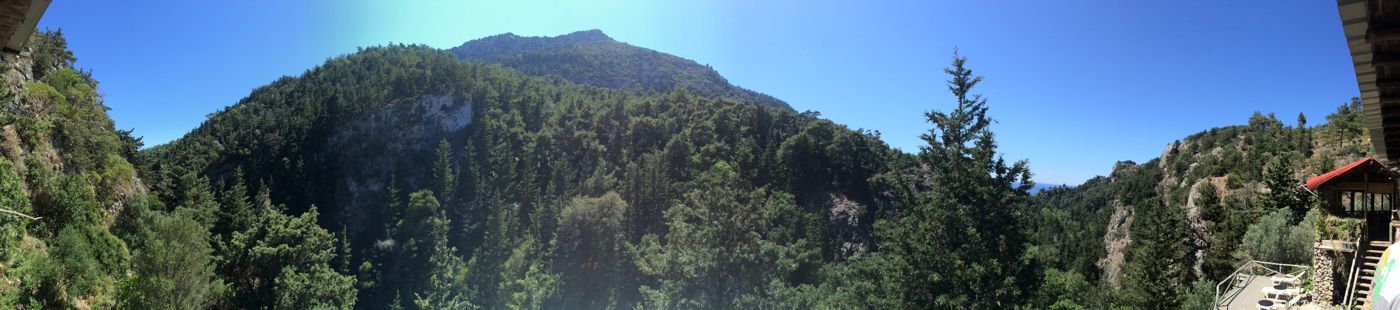
Green slopes of Mt Ampelos rise directly behind Kokkari and shape the village setting. Walking trails climb from the coast through pine and plane trees toward the mountain villages. Vourliotes stands about 5 km inland, a cluster of stone houses around a shaded square. Manolates sits higher on the slope, reached by road or a longer marked footpath. Both villages serve as classic day trips from the Kokkari base. Streams, vineyards and terraced gardens line the way up the green valleys. Walkers return to the harbour in the evening for a swim and dinner. This link between coast and mountain sets Kokkari apart from beach-only resorts.
The village works as a base for both the north-coast beaches and the wine villages of the Ampelos slopes.
The village runs at full pace through the warm months and quietens in the shoulder season. Summer fills the tavernas, the beaches and the windsurf schools from morning to night. Spring and autumn bring cooler air, fewer crowds and calmer swimming between meltemi spells. The harbour stays photogenic in every season, framed by the chapel headland and white houses. Ferries reach nearby Vathy and Karlovasi, linking Kokkari to the wider Aegean ferry network. Buses, taxis and hire cars connect the village to the airport and the rest of the island. Kokkari suits travellers who want beaches, wind, mountain walks and harbour dinners in one base.
The mix of fishing roots, north-coast beaches and Muscat wine defines the appeal of Kokkari on Samos through the season.
How do you walk from Kokkari up to the mountain villages on Mt Ampelos?
Marked footpaths climb from Kokkari through pine and vineyard to Vourliotes and Manolates on Mt Ampelos. The old cobbled kalderimi routes gain height steadily, rewarding walkers with valley views over roughly two to three hours.
The main trail leaves Kokkari near the village edge and follows a stream valley inland toward the slopes of Mt Ampelos. Waymarks and old signposts point the way as the path rises through pine forest and terraced Muscat vineyards. Walkers reach Vourliotes first, set on a shoulder about 400 metres above the sea, then continue along a forest route toward the higher village. The gradient stays firm rather than brutal, and pine shade covers the climb to Vourliotes. Water taps appear near the villages, though carrying your own bottle matters on warm days. The full loop back to the coast runs about four to five hours at a steady pace.
Sturdy shoes grip the loose stone better than sandals on the steeper cobbled sections near the top.
Manolates crowns the walk at roughly 300 to 350 metres, its car-free lanes threading between stone houses draped in flowers. The higher village of Manolates sits deeper in the forest than Vourliotes and stays cool through summer. Tavernas here spread tables under vine canopies with long views down the ravine toward the Aegean. The nightingales that nest in the wooded gorge give the surrounding slopes their reputation among birdwatchers. Walkers often break for lunch in the square before retracing the trail or looping down a parallel path. The terraced vineyards below the village grow the Muscat grapes that feed the island cooperative.
A signed route links Manolates and Vourliotes directly, letting fitter walkers join both villages in one outing. Craft workshops selling ceramics open along the lanes for those wandering between meals.
Two seasons frame the walking here. Spring covers the slopes in wildflowers and fills the streams, while the forest holds shade for summer mornings. Autumn brings the grape harvest and softer light across the terraces. Midday heat in high summer makes an early start sensible, since the exposed upper sections lose their tree cover. The trail surface mixes old cobbled kalderimi, forest earth, and short paved stretches near each village. Signposting is decent, yet a downloaded map or trail app helps at the junctions where paths fork toward the ridge and neighbouring hamlets. Return options include the same route, a bus from the villages down to the coast road, or a taxi arranged from a taverna.
The descent to Kokkari feels quicker on tired legs, dropping through the same pine valley.
Kokkari works well as the trailhead because the paths begin within walking distance of the harbour. Walkers often ride the local bus up to Vourliotes or Manolates and walk down, saving the steepest climb for gravity. The coastal setting means a swim at Tsamadou or Lemonakia rewards you at the finish. Guided walks run in the cooler months for those who prefer company on the mountain. The network connects onward to the Mt Ampelos summit routes and to higher forest hamlets. Careful timing keeps you off the exposed slopes during the hottest part of the day. Cash covers taverna lunches in the villages, since card machines are not guaranteed on the mountain.
The reward is a green, quiet interior above a busy coast, earned on foot.
How do you reach Kokkari from Vathy and Samos airport?
Kokkari lies about 10 km west of Vathy along the north-coast road, a drive of roughly 15 minutes.
The coast road from Vathy to Kokkari hugs the shoreline past small bays and the beach at Gagou. Buses run this route through the day in the warmer season, linking the capital’s harbour with the village square in about 20 minutes. Taxis wait at the Vathy waterfront and cover the trip quickly when buses thin out. Drivers find the road well surfaced and easy, with parking on the village edge rather than the pedestrian core. The distance of roughly 10 km makes Kokkari a simple day trip from Vathy in either direction. Ferry arrivals at Vathy port connect straightforwardly onward, since the port and the coast road sit close together.
The short hop keeps transfer costs and time low for arriving visitors landing at Vathy.
The airport tells a different story, sitting on the far side of the island near Pythagorio. A taxi from the terminal to Kokkari covers about 25 km and crosses the low saddle between the south and north coasts. Hire cars collected at the airport give the most direct transfer, following signs through Vathy or over the interior road. Public buses from the airport area route through Vathy, so a bus transfer means one change in the capital. The drive takes roughly 35 to 40 minutes by car, longer by bus with the connection. Booking a transfer ahead smooths a late-evening landing, when bus frequency drops.
Visitors often pair the airport arrival with a first night in Pythagorio before moving north to Kokkari the next morning.
Getting around from Kokkari once you arrive shapes the choice of transfer. A hire car opens the beaches west toward Karlovasi and the mountain villages above. The village bus stop on the coast road links east to Vathy and west toward Karlovasi through the day in season. Taxis serve the harbour for airport runs, evening trips, and the short hops to Tsamadou or Lemonakia. Walkers manage without a car, since the three nearest coves lie within about two kilometres west. The coast road carries the main traffic, so the harbour lanes stay calm behind it. Planning the transfer around your onward plans, beaches by car or villages on foot, saves backtracking across the island later.
Renting from Vathy or the airport both work, depending on your first night’s base.
Distances on Samos stay modest despite the island’s size, keeping Kokkari well connected. Vathy at 10 km, the airport near Pythagorio at about 25 km, and Karlovasi at roughly 20 km all sit within a short drive. This central north-coast position lets guests reach ferries at either Vathy or Karlovasi without a long haul. The airport transfer is the longest regular trip, and it still stays under an hour by car. Arriving by ferry at Vathy puts Kokkari closest of the main bases to the port. Signage on the coast road is clear, and the single main route removes any guesswork. The position explains why Kokkari draws visitors who want beaches, walks, and easy transport in one spot.
Buses, taxis, and hire cars all serve the village through the main season.
What is staying in Kokkari on Samos like?
Kokkari offers rooms, studios, and small hotels clustered around the harbour and the beach road, most within walking distance of tavernas and the bus stop. The village fills in high summer, so booking ahead secures the better-placed rooms.
Accommodation in Kokkari concentrates near the water, where the old fishing houses meet newer studios and family-run hotels. Choosing where to stay in Samos often comes down to whether you want beaches, nightlife, or history, and Kokkari answers the beach-and-village brief. Rooms behind the harbour put tavernas and the pebble bay at the doorstep, while quieter options climb the slope toward the coast road. The village stays compact, so most beds sit within a short walk of the bus stop and the beach. Prices ease in the shoulder months of May, June, September, and October compared with the July and August peak. Self-catering studios suit longer stays, and breakfast-included hotels suit shorter ones.
The harbour rooms trade quiet for convenience, since evening tavernas sit directly below.
The village splits into four informal zones for sleepers. The harbour core buzzes with tavernas and bars into the night, best for those who want the action underfoot. The beach road east of the harbour offers a calmer strip with sea views and quick water access. The lanes climbing toward the main road trade a short walk for lower noise and easier parking. West of the centre, low-rise studios back the long shingle beach where windsurfers rig their sails. Each zone keeps the harbour within about five to ten minutes on foot. Guests who value sleep pick the upper lanes or the western beach, while night owls stay by the water.
The compact layout means no choice strands you far from the centre or the bus stop.
Booking rhythm matters more here than on quieter parts of Samos, since Kokkari ranks as the island’s busiest resort. Rooms near the harbour go first for July and August, when demand peaks with the windsurf season. Shoulder-month travellers find wider choice and softer rates, with the sea still warm through September. Winter sees most hotels close, as the resort follows the summer calendar. Longer stays gain from studios with kitchens, cutting the cost of eating out every night. Families lean toward the eastern beach road for space and calm, away from the late-night harbour noise. A short walk separates every bed from the water, so no zone feels remote.
Reserving early locks in both location and price during the peak summer weeks. Local rooms fill fastest of all.
Eating and evenings shape a Kokkari stay as much as the bed itself. Tavernas ring the harbour, serving fish landed by the remaining boats alongside grills and mezes. Bars and cafes line the waterfront, livelier than most north-coast villages yet calmer than a big resort town. Breakfast spots open along the beach road for a slow start before the sand. The pebble bay and the western windsurf beach sit steps from most rooms. Day trips fan out easily, with beaches west, mountain villages above, and Vathy a short bus ride east. Grocery shops and a bakery cover self-catering needs without a drive. A stay here balances a working village feel with the comforts of the island’s main resort.
The mix explains why the resort keeps its regulars season after season.
Where do families and quiet-seekers stay around Kokkari on Samos?
Families gravitate to the eastern beach road and the gentler coves west of Kokkari, away from the harbour bars. Quiet-seekers climb to the upper lanes or base in nearby villages, using the resort only for meals and beaches.
The harbour heart of Kokkari runs lively at night, so families often settle a little apart. The beach road east of the centre offers calmer rooms with sea views and a short walk to the sand. Its shallow, sheltered edges suit small children better than the wind-exposed western shingle. Grassy and shaded spots behind the beach give buggies and picnics room away from the crowd. Parents reach tavernas and shops on foot, keeping the car parked through the stay. The bus stop close by links to Vathy and the quieter eastern coves without driving. This strip trades the harbour’s buzz for early nights and easy mornings by the water.
Sunbeds and a canteen operate on part of the beach in season. The calm suits toddlers and grandparents alike.
Quiet-seekers do better still by climbing above the harbour or leaving the resort altogether. The upper lanes toward the coast road cut the night noise while keeping the beaches minutes below. Mountain villages such as Vourliotes and Manolates give cool, car-free stays among the vineyards and pines. These bases put walking trails at the door and swap harbour bustle for birdsong and valley views. A car or the seasonal bus links them back to Kokkari for beaches and a fuller choice of tavernas. The trade is distance from the sand against genuine calm and cooler summer nights. Travellers who want both a swim and silence often split time between the coast and the slope.
The villages sit about 10 km from the harbour. Nights there turn cool enough for a light layer in summer.
The nearby coves add quiet corners within reach of Kokkari without a village move. Tsamadou, Lemonakia, and Tsabou lie about two to three kilometres west, each a short drive or bus hop from the harbour. Early mornings on these pebble beaches stay calm before the day crowd arrives by road. Families find the sheltered ends gentler, while the pine shade helps through the midday heat. Smaller unnamed inlets between the main coves reward those willing to scramble down from the road. East of Kokkari, the beaches near Vathy such as Kerveli and Psili Ammos widen the quiet options. A hire car turns all of these into easy half-day escapes from the busier harbour front.
The three western coves rank among the best-known beaches on the island’s north coast.
Balancing family needs and quiet corners comes down to a simple split. The eastern beach road and the calmer western studios suit families who want sand, space, and short walks. The upper lanes and mountain villages suit couples and walkers chasing cool nights and silence. The harbour itself stays best for those who want tavernas and bars at the doorstep. All three sit close enough that guests mix them across a week without long drives. A base on the beach road with a hire car reaches both the coves and the villages easily. Kokkari and its surroundings hold a version for most travellers, from toddlers to trail walkers, within a small stretch of coast.
The short distances between these bases keep the whole area within a day’s easy reach.
Who does Kokkari suit as a base on Samos?
Kokkari suits travellers who want beaches, windsurfing, and mountain walks from one lively north-coast village. Its harbour tavernas, quick bus links, and nearby coves fit first-time visitors, active couples, and families choosing the calmer eastern rooms.
First-time visitors to Samos gain the most from a Kokkari base, since one village packs the main draws together. The harbour delivers tavernas and evening life, the western beach hosts the windsurf scene, and the coves lie minutes west. Trails climb straight from the village to the mountain villages of Ampelos for a day off the sand. Vathy, the airport, and Karlovasi all sit within a short drive for wider exploring. This range spares newcomers from choosing one narrow theme before they know the island. A single unpacking covers beaches, walks, food, and easy day trips across the north. Kokkari’s central position turns a first Samos trip into a full week without constant moving.
The single main road keeps every one of these within easy reach.
Windsurfers form a natural fit, drawn by the meltemi that funnels along the north coast. The wind that ruffles the western beach through summer feeds a long-running windsurf scene at Kokkari. Boards and rigs stack along the shingle, and the steady afternoon breeze suits both learners and improvers. Beginners find calmer early hours before the meltemi builds, then stronger sailing after midday. The same wind that drives the sport keeps the north coast cooler than the sheltered south. Non-sailing partners pass the day on the beach or in the harbour while the wind blows. This blend of sport and village comfort keeps windsurfers returning across the season.
Schools on the beach rent gear and run lessons through the warmer months. The bay’s open water gives room to practise turns safely.
Walkers and nature lovers find Kokkari an equally strong base for the mountain interior. Marked trails leave the village for Vourliotes and Manolates through pine forest and Muscat vineyards. The green slopes of Mt Ampelos hold cool, shaded routes even when the coast bakes. Birdwatchers seek the nightingales of the wooded ravines above the villages in spring. Wine lovers pair the walks with tastings among the terraces that climb behind the coast. Photographers work the harbour, the headland chapel, and the valley views on the same trip. The mix of sea-level village and mountain trails puts two landscapes within one short drive or walk. The cooler months of May and October suit long walks best.
Vineyard terraces climb the slope directly behind the village lanes.
Certain travellers fit Kokkari less well, and honesty helps the choice. Those chasing club nightlife or a grand hotel scene find the village too small and low-key. History-first visitors do better near Pythagorio, closer to the Eupalinos Tunnel and the Heraion. Guests who want total silence lean toward the mountain villages or the eastern coves instead. Kokkari answers cleanly, though, for beaches, windsurfing, walks, and harbour tavernas in one place. The village carries the island’s busiest summer crowd, so peak weeks feel full and lively. Booking the right zone matches the stay to your pace, from harbour buzz to upper-lane calm. Kokkari rewards the traveller who wants a bit of everything on the north coast.
The right base here rests entirely on the pace you want each evening.
Frequently Asked Questions
Is Kokkari worth staying in on Samos?
Kokkari is worth staying in for travellers who want beaches, walking, and harbour life in one north-coast village on Samos. The former fishing settlement sits about 10 km west of Vathy and now ranks as the island’s most popular resort. Its curving pebble bay, whitewashed harbour, and headland chapel keep a village character despite the summer crowds. Three of the island’s best-known coves, Tsamadou, Lemonakia, and Tsabou, lie a short way west, while marked trails climb to the mountain villages of Vourliotes and Manolates behind. The harbour ring of tavernas and cafes gives lively evenings without the scale of a big resort town.
Buses and taxis link Vathy, Karlovasi, and the airport, so day trips run easily in every direction. History-first visitors do better near Pythagorio, and silence-seekers prefer the mountain villages. Travellers wanting a balanced first base combining sea, sport, and mountains find Kokkari fits most Samos itineraries well. The compact layout keeps every bed within a short walk of the water.
Is Kokkari good for windsurfing beginners?
Kokkari suits windsurfing beginners in its calmer early hours, before the afternoon meltemi builds along the north coast. The wind that funnels down this shore makes the village a long-standing windsurf centre, with schools and rental gear on the western shingle beach. Beginners sail best in the morning, when the breeze stays light and the bay’s open water gives room to practise turns. Lessons run through the warmer months, covering the basics of balance, sail handling, and steering in sheltered conditions. The meltemi strengthens after midday, turning the same beach over to stronger sailing for improvers and experienced riders. This daily rhythm lets learners and advanced windsurfers share one bay at different times.
Complete first-timers find the shallow, sandy edges reassuring for early attempts. Non-sailing partners relax on the beach or in the harbour close by. Kokkari works well through the season for a first taste of the sport with instruction on hand. Wetsuits and boards come in beginner sizes at the schools.
Is Kokkari good for a holiday with kids?
Kokkari works for a holiday with kids when families base themselves along the calmer eastern beach road rather than the lively harbour core. The sheltered edges there stay shallow and gentle, suiting small children better than the wind-exposed western windsurf beach. Sunbeds and a canteen operate on part of the sand in season, with tavernas and shops a short, flat walk away. The compact village means parents cross it on foot, leaving the car parked for most of the stay. Grassy, shaded spots behind the beach give buggies and picnics room away from the busy front. Older children enjoy the windsurf scene, boat-watching in the harbour, and swims at the nearby coves.
Cooler mountain trips to Vourliotes and Manolates break up beach days for active families. Evenings on the harbour run lively but not rowdy, so early diners fit easily. Choosing a room east of the centre keeps nights quiet enough for young sleepers. Grocery shops and a bakery cover snacks without a drive.
Can you stay in Kokkari without a car?
Kokkari works without a car, since the harbour, beach, tavernas, and bus stop all sit within a short, flat walk. The village stays compact, so rooms, restaurants, and the pebble bay cluster within minutes of each other. Buses on the coast road link east to Vathy and west toward Karlovasi through the day in the warmer season. The three nearest coves, Tsamadou, Lemonakia, and Tsabou, lie about two to three kilometres west, reachable by bus, taxi, or a walk along the road. Taxis wait near the harbour for beach hops, airport runs, and evening trips. Guided walks and the seasonal bus reach the mountain villages of Vourliotes and Manolates for a car-free day inland.
Ferries dock at Vathy, a short bus or taxi ride east, easing arrival without driving. Car-free visitors miss the far-flung beaches under Mt Kerkis, yet the north coast alone fills a relaxed week from Kokkari. A hire car helps only for the distant southwest and remote coves.
What are the nearest beaches to Kokkari?
The nearest beaches to Kokkari are the pebble bay of the village itself and the coves of Tsamadou, Lemonakia, and Tsabou a short way west. The village beach curves right by the harbour, mixing shingle and coarse sand with tavernas at its back. Tsamadou, about two kilometres west, is a pine-backed pebble cove with clear, deep water and a partly clothing-optional far end. Lemonakia sits just beyond in its own small bay, sheltered and popular for swimming and snorkelling. Tsabou follows a little further, quieter and reached by a short path from the coast road. All three lie within minutes by car or bus and draw swimmers through the season.
The meltemi can raise waves and thin the shade at midday on these north-facing coves. East toward Vathy, Gagou and the coves of Kerveli and Psili Ammos add calmer, sandy alternatives within a short drive. Early mornings on all these coves stay calm before the road crowd arrives.
What are evenings like in Kokkari?
Evenings in Kokkari centre on the harbour, where tavernas and cafes spread tables by the water for dinner and drinks. The former fishing village keeps a whitewashed core of lanes that fill with diners once the beach empties. Fish from the remaining boats appears on menus beside grills, mezes, and local dishes at the waterfront tables. Bars and cafes run livelier than most north-coast villages, yet stay calmer than a large resort town. Families and early diners find the pace relaxed, while later crowds keep a gentle buzz going. The headland chapel and the harbour lights make an easy after-dinner stroll along the front.
Cooler air off the sea suits sitting out, especially when the meltemi has blown through the day. Live music and low-key bars appear in peak weeks without turning the village into a club scene. A quiet drink and a long dinner sum up most Kokkari nights. The harbour walk stays busy with strollers until late.
When is Kokkari quiet and when is it busy?
Kokkari is busiest in July and August, when the resort fills with beachgoers and the windsurf season peaks in the meltemi. These summer weeks bring the fullest tavernas, the highest room demand, and the liveliest harbour nights of the year. June and September stay warm with open facilities and thinner crowds, making them the balanced choice for most visitors. The sea holds its warmth into September, while prices ease from the peak in the shoulder months. May and October turn quieter still, cooler for swimming but strong for walking, wildflowers, and the mountain trails. Winter empties the resort, as most hotels and tavernas close and the village returns to local life.
The meltemi wind cools the north coast through high summer, feeding the windsurf scene while the south stays sheltered. Booking well ahead matters for July and August, whereas shoulder months leave wider choice. Matching your dates to crowds sets the tone of a Kokkari stay.