
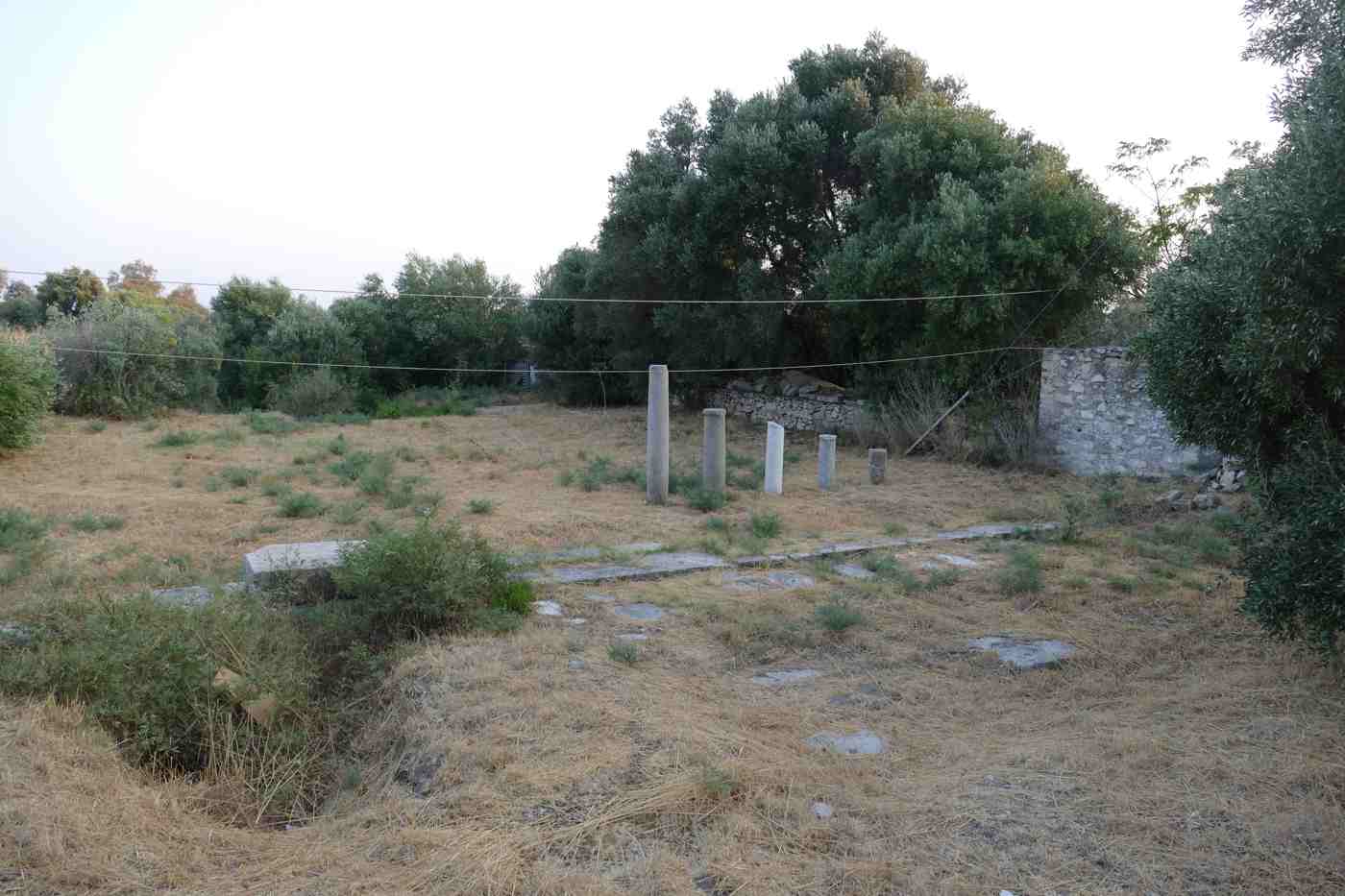
Samos wraps a long, indented coastline that splits into four distinct beach regions. The north near Kokkari holds pine-backed pebble coves. The northwest near Karlovasi hides a river-gorge beach and two wild, protected strands. The east faces Turkey across a narrow strait, and the southwest sits under Mount Kerkis. Plan the whole trip with Greece Tours.
This guide maps those beaches by region and coast. It covers organised coves with sunbeds and tavernas, wild bays reached on foot or by boat, and the effect of the northerly meltemi wind. Distances run from Vathy, Karlovasi and Kokkari, so you can plan each day by car, bus or short boat trip.
How are the beaches of Samos arranged by region and coast?
Samos rings a long, indented coastline with four beach regions. The north near Kokkari holds pebble coves. The northwest near Karlovasi hides wild strands. The east faces Turkey, and the southwest sits under Mount Kerkis.
The north coast forms the busiest beach belt on Samos. Kokkari anchors this shore, a fishing and windsurf village about 10 km west of Vathy. West of Kokkari lie three pine-backed coves: Tsamadou, Lemonakia and Tsabou. Their water runs deep and clear over grey pebbles. The coast road above them gives quick access by car or the KTEL bus. Planning beyond a single cove pays off, so a broader look at Samos helps first-timers map their days here. Each cove tucks inside a small bay, sheltered from the western swell. Sunbeds and tavernas serve the larger coves through the summer season.
Wind rises on this shore when the meltemi blows hard from the north, pushing windsurfers out from Kokkari bay across the choppy water. Mornings usually stay calmer here.
The northwest coast near Karlovasi turns wild and green. Potami sits about 4 km west of the town, mixing sand and pebbles below a river gorge. Beyond it the coastline has no road at all. A walking path leads on to Mikro Seitani and Megalo Seitani, two protected coves inside a coastal reserve. This shore backs onto Mount Kerkis, the highest peak on the island at about 1,434 metres. Pine and low scrub run down to the water, and shade grows scarce past Potami. Boats from Karlovasi reach the Seitani coves when the sea stays calm. This region rewards walkers and swimmers who accept facilities.
It offers no sunbeds beyond Potami and a longer approach on foot from the trailhead near the small beach.
The east coast around Vathy faces the Turkish mainland across the Mycale strait. The channel narrows to about 1.2 km at its tightest point near the ancient site of Priene. Kerveli, Mykali and Psili Ammos string along this indented shore south of the capital. Small headlands and pine slopes divide one cove from the next. These beaches sit sheltered from the northerly meltemi, so their water often stays flat when the north coast churns. Sand appears more often here than on the pebble coves near Kokkari. Roads from Vathy climb over a low ridge and drop to each bay in turn.
Tavernas cluster behind Kerveli and Psili Ammos, while smaller inlets nearby stay quieter and hold only a handful of visitors. Water stays clear through summer.
The southwest coast under Mount Kerkis holds the island’s longest strands. Votsalakia, also called Kampos, runs for over 1 km of pebbles below the peak. Balos lies just west, quieter and backed by tamarisk trees. This corner sits about 55 km by road from Vathy, a drive of over an hour across the island. Fewer buses reach here, so a rental car helps most travellers. Organised beaches offer sunbeds, showers and tavernas; wild stretches nearby carry no facilities at all. Families favour the calmer shallows of Votsalakia, while remote coves draw walkers and swimmers seeking space. The meltemi hits every north-facing beach hardest.
Visitors then switch to the sheltered east or south coast on the windiest afternoons of high summer. Shade also runs scarce on the wild stretches.
What makes the Kokkari coves — Tsamadou, Lemonakia and Tsabou — worth visiting?
The three Kokkari coves pack deep, clear water and grey pebbles into small pine-backed bays. Tsamadou, Lemonakia and Tsabou lie within 3 km of Kokkari village on the north coast, each reached from the coast road.
Tsamadou ranks among the best-known beaches on Samos. It lies about 2 km west of Kokkari, below a curving stretch of the coast road. A short, steep path drops from a car park to the shore. The cove holds grey and white pebbles, and the water deepens fast to a clear blue-green. Pine and tamarisk shade the back of the beach through the hottest hours. Sunbeds and a canteen serve the central section in summer, while the western end stays quieter and draws naturists. Tsamadou faces north, so the meltemi builds waves here on windy days. Swimmers find calm mornings best before the wind rises after midday.
The KTEL bus between Vathy and Karlovasi stops on the road above, a short walk from the sand.
Lemonakia sits just west of Tsamadou, a smaller horseshoe cove below the same coast road. Its name points to lemon trees once grown on the slopes behind. The beach curves tightly, backed by green hills and fronted by clear water over fine pebbles. A single taverna and a row of sunbeds serve the bay in the summer months. Lemonakia stays more sheltered than open Tsamadou, so its water often holds calmer on breezy days. A short access road and steps lead down from a small parking area above. The cove fills quickly in July and August, given its compact size.
Snorkellers explore the rocky edges on each side, where the seabed drops away and fish gather over stone close to the shoreline. Shade stays limited here.
Tsabou lies a short way west again, the third cove in this Kokkari cluster. It runs a little longer than Lemonakia, with a broad band of pebbles and deep, clear water. A canteen and sunbeds serve part of the beach in season, while the ends stay open and free. Above the cove, the wine villages of Vourliotes and Manolates climb the slopes of Mount Ampelos among terraced vineyards. Those terraces feed the sweet Muscat of Samos wine, and a morning swim pairs well with an afternoon tasting inland. Tsabou faces north like its neighbours, catching the meltemi head-on.
The coast road passes directly above, so parking sits close and the descent stays short compared with the steeper path down to Tsamadou. Free space remains at each end.
All three coves share one access route: the winding coast road west of Kokkari. Signs mark each turning, and small car parks sit above the paths down. Buses on the Vathy–Karlovasi line stop nearby, giving a car-free option from either town. The coves lie within about 3 km of each other. A single afternoon can take in all three on foot or by short drives. Facilities concentrate in the central sections, leaving the edges wild. Water shoes help on the pebbles and rocky entries. On meltemi days the surf turns rough here, and Kokkari itself becomes a windsurf base as gusts funnel along the shore.
Calm mornings suit families best, before the northerly wind strengthens and pushes swell into these exposed north-facing bays after noon.
Why does Potami beach near Karlovasi stand out among Samos beaches?
Potami combines sand and pebbles below a river gorge on the green northwest coast. It lies about 4 km west of Karlovasi, where a short river valley leads inland to waterfalls and a rock pool behind the beach.
Potami stretches along the shore about 4 km west of Karlovasi, the second port town of Samos. The beach mixes coarse sand and pebbles across a wide, open bay. Water deepens gently near the centre, so families wade in easily here. Green hills and pine slopes frame the back of the beach, fed by the river that gives Potami its name. A canteen and sunbeds serve part of the shore in summer, while long stretches stay free and open. The bay faces northwest, catching afternoon light and a light meltemi swell on windy days. A paved road runs to a car park at the eastern end, and a rough track continues west toward the walking trail.
Karlovasi’s tavernas and shops sit a short drive back along the coast road.
Behind the beach, the Potami river carves a short gorge into the hills. A marked path follows the streambed inland, passing a small Byzantine chapel among the trees. The route reaches a rock pool and low waterfalls where the water gathers in the shade. Beyond the pool, a fixed rope and ladders lead deeper into the ravine for confident walkers. This green hike ranks among the most popular things to do in Samos, pairing a swim with a cool inland walk. The full return trip takes under two hours at a steady pace. Water levels drop through high summer, so the falls run thinner in August than in spring.
Sturdy shoes help on the wet rock, and the shade keeps the gorge cooler than the exposed beach.
Reaching Potami is straightforward by car from Karlovasi. The coast road runs west from the port through Ormos Karlovasi and Potami village to the beach car park. The drive covers about 4 km and takes under ten minutes. Buses serve Karlovasi from Vathy, though the final stretch to the beach suits a taxi, rental car or a walk in summer heat. From the western car park the Seitani trail begins, so Potami works as a base for reaching the wild coves beyond. Parking fills on August weekends when locals from Karlovasi join visitors. Arriving early secures shade under the trees at the back. The eastern end near the road holds the canteen and a row of sunbeds.
The western end stays quieter and sits closer to the gorge path.
Potami suits a range of visitors across a single day. Swimmers enjoy the open water and gentle entry, while walkers head inland to the gorge and falls. The mix of sand and pebbles gives firmer footing than the pure-pebble coves near Kokkari. Shade under the trees behind the beach helps families through the midday hours. The bay lacks the deep, sheltered calm of the east coast, so meltemi afternoons bring chop to the northwest-facing shore. Facilities stay modest: one canteen, a sunbed row, and no large resort strip. This blend of beach, river and forest sets Potami apart from the island’s drier southern coves. Karlovasi’s ferry port and cafes sit close.
The beach makes an easy stop for travellers arriving or leaving by boat on that side of Samos.
How do you reach the remote Mikro and Megalo Seitani coves on Samos?
Mikro and Megalo Seitani lie west of Potami with no road access. Walkers follow a coastal trail from the Potami car park, or arrive by boat from Karlovasi, into a protected Mediterranean monk-seal refuge.
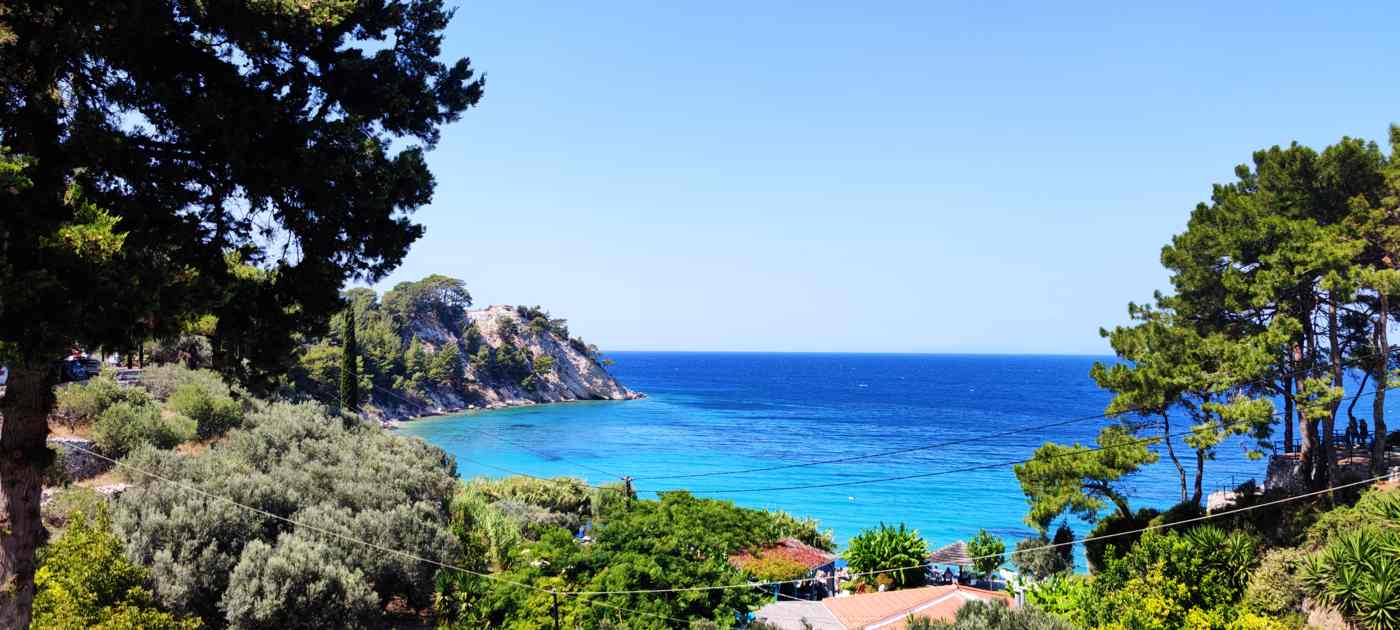
Mikro Seitani and Megalo Seitani sit on the wild northwest coast, west of Potami beach. No road reaches them; the shore falls into a protected coastal reserve below Mount Kerkis. The area serves as a refuge for the Mediterranean monk seal, one of Europe’s rarest sea mammals. Steep cliffs, pine forest and open sea frame both coves, with no buildings or facilities in sight. Rules ask visitors to keep noise low, avoid caves and leave no litter, since the seals shelter along this coast. The two beaches differ in size and character, but share the same remote setting. Reaching either takes effort, whether on foot along the cliff trail or by boat from Karlovasi.
That distance keeps crowds thin even at the height of the summer season here.
Mikro Seitani, the smaller of the pair, sits about 3 km west of the Potami car park on foot. The trail runs above the sea through pine and low scrub, with open views across the water. The cove itself is a narrow inlet of white pebbles and clear, deep water between rock walls. A small boat jetty marks the shore, used by day-trip boats from Karlovasi. Shade stays scarce, so walkers carry hats and water for the exposed approach. The inlet’s rock sides make it a sheltered swim on calm days, though the meltemi still pushes swell in from the north. Few people share the cove even in August, given the walk in.
The path continues west from Mikro Seitani toward the larger beach beyond.
Megalo Seitani lies about 1.5 km further west along the trail, roughly a 90-minute walk from Potami in total. It opens into a long strand of pale sand at the mouth of the Kakoperato gorge. This is the widest natural sand beach on Samos, backed by high cliffs and the slopes of Mount Kerkis. No taverna, sunbed or shade structure stands on the shore, so visitors bring everything they need. The gorge behind offers a strenuous inland route for experienced walkers. Monk seals sometimes haul out on quiet parts of this coast, so the area stays strictly protected. Boats from Karlovasi land here in calm weather.
They cut the walk for those who prefer to arrive by sea rather than the long cliff-side trail inland.
Reaching the Seitani coves demands planning on any Samos trip. Walkers start at the western Potami car park, where the trail is signed and mostly clear underfoot. The full round trip to Megalo Seitani and back covers about 12 km with little shade. Water, sun protection and firm shoes count as essentials, since no shop stands past Potami. Boat operators in Karlovasi run day trips to both coves when the sea allows, offering an easier alternative. The meltemi can cancel boat runs and roughen the swim, so calm mornings work best. Nothing on this coast carries a fixed timetable that stays reliable, so travellers check locally before setting out.
The reward is a pair of wild, protected beaches unlike any organised cove elsewhere on the island.
Which east-coast beaches near Vathy face Turkey — Kerveli, Mykali and Psili Ammos?
Kerveli, Mykali and Psili Ammos lie south of Vathy on the sheltered east coast. They face the Turkish mainland across the narrow Mycale strait, offering calmer water when the meltemi churns the north coast.
Kerveli sits about 10 km southeast of Vathy, in a green bay ringed by pine and olive slopes. The beach mixes fine pebbles and patches of sand, with clear, calm water over a gentle seabed. Its east-facing position shelters the cove from the northerly meltemi, so the surface often stays flat in the afternoon. Tavernas cluster behind the shore, serving fish and local dishes beside the water. A paved road winds down from the ridge above Vathy through the village of Paleokastro. Small coves such as Klima and Mourtia lie close by, reached along the same coastal road. Kerveli draws families and swimmers who want calm water and shade within a short drive of the capital.
Sunbeds fill the central strip, while the quiet ends stay free and open.
Mykali stretches south of Kerveli as one of the longest beaches on the east coast. It runs for over 1 km of pebbles and coarse sand facing the open strait. The Turkish coast rises clearly across the water, and the ancient Ionian city of Priene lies opposite on the mainland. Mykali holds a row of tavernas, sunbed sections and small hotels behind the shore, yet keeps long free stretches too. The seabed shelves gently, giving easy swimming for most visitors. Because the beach faces east, it catches morning light and shelters from the north wind on most summer days. A road from Vathy and Pythagorio reaches Mykali from both directions across the island’s southeast corner.
Its length spreads visitors out, so the beach rarely feels crowded even in high season.
Psili Ammos, whose name means fine sand, ranks among the few true sandy beaches on Samos. It lies about 12 km east of Vathy, at the point where the Mycale strait narrows toward Turkey. The Turkish shore stands only about 1.2 km away across the channel, close enough to pick out buildings on a clear day. Shallow, warm water reaches far out over the sand, making the beach a favourite for families with young children. A cluster of tavernas backs the shore, and sunbeds fill the central section in summer. A wetland behind the beach draws flamingos and other birds in the cooler months.
Roads from Vathy lead here over a low ridge, and the sheltered position keeps the water calm when the north coast turns rough.
These east-coast beaches share easy access from Vathy and a sheltered aspect. Roads climb the ridge behind the capital and drop to each bay in turn, most within about 12 km of town. The Mycale strait shields them from the meltemi, so their water often stays calm when Kokkari’s coves churn with swell. Sand appears more here than on the pebble-heavy north coast, favouring families and long, gentle swims. Tavernas serve every main beach, while smaller neighbouring coves stay quiet and undeveloped. Visitors cross the island to this coast for flatter water on the windiest summer afternoons. The clear view of Turkey across the narrow channel gives these beaches a rare setting.
No other coast on Samos looks across to the Aegean’s eastern edge in this way.
What are Votsalakia (Kampos) and Balos, the southwest beaches under Mt Kerkis?
Votsalakia and Balos stretch along Samos’s southwest shore beneath Mt Kerkis. Votsalakia, also called Kampos, runs about 1 kilometre of grey pebbles and sand, while Balos lies just west with clear, deep water.
Votsalakia sits about 60 kilometres southwest of Vathy, at the foot of Mt Kerkis, the island’s highest peak at around 1,434 metres. The beach faces south across open sea toward the small island of Samiopoula. Grey pebbles mix with coarse sand along the waterline, and the water deepens quickly a short way out. Tamarisk trees line the back of the strand, giving natural shade beside the tavernas and rooms of Kampos village. The mountain rises steeply behind the coast, so afternoons bring shadow earlier than on flatter shores. Fishing boats moor at the western end near the small harbour. Walkers use Votsalakia as the starting point for the long climb toward the Kerkis summit and the Evangelistria monastery.
The road from Vathy runs through Pythagorio and Ormos Marathokampou before reaching the bay.
Balos lies about 2 kilometres west of Votsalakia, past the hamlet of Limnionas. The cove is smaller, backed by low cliffs and reached down a short track from the coast road. White pebbles and clear water mark the shore, and the seabed drops fast, drawing snorkellers along the rocky edges. Two small tavernas sit above the beach, serving fish and Samos Muscat through the warm months. Sunbeds cover the central strip, while the rocky flanks stay free for those spreading a towel. The exposure is southerly, so Balos escapes the north-coast meltemi that churns Kokkari. Sunset light hits the water directly, since Mt Kerkis stands behind rather than in front.
Kayakers paddle west from here toward the wilder inlets below the mountain. The track down stays rough, so drivers take the descent slowly.
Ormos Marathokampou anchors the southwest coast about 3 kilometres east of Votsalakia. The fishing harbour sends day boats to Samiopoula island and the remote southern coves through summer. Marathokampos village climbs the mountainside above, at around 200 metres, with views over the whole gulf. West of Balos the road narrows toward Limnionas and Psili Ammos, a second sandy Psili Ammos on the southwest side. This southwest Psili Ammos differs from the eastern beach near Vathy that faces Turkey. Pine and olive groves back the shoreline, and the water stays sheltered from the summer north wind. Rooms and studios spread through Kampos and Votsalakia, making the strip a beach base under Kerkis.
The mountain keeps the area cooler and greener than the dry south-central plain. Cyclists ride the quiet coastal loop between the two harbours.
Votsalakia works as a quiet, beach-first base far from the airport and ferry ports. The drive from Samos Airport near Pythagorio covers about 55 kilometres and takes around 1 hour. Readers weighing a southwest base against Pythagorio or Kokkari can compare the options in our guide to where to stay in Samos. The southwest suits long, slow beach days, sunset swims and mountain walks rather than nightlife. Marathokampos and Votsalakia hold tavernas, mini-markets and rooms, though the choice is smaller than in Pythagorio. Evening life centres on the seafront tables rather than bars. The strand rarely fills, even through August, because the distance deters day trippers.
Kerkis shelters the coast, so mornings stay calm for swimming before the afternoon breeze. The coast road continues west to the trailheads below the Kerkis peaks.
How do organised beaches on Samos differ from the wild, unspoilt ones?
Organised Samos beaches carry sunbeds, umbrellas and tavernas, with road access and parking, while wild beaches offer no facilities. Tsamadou, Lemonakia and Votsalakia rank as organised; Seitani and remote Kerkis coves stay undeveloped.
Organised beaches on Samos concentrate along the north coast near Kokkari and the southwest under Kerkis. Tsamadou, Lemonakia and Tsabou each carry sunbed rows, umbrellas and a canteen or taverna behind the pebbles. Paved roads reach the car parks above these coves, and steps or ramps drop to the shore. Votsalakia and Balos in the southwest match this pattern, with beds, showers and tavernas along the strand. Rental of two sunbeds and an umbrella runs at a set daily rate, often waived with a food or drink order. Lifeguard cover appears at the busiest north-coast beaches through peak season. Watersports bases at Kokkari rent windsurf gear and paddleboards.
These beaches suit visitors wanting shade, food and toilets within a short walk of the water. Buses from Vathy stop on the road above the north-coast coves.
Wild beaches on Samos hide along the northwest and the southern flank of Mt Kerkis. Mikro Seitani and Megalo Seitani, west of Potami, carry no road, no beds and no taverna. A 45-minute coastal path from the Potami car park reaches Mikro Seitani, a small pebble cove between cliffs. Megalo Seitani lies further on, a broad sand beach backed by the mountain and the monk-seal reserve. Neither cove sells water or food, so walkers carry supplies and shade. The southern coves below Kerkis, reached by boat from Ormos Marathokampou, stay equally bare. These beaches reward effort with quiet water and no crowds, even in August.
Protection rules limit building along the Seitani shore, keeping the coast as it has stood for generations. The Seitani walk climbs over a headland before dropping to the water.
Choosing between organised and wild beaches on Samos turns on effort, comfort and mood. Organised coves work for families, older visitors and anyone wanting a full day with shade and lunch nearby. Wild coves reward walkers and swimmers ready to carry water and skip facilities for silence. The island holds both within a short drive, so a trip can mix the two easily. A morning at Megalo Seitani pairs with an afternoon at organised Potami, 45 minutes back along the path. Kokkari’s organised beaches sit 10 minutes from the roadless coves west of Karlovasi by car. This range across one coastline lets visitors match each day to the weather and their energy.
The contrast defines the Samos beach experience more than any single cove. Both types share the same clear eastern-Aegean water.
Facilities on organised Samos beaches follow a common Greek pattern along the shore. A beach bar or taverna sits behind the beds, serving coffee, snacks and grilled fish through the day. Toilets and freshwater showers stand near the entrance at the larger coves. Free public space always remains beyond the paid sunbed rows, marked on maps and by custom. Wild beaches carry none of this, so the only shade comes from cliffs, pines or tamarisk. Cash covers sunbeds and food at smaller places, since card machines can fail on the coast. Waste bins appear at organised beaches, while wild coves rely on visitors packing out their rubbish.
Knowing which type a cove falls into shapes what each swimmer bring. Umbrellas rent quickest at midday, so early arrivals find better spots.
Which Samos beaches suit families with young children and calm water?
Pythagorio’s town beach, Psili Ammos east of Vathy, and Votsalakia offer shallow, sheltered water for families. Sandy or fine-pebble entries, sunbeds and tavernas nearby make these coves practical for young children and easy parking.
Psili Ammos, east of Vathy near Mykali, ranks as the top family beach on Samos. The name means fine sand, and the shallow water stretches far out across a soft bottom. Children wade a long way before the depth rises above the waist, which reassures parents. The beach faces Turkey across the narrow strait, with the coast of Asia Minor 1.6 kilometres away. Tavernas and beach bars line the sand, serving lunch and renting sunbeds through the season. A wetland behind the beach draws flamingos and herons in spring and autumn. Calm mornings suit toddlers, though the afternoon breeze can pick up when the meltemi blows.
Parking sits close to the sand, sparing families a long carry with gear and pushchairs. The eastern Psili Ammos differs from the southwest beach of the same name.
Pythagorio’s town beach curves along the harbour, giving families sand, calm water and a promenade of tavernas. The shallow bay sits sheltered by the ancient mole, so waves rarely trouble small swimmers. Shops, cafés and the airport road stand within a short walk, easing days with children. Votsalakia in the southwest adds a second family option, with its long strand and gentle shelving under Kerkis. Mixed sand and small pebbles at Votsalakia let children paddle while parents reach shade under tamarisk. Both beaches offer sunbeds, toilets and food, sparing families the carry a full kit. Pythagorio suits a base near sights and the airport, while Votsalakia rewards a quieter beach holiday.
Aqua shoes help at pebble entries, protecting young feet on the stones.
Calm water on Samos depends on wind direction as much as the beach itself. The summer meltemi blows from the north, so south-facing beaches stay flat while the north coast ripples. Pythagorio, Psili Ammos near Vathy and the southwest strands all sit away from the direct north wind. North-coast coves like Tsamadou turn choppy by early afternoon on a windy day, unsettling small children. Families tracking the forecast can shift coast to coast within an hour’s drive across the island. A sheltered morning swim on the north coast often gives way to a calmer south-coast afternoon. Reef and rock edges also matter, since a sandy bottom stays gentler than a steep pebble drop.
Reading the day’s wind lets parents pick the flattest water available. The wind often eases again toward evening across both coasts.
Family beach days on Samos run smoothest with an early start before the wind and heat. Morning sun stays gentle until about 11, and the sand holds fewer crowds before lunch. Shade matters for children, so families claim a spot under tamarisk or rent an umbrella early. Tavernas behind Psili Ammos, Pythagorio and Votsalakia serve child-friendly plates through the afternoon. Freshwater showers at the organised beaches rinse salt and sand before the drive back. A cool box of water and fruit bridges the gap between swims on the longer strands. Pebble beaches call for water shoes, while the sandy coves let children run barefoot.
Planning around the meltemi and the midday sun turns a Samos beach day easy for every age. A second beach in reserve helps when the first turns windy.
How do you reach Samos beaches by car, bus and boat?
Cars reach most Samos beaches by paved coast roads with parking above the coves. Buses from Vathy and Karlovasi serve Kokkari, Pythagorio and the southwest, while day boats carry visitors to roadless coves.
A rental car gives the widest reach to Samos beaches across the long, indented coast. The north-coast road links Vathy, Kokkari and Karlovasi, passing above Tsamadou, Lemonakia and Tsabou. Each of these coves has a car park on the road, with a short walk or steps to the pebbles. The southwest road runs from Pythagorio through Marathokampos to Votsalakia and Balos under Kerkis. Driving the full span from Vathy to Votsalakia covers about 60 kilometres and takes around 1 hour 15 minutes. Parking fills fast at the popular north coves by late morning in summer. Mountain sections wind through pine forest, so drivers allow extra time on the bends.
The full guide on how to get to Samos covers arriving with or without a car.
The island bus network links the main towns and coastal beaches at a low fare. Buses run from Vathy to Kokkari, Karlovasi, Pythagorio and Ormos Marathokampou through the day in summer. The Kokkari stop sits a short walk from Tsamadou and Lemonakia on the north coast. Pythagorio buses drop visitors near the town beach and the airport road in the southeast. Services thin out on weekends and outside the peak months, so checking the timetable matters. The bus reaches town-edge beaches well, though remote coves like Seitani stay off the network. Fares run low compared with a taxi or car rental for a single trip.
Riders without a car pair the bus with a walk or a boat to reach quieter sand. The main bus station in Vathy sits near the ferry quay.
Day boats open the coves that no road reaches along the Samos coast. Boats from Ormos Marathokampou run to Samiopoula island and the bare southern beaches below Mt Kerkis. Excursion boats from Pythagorio reach eastern coves and cross toward the strait facing Turkey. Karlovasi and Potami serve as the water gateway to Mikro and Megalo Seitani for those skipping the path. A boat trip pairs swimming stops with a lunch on board or at a remote taverna-free cove. Sea taxis also run short hops to beaches cut off by cliffs on calm days. Crossings depend on the wind, so the meltemi can cancel a northern sailing.
Boats let visitors reach the wildest Samos beaches without the long coastal walks. Departures cluster in the morning and return by mid-afternoon before the breeze rises.
Reaching a Samos beach often combines two modes across the indented coastline. Walkers pair the Kokkari bus with the coastal path to Tsamadou for a car-free morning. Drivers park above Potami, then walk 45 minutes on to Mikro and Megalo Seitani. Boat passengers from Pythagorio skip the roads entirely for the eastern and offshore coves. Access ranges from a roadside car park to a 45-minute cliff path or a boat ride. The remote coves demand the most effort, rewarding the walk or sail with empty sand. Signposts mark the main beach turnings off the ring road, though smaller tracks stay unmarked. Matching the mode to each cove keeps a beach day on Samos simple and flexible.
A car still gives the most freedom for touring more than one beach in a day.
How does the meltemi wind decide which Samos coast to pick on a given day?
The meltemi blows from the north through summer, so it stirs Samos’s north coast while sheltering the south. Kokkari and Tsamadou turn choppy on windy days; Pythagorio, Psili Ammos and the southwest stay calm.
The meltemi is a dry north wind that sweeps the Aegean through the summer months. It builds through July and August, blowing hardest in the afternoon and easing at night. On Samos the wind hits the north coast head-on, raising short waves at Kokkari and Tsamadou. The same wind leaves the south and southwest coasts sheltered behind the island’s mountain spine. Mt Kerkis and Mt Ampelos block the northerly flow, calming the water below their southern slopes. Wind strength ranges from a light breeze to a 6-force blow that closes small-boat sailings. Windsurfers gather at Kokkari precisely because the meltemi delivers steady sailing wind.
Reading the daily forecast turns the wind from a nuisance into a simple planning tool. The meltemi keeps the summer air clear and drops the humidity.
A windy north day sends beach-goers to the south and southwest coasts of Samos. Pythagorio’s sheltered bay, Psili Ammos near Vathy and the Votsalakia strand all stay calm behind the mountains. Balos and the Kerkis coves face south, so the meltemi passes overhead without stirring the water. The drive from the north coast to Votsalakia takes about 1 hour across the island. East-facing Kerveli and Mykali near Vathy also shelter from a pure north wind. Swimmers reading a forecast of 5 to 6 force choose the south before leaving in the morning. The switch keeps the day usable even when Kokkari’s beaches turn rough. This coast-swapping habit defines summer beach planning on Samos.
A calm north day flips the logic, opening the pebble coves at Tsamadou and Lemonakia. Both then swim glass-flat under the pines.
Calm days open the north coast, where the pebble coves show their clearest water. Tsamadou, Lemonakia and Tsabou sit sheltered by headlands and pine when the meltemi drops. Late spring and early autumn bring lighter winds, so the north beaches stay swimmable most days. The water off Kokkari turns glass-flat on a windless morning, clear for snorkelling the rocky edges. September often delivers warm sea and calmer air than the peak of August. North-coast tavernas and sunbeds fill on these settled days when the wind stays away. Kokkari’s windsurf crowd thins as the sailors chase stronger wind elsewhere. Timing a north-coast beach day to a calm forecast rewards swimmers with the island’s clearest coves.
The meltemi rarely blows for weeks without a break, so calm windows arrive through the season.
Planning around the meltemi turns on a quick check of the morning wind forecast. A northerly of 4 force or less keeps the whole coast swimmable, north beaches included. A blow of 5 to 6 force pushes the choice firmly to the south and southwest. Afternoons run windier than mornings, so an early north-coast swim often beats the wind. Beach umbrellas struggle in a strong meltemi, making a sheltered south cove the safer pick. The wind also cools the summer heat, so a breezy beach still suits a hot day. Boat trips to the north and Seitani cancel first when the meltemi rises. Watching the forecast and swapping coasts keeps every Samos beach day on the water.
A wind app and a flexible plan handle the rest through summer.
Frequently Asked Questions
Which Samos beach is best for families with young children?
Psili Ammos east of Vathy stands out as the best Samos beach for families with young children. The fine sand shelves gently, so the water stays shallow far from shore, letting toddlers wade safely. Tavernas and sunbeds line the beach, and parking sits close to the sand for easy loading of gear. Pythagorio’s town beach makes a strong second choice, with a sheltered bay, sand and a promenade of cafés steps away. Votsalakia in the southwest suits families wanting a longer strand under Mt Kerkis, with mixed sand and small pebbles. All three offer shade, food and toilets within a short walk of the water.
North-coast pebble coves like Tsamadou work on calm days, though the meltemi can raise waves by afternoon. Aqua shoes help small feet on pebble entries. Families reading the wind forecast and starting early find the flattest, quietest water for children across the island. A wetland behind Psili Ammos adds flamingos and herons to a family day out.
Should I choose pebble or sand beaches on Samos?
Samos mixes pebble and sand beaches, so the best choice depends on the feel you want underfoot. Pebble lovers head to the north coast, where Tsamadou, Lemonakia and Tsabou near Kokkari offer clear water over smooth grey stones. These coves shelve fast into deep, transparent water that suits swimming and snorkelling. Potami near Karlovasi blends sand and pebbles below a river gorge and waterfalls. Sand seekers choose Psili Ammos east of Vathy, the softest and shallowest beach, or Megalo Seitani, a broad wild sand strand reached on foot. Pythagorio’s town beach and Votsalakia add sandy or mixed options with facilities. Pebble beaches stay cleaner and clearer, since no sand clouds the water, while sand feels softer for children.
Water shoes make pebble entries comfortable. Reading whether a cove is sand or pebble before setting out lets each swimmer match the beach to their plan for the day. Grey pebbles dominate the north, while the finest sand lies east and southwest.
Which are the quietest beaches on Samos?
The Seitani coves west of Karlovasi rank as the quietest beaches on Samos. Mikro Seitani and Megalo Seitani carry no road, no sunbeds and no taverna, reached only by a 45-minute path or by boat. The walk and the lack of facilities keep crowds away even in August. The southern coves below Mt Kerkis, reached by boat from Ormos Marathokampou, stay equally empty. Kerveli and the smaller east-coast bays near Vathy hold fewer people than the north-coast coves. Votsalakia rarely fills despite its facilities, since the 1-hour drive from the airport deters day trippers. Quiet seekers avoid Tsamadou, Lemonakia and Potami at midday, when the north coast draws the biggest numbers.
Early mornings thin the crowd at every beach before the buses and rental cars arrive. Choosing a remote cove, an early hour or a shoulder-season week delivers the calmest, emptiest sand on the island. A boat trip reaches the emptiest water of all, the roadless southern beaches under Kerkis.
Where is the best snorkelling on Samos beaches?
The north-coast pebble coves near Kokkari offer the clearest snorkelling on Samos. Tsamadou, Lemonakia and Tsabou drop fast into deep, transparent water over rock and stone, drawing fish along the edges. The clean pebble bottom keeps the water clear, since no sand clouds the visibility on a calm day. Balos in the southwest adds rocky flanks and deep water that reward snorkellers off the cove’s edges. Kerveli and Mykali on the east coast hold rocky sections good for spotting fish close to shore. Snorkelling works best on a windless morning, when the meltemi stays low and the surface turns glass-flat. Sandy beaches like Psili Ammos suit swimming more than snorkelling, since the flat, soft bottom holds less life.
A mask, snorkel and water shoes handle the rocky entries. Choosing a rocky, pebble cove on a calm day gives the sharpest underwater views around the island. Potami’s rocky river-mouth edges near Karlovasi also hold fish worth a closer look.
Do Samos beaches have sunbeds and tavernas?
Organised beaches on Samos carry sunbeds, umbrellas and tavernas through the summer season. Tsamadou, Lemonakia, Tsabou, Potami, Pythagorio, Votsalakia and Balos all rent beds and serve food behind the sand. Two sunbeds and an umbrella cost a set daily rate, often waived with an order of food or drinks. A beach bar or taverna sits behind the beds at these coves, serving coffee, snacks and grilled fish. Toilets and freshwater showers stand near the entrance at the larger organised beaches. Free public space always remains beyond the paid sunbed rows for those spreading a towel. Wild beaches like the Seitani coves carry none of this, so walkers bring their own water and shade.
Cash covers beds and food at smaller places, since card machines can fail on the coast. Arriving before midday secures a bed and a shaded taverna table on the busiest summer days across the island. Beach bars behind Kokkari’s coves also pour cold drinks through the afternoon.
Which Samos coast I pick on a windy day?
Windy days on Samos push swimmers to the south and southwest coasts away from the meltemi. The summer meltemi blows from the north, so it stirs Kokkari, Tsamadou and the whole north coast. Pythagorio’s sheltered bay, Psili Ammos near Vathy and the Votsalakia strand under Mt Kerkis stay calm behind the mountains. Balos and the Kerkis coves face south, so the wind passes overhead without raising waves. The drive from the north coast to Votsalakia takes about 1 hour across the island. East-facing Kerveli and Mykali near Vathy also shelter from a pure north wind. Swimmers checking a forecast of 5 to 6 force choose the south before leaving in the morning.
Afternoons blow harder than mornings, so an early north-coast swim can beat the wind on a lighter day. Swapping coasts to match the wind keeps every beach day usable through the windy summer months on Samos. A calm forecast reopens the north coast, where the pebble coves swim clearest.
How do you reach the remote coves on Samos?
The remote Samos coves reach by foot or by boat rather than by road. Mikro and Megalo Seitani, west of Karlovasi, lie at the end of a 45-minute coastal path from the Potami car park. The path climbs over a headland through pine before dropping to the pebble and sand of the two coves. Walkers carry water, food and shade, since neither Seitani beach sells anything. Boats from Karlovasi and Potami reach the Seitani coves for those skipping the walk. The bare southern beaches below Mt Kerkis reach by boat from Ormos Marathokampou, which also serves Samiopoula island. Sea taxis run short hops to cliff-bound coves on calm days across the coast.
Boat departures cluster in the morning and return before the afternoon meltemi rises. Strong footwear, water and an early start turn the walk to the wild coves manageable for most visitors on Samos. The Seitani reserve protects the Mediterranean monk seal, so signs ask walkers to keep quiet.