
Samos suits families through shallow sandy beaches, a green mountainous interior, and easy ancient sights within short drives. The eastern Aegean island sits off the Turkish coast, larger than the small Cyclades, so a car and one beach base cut daily driving. Calm east and north-coast shallows, relaxed southwest bays, forest waterfalls, and kid-sized ancient landmarks give parents a full week of gentle days with young children. Plan the whole trip with Greece Tours.
This guide covers the best family beaches, from shallow Psili Ammos to the sheltered Kokkari coves, and Votsalakia as a relaxed southwest base. It walks older children to the Potami waterfalls and rock pools, then into the Eupalinos Tunnel and the Vathy museum’s giant Kouros. Distances run longer here, so morning swims, shaded village lunches, and short sight stops keep the days easy and the youngest travellers content.
Why does Samos suit families with children?
Samos suits families through shallow sandy beaches, a green mountainous landscape, and easy sights within short drives. Calm gently shelving water on the east and north coasts lets young children paddle safely near the shore.
Families choose Samos for a blend of soft sand, warm shallows, and green hills that stay cooler than the coast. The island sits in the eastern Aegean off the Turkish coast, and the Mycale strait narrows to about 1.2 km. Distances run longer than on small Cyclades islands, so a car and one beach base cut daily driving for children. Vathy, the northeast capital, and Pythagorio, the southeast harbour town, anchor the two main road corridors. Parents reach most family beaches within about 30 to 45 minutes from either base. The green interior climbs to Mt Kerkis at about 1,434 metres and Mt Ampelos, holding cooler air than the coast.
Shaded village stops between beach mornings keep toddlers and older children comfortable through the hottest afternoon hours.
Shallow water defines the family appeal along the east and north coasts. Psili Ammos near Vathy shelves so gently that children walk out about ten metres while the water stays near waist height. Lemonakia and Tsamadou near Kokkari add sheltered coves ringed by pines, giving shade for prams and picnic bags. The green landscape sets Samos apart from bare Aegean islands, since forested slopes hold cooler air and feed springs at Potami. Older children climb short trails to rock pools and small waterfalls, then cool off in the calm sea an hour later. Easy sights sit close to the beaches too.
A single day pairs sand, a village lunch, and a quick museum stop without long transfers or restless car time for the youngest travellers.
Easy sights make Samos manageable for short attention spans. The Eupalinos Tunnel at Pythagorio runs about 1 km through a hill, and children walk a lit, level section of the ancient aqueduct. The archaeological museum in Vathy displays a giant Kouros statue standing about 5 metres tall, an easy wow moment for younger visitors. Pythagorio harbour adds fishing boats, a small castle, and gentle promenade walks with ice cream stops. Mountain villages such as Manolates and Vourliotes on Mt Ampelos sit under plane trees, giving a cool break from beach heat. Each stop lasts under an hour, so parents chain two or three sights around a beach morning.
The compact old cores keep strollers close to cafes, shaded squares, and clean public facilities for changing and feeding.
A car turns the large island into a chain of easy family days. The road from Vathy to Pythagorio takes about 25 minutes, while Kokkari sits about 10 minutes west of the capital. Karlovasi, the northwest ferry town, lies about 45 minutes from Vathy and opens the Potami and Seitani beaches. Parents pack a cool bag, sun shade, and water shoes for the pebbly north-coast coves. Morning beach visits beat the afternoon heat, and shaded village lunches refill young travellers before a second swim. Samos airport near Pythagorio shortens the first-day transfer, so families reach a southeast base within about 15 minutes of landing. This mix of short drives, green shade, and calm shallows keeps daily logistics simple.
Parents manage toddlers, snacks, and afternoon naps across the week without long transfers.
Which are the best family beaches on Samos for children?
Psili Ammos near Vathy tops the list with fine sand and water so shallow that children paddle far offshore. Lemonakia and Tsamadou near Kokkari add sheltered pine-backed pebble coves with calm, clear water for cautious young swimmers.
The best Samos beaches for families cluster on the east and north coasts within short drives of Vathy. Psili Ammos sits about 12 km east of the capital. Its name means fine sand, and the seabed slopes so gently that toddlers wade far from shore. A shallow lagoon feel and a couple of tavernas behind the sand make full days easy with young children. The east-coast setting faces the Turkish shore across the narrow Mycale strait, framing calm, protected water most mornings. Parents park close, carry gear on a short walk, and settle under natural shade or a rented umbrella. Firm sand near the waterline suits sandcastles and buckets.
The gradual depth lets nervous swimmers build confidence before venturing past waist height on the calmest afternoons.
Psili Ammos beach rewards families that arrive early and claim shade near the tamarisk trees. Morning calm keeps the water glassy, and the fine seabed rarely stirs into cloudy shallows. Children dig channels and moats in the soft sand, then float in warm water that reaches barely knee height far out. A small taverna behind the beach serves simple plates, so lunch and shade sit steps from the towels. Afternoon breezes can lift a light chop, which pushes families toward a mid-morning or late-day visit instead. Parking sits close to the sand, cutting the carry for buggies, cool bags, and beach toys.
Two neighbouring coves along the same road spread crowds on busy days, giving a quieter fallback within a five-minute drive for restless groups.
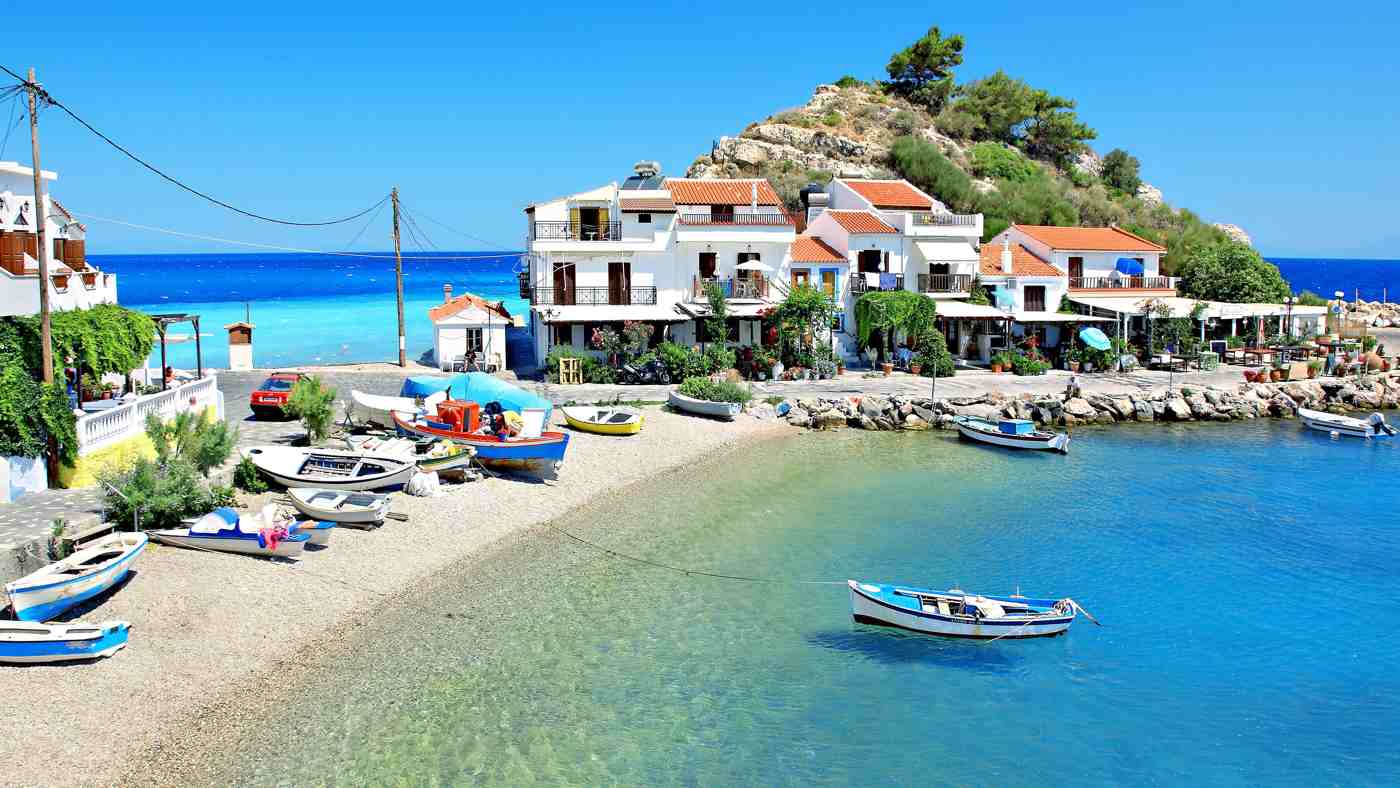
Lemonakia and Tsamadou sit on the north coast about 2 km apart, just west of Kokkari. Both coves hold clear, deep-blue water backed by pine slopes, and fine pebbles replace sand at the shoreline. Water shoes protect young feet on the round stones, so families pack them for these bays. Lemonakia curves in a small, sheltered arc that softens the north-coast swell on calm days. Tsamadou spreads a little wider, with a taverna above and a short path down to the pebbles. Both bays shelve into clear water quickly, which suits confident swimmers more than paddling toddlers. Snorkelling around the rocky edges rewards older children with fish sightings in the transparent shallows.
Shade from the pines behind the beach helps families linger through the warm midday stretch.
A north-coast base at Kokkari puts these three beaches within a short reach of the towels. Kokkari itself offers a shingle beach, a fishing harbour, and a windsurf spot on the exposed point. Families rotate between the coves by mood, choosing Psili Ammos for shallow sand and the Kokkari bays for clear snorkelling. A car covers the run from Kokkari to Psili Ammos in about 25 minutes along the coast road. Packing routines stay simple with sun shade, water shoes, snacks, and a change of clothes for cooler pebble bays. Early starts secure parking and shade before the beaches fill through late morning. Calm mornings suit the youngest swimmers.
The pine backdrops keep the sand and pebbles cooler than open, treeless Cycladic beaches under the same summer sun.
Is Votsalakia in southwest Samos a good relaxed beach base for families?
Votsalakia in the southwest gives families a relaxed base with a long, gently shelving sand-and-shingle beach under Mt Kerkis. A flat seafront strip of tavernas and rooms sits steps from the water, easing daily logistics for young children.
Votsalakia, also called Kampos, spreads along the southwest coast about 45 minutes by road from Pythagorio. Mt Kerkis, the island’s highest peak at about 1,434 metres, rises straight behind the bay and shades late afternoons. The beach runs long and flat, mixing fine sand with small pebbles, and the water shelves gently for a good stretch offshore. A single seafront lane gathers tavernas, mini-markets, and small room complexes within a short walk of the sand. Families settle here for slow days, since the layout keeps food, shade, and beds close to the towels. The southwest corner sees fewer tour buses than the Pythagorio side, so the pace stays calm through the season.
Sunset over the western sea and the Kerkis ridge closes each beach day with an easy evening stroll.
Shallow water anchors the family case for Votsalakia across the calm summer mornings. The long beach shelves so gradually that children walk out a fair distance while the water stays shallow. Sand near the western end suits digging and castles, while pebblier patches appear toward the centre. Water shoes handle the mixed seabed and protect young feet from the odd stone underfoot. A wide flat apron behind the sand fits umbrellas, mats, and space for ball games between swims. Calm coves nearby, reached in about 10 minutes by car, add sheltered alternatives on breezier days. The open western exposure can bring afternoon wind, so families favour morning swims and shaded lunches.
This rhythm of early beach time and relaxed seafront meals keeps young children content across a full week.
Votsalakia opens easy family excursions into the green southwest beyond the beach. The village of Marathokampos climbs the hillside above, mixing narrow lanes, a small square, and views over the bay. Boat trips run from the coast toward the west-coast beaches and sea caves under Mt Kerkis on calm days. Older children tackle short marked trails on the lower Kerkis slopes, keeping the walking gentle and shaded. A drive inland reaches Muscat vineyards and mountain hamlets, adding cool afternoon stops between beach mornings. Local tavernas plate simple grills, fresh fish, and sweet Samos Muscat for the parents after a swim. The southwest keeps sights close and low-key.
Days flow between the beach, a village lunch, and an early return before young children tire on longer roads.
Practical comforts make Votsalakia workable for families managing naps and early bedtimes. The flat seafront means short walks from room to sand to taverna, sparing tired legs and prams. Mini-markets stock water, fruit, and beach basics, so parents skip a long drive to town for supplies. Shallow parking and a level promenade suit buggies, scooters, and slow evening strolls after dinner. The distance from the airport runs about an hour, the longest transfer of the family bases here. A car remains useful for beach variety and inland trips, yet most days pass without moving it. This trade of a longer transfer buys a calm, self-contained base.
It appeals to parents who value slow mornings, predictable routines, and a short nightly walk back to a quiet bed.
Are the Potami waterfalls and rock pools on Samos good for older children?
The Potami waterfalls near Karlovasi reward older children with a short forest walk to rock pools and a small waterfall. A shaded riverbed trail and cool swimming pools suit ages that walk and swim with confidence.
Potami beach sits about 3 km west of Karlovasi, and the waterfall trail starts just behind it. A flat path follows the river upstream through plane trees for about 15 minutes to the first rock pools. Older children wade the shallow stream, step across boulders, and reach a small waterfall feeding a clear pool. The gorge continues to a second, taller fall, reached by a short climb with fixed ropes for surer footing. Cool water and deep shade make the walk comfortable even at midday in high summer. Families pack water shoes, since wet rock and stream crossings turn slippery underfoot.
The route rewards steady walkers rather than toddlers, so it fits school-age children and up who enjoy scrambling and swimming in cool fresh water.
The rock pools give older children a natural playground between the falls. Clear water collects in shallow basins, warm enough near the surface for a refreshing dip on hot days. Small fish dart in the pools, and smooth boulders form seats and jumping ledges for confident swimmers. Depth varies pool to pool, so parents check each basin before children leap from the rocks. Ropes and worn steps aid the climb to the upper fall, which asks for careful hands and dry grip. Life jackets suit weaker swimmers in the deeper upper pool, where the water turns colder and darker. The mix of wading, scrambling, and swimming keeps energetic children busy for a couple of hours.
The walk back down leads to Potami beach and the sea.
Potami beach itself works as the base for a waterfall day out. The long beach of sand and pebbles fronts clear water, so families swim and rest before or after the walk. Shade comes from cliffs and trees at the western end, and a canteen serves drinks and snacks in summer. A short detour uphill reaches the ruined Metamorphosis chapel, one of the island’s oldest, for older children who like ruins. Parking sits near the beach, cutting the carry to the trailhead and back to the sand. The setting pairs a forest adventure with an easy sea swim in one compact outing. Families time the walk for morning shade, then spend the afternoon on the beach.
The whole day stays within a short drive of Karlovasi, keeping young legs fresh.
Older children gain the most from the Potami outing, and simple rules keep it safe. Sturdy shoes with grip beat flip-flops on the wet, uneven rock along the stream and the upper climb. Water levels drop through summer, so the falls run gentler in the hottest months than in spring. Parents lead the rope section, test each pool depth, and keep weaker swimmers to the shallow lower basins. Snacks, water, and a dry shirt make the return walk comfortable after the swims. The trail stays free to enter, and the forest shade holds the heat down through the day. This blend of a manageable walk, safe rock pools, and a beach finish makes Potami a strong pick.
It suits active families with school-age children and teens.
Can kids visit the Eupalinos Tunnel and the giant Kouros in the Vathy museum on Samos?
Kids visit both easily on Samos. The Eupalinos Tunnel at Pythagorio opens a lit section of an ancient aqueduct. The Vathy archaeological museum displays a giant Kouros statue about 5 metres tall for young explorers.
The Eupalinos Tunnel sits on a hill above Pythagorio, part of the UNESCO Pythagoreion site. Engineers dug the aqueduct through the rock from both ends, meeting in the middle, and the passage runs about 1,036 metres. A lit, level visitor section lets children walk a good stretch underground on a raised walkway. Cool air and dripping rock make the tunnel a memorable break from beach heat for curious kids. The channel that once carried water runs beside the path, showing how the ancient supply reached the town. Helmets and a one-way route keep the visit orderly, and staff limit group sizes inside. Older children grasp the engineering feat, while younger ones enjoy the cave-like passage.
The stop suits a wide range of ages within about 30 minutes.
The Archaeological Museum of Samos in Vathy anchors an easy indoor stop for families. The star exhibit is a Kouros standing about 5 metres tall, one of the largest surviving statues of its kind. The scale alone impresses children, who crane their necks to take in the marble youth in the main hall. Finds from the Heraion sanctuary of Hera fill the rooms, including bronze griffins, ivory carvings, and votive offerings. Air conditioning turns the museum into a cool midday refuge during the summer heat. The compact layout keeps the visit under an hour, matching young attention spans without long corridors. Vathy’s waterfront cafes and the town beach sit a short walk away.
Families pair the museum with lunch and a swim in one relaxed morning.
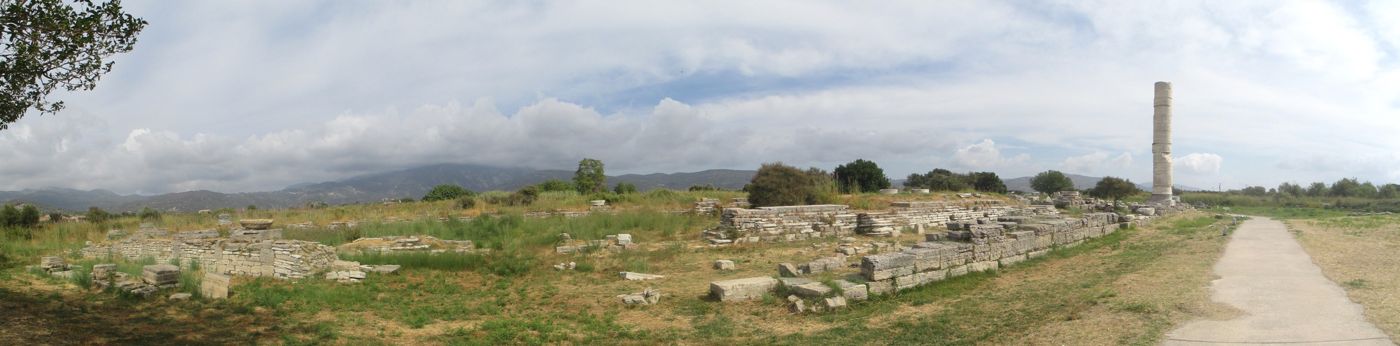
Pythagorio ties the tunnel visit into a full, child-friendly day on the southeast coast. The harbour town lines a small marina with fishing boats, cafes, and a waterfront promenade for easy strolls. A castle and a couple of church terraces above the port give short walks with views over the bay. The nearby Heraion, the sanctuary of Hera, adds a single standing column and open ruins that children roam freely. Logothetis Castle and small beaches sit within a short drive, extending the day beyond the tunnel. Ice cream shops and shaded squares reward tired young walkers between sights, keeping energy steady. This cluster of tunnel, harbour, and ruins packs four easy stops into a small area.
Families explore on foot without long transfers between them.
Practical planning keeps both landmarks smooth for families with children. The Eupalinos Tunnel keeps set opening hours, so families check times before the drive up the hill. Comfortable shoes handle the uneven tunnel floor, and a light layer helps in the cool underground air. The Vathy museum sits about 25 minutes from Pythagorio by road, linking the two sights in one day. Combining a morning tunnel walk with an afternoon museum visit balances outdoor and indoor time for kids. Small entry fees apply at both, with reductions for children, and shaded parking sits close by. This pair of a hands-on tunnel and a headline statue turns two ancient sites into concrete, kid-sized wins.
The visit holds attention far better than a long list of dusty ruins.
What does a coastal boat trip on Samos offer children?
A coastal boat trip from Pythagorio or Kokkari shows children the green Samos shoreline, hidden coves and clear water. Small day boats reach beaches like Seitani that roads never touch, keeping restless kids engaged for hours.
Day boats leave the harbours of Pythagorio and Kokkari through the warm months, tracing the Samos coast that cars cannot follow. Children watch the green slopes of Mt Ampelos and Mt Kerkis slide past from the deck. Most trips anchor at swimming stops in sheltered coves, where the shallow, clear water suits young swimmers with floats and masks. A short glass-bottom or small-boat outing along the north coast passes the pebble beaches of Tsamadou and Lemonakia. Skippers point out caves, headland chapels and the odd fishing boat, giving kids a steady stream of things to see. Life jackets in child sizes come standard on licensed boats.
The gentle pace and open air keep toddlers calm, while older children help spot dolphins that sometimes follow the wake across the strait.
Swimming stops turn a boat day into the highlight for children on Samos. Skippers drop anchor off coves such as Mikro Seitani, where the water stays calm and waist-deep near the shore. Kids snorkel over pale pebbles and watch small fish dart under the hull in the clear shallows. Licensed boats carry masks, noodles and a swim ladder that younger children manage with a parent close by. The remote Seitani coast forms a protected zone for the Mediterranean monk seal, and crews explain the rules in simple terms. Between swims, children eat their packed snacks on deck and dry off in the sun.
A half-day circuit runs about three to four hours, short enough to hold young attention yet long enough to reach roadless beaches.
Older children treat the boat as an adventure to the wild edges of Samos. The northwest coast hides Megalo Seitani, a long sandy beach under cliffs that only a footpath or a boat reaches. Reaching it by sea saves a long, hot walk in and lets tired young legs rest before a swim. Teenagers jump from low rocks into deep water while parents watch from the shade of the boat’s canopy. Crews often hand out fishing lines for a slow troll on the way back to port. The changing view of Mt Kerkis, the Turkish coast across the strait and passing ferries keeps eyes busy.
A boat day also breaks up a beach-heavy week, giving families a fresh way to see the same green coastline from the water.
Parents plan a boat day around calm morning water on Samos, since the meltemi wind can rise after noon on the north coast. Booking a day ahead at the harbour secures seats and lets crews prepare child life jackets. Hats, high-factor sunscreen, water and dry clothes go in a small bag, as decks offer little shade. A light snack settles queasy stomachs, and a seat near the middle of the boat steadies the motion for sensitive children. Pythagorio and Kokkari both run family-friendly trips, while smaller caiques take fewer passengers for a quieter outing. Morning departures return by mid-afternoon, leaving time for a quiet nap back at the rooms before dinner.
A short first trip tests how young children handle the sea before booking a longer crossing later in the week.
Why do the Muscat vineyards and Manolates make cool day trips on Samos?
The terraced Muscat vineyards and the mountain village of Manolates sit high on Mt Ampelos, where pine shade and cool air relieve the beach heat. Winding roads, flowered lanes and rock pools reward families driving up from the coast.
Manolates rewards families with a cool escape from the shoreline on Samos. A winding road climbs from Kokkari through pine forest and terraced vineyards to the car-free village. Children walk flowered stone lanes closed to traffic, so parents relax about passing cars. Small workshops of ceramics and crafts line the way, and tavernas with valley views serve lunch in the shade. The mountain air stays cool even in high summer, a relief after a morning on the sand. Marked footpaths lead from the village toward Vourliotes through the forest, an easy leg-stretch for older children. Nightingales sing in the wooded ravines below, and kids listen for them along the paths.
The drive up takes about thirty minutes from the north coast, short enough for a half-day trip.
The terraced Muscat vineyards climb the slopes of Mt Ampelos above Manolates and Vourliotes on Samos. Families walk short stretches of vineyard track where grapes ripen in stone-walled rows through the summer. Parents taste the sweet PDO Samos Muscat at a village producer while children drink fresh grape juice or cold water in the shade. A cool forest day trip also pairs the vineyards with the Potami waterfalls near Karlovasi, where a river walk ends at rock pools. The wine museum at Malagari near Vathy explains the harvest in a shaded, easy visit for restless kids. Late summer brings the grape harvest, when carts and crates fill the village lanes.
The mix of tasting, short walking and cool mountain air suits families who want a break from hot beach days.
Vourliotes offers families a second mountain village a short drive from Manolates on Samos. A shaded central square ringed with tavernas gives children room to run while parents rest over lunch. Colourful houses and narrow car-free lanes wind uphill, safe for small explorers away from traffic. The monastery of Panagia Vronda stands quietly in the forest a short walk or drive above the village. Older children follow the marked path between Vourliotes and Manolates through pine and chestnut woods in about an hour each way. Terraced Muscat vineyards frame the whole green valley, and small producers pour the local sweet Muscat wine.
The cooler height and the open square make Vourliotes an easy, low-cost stop that pairs well with a vineyard tasting and a mountain lunch.
Parents pack the mountain day trip on Samos with layers, water and sturdy shoes for the stone lanes. Roads to Manolates and Vourliotes climb and twist, so a driver takes the bends slowly with children aboard. Morning starts beat the fierce afternoon heat and leave time for a swim back down at the coast. A picnic or a relaxed taverna lunch works well, as the village shops stay small and simple. Shade, cool air and rock pools make these trips a good midday choice when beaches grow hot and crowded. Car seats and a light stroller help with toddlers, though carriers suit the steep lanes better.
The villages sit about thirty to forty minutes above Kokkari, close enough to fold into an afternoon back on the beach.
How do families get around the large island of Samos with kids?
Samos spans about 476 square kilometres, so families rent a car to link far-apart beaches, villages and sights. Public buses connect the main towns, while a beach base cuts daily driving with young children.
A rented car unlocks Samos for families more than any other transport. The island stretches about 476 square kilometres, with beaches, villages and ancient sites spread far apart. Rental offices cluster at the airport near Pythagorio and in Vathy, Kokkari and Karlovasi. A car lets parents carry buggies, cool bags, floats and beach gear without hauling them onto a bus. Child seats book ahead at the desk, as small cars fill fast in high summer. A good sealed road links Vathy, Pythagorio, Kokkari and Karlovasi around the north and east. Driving is on the right, roads climb and wind inland, and a full licence is required.
Short hops between the north-coast beaches take about fifteen to twenty minutes, easy even with a car full of restless children.
Public buses on Samos connect Vathy, Pythagorio, Kokkari, Karlovasi and the southwest in general terms. Families without a car use them for town-to-town trips, though services thin out in the evening and on Sundays. Bus stops sit in the main towns, so a beach base near a route keeps travel simple. Strollers fold for the luggage bay, and older children ride comfortably on the main coastal runs. Remote coves such as Seitani and the mountain villages lie off the bus network, reached only by car or on foot. A taxi covers the odd gap for a family, booked from the town rank or by a quick phone call.
Basing near Pythagorio or Kokkari puts shops, beaches and a bus stop within a short walk of the rooms.
A single beach base cuts the daily driving that tires young children on Samos. Choosing rooms near a calm beach means parents reach the sand in a short walk, not a long drive. The north coast around Kokkari puts Tsamadou and Lemonakia within minutes, with tavernas and a bus stop close by. The southwest at Votsalakia offers a long, shallow strand and a quiet resort strip under Mt Kerkis. Day trips then radiate out from one base, so bags stay unpacked and routines hold. A midday return for a nap or a quiet lunch works well when the beach sits nearby. Keeping drives to about thirty minutes each way leaves children fresher for the afternoon.
Short transfers also cut the fuss of long journeys across the large island.
Parents driving on Samos plan for mountainous, winding roads beyond the main coastal route. The climb to Manolates, Vourliotes and the Kerkis beaches twists through bends that slow the pace with children aboard. Rough tracks lead to remote coves such as Seitani, unsuited to a low hire car, so families park and walk the last stretch. Fuel stations sit in the main towns, and a full tank before a mountain day saves an awkward detour. A scooter tempts couples, yet a car carries children and all the beach kit far more safely. Shade is scarce in car parks, so a windscreen sunshade keeps seats cool for toddlers.
Distances read short on the map, though the terrain stretches drive times, so families allow extra minutes for every mountain leg.
What is eating out with children like on Samos?
Samos tavernas welcome children with relaxed harbour and square settings, early kitchens and simple grilled dishes. Meze plates, fresh fish, chips and yoghurt suit young palates, and shaded tables near the water keep families comfortable.
Greek tavernas across Samos treat children as welcome guests rather than a problem. Families settle at shaded tables on the Pythagorio marina or the Kokkari harbour, where kids watch boats between courses. Kitchens serve early by Mediterranean habit, so parents feed toddlers well before a late local crowd arrives. Menus lean on simple grilled meat, fresh fish, chips, bread and salad that even fussy young eaters accept. Meze plates let a family share small dishes, so children taste a little of everything without a full portion. Village squares in Vourliotes and Manolates give a safe, car-free space where children roam freely while the adults linger over coffee.
Staff often bring extra plates and a smile, and high chairs turn up in the busier harbour tavernas along the coast.
Local dishes on Samos give children plenty of familiar, mild and filling choices. Grilled chicken, pork souvlaki, meatballs and crisp fried potatoes fill hungry young stomachs after a long beach day. Fresh fish and calamari suit bolder eaters, while thick Greek yoghurt with honey works as a gentle dessert. Bread, tzatziki, cheese and fresh tomato salad round out a plate for toddlers who skip the spicier meze. Sweet local fruit such as watermelon, grapes and figs appears in season at markets across the island. Tap water and bottled water come to the table, and fresh juice suits children over a fizzy drink. Portions run generous, so two children share an adult dish.
This keeps a family meal simple and low-cost across a long, relaxed harbour evening.
Mealtimes on Samos flex easily around a young family’s routine. Lunch runs long and late by local habit, so a beach snack bridges the gap for hungry young children. Tavernas open for dinner from early evening, well before the local peak, giving parents a quiet, unhurried table. Harbourside spots in Pythagorio and Kokkari let children watch the boats and harbour cats while their food arrives. A shaded village square up in the mountains suits a cooler midday meal after a morning vineyard walk. Ordering two or three small meze first keeps hungry children busy while the grill slowly cooks the main dishes.
Most tavernas take a relaxed view of restless kids, so a short walk along the quay between courses causes no fuss for a family.
Self-catering apartments help families manage early breakfasts and daytime snacks on Samos. A small kitchen lets parents give toddlers a familiar cereal or fresh fruit before a busy beach day. Bakeries in every town sell cheese pies, fresh bread and sweet treats that make an easy morning bite. Supermarkets and grocers in Pythagorio, Vathy and Kokkari stock nappies, milk, fruit and snacks for the room. Beach tavernas serve lunch right by the sand, so a family eats without a long drive back to town. A cool bag packed with water and fruit keeps children going on a day trip to the mountains or a boat.
Balancing taverna dinners with simple self-catered breakfasts controls the budget and keeps young children on a steady eating routine through the trip.
Which Samos bases suit families, and when is the season best?
Family-friendly bases cluster at Pythagorio, Kokkari and southwest Votsalakia, each near calm, shallow beaches and tavernas. June and September bring warm sea, open facilities and thinner crowds, making them the easiest months for children.
Family bases on Samos cluster in spots where calm beaches, tavernas and shops sit close together. Pythagorio suits a first family visit, with a marina, shallow beaches nearby and the airport a short drive away. Kokkari on the north coast puts the Tsamadou and Lemonakia coves within minutes and adds a lively fishing harbour. Votsalakia in the southwest offers a long, shallow strand under Mt Kerkis for a quiet, beach-first stay. A full guide to where to stay in Samos compares each area for transport, beaches and nearby sights. Choosing a base near your children’s favourite beach cuts daily driving on this large, spread-out island.
Apartments with a kitchen and a pool suit families over a room-only hotel, easing meals and afternoon downtime for young children.
Each Samos base suits a slightly different kind of family. Pythagorio pairs shallow swimming with the Eupalinos Tunnel, the Heraion and easy airport transfers for a short stay. Kokkari fits families who want beaches, a walkable village and quick trips up to Manolates and Vourliotes. Votsalakia and nearby Kampos give the calmest, shallowest water and a relaxed strip of tavernas away from the crowds. Vathy works for a night around a ferry or the Kouros museum, though its town beaches trail the north coast. Karlovasi suits families drawn to the green Potami valley and the wild coast of the northwest. Matching the base to the ages of the children keeps daily travel short.
The right choice also keeps the whole holiday calm across the spread-out island.
June and September give families the easiest weather on Samos. Warm sea, open tavernas and thinner crowds make these two months the sweet spot for children. July and August turn hottest and busiest, with the meltemi wind cooling the north coast around Kokkari and sheltering the south. Late spring and mid-autumn suit walking families, with wildflowers, the green Potami gorge and a cooler sea for hardy swimmers. Shoulder-season rooms cost less and book more easily, easing a family budget. The sea holds its warmth into autumn, so September swimming stays comfortable for young children. Basing a trip in early summer or early autumn dodges the peak heat and the thickest crowds.
Cooler days keep beach outings and drives kinder on toddlers and tired parents alike.
Booking ahead secures the right family room on Samos in the busy summer months. Apartments with a kitchen, a pool and a short walk to a calm beach fill first for July and August. A ground-floor or lift-served room saves hauling a buggy and heavy bags up stairs after a long beach day. Rooms near Pythagorio, Kokkari or Votsalakia keep shops, tavernas and sand within a short walk of the door. Airport transfers run shortest from Pythagorio, a real help with tired children on arrival day. A cot, a high chair and a small fridge come with a request when reserving the room.
Reserving early for the peak weeks and choosing June or September for milder days give families the calmest, best-value stay on the island.
Frequently Asked Questions
What is the best base on Samos for a family holiday?
Pythagorio ranks as the best all-round family base on Samos, balancing shallow beaches, ancient sights and short airport transfers. The harbour town sits a short drive from Samos Airport, so tired children reach the rooms quickly on arrival. A marina lined with tavernas, calm nearby beaches and the Eupalinos Tunnel and Heraion within a short drive give families variety without long journeys. Kokkari on the north coast makes a strong second choice, putting the Tsamadou and Lemonakia coves and a walkable fishing harbour within minutes. Families set on the calmest, shallowest water pick Votsalakia in the southwest, a quiet resort strip under Mt Kerkis.
Vathy suits a ferry night or a museum visit, while Karlovasi anchors the Potami valley in the northwest. Choosing an apartment with a kitchen and a pool near one calm beach cuts driving and eases meals on this large island. Where a single, well-placed base beats moving between towns with young children.
Which are the safest beaches on Samos for young children?
Psili Ammos on the east coast rates as the safest beach on Samos for young children, with soft sand and shallow, gently shelving water. The bay warms quickly and stays calm on most days, and Turkey looks close across the narrow Mycale strait. Votsalakia and neighbouring Kampos in the southwest give a long, shallow strand under Mt Kerkis, with sunbeds and tavernas along the shore road. On the north coast, Lemonakia forms a sheltered horseshoe cove with calm swimming on still days, though its pebbles suit water shoes. Tsamadou nearby offers clear, deep water and cool pine shade, better for confident young swimmers with floats.
Parents watch the meltemi wind, which can push waves onto the exposed north coast after midday, while the south and east stay calmer. Organised beaches with sunbeds, shade and a canteen ease a family day, and arriving early secures a good spot before the summer crowds fill the small sandy bays.
Is a car needed on Samos with kids?
A rented car is the practical choice on Samos with kids, because the island spans about 476 square kilometres and spreads beaches, villages and sights far apart. Public buses link Vathy, Pythagorio, Kokkari and Karlovasi, yet they thin out in the evening and skip the remote coves and mountain villages. A car carries buggies, floats, cool bags and beach gear without the strain of loading a bus, and it reaches calm beaches on a family’s own schedule. Rental offices cluster at the airport near Pythagorio and in the main towns, and child seats book ahead in the busy months.
Families who stay put at one beach base near a bus route manage without a car for a short, low-key trip. Driving is on the right, and the mountain roads to Manolates, Vourliotes and the Kerkis beaches climb and wind, so parents take the bends slowly. For most families spreading their days across the island, a car saves time and keeps young children comfortable.
How do families keep older kids busy on Samos?
Older children stay busy on Samos through a mix of water, walking and light adventure across the varied island. A day boat from Pythagorio or Kokkari reaches wild coves such as Seitani, with swimming stops, snorkelling and the chance to spot dolphins. The Eupalinos Tunnel above Pythagorio lets kids walk a lit stretch deep inside the rock, an ancient aqueduct that fires young imaginations. A river walk to the Potami waterfalls near Karlovasi ends at rock pools, a ladder and cascades for sure-footed teenagers. The Archaeological Museum in Vathy holds the giant five-metre Kouros, a quick, memorable stop between beaches.
Snorkelling over the pebbles at Tsamadou, windsurfing lessons off Kokkari and a marked forest walk between Manolates and Vourliotes add active hours. A Mt Kerkis trail challenges fit older children with a full-day summit hike and wide Aegean views. Rotating beaches, boats, ruins and mountain walks keeps restless older kids engaged for a week without repeating a single day.
What is eating out with toddlers like on Samos?
Eating out with toddlers works smoothly on Samos, where tavernas treat small children as welcome guests. Kitchens serve early by Mediterranean habit, so parents feed toddlers before the late local crowd arrives at a relaxed, unhurried table. Menus lean on mild, familiar food: grilled chicken, meatballs, chips, bread, tzatziki and plain rice that fussy eaters accept. Thick Greek yoghurt with honey and sweet seasonal fruit such as watermelon and grapes make gentle desserts. Meze plates let a family share small dishes, so a toddler tastes a little without a full portion going to waste. High chairs turn up in the busier harbour tavernas at Pythagorio and Kokkari, and staff bring extra plates without fuss.
Shaded harbour and square tables let toddlers watch boats and cats between courses, and a short walk along the quay settles a restless child. A self-catering kitchen covers familiar breakfasts and early snacks, so evening tavernas stay the fun, low-pressure part of a family’s eating day.
What are the best months to visit Samos with kids?
June and September are the best months to visit Samos with kids, pairing warm sea and open facilities with thinner crowds and gentler heat. The water holds its warmth into September, so young children swim comfortably well past the peak. July and August turn hottest and busiest, with the meltemi wind cooling the north coast around Kokkari while sheltering the south and east for calmer beach days. Late spring and mid-autumn suit walking families, with wildflowers, the green Potami gorge and quieter towns, though the sea cools for all but hardy swimmers. Shoulder-season rooms cost less and book more easily, which eases a family budget and secures a calm beach base.
High summer brings the liveliest resorts and the fullest tavernas, at the price of strong midday sun that keeps toddlers indoors. Basing a family trip in early summer or early autumn dodges the fiercest heat and the thickest crowds. Keeping beach days, drives and mountain trips kinder on children and parents alike.
Is the Kusadasi day trip from Samos good with children?
The Kusadasi day trip from Samos works for older children who handle a long, full day, but it strains younger toddlers. A day boat crosses the narrow Mycale strait from Vathy or Pythagorio to Kusadasi in about one to one and a half hours, on a morning-out, evening-back schedule. Every traveller carries a passport, and non-EU families check visa rules well in advance, since the boat crosses an international border. From Kusadasi, older children explore the ancient city of Ephesus, walking past the Library of Celsus and the great theatre on a guided tour. The town bazaar, seafront and Pigeon Island castle fill the rest of the day for a family.
Heat, walking and a packed schedule tire small children, so parents pack water, hats, snacks and sunscreen. Toddlers manage the boat ride but struggle through a long Ephesus tour in summer. Families with children over about six get the most from this ambitious cross-border day out.