
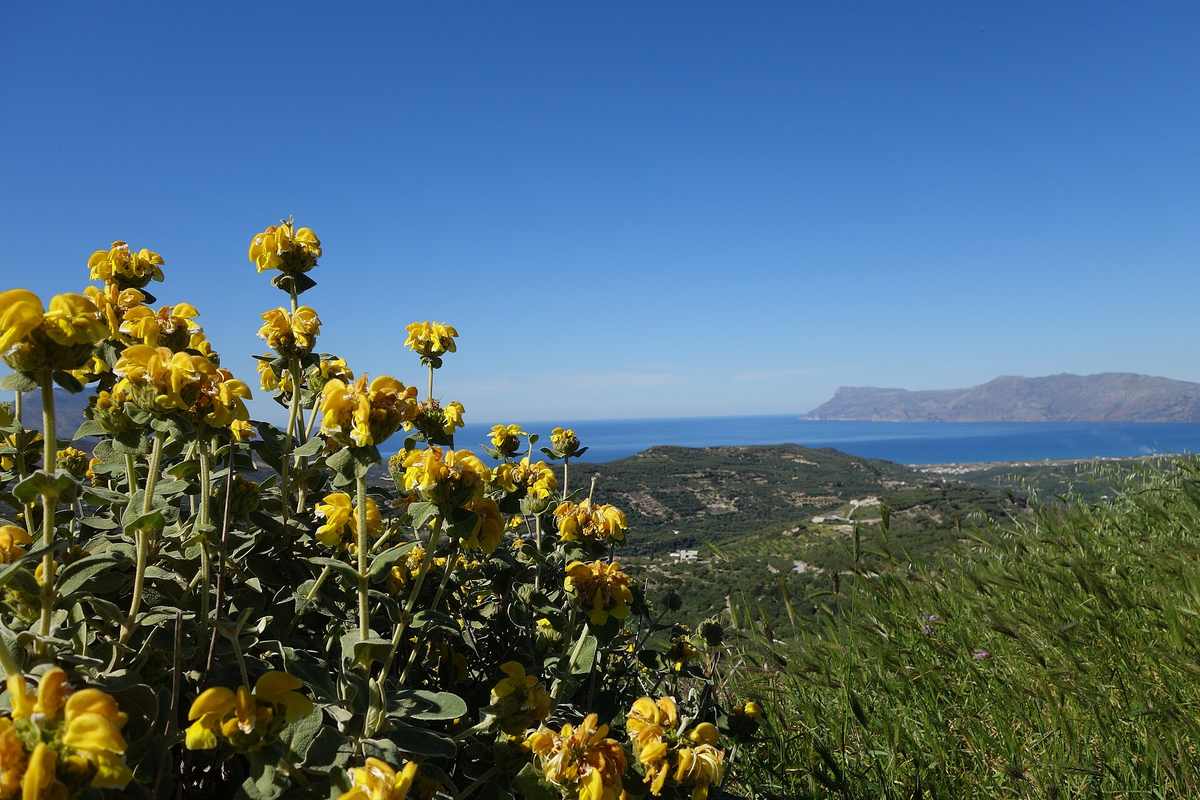
Kissamos, also known as Kastelli Kissamou, offers a refreshing alternative to the busier resorts that dominate much of Crete’s coastline. This working port town on the island’s far western edge serves as the main departure point for boat excursions to the legendary Balos lagoon and the Venetian fortress on Gramvousa islet. The town itself retains an authentic Cretan character, with waterfront tavernas serving fresh catch to locals and a pebbly town beach stretching along the harbour. Ferries connect Kissamos to Kythira, the Peloponnese, and remote Antikythera, making it a functional hub rather than a purpose-built tourist destination. Explore this quieter corner of the island with My Greece Tours.
The town’s archaeological museum houses impressive Roman-era floor mosaics unearthed from ancient villas, testament to the settlement’s long history. Kissamos provides convenient access to Falassarna’s golden sands just to the south and serves as a practical base for exploring the wild western tip of the island without the crowds found elsewhere. The sections below cover everything from boat trips and beaches to local dining and accommodation options. For broader context on the island’s attractions, consult our comprehensive Crete travel guide before planning your western Crete adventure.
Why visit Kissamos on Crete’s western coast?
Kissamos offers an authentic Cretan experience away from mass tourism. The town serves as the gateway to Balos and Gramvousa while providing affordable accommodation, genuine tavernas, and a relaxed atmosphere that larger resorts lack.
The appeal of Kissamos lies in its dual identity as both a functional port town and a strategic base for exploring western Crete’s natural wonders, from the Balos lagoon to the Topolia Gorge on the road south. Daily boat trips depart from the harbour to the stunning Balos lagoon, where turquoise shallows and pink-tinged sands create one of the Mediterranean’s most photographed seascapes. The Venetian fortress crowning Gramvousa islet adds historical intrigue to these excursions. Unlike purpose-built resorts, Kissamos maintains its working-town character, with fishing boats unloading their catch alongside tourist vessels and locals outnumbering visitors in the cafés lining the waterfront.
This authenticity extends to the dining scene, where family-run tavernas prioritize quality over volume and prices remain reasonable compared to the island’s more famous destinations.
The town’s location makes it ideal for exploring the rugged western peninsula without the need to navigate mountain roads daily. Falassarna beach, consistently ranked among Greece’s finest, lies just twenty minutes south by car. The ancient city of Polyrinia perches on hillsides to the southeast, offering panoramic views across the Kissamos Gulf. Accommodation options range from simple family-run guesthouses to comfortable hotels, all significantly cheaper than equivalent properties in Chania or the island’s northern coast resorts. The town beach, though pebbly, provides a convenient swimming spot within walking distance of all lodgings, and the absence of beach clubs and lounger farms reinforces the low-key atmosphere that defines Kissamos.
What are the best things to do in Crete’s Kissamos area?
Boat trips to Balos and Gramvousa top the list. The archaeological museum displays exceptional Roman mosaics. Swimming at the town beach or nearby Falassarna, dining at waterfront tavernas, and exploring ancient Polyrinia round out the options.
The boat excursion to Balos and Gramvousa ranks as the primary activity for most visitors to Kissamos. These trips typically depart mid-morning, sailing past dramatic coastal cliffs before reaching the islet where passengers can climb to the Venetian fortress and explore its crumbling ramparts. The vessels then continue to Balos, allowing several hours to wade through the shallow lagoon, photograph the iconic viewpoint from the ridge above, and swim in the impossibly clear waters. Booking tickets in advance during summer months ensures a spot, though the boats can become crowded at peak season.
The archaeological museum in town deserves at least an hour, particularly for its remarkably preserved floor mosaics depicting marine life and mythological scenes from Roman villas that once stood in ancient Kissamos. In the hills above, the ancient city of Polyrrinia crowns a ridge over the gulf.
The town beach provides an easy swimming option, its pebbles giving way to sandy patches underwater and the gradual depth making it suitable for families. Tavernas along the waterfront specialize in grilled fish and traditional Cretan dishes, with owners often selecting the day’s catch at the harbour. Sunset dining here offers excellent value and genuine local flavor. Day trips to Elafonisi’s pink sands, the Samaria Gorge entrance at Omalos, or the mountain villages of the Innahorion region all lie within an hour’s drive. These excursions showcase the diversity of things to do in Crete accessible from this western base without the long transfers required from eastern resorts.
How do you reach Kissamos in western Crete?
Kissamos lies seventy kilometers west of Chania airport. Public buses connect the towns regularly, taking ninety minutes. Rental cars offer flexibility for exploring the region. Ferries from Kythira and the Peloponnese also dock at the harbour.
Chania International Airport serves as the primary gateway, with Kissamos positioned at the far western end of the island’s northern coastal road. The drive takes roughly seventy minutes, following the national highway west past olive groves and coastal villages before the road descends into the Kissamos Gulf. Public buses operated by KTEL run between Chania and Kissamos throughout the day, with the journey taking approximately ninety minutes and stopping at villages along the route. The bus station in Kissamos sits near the town center, within walking distance of most accommodation. Tickets cost a fraction of taxi fares, making this an economical option for budget travelers or those without driving licenses.
The bus schedule reduces on Sundays and public holidays, so checking current timetables before travel prevents frustration. South into the hills, the chestnut village of Elos anchors the green Enneachora region.
Renting a car in Chania or at the airport provides the greatest flexibility for exploring western Crete’s scattered attractions. The roads around Kissamos are generally well-maintained, though some beaches and archaeological sites require navigating unpaved tracks. Parking in town presents no difficulties, with ample spaces along the waterfront and near the main square. Ferry connections link Kissamos to Kythira island, Gythio in the Peloponnese, and the tiny island of Antikythera, though these services operate less frequently than flights and primarily serve islanders rather than tourists. The ferry port occupies the same harbour as the Balos boat trips.
Deciding where to stay in Crete depends largely on whether you prioritize beach resort amenities or authentic town life with easy access to natural wonders.
Where should you eat in Kissamos?
Waterfront tavernas along the harbour serve fresh fish and traditional Cretan cuisine at honest prices. Family-run establishments dominate, with menus changing based on daily catches. The main square hosts additional options favored by locals year-round.
The dining scene in Kissamos revolves around the harbour promenade, where a string of tavernas set tables directly beside the water. These establishments source fish and seafood from the boats moored just meters away, with grilled octopus, red mullet, and sea bream featuring prominently on menus. Proprietors often display the day’s catch on ice for diners to inspect before ordering, and prices are calculated by weight in the traditional manner. Cretan specialties like dakos, kalitsounia, and slow-cooked lamb or goat appear alongside the seafood, prepared according to family recipes passed through generations. The atmosphere remains decidedly local, with Greek conversation dominating and tourists blending into the mix rather than overwhelming it.
Service can be leisurely, reflecting the unhurried pace of life in this corner of the island.
Tavernas around the main square cater more to year-round residents, offering hearty portions of moussaka, stifado, and grilled meats at prices that reflect local rather than tourist economics. These spots stay open throughout winter when some waterfront establishments close. Breakfast options include traditional bakeries selling cheese pies and sweet pastries alongside coffee shops serving freddo cappuccino and Greek coffee. The town lacks international restaurant chains and fusion cuisine experiments, which some travelers appreciate as refreshing authenticity while others may find limiting. Supermarkets stock local produce, cheeses, and wines for those self-catering in apartments.
The overall dining experience emphasizes honest ingredients, straightforward preparation, and value, characteristics increasingly rare in Crete’s more developed tourist zones and among the hidden gems in Crete that reward adventurous eaters.
When is the best time to visit Kissamos?
May through June and September offer ideal conditions with warm weather, calm seas for boat trips, and fewer crowds. July and August bring heat and peak visitor numbers. October remains pleasant, though some services reduce schedules.
Late spring presents optimal conditions for visiting Kissamos, with daytime temperatures in the mid-twenties Celsius, wildflowers coloring the hillsides, and the sea warming to comfortable swimming temperatures. Boat trips to Balos operate reliably during this period, with calmer seas than later summer months when the meltemi winds can occasionally disrupt schedules. Accommodation rates remain moderate compared to peak season, and tavernas, museums, and beaches never feel overcrowded. June extends these advantages with longer days and warmer water, though prices begin climbing as northern European school holidays approach. The archaeological museum and ancient sites can be explored comfortably without the scorching heat that makes midday sightseeing exhausting in July and August.
September rivals May and June as the prime visiting window, offering the warmest sea temperatures of the year, reliable sunshine, and the gradual thinning of crowds as families return home for school terms. Boat trip operators maintain full schedules through September, and the reduced visitor numbers mean more space on beaches and in tavernas. October can be delightful, particularly early in the month, though weather becomes less predictable and some seasonal businesses begin closing for winter. Winter transforms Kissamos into an almost entirely local town, with most tourist-oriented services shuttered and ferry schedules reduced.
The mild climate still permits comfortable exploration of archaeological sites and mountain villages, but the Balos boats cease operation and beach swimming requires tolerance for cool water temperatures that deter most visitors.
Frequently Asked Questions
Is Kissamos worth visiting compared to other Crete destinations?
Kissamos rewards travelers seeking authenticity over polished resort experiences. The town functions primarily for local residents rather than tourists, creating an atmosphere markedly different from purpose-built vacation destinations elsewhere on the island. This translates to better value in accommodation and dining, genuine interactions with Cretans going about daily life, and a relaxed pace without the commercial pressures of major resorts. The strategic location provides unmatched access to Balos and Gramvousa, two of Crete’s most spectacular natural attractions, without the long day-trip transfers required from eastern coastal towns. Falassarna’s exceptional beach lies just twenty minutes away. The trade-off involves fewer amenities, limited nightlife beyond taverna dining, and a working-town aesthetic rather than manicured resort landscaping.
Travelers prioritizing Instagram-worthy hotels, organized activities, and international dining options will find Kissamos lacking. Those valuing authentic experiences, natural beauty, and escape from mass tourism will find it perfectly suited to their preferences and among the island’s most rewarding bases.
Can you visit Balos lagoon without taking a boat from Kissamos?
Balos can be reached by road, though the journey requires a capable vehicle and tolerance for challenging driving conditions. The unpaved track from Kaliviani village deteriorates significantly in its final kilometers, with steep gradients, loose stones, and narrow passages that test both vehicle and driver. Standard rental car agreements often prohibit this route, and damage to oil pans or suspensions occurs regularly. The drive takes roughly forty-five minutes one way from Kissamos, followed by a twenty-minute descent on foot to the lagoon. Parking at the trailhead fills quickly in summer, and the return climb in afternoon heat proves strenuous. The boat trip eliminates these challenges while adding the Gramvousa fortress visit and providing rest during transit.
Boats also approach Balos from the sea, offering the classic photographic perspective impossible to achieve from the land access point. The road option suits early risers willing to arrive before boats and crowds, physically fit travelers comfortable with the hike, and those with appropriate vehicles or tolerance for potential rental car complications.
What facilities and services does Kissamos offer visitors?
Kissamos provides all essential services despite its small-town character. Accommodation ranges from budget rooms and apartments to mid-range hotels, with options concentrated near the waterfront and main square. Supermarkets, bakeries, and traditional markets supply groceries and local products. Banks with ATMs, pharmacies, medical clinics, and a health center handle financial and health needs. Car and motorcycle rental agencies operate in town, offering competitive rates compared to airport locations. The archaeological museum opens most days except Mondays, displaying artifacts from ancient Kissamos and surrounding sites. Tourist information can be obtained from accommodation hosts and boat trip operators, though a dedicated tourist office may not always be staffed.
Internet cafés have largely disappeared, but most hotels and many cafés offer wifi. The town beach provides free access, unlike organized beaches elsewhere that charge for loungers and umbrellas. Ferry ticket offices serve the Kythira and Peloponnese routes. Kissamos lacks the extensive tourist infrastructure of major resorts but covers practical needs efficiently for independent travelers.