The Tomb of Clytemnestra: Mycenae’s Second Great Tholos

The Tomb of Clytemnestra: Mycenae's Second Great Tholos

The Tomb of Clytemnestra is a large Bronze Age tholos, or beehive tomb, standing at Mycenae near the Lion Gate and the grave circles below the citadel walls. It ranks second in size and grandeur only to the Treasury of Atreus. The chamber belongs to a ring of monumental tombs built for the rulers of … Read more

The History of Mycenae: Rise and Fall of a Bronze Age Capital

The History of Mycenae: Rise and Fall of a Bronze Age Capital

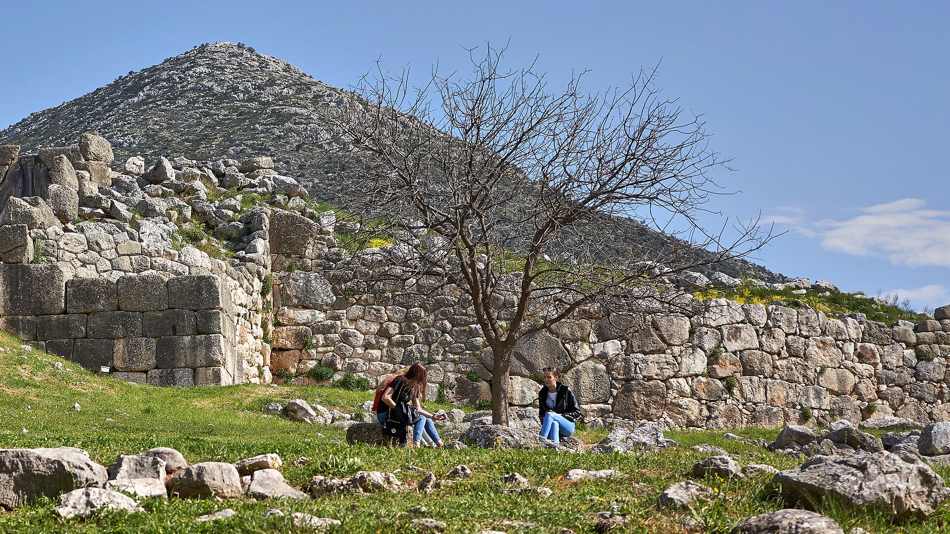
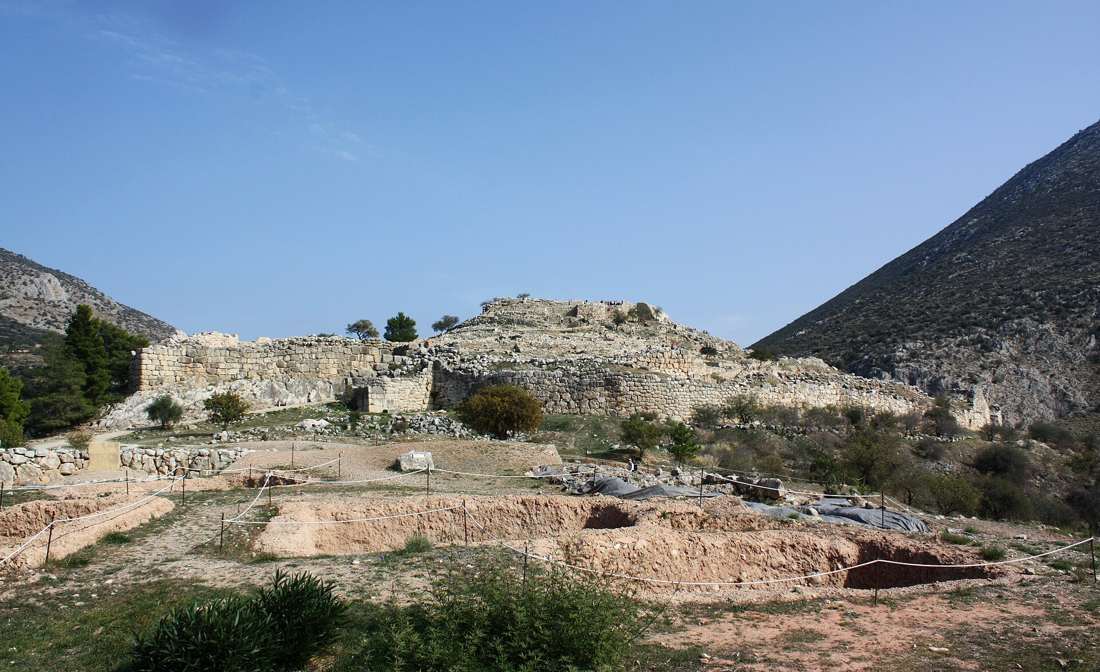
Mycenae began as a small hilltop settlement in the Argolid and grew into the leading centre of Bronze Age Greece, lending its name to a whole civilization. Its rulers gathered wealth, raised Cyclopean walls, and buried their dead in gold-filled graves and great domed tombs. From this fortified citadel they reached out across the Argolid … Read more

The Secret Cistern: Mycenae’s Underground Water Supply

The Secret Cistern: Mycenae's Underground Water Supply

The secret cistern is one of the quiet marvels tucked into the north-east corner of the citadel of Mycenae. Here a vaulted passage descends by stone steps through and beneath the great wall to a deep rock-cut cistern, hidden away from the world outside. A concealed conduit once carried water to it from a spring … Read more

Linear B: The Written Records of Mycenae

Linear B: The Written Records of Mycenae

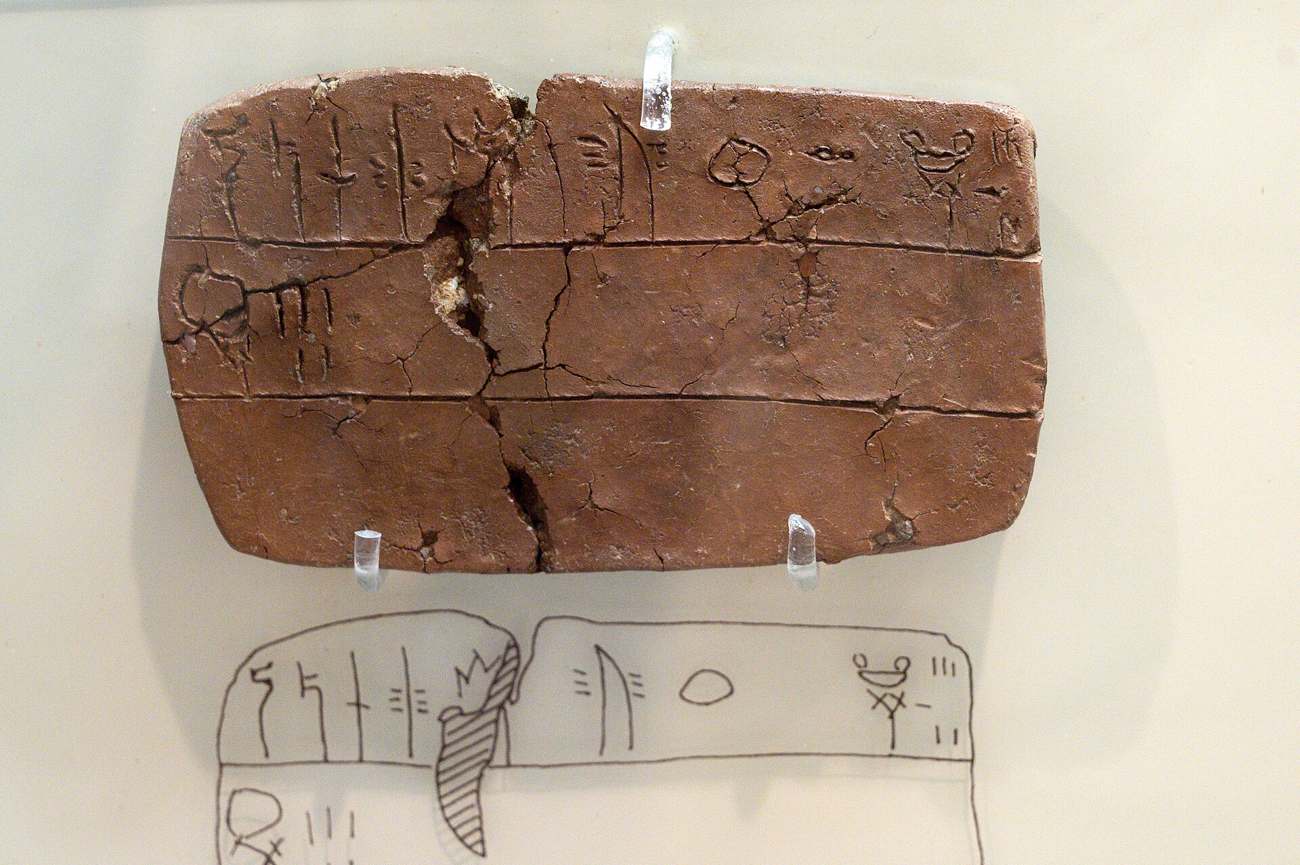
Linear B is the earliest known script used to write the Greek language, the writing system of the Mycenaean palaces in the Late Bronze Age. It survives on clay tablets, baked hard by the very fires that destroyed the palaces they belonged to. Copies of the script have turned up at Mycenae, Pylos, Tiryns, Thebes … Read more

Heinrich Schliemann and the Discovery of Mycenae

Heinrich Schliemann and the Discovery of Mycenae

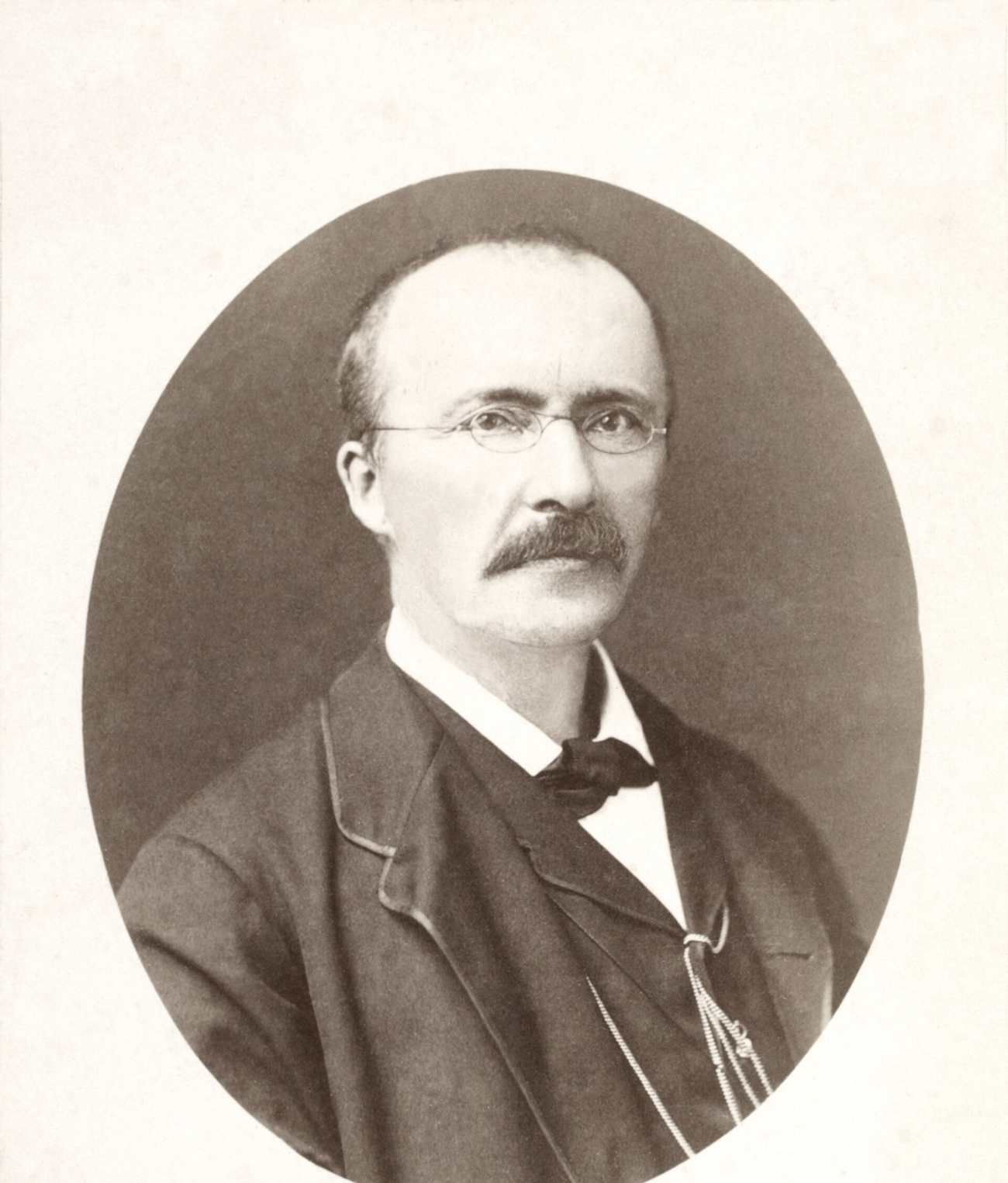
Heinrich Schliemann was a wealthy German businessman who turned late in life to archaeology, driven by a stubborn belief that Homer’s poems held real history rather than pure invention. Fresh from his celebrated digs at Troy, he brought that same conviction to the citadel of Mycenae in the later nineteenth century. Where scholars saw only … Read more

The House of Atreus: Mycenae’s Cursed Royal Dynasty

The House of Atreus: Mycenae's Cursed Royal Dynasty

The House of Atreus is the doomed royal dynasty of Mycenae in Greek myth, a family pursued across generations by a curse of murder and revenge. Its story descends from Pelops and Tantalus and runs through the brothers Atreus and Thyestes into the reign of Agamemnon, king of Mycenae. Bloodshed answers bloodshed here, and each … Read more

Tiryns: Mycenae’s Sister Citadel in the Argolid

Tiryns: Mycenae's Sister Citadel in the Argolid

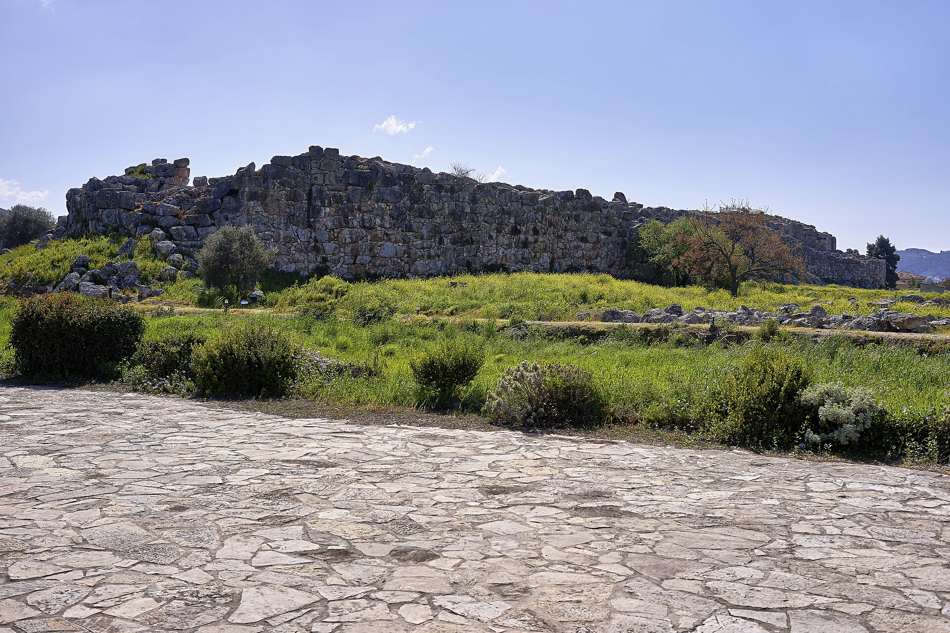
Tiryns is a fortified Bronze Age citadel on the Argolid plain of the Peloponnese, a short drive from Mycenae and close to the town of Nafplio. It ranked among the great centres of the Mycenaean world, its low hill crowned by walls of astonishing scale. Massive stone ramparts wrap the summit, pierced by long corbelled … Read more

Grave Circle B: Mycenae’s Earlier Royal Cemetery

Grave Circle B: Mycenae's Earlier Royal Cemetery

Grave Circle B is the older of the two royal grave circles at Mycenae, lying just outside the walls of the citadel a short distance from the Lion Gate. It holds shaft graves and simpler cist graves where early rulers were buried with pottery, weapons, jewellery and gold objects, though with less gold than the … Read more

Grave Circle A: Mycenae’s Royal Shaft Graves

Grave Circle A: Mycenae's Royal Shaft Graves

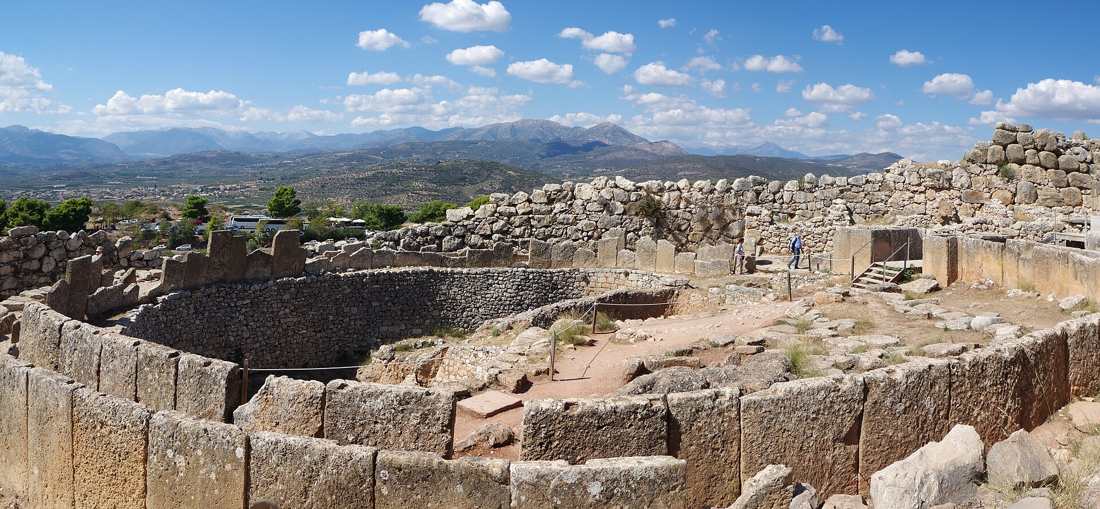
Grave Circle A is a royal cemetery of deep shaft graves lying inside the walls of the citadel of Mycenae, just beyond the great gateway. A double ring of upright stone slabs marks the circle, which held the bodies of men, women and children of the early ruling house. The graves belong to the dawn … Read more