
The best time to visit Athens is from April to June and again in September and October, when the weather is warm and comfortable and the major sites are less crowded. Plan your trip around the ideal season and lock in skip-the-line tickets and tours from My Greece Tours for the smoothest visit whenever you come.
Choosing the right season shapes a great Athens travel guide trip. The sections below cover the best overall time, spring, summer, autumn, winter, a month-by-month rundown, the Acropolis, the Riviera, island combinations, holidays, the cheapest time and what to pack.
When is the ideal time to visit Athens overall?
Spring, roughly April through June, and autumn, around September into October, are the ideal windows for Athens. Temperatures stay warm, skies are clear, and crowds at the Acropolis thin out compared with peak summer.
The shoulder seasons of spring and autumn are the clear winners for comfortable sightseeing in Athens. From April to June and again from September to October, the city enjoys warm, sunny days and cooler evenings ideal for climbing the Acropolis, wandering the ancient sites and strolling the neighbourhoods without the exhausting heat of high summer. These months also see fewer visitors than July and August, so the major monuments and museums are less crowded, queues are shorter, and accommodation prices sit below their summer peak.
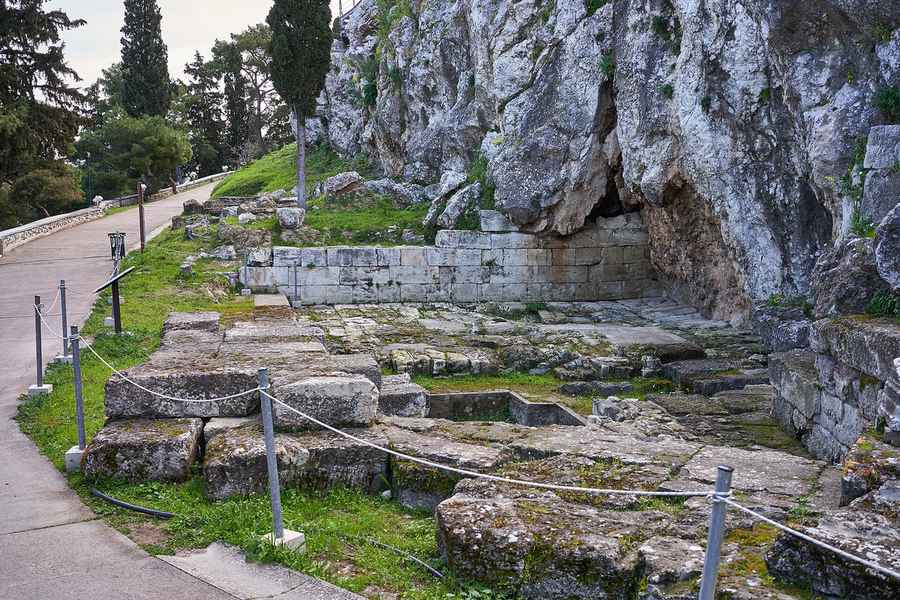
Seasoned travellers single out May and October as the two finest months of all. The weather is reliably pleasant, nature is at its peak with spring blossom or mellow autumn light, and the tourist crush has eased. Spring brings blooming jacaranda trees and fresh greenery, while autumn offers warm seas still good for a swim on the nearby coast. Flexible dates aimed at these windows reward you with the most agreeable conditions. Comfortable weather makes exploring sites like Filopappos Hill a pleasure, and the sections below look at each season in turn.
What is Athens like in spring?
Spring, from March to May, ranks among the best times to visit Athens, with mild to warm temperatures, blooming jacaranda trees and manageable crowds. May typically runs 20 to 27°C, ideal for the Acropolis and outdoor sites.
Spring is a rewarding season in Athens. The city warms steadily as winter fades, with March still fresh and changeable but April and especially May offering reliably sunny days and comfortably cool evenings. By May, daytime temperatures typically sit in the low to upper twenties Celsius, around 20 to 27 degrees, ideal for tackling the Acropolis, the Ancient Agora and the city’s hills without overheating. The season is visually striking too, as parks, gardens and streets fill with blossom, wildflowers carpet the archaeological sites, and the famous purple jacaranda trees bloom across the city.
Crowds are moderate, building toward the end of spring but still far lighter than the summer peak, so the major sites remain enjoyable and queues stay manageable, while prices are reasonable. The main caveat is the sea, still relatively cool early in spring, so beach days on the Athens coast are better later in the season. Easter, a major Greek celebration, falls in spring and brings a special atmosphere along with some closures. Spring is hard to beat for sightseeing, walking and photography. The blossoming parks include the National Garden, a green refuge in the heart of the city.
What is Athens like in summer?
Summer, from June to August, is hot and busy in Athens. July and August often top 35°C and sometimes 40°C, when the Acropolis may close at midday during heatwaves. It is peak season with the biggest crowds and highest prices.
Summer in Athens is intense in both heat and atmosphere, and it demands some planning to enjoy. The city becomes very hot and dry from June through August, with July and August regularly pushing well into the thirties Celsius and frequently exceeding 35 degrees, occasionally topping 40 during heatwaves. The authorities sometimes close the Acropolis during the hottest midday hours at such times, protecting visitors from heat-related illness. Peak tourist season brings the largest crowds to the monuments and museums and the highest prices for flights and hotels, so advance booking and skip-the-line tickets become essential.
Sensible timing turns the heat into a manageable trade-off. Plan your sightseeing for early morning or late afternoon and evening, rest during the fierce midday, and keep well hydrated. The upside is considerable, since June through September is the prime swimming season, when the warm Aegean suits swimming along the nearby Athens Riviera. Long, balmy evenings fuel open-air cinemas, rooftop bars, concerts and the famous Athens Epidaurus Festival. Many Athenians leave for the islands, giving the city a relaxed feel after dark. The coast beckons in the Athens Riviera beaches guide.
What is Athens like in autumn?
Autumn, from September to October, ranks among the best times to visit Athens, with warm but comfortable temperatures, thinning crowds and falling prices. September still allows swimming, while October offers ideal sightseeing weather around the low to mid 20s°C.
Autumn combines the warmth of summer with the ease of the shoulder season, making it a favourite for many travellers. The heat of high summer relaxes into long, warm, sunny days in September, the crowds begin to thin as the peak season ends, and prices start to fall, yet the sea remains beautifully warm, so swimming and beach days along the coast still pair well with sightseeing. October is especially rewarding, with comfortable daytime temperatures often in the low to mid twenties Celsius, clear skies and a soft, golden light that flatters the ancient monuments.
Smaller crowds mean shorter queues and a more relaxed atmosphere at the major sites. November turns noticeably cooler as autumn advances, and the first significant rains arrive, signalling the transition toward winter, though the city stays mild by northern European standards. September and October are hard to beat for the blend of good weather, fewer people and gentler prices. The mellow light suits viewpoints like Lycabettus Hill, where the low autumn sun turns the marble golden at dusk.
What is Athens like in winter?
Winter, from November to February, is mild, quiet and cheap in Athens, with daytime temperatures typically around 10 to 15°C and some rain but rarely snow. The Acropolis and museums are uncrowded and prices are at their lowest.
Winter shows a calmer side of Athens that rewards travellers who do not need beach weather. The city stays mild compared with most of Europe from November to February, with daytime temperatures generally ranging from around 10 to 15 degrees Celsius, cooler in the evenings and occasionally wet, though snow is rare and brief. Tranquillity is the great advantage: the Acropolis, the museums and the old-town lanes are blissfully uncrowded, letting you explore the major sights almost at your own pace and photograph them without throngs of people. Prices reach their lowest, with the cheapest flights and hotel rates of the year.
The trade-offs are shorter daylight hours, cooler and sometimes rainy days, and coast and island day trips largely out of season. The city’s indoor attractions, cafés, tavernas and lively local life carry on regardless, and festive lights brighten December. Winter is a genuinely rewarding time for culture-focused travellers, budget-conscious visitors and anyone who prizes peace and quiet over sunbathing. Indoor highlights include the National Archaeological Museum, whose vast collection makes an ideal shelter on a rainy afternoon.
What is Athens like month by month?
Athens shifts from cool, wet winters in January and February to warm springs in April and May, hot peak summers from June to August, mellow autumns in September and October, and cool, quiet Novembers. Each month favours a different type of visit.
January and February are the coolest, quietest months, with daytime highs around 10 to 14°C, the odd cold snap and the lowest prices of the year outside the New Year peak. March warms gradually and the first almond blossom appears, though rain remains possible. April brings reliably pleasant days near 18 to 22°C, Orthodox Easter in most years, and the start of the busy shoulder season. May is a standout month, with warm, sunny weather around 20 to 27°C, jacaranda in full bloom, and comfortable sightseeing before the summer heat arrives.
June opens the hot season and the beach months, with temperatures climbing toward the thirties and long daylight hours. July and August are the hottest and busiest months, regularly above 35°C, best handled with early starts and late evenings. September eases back into warm, swimmable conditions with lighter crowds, and October holds comfortable low-to-mid-20s°C days with golden light. November turns cool and wetter, closing the beach season and marking the return of quiet, low-cost travel. Planning around your priorities, whether swimming, sightseeing or savings, points to the right month.
What is the best time to visit the Acropolis?
The best time to visit the Acropolis is spring or autumn, early in the morning right at opening or in the last hours before closing. These slots avoid both the fierce midday heat and the largest tour-group crowds.
The Acropolis sits exposed on a bare limestone hill with almost no shade, so timing matters more here than at any other Athens site. Spring and autumn deliver the most comfortable climbs, with warm but bearable temperatures and softer light for photographs of the Parthenon. Arriving right at opening, before the cruise-ship and coach groups reach the summit, gives you the quietest experience and the coolest air of the day. Late afternoon is a strong second choice, as the crowds thin and the marble glows in the low sun.
Summer visits call for extra care on the Acropolis. Midday heat regularly forces temporary closures during July and August heatwaves, so an early-morning slot becomes almost mandatory, paired with water, a hat and sunscreen. Winter offers the opposite appeal, with cool, quiet mornings and the rock nearly to yourself, though shorter opening hours apply. A skip-the-line ticket saves time in every season, and pairing the climb with the Acropolis Museum at the foot of the hill rounds out the visit whatever the weather.
When is the best time for the Athens Riviera?
The best time for the Athens Riviera is late June to early October, when the Aegean is warm enough for swimming and beach clubs run at full pace. September is the sweet spot, pairing warm water with thinner crowds and lower prices.
The Athens Riviera, the coastal stretch running south from the city toward Cape Sounion, comes alive once the sea warms. Water temperatures turn comfortable for swimming from late June, peak through July and August, and stay pleasant well into September and often early October. High summer delivers the liveliest scene, with organised beaches, seaside tavernas and beach bars at full tilt, though weekends draw crowds of Athenians alongside visitors. Early starts or weekday visits ease the crush at the most popular spots.
September stands out as the finest time for the Riviera. The sea holds its summer warmth, the fierce midday heat softens, prices ease off their August peak, and the beaches feel calmer as the local crowds return to work and school. May and early June suit those who prefer quieter sands and do not mind a cooler swim. A sunset visit to the Temple of Poseidon at Sounion caps a Riviera day in any warm month. Winter effectively closes the beach season, though the scenic coastal drive stays open year-round.
When should you combine Athens with the Greek islands?
The best time to combine Athens with the Greek islands is May, June, September or early October. Ferries run frequently, the sea is warm, island hotels are open, and both the city and the islands avoid the harshest summer crowds and heat.
Athens serves as the natural gateway to the Cyclades and the Saronic islands, so many travellers pair a few city days with an island stretch. The practical season for this combination runs from late spring to early autumn, when ferry schedules from the ports of Piraeus and Rafina are frequent, island accommodation and restaurants are fully open, and the sea is warm for swimming. May, June, September and early October deliver the best balance, offering reliable ferries and warm water without the packed boats, sold-out rooms and premium prices of peak August.
July and August work for island-hopping but demand early booking, since ferries, hotels and popular Santorini and Mykonos sights fill fast and prices climb. Winter is the weakest window for a combined trip, as ferry frequency drops sharply, many island hotels and tavernas close for the season, and rougher seas can disrupt sailings. A city-first plan pairs well with the wider Athens travel guide, using the capital as a base before heading out to the water. Booking ferries and island stays ahead protects the schedule in the busy months.
Is Athens worth visiting in winter?
Athens is worth visiting in winter for culture-focused and budget travellers. The Acropolis and museums are quiet, prices hit their yearly low, and the mild climate keeps sightseeing pleasant, though beaches and island trips are out of season.
Winter rewards a specific kind of traveller in Athens rather than the beach-and-islands crowd. The headline draws are calm and value: the Acropolis, the Ancient Agora and the great museums are close to empty, so you explore and photograph them without queues, while flights and hotels reach their cheapest rates of the year. The climate stays mild by European standards, with many bright, crisp days ideal for walking the historic centre, browsing the Monastiraki and Plaka lanes, and lingering in warm cafés and tavernas.
Managing expectations makes a winter trip a success. Daylight is shorter, some rainy spells arrive, and the coast, the Riviera beaches and most island day trips are effectively closed until spring. Indoor culture more than fills the gap, from the National Archaeological Museum to the Benaki and the Museum of Cycladic Art, and December adds festive lights and a holiday buzz across the squares. Culture lovers, city-break travellers and anyone chasing low prices and elbow room will find Athens genuinely worth a winter visit.
What holidays and events shape the Athens seasons?
Orthodox Easter in spring, the Athens Epidaurus Festival in summer, and Christmas and New Year in winter shape the Athens calendar. Each brings distinct atmosphere, along with occasional closures or higher demand worth planning around.
Greek holidays leave a clear mark on the travel year in Athens. Orthodox Easter, usually falling in April or May, is the most important religious celebration, filling the city with candlelit processions and midnight services, though many shops, sites and restaurants keep reduced hours over the long weekend. Spring also carries Greek Independence Day on the twenty-fifth of March, marked by a military parade through the centre. These occasions add colour but call for checking opening times before a visit.
Summer belongs to the Athens Epidaurus Festival, a season of theatre, music and dance staged at the ancient Odeon of Herodes Atticus beneath the Acropolis and at the Epidaurus theatre in the Peloponnese. Open-air cinemas, concerts and rooftop events run alongside it through the warm evenings. Winter closes the year with Christmas markets, festive lighting across Syntagma and the squares, and lively New Year celebrations, while the Christmas-to-New-Year stretch briefly lifts prices above the low winter baseline. Timing a trip around a festival can make the visit, provided you book early.
When is the cheapest time to visit Athens, and what should you pack?
The cheapest time to visit Athens is winter, from November to March, when flights and hotels hit their lowest and crowds are smallest. Pack comfortable walking shoes year-round, light breathable clothes for the warm months, and layers plus a coat for winter.
Winter offers the best value in Athens for money-conscious travellers, alongside packing advice that carries across every season. Accommodation and flight prices drop to their yearly low from November to March, outside the Christmas and New Year peak, and the city is at its quietest, so budget travellers willing to accept cooler, shorter days can enjoy the major sights cheaply and without crowds. The spring and autumn shoulder seasons also beat high summer on price while keeping pleasant weather. Comfortable, sturdy walking shoes are the single most important item in any season, since you will spend hours on uneven marble, cobbles and hills.
Packing shifts with the season around that constant. For spring through autumn, bring light, breathable clothing, a sun hat, sunglasses and high-factor sunscreen, plus a refillable water bottle, as the sun is strong and shade is limited at the ancient sites; add a light jacket for cooler evenings. Summer calls for the lightest clothing and serious sun protection, while winter needs warmer layers, a coat and a compact umbrella for the rain. A modest layer also helps for visiting churches and monasteries. Right timing and packing let Athens reward a visit at any time of year. Further practical advice appears in the getting around Athens guide.
Frequently Asked Questions
Which month is ideal for visiting Athens?
The best months to visit Athens are May and October, which offer warm, pleasant weather, clear skies and thinner crowds than peak summer. More broadly, the ideal times are spring, from April to June, and autumn, from September to October, when conditions are comfortable for sightseeing and prices are lower than in July and August.
What is the hottest time of year in Athens?
The hottest time in Athens is July and August, when daytime temperatures regularly exceed 35°C and can top 40°C during heatwaves. At such times the Acropolis is sometimes closed during the hottest midday hours. Visit early morning or late afternoon and stay hydrated if you travel in peak summer.
Is October a good time to visit Athens?
October is one of the best times to visit Athens, with comfortable daytime temperatures in the low to mid 20s°C, clear skies and soft golden light. Crowds thin as the peak season ends, prices fall, and the sea stays warm enough for swimming early in the month, making it ideal for sightseeing and coastal trips.
Is Athens worth visiting in winter?
Athens is worth visiting in winter for culture and budget travellers. The Acropolis and museums are quiet, flights and hotels reach their lowest prices, and the mild climate keeps walking the historic centre pleasant. The trade-offs are shorter days, some rain, and beaches and island trips being out of season until spring.
When is the cheapest time to visit Athens?
The cheapest time to visit Athens is winter, from November to March, outside the Christmas peak, when flights and hotel prices are at their lowest and crowds are smallest. The spring and autumn shoulder seasons also offer better value than high summer while still providing pleasant weather for sightseeing.