
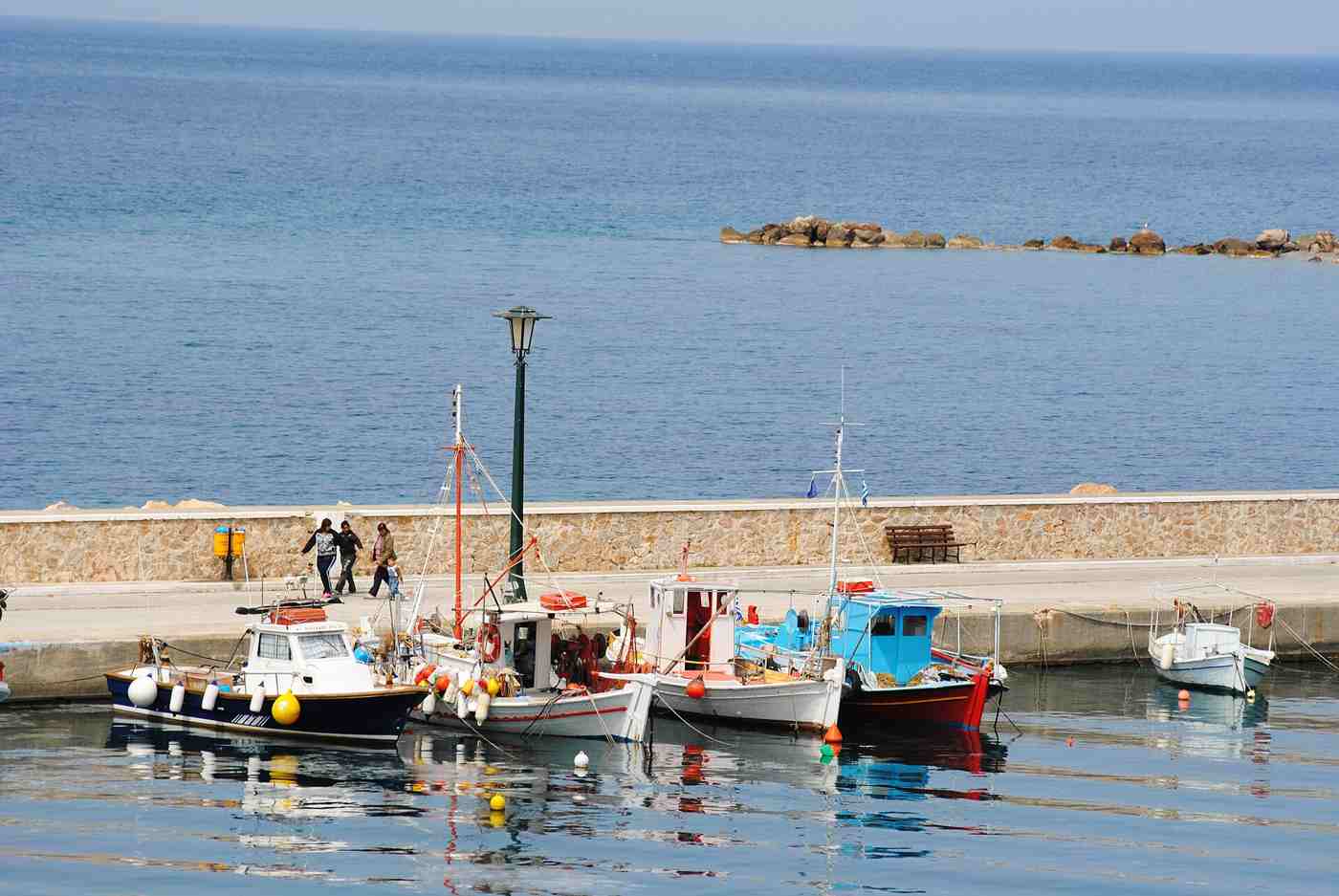
Skopelos, nestled in the Northern Sporades, is renowned for its lush landscapes and picturesque coastline. This verdant island, covering about 96 square kilometers, offers a unique blend of natural beauty and cultural heritage. Its strategic location between Skiathos and Alonnisos makes it an attractive destination for travelers seeking tranquility and scenic views. Plan the whole trip with Greece Tours.
Understanding Skopelos’ geography is essential for exploring its diverse attractions. The island’s elongated shape, running northwest to southeast, features rugged coastlines and serene beaches. Skopelos Town and Glossa are the primary settlements, connected by a main road that facilitates easy navigation. This guide delves into the island’s layout, highlighting key areas and landmarks.
What is the geographical location of Skopelos?
Skopelos is located in the Northern Sporades, between Skiathos and Alonnisos, in the western Aegean Sea.
Skopelos‘ geographical position in the Northern Sporades makes it a significant island in the western Aegean Sea. It lies east of Skiathos and west of Alonnisos, forming part of a beautiful archipelago known for its striking landscapes and rich biodiversity. The island’s proximity to these neighboring islands allows for easy island-hopping, making it a popular choice for tourists exploring the Sporades. Skopelos’ location also contributes to its mild Mediterranean climate, characterized by warm summers and mild winters, ideal for year-round visits.
The island’s topography is characterized by a mix of rugged hills and lush valleys, with Mount Delphi being the highest point. This diverse terrain supports a variety of flora and fauna, making Skopelos a haven for nature enthusiasts. The island’s forests are predominantly pine, contributing to its lush green appearance. The surrounding seas are rich in marine life, offering opportunities for snorkeling and diving. Skopelos’ geographical features make it a unique destination for those seeking both relaxation and adventure.
Skopelos’ strategic location also plays a role in its cultural and historical significance. Throughout history, the island has been a crossroads for civilizations, including the ancient Greeks, Romans, and Byzantines. This diverse cultural heritage is reflected in the island’s architecture, traditions, and festivals. Visitors can explore ancient ruins, Byzantine monasteries, and traditional villages that offer a glimpse into Skopelos’ rich past. The island’s geographical setting has also influenced its cuisine, with fresh seafood and locally grown produce featuring prominently in its culinary offerings.
The island’s geographical layout is elongated, running roughly northwest to southeast. This shape has resulted in a coastline that is both rugged and indented, providing numerous sheltered bays and coves. These natural harbors have historically been important for trade and fishing, and today they serve as picturesque spots for boating and swimming. The island’s beaches are primarily located along the southern and western coasts, where the waters are calm and inviting. Skopelos’ geographical location and layout make it a diverse and captivating destination for travelers.
How does the main road connect Skopelos Town and Glossa?
The main road on Skopelos, approximately 30 kilometers long, connects Skopelos Town and Glossa, passing key locations like Stafylos and Panormos.
The main road on Skopelos serves as the island’s primary artery, linking the two main towns, Skopelos Town and Glossa. This road stretches for about 30 kilometers, weaving through the island’s lush interior and offering scenic views of the surrounding landscapes. Starting from Skopelos Town, the road heads northwest, passing through villages and notable landmarks. Travelers can enjoy the journey as the road meanders through pine forests and olive groves, providing glimpses of the island’s natural beauty. This well-maintained road is essential for both locals and tourists, facilitating easy access to parts of the island.
Along the route, the road passes through key locations such as Stafylos, Agnontas, and Panormos. Each of these areas offers unique attractions and opportunities for exploration. Stafylos, located just a short drive from Skopelos Town, is famous for its beautiful beach and archaeological site. Agnontas, further along the road, is a charming coastal village known for its seafood tavernas and tranquil setting. Panormos, with its striking bay and crystal-clear waters, is a popular spot for swimming and sunbathing. These stops along the main road provide travelers with diverse experiences and insights into the island’s culture and lifestyle.
The road also connects to several smaller roads leading to other parts of the island, including beaches, monasteries, and hiking trails. This network of roads allows visitors to explore Skopelos’ hidden gems, from secluded coves to ancient monasteries perched on hilltops. The road’s strategic layout ensures that even remote areas are accessible, making it easy for tourists to discover the island’s diverse attractions. The journey between Skopelos Town and Glossa is not just a means of transportation but an opportunity to experience the island’s natural and cultural richness.
At the northwest end of the island, the road reaches Glossa and its port, Loutraki. Glossa is known for its traditional architecture, narrow streets, and panoramic views of the Aegean Sea. The village offers a glimpse into the island’s authentic way of life, with its local markets, cafes, and tavernas. Loutraki, the port of Glossa, serves as a gateway for ferries and boats, connecting Skopelos with other islands and the mainland. The main road’s connection between Skopelos Town and Glossa is vital for the island’s connectivity and accessibility, enhancing the travel experience for visitors.
Where are the main beaches located on Skopelos?
The main beaches of Skopelos are primarily located along the sheltered southern and western coasts, offering calm waters and scenic views.
Skopelos is renowned for its beautiful beaches, which are predominantly found along the southern and western coasts of the island. These areas are sheltered from the northern winds, providing calm and inviting waters ideal for swimming and water sports. Among the most popular beaches is Stafylos, located about 4 kilometers from Skopelos Town. This beach is easily accessible by road and offers a mix of sandy and pebbly shores, surrounded by lush greenery. Visitors can enjoy sunbathing, swimming, and exploring the nearby Stafylos Cave, adding a touch of adventure to their beach day.
Further along the coast, Panormos Beach is a favorite among tourists and locals alike. Situated about halfway between Skopelos Town and Glossa, Panormos is known for its crystal-clear waters and pebbled shores. The beach is framed by pine-covered hills, creating a picturesque setting for relaxation. Several tavernas line the beach, offering delicious local cuisine and refreshing drinks. Panormos is also a great spot for snorkeling, with its rocky seabed teeming with marine life. The beach’s accessibility and amenities make it a convenient choice for families and groups of friends.
Another notable beach is Milia, located near Panormos. Milia is one of the longest beaches on Skopelos, featuring fine white sand and clear turquoise waters. The beach is divided by a small rock formation, creating two distinct areas for visitors to enjoy. Milia is popular for its tranquil atmosphere and natural beauty, attracting those seeking a peaceful retreat. The beach is equipped with sunbeds and umbrellas, ensuring a comfortable experience for sunbathers. Milia’s scenic beauty and serene ambiance make it a must-visit destination for beach lovers.
For those seeking a more secluded experience, Kastani Beach offers a tranquil escape. Located near Milia, Kastani gained fame as a filming location for the movie ‘Mamma Mia!’. The beach is surrounded by lush pine forests, providing shade and a sense of seclusion. Its sandy shores and clear waters make it ideal for swimming and relaxation. Despite its popularity, Kastani Beach maintains a peaceful atmosphere, perfect for unwinding away from the crowds. The beach bar offers refreshments and snacks, enhancing the visitor experience. Skopelos’ beaches, with their diverse offerings, cater to a wide range of preferences and ensure an unforgettable island getaway.

What is the significance of Skopelos Town?
Skopelos Town, also known as Chora, is the island’s main town and administrative center, offering historical sites, cultural attractions, and vibrant local life.
Skopelos Town, or Chora, is the heart of the island, serving as its main town and administrative center. Nestled in a bay on the northeast coast, the town is renowned for its traditional architecture, characterized by whitewashed houses with terracotta roofs and narrow cobblestone streets. This charming setting provides a picturesque backdrop for exploring the town’s rich history and vibrant culture. Skopelos Town is home to several historical sites, including the Venetian Castle, offering panoramic views of the Aegean Sea. Visitors can wander through the town’s winding alleys, discovering hidden gems and local shops selling handmade crafts and souvenirs.
The town’s cultural significance is evident in its churches and monasteries, each with unique architectural features and historical importance. Among the most notable is the Church of Agios Athanasios, dating back to the Byzantine era. This church, along with others, hosts religious festivals and events throughout the year, providing insight into the island’s spiritual traditions. Skopelos Town also boasts a vibrant arts scene, with galleries and workshops showcasing the works of local artists. The town’s cultural richness is a testament to its historical significance and enduring heritage.
Skopelos Town is a hub of local life, with its bustling streets and lively atmosphere. The town’s central square, Plateia, is a popular gathering spot for locals and tourists alike, offering a variety of cafes, tavernas, and shops. Here, visitors can enjoy traditional Greek cuisine, sample local delicacies, and experience the island’s warm hospitality. The town’s waterfront promenade is another highlight, providing striking views of the harbor and a perfect setting for leisurely strolls. The blend of history, culture, and local life makes Skopelos Town a captivating destination.
The town’s strategic location on the island’s northeast coast makes it an ideal base for exploring Skopelos. Its proximity to the island’s main port ensures easy access to ferries and boats, facilitating travel to neighboring islands and the mainland. Skopelos Town is also well-connected by road, with the main road leading to other parts of the island, including beaches and villages. This connectivity enhances the visitor experience, allowing for convenient exploration of Skopelos’ diverse attractions. Skopelos Town’s significance lies not only in its historical and cultural offerings but also in its role as a gateway to the island’s natural beauty.
How does Glossa differ from Skopelos Town?
Glossa, located at the northwest end, offers a more traditional and tranquil experience compared to the bustling Skopelos Town, with striking views and local charm.
Glossa, the second largest settlement on Skopelos, offers a distinct contrast to the bustling atmosphere of Skopelos Town. Perched on a hillside at the northwest end of the island, Glossa is known for its traditional character and tranquil ambiance. The village’s architecture reflects its rich history, with stone houses, narrow alleys, and red-tiled roofs creating a picturesque setting. Glossa’s elevated position provides sweeping views of the Aegean Sea and the surrounding islands, making it a favorite spot for photographers and nature lovers. The village’s serene environment and slower pace of life offer a peaceful retreat from the island’s more touristy areas.
The cultural heritage of Glossa is evident in its local traditions and customs, which have been preserved over generations. The village is home to churches and chapels, including the Church of Agios Ioannis, known for its striking frescoes and historical significance. Glossa’s cultural richness is also reflected in its festivals and events, which celebrate the island’s history and traditions. Visitors can experience the warmth and hospitality of the local community, with opportunities to participate in traditional activities and sample homemade delicacies. Glossa’s cultural offerings provide a deeper understanding of Skopelos’ heritage and lifestyle.
Glossa’s location makes it an ideal base for exploring the northwest part of the island. The village is connected to the port of Loutraki, which serves as a gateway for ferries and boats to other destinations. Loutraki’s waterfront is lined with cafes and tavernas, offering a taste of local cuisine and a chance to relax by the sea. The surrounding area is perfect for hiking and nature walks, with trails leading to secluded beaches and scenic viewpoints. Glossa’s proximity to natural attractions and its strategic location enhance its appeal as a destination for those seeking both relaxation and adventure.
Despite its traditional charm, Glossa offers modern amenities and facilities to cater to visitors’ needs. The village has a range of accommodation options, from cozy guesthouses to boutique hotels, ensuring a comfortable stay for travelers. Local shops sell handmade crafts, souvenirs, and local products, providing a unique shopping experience. Glossa’s blend of traditional and modern elements makes it a versatile destination, appealing to a wide range of travelers. The village’s distinct character and welcoming atmosphere make it a memorable stop on any Skopelos itinerary, offering a unique perspective on island life.
What are the key natural features of Skopelos?
Skopelos is characterized by its lush pine forests, rugged coastline, and Mount Delphi, the island’s highest point, offering diverse landscapes and natural beauty.
Skopelos is renowned for its lush landscapes, dominated by dense pine forests that cover much of the island. These forests are home to a variety of flora and fauna, creating a rich ecosystem that supports diverse wildlife. The island’s green appearance is a result of its abundant vegetation, which thrives in the Mediterranean climate. The pine forests not only contribute to the island’s natural beauty but also offer opportunities for outdoor activities such as hiking and birdwatching. Skopelos’ commitment to preserving its natural environment is evident in its protected areas and conservation efforts, ensuring the island’s landscapes remain pristine for future generations.
The island’s coastline is another key natural feature, characterized by its rugged and indented nature. Skopelos’ coastline stretches for approximately 67 kilometers, offering a mix of sandy beaches, rocky coves, and hidden bays. These varied coastal landscapes provide a range of experiences for visitors, from sunbathing on sandy shores to exploring secluded coves accessible only by boat. The island’s clear waters are ideal for swimming, snorkeling, and diving, with vibrant marine life and underwater landscapes to discover. Skopelos’ coastline is a testament to the island’s natural diversity and its appeal as a destination for beach lovers and adventurers alike.
Mount Delphi, the highest point on Skopelos, is a prominent natural landmark that offers sweeping views of the island and the surrounding sea. Rising to an elevation of about 681 meters, Mount Delphi is a popular destination for hikers and nature enthusiasts. The mountain’s trails lead through dense forests and open meadows, providing a chance to experience the island’s diverse landscapes up close. From the summit, visitors can enjoy panoramic views of the Northern Sporades and the Aegean Sea, making the climb a rewarding experience. Mount Delphi’s natural beauty and its significance as a vantage point make it a must-visit attraction on Skopelos.
To its forests and mountains, Skopelos is home to several natural springs and waterfalls, adding to the island’s scenic beauty. These freshwater sources are vital for the island’s ecosystem, supporting both plant and animal life. The springs and waterfalls are often located in remote areas, accessible via hiking trails that offer a sense of adventure and discovery. Visitors can enjoy the tranquility of these natural settings, with the soothing sounds of flowing water and the lush greenery creating a peaceful atmosphere. Skopelos’ natural features, from its forests to its waters, highlight the island’s ecological richness and its allure as a destination for nature lovers.
What role do monasteries play in Skopelos’ culture?
Monasteries on Skopelos are significant cultural landmarks, reflecting the island’s religious heritage and offering insight into its historical and spiritual traditions.
Monasteries on Skopelos are integral to the island’s cultural and religious landscape, serving as important centers of spiritual life and historical significance. These monastic sites, often perched on hillsides with striking views, are a testament to the island’s rich religious heritage. Many of the monasteries date back to the Byzantine era, featuring traditional architecture and intricate frescoes that offer insight into Skopelos’ past. Visitors to these monasteries can explore their historical and architectural features, gaining a deeper understanding of the island’s spiritual traditions and cultural history. The monasteries’ serene settings also provide a peaceful retreat for reflection and contemplation.
Among the notable monasteries is the Monastery of Evangelistria, located near Skopelos Town. This monastery is renowned for its beautiful iconography and its role in the island’s religious life. Each year, it hosts religious festivals and celebrations that attract both locals and visitors, offering a unique opportunity to experience the island’s spiritual traditions firsthand. The monastery’s location provides panoramic views of the surrounding landscapes, enhancing its appeal as a destination for visitors seeking both cultural enrichment and natural beauty. The Monastery of Evangelistria is a prime example of Skopelos’ monastic heritage and its enduring cultural significance.
The Monastery of Agios Riginos, dedicated to the patron saint of Skopelos, is another significant religious site on the island. Located in a lush valley, this monastery is a place of pilgrimage for many, with its annual feast day drawing large crowds. The monastery’s church houses the relics of Agios Riginos, and its peaceful surroundings make it a popular spot for reflection and prayer. The monastery’s history and its connection to the island’s patron saint highlight the deep-rooted religious traditions that continue to shape Skopelos’ cultural identity. Visitors to Agios Riginos can learn about the island’s spiritual heritage and its ongoing importance in the local community.
To their religious significance, the monasteries of Skopelos play a role in preserving the island’s cultural heritage. Many of these sites are involved in conservation efforts, ensuring the protection of their historical and architectural features. The monasteries also contribute to the island’s tourism, attracting visitors interested in history, architecture, and spirituality. Guided tours and educational programs offer insights into the monasteries’ roles in Skopelos’ cultural landscape, providing a deeper appreciation for their historical and spiritual significance. The monasteries’ enduring presence on Skopelos underscores their importance as cultural landmarks and their contribution to the island’s rich heritage.
How can visitors explore Skopelos’ diverse landscapes?
Visitors can explore Skopelos’ diverse landscapes through hiking, boating, and guided tours, offering opportunities to experience the island’s natural beauty and cultural sites.
Exploring Skopelos’ diverse landscapes is a rewarding experience, with a range of activities available to suit different interests. Hiking is a popular way to discover the island’s natural beauty, with trails leading through dense pine forests, along rugged coastlines, and up to scenic viewpoints. The island’s varied terrain offers routes for all levels of hikers, from leisurely walks to challenging treks. One of the most popular trails is the ascent to Mount Delphi, which rewards hikers with panoramic views of the Northern Sporades. Hiking on Skopelos provides an opportunity to connect with nature and experience the island’s landscapes up close, making it a must-do activity for outdoor enthusiasts.
Boating is another excellent way to explore Skopelos’ coastline and its hidden gems. The island’s indented coastline features numerous secluded coves and bays, accessible only by boat. Visitors can rent boats or join guided tours to discover these remote areas, enjoying the tranquility and beauty of the sea. Boating excursions often include stops for swimming and snorkeling, allowing visitors to explore the vibrant marine life and underwater landscapes. The crystal-clear waters and striking coastal scenery make boating a memorable way to experience Skopelos’ natural beauty. The island’s boating opportunities cater to both adventure seekers and those looking for relaxation.
Guided tours offer a convenient and informative way to explore Skopelos’ cultural and natural attractions. These tours often include visits to historical sites, such as the island’s monasteries and ancient ruins, providing insights into Skopelos’ rich heritage. Experienced guides share stories and facts about the island’s history, culture, and traditions, enhancing the visitor experience. Tours also include stops at local markets and workshops, offering a chance to learn about Skopelos’ crafts and cuisine. Whether exploring the island’s cultural landmarks or its natural wonders, guided tours provide a comprehensive overview of Skopelos’ diverse offerings.
For those seeking a more immersive experience, eco-tourism activities are available on Skopelos, focusing on sustainable travel and environmental conservation. These activities include nature walks, wildlife observation, and participation in conservation projects. Eco-tourism initiatives aim to educate visitors about Skopelos’ unique ecosystems and the importance of preserving them for future generations. By engaging in eco-friendly activities, visitors can contribute to the island’s conservation efforts while enjoying its natural beauty. Skopelos’ commitment to sustainable tourism ensures that its landscapes remain pristine and accessible for all to enjoy. The island’s diverse exploration options make it a versatile destination for travelers seeking both adventure and relaxation.
What transportation options are available on Skopelos?
Transportation on Skopelos includes buses, taxis, car rentals, and boats, providing convenient options for exploring the island’s attractions and connecting to other destinations.
Transportation on Skopelos is designed to facilitate easy exploration of the island’s attractions and ensure connectivity to other destinations. The island’s public bus service is a convenient and affordable option for traveling between Skopelos Town, Glossa, and major beaches. Buses operate regularly during the summer months, providing a reliable means of transportation for both locals and tourists. The bus routes cover key areas, including popular beaches and villages, making it easy for visitors to access different parts of the island. The public bus service is an excellent choice for those looking to explore Skopelos without the need for a private vehicle.
Taxis are readily available on Skopelos, offering a flexible and comfortable way to travel around the island. Taxi stands are located in Skopelos Town, Glossa, and other major areas, providing easy access to transportation at any time. Taxis are particularly useful for reaching destinations not covered by the bus routes or for those who prefer a more personalized travel experience. Visitors can arrange for taxi services through their accommodation or by contacting local taxi companies. The availability of taxis ensures that visitors can travel conveniently and efficiently, whether exploring the island’s attractions or heading to the port for onward travel.
Car rentals are a popular option for those who prefer the freedom and flexibility to explore Skopelos at their own pace. Several car rental agencies operate on the island, offering a range of vehicles to suit different needs and budgets. Renting a car allows visitors to access remote areas and hidden gems that not be easily reachable by public transportation. The island’s main road and network of smaller roads make driving a convenient way to discover Skopelos’ diverse landscapes and attractions. Car rentals provide an opportunity for independent exploration, enhancing the travel experience for those who enjoy adventure and spontaneity.
Boats and ferries play a crucial role in Skopelos’ transportation network, connecting the island to neighboring islands and the mainland. The main ports in Skopelos Town and Loutraki serve as gateways for ferries and boats, facilitating travel to destinations such as Skiathos, Alonnisos, and Volos. Regular ferry services operate during the peak tourist season, ensuring convenient access to and from Skopelos. For those interested in exploring the island’s coastline, boat rentals and guided tours are available, offering a unique perspective on Skopelos’ natural beauty. The island’s transportation options cater to a wide range of preferences, ensuring a seamless and enjoyable travel experience.
Frequently Asked Questions
What is the best time to visit Skopelos?
The best time to visit Skopelos is during the late spring and early autumn months when the weather is pleasant and the island is less crowded. From May to June and September to October, visitors can enjoy mild temperatures, clear skies, and fewer tourists. This period is ideal for exploring the island’s natural beauty, participating in outdoor activities, and experiencing local festivals and events. The summer months of July and August are also popular, offering warm weather and vibrant island life. However, these months tend to be busier and more crowded, making it essential to book accommodations and transportation in advance. Overall, Skopelos offers a delightful experience year-round, with each season presenting its unique charm and attractions.
How can I get to Skopelos from the mainland?
Visitors can reach Skopelos from the mainland by taking a ferry or hydrofoil from the ports of Volos, Agios Konstantinos, or Thessaloniki. Volos is the most common departure point, with regular ferry services to Skopelos Town and Glossa. The journey from Volos takes approximately 2 to 3 hours, depending on the type of ferry. Agios Konstantinos, located closer to Athens, also offers ferry connections to Skopelos, with travel times ranging from 3 to 4 hours. Thessaloniki, in northern Greece, provides ferry services during the peak tourist season, offering an alternative route for travelers. It is advisable to check ferry schedules and book tickets in advance, especially during the summer months when demand is high.
For detailed information on routes and schedules, visitors can refer to guides on how to get to Skopelos.
Are there any cultural events or festivals on Skopelos?
Skopelos hosts a variety of cultural events and festivals throughout the year, celebrating its rich heritage and traditions. One of the most notable events is the Skopelos International Film Festival, held each summer, showcasing films from around the world and attracting filmmakers and cinema enthusiasts. The island also celebrates religious festivals, such as the feast day of Agios Riginos, the patron saint of Skopelos, with processions, music, and feasting. Traditional music and dance performances are common during these celebrations, offering visitors a chance to experience local culture and hospitality. Additionally, art exhibitions, workshops, and craft fairs are held regularly, highlighting the talents of local artists and artisans.
These cultural events provide a unique opportunity for visitors to engage with the island’s vibrant community and explore its artistic and historical offerings.
What are some must-visit historical sites on Skopelos?
Skopelos boasts several historical sites that offer insight into its rich past and cultural heritage. The Venetian Castle, located in Skopelos Town, is a prominent landmark offering panoramic views of the Aegean Sea. This castle, built during the Venetian rule, provides a glimpse into the island’s medieval history. Another significant site is the Monastery of Evangelistria, known for its beautiful iconography and religious significance. The island is also home to numerous ancient churches and chapels, each with unique architectural features and historical importance. The archaeological site near Stafylos Beach, believed to be the burial place of King Stafylos, offers a fascinating look into Skopelos’ ancient history.
These historical sites, along with the island’s traditional villages, provide a comprehensive understanding of Skopelos’ cultural and historical legacy, making them must-visit destinations for history enthusiasts.
What outdoor activities are available on Skopelos?
Skopelos offers a wide range of outdoor activities that cater to adventure seekers and nature enthusiasts. Hiking is a popular activity, with trails leading through lush pine forests, along rugged coastlines, and up to scenic viewpoints like Mount Delphi. The island’s diverse terrain provides routes for all levels of hikers, offering opportunities to explore its natural beauty up close. Water sports are also popular, with activities such as swimming, snorkeling, and diving available at the island’s pristine beaches. Boating excursions allow visitors to explore Skopelos’ indented coastline and discover secluded coves and bays. For those interested in eco-tourism, nature walks and wildlife observation tours are available, focusing on the island’s unique ecosystems and conservation efforts.
Skopelos’ outdoor activities provide a perfect blend of adventure and relaxation, ensuring an unforgettable experience for all visitors.
What local dishes I try on Skopelos?
Skopelos offers a delightful culinary experience, with local dishes that reflect the island’s rich traditions and fresh ingredients. One must-try dish is Skopelos cheese pie, a savory pastry made with local cheese and phyllo dough, known for its crispy texture and delicious flavor. Seafood lovers will enjoy fresh catches such as grilled octopus, squid, and fish, often served with lemon and herbs. Lamb kleftiko, a slow-cooked lamb dish with vegetables and herbs, is another local favorite, offering a taste of traditional Greek cuisine. For dessert, try amygdalota, almond cookies that are a popular sweet treat on the island. Local tavernas and restaurants offer a variety of dishes, allowing visitors to sample the island’s culinary delights.
Skopelos’ cuisine, with its emphasis on fresh and locally sourced ingredients, provides a flavorful and authentic dining experience.
Is Skopelos a family-friendly destination?
Skopelos is an ideal destination for families, offering a safe and welcoming environment with activities and attractions suitable for all ages. The island’s beaches, such as Panormos and Milia, provide calm waters and sandy shores, perfect for family outings and water activities. Many beaches are equipped with amenities such as sunbeds, umbrellas, and nearby tavernas, ensuring a comfortable experience for families. Skopelos Town and Glossa offer cultural and historical attractions, such as museums, churches, and traditional villages, providing educational experiences for children. Outdoor activities, including hiking and nature walks, offer opportunities for families to explore the island’s natural beauty together. The island’s friendly locals and family-oriented accommodations further enhance its appeal as a family-friendly destination.
Skopelos’ combination of natural beauty, cultural attractions, and family-friendly amenities make it a perfect choice for a memorable family vacation.