
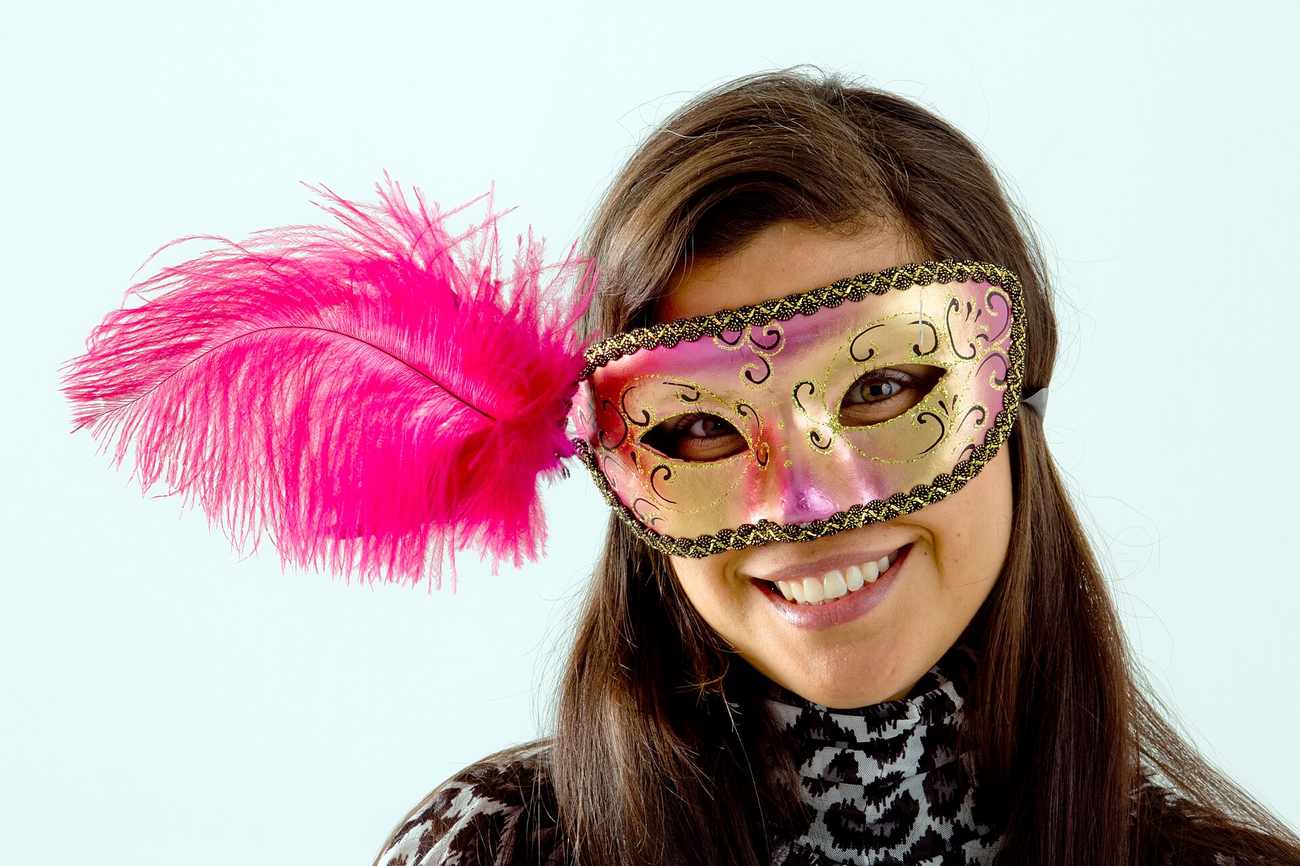
The carnival of Zakynthos is one of the oldest and liveliest in Greece, rooted in the long rule of Venice over the island. Held in the weeks before Lent, in late winter, it fills the capital and the villages with masked revellers, parades, floats, music and dancing. Its most distinctive feature is a tradition of masked satirical theatre and song, in which costumed groups perform witty sketches and serenades in the streets. Feasting and wine mark the season, which ends before the fast of Lent. Join the festive Venetian heritage of the island with My Greece Tours.
The carnival brings the Venetian past of the island to life in mask and song. Costumed players fill the squares with satire and serenade, floats parade through the capital, and the villages feast before the fast. The tradition is unlike any other in Greece. The sections below cover what the carnival is, the masked theatre, the parades, its Venetian roots, and how to experience it. Set the carnival in its wider surroundings with our Zakynthos travel guide.
What is the carnival of Zakynthos?
The carnival of Zakynthos is a festive season in the weeks before Lent, one of the oldest in Greece. It fills the capital and villages with masks, costumes, parades, floats, music and satirical theatre, rooted in the island’s long Venetian past.
The carnival is the great festive season of the island’s late winter, held in the weeks leading up to the fast of Lent. It is one of the oldest carnivals in Greece, its roots reaching back through the centuries of Venetian rule. During the season the capital and the villages come alive with masked and costumed revellers, parades, music, dancing and feasting. People young and old take part, dressing up, joining the processions, and filling the squares and streets with colour and fun. The mood is one of licence and play before the solemn weeks of the fast, a chance to cast off the ordinary and revel in disguise, song and satire.
What sets the island’s carnival apart is its distinctive local character, shaped by the Venetian and Italian culture of the island. Alongside the parades and costumes common to carnivals across Greece, the island keeps its own traditions of masked theatre and serenade, performed in the streets and squares. The carnival is woven into the calendar and identity of the island, a cherished part of its year. For the people of the island it is a time of community, humour and celebration, and for a visitor it offers a vivid window onto the living traditions and the deep Venetian heritage of the island, beyond the summer world of the Zakynthos beaches.
The carnival opens the season the local people call Apokries, a word that means the putting away of meat before the fast. The name marks the purpose of the festivity, a last spell of feasting and play before the plain weeks of Lent. Households eat richly through the season, sharing meat, wine and sweets while the fast still lies ahead. The celebration runs across the island, drawing the town and the villages together in a shared round of parties, parades and street theatre. Each village keeps its own customs, yet all follow the same rhythm of the carnival weeks.
The whole of the island turns to festivity, and the ordinary order of life gives way to disguise, humour and open revelry in the squares.
What is the masked theatre of the Zakynthos carnival?
The masked theatre, known as the omilies, is the heart of the Zakynthos carnival. Costumed groups perform witty, satirical sketches, verses and serenades in the streets and squares, a tradition of street theatre inherited from the island’s Venetian and Italian culture.
The most distinctive feature of the island’s carnival is its tradition of masked street theatre and song. Costumed groups, their faces hidden behind masks, roam the streets and squares performing short satirical plays, verses and serenades. These performances, known in the local tradition as the omilies, meaning the speeches or dialogues, are witty and teasing, poking fun at events, manners and public life in rhyming verse and song. The players move from square to square and house to house, bringing their sketches to the gathered crowds. This street theatre, part comic, part satirical, is the living soul of the carnival and the clearest mark of its distinctive local character.
The tradition grew from the theatrical culture of the island under Venice, when Italian drama, comedy and serenade flourished among the island’s people. The masked satire allowed ordinary people, hidden behind their disguises, to mock the powerful and comment freely on the life of the town. Song and serenade, another Venetian legacy, run through the carnival alongside the spoken sketches. This blend of mask, verse, satire and song is found nowhere else in quite the same form in Greece, and it ties the carnival directly to the island’s centuries under Venice. The same culture produced the island’s poets and its love of the theatre, remembered in the town of the poet Dionysios Solomos.
A famous set piece of the island’s carnival is the mock Venetian wedding, a staged reenactment drawn from the customs of Venetian times. Costumed players act out the bride, the groom and the wedding party in period dress, parading through the town with music and comic ceremony. The roles are often reversed for laughter, with men playing the women and women the men, a play of disguise that runs through the whole tradition of mask and satire. This staged wedding stands among the best loved scenes of the carnival, a direct link to the Italian and Venetian customs the island absorbed.
It draws crowds who follow the costumed procession through the streets, joining the music, the teasing and the festive spirit of the season.
What parades and events fill the carnival?
The carnival fills the capital with parades of decorated floats and costumed groups, along with music, dancing, masked balls and feasting. The season builds to its climax on the final weekend before Lent, with the biggest processions and celebrations.
Alongside the masked theatre, the carnival brings the parades and revelry common to the great carnivals of Greece. Processions of decorated floats and costumed groups pass through the streets of the capital, watched by crowds lining the route. Music and dancing fill the squares, masked balls and parties are held, and the tavernas and homes ring with feasting. People of all ages dress in costume, and children in particular delight in the disguises and the sweets. The whole town takes on a festive, playful air through the weeks of the season, growing livelier as the climax approaches. It is a time of colour, noise and shared celebration across the community.
The season follows the rhythm of the carnival calendar, building over several weeks to its peak. The final weekend before the start of Lent, culminating on the last Sunday and the following Clean Monday, sees the greatest celebrations: the biggest parades, the largest gatherings, and the height of the masked revelry. Traditional foods mark the season, part of the island’s rich Zakynthos food, and the eating and feasting give way at last to the fast. The carnival then ends abruptly as Lent begins, the masks and floats packed away for another year, the town returning to its quieter winter self after the great burst of festivity.
Groups of masked players known in the local speech as bouloukia move through the town as bands of tricksters and performers. The masked bands go from square to square and door to door, teasing the crowds, playing pranks and drawing bystanders into their fun. Their hidden faces give them licence to joke freely, to mock and to surprise, a freedom that lies at the heart of the carnival spirit. Two old contests return in recent years to enrich the season. The giostra is a tilting game on horseback drawn from the island’s Venetian past, revived beside the staged Venetian wedding. Both bring period costume and pageantry back to the streets.
They tie the modern carnival to its long history under Venice.
Why is the Zakynthos carnival tied to Venice?
The Zakynthos carnival is tied to Venice because the island spent centuries under Venetian rule, which brought the Italian tradition of carnival, masks, satirical theatre and serenade. This heritage shaped the island’s distinctive celebration, unlike carnivals elsewhere in Greece.
The island’s carnival owes its distinctive character to the long rule of Venice, which held the island for around three centuries. Carnival itself, the festive season of masks and revelry before Lent, was a great tradition of Venice and the Italian world, and it took deep root on the island under Venetian rule. With it came the culture of the mask, the love of theatre and comedy, and the tradition of serenade and song. The Ionian Islands, open to Italian and European learning, absorbed these customs more fully than the rest of Greece, which lay under different rule. So the carnival became one of the clearest marks of the island’s Venetian and Italian heritage.
This inheritance runs through the whole of the island’s culture, not only its carnival. The same Venetian centuries gave the island its arcaded town, its school of icon painting, its poets and its theatre. The masked satirical plays of the carnival grew from the Italian comic drama that flourished on the island. The serenades echo the island’s musical tradition. To watch the carnival is to see this history alive in the streets, a festive counterpart to the art kept in the Byzantine Museum and the history told in the town below the castle hill of Bochali. Few festivals in Greece carry their history so clearly on the surface.
A wave of Cretan artists shaped the culture that gave rise to the carnival’s theatre and song. The city of Handakas on Crete fell to the Ottomans in the years around the 1660s. Painters, poets and musicians fled westward, and the island became a refuge for their art. These newcomers enriched the painting, the music, the poetry and the theatre of the island, deepening the Italian-influenced culture already rooted under Venice. From this blend of Cretan and Venetian art grew the masked plays, the verses and the serenades of the carnival. The satirical street theatre and the tradition of song drew on the drama and the music these artists carried with them.
The carnival thus preserves a layered heritage, Cretan and Venetian together, alive in mask and rhyme.
How can you experience the carnival on Zakynthos?
To experience the Zakynthos carnival, visit the island in the weeks before Lent, in late winter. The capital is the main stage, with parades, masked theatre and celebrations, especially on the final weekend, when the festivities reach their height.
To catch the carnival, a visitor needs to come to the island in the late winter, in the weeks before the start of Lent, when the exact dates shift from year to year with the calendar of the Orthodox Church. This is far from the summer beach season, so it means seeing the island in its quieter, cooler months, when it belongs to its own people rather than the holiday crowds. The capital of the island is the main stage for the carnival, where the parades pass, the floats gather and the masked players perform in the squares. The villages, too, keep their own celebrations.
Simply being in the town during the season, watching the processions and the street theatre, is the way to take it in.
A carnival visit rewards those curious about the deeper culture of the island. Beyond the parades, look out for the masked groups performing their satirical verses and serenades in the squares, the living heart of the tradition. The festive foods, the costumes and the community spirit all give a sense of the real island. The final weekend before Lent, with its climax on the last Sunday and Clean Monday, is the best time to witness the height of the celebration. Pairing the carnival with a walk around the historic capital, its churches and its Zakynthos Town museums, gives a rich sense of an island whose Venetian past still lives in its streets.
A visitor who plans a carnival trip should reckon on cool, changeable winter weather, quite unlike the dry heat of the summer. Rain and cloud are common in the season, and warm clothing serves better than beach gear. Many of the coastal resorts stand closed or quiet through these months, so the town itself makes the natural base for a carnival stay. The capital holds the main events, within easy reach of the squares where the parades pass and the masked players perform. A traveller does well to fold the carnival into a broader visit to the historic town, its arcaded streets, its churches and its museums.
This pairing turns a short winter trip into a full encounter with the culture and the Venetian heritage of the island, well beyond its famous coast.
Frequently Asked Questions
When is the carnival held on Zakynthos?
The carnival of Zakynthos is held in the late winter, in the weeks leading up to the start of Lent, in the run-up to the Orthodox Easter. Because the date of Easter shifts from year to year according to the calendar of the Orthodox Church, the exact dates of the carnival also change each year, falling somewhere in the late winter or the very start of spring. The season runs over several weeks, building gradually to its climax on the final weekend before Lent begins, which culminates on the last Sunday of carnival and the following Clean Monday, the first day of the Lenten fast.
This means that anyone wishing to experience the carnival should check the dates of Orthodox Easter for the year of their visit and count back, or ask locally, and plan to be on the island in the weeks before. It is very much an off-season event, far from the summer beach holidays, so it offers a chance to see the island in its quieter, more authentic winter months, when the celebration belongs to the local community rather than the tourist crowds. The final weekend is the liveliest and most rewarding time to witness the parades and the masked theatre.
What makes the Zakynthos carnival special?
The carnival of Zakynthos is special because it is one of the oldest carnivals in Greece and because it preserves a distinctive tradition of masked satirical theatre and serenade inherited from the island’s long centuries under Venetian rule. While many places in Greece hold a carnival with parades, floats and costumes, the island keeps its own local customs that set its celebration apart. Chief among these is the tradition of masked street theatre, known locally as the omilies, in which costumed and masked groups perform witty, satirical sketches and verses in the streets and squares, poking fun at public life from behind the safety of their disguises.
Alongside this run the serenades and songs, another legacy of the island’s Venetian and Italian musical culture. This blend of mask, verse, satire and song, performed in the open air, is found nowhere else in quite the same form in Greece, and it ties the carnival directly to the island’s Venetian past. Together with the parades of floats, the masked balls, the feasting and the community spirit, these traditions make the island’s carnival a vivid expression of its unique heritage, a festive counterpart to the Venetian art and architecture found across the island.
Is the carnival worth visiting Zakynthos for?
For travellers interested in culture, history and living traditions, the carnival can be a rewarding reason to visit Zakynthos outside the usual summer season. It offers something quite different from the beach holidays for which the island is best known: a chance to see the island in its cooler winter months, among its own people, and to witness one of the oldest and most distinctive carnivals in Greece. The masked satirical theatre and serenades, the parades of floats, the costumes, the feasting and the festive community spirit all give a vivid sense of the island’s deep Venetian heritage and its cultural identity.
Those who enjoy festivals, local customs and history will find it fascinating, especially if they seek out the masked street performances that are the heart of the tradition. It is worth bearing in mind that the carnival falls in the off-season, when the weather is cooler and wetter and many beach resorts are closed, so a carnival visit is best suited to those coming for the culture rather than the sea and sun. Combined with exploring the historic capital, its churches and museums, a carnival visit gives a rich and memorable experience of the island’s traditional life, well beyond the summer world of its famous beaches and coves.
What are the origins of the Zakynthos carnival?
The carnival of Zakynthos grew from the long rule of Venice over the island, which lasted for around three centuries and brought the Italian tradition of masked festivity before Lent. Venetian carnival, with its masks, its street revelry and its satirical spirit, took deep root on the island. The local celebration is often traced to the influence of the Venetian carnival and the Italian street comedy known as commedia dell’arte. The tradition drew further richness from artists who reached the island from Crete. They arrived after the fall of the Cretan city of Handakas to the Ottomans in the years around the 1660s.
These painters, poets and musicians carried their art westward and deepened the theatre, the music and the poetry of the island. From this blend of Venetian and Cretan culture grew the masked satirical plays, the rhyming verses and the serenades that mark the carnival. The custom of covering the face with a mask and roaming the streets and squares dates from these centuries. Disguise gave ordinary people the freedom to jest, to mock and to comment on the life of the town. The carnival thus stands as one of the clearest survivals of the island’s Venetian and Italian heritage, carried down through the generations to the present day.