
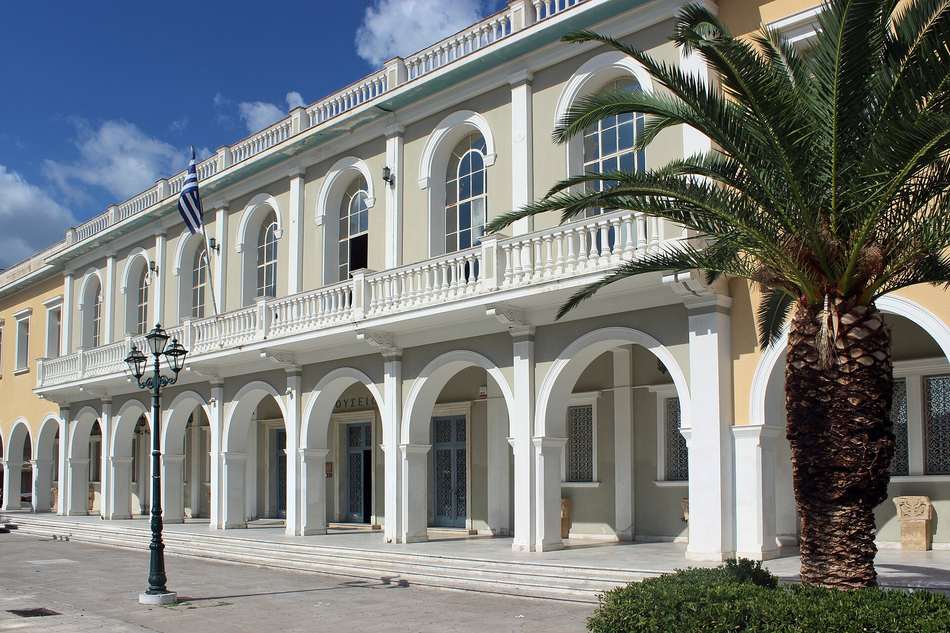
The Byzantine Museum of Zakynthos stands on Solomos Square in the heart of the island’s capital. It gathers religious art rescued from the churches and monasteries of the island, lost in the great earthquake that struck the Ionian Islands in the middle of the twentieth century. The collection is famous for its icons and carved, gilded icon screens of the Ionian School, a style that blended Byzantine tradition with the art of Venice and the West. This cultural site preserves a heritage that the earthquake and fire nearly erased. You should experience this journey with My Greece Tours.
Wall paintings, whole reconstructed church interiors, sculptures and maps fill the galleries, telling the story of the island’s art from the Byzantine centuries to modern times. The museum preserves a heritage that the earthquake and fire nearly erased. The sections below cover the specific collections of icons and reconstructed spaces found inside the galleries. For more comprehensive information on visiting the island, check our Zakynthos travel guide to plan your perfect holiday trip to the Ionian Islands.
What art defines the Byzantine Museum of Zakynthos?
The museum is famous for its icons and carved, gilded icon screens of the Ionian School. This style blended Byzantine tradition with the art of Venice and the West to create unique religious masterpieces.
The Byzantine Museum of Zakynthos stands on Solomos Square in the heart of the island’s capital. It gathers religious art rescued from the churches and monasteries of the island, lost in the great earthquake that struck the Ionian Islands in the middle of the twentieth century. You can explore the area near the museum by visiting Zakynthos Town to see other historical sites and landmarks. The collection highlights the artistic evolution that occurred here over centuries. These rescued artifacts show the high level of skill possessed by local artists who worked in the Ionian School style. The exhibits provide a deep look into the religious past of the island.
Visitors will appreciate the care taken to preserve these cultural treasures for future generations to admire and study.
Wall paintings, whole reconstructed church interiors, sculptures and maps fill the galleries, telling the story of the island’s art from the Byzantine centuries to modern times. The museum preserves a heritage that the earthquake and fire nearly erased. One notable figure associated with the square is Dionysios Solomos, whose statue is located nearby. The museum offers a quiet place to reflect on the history of the region. It serves as the island’s finest store of religious art and history. The displays are arranged to help visitors understand the timeline of artistic development on the island. Each gallery room offers a different perspective on the cultural life of the community during the past centuries.
The core of the collection is a body of about a thousand portable icons gathered from island churches. These works span the post-Byzantine centuries through to the nineteenth century in one continuous sweep. Painters of the Ionian School, among them Damaskinos, Tzanes and Kallergis, are represented in the galleries. Their icons blend the gold grounds of Byzantine art with the softer modelling learned from Venice. Carved and gilded icon screens, known as templa, count among the finest objects on display. Frescoes lifted from ruined churches show scenes painted across the fifteenth to seventeenth centuries. This range lets visitors trace how island religious art changed over hundreds of years.
Together these works make the museum the finest single store of religious art on the island.
The galleries move in a broad order, from the earlier Byzantine works toward the later Ionian School. Rooms group the icons, the frescoes and the wooden screens so each medium reads clearly. Labels set out the painter, the source church and the period for the major pieces. Reconstructed church interiors gather scattered fragments into a single, readable whole. Sculptures, carved reliefs and old maps sit alongside the paintings to widen the story. A calm, low light protects the fragile pigments and gold leaf from harm. This clear layout suits both first-time visitors and those with a deeper interest in the art. Each room builds on the last, so the visit reads as a clear story of island art.
Seating in places lets guests rest while taking in a detailed screen or fresco.
How did the earthquake impact Zakynthos heritage?
The great earthquake of the twentieth century and fire nearly erased the island’s heritage. The museum stands as a guardian, preserving rescued religious art that survived this devastating natural disaster and historical tragedy.
The Byzantine Museum of Zakynthos stands on Solomos Square in the heart of the island’s capital. It gathers religious art rescued from the churches and monasteries of the island, lost in the great earthquake that struck the Ionian Islands in the middle of the twentieth century. This catastrophic event destroyed much of the architecture on the island. The legacy of Saint Dionysios also survived the turmoil, inspiring the faithful. The reconstructed interiors within the museum walls give a sense of the old grandeur that was lost. They serve as a reminder of the power of nature and the resilience of the human spirit to rebuild and remember.
The collection ensures that the artistic legacy of the island remains alive for everyone to see.
Wall paintings, whole reconstructed church interiors, sculptures and maps fill the galleries, telling the story of the island’s art from the Byzantine centuries to modern times. The museum preserves a heritage that the earthquake and fire nearly erased. A visit to the museum pairs well with a trip to Bochali for panoramic views. The museum functions as a time capsule for the island. It holds the memory of the artistic achievements that were created before the earth shook the region. Walking through the halls allows one to connect with the past inhabitants of the island. The care given to these items shows the respect locals have for their history and traditions.
This institution is vital for keeping the local culture alive.
The great earthquake of the mid-twentieth century levelled much of the capital and its churches. Fire followed the tremors and destroyed many of the timber-built interiors across the town. Rescue teams and clergy carried icons, screens and frescoes out of the ruins to safety. The museum was built to house these salvaged works under one protected roof. Reconstructed interiors inside the galleries recall the grandeur of the lost churches. The collection stands as a record of what island craftsmen achieved before the disaster. Preserving these pieces keeps a broken chapter of the island’s history within reach. The salvaged works now carry the memory of churches that no longer stand in the town.
Their survival owes much to the quick action of clergy and residents after the disaster.
Where is the Byzantine Museum of Zakynthos located?
The museum stands on Solomos Square in the heart of the island’s capital. It is a central cultural landmark that attracts visitors interested in the deep history and artistic heritage of the region.
The Byzantine Museum of Zakynthos stands on Solomos Square in the heart of the island’s capital. It gathers religious art rescued from the churches and monasteries of the island, lost in the great earthquake that struck the Ionian Islands in the middle of the twentieth century. The square itself is a hub of activity. Many tourists plan to visit the famous Zakynthos beaches after viewing the art. This location makes the museum easy to find for tourists. It sits among other important buildings that define the character of the capital. Visitors can enjoy a leisurely stroll around the square before or after their museum visit.
The surrounding area is full of cafes and shops that cater to international guests. It is the perfect starting point for a cultural tour.
Wall paintings, whole reconstructed church interiors, sculptures and maps fill the galleries, telling the story of the island’s art from the Byzantine centuries to modern times. The museum preserves a heritage that the earthquake and fire nearly erased. Some visitors choose to book Zakynthos boat tours to explore the coastline. The museum is situated in a place that has seen centuries of history unfold. It provides a shelter for the sacred art of the Orthodox tradition. The building itself is a testament to the dedication to preserving culture. Being in the center of town allows for easy access. This convenience makes it a popular stop for cruise ship passengers and hotel guests alike.
The museum sits on the east side of Solomos Square, the main civic space of the capital. The waterfront promenade runs a short walk away, linking the square to the harbour front. Saint Mark’s Square and the Solomos family home lie within a few minutes on foot. The bronze statue of the poet Dionysios Solomos stands in the middle of the same square. Cafes, benches and shaded arcades ring the space around the museum entrance. The central position makes the museum an easy stop on a walking tour of the town. Guests arriving by cruise ship or bus reach the square without needing a taxi. Street signs around the square point visitors toward the museum entrance with ease.
The flat, paved square makes the approach simple for guests with limited mobility.
What can visitors see in Zakynthos museum galleries?
Visitors will find wall paintings, reconstructed church interiors, sculptures and maps. These exhibits tell the story of the island’s art from the Byzantine centuries to modern times, showcasing the local artistic evolution clearly.
The Byzantine Museum of Zakynthos stands on Solomos Square in the heart of the island’s capital. It gathers religious art rescued from the churches and monasteries of the island, lost in the great earthquake that struck the Ionian Islands in the middle of the twentieth century. The galleries display a wide range of artifacts. The icon screens are particularly impressive due to their size. The gilded carvings catch the light and draw attention. The sculptures on display offer a different medium to appreciate. Maps show how the island changed over the years. The museum is truly the island’s finest store of religious art and history. Every room provides new insights into the past.
The layout of the museum guides visitors through a chronological journey of artistic excellence.
Wall paintings, whole reconstructed church interiors, sculptures and maps fill the galleries, telling the story of the island’s art from the Byzantine centuries to modern times. The museum preserves a heritage that the earthquake and fire nearly erased. It is a short walk from the main post office. The collection is famous for its icons and carved, gilded icon screens of the Ionian School. This style blended Byzantine tradition with the art of Venice and the West. Such a mix creates a unique visual experience. The reconstructed interiors allow visitors to step back in time. They show what the churches looked like before destruction. The attention to detail in these recreations is remarkable.
Art lovers will find much to admire in this central location. The narratives within the museum are educational and inspiring.
The icon screens draw the eye first, their gilded carving catching the gallery light. Painted panels set into the screens show saints, feasts and scenes from scripture. Frescoes rescued from ruined churches line several walls in large, mounted sections. Old maps and engravings trace how the island and its capital changed over the centuries. Carved reliefs and small sculptures add a further dimension beyond the painted work. Reconstructed church interiors let visitors picture how a whole sanctuary once looked. A steady walk through the rooms covers the highlights in under an hour for most guests. Guides and labels explain the story behind the largest and most detailed pieces.
The clear route through the rooms means visitors rarely miss a major highlight.
Photography rules can vary, so visitors should check the signs at the entrance before taking pictures. The museum stays cool inside, which gives welcome relief from the summer heat outside. An unhurried visit lets guests linger over the finest screens and frescoes in the collection. Information panels give background on the painters and the churches the works once filled. Benches in some rooms allow a pause to study a large fresco or icon at length. The compact size means no gallery feels overwhelming, even on a short visit. Pairing the museum with a walk around the square makes a satisfying half-day in the capital. The quiet, cool rooms suit a reflective visit away from the bustle outside.
Most guests leave with a clear sense of how island church art developed over time.
Why is the Ionian School style significant in Zakynthos?
The Ionian School blended Byzantine tradition with the art of Venice and the West. The museum features its famous icons and carved, gilded icon screens, representing this unique cultural fusion found on the island.
The Byzantine Museum of Zakynthos stands on Solomos Square in the heart of the island’s capital. It gathers religious art rescued from the churches and monasteries of the island, lost in the great earthquake that struck the Ionian Islands in the middle of the twentieth century. The Ionian School is distinct because of its western influences. Unlike the rigid styles of the east, this art flows with emotion. The museum preserves a heritage that the earthquake and fire nearly erased. The icons here are painted with vibrant colors and realistic details. They show the shift in artistic preferences during the Venetian occupation. Visitors can see the evolution of style across the different rooms.
The carved wooden screens are masterpieces of craftsmanship. They demonstrate the high technical skill of the period.
Wall paintings, whole reconstructed church interiors, sculptures and maps fill the galleries, telling the story of the island’s art from the Byzantine centuries to modern times. The museum preserves a heritage that the earthquake and fire nearly erased. The blend of cultures is evident in every corner. The influence of Venice is seen in the clothing of figures painted. The Byzantine roots are visible in the religious themes. This combination makes the collection special. It stands apart from other museums in Greece. The collection is famous for its icons and carved, gilded icon screens of the Ionian School. The museum serves as an educational resource for students.
It is also a place of spiritual reflection for many visitors who seek peace.
The Ionian School grew where the Byzantine tradition met the art of Venice and the West. Painters kept the sacred subjects and gold grounds of the older icons intact. They added softer faces, fuller drapery and a warmer sense of depth from western models. Figures wear clothing that echoes Venetian dress of the day within the religious scenes. This blend gave island icons a distinct look that set them apart from mainland work. The museum shows the style developing across its rooms from earlier to later painters. Studying these works helps visitors read the wider cultural history of the Ionian Islands. The contrast with stricter eastern icon styles stands out clearly across the galleries.
This local school remains a point of pride for the island and its cultural history.
Frequently Asked Questions
What types of art are displayed in the museum?
The Byzantine Museum of Zakynthos stands on Solomos Square in the heart of the island’s capital. It gathers religious art rescued from the churches and monasteries of the island, lost in the great earthquake that struck the Ionian Islands in the middle of the twentieth century. Wall paintings, whole reconstructed church interiors, sculptures and maps fill the galleries, telling the story of the island’s art from the Byzantine centuries to modern times. The museum preserves a heritage that the earthquake and fire nearly erased. The collection is famous for its icons and carved, gilded icon screens of the Ionian School, a style that blended Byzantine tradition with the art of Venice and the West.
The Byzantine Museum of Zakynthos is the island’s finest store of religious art and history. It is the island’s finest store of religious art and history found on Solomos Square.
Why is the museum important for Zakynthos culture?
The Byzantine Museum of Zakynthos stands on Solomos Square in the heart of the island’s capital. It gathers religious art rescued from the churches and monasteries of the island, lost in the great earthquake that struck the Ionian Islands in the middle of the twentieth century. The collection is famous for its icons and carved, gilded icon screens of the Ionian School, a style that blended Byzantine tradition with the art of Venice and the West. Wall paintings, whole reconstructed church interiors, sculptures and maps fill the galleries, telling the story of the island’s art from the Byzantine centuries to modern times. The museum preserves a heritage that the earthquake and fire nearly erased.
The Byzantine Museum of Zakynthos is the island’s finest store of religious art and history. The museum gathers religious art rescued from the churches and monasteries of the island that were lost in the great earthquake.
Where is the Byzantine Museum of Zakynthos situated?
The Byzantine Museum of Zakynthos stands on Solomos Square in the heart of the island’s capital. It gathers religious art rescued from the churches and monasteries of the island, lost in the great earthquake that struck the Ionian Islands in the middle of the twentieth century. The collection is famous for its icons and carved, gilded icon screens of the Ionian School, a style that blended Byzantine tradition with the art of Venice and the West. Wall paintings, whole reconstructed church interiors, sculptures and maps fill the galleries, telling the story of the island’s art from the Byzantine centuries to modern times. The museum preserves a heritage that the earthquake and fire nearly erased.
The Byzantine Museum of Zakynthos is the island’s finest store of religious art and history. The museum gathers religious art rescued from the churches and monasteries of the island that were lost in the great earthquake that struck the Ionian Islands.
How long do you need to visit the Byzantine Museum of Zakynthos?
Most visitors spend between thirty minutes and an hour at the Byzantine Museum of Zakynthos, since it is a relatively compact museum. The collection centres on about a thousand portable icons, along with carved and gilded icon screens, rescued frescoes, sculptures and old maps. Guests with a deeper interest in the Ionian School can easily linger longer over the work of painters such as Damaskinos, Tzanes and Kallergis. The galleries follow a broad order from the earlier Byzantine works toward the later island style, which makes the visit easy to follow. Benches in some rooms let visitors pause to study the larger frescoes and screens at length.
The central position on Solomos Square means the museum pairs well with a walk around the town before or after. A short stop suits cruise passengers and bus tour guests, while art lovers can happily fill a whole morning. The cool interior also offers welcome relief from the summer heat outside. Buying the ticket at the door is quick, so no advance booking is needed for a visit.