
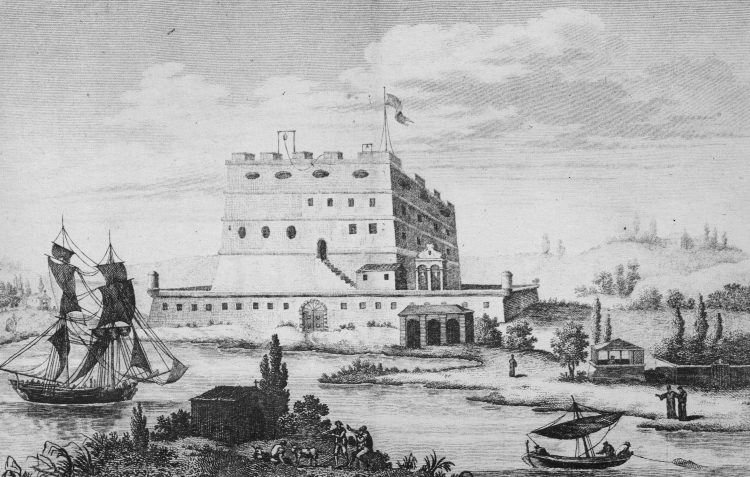
The Strofades are a pair of small, low, remote islands situated in the open Ionian Sea, positioned far to the south of the main island of Zakynthos. These rugged outposts are renowned for their vast flocks of migratory birds resting during seasonal journeys across the water. The surrounding waters and islets constitute part of the National Marine Park of Zakynthos, protecting diverse sea life and avian species within this unique habitat. Travelers seeking a truly wild and untouched experience can explore these distant lands with My Greece Tours.
The larger island holds a fortified monastery built in the medieval centuries. It was once an important religious house tied to the island’s patron saint. The sections below cover the monastery history, bird migration routes, and travel logistics for visiting these isolated locations. Consult our comprehensive Zakynthos travel guide for further context. Flat, treeless, and windswept, the islands are reached only by boat across open water, so very few visitors make the long trip.
Where are the Strofades Islands located relative to Zakynthos?
The Strofades are a pair of small, low, remote islands located in the open Ionian Sea. They lie far to the south of the main island of Zakynthos, of which they form a wild part.
The landscape is flat, treeless, and windswept, creating a stark contrast to the lush scenery of the mainland. Visitors can only reach these rocky outposts by boat across the open water, requiring a dedicated journey. The waters and islets form part of the National Marine Park, protected for their sea life and birds. Few visitors make the long trip to the Strofades, preserving their untouched atmosphere. The islands serve as a remote, wild outpost of the main island in the southern Ionian Sea. This isolation ensures that the area remains pristine, appealing to those seeking solitude and nature away from the tourist crowds found elsewhere.
Travelers often overlook the Strofades when planning their itineraries, yet they offer a unique glimpse into a wilder Greece. The islands are the remote, wild outpost of the main island in the southern Ionian Sea. This location provides a sanctuary for wildlife and a sense of peace. Being far to the south of the main island of Zakynthos, they feel entirely separate from the world. The journey across the open water is a memorable experience. Specialized Zakynthos boat tours may occasionally venture to these distant islets, though the trip is long. The rugged terrain and lack of trees add to the feeling of isolation, making it a true adventure for explorers seeking the path less traveled.
The Strofades complex counts two separate islets that sit low and flat above the waterline. Stamfani is the larger of the two and carries the old fortified monastery on its ground. Arpyia is the smaller neighbour, and it stays bare and rocky through the year. Both islets rise only slightly above the sea, so sailors spot them late on the horizon. The pair rests well out in the open Ionian, apart from the main coastline of the region. Their small combined size keeps them modest against the scale of the surrounding water. The flat relief also means the wind crosses the ground without any hill to break it.
This exposed setting shapes the plants, the birds, and the daily rhythm of the two islets year round.
The name Strofades points to the turning of the birds that wheel over the islets each spring. Ancient writers linked the two rocks to old sea legends of the Ionian. The islets keep a windswept, treeless face that stays constant against the changing sea around them. Salt spray and steady gusts hold back tall growth, so low scrub and grass cover the flat ground. Sailors of past ages used the pair as a marker on the long route across the open water. Their fixed position gave crews a bearing far from the coast of the region. The bare profile of the two islets reads the same today as it did for those early navigators.
This constant, stark character sets the Strofades apart from the green, tourist-filled shores back on the main island.
What is the history of the monastery on the Strofades?
The larger island holds a fortified monastery built in the medieval centuries. It was once a significant religious house tied to the island’s patron saint, Dionysios, who served as a monk there in the past.
The fortified monastery stands as a testament to the religious history of the region. Built in the medieval centuries, it once served as a vital spiritual center. The site is closely associated with Saint Dionysios, the patron saint of the island. He was a monk at this monastery, adding to its immense religious importance. The structure provided refuge and spiritual solace to those who lived on these remote shores. Its thick walls were designed to protect the inhabitants from intruders and the harsh elements of the open sea. The monastery remains a key landmark on the larger island, symbolizing the enduring faith of the people and the rich history of the area.
The monastery, far from the famous sandy shores where most tourists flock, offers a quiet, historical alternative. It contrasts sharply with the popular Zakynthos beaches that attract crowds every summer. The monastery’s secluded nature allows for reflection and a deep connection with the past. Visitors who make the journey can explore the ancient grounds and imagine the life of monks centuries ago. The building’s architecture reflects the defensive needs of that era, standing strong against time. It is a hidden gem that provides insight into the spiritual heritage of the Ionian Islands. This site is a must-see for history enthusiasts wanting more than just sun and sea.
The monastery on Stamfani was raised in the shape of a fortress, with a tall defensive tower at its core. Thick stone walls ringed the compound and guarded the monks against raiders from the sea. Pirate attacks struck the Ionian for centuries, so the builders chose strength over comfort in the design. The tower let the residents watch the water and spot approaching ships early. Cisterns inside the walls stored rainwater, since the islet held no reliable spring of its own. Monks farmed small plots and kept livestock to feed the community through the year. The compound worked as a self-reliant outpost, cut off from quick help across the open sea.
Its layout still reads clearly as a defensive religious house from a hard and dangerous age.
Dionysios of Zakynthos lived as a monk on Stamfani before he became the patron saint of the island. His years on the remote islet tie the monastery directly to the faith of the wider region. Monks copied texts, kept the services, and farmed the thin soil across the seasons there. The community drew pilgrims who braved the long crossing to honour the holy ground. Raiders forced the monks to fortify and rebuild the compound more than once over the centuries. The house held on through hardship, standing as a beacon of steady devotion far from any town. Its walls carry the memory of a religious life shaped by isolation and risk.
The link to a beloved saint keeps the site meaningful for the people of Zakynthos.
Why are the Strofades Islands famous for birds?
The islands lie on a major migratory route and are famous for huge flocks of birds, especially turtledoves, that rest there on their journeys. This phenomenon draws both hunters and birdwatchers to the remote area.
The Strofades lie on a major migratory route, making them a critical stopover for avian species. Huge flocks of birds, especially turtledoves, rest there on their long journeys. This abundance of wildlife draws both hunters and birdwatchers to the area. The islands are protected for their sea life and birds. The surrounding waters are also a vital habitat for the loggerhead turtles, which are a key focus of conservation efforts. The National Marine Park of Zakynthos safeguards these marine creatures alongside the feathered visitors. The delicate ecosystem supports a diverse range of species, making the islands a unique biological hotspot.
Birdwatchers find the Strofades to be a paradise for observing rare species in their natural habitat. The sight of huge flocks descending on the islets is a spectacular natural event. This is a different experience from visiting the iconic Navagio Beach, which is known for its shipwreck. Here, the attraction is the living wildlife and the raw power of nature. The islands provide a safe haven for resting during migration. Conservationists work tirelessly to ensure that these birds are not disturbed. The seasonal arrivals bring the islands to life, creating a bustling atmosphere in an otherwise quiet environment.
The Strofades sit squarely on a flyway that links Africa with the breeding grounds of Europe. Migrating flocks cross long stretches of open water, and the low islets give them the first solid ground to land on. Turtledoves arrive in dense numbers during the spring passage each year. Cuckoos, swallows, hoopoes, and shearwaters also touch down on the rocks to feed and rest. The birds gather energy on the islets before pushing north over the mainland ranges. This role as a rest stop makes the two islets a fixed node on the regional migration map. Ornithologists track the arrivals to gauge the health of the wider flyway.
The seasonal traffic turns a quiet, empty rock into a busy waypoint for the length of the migration window.
How can visitors reach the remote Strofades Islands?
Flat, treeless, and windswept, the islands are reached only by boat across the open water. Very few visitors make the long, difficult trip to these remote, wild, and desolate outposts in the southern Ionian Sea.
Reaching the Strofades requires careful planning due to their isolated location in the sea. The islands are flat, treeless, and windswept, offering no natural shelter from the elements. This harsh landscape deters casual tourism, ensuring that only dedicated travelers arrive. The journey across the open water can be challenging, depending on weather conditions. Visitors must be prepared for a rustic experience devoid of modern amenities. The isolation is part of the charm, providing a unique sense of discovery. Those who do visit often remark on the profound silence that envelops the islands. It is a true escape from modern civilization found nowhere else in the Ionian region.
The logistics of the trip involve coordinating a boat that can handle the open sea. Since the islands are far to the south of the main island, the crossing takes significant time. Travelers should check forecasts before departing to ensure safety. The lack of a protected harbor means that disembarking might be difficult at times. Small boats are typically used to ferry passengers from larger vessels to the shore. This adds to the adventure but requires some physical agility. The reward is stepping foot on land that feels forgotten by time. The stark beauty of the terrain is impressive in its simplicity. It is a journey meant for the truly intrepid explorer seeking solitude and peace in nature.
No scheduled ferry runs to the Strofades, so a trip depends on a chartered boat and a fair forecast. The crossing covers a long stretch of open Ionian water south of the main coast. Skippers watch the wind closely, because the exposed islets offer no sheltered harbour for mooring. Landing often means transferring to a small tender to reach the rocky shore. Swell and gusts can cancel a planned approach on short notice near the islets. Travellers who reach the ground find no shops, no lodging, and no fresh water waiting for them there. A visit calls for supplies carried aboard and a plan to return the same day.
The effort filters the trip down to sailors and researchers who accept the distance and the raw, self-sufficient conditions.
Weather windows for the crossing tend to open in the calmer stretches between spring and early autumn. A settled sea and light wind give the safest chance of a clean landing on the rocks. Local skippers judge the swell against the exposed approach before they commit to the run. The trip suits sailing charters and research boats more than a casual day-tour operator. Passengers should pack water, food, sun cover, and sturdy footwear for the bare terrain. Phone signal drops off far from the coast, so crews plan the route and timing in advance. The lack of any dock means every landing hinges on the mood of the sea that day.
Patience and a flexible schedule reward the traveller who aims to set foot on these distant islets.
What wildlife is protected in the marine park near Zakynthos?
The waters and islets form part of the National Marine Park of Zakynthos. They are protected for their sea life and birds, especially the huge flocks resting on the major migratory route found there.
The establishment of the protected area was a crucial step for conservation. The waters and islets form part of the National Marine Park of Zakynthos, which was created to preserve the delicate environment. This protection extends to the diverse sea life that inhabits the surrounding waters. It also covers the vast bird populations that rely on the islands as a sanctuary. The park ensures that the natural balance of the ecosystem is maintained against human interference. Strict regulations are in place to limit activities that could harm the wildlife. This commitment to protection allows nature to thrive in this corner of the Ionian Sea.
Visitors to the area must respect the rules set forth by the park authorities. The goal is to minimize human impact on the fragile habitats. The waters and islets form part of the National Marine Park of Zakynthos, serving as a refuge for nature. By adhering to guidelines, tourists help ensure that the wildlife remains undisturbed. Educational programs are often available to explain the importance of the park. These initiatives highlight the need for conservation efforts to continue. The protected status guarantees that future generations can also enjoy the natural wonders of the Strofades.
The National Marine Park of Zakynthos folds the Strofades into its protected zone alongside the sea life of the region. Park status shields the nesting and resting birds from disturbance during their fragile migration season. The surrounding waters shelter loggerhead turtles and the fish stocks that feed the wider food chain. Wardens monitor the area and record the wildlife that passes through the islets each year. Rules limit landing, fishing, and noise so the habitat stays intact for the returning flocks. The remote setting already keeps human pressure low, and the legal shield strengthens that natural buffer. Conservation work ties the two islets to the broader park network across the southern Ionian.
This framework aims to hold the ecosystem steady for the birds and marine species that depend on it.
Frequently Asked Questions
What makes the Strofades Islands unique within the Ionian Sea?
The Strofades are a pair of small, low, remote islands in the open Ionian Sea, far to the south of the main island of Zakynthos. They represent a wild outpost in the southern Ionian Sea, distinct from the more developed tourist areas. The landscape is flat, treeless, and windswept, creating a unique environment that feels untouched by time. This rugged terrain contrasts sharply with the lush greenery of other Greek islands. Their isolation has preserved their natural beauty, making them a haven for wildlife. The islands are famous for huge flocks of birds that rest there on their migratory journeys. This phenomenon draws birdwatchers from around the world to observe the turtledoves and other species.
The waters and islets form part of the National Marine Park of Zakynthos. They are protected for their sea life and birds, highlighting their ecological importance. Few visitors make the long trip, adding to their mystique and allure.
Can tourists visit the fortified monastery on the larger island?
The larger island holds a fortified monastery built in the medieval centuries, which stands as a significant historical landmark. It was once an important religious house tied to the island’s patron saint, Dionysios, who was a monk there. Visitors interested in religious history will find the site fascinating, though access is not always straightforward. The islands are reached only by boat across open water, requiring a dedicated effort to reach them. Very few visitors make the long trip, which means the monastery often remains quiet and serene. The structure itself is impressive, featuring thick walls designed to protect against intruders and the elements. Exploring the grounds offers a glimpse into the monastic life of the past.
The remote location adds to the spiritual atmosphere of the place. It serves as a testament to the enduring faith of the people who lived there.
Why are the Strofades considered important for conservation?
The Strofades lie on a major migratory route, making them a critical stopover for numerous bird species. The islands are famous for huge flocks of birds, especially turtledoves, that rest there on their journeys. This abundance of wildlife makes the area a priority for conservation efforts. The waters and islets form part of the National Marine Park of Zakynthos. They are protected for their sea life and birds, ensuring the habitat remains safe for future generations. The park status helps regulate human activity, minimizing disturbance to the fragile ecosystem. Both hunters and birdwatchers are drawn to the area, but protection laws maintain a balance. The isolation of the islands has helped preserve their unique biodiversity.
Conservationists work to monitor the bird populations and marine life in the region.
Do people still live on the Strofades Islands today?
The Strofades hold no permanent population today, and the two islets stand empty for most of the year. Monks once filled the fortified monastery on Stamfani, keeping the services and farming the thin soil across the seasons. The resident community faded over the centuries as raids, hardship, and distance wore down monastic life on the remote rock. A lone caretaker monk kept the house going into the modern era before age and health forced a final departure. Wardens of the National Marine Park and the occasional visiting monk now account for the only human presence on the ground. No shops, no lodging, and no fresh-water supply support a longer stay on either islet.
Sailors, researchers, and pilgrims arrive by chartered boat, spend the daylight hours ashore, and then sail back before dark. The Strofades read today as a quiet, uninhabited outpost where birds and marine wildlife hold the ground instead of a settled village.