
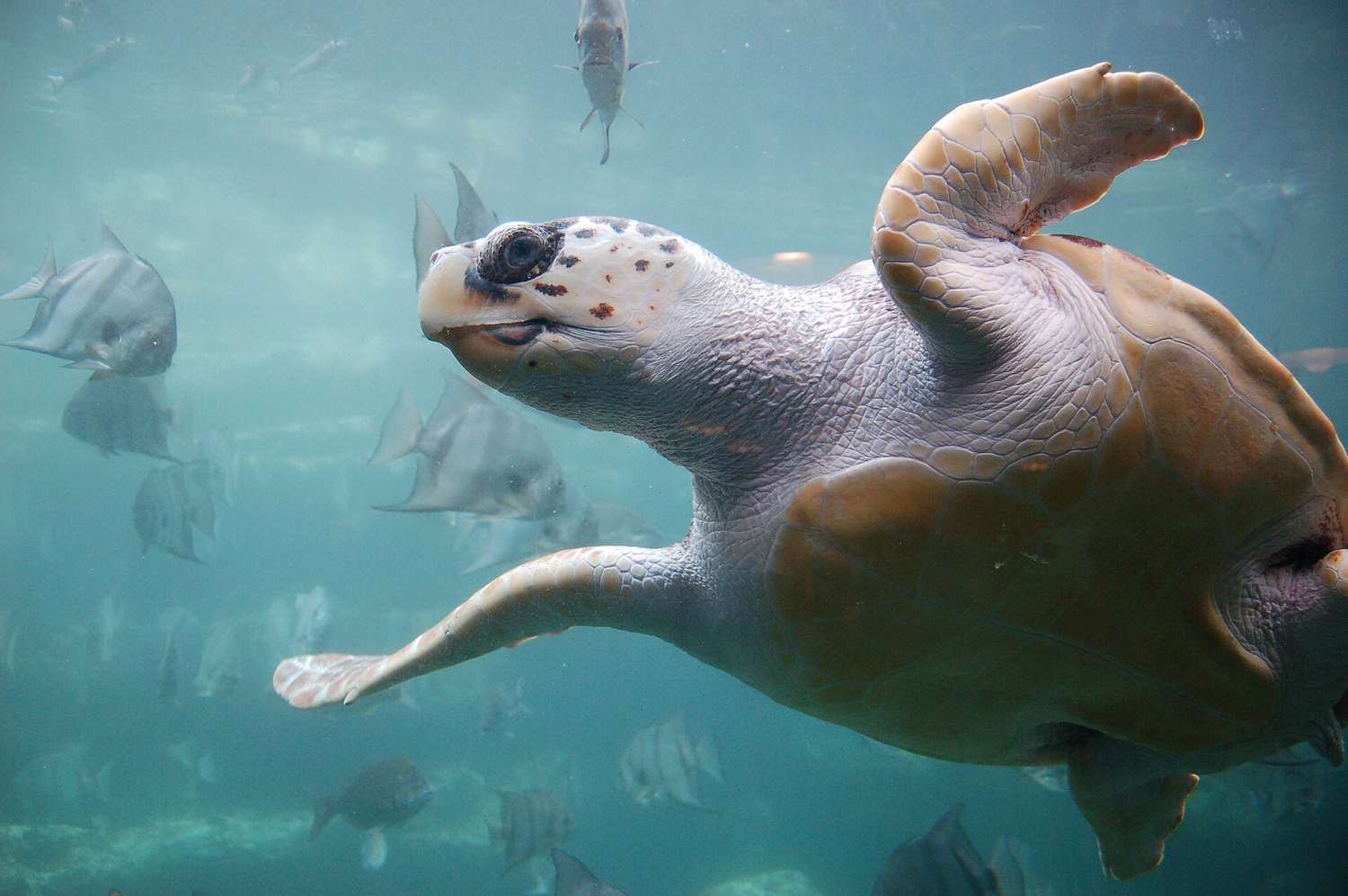
The Ionian island of Zakynthos ranks among the Mediterranean’s most important breeding grounds for the loggerhead sea turtle, known by its scientific name Caretta caretta. Every summer the females drag themselves from the sea at night onto the warm sands of Laganas Bay in the south, dig their nests above the tide line and bury their eggs before returning to the water. They come back to the very shores where they themselves hatched, guided by an instinct etched deep into their biology. Discover this remarkable story and plan your own journey with My Greece Tours.
To safeguard these creatures the National Marine Park of Zakynthos was created, the first marine park in Greece established for sea turtles. The park covers Laganas Bay, its beaches and the surrounding waters, enforcing rules that limit night access to nesting shores, restrict boat speed and protect nests until the young turtles hatch and race to the sea. The sections below cover the turtles’ nesting habits, the park’s regulations and the best ways to observe them responsibly. For broader travel inspiration, consult our Zakynthos travel guide.
Why Is Zakynthos So Important for Loggerhead Sea Turtles?
Zakynthos serves as one of the Mediterranean’s most crucial breeding grounds for loggerhead turtles. The sandy beaches of Laganas Bay provide ideal conditions for females to come ashore at night, dig nests and bury their eggs during the summer months.
The females follow an ancient rhythm, hauling themselves onto the same shores where they hatched years earlier. Under cover of darkness they crawl up the sand, excavate a pit above the tide line and deposit their eggs before retreating to the surf. The warm sand acts as a natural incubator, regulating the temperature that ultimately determines the sex of the hatchlings. Visitors eager to understand this nesting cycle can walk along Laganas Beach during daylight hours. Informational signs explain the life cycle of Caretta caretta and the threats these reptiles face from light pollution, plastic waste, coastal development and human disturbance.
Dedicated park rangers monitor nesting activity throughout the entire season, carefully marking each nest with protective cages to prevent accidental damage from beachgoers or predators.
The beach of Gerakas sits at the south-eastern tip of Laganas Bay and ranks among the most strictly protected nesting sites on the entire island. Rangers close the shore after sunset, ensuring that artificial lights do not disorient the females or the hatchlings later in the season. Visitors who arrive at Gerakas Beach during permitted hours will find a pristine stretch of pale golden sand backed by low clay cliffs. No sunbeds, umbrellas or beach bars disturb the natural environment. A small information centre at the top of the path introduces the biology of Caretta caretta and the ongoing work of the Marine Park, giving context to every footprint left in the sand.
Respect for these rules keeps the bay open to the public.
The eggs incubate under the sand for roughly two months before the young turtles break out of their shells. Sand temperature during this window shapes the sex of every clutch. Warmer sand tends to produce more females, and cooler sand tends to produce more males. This temperature link makes the pale, open beaches of Laganas Bay valuable to the whole Mediterranean population. Each female may return to nest more than once in a single summer, laying a fresh clutch every two weeks or so. She then rests at sea for two or three years before breeding again.
Rangers count every nest and log its location, building a record that guides protection work along the entire southern shore of the island.
Where Do the Turtles Nest in Laganas Bay?
The turtles nest on the sandy beaches of Laganas Bay in the south of Zakynthos. Females come ashore at night, crawl above the tide line, dig pits in the sand and bury their eggs before returning to the sea.
The bay holds six nesting beaches in total, each with its own character and level of protection. Sekania Beach alone accounts for a remarkable proportion of all nests recorded in the park, making it the single most important nesting site in the entire Mediterranean for this species. The surrounding waters stay shallow and calm, warmed by long hours of summer sun. Beyond the nesting shores, Zakynthos beaches range from bustling resort strips with music and crowds to hidden coves accessible only by boat. The island’s dramatic geology creates sheltered pockets of sand that suit both sunbathers and turtles. The latter prefer the quiet, undisturbed dark stretches where human activity fades away after dusk.
Understanding this delicate balance helps visitors appreciate why the bay matters so deeply.
The same waters that shelter the turtles wrap around the southern coast, where centuries of erosion have carved dramatic sea caves into the white limestone cliffs. Tour boats departing from the small harbour at Keri cruise slowly past these openings, giving passengers a close look at towering rock formations, hidden grottoes and turquoise water so clear that fish dart visible beneath the surface. A trip to the Keri Caves pairs naturally with a morning of turtle spotting, since both activities share the same stretch of coastline. The experienced captains who navigate these routes know the bay intimately and follow park rules that keep engines throttled back near nesting zones.
This restraint reduces noise and prevents propeller strikes, protecting the very creatures that give the region its fame.
The six nesting beaches stretch across roughly five kilometres of the southern coast, each guarded to a different degree. Daphni and Sekania sit within the strictest zones and stay closed to casual visitors during the breeding season. Kalamaki and the eastern end of Laganas allow daytime access but ban sunbeds and umbrellas below the marked line on the sand. Marathonisi, a small uninhabited islet reached by boat, shelters nests on its narrow strip of pale sand and draws day-trippers who anchor offshore. Females choose the darkest, quietest stretches, avoiding shores lit by bars or hotels. This preference explains why the most protected beaches record the highest nest counts across the bay year after year.
Rangers know each of these shores by name and track their nest totals from one summer to the next.
What Rules Does the Zakynthos Marine Park Enforce?
The park restricts night access to nesting beaches such as Gerakas, limits boat speed across the bay and guards nests until the young hatch. These measures protect the turtles during their most vulnerable moments on land.
Speed limits matter enormously in Laganas Bay, where turtles surface regularly to breathe and rest in the warm, shallow water. Fast-moving motorboats pose a deadly threat, slicing through shells with propellers or startling females away from their nesting beaches. The park has divided the bay into clearly marked zones, each with its own maximum speed and strict rules about anchoring. Boats must stick to designated lanes and avoid the protected strips of shoreline altogether. For travellers hoping to combine wildlife observation with spectacular scenery, Zakynthos boat tours offer a structured way to explore the coastline without disturbing the fragile ecosystem.
Licensed operators brief their passengers on respectful viewing distances and switch off engines near turtles that surface close to the hull, letting the animals dive at their own pace.
The Marine Park extends its protection beyond turtles to other rare species. The same waters around Zakynthos shelter the Mediterranean monk seal, one of the most endangered marine mammals on earth, which occasionally rests in sea caves along the rugged western coast. Visitors often combine a turtle-watching trip in the south with an excursion to the iconic shipwreck cove on the opposite side of the island. Navagio Beach draws enormous crowds for its towering limestone cliffs, blinding white sand and rusted freighter wreck, but it lies well outside the protected zone, so tour boats operate freely there.
The contrast between the wild, quiet nesting beaches and this postcard hotspot captures the remarkable dual character of Zakynthos as both a conservation success and a beloved holiday destination.
The park splits Laganas Bay into three marine zones, each with its own limits on speed, anchoring and access. Boats in the most sensitive zone must keep below a strict crawl, and some waters near the nesting shores stay closed to vessels altogether. Rangers patrol the bay by boat and from the clifftops, checking that operators respect the marked lanes. Fines apply to captains who speed, anchor over seagrass or approach turtles too closely. The park also caps the number of vessels allowed near a single turtle, so animals are never crowded by a ring of hulls. These layered rules spread traffic across the bay and keep the calmest water free for turtles to surface, breathe and rest.
Local guides support this system, since calmer water keeps visitors returning to the bay.
How Can Visitors See Turtles Responsibly?
Visitors can observe turtles on organised boat trips that maintain a respectful distance from the animals. The park requires boats to slow down near turtles and forbids swimming, touching or chasing them in the protected waters of the bay.
Respectful viewing demands patience and stillness. The best tours depart from the harbour at Laganas or Agios Sostis and cruise slowly across the bay, engines murmuring just above idle. A sharp-eyed spotter stands at the bow, scanning the glassy surface for the dark oval shape of a carapace or the sudden puff of air as a turtle lifts its head. Captains kill the motor the moment a turtle appears, letting passengers watch in silence from a distance of at least ten metres. Flash photography is banned, as sudden bursts of white light disorient the animals and can drive them away from feeding or resting spots.
The reward for this restraint is an unhurried, genuine encounter with one of the ocean’s most ancient travellers, observed on its own terms in its natural habitat.
Land-based observation offers a quieter alternative for visitors who prefer to stay on solid ground. The volunteer station at Gerakas runs a small museum dedicated to the life cycle of Caretta caretta, with exhibits on nesting behaviour, hatchling orientation and the threats posed by plastic debris and artificial coastal lighting. Volunteers lead informative guided walks along the clifftop path above the beach, pointing out the protected nests marked with metal cages and explaining how sand temperature determines the sex of each clutch. These walks cost nothing and leave visitors with a far deeper appreciation of the challenges facing every hatchling that emerges from the sand.
Donation boxes support the monitoring programme, and every contribution funds the nightly patrols that locate, mark and protect new nests throughout the breeding season.
A responsible operator approaches a surfaced turtle from the side rather than head-on, letting the animal keep the boat in view. The captain holds a distance of at least fifteen metres and never blocks the turtle’s path to open water. Guides brief passengers before departure, explaining why feeding, touching and swimming with the animals are banned across the bay. The best trips leave early, when the water is flat and the low sun makes each carapace easy to pick out. Visitors who stay quiet and keep still see far more than those who lean and shout. A glass-bottom hull adds another window onto the seagrass meadows below, where turtles graze between trips to the surface for air.
The reward is a calm view of a wild turtle behaving as it would with no boat present.
What Else Does the Zakynthos Marine Park Protect?
The park also shelters the rare Mediterranean monk seal, one of the most endangered marine mammals on earth. The protected zone covers nesting beaches, the open waters of Laganas Bay and the surrounding coastline, safeguarding an entire ecosystem.
The monk seal shares these waters with the loggerhead turtle, though the two species rarely cross paths. Seals hunt in deeper water and rest in caves along the inaccessible western cliffs, far from the sandy nesting beaches on the southern coast. Their population has dwindled to a fragile remnant across the whole Mediterranean basin, making every sighting a rare and precious event. The Marine Park monitors known seal resting sites and restricts boat access to the caves where they haul out. Fishermen operating in the area report occasional encounters, and park staff document each one in a growing database that tracks the health of the colony.
The presence of both seals and turtles confirms the extraordinary ecological value of Laganas Bay and justifies the strict conservation measures enforced throughout the protected area.
The broader mission of the park reaches beyond individual species to the complex habitats that sustain them. Seagrass meadows carpet the shallow floor of Laganas Bay, providing food and shelter for juvenile fish, crabs and the invertebrates that form the base of the food web. Loggerhead turtles graze on these meadows between nesting cycles, and their continued presence indicates a functioning, healthy ecosystem. Anchoring is prohibited over the beds, since dragging chains tear up the rooted plants and leave bare scars that take years to recover. The park enforces these rules through regular patrols, fines and public education, working closely with local businesses to promote sustainable tourism practices.
The result is a stretch of coast where tourism and conservation coexist, proving that popular holiday islands can still protect their most vulnerable wildlife.
The park guards nesting shores on land as firmly as it guards the water. Vehicles, dogs and horses are banned from the nesting beaches, and umbrellas must stay clear of the sand where clutches lie buried. Lights near the shore are switched off at night, since bright bulbs draw hatchlings inland instead of towards the reflective sea. Volunteers screen each nest with a mesh cage that stops gulls, foxes and stray dogs from digging up the eggs. The park works with hotels and bars along Laganas to shield beachfront lighting and to keep noise down after dark.
This shore-side care matters as much as the boat rules, since the turtles spend their most fragile hours crawling across open sand. Volunteers repeat this patrol nightly, walking the sand at first light to log fresh tracks.
Frequently Asked Questions
When Is the Best Time to See Loggerhead Turtles in Zakynthos?
The nesting season runs through the summer, with females coming ashore to lay their eggs from late spring to late summer. Hatchlings emerge from the sand roughly two months after the eggs are buried, so the hatching period stretches into early autumn. Boat trips operate throughout these months, offering the best chance of spotting turtles swimming in the bay. Morning trips tend to be calmer, and the flat water makes it easier to spot the dark shape of a carapace gliding just below the surface. Visitors should book early in peak season, as responsible operators fill their places quickly.
It is worth remembering that sightings are never guaranteed, as turtles are wild animals that follow their own rhythms rather than a timetable. Patience and realistic expectations make the experience far more rewarding, and a respectful distance always produces a better encounter than a close chase. The park’s volunteer stations provide daily updates on nesting activity and recent sightings.
Can You Swim With Turtles in Zakynthos?
The Marine Park forbids swimming near turtles in the protected zones of Laganas Bay. This rule exists because human contact causes stress, disrupts feeding and can drive females away from nesting beaches. Turtles need to surface regularly to breathe, and swimmers crowding around them force the animals to stay submerged longer than is safe. The park rangers monitor the bay and issue fines to anyone who enters the water near a turtle. Boat tours offer the approved alternative, letting visitors watch from the deck as the animals swim freely beneath the hull. The experience of seeing a wild turtle glide through clear water is powerful enough without physically entering its space.
The ban on swimming applies throughout the nesting and hatching season and covers all six nesting beaches plus the surrounding waters. Respecting this boundary is the single most important thing a visitor can do to support the survival of Caretta caretta in the Mediterranean.
How Was the National Marine Park of Zakynthos Created?
The National Marine Park of Zakynthos was established as the first marine park in Greece created specifically to protect sea turtles. The designation came in response to mounting pressure from uncontrolled tourism development along the shores of Laganas Bay, where hotels, bars and sunbeds were encroaching on the nesting beaches. Conservation groups documented the decline in nesting success and pushed for legal protection. The government responded by drawing boundaries around the bay, its beaches and the surrounding waters. The park introduced speed limits for boats, closed nesting beaches at night, banned construction on the most sensitive shores and stationed rangers to guard the nests throughout the breeding season.
Over the years the rules have tightened and enforcement has improved, though tensions between tourism operators and conservationists persist. The park stands as a model for other coastal regions in Greece and the wider Mediterranean, demonstrating that legal protection can halt the decline of an endangered species.
How Many Eggs Does a Loggerhead Turtle Lay in Zakynthos?
A single female loggerhead lays a clutch of roughly eighty to one hundred and twenty eggs, each about the size of a ping-pong ball. She digs the nest chamber with her rear flippers, drops the eggs, then covers and camouflages the site before returning to the sea. One female often nests more than once across a summer, laying a fresh clutch every two weeks or so and producing several hundred eggs in total over the season. The eggs incubate under the warm sand for about two months. Not every egg hatches, and of the young that reach the water, only a small fraction survive to adulthood.
Predators, plastic waste and artificial light all take a toll on the hatchlings during their first dash to the sea. This low survival rate explains why every protected nest matters, and why the park guards each clutch with a cage and nightly patrols throughout the breeding season.