
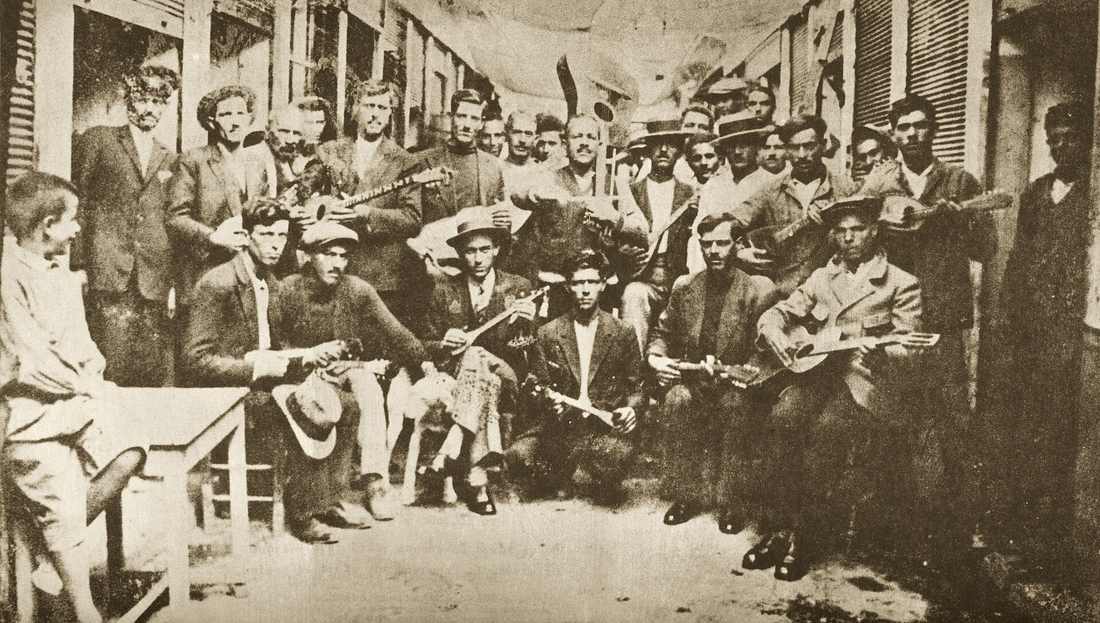
Zakynthos possesses a rich and distinctive musical tradition unlike the rest of Greece, shaped by the long rule of Venice. Its most famous form is the kantada, a serenade for groups of male voices singing in harmony, often with guitar and mandolin. This style is closer to Italian than to mainland Greek music. Groups of singers, the kantadoroi, once serenaded beneath windows in the streets of the capital. The tradition lives on in tavernas, festivals and the carnival. The island also gave Greece the arekia, a related genre of harmonised popular song. This Italian-influenced music, sung in parts with Western harmony, is a legacy of the island’s Venetian centuries and its open Ionian culture. You can explore these cultural sounds with My Greece Tours.
The music of Zakynthos is one of the clearest marks of its distinctive heritage, heard in serenade and song across the island. Visitors seeking a deeper understanding of local customs should plan their itinerary carefully. The sections below cover the origins and styles of this unique musical landscape. We provide essential insights to help you appreciate the auditory history found here. Use our comprehensive Zakynthos travel guide to discover more about the island’s cultural offerings.
What defines the kantada in Zakynthos?
The kantada is a serenade for groups of male voices singing in harmony, often with guitar and mandolin. This style is closer to Italian than to mainland Greek music and remains highly popular.
The kantada represents the peak of Zakynthian musical art, flourishing during the Venetian centuries. This form requires skilled singers to perform complex harmonies that distinguish it from other Greek traditions. The lyrics often explore themes of love and sorrow. Visitors interested in the island’s literary figures might learn about the national poet Dionysios Solomos, who wrote the national anthem. His work is deeply connected to the cultural atmosphere that nurtured these songs. Listening to a live performance provides deep insight into the soul of the island. The music preserves a history that dates back to the time of Venetian rule, reflecting a unique cultural synthesis found nowhere else in the Greek world.
Groups of singers known as kantadoroi originally performed these serenades beneath windows in the streets of the capital. Today, the tradition lives on in tavernas and during local celebrations. One of the best times to hear authentic renditions is during the carnival. The festive atmosphere amplifies the emotional impact of the harmonies. The music brings communities together, maintaining a strong bond with the past. Audiences appreciate the technical skill required to maintain the specific tuning. It creates a truly immersive experience for travelers. The persistence of this custom shows the resilience of local culture. Every note echoes the island’s rich history and its enduring Venetian legacy.
The kantada carries triadic three- and four-part vocal harmony as its defining musical feature. A lead voice states the melody while supporting singers add the lower and inner lines. This part-writing gives the serenade its full, rounded choral texture. The word itself descends from the Italian verb cantare, meaning to sing. That derivation records the deep Ionian tie to the culture across the Adriatic Sea. Love and longing form the central themes of the classic serenade repertoire. Singers shape each verse to fit the emotional weight of the words. The refrains invite listeners to join, turning a performance into a shared ritual. This participatory design kept the form rooted in daily social life.
The harmony rewards patient rehearsal and a trained ensemble ear.
Composers of Zakynthos wrote a large share of the melodies that the choirs still perform. Georgios Kostis ranks among the most celebrated names in the local canon. Panagiotis Gritzanis, Antonios Kapnisis and Frangiskos Domeneginis also shaped the surviving repertoire. Their songs entered oral memory and passed from one ensemble to the next. Singers learned the parts by ear rather than from printed scores. This transmission kept the melodies flexible and open to gentle variation. Each group added its own phrasing while respecting the core tune. The result binds written composition to a living performance practice. The repertoire therefore reflects both named authors and constant anonymous refinements. That balance defines the enduring character of the island serenade.
How does Zakynthos music differ from mainland Greece?
Zakynthos music differs by featuring Western harmony and polyphonic singing rather than monophonic styles. This Italian-influenced sound is a legacy of the island’s Venetian centuries and its open Ionian culture.
Unlike the monophonic music common in mainland Greece, the sounds of Zakynthos are heavily influenced by Western European traditions. This distinction stems from the long period of Venetian administration. Walking through Zakynthos Town, you can still feel this European influence in the architecture and the music. The use of guitars and mandolins is common here. These instruments create a texture that is rare in other parts of the country. The local repertoire includes cantatas and arias that reflect this heritage. The island’s position in the Ionian Sea facilitated cultural exchange with Italy. This resulted in a musical landscape that is entirely unique within the Greek nation.
The adoption of Western harmony marks a significant departure from the modal scales used elsewhere. This music often resembles a serenade or an operatic piece. The structure of the songs allows for complex emotional expression. Vocalists train for years to master the delicate balance required for the kantada. This dedication ensures the survival of the genre. Listeners often describe the sound as romantic and melancholic. It serves as a bridge between the East and the West. The open Ionian culture embraced these artistic differences. Consequently, the island developed a reputation for high musical achievement. This legacy continues to define its cultural identity today. The distinctive sound attracts music lovers from all over the world.
Part-singing sets the Ionian sound apart from the single-line melodies heard on the mainland. The islands absorbed Western harmony during a long span of Adriatic contact. Choirs learned to stack voices into chords rather than double one tune. This vertical thinking about music arrived with the serenade custom from across the sea. The mandolin and guitar reinforced the harmonic frame beneath the voices. Local players tuned these instruments to support the sung chords precisely. The blend produced a sound nearer to a small vocal ensemble than to a folk soloist. Poets writing in the local Greek supplied the verses for these harmonised settings. That union of Western harmony and Greek text created the distinct Ionian style.
The tradition still marks Zakynthos as a place apart within Greek music.
The Ionian School of composers extended this harmonic language into formal art music. These trained musicians studied European counterpoint and applied it to Greek subjects. Their work sat alongside the popular serenade rather than replacing it. The two streams shared a common taste for melody built on Western chords. Concert songs and street kantades drew from the same harmonic well. This closeness let ideas move freely between the salon and the square. Amateur choirs picked up phrases first heard in composed pieces. Professional composers in turn borrowed the warmth of the popular serenade. The exchange enriched both the written and the sung repertoire. Zakynthos thus held art music and folk song in unusually close dialogue.
What is the arekia genre of Zakynthos?
The arekia is a related genre of harmonised popular song that Zakynthos gave to Greece. Like the kantada, it features parts sung with Western harmony and reflects Italian influence.
The arekia stands alongside the kantada as a pillar of local musical expression. It is often heard in social gatherings and informal performances. Visitors enjoying a meal in the hill village of Bochali might encounter this style. The genre is lighter but retains the harmonic complexity of the serenade. It showcases the versatility of the island’s musicians. The lyrics often tell stories of daily life. This makes the music accessible to everyone. The arekia demonstrates the evolution of the tradition. It blends older styles with more modern themes. The result is a vibrant and living art form. It connects the past with the present. This genre remains a favorite among locals.
Both the arekia and kantada highlight the island’s contribution to national Greek music. They offer a different perspective on the country’s artistic output. The emphasis on vocal harmony creates a rich tapestry of sound. This music is essential for understanding the local psyche. It reveals the influence of centuries of foreign rule. Yet, it remains distinctly Greek in spirit. The songs are passed down through generations. Young musicians learn the old techniques from elders. This oral tradition keeps the music authentic. Travelers find this authenticity refreshing. It provides a genuine connection to the island’s soul. The music is a true cultural treasure. These songs celebrate the unique history of the Ionian region.
The arekia takes its name and spirit from relaxed, convivial singing among friends. Groups gather around a table and trade verses through the course of an evening. The harmony stays present, yet the mood runs lighter than the formal serenade. Singers pass the lead from one voice to another as the songs unfold. Wine, food and company frame the music rather than a stage or an audience. This setting keeps the arekia close to ordinary social life on the island. The repertoire mixes older tunes with newer verses about everyday events. Improvised lines often answer a previous singer in playful exchange. That give-and-take gives each gathering its own unrepeatable shape.
The genre survives because people still sing it for their own pleasure.
Both arekia and kantada rely on harmony learned by listening rather than from notation. Elders sing the parts and younger voices slot themselves into the texture. Repetition at gatherings fixes the melodies in shared memory. A newcomer starts on the simplest line and moves inward as skill grows. This apprenticeship needs no formal school or written curriculum. The songs therefore stay tied to the community that carries them. Each generation adds its own singers without breaking the harmonic thread. The practice guards against the loss that printed-only traditions can suffer. Living voices keep the tuning and phrasing exact from year to year. That oral chain explains how the sound has held its shape for so long.
Who are the kantadoroi singers?
The kantadoroi are groups of singers who traditionally performed kantades serenades. They once sang beneath windows in the capital streets, a practice that continues in tavernas and festivals today.
These vocal groups are the custodians of the island’s musical history. Their dedication preserves the intricate melodies of the past. A typical ensemble consists of four or five male voices. Each singer takes a specific part in the harmony. The interaction between the voices creates a dynamic performance. They rehearse diligently to ensure perfect pitch. This commitment to quality is evident in every performance. The kantadoroi often wear traditional attire during shows. This adds to the visual spectacle. Their presence at weddings and celebrations is obligatory. They provide the soundtrack to major life events. Their role is highly respected within the community. They keep the flame of tradition alive.
The tradition of the kantadoroi creates a strong sense of continuity. It links modern Zakynthians with their ancestors. The streets of the city once echoed with their nightly songs. This custom created a vibrant social atmosphere. Neighbors would gather to listen from their balconies. It was a communal experience that strengthened social bonds. Today, professional groups carry the torch. They perform on stages and in local venues. The transition from street to stage has changed the dynamic slightly. However, the core essence remains unchanged. The passion for the music drives them forward. Audiences respond with enthusiasm and appreciation. The music continues to evolve while staying true to its roots.
A kantadoroi ensemble balances its voices to cover every line of the harmony. One singer leads with the melody while the others fill the supporting parts. The lower voice anchors the chord and steadies the whole group. Inner voices add the notes that give the harmony its depth and colour. Careful listening among the singers keeps the blend even and precise. The players on mandolin and guitar lock their chords to the sung parts. This coordination turns four or five people into a single musical instrument. The group rehearses to fix entrances, phrasing and the shared breath. Such discipline lets the serenade sound effortless to the listener. The craft behind it stays hidden inside a seemingly simple song.
Serenading once shaped the nightly rhythm of the old capital before the earthquake. Ensembles moved through the streets and paused beneath chosen balconies to sing. Neighbours opened their shutters to listen from the windows above. The songs marked courtship, name-days and moments of local celebration. This public music knitted the town into a single audience after dark. The rebuilding of the town changed the streets, yet the custom endured. Groups now perform in venues, squares and at organised cultural events. The move from balcony to stage altered the setting but not the songs. The core harmony and the shared refrains carried across the change. Zakynthos kept its serenade even as its townscape was rebuilt.
Where can you hear music in Zakynthos?
You can hear this music in tavernas, festivals, and the carnival across the island. It remains a mark of distinctive heritage, heard in serenade and song in public spaces and gatherings.
Travelers have multiple opportunities to experience these musical traditions. Summer festivals often feature performances by local choirs. These events showcase the best talent on the island. Tavernas provide a more intimate setting. Guests can enjoy dinner while listening to acoustic sets. The combination of good food and music is unforgettable. Cultural centers also organize concerts throughout the year. These events are advertised locally. Visitors should ask their hotel for schedules. Attending a live performance is a highlight of any trip. It offers a deeper understanding of the local culture. The music transcends language barriers effectively. Everyone can appreciate the emotion conveyed. It is an essential part of the island experience.
Do not miss the chance to hear a spontaneous serenade. Sometimes, musicians will start playing in public squares. These impromptu concerts are magical experiences. They capture the spontaneous spirit of the island. The acoustics in old town squares enhance the sound. The music blends perfectly with the surroundings. It feels like a step back in time. Even casual listeners find themselves moved by the melodies. The beauty of the music lies in its simplicity. It speaks directly to the heart. The island truly comes alive through its songs. This auditory journey enriches the travel experience significantly. Memories of these sounds last a lifetime.
Cultural associations on the island maintain choirs that rehearse and perform the serenade. These groups appear at civic ceremonies, name-day feasts and church festivals. Religious calendar dates often bring the choirs into the streets and squares. Weddings on the island still call for kantadoroi to sing for the couple. Tavernas host smaller evenings where guests hear the harmony over dinner. Summer programmes place performances in open squares and courtyards. Local associations announce these events through community channels and notice boards. A visitor can ask an accommodation host to point toward the current schedule. Planning around these fixtures rewards travellers with an authentic hearing of the music. The choirs treat each appearance as a duty to the shared heritage.
The carnival season concentrates the island’s singing into a public celebration. Groups roam the streets and squares, performing serenades to the gathered crowds. This period ties the music to older customs of feasting and disguise. Verses turn satirical as singers comment on the events of the year. The harmony stays intact even as the mood grows playful and loud. Winter thus brings the serenade back into the open air of the town. Church feasts across the year offer quieter but equally rooted occasions. The songs mark saints’ days and the processions tied to them. These recurring dates anchor the music firmly in the island calendar. Zakynthos keeps its serenade alive by singing it at the moments that matter.
Frequently Asked Questions
What instruments are used in Zakynthos music?
The primary instruments accompanying the vocal harmonies are the guitar and the mandolin. These stringed instruments provide the melodic foundation for the singers. The guitar typically plays the chords, establishing the harmonic structure. The mandolin adds a delicate counterpoint or picks out the melody. This combination is typical of the Ionian School of music. The sound is light and romantic. It complements the human voice perfectly without overpowering it. In larger ensembles, other instruments like the lute might join. However, the focus remains on the vocals. The interplay between the instruments creates a serene atmosphere. It invites the listener to relax and enjoy. Visitors can pair a musical evening with local Zakynthos food for a full sensory experience.
The tastes and sounds complement each other beautifully. This pairing creates a memorable evening on the island. The instrumental tradition is as old as the songs themselves. It continues to thrive.
How did Venetian rule influence the island’s music?
The Venetian rule, which endured for centuries, left an indelible mark on the local culture. Music was one of the areas most affected by this occupation. The Venetians introduced Western concepts of polyphony and harmony. These concepts replaced or merged with existing Greek modal traditions. The result was a unique hybrid style. The music of Zakynthos sounds more Italian than Byzantine. This reflects the political reality of the time. The islanders adopted the mandolin and guitar. They also adopted the practice of serenading. This was common in Italy but rare in Greece. The open Ionian culture facilitated this exchange. It allowed local artists to experiment with new forms. Even today, the music reflects this heritage.
You can hear these influences while relaxing on Zakynthos beaches. The sound of the music blends with the sound of the sea. It creates a distinct backdrop for a holiday. This history makes the island special.
Is the musical tradition still alive today?
The musical tradition is very much alive on the island today. It is not just a museum piece but a living practice. Local groups perform regularly at tavernas and festivals. Young people are learning the songs from their elders. This ensures the continuation of the art form. The carnival is a peak time for performances. During this period, the streets fill with music. Schools also teach the history of local music. This academic approach validates its importance. Tourists show great interest in these authentic experiences. Their support helps sustain the musicians. The distinct sound of the kantada is still recognizable. It evokes a sense of nostalgia and pride. The community actively works to preserve its heritage.
Concerts are well-attended by locals and visitors alike. The passion for the music remains strong. It continues to be a vital part of island life. The future of the tradition looks bright indeed.
Who were the main composers of the Zakynthos kantada?
Local composers wrote a large share of the serenade repertoire that choirs still perform on the island. Georgios Kostis stands among the most celebrated figures of this tradition. Panagiotis Gritzanis, Antonios Kapnisis and Frangiskos Domeneginis also contributed lasting melodies. These musicians worked within the harmonic language brought to the Ionian from across the Adriatic. Their songs treated love, longing and local life in the island’s own Greek verse. The melodies entered oral memory and passed from one ensemble to the next by ear. Singers learned the parts through listening rather than from printed scores. This transmission let each choir add its own phrasing while keeping the core tune.
The composers therefore live on through performance rather than through any single manuscript. Their names remain tied to the surviving body of harmonised serenades. Choirs today still credit these figures when they perform the older songs. The repertoire records both the named authors and the anonymous refinements of its performers.