

Packing light for Greek island tours: a carry-on system for ferries, stairs & windy nights. Capsule wardrobe, 2-shoe strategy & must-haves for island hopping.
If we’ve ever watched someone wrestle a hard-shell suitcase up Santorini’s steps while the Meltemi wind tries to push them back into the sea… we already know the lesson: packing light for Greek island tours isn’t a trendy minimalist flex. It’s pure survival (and honestly, it makes the whole trip feel smoother, faster, and more fun).
We’ve spent summers island hopping across Greece, Milos, Santorini, Lefkada, Corfu, Skiathos, Crete, plus plenty of mainland detours (Mystras and Messinia included). And after enough ferry ramps, cobblestone lanes, tiny hotel wardrobes, and “wait, it’s windy tonight?” moments, we’ve landed on a simple approach: a small bag, a tight wardrobe, and the right few extras.
This guide is the system we use, practical, Greek-islands-realistic, and built for travelers who want to move between islands without feeling like their luggage is the main character.
Key Takeaways
- Packing light for Greek island tours makes ferry ramps, stairs, cobblestones, and port transfers faster and far less stressful.
- Choose a small carry-on suitcase or (better for multi-island routes) a 35–45L travel backpack, plus a compact personal-item daypack that fits under an airplane seat.
- Build a capsule wardrobe with a rewearable color palette, 2–4 tops, 2 bottoms, 1–2 evening/travel options, a light layer, and two swimsuits so you can wash and repeat without looking repetitive.
- Stick to a two-pair footwear strategy—supportive walking sandals or trainers for towns/ruins, and water-friendly shoes for pebble beaches and boat ladders—to prevent blisters and save space.
- Keep toiletries light by decanting liquids, using solids when possible, packing leak-proof pouches, and relying on quick sink laundry with fast-dry fabrics to cut clothing volume.
- Pack smart essentials that add minimal weight—SPF, hat, water bottle, electrolytes, power bank, offline document screenshots, and simple anti-theft habits—to stay comfortable and organized while moving between islands.
Understand The Real Constraints Of Greek Island Hopping
Before we pick a bag or choose outfits, we need to be honest about what island hopping is actually like. On paper, it’s “ferry + cute hotel + beach.” In real life, it’s ramps, stairs, heat, wind, and quick turnarounds.
Ferries, Stairs, And Port Transfers
Greek ferries are efficient, but the logistics around them can be chaotic, especially in peak summer.
- Ports are crowded and fast-moving. Boarding and disembarking can feel like a timed sport. If we’re dragging a big suitcase, we’re slower, we’re stressed, and we’re more likely to bang a wheel on a ramp or curb.
- Stairs are everywhere. Santorini is the obvious example, but even “flat” islands often have hotels accessed by steps and narrow alleys. Many places simply aren’t designed for rolling luggage.
- Surfaces vary: cobblestones, uneven pavement, gravel paths to beaches, and the occasional “this is technically a road” lane.
This is why packing light for Greek island tours matters: the lighter we travel, the more flexible we become. We can walk to the hotel instead of waiting for a transfer. We can change plans at the last minute without dreading our bags.
Small Hotel Rooms And Limited Storage
A lot of island stays, especially in popular villages, prioritize charm over square footage.
- Rooms can be compact, with minimal floor space.
- Closets might be tiny (or nonexistent), sometimes just a few hangers.
- Bathrooms can be tight, with little counter space for toiletries.
So even if we can bring more, we won’t necessarily enjoy having more. A smaller kit keeps the room livable and cuts down the daily “where did we put that?” scavenger hunt.
Microclimates, Wind, And Sudden Weather Changes
The Greek islands look consistent on Instagram. On the ground, the weather can swing quickly.
- The Meltemi winds (common in the Cyclades like Mykonos, Naxos, Paros, Milos, Santorini) can turn a warm evening into a “we wish we had a layer” situation.
- Boat days create their own climate: spray, breeze, and sun exposure stack up fast.
- Even in summer, we can get the occasional cool night, especially after sunset near the water.
The goal isn’t to pack for every scenario. It’s to pack versatile layers, so we’re covered without carrying duplicates.
Choose The Right Bag System (And Keep It Small)
A good bag system does two things: it keeps us within realistic airline/ferry life limits, and it makes moving between islands easy.
Carry-On-Only Suitcase Vs Travel Backpack
If we had to boil it down, both can work, but the islands favor mobility.
Carry-on-only suitcase (soft-sided, not huge):
- Best if we’re staying mostly in towns with decent pavement, and we like easy organization.
- Soft-sided bags tend to squeeze into tighter spaces better than rigid hard-shell cases.
- Keep it carry-on sized and light; many European carriers enforce weight limits (often around 7 kg).
Travel backpack (35–45L range for most people):
- Best for frequent transfers, stairs, and mixed terrain.
- Easier on ferry ramps, easier in narrow alleys, and easier when we need both hands.
- Looks less glamorous, feels more practical. On the islands, we’ll take a practical.
Our rule: if we’re doing multi-island hopping, we lean backpack. If we’re doing one island with a calmer base, a small carry-on suitcase can be fine.
A Simple Personal-Item Kit For Day Trips
Even if our main bag is perfect, the day-to-day comfort comes from our personal item. We like a small daypack or sling that holds the basics without tempting us to overpack.
A sweet spot for a daypack is roughly 24–30L (or smaller if we’re disciplined). What we actually use it for:
- Water bottle
- Sunscreen + lip balm with SPF
- Sunglasses + hat
- Light layer (wind shirt, thin cardigan, or linen shirt)
- Snacks (especially on ferry days)
- Swim stuff if we’re going beach-to-town
- Tiny first aid (blister plasters, a couple of painkillers)
If it can’t fit under an airplane seat, it’s probably bigger than we need.
Organizers That Actually Reduce Bulk
Organizers can either save us… or become “extra stuff we packed to manage the extra stuff.” We keep it simple.
What’s worth it:
- Packing cubes (2–3 max): one for tops, one for bottoms, one for underwear/swim. Compression cubes can work, but if we over-compress, we just end up bringing more.
- A slim toiletry bag that stands up and doesn’t explode across the sink.
- A small laundry pouch (or even a lightweight tote) to keep worn clothes separate.
What’s usually not worth it:
- Big rigid organizers, multiple pouches for every category, or anything that adds structure (and weight) inside the bag.
A quick “truth test”: if we can’t pack our bags in under 10 minutes on changeover morning, our system is too complicated.
Build A Capsule Wardrobe For Islands
The magic trick for packing light for Greek island tours is a wardrobe that repeats without looking repetitive. We’re not trying to be “minimal” for its own sake; we’re trying to be comfortable, look put-together in photos, and avoid hauling a closet across the Aegean.
A Rewearable Color Palette And Outfit Formula
A capsule wardrobe works best when everything matches everything else. For Greece, we love a palette that fits the scenery and hides sweat and sunscreen smudges.
Easy island palette ideas:
- White + blue + tan
- Black + linen neutrals
- Olive + cream + denim
A simple outfit formula we rely on:
- 2–4 tops (mix of tanks/tees + one nicer top)
- 2 bottoms for day (shorts/skirts)
- 1–2 bottoms for evening or travel (light pants, linen trousers, or a casual dress)
- 1 “throw-on” layer (overshirt, cardigan, or thin sweater)
- 2 swimsuits (so one can dry)
- 1 multipurpose piece (sarong, wrap skirt, or light dress)
If we can wear each item at least 3 times across the trip, it earns its place.
Swim-To-Town Clothing That Looks Polished
Greek islands are made for spontaneous plans: a swim turns into lunch, lunch turns into a village wander, then suddenly it’s sunset drinks.
We pack pieces that can move from beach to town without feeling like we forgot real clothes:
- A linen button-up (works as a cover-up, sun layer, and casual shirt)
- A simple midi skirt or airy shorts that don’t cling when it’s hot
- A one-piece swimsuit that can double as a bodysuit under a skirt/shorts
- A sarong (honestly, one of the highest value items, beach blanket, wrap skirt, shoulder cover in breezy evenings)
The goal is “clean and easy,” not overdressed. Islanders can spot a tourist a mile away anyway, we might as well be comfortable ones.
Evening Layers Without Overpacking
Evening is where people often overpack: extra shoes, extra outfits, extra “just in case.” We can look great with a few smarter choices.
Our favorite evening strategy:
- One nicer top or one simple dress that doesn’t wrinkle easily
- One light layer for wind (thin sweater, denim jacket, or a packable windbreaker)
- One accessory that changes the vibe (a scarf, a small set of earrings, a belt)
On islands like Santorini or Mykonos, it’s easy to get swept into a “we need a different look every night” mindset. We don’t. We need one outfit we like enough to repeat.
Footwear: Two-Pair Strategy For Cobblestones And Beaches
If we only get strict about one category, let it be shoes. Footwear is heavy, bulky, and absolutely determines whether our day feels effortless or miserable.
Walking Sandals Or Trainers For Towns And Ruins
For towns, ports, and archaeological sites, we need stable traction.
Two common winners:
- Supportive walking sandals (with a real sole and secure straps). Great in heat, easy to slip on/off.
- Lightweight trainers/trail runners for longer walking days, uneven streets, or ruins.
If our itinerary includes sites like Knossos in Crete or long village walks, trainers can be a relief. But if we’re mostly doing seaside towns and short walks, a sturdy walking sandal can cover most days.
Water-Friendly Shoes For Pebble Beaches And Boats
A lot of Greek beaches are not made of soft sand. Pebbles can be brutal, and boat ladders can be slippery.
We like:
- Water shoes (thin, packable) for pebble beaches and boat days
- Or simple flip-flops if we’re mostly on sand and aren’t doing rocky entries
For places like Milos (where boat trips to spots like Kleftiko are a highlight), water-friendly footwear is a small thing that makes the day smoother.
How To Avoid Blisters On Multi-Island Days
Blisters are the fastest way to ruin a hopping itinerary, because we can’t “rest” easily when we’re changing islands.
What actually works:
- Break in shoes before the trip. Not “walk around the house,” but real walks.
- Pack blister plasters (hydrocolloid style) and use them early.
- If we’re wearing sandals, choose pairs with soft straps and no rubbing seams.
- On high-walk days, keep feet dry: a quick sock change (if wearing trainers) beats suffering later.
We’d rather bring one less outfit than gamble with brand-new shoes.
Toiletries, Skincare, And Laundry: The Light Way
Toiletries are where weight creeps in quietly. Sunscreen alone can turn into a brick if we bring full-size bottles “just in case.” The trick is planning for heat and salt while keeping liquids minimal.
Heat, Sun, And Saltwater Essentials
Greek summer is gorgeous, but it’s intense.
Our non-negotiables:
- High-SPF sunscreen (we’d rather reapply often than try to “tan carefully”)
- After-sun or a simple moisturizer (salt + sun dries skin fast)
- Lip balm with SPF
- A basic mosquito repellent (varies by island and month, but when you need it, you really need it)
- Tiny medical kit: painkillers, antihistamine (if we use it), band-aids, blister plasters
We don’t overdo skincare steps on island tours. Heat and frequent water exposure usually make complicated routines unrealistic.
Decanting, Solids, And Leak-Proof Packing
Leak disasters happen on boats and flights. We prevent them like it’s our job.
- Decant into small, labeled containers (especially sunscreen and shampoo)
- Consider solids: shampoo bar, soap bar, solid deodorant (saves liquid allowance and mess)
- Use leak-proof bottles and put liquids in a simple zip pouch anyway
One more tip we swear by: if we’re carrying sunscreen in a day bag, keep it in a small separate pouch. Sunscreen explosions love to happen next to electronics.
Sink Laundry And Fast-Dry Fabrics
Laundry is the hidden superpower of minimalist packing.
- We choose quick-dry fabrics so a sink wash can dry overnight.
- We pack a tiny amount of detergent (sheets or a small bottle) or use what the hotel provides.
- We don’t wash everything, just underwear, swimwear, and the items that get sweaty first.
Fabrics that behave well on island tours:
- Lightweight synthetics (dry fast)
- Linen blends (breathe well, dry reasonably)
- Merino (less odor, though it’s warmer than people expect in peak summer)
If we can wash one small load mid-trip, we can cut our clothing list significantly without feeling like we’re repeating a “uniform.”
Tour Must-Haves That Don’t Add Weight
We don’t want a bag full of “maybe useful” gear. But a few light items give us comfort and flexibility all day.
Sun Protection And Heat Management
Heat management isn’t optional in Greece in July/August. We plan for it.
Lightweight essentials:
- Hat with a brim (not just a fashion cap)
- Sunglasses we actually trust
- Reusable water bottle (even a collapsible one if we’re tight on space)
- Electrolyte packets (small, helpful after a boat day or long walk)
- A thin long-sleeve layer (linen shirt or UV layer) for people who burn easily
We also adjust the day: early starts, shade breaks, and not pretending we’re tougher than the sun.
Snorkel, Beach, And Boat-Day Basics
Boat days are where we’re most tempted to pack “gear.” We can keep it lean.
- Mask/snorkel only if we’ll use it multiple times: otherwise, rentals are common
- Quick-dry towel (thin, packable)
- Dry bag or waterproof pouch for phone/wallet on boats
- A light tote (foldable) for beach days
One small luxury we sometimes allow: a tiny clip or carabiner to hang wet items from a bag. It’s not essential, but it’s weirdly satisfying.
Electronics, Chargers, And Power Planning
Electronics can stay minimal without feeling underprepared.
Our standard setup:
- Phone (camera + maps + tickets)
- One wall charger (multi-port if we’re sharing)
- One cable per device (no spares unless we truly need them)
- Power bank (especially useful on ferry days)
If we’re moving often, we also keep a small habit: charge the power bank whenever we’re in the room, even if we think we won’t need it. Islands have a talent for turning “quick coffee” into a 6-hour wander.
Documents, Money, And Security While Moving Between Islands
Island hopping is a lot of motion: ports, buses, taxis, ticket counters, and hotel check-ins. That’s exactly when documents and money go missing, usually not from dramatic theft, but from simple distraction.
Passports, Boarding Passes, And Offline Copies
We keep documents boringly organized.
- Passport (or ID for EU travelers), protected from water
- A small document sleeve for tickets and reservations
- Offline copies on our phone (screenshots) in case reception is spotty
- A backup: emailed copies to ourselves or stored in a secure cloud folder
For ferries, screenshots help because we’re not always guaranteed a perfect signal at the port when we need to pull up a booking.
Cash, Cards, And ATMs On Smaller Islands
Cards are widely accepted, but we still carry cash, especially on smaller islands or in quieter villages.
- Keep some euros for taxis, small tavernas, beach umbrellas, tips, and “the machine is down” moments.
- ATMs can be limited and sometimes inconveniently located. If we’re arriving late, we don’t want to start our stay hunting for cash.
We like a simple split:
- One card in the wallet
- One backup card is stored separately
- Cash divided (a little accessible, the rest tucked away)
Anti-Theft Habits For Ports And Crowded Areas
Most of Greece is safe, but ports and crowded spots are classic places for opportunistic theft.
Habits that help without turning us paranoid:
- Use a cross-body bag that stays in front in crowds
- Don’t put your phone/wallet in an easy-open pocket when boarding ferries
- Keep our main bag zippers closed and avoid leaving it unattended during loading
- In restaurants, don’t hang a bag on the chair back if we’re in a busy area
The biggest risk is the “busy moment”, ticket in hand, looking for the gate, someone calling our name, when we set something down for two seconds.
Pack By Itinerary: Tailored Mini-Lists For Common Greek Island Tours
Different islands reward different packing choices. If we pack for our route (not a generic Greece fantasy), we can cut a surprising amount.
Santorini And Mykonos: Style, Wind, And Lots Of Stairs
These islands are famous for a reason, and they’re also where heavy luggage feels most annoying.
What we prioritize:
- Stable walking shoes (stairs + slick spots)
- Wind-friendly layers (a light jacket or overshirt for evenings)
- One nicer outfit we can repeat for dinners/photos
- Hair ties/clips if we have longer hair (wind is relentless)
What we skip:
- Extra heels or delicate sandals that can’t handle cobblestones
- Bulky jackets (we’ll regret carrying them)
Santorini, in particular, has those “it’s just a short walk” routes that turn into stair marathons. Packing light isn’t optional there.
Crete: Longer Distances And Mixed Activities
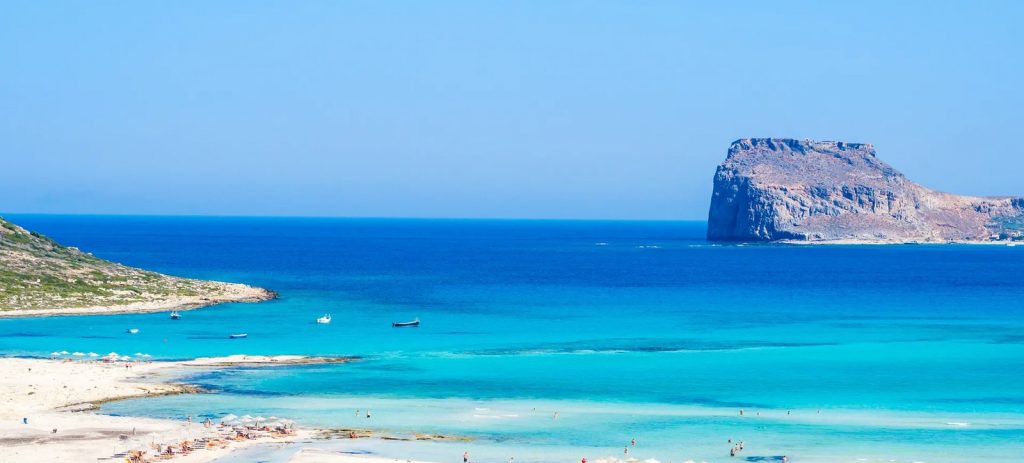
Crete is a different beast: it’s big, varied, and often includes more driving and more activity types.
What we add (selectively):
- A more athletic outfit (light hiking pants/shorts)
- Trainers, if we plan gorges, trails, or longer site days
- A slightly larger daypack if we’re doing full-day excursions
What we keep the same:
- Capsule wardrobe approach
- Two-pair footwear strategy (don’t expand it unless we truly need to)
Crete can be beachy, cultural (Knossos and museums), and outdoorsy in the same trip. One flexible “active day” kit covers a lot.
Naxos, Paros, And Milos: Beach Days And Boat Excursions
For these islands, our packing is built around water time.
What we prioritize:
- Two swimsuits (so one dries)
- Water-friendly shoes for pebble beaches and boat ladders
- A dry bag or waterproof pouch
- Quick-dry towel
- Easy cover-ups that don’t feel sloppy in town (linen shirt + shorts/skirt)
Milos, especially, is a boat-day paradise. If we’re going to places like Kleftiko (and we should), the “boat basics” matter more than extra clothes.
Conclusion
Packing light for Greek island tours isn’t about suffering with fewer things; it’s about buying ourselves freedom. Freedom to switch islands without dread. Freedom to walk instead of waiting. Freedom to say “yes” to a spontaneous swim, a last-minute taverna, or a sunset viewpoint that’s… of course… up more stairs.
If we want the simplest checklist to remember, it’s this: one small main bag, one smart day bag, a capsule wardrobe that rewears well, two pairs of shoes, and sun/wind coverage. The rest is optional.
And after a few islands, something funny happens: we stop thinking about what we didn’t bring. We start noticing what we gained: time, energy, and that light, easy feeling that matches the Aegean perfectly.
Frequently Asked Questions
Why is packing light for Greek island tours so important?
Packing light for Greek island tours makes ferry days, port transfers, and steep stairs (especially on Santorini) far less stressful. Many lanes are cobblestone or uneven, and small hotels often have limited storage. A lighter bag keeps you faster, more flexible, and happier during quick island changeovers.
What’s the best bag setup for packing light for Greek island tours—backpack or carry-on?
For multi-island hopping, a 35–45L travel backpack is usually best because it handles stairs, ramps, and narrow alleys easily. For a single-island base, a small soft-sided carry-on can work. Keep airline limits in mind—many European carriers enforce low carry-on weights (often around 7 kg).
What should I pack in a day bag for Greek island hopping tours?
A small daypack or sling (often 24–30L or smaller) should cover the essentials: water bottle, high-SPF sunscreen, SPF lip balm, sunglasses, hat, snacks for ferry days, and a light wind layer. Add swim items when needed, plus a tiny first-aid kit, especially blister plasters.
How do I build a capsule wardrobe for Greek island tours without repeating outfits in photos?
Use a rewearable color palette so everything mixes easily, then pack a simple formula: 2–4 tops, 2 day bottoms, 1–2 evening/travel pieces, one throw-on layer, 2 swimsuits, and one multipurpose item like a sarong. If each piece gets worn about three times, it earns its spot.
What are the best shoes for the Greek islands if I’m packing light?
A two-pair strategy works best: supportive walking sandals or lightweight trainers for towns, ports, cobblestones, and ruins, plus water-friendly shoes (or flip-flops) for pebble beaches and boat ladders. Break footwear in with real walks before you go, and carry hydrocolloid blister plasters for early hot spots.
Do I need to bring full-size toiletries and sunscreen to Greece, or can I pack lighter?
You can pack much lighter by decanting liquids into small labeled containers and choosing solids (shampoo bar, soap, solid deodorant) to reduce leaks and weight. Prioritize high-SPF sunscreen, a simple moisturizer/after-sun, and mosquito repellent. Keep sunscreen in a separate pouch in your day bag to protect electronics.
Read more about Greece Tours:
- How To Travel Between Greek Islands: Ferries, Flights, And Smart Island-Hopping Routes
- Adventure Activities In Greece: The Best Outdoor Experiences By Land, Sea, And Air
- Top Archaeological Sites In Greece: Must-See Ruins And Ancient Cities
- A Practical Guide To Ancient Greek Ruins: What To See And How To Visit
- Family-Friendly Greece Travel Tips: Stress-Free Planning, Best Places, And What To Know
- The Ultimate Guide to Choosing the Right Greek Tour
- Budget Tips For Greece Visitors: How To Travel Well For Less
- Greece Tours 2026: Complete Guide To Trips, Vacations, And Packages