
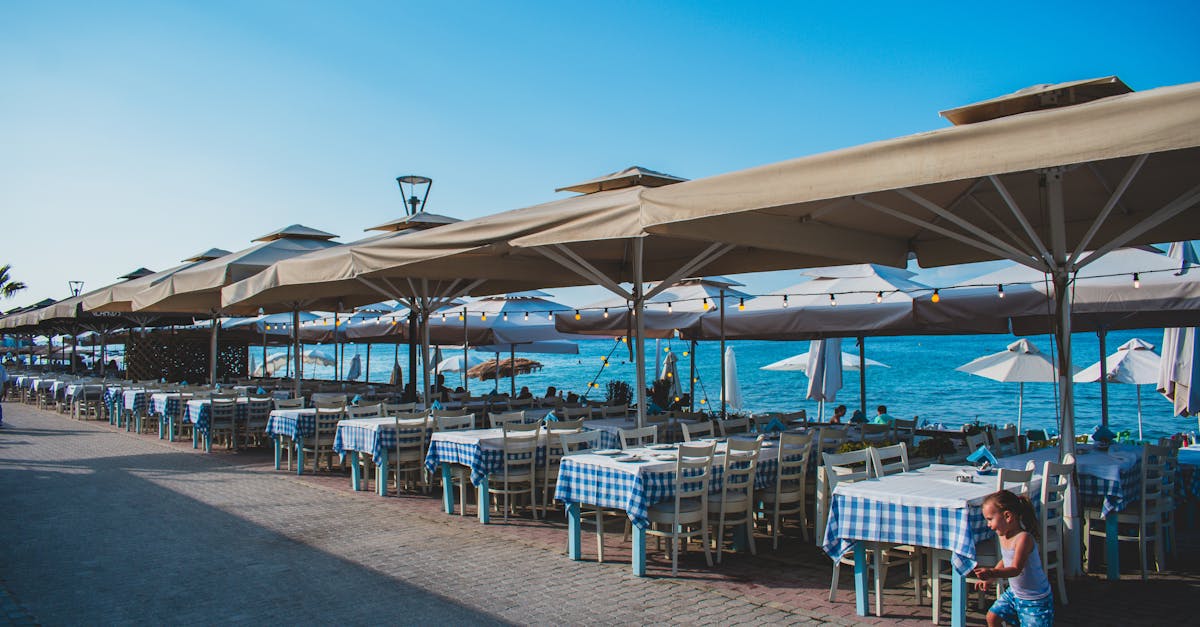
If we try to do Greece “the way we did it before kids,” Greece will humble us fast. Plan the whole trip with Greece Tours. Late-night ferries, midday Acropolis heat, and one too many hotel check-ins can turn a dream trip into a logistics marathon. The good news: Greece is genuinely one of Europe’s easiest countries to travel with children once we plan around weather, distance, and pace.
We’ve spent years doing summer stretches across the islands and mainland, hopping through places like Lefkada, Corfu, Skiathos, Mystras, Messinia, and Crete (and yes, plenty of returns to Milos, Santorini, and Athens). In this guide, we’re sharing our most practical, family-friendly Greece travel tips: when to go for comfortable temps, where to base for easy beach days, how to move around without drama, and the small choices that make the biggest difference with kids.
Deciding When To Go: Weather, Crowds, And Kid-Friendly Timing
Timing is the quiet “superpower” of a smooth family trip. In Greece, the difference between June and August isn’t subtle, especially with strollers, naps, and kids who don’t care that the Parthenon is 2,500 years old if they’re overheating.
In general, we plan around three things:
- Heat (air temperature and reflected heat from stone sites)
- Crowds (lines, ferry capacity, restaurant waits)
- Water comfort (sea temperature and wind exposure)
Shoulder Season Sweet Spots For Families
If we can choose freely, we aim for May–June or September–October.
- Late May to mid-June: Days are long, the sun is strong but not brutal, and the sea starts feeling “swimmable” (especially later in May). Family-friendly bonus: beaches and tavernas are open without the peak-season crush.
- September: Our top pick for many families. The sea is warm from the summer heat, crowds thin out, and everyone, kids and adults, has more patience.
- Early October: Still great for Crete and the southern islands, but some smaller island services begin to scale down later in the month.
What we try to avoid with younger kids (when possible): mid-July through late August. Many regions regularly hit 35°C+ (95°F+), popular sites are packed, and the combination of heat + lines + late dinners can be a lot.
Heat, Wind, And Water Temperature By Region
Greece isn’t one uniform climate. Choosing the right region can make a “hot” month feel manageable.
- Crete: One of the best bets for families because it’s big and varied. In summer, sea temperatures often sit around 22–26°C (72–79°F), and you can choose calmer beaches depending on the wind. Crete also has shaded villages and higher-altitude escapes when the coast feels too warm.
- Cyclades (Naxos, Paros, etc.): Gorgeous, and often windy (the meltemi winds). Wind can be a relief in July/August, but it can also mean choppy water and sandy gusts on the beach. We like Naxos and Paros because they have many sheltered family beaches.
- Ionian Islands (Corfu, Lefkada, Kefalonia, Zakynthos): Typically greener, with calmer seas in many spots compared to the Aegean. These can be excellent for kids who prefer gentle water.
- Peloponnese: Great “mainland island” energy, lots of coastline, easier driving loops, and often milder winds than the Cyclades.
A simple rule we use: if the kids are beach-first, prioritize sea comfort + wind protection over “famous” islands. Famous is fun: calm water is sanity.
Building A Family Itinerary That Actually Works In Greece
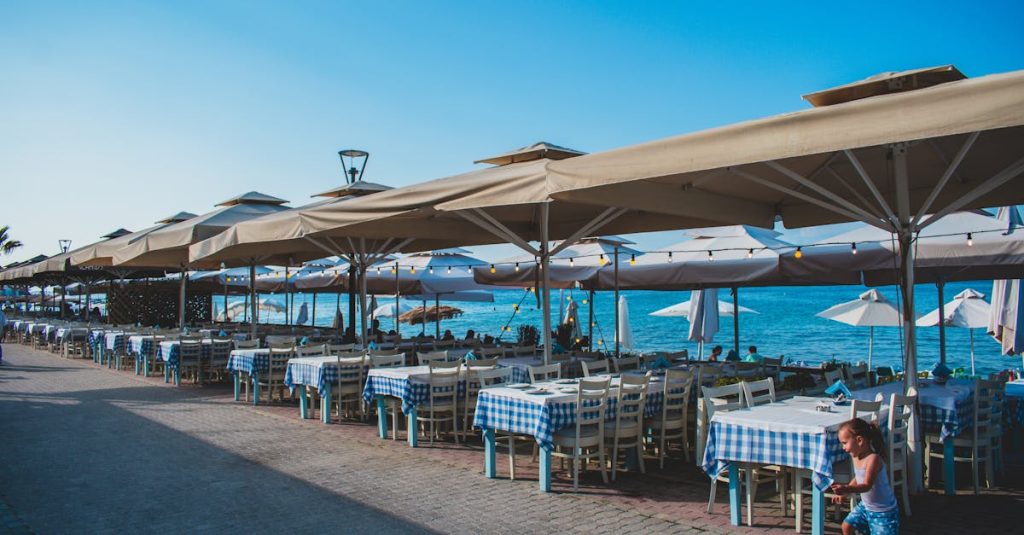
We’ve watched families arrive with a spreadsheet itinerary that would exhaust a child-free travel blogger. Greece is better when we leave breathing room, because ferries shift, naps happen, and sometimes the best hour of the day is just watching the waves with a freddo espresso in hand.
How Many Stops To Plan (And When To Skip Island Hopping)
For most families, we recommend 3–4 total stops for a 10–14-day trip.
A classic, workable structure looks like:
- Athens: 2–3 nights (enough to see the Acropolis area without rushing)
- One island base: 5–7 nights (Crete, Naxos, Paros, or an Ionian island)
- Mainland add-on: 2–4 nights (Peloponnese loop, or a single “anchor” place)
If our kids are under 8, we usually skip heavy island hopping. Not because it’s impossible, but because it quietly eats time:
- Packing and repacking
- Port transfers
- Waiting for ferries
- Check-in windows
- Finding food at the exact moment someone melts down
One good island well-done beats three islands half-seen.
Pacing Days: Naps, Beach Time, And Early Nights
Greece rewards a rhythm that matches the climate:
- Mornings: sightseeing, markets, short drives, museums
- Midday: shade plus lunch plus quiet time (even if naps are “soft naps”)
- Afternoons: beach, pool, easy wandering
- Evenings: early dinner or a long dinner with kids who can handle it
A practical tip we’ve learned the hard way: when planning big sights (Acropolis, Knossos, Ancient Olympia), we schedule them right at opening. Stone sites radiate heat, and crowds stack up quickly.
And we build in “no-plan” blocks. Sometimes, the most memorable part of Greece with kids is not a monument, it’s a tiny harbor where they throw pebbles into the water for an hour.
Balancing Athens, Islands, And Mainland Highlights
If we want both culture and beach (most families do), we aim for a two-speed itinerary:
- Athens for history ans city energy
- An island for decompression
- Mainland for variety (if time allows)
A few balanced combos that work well:
- Athens and Naxos (or Paros): quick-ish ferries, easy beach days
- Athens and Crete: fly to save time: Crete gives beaches + archaeology + mountain villages
- Athens and Peloponnese: best if we want to minimize sea travel, great with toddlers
And yes, Meteora can be family-friendly for many kids (typically ages 2+ if they can handle car time and stairs), but we treat it like a “special mission” with plenty of breaks.
Where To Go With Kids: Family-Favorite Bases And Why They’re Easier
The best family destinations in Greece share a few traits: short transfers, easy beaches, walkable towns, and enough variety that we’re not inventing entertainment by day four.
Athens With Kids: Neighborhoods, Short Lists, And Low-Stress Sightseeing
Athens can be surprisingly kid-friendly if we stay in the right area and keep the sightseeing list short.
Where we like to base:
- Plaka: Beautiful, central, and made for low-stress wandering. We can dip in and out of crowds and still be close to everything.
- Koukaki: Great for families, local feel, good food, and easy access to the Acropolis area.
Kid-friendly “short list” (we don’t try to do it all):
- Acropolis + Acropolis Museum (go early: bring water)
- National Garden playground time (a lifesaver between sights)
- A Plaka wander with frequent snack stops
Athens tip: We plan one major sight per day. The rest is walking, eating, and letting the city be the experience.
Crete As A One-Island Trip: Beaches, Drives, And Variety
If we had to pick one island for a first family trip, Crete is always in the top tier.
Why it works:
- It’s big enough for choice (calm coves, lively towns, quiet villages)
- Roads connect a ton of scenery without constant ferry transfers
- Plenty of beaches with gentle entry (depending on where we stay)
Family-friendly structure:
- Based on one side (west near Chania, or central near Heraklion/Rethymno) and do short day trips.
- Pair a beach day with a light cultural stop, like Knossos, but don’t combine multiple “big” attractions in one day.
Crete is also great when shoulder season is the goal. It stays warm later than many islands.
Naxos, Paros, And The Ionian Islands For Easy Beach Days
For families who want that classic island feeling without constant effort:
- Naxos: One of the easiest Cycladic islands with kids. It has a relaxed vibe, many sandy beaches, and enough infrastructure to make everything simple.
- Paros: Also very family-friendly, especially if we base somewhere with a sheltered beach nearby. It’s a good mix of pretty towns and low-key beach time.
- Ionian Islands (Corfu, Lefkada, etc.): Lush landscapes, often calmer water, and great for families who want green scenery plus beaches.
A small but important selection rule: we choose destinations where we can walk to a beach or reach one in 10–15 minutes. When the beach is a “project,” we go less, then everyone feels like the trip is more work than fun.
Getting Around: Flights, Ferries, Cars, And Strollers Without the Headache
Transportation is where family trips either feel easy… or feel like we’re constantly “in transit.” Greece gives us options, but the right choice depends on kids’ ages, motion sensitivity, and how much time we actually have.
Choosing Ferries: Duration, Seasickness Risk, And Seat Strategy
Ferries are part of the Greece experience, but we treat them like a mini-event with planning.
What we look for:
- Shorter routes when possible (for example, some routes to islands like Paros can be around 4 hours depending on the ferry type and schedule).
- Bigger vessels for stability: larger ferries generally mean less rolling.
- Seat strategy: if someone is prone to nausea, we choose seats mid-ship and prioritize fresh air access.
Our ferry routine:
- Board with a “grab bag” (wipes, water, snacks, one small toy/book per kid)
- Don’t overpack day bags; stairs and crowds happen
- If it’s windy, we keep a layer handy even in summer
And one honest note: if we’re trying to connect multiple islands with tight ferry windows, that’s when stress spikes. For families, fewer ferry days usually equals a much better trip.
Driving In Greece: Car Seats, Road Rules, And Parking Reality
On islands and the mainland, a car can be freedom if we set expectations.
Key realities:
- Car seats: We reserve them in advance and confirm by message. We also check the seat condition on pickup.
- Roads: Some island roads are narrow with sharp turns; driving is doable, but we go slower and plan extra time.
- Parking: In popular towns, parking can be a real challenge. We prefer accommodations with on-site parking or a clear nearby lot.
Our approach: we don’t try to “win” at driving. We plan shorter drives, stop for snacks, and treat the journey as part of the day, especially in places like the Peloponnese or Crete, where scenic breaks are half the point.
Public Transit And Taxis In Cities: What’s Practical With Kids
In Athens, we often skip a car entirely.
- Taxis are practical for point-to-point trips (especially with tired kids at the end of the day).
- Public transit can work well for older kids and simple routes, but we avoid peak squeeze times when we can.
In island towns, walking is often the best transport, another reason we prioritize location when booking lodging.
Where To Stay: Picking Family Lodging That Makes Trips Easier
Lodging is not just “where we sleep” with kids. It’s our base for laundry, downtime, snack prep, and that one moment of quiet when everyone finally settles.
Hotels Vs. Apartments: Space, Laundry, And Kitchen Tradeoffs
We like both, depending on trip length and kids’ ages.
Apartments are often the easiest option for families because:
- We get a separate sleeping space (or at least a door)
- A kitchen makes breakfast and simple dinners painless
- Laundry access can save a trip when we’re dealing with sand, sunscreen, and wet swimsuits
Hotels can be great when:
- We want amenities (pool, breakfast, on-site staff)
- We’re staying only a couple of nights
- A kids’ club or family programming matters (for example, larger family resorts in the Peloponnese, like the Costa Navarino area, are popular for exactly this reason)
Location Checklist: Beach Access, Walkability, And Noise
Before booking, we run through a quick checklist:
- Can we reach a swimmable beach quickly?
- Is there a mini market/bakery within walking distance?
- Are we near a loud nightlife strip (fun before kids… not always fun now)?
- If we need a stroller, are there sidewalks, or is it stairs and cobblestone?
We’d rather have a slightly smaller room in the right spot than a big room that requires a daily transport plan.
Room Setup Essentials: Cribs, Blackout Options, And Sleep Comfort
Sleep is the secret ingredient to a good family trip.
We always ask about:
- Crib availability (and whether it’s a real crib vs. a travel cot)
- Blackout options (or at least heavy curtains)
- Air conditioning quality (critical in summer)
- Quiet side of the building if we have light sleepers
If we’re staying longer, we also ask about a simple balcony setup, not for luxury, but because it’s nice to have a spot to sit while kids fall asleep inside.
What To Pack For Greece With Kids (Beyond the Obvious)
We can buy most things in Greece, but the right gear prevents the classic vacation problems: sunburn, blistered feet on hot sand, wet clothes everywhere, and a stroller that hates cobblestones.
Sun And Heat Gear That Holds Up On Islands
In Greece, sun protection isn’t optional. We pack:
- Wide-brim hats kids will actually wear
- High-SPF sunscreen (and we reapply more than we think we need)
- Light long-sleeve rash guards for beach days
- Refillable water bottles (especially for site visits)
If we’re visiting ruins, we also like a small spray mist bottle or a cooling towel. It sounds extra until we’re on a sunny path with zero shade.
Stroller Vs. Carrier: What Works Where
This is one of the most overlooked family-friendly Greece travel tips.
- Carrier wins for: ruins, ports, ferry ramps, older towns with stairs, and anywhere with uneven stone.
- Stroller works for: flatter promenades, bigger beach towns, and airports.
Our compromise: if we bring a stroller, we choose a light, foldable one we can carry with one hand. But we still pack (or rent/borrow) a carrier for the “hard terrain” days.
Beach And Boat Day Kit: Reef Shoes, Towels, And Dry Storage
For beach-heavy trips, we pack a small kit that lives by the door:
- Reef shoes (some beaches are pebbly: they’re also great for rocky entries)
- Compact towels that dry fast
- Dry bags for phones and snacks on boat days
- A simple first-aid pouch (bandages, antiseptic wipes)
And we always bring more snacks than we think we’ll need. Ferry delays and “hangry at 6pm” situations are real.
Food, Money, And Culture: Making Daily Life Smoother With Kids
Daily life is where Greece shines with families. Kids are welcome in tavernas, servers are usually patient, and there’s always something simple to eat, even in tiny villages.
Ordering And Eating Out: Timing, Portions, And Kid-Friendly Staples
Greek dinner can run late, especially in summer. We don’t fight it, we adapt.
What helps:
- Aim for an early dinner when kids are small, or do a bigger late afternoon snack and a later sit-down meal.
- Order family-style. Portions are generous, and sharing is normal.
Kid-friendly staples we can count on almost anywhere:
- Souvlaki (often chicken/pork skewers)
- Greek yogurt with honey
- Pita and dips (tzatziki is usually a hit)
- Fries (let’s be honest)
- Tomato/cucumber plates and simple grilled meats
And if a kid only eats bread one night? It happens. Greece is forgiving like that.
Grocery Runs And Snacks: What’s Easy To Find
We do small grocery runs early in the trip and keep basics in the room.
Easy finds in most places:
- Fruit (amazing in summer)
- Yogurt, cheese, eggs
- Crackers, biscuits, juice boxes
- Baby/toddler staples in larger supermarkets and pharmacies
If we’re staying on an island, we also look for a nearby bakery. Fresh koulouri (sesame bread ring) in the morning is a simple win.
Local Etiquette Families Notice: Late Nights, Noise, And Warm Hospitality
A few cultural notes that make things smoother:
- Kids are part of the atmosphere. In many places, no one expects children to sit silently.
- Late nights are normal in summer, especially in coastal towns. It’s common to see families out at 10 pm.
- Hospitality is real. We often get extra fruit, a small dessert, or a friendly chat. A simple “efharistó” (thank you) goes a long way.
If we match Greece’s pace instead of forcing our usual routine, days tend to feel lighter.
Safety And Health: Beaches, Boats, Sun, And Basic Logistics
Greece is generally very safe for family travel, but the main risks are the practical ones: sun exposure, water conditions, and the occasional crowded tourist zone.
Water Safety And Beach Setups To Look For
Not all beaches are equal for kids. We look for:
- Gentle entry (sand over sharp rock)
- Clear depth changes (some coves drop off quickly)
- Lifeguards, when possible, especially in peak season
- Shade options nearby (trees, umbrellas, beach cafés)
On boat days, we keep it simple:
- Life jackets for kids are offered
- Hats on, water in hand
- Dry bag for phones/meds
Pharmacies, Common Supplies, And When To Seek Care
Greek pharmacies are excellent, well-stocked, and genuinely helpful.
We can usually find:
- Sunscreen and after-sun
- Motion sickness options
- Basic cold meds, rehydration solutions
- Bandages, antiseptics
For anything that feels beyond basic (persistent fever, dehydration signs, breathing issues), we don’t wait it out. In major destinations, Athens, Crete, Corfu, and Rhodes, medical care access is straightforward, and hotel hosts can help direct us.
Pickpockets And Street Smarts In Tourist Areas
The main places we stay alert are busy tourist zones in Athens.
Our simple habits:
- Keep valuables in a crossbody bag with zippers
- Don’t leave phones on café tables in crowded areas
- Watch distractions in tight crowds (especially near major sights)
It’s not about being anxious, just aware. Most families have a completely seamless process.
Conclusion
The best family trips in Greece don’t happen because we “fit everything in.” They happen because we pick the right season, commit to a couple of good bases, and plan days that make room for heat, hunger, and curiosity.
If we want the biggest immediate upgrade, we do three things: travel in shoulder season, limit stops, and stay close to the beach (or close to what we’ll actually do daily). From there, Greece takes over, long meals, salty hair, museum moments in the morning, and those small village nights where the kids run around the square and we remember why we came.
When we’re ready, we can return and go deeper, one island at a time. Greece isn’t a checklist. It’s a place we grow into, summer after summer.
Key Takeaways
- Use shoulder seasons (late May–mid June or September–early October) to make family-friendly Greece travel tips pay off with cooler days, fewer crowds, and easier beach time.
- Build a realistic itinerary with 3–4 stops max for 10–14 days, because one well-chosen base beats stressful island hopping with kids.
- Plan your days around the heat: do big sights at opening, take midday shade/quiet time, then save beaches and easy wandering for afternoons.
- Choose destinations for calm, accessible beaches over fame—Crete, Naxos/Paros, the Ionian Islands, and the Peloponnese are consistently easier with children.
- Reduce transit headaches by favoring shorter ferry routes (or flying to Crete), sitting mid-ship for seasickness, and planning fewer ferry days overall.
- Pick lodging that supports downtime—walkable location, quick beach access, kitchen/laundry, good AC, and sleep-friendly rooms—since this is the backbone of family-friendly Greece travel tips.
Family-Friendly Greece Travel Tips: FAQs
When is the best time to visit Greece with kids for family-friendly Greece travel tips?
For most families, the best timing is shoulder season: late May–mid June or September–early October. You’ll get milder temperatures, fewer crowds, and easier logistics with naps and strollers. Many families avoid mid-July through late August due to 95°F+ heat and packed sites.
What are the easiest Greek islands for families who want calm beaches?
Crete is a top one-island choice because it’s large, varied, and has many gentle-entry beaches plus cooler inland escapes. Naxos and Paros are great Cycladic picks with sheltered family beaches. The Ionian Islands (like Corfu or Lefkada) are often greener with calmer seas—ideal for younger swimmers.
How many stops should I plan on a family trip to Greece?
A realistic family pace is 3–4 total stops for 10–14 days. A common structure is Athens for 2–3 nights, one island base for 5–7 nights, and a mainland add-on (like the Peloponnese) for 2–4 nights. Fewer check-ins usually mean happier kids and calmer parents.
How can I avoid ferry stress when traveling in Greece with children?
Pick shorter ferry routes when possible and choose larger vessels for a steadier ride. Sit mid-ship if anyone gets motion sickness, and bring a small “grab bag” with water, wipes, snacks, and one toy/book per child. For many families, reducing ferry days is the biggest stress-reducer.
Stroller or baby carrier in Greece—which works better?
A baby carrier is often better for ruins, ports, ferry ramps, and older towns with stairs and uneven stone. A stroller works well on flatter promenades, airports, and larger beach towns. A common family-friendly compromise is a lightweight foldable stroller plus a carrier for “hard terrain” days.
Is Greece safe for family travel, and what should parents watch for?
Greece is generally very safe for families. The biggest issues are practical: sun exposure, heat, and water conditions. Choose beaches with gentle entry and shade, use high-SPF sunscreen, and hydrate often. In busy tourist areas of Athens, use basic anti-pickpocket habits like zipped crossbody bags.
Read more posts in My Greece Tours:
- 7 Days in Greece Itinerary – Athens, Santorini, Mykonos & More
- Top 10 Greece Wedding Destinations For A Dream Island Celebration
- Greek Island Hopping Tours, Trips, And Tips: How To Plan The Perfect Route
- Top 10 Greek Islands To Visit In Summer For An Unforgettable Greece Vacation
- Free Things to Do in Athens: Athens on a Budget
- Milos Tours: Explore Milos Boat Tours, Excursions & Tours in Milos Greece
- Mykonos Tours & Excursions – Discover Mykonos, Greece