

Greece is not just a destination: it is an emotion, a history lesson, and a summer dream wrapped in blue and white. Plan the whole trip with Greece Tours. But with over 6,000 islands and mainland wonders ranging from the cloud-piercing monasteries of Meteora to the sun-soaked beaches of Crete, planning the perfect trip can feel overwhelming. That is where we come in. As locals who live and breathe this country, our team is led by Yannis Divramis, born in Greece and raised between the volcanic grandeur of Milos and the caldera of Santorini, we don’t just read brochures. We visit Athens every month, we hike the trails of Pelion, and we have lost count of how many times we’ve anchored in the crystal waters of Kleftiko.
We know that choosing the right Greek tour isn’t about finding the cheapest ticket: it’s about matching your travel rhythm to the heartbeat of Hellas. Whether you are looking to trace the footsteps of Spartans in Laconia or sip Assyrtiko wine while watching a Santorini sunset, the “right” tour looks different for everyone. In this guide, we will leverage our decades of on-the-ground experience to help you navigate the endless options, ensuring your Greek odyssey is as authentic as it is unforgettable.
Read more in My Greece Tours.
Determining Your Ideal Travel Style
Before we even look at a map, we need to look at you. How you prefer to travel dictates the success of your trip far more than the destination itself. Greece offers a spectrum of touring styles, and identifying your comfort zone is step one. Are you someone who enjoys the camaraderie of a crowd, or do you crave the silence of a private sunrise? Let’s break down the primary ways to experience our homeland.
Large Group vs. Small Group Experiences
For many first-time visitors, large group tours are the most accessible entry point. These structured itineraries, often marketed as “Best of Greece” or “Classical Greece” highlights, are efficient machines designed to show you the most in the least amount of time. You can expect to see 8-day itineraries covering the Acropolis, Delphi, and the Saronic Islands starting from around $2,104. The benefit here is logistical ease: you never have to worry about ferry schedules or museum tickets. But, the trade-off is autonomy. You move when the bus moves.
On the other hand, small group experiences have surged in popularity, offering a sweeter spot between structure and intimacy. Operators like Odysseys Unlimited specialize in this, capping group sizes to ensure you aren’t just a number. In a small group, we find that travelers can access authentic tavernas that can’t handle a 50-passenger bus, and the guide has time to answer your specific questions about modern Greek life. If you want to make friends but hate feeling herded, this is your lane.
Private and Custom Tour Options
If budget allows, private and custom options are unrivaled, particularly for families or travelers with specific interests. We often recommend this for multigenerational trips where granddad wants to see history, but the kids want to swim. Credible operators like Audley offer tailored experiences, such as a trip combining Athens and the Peloponnese that includes kayaking to the sunken city of Epidaurus. This isn’t just sightseeing: it’s an adventure curated around your pace. You dictate the wake-up call, and if you fall in love with a village in Messinia, you can stay an extra hour for coffee without checking your watch.
Self-Guided Packages for Independent Travelers
Finally, for the independent spirits who want a safety net, self-guided packages are a brilliant hybrid. You might book a “Best of Greece (15 days) Athens & 4 Islands” package where the logistics, hotels, ferries, and transfers are handled by professionals, but the daily exploration is up to you. We love this style for confident travelers who want to linger in a museum or spend all day at a beach club in Skiathos without a tour leader waving a flag. It removes the stress of Greek ferry logistics (which can be chaotic) while preserving your freedom.
Selecting a Tour Theme That Matches Your Interests
Greece is a chameleon. You can visit for the ruins and never see a beach, or visit for the parties and never see a ruin. To ensure you don’t end up on a history-heavy tour when you wanted relaxation, you must clarify your thematic priority.
Classical Greece for History and Archaeology Enthusiasts
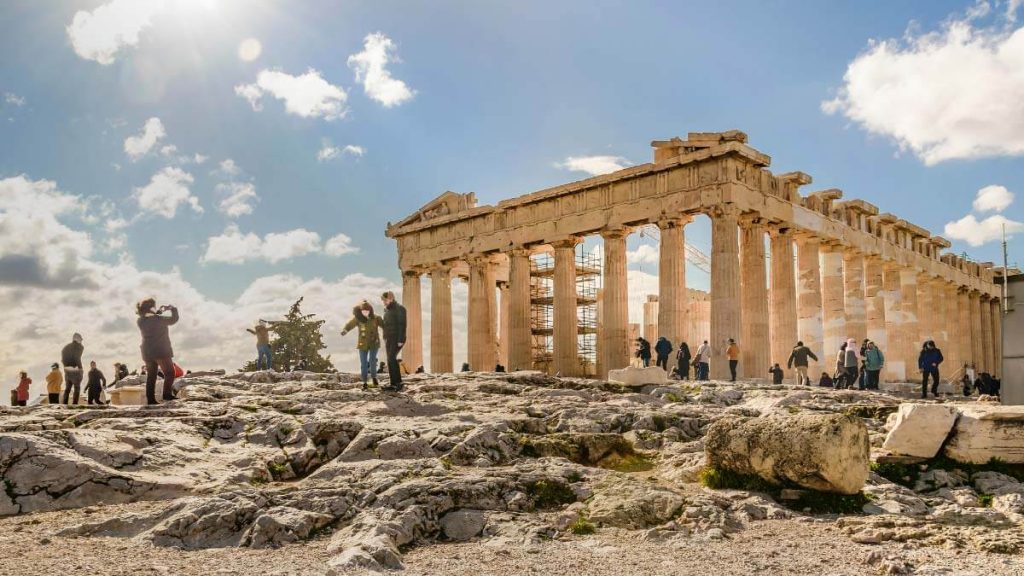
If names like Agamemnon and Pericles make your heart race, a Classical Greece tour is non-negotiable. These itineraries focus heavily on the mainland and the Peloponnese. You will likely visit Nafplion (the first capital of modern Greece), the ancient stadium at Olympia, the oracle at Delphi, and the hanging monasteries of Meteora. We always advise history buffs to look for tours that include “skip-the-line” access, as the midday sun and crowds at the Acropolis can be intense. These tours are education-heavy, often led by licensed guides with deep archaeological knowledge.
Island Hopping Cruises and Sailing Adventures
For many, Greece is the islands. Island hopping tours come in two flavors: the ferry-based itinerary and the cruise/sailing itinerary. A typical semi-guided 11-day trip might hop from Mykonos to Paros and Naxos, including volcanic cruises. But, we personally advocate for smaller sailing experiences if you want to see the coastline. Large cruise ships often dock far from the main towns, limiting your time. A smaller catamaran or yacht tour allows you to swim in inaccessible coves in Milos or Kleftiko, places we have visited thousands of times and still find breathtaking.
Culinary, Wine, and Cultural Immersion Tours
Food is the language of Greece. Culinary and cultural tours are moving beyond simple feta-tasting. High-end operators now offer experiences like exploring the tavernas of Hydra (where no cars are allowed) or diving into the gastronomy of Crete, specifically around Knossos and Elounda. These tours focus on “slow travel.” You aren’t just eating: you are visiting olive oil presses, learning about honey production, and understanding why food in villages like Mystras tastes different than in the city.
Active Tours for Hiking and Watersports
Finally, for the movers and shakers, active tours unlock a side of Greece few see from a bus window. Imagine exploring the pillars of Meteora on an E-bike, taking a 4×4 safari through the Pindus mountains, or kayaking the coastline of Santorini. These tours require a baseline level of fitness but will reward you with endorphins and views that standard tourists miss. If you are the type who can’t sit still on a sunbed for more than an hour, this is your category.
Matching Regions to Your Tour Goals
One of the biggest mistakes we see travelers make is trying to “do it all.” Greece is regionally diverse. The lush, rain-fed Ionian islands feel entirely different from the arid, wind-swept Cyclades. Matching the region to your vibe is crucial.
The Cyclades: Iconic Landscapes and Vibrant Nightlife
When you picture Greece, sugar-cube houses, blue domes, and barren landscapes against deep blue water, you are picturing the Cyclades. This is the heavyweight champion of Greek tourism. If you want iconic nightlife, luxury shopping, and world-class dining, Mykonos and Santorini are the go-to spots. But, we also encourage looking at itineraries that include Naxos or Paros for a more traditional, laid-back Cycladic experience. This region is perfect for first-timers who want that quintessential postcard aesthetic.
The Ionian Islands: Lush Scenery and Relaxed Sailing
On the western side of Greece, the Ionian islands (like Corfu, Lefkada, and Zakynthos) offer a stark contrast. The architecture here is Venetian, not Cycladic, and the islands are incredibly green due to higher rainfall in winter. The vibe here is generally more relaxed and family-oriented. Sailing tours are particularly popular here because the waters are calmer than the Aegean, making it ideal for those prone to seasickness. If you love nature, trees touching the sea, and a slightly Italian flair, head here.
The Peloponnese and Mainland: Ancient Myths and Diverse Terrain
For the serious traveler, the Peloponnese and Mainland offer the deepest jump into the Greek soul. This is where the myths were born. From the fortress of Mystras to the Lion Gate at Mycenae, the history here is palpable. But it’s not just ruins: the terrain is diverse, featuring rugged mountains, olive groves, and stone villages in Mani. We spend a lot of time in Laconia and Messinia, and we can tell you: the hospitality here is fierce and authentic. It’s less about tourism and more about tradition.
Crete: A Blend of Gastronomy, History, and Beaches
Crete is almost a country on its own. It is huge, proud, and incredibly diverse. A tour here requires time. You have the ancient Minoan history at Knossos, the cosmopolitan vibe of Heraklion, and the luxury resorts of Elounda. But you also have wild mountain ranges and some of the best food in Greece. If you are a foodie or a history lover who also demands excellent beaches, Crete is the singular answer.
Important Logistical Factors to Consider
Once the dream is defined, reality must set in. Logistics can make or break a Greek holiday. We have seen too many people book a high-paced tour in the middle of a heatwave and regret it.
Setting a Realistic Budget for Your Greek Getaway
Greece caters to all wallets, but transparency is key. An entry-level structured tour usually starts around $2,100 for an 8-11-day trip. But remember that premiums for high season, single supplements, and private transfers can double that. When looking at “cheap” tours, check the fine print. Does it include ferry tickets? Are the hotels central, or are they 20 minutes outside of town? We always advise allocating an extra 20% for incidental costs like city taxes and spontaneous tavern lunches.
Deciding on the Best Season for Your Specific Tour Type
Timing is everything. July and August are peak season. It is hot, crowded, and expensive. If you are doing a cultural tour involving lots of walking (like the Acropolis or Delphi), avoid these months if possible: the heat radiates off the marble. The best time for sightseeing is May, June, September, and October. But if your main goal is swimming and beach parties, July and August are when the islands are most alive. Just be aware of the Meltemi, the strong northern winds that hit the Cyclades in August, which can disrupt ferry schedules and sailing tours.
Understanding Pace and Mobility Requirements
Be honest about your fitness. Greece is mountainous and paved with cobblestones. Many “Best of” itineraries are fast-paced: early wake-ups and constant movement suit fit travelers who want to maximize their checklist. If you have mobility issues, verify accessibility. Many boutique hotels in places like Santorini or Monemvasia are accessible only by steep stairs. Check inclusions specifically for transfers; getting from a ferry port to a hotel with luggage is not something you want to improvise.
How to Vet and Finalize Your Tour Operator
The final step is trust. You are handing over your vacation days and hard-earned money to a stranger. Vetting is essential.
Analyzing Inclusions, Exclusions, and Hidden Fees
Look closely at what is not included. Most tours include breakfasts, but what about dinners? In Greece, dining out is affordable, so a Bed & Breakfast basis often gives you more freedom than half-board. Check entrance fees to archaeological sites; they add up. Also, verify ferry classes: there is a big difference between a reserved seat on a high-speed catamaran and a deck ticket on a slow ferry.
Researching Reviews and Operator Credibility
Don’t just read the star rating: read the narrative. Platforms like TourRadar feature tours with averages of 4.7/5 from 100+ travelers, which is a good benchmark. Look for comments about the guides, are they locals? Do they handle disruptions well? For custom luxury trips, prioritize established names like Audley or reputable local agencies that have boots on the ground. As locals, we know that things in Greece can happen on “Greek time,” and having a credible operator who can pivot quickly when a ferry is cancelled is worth every penny.
Conclusion
Choosing the right Greek tour is about honesty, being honest about your budget, your energy levels, and what truly excites you. Whether you choose the structured ease of a large group bus tour through the Classics, the intimacy of a small group sailing the Cyclades, or a completely custom itinerary through the wild Peloponnese, the goal is the same: to connect with the spirit of this land.
We hope this guide serves as a compass for your planning. Greece is a country that rewards curiosity and patience. So, take your time, vet your options, and pick the path that leads you to your own personal Odyssey. We look forward to welcoming you to our home.
Key Takeaways
- Choosing the right Greek tour begins by determining your travel style, ranging from structured large group itineraries to flexible private adventures.
- Align your trip with a specific theme, such as a Classical Greece tour for history buffs or a sailing charter for island hopping.
- Select a region that matches your desired atmosphere, distinguishing between the famous Cyclades, the lush Ionian islands, and the authentic Peloponnese.
- Optimize your experience by visiting during shoulder seasons like May or October to avoid the intense summer heat and peak crowds.
- Vet operators carefully by analyzing reviews and checking for hidden exclusions like ferry transfers or entrance fees before finalizing your booking.
Frequently Asked Questions About Greek Tours
What is the main difference between large and small group tours in Greece?
Large group tours are generally more affordable and efficient, often covering “Classical Greece” highlights like the Acropolis and Delphi. However, small group tours offer more intimacy, allowing access to authentic tavernas that cannot accommodate large buses and providing more personal interaction with local guides.
How far in advance should I book a Greece travel package?
For peak summer travel (July and August), it is best to book your Greece travel package 9–12 months in advance to secure preferred hotels and ferry schedules. For shoulder seasons like May or October, booking 4–6 months ahead is usually sufficient to ensure availability on popular routes.
Which Greek region is best for history lovers versus beach enthusiasts?
Travelers focused on history should choose a tour covering the Mainland and Peloponnese to visit sites like Olympia, Delphi, and Mycenae. Conversely, those seeking iconic beaches and nightlife should prioritize the Cyclades (Santorini, Mykonos) or the lush Ionian islands for a more relaxed, nature-focused sailing experience.
Is tipping customary for tour guides and drivers in Greece?
Yes, tipping is standard practice and highly appreciated. For multi-day guided tours, it is customary to tip the tour guide approximately €4–€6 per person per day, and the driver €2–€3 per person per day, depending on the level of service and your overall satisfaction.
When is the best time of year to take a Greek tour?
The ideal time for sightseeing and cultural tours is May, June, September, and October to avoid the intense heat and crowds. If your priority is swimming and island nightlife, July and August are best, though you must prepare for higher prices and the strong “Meltemi” winds in the Cyclades.
What hidden costs should I look for when vetting a tour operator?
Always check if the advertised price includes entrance fees to archaeological sites, specific ferry classes (high-speed vs. slow deck tickets), and hotel transfers. Additionally, confirm whether dinners are included; often, a Bed & Breakfast basis offers more culinary freedom but requires a separate budget for dining out.
See more about Greece Tours:
- How to Get to Olympia, Greece and What to See: Explore the Archaeological Site of Olympia
- Hydra
- Ikaria Travel Guide: Visit Ikaria Greece – Ikaria Island Adventure & Nature Guide
- Ios Greece Guide: Exploring One of The Best Cyclades Island
- Ithaca Ithaki
- Kefalonia Tours and Excursions – Book Through the Locals for Unique Experiences
- Kos Tours and Travel: Discover Kos Greece with the Best Tours
- Kythira Travel Guide: Discover Kythera’s Beautiful Island
- Lefkada Slow Guide: Where to Stay in Lefkada Island, Greece – Best Areas and Hotel
- Meteora Greece: Explore Meteora Monasteries & Unforgettable Meteora Tours
- Milos Travel: The Ultimate Guide to Milos, Greece
- Mycenae Tours: Experience Legendary Archaeological Site