
Ithaki Travel Guide: Best Tours, Boat Trips, And Island Experiences
When people ask me which Greek island still feels truly authentic, Ithaca (or Ithaki as we say in Greek) is always near the top of my list. It’s small, green, and quiet, but the coastline is wild and dramatic, perfect for boat tours, sea caves, and hidden coves that you simply can’t reach by car.
In this Ithaki travel guide I’ll walk you through the best boat tours and trips, how to visit Ithaca island, how to get there (especially from Kefalonia), and how to plan a realistic itinerary with beaches, villages, and hikes. I’ll also share the small, practical things I’ve learned over many summers island-hopping all over Greece.
Whether you’re planning a relaxed family trip to Ithaca Greece, a romantic escape with sunset cruises, or a more active holiday with kayaking, snorkeling, and hiking, this guide will help you choose the right Ithaca tours, book ferries, and avoid the usual first‑timer mistakes. Let’s start with why Ithaca is so special among the Ionian Islands.
Read more in My Greece Tours.
The tours below cruise from Kefalonia to Ithaca’s coves and villages and walk Kioni, the monastery and Vathy with a guide.
Why Visit Ithaca (Ithaki): Myth, Nature, And Ionian Island Charm
Ithaca is famous as the homeland of Odysseus, but it’s much more than a mythological name on a map. When I first approached Ithaki by boat, what struck me most was how unspoiled it felt compared with more famous neighbors like Kefalonia and Corfu.
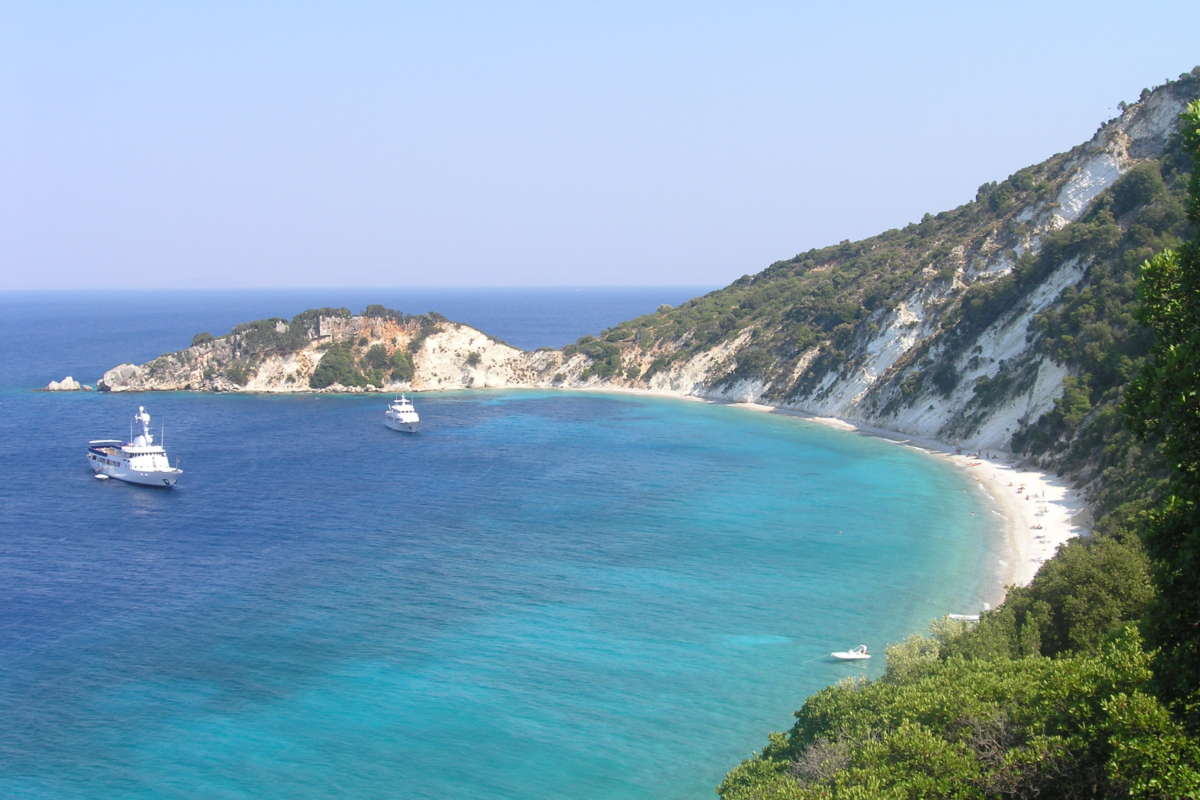
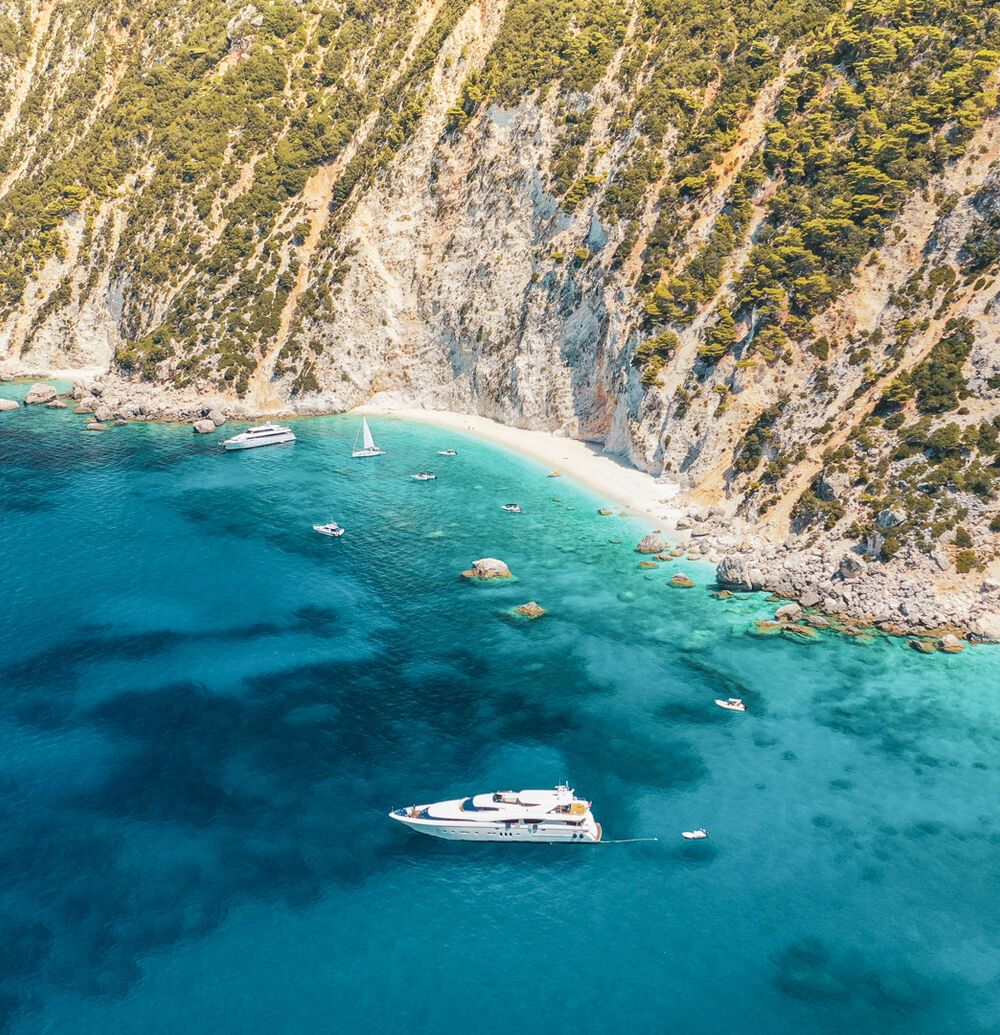
The coastline is steep and deeply indented, which means countless small coves, turquoise water, and white-pebble beaches that look like they belong in a travel brochure. Many of the best beaches in Ithaca Greece are only accessible by boat or a serious hike, so boat tours aren’t just “nice to have” here – they’re the key to really seeing the island.
Inland, Ithaca is a patchwork of cypress trees, olive groves, and tiny traditional villages where life still follows a slower rhythm. You’ll find old men drinking Greek coffee in village kafenia, fishing boats unloading in the harbor of Vathy, and kids jumping from the quay at sunset.
Compared with other Ionian Islands, Ithaca tourism is low-key: fewer big resorts, more small family-run hotels and rooms, and a strong local character. If you’re looking for loud nightlife, this isn’t your island. If you’re dreaming of clear water, quiet bays, boat trips, good food, and a sense that you’re in “real” Greece, Ithaca delivers.
And of course, there’s the mythology. From the Cave of the Nymphs to sites associated (rightly or wrongly) with Odysseus’s palace, the island is full of places where legend and landscape overlap. Even if you’re not a history nerd, it adds a special atmosphere when you’re sailing into a bay knowing poets have written about it for 3,000 years.
Where is Ithaca, and how is the island shaped?
Ithaca lies in the Ionian Sea off the north-east coast of Kefalonia, across the Strait of Ithaca. The main island covers 96 km², recorded 2,862 residents in the 2021 census and splits into two halves joined by the 600-metre Aetos isthmus.
Ithaca is the second-smallest of the seven main Ionian Islands after Paxi, and it forms its own regional unit and single municipality, with Vathy as the capital. Greeks call the island Ithaki; Byzantine Greek sources used the forms Thiaki and Thiakou, medieval Italian sources called it Val di Compare or Piccola Cephallonia, “little Kefalonia”, Venetian records Teaki and Ottoman records Fiaki. The regional unit covers 117.8 km² and has about 100 km of coastline. The main island runs 23 km from north to south and never exceeds 6 km in width.
The northern half rises to Mount Niritos (Neritos), 806 metres high, the mountain the Odyssey names Neriton and calls conspicuous from afar. The southern half peaks at Merovigli, 669 metres. Between the halves, the Gulf of Molos cuts in from the east, and its southern arm forms the deep natural harbour of Vathy, a name that means “deep” in Greek, with the islet of Lazaretto at the entrance to the bay. The ground is mountainous and rocky, with little arable land and scarce water, and that terrain has shaped where Ithacans built their villages and how they earned a living.
- North Ithaca: Mount Niritos, Stavros (the second-largest village), Anogi, Exogi, Platrithias, Frikes and Kioni.
- Aetos isthmus: the 600-metre neck below Aetos hill, with the port of Piso Aetos on the western shore.
- South Ithaca: Vathy, Perachori and Mount Merovigli, wrapped around the Gulf of Molos.
- Capes: Melissa at the northern tip, Agios Andreas at the southern tip and Exogi at the western edge.
The Strait of Ithaca is the channel crossed on an Ithaca day trip from Kefalonia: ferries from Sami land at Piso Aetos on the isthmus, and a northern route links Fiskardo with Frikes. Ithaca has no airport, so every arrival comes by sea, from Kefalonia, Lefkada, Patras or Astakos, and travellers weighing this Ionian island against a volcanic Cycladic one can turn to our Milos vs Ithaca comparison.
Is modern Ithaca the Ithaca of Homer’s Odyssey?
Mainstream scholarship identifies modern Ithaca with Homer’s Ithaca, following the geographer Strabo in the 1st century AD. Rival theories place the home of Odysseus on Lefkada or on Paliki, the western peninsula of Kefalonia, but ancient coins and inscriptions show the island honoured Odysseus.
The debate starts in the poem. The Odyssey calls the island low-lying and farthest out toward the sunset, yet Ithaki is mountainous and lies east of Kefalonia; Strabo read the words as “close to the mainland” and “farthest north”. Wilhelm Dörpfeld placed the palace of Odysseus west of Nidri on Lefkada in 1927. Robert Bittlestone’s 2005 book Odysseus Unbound, written with James Diggle and John Underhill, argued that Paliki was a separate island at the time of the Trojan War, cut off by a sea channel that rockfalls later closed. No scientific review publication supports that channel, and the team has since recanted it. Modern scholars explain the gaps between the poem and the map as poetic licence or as the work of a poet who never saw the island.
Ancient coins carry the name Ithaca and the image of Odysseus, and a 3rd-century BC inscription records a hero-shrine of Odysseus and games called the Odysseia.
- School of Homer (Agios Athanasios): in the north near Exogi, where Greek archaeologists reported palace remains in 2010 and a University of Ioannina team led by Thanasis Papadopoulos and Litsa Kontorli-Papadopoulou identified a Mycenaean citadel; it is the only site in the Lefkada–Kefalonia–Ithaca triangle with possible Linear B inscriptions.
- Cave of the Nymphs (Marmarospilia): above the bay of Dexa near Vathy, matched to book 13, lines 102–112 of the Odyssey: a cave with two gates, one for mortals and one for gods, where Odysseus hides the gifts of the Phaeacians.
- Arethusa spring: the Odyssey places the swineherd Eumaeus beside the Rock of Korax and the Arethusa spring; a spring at Pera Pigadi in the south carries the name, a speculative match.
- Aetos hill (Alalkomenes): the summit above the isthmus, whose old fortress marks the site of ancient Alalkomenes, a town that Odysseus, in myth, named after his Boeotian birthplace.
Heinrich Schliemann dug on Aetos in 1868 and came back in 1878 to search for a site named in the Odyssey; he also matched the Polis cave near Stavros to the cave Odysseus visited on his return. Walter Abel Heurtley and his protégé Sylvia Benton of the British School at Athens excavated on Ithaca in the late 1920s and early 1930s. In the Polis cave, Benton recovered 12 bronze tripod cauldrons of the 9th and 8th centuries BC and terracottas dedicated to the Nymphs and to Odysseus. Worship in the cave ran from the Early Helladic period to Roman times, and its votive offerings show that the Nymphs were the main focus of the rites.
What happened on Ithaca from the Venetians to the 1953 earthquake?
Venice ruled Ithaca from 1500 to 1797 and repopulated the empty island. French, Russo-Ottoman and British rule followed until the 1864 Treaty of London united the Ionian Islands with Greece, and the magnitude 6.8 earthquake of 12 August 1953 devastated Vathy.
Pirate raids had emptied the coast in the Middle Ages, so in 1504 the Venetian Senate offered tax exemptions to settlers from neighbouring islands and the mainland. Cretan settlers and the Karavias family followed around the fall of Candia. Families moved down from the hill village of Palaiochora to the harbour of Vathy, and from 1560 the islet of Lazaretto served as a 40-day quarantine station for ships entering the harbour. The islet keeps its chapel of the Transfiguration of the Saviour, built in 1668, and the remains of an old gaol.
- 1797–1798, French: the Treaty of Campo Formio gave the islands to France, and Ithaca lent its name to the département of Ithaque as its honorary capital, while the prefecture sat at Argostoli on Kefalonia.
- 1798–1807, Russo-Ottoman: a force under admirals Fyodor Ushakov and Kadir Bey took the islands, Ithaca held 1 of 14 senate seats in the Septinsular Republic, and its ships carried cargo to the Black Sea.
- 1807–1809, French again: the French built a fort on Loutsa hill at the entrance to Vathy harbour.
- 1809–1864, British: the 1815 Treaty of Paris made the United States of the Ionian Islands a British protectorate, and Ithacans fought at the siege of Messolongi and in naval battles against Ottoman ships on the Black Sea and the Danube.
- 1864, Greek: the Treaty of London ceded Ithaki and the other six islands to Greece under King George I.
Shipbuilding, trade and fishing made Vathy wealthy: its 19th-century dockyard launched over 200 ships, and the town reached about 5,000 people under British rule before shipping declined in the 1920s. The 1953 earthquake hit intensity X on the Mercalli scale and killed between 445 and 800 people across the southern Ionian Islands, and families from the stricken islands emigrated to Canada, the United States, Australia and the United Kingdom. Vathy was rebuilt in its original Venetian style, and a 1978 law fixes the style and colour of every repair and new building in the town.
Ithaca keeps its finds in two archaeological museums, at Vathy and at Stavros. Sylvia Benton studied the Polis cave bronzes at the Vathy museum for years, and after the 1953 earthquake she reached Ithaca on a Greek minesweeper and, at 66, is said to have dived from the deck to be the first person ashore. She then helped restore the museums at Vathy and Stavros, dividing her time between Ithaca and her home in Oxford.
Why did Cavafy’s poem make Ithaca a symbol of the journey?
C. P. Cavafy’s “Ithaka”, finished in October 1910 and published in Alexandria in November 1911, turns the homecoming of Odysseus into advice for every reader: the long road and its lessons matter more than the arrival, so Ithaca became the symbol of a life’s journey.
Cavafy, then 48, printed the poem in the Alexandrian journal Grammata under the Greek title Ithaki, and it became the ninth of 40 poems in his collection Poems 1905–1915. It grew out of “A Second Odyssey”, an early version he wrote in 1894. The final version addresses the reader in the second person, opens with “As you set out for Ithaka” in the Keeley and Sherrard translation, and asks for a long road at the start of the poem and again at the start of the second stanza.
- Laestrygonians, Cyclops and Poseidon: the fears a traveller meets only by carrying them in the soul.
- Phoenician markets: the fine goods and pleasures gathered at each port of call.
- Egyptian cities: the knowledge learned from scholars along the route.
- Ithaka itself: the goal that gives the journey its purpose, even when the island proves poor on arrival.
E. M. Forster introduced Cavafy’s poems to English readers in 1923, and T. S. Eliot printed “Ithaka” in his journal The Criterion in 1924; Edmund Keeley and Philip Sherrard used the spelling “Ithaka” in their 1975 translation. In 1994 Maurice Tempelsman read the poem at the funeral of Jacqueline Kennedy Onassis, adding two verses of his own, and the reading made Cavafy a bestseller for a time that year. Through the poem, Ithaca stands for the experience and wisdom gained on the way to any goal.
How To Get To Ithaca Island And Around The Island
Reaching Ithaca Greece is a little more involved than flying into a big resort island, but that’s exactly why it has stayed so peaceful. There’s no airport on Ithaca, so you’ll come by sea – usually via Kefalonia or the Greek mainland.
Ferries To Ithaca Greece: Routes, Tickets, And Practical Tips
The most useful routes for most travelers are:
- Ithaca ferry from Kefalonia
This is the classic combination. You can:
- Take a ferry from Sami (Kefalonia) to Pisaetos (Ithaca) – usually the simplest and most frequent route in summer.
- In some seasons, there are also connections via Poros (Kefalonia).
- Patras to Ithaca ferry (via Kefalonia)
On the mainland, Patras is a major port in western Greece. Ferries typically run Patras → Sami (Kefalonia) and then you connect onward to Ithaca. It’s not usually a direct Patras–Ithaca line, so think of it as a two-step journey: mainland to Kefalonia, then Kefalonia to Ithaca.
- Other mainland ports (Kyllini, Astakos)
From Kyllini you sail to Kefalonia, then continue to Ithaca. From Astakos on the mainland you may find seasonal connections to Ithaca or via Kefalonia. These options change more often, so I always double‑check closer to travel dates.
How to book ferry to Ithaca
For Ithaca travel in July–August, I always recommend booking tickets in advance, especially if you have a car. Use major Greek ferry comparison sites or book directly on the ferry company’s website. For shoulder season (May–June, September), last-minute tickets at the port are usually fine for foot passengers.
A couple of practical tips:
- Check both Ithaki and Ithaca spellings on booking sites.
- Watch for two ports on the island: Pisaetos (main ferry port) and Vathy (some services, usually smaller boats or excursions).
- Ferry schedules are seasonal, and routes or times may change year to year.
Ithaca Transportation Guide: Getting Around By Car, Bus, Taxi, And Boat
Once you arrive, Ithaca is quite compact but mountainous, with winding roads and a lot of views. To enjoy the island fully, especially traditional villages and trailheads for hiking in Ithaca, I strongly prefer having my own wheels.
Car or scooter rental
- Best option for flexibility, especially if you’re staying outside Vathy or want to explore the north around Stavros and Frikes.
- Reserve in advance in high season – small islands run out of cars quickly.
Bus
- There is a basic local KTEL bus connecting Vathy with some villages, but it’s limited and tailored more to local needs than tourists.
- Don’t plan your whole Ithaca itinerary around bus times – use it as backup, not your main tool.
Taxi
- Available in Vathy and main villages: handy for short transfers (for example, port to hotel) or if you want to hike in one direction and take a taxi back.
- Always ask for an approximate price before you get in.
Boat
- For Ithaki, the real transportation magic happens on the water. You can:
- Join organized boat tours around Ithaca.
- Rent a small self-drive boat (no license for low-horsepower boats, but always follow safety rules).
- Combine taxis or buses inland with boat trips from Vathy, Kioni, or Frikes.
If you don’t feel like driving at all, you can still see a lot by basing yourself in Vathy and relying on boat tours and a few taxi rides, but you’ll enjoy the island more with at least some independent transport.
Top Ithaki Boat Tours And Day Trips
Boat tours are the number one experience I recommend for Ithaca travel. The island’s best beaches, caves, and coastal scenery reveal themselves only when you’re out on the water.
Classic Boat Tours Around Ithaca
Most classic boat tours around Ithaca start from Vathy, Kioni, or Frikes and usually run as full-day or long half‑day trips. Typical highlights include:
- Gidaki Beach – often reached only by boat: a long, white-pebble beach with unbelievable turquoise water.
- Afales Bay – dramatic cliffs, scattered small coves, and some of the best swimming in Ithaca Greece.
- Cave of the Nymphs (Nymfon) – associated with Odysseus: some tours point it out from the sea or stop nearby.
- Small fishing ports – like Kioni or Frikes for a lunch stop, coffee, or a quick stroll.
On these tours, you’ll usually have several swimming stops, snorkeling opportunities, and a relaxed lunch break at a seaside taverna. For first-time visitors who want a single, all‑round introduction to Ithaca attractions by sea, this is the tour I’d start with.
Island-Hopping Trips In The Ionian Islands From Ithaca
If, like me, you love combining islands, Ithaca is a great base for Ionian island-hopping by boat.
Cruises, jet boats, private speedboats and sailing days to the coves of Ithaca and the islet of Atokos, from Sami, Agia Efimia, Skala and Vathy, are compared on the Ithaca boat trip page.
Travellers based on Lefkada reach the island by boat from Nydri: the Ithaca day trip from Lefkada page covers the cruises, the route, the ferry, Kioni, Vathy, the northern villages and the swim stops.
From Ithaca you can find boat trips or transfers to:
- Kefalonia – often to Sami, Fiskardo, or small northern coves.
- Atokos – an uninhabited islet with crazy-blue water, ideal for swimming and snorkeling.
- Arkoudi, Meganisi or Lefkada (on some itineraries) – more common as private or semi-private trips.
These tours are perfect if you’re staying 5–7 days on Ithaca and want to see more of the Ionian Islands without re‑packing your luggage. Think of them as day-hopping rather than full-on relocation.
Private, Luxury, And Small-Group Boat Tours
For honeymooners, families, or groups of friends who prefer flexibility, private or small‑group boat tours are worth the extra money.
What I personally like about private Ithaca boat tours:
- Custom itinerary – want more time on a hidden beach and less at crowded stops? Easy.
- Timing control – you can leave earlier or later to avoid the busiest hours, especially in July–August.
- Special interests – photography, snorkeling, fishing, or visiting specific bays you’ve researched.
Options include:
- RIB or speedboat tours – fast and fun, great for covering more coastline.
- Traditional wooden kaiki – slower, more atmospheric, and usually more spacious.
- Yacht or catamaran day charters – the most comfortable (and most expensive) way to spend a day at sea.
If you’re visiting in peak season, I’d reserve at least one boat trip before you arrive, especially if your dates are fixed or you’re traveling with kids.
Adventure On The Water: Kayaking, Sailing, And Snorkeling In Ithaca
If you’re like me and can’t sit still on a beach for too long, Ithaca offers plenty of active ways to enjoy the sea beyond standard boat tours.
Kayaking In Ithaca: Caves, Cliffs, And Calm Bays
Kayaking in Ithaca is one of the best ways to feel close to the coastline. Guided sea-kayak trips usually:
- Start from Vathy or Kioni, depending on the route.
- Follow calm stretches of coast with high cliffs and small caves.
- Include swim and snorkel stops in quiet bays.
Because Ithaca sits in the protected Ionian Sea, conditions are often ideal for beginners, especially in the morning when winds are lighter. Multi-hour tours are common, and some outfitters offer sunset paddles, which I always recommend if you’re visiting in the heat of July or August.
If you rent a kayak independently, stay close to shore, watch boat traffic, and avoid crossing large open bays unless you really know what you’re doing.
Sailing Trips, Fishing Excursions, And Sunset Cruises
If your dream is to raise the sails and glide between islands, you’ll find:
- Day-sailing trips along Ithaca’s coast with swim stops and lunch on board.
- Multi-day sailing holidays that include Ithaca, Kefalonia, Lefkada, and smaller islands like Meganisi.
Even if you’re not interested in handling the sails, you can join as a passenger and let the skipper worry about the wind while you focus on the views.
For something more local and down-to-earth, look for:
- Fishing excursions with Ithacan skippers – early-morning trips where you can help pull in nets or lines and sometimes eat your catch later in a taverna.
- Short sunset cruises – usually 1.5–3 hours, perfect if you’re traveling with kids or don’t want a full day at sea.
Where there’s clear water there’s always good snorkeling, and Ithaca is no exception. Most boat tours will happily lend basic equipment, but if you’re serious about snorkeling, I always suggest bringing your own mask – nothing ruins a perfect cove like a leaking rental mask.
Best Beaches In Ithaca Greece To Visit By Boat
When I plan Ithaca travel itineraries for friends, I always start from the beaches and work backwards. The coastline is the island’s main “wow” factor, and seeing it from the sea changes everything.
Iconic Ithaca Beaches You Should Not Miss
Some of the best beaches in Ithaca Greece are classics for a reason:
- Gidaki Beach – Long, curved, white pebbles and crystal water. Accessible by boat and also by a demanding path: in summer, small shuttle boats run from Vathy.
- Afales Bay (Afales Beach and nearby coves) – In the north, beneath high cliffs. Many boat tours anchor here for swimming.
- Skinos Bay – Protected and green, great for calm anchorage and relaxed swims.
- Dexa Beach – Near Vathy, linked with Odysseus legends: easy to access by road but also a nice short boat-stop.
Visit at least one of these by boat so you see the full color of the water and the surrounding cliffs.
Hidden Beaches In Ithaca Island Accessible Only By Boat Or Hike
Ithaca’s magic really reveals itself in the smaller, unnamed coves. Around Afales, the east coast south of Vathy, and the areas between Kioni and Frikes, you’ll find:
- Tiny pebble coves with no facilities at all – just rocks, trees and sea.
- Sea caves where the water turns deep electric blue.
- Short strips of pebble beach under cliffs that you’ll likely share with only a few other boats.
These are the hidden beaches in Ithaca island that organized tours often include as “secret spots”. If you rent a self-drive boat, always follow local advice about safe anchoring and distances from the shore.
Family-Friendly Beaches And Stops On Boat Tours
For family travel to Ithaca Greece, you want beaches with:
- Relatively calm water and shelter from wind.
- Easy shore access (not too many slippery rocks).
- Options for shade and snacks.
Good candidates include:
- Filiatro Beach – Near Vathy, partly organized, usually a stop or at least a pass-by on some boat trips.
- Gidaki – Fine with kids who are comfortable in deeper water: bring sun protection, as natural shade is limited.
- Kioni Bay – Not a classic big beach, but a lovely stop for swimming off the boat and then ice cream or lunch in the village.
When booking Ithaca boat tours, tell the operator you’re with children. Skippers are usually happy to adjust the route to include more relaxed, kid-friendly stops and shorter hops between bays.
Things To Do In Ithaca Beyond The Sea
I love the sea, but even I need a day or two on land. Luckily, Ithaca offers a good mix of villages, gentle hikes, and cultural sites that fit nicely around your boat days.
Vathy Ithaca: Harbor Life, Cafés, And Evening Strolls
Vathy is the main town and heart of Ithaca tourism. It sits in a deep, naturally protected bay that looks especially beautiful when you sail in.
Private cars with a driver or a licensed guide, from Vathy or from Kefalonia by ferry, to the Homeric sites, Vathy, Stavros, Kioni and Frikes, are compared on the Ithaca private tour page.
In Vathy you can:
- Wander the harborfront promenade, watching fishing boats and yachts.
- Sit at a café for a Greek coffee or iced freddo and just people‑watch.
- Visit the Archaeological Museum of Ithaca and Folk & Maritime Museum to get a feel for Ithaca history and culture.
- Shop for local products like olive oil, thyme honey, and handmade soaps.
In the evening, I like to take a slow walk around the harbor, then stop at a taverna for fresh fish or a big plate of meze.
Traditional Villages In Ithaca And Cultural Sites To Explore
Outside Vathy, the island is dotted with traditional villages:
- Stavros – A key village in the north, with a small square and a museum with finds linked to Odysseus.
- Kioni – Picture‑perfect harbor with stone houses, flowers, and seaside tavernas.
- Frikes – Small fishing village with a few excellent places to eat by the water.
Among cultural sites in Ithaca Greece, don’t miss:
- Archaeological sites around Stavros and Pilikata, connected with possible locations of Odysseus’s palace.
- Churches and chapels with nice views, like those around Perachori.
- Remains from the Venetian and later periods, visible in architecture and village layouts.
Hiking In Ithaca: Scenic Trails, Viewpoints, And Odysseus Legends
For such a small island, hiking in Ithaca is surprisingly rewarding. Trails are generally short to medium length and combine:
- Sea views over the Ionian Islands and mainland.
- Old stone paths, terraces, and olive groves.
- Sites named after Homeric locations, like Aetos, Arethousa Spring, or paths near Anogi.
Bring proper shoes (not just flip‑flops from the beach), plenty of water, and start early in summer to avoid the heat. Many routes are well cleared nowadays, but a simple offline map helps a lot.
Best Places To Visit In Ithaca: A Quick Island Bucket List
If you like simple lists, here’s a quick best places to visit in Ithaca starter set:
- Vathy – harbor, museums, evening atmosphere.
- Gidaki Beach – classic “wow” factor.
- Afales Bay – cliffs + turquoise water.
- Kioni and Frikes – traditional seaside villages.
- Stavros – for Odysseus-themed history.
- Perachori & viewpoints above Vathy – amazing panoramas.
- A boat-access only cove or two – ask your skipper for their favorite.
Plan at least one full boat day, one land-based day with villages and a short hike, and then adjust based on how much time you have.
Suggested Ithaca Travel Itineraries With Tours And Boat Trips
To make all this practical, here’s how I’d structure your time on the island, with a focus on boat tours and sea activities.
3-Day Ithaca Itinerary: Highlights And A Signature Boat Tour
Day 1 – Arrival and Vathy
- Arrive via ferry to Pisaetos and transfer to your hotel in Vathy.
- Evening stroll around the harbor, dinner at a seaside taverna.
- If you arrive early, quick swim at nearby Filiatro or Dexa.
Day 2 – Classic Ithaca boat tour
- Full-day boat tour around Ithaca, ideally from Vathy.
- Stops at Gidaki, Afales Bay, and at least one or two hidden coves.
- Lunch in Kioni or Frikes, with time to walk the village.
- Return to Vathy in the late afternoon: sunset drink on the waterfront.
Day 3 – Villages and viewpoints
- Rent a car or taxi up to Stavros for a few hours.
- Continue to Kioni for a relaxed lunch and swim.
- Optional short hike to a nearby viewpoint.
- Late afternoon ferry departure or extra night in Vathy.
5–7 Day Ithaca Itinerary: Beaches, Villages, Hiking, And Island-Hopping
With a week on Ithaki, you can slow down and mix sea days with land days.
Day 1 – Vathy base
- Arrive, settle into your hotel in Vathy.
- Evening walk, simple dinner, early night.
Day 2 – South & central coast by boat
- Half or full-day boat trip focusing on Gidaki, Skinos, Filiatro and nearby coves.
- Snorkeling and relaxed swimming.
- Back to Vathy for dinner.
Day 3 – North villages and Afales
- Rent a car and drive to Stavros, Frikes, and Kioni.
- Afternoon swim around Afales (by road or short local boat).
- Sunset in Kioni.
Day 4 – Hiking and viewpoints
- Morning hike near Perachori or one of the Odysseus-themed trails.
- Afternoon rest and café time in Vathy.
- Optional short sunset cruise.
Day 5 – Island-hopping day trip
- Join a boat tour that includes Atokos or a couple of nearby Ionian Islands like Kefalonia’s north coast.
- Lots of swimming and snorkeling in wilder settings.
Day 6 – Free day / backup for weather
- Keep one flexible day in case a boat trip needs to shift due to wind.
- Use it for another beach day, extra hike, or simply wandering Vathy and buying souvenirs.
Day 7 – Last swims and departure
- Quick morning swim near Vathy.
- Check out, ferry back to Kefalonia or the mainland.
These itineraries work well in any year: the main thing that changes year to year is the exact ferry schedule and which specific boat operators are running.
Ithaca Travel Tips: When To Go, What To Know, And How To Book
A few smart decisions before you arrive can make your Ithaca travel much smoother.
Best Time To Visit Ithaca For Boat Tours And Outdoor Activities
- May–June – My personal favorite: warm enough for swimming, lush green landscapes, quieter ferries to Ithaca Greece, and more availability for hotels and tours.
- July–August – Hottest and busiest. Sea conditions are excellent most days, but you must book ferry to Ithaca, accommodation, and popular boat tours well in advance.
- September–early October – Still warm sea, more relaxed vibe, great for hiking and boat trips without intense heat.
Winter and early spring see very limited tourism, and many services close, so they’re not ideal for typical Ithaca vacations.
What To Know Before Visiting Ithaca: Money, Weather, And Safety
A few essentials I always tell friends:
- Money – Greece uses the euro. Card acceptance is good in most tavernas, hotels, and bigger shops, but I always carry some cash for small cafés, bakeries, and boat-related tips.
- Weather – Expect strong sun. Even on a breezy boat day, you will burn without sunscreen, hat, and light cover‑up.
- Safety on the water – Listen to your skipper, respect swim time limits, and don’t jump from rocks you haven’t checked for depth. For self-drive boats, follow all instructions carefully.
- Roads – Mountain roads are winding but generally fine: just drive slowly and watch for goats.
Family Travel To Ithaca Greece: Practical Advice And Kid-Friendly Tours
Ithaca is excellent for families who prefer nature and the sea over amusement parks and shopping malls.
My tips for family travel Ithaca Greece:
- Choose Vathy, Kioni, or Frikes as a base – all have easy access to food, small shops, and relatively calm waterfronts.
- For boat tours with kids, pick shorter routes (4–6 hours instead of 8–9) and make sure there’s shade on board.
- Pack reef shoes for pebble beaches and occasional rocky entries.
- Always bring snacks and extra water for kids, even if the tour includes lunch.
Most local skippers have families of their own: they’re usually very understanding with children and know which stops are best for them.
Where To Stay, Eat, And Plan Your Ithaca Vacation
You don’t need a huge resort to enjoy Ithaca. In fact, most “hotels in Ithaca” are small family places, apartments, and guesthouses – which is exactly what keeps the island charming.
Hotels In Ithaca And Best Areas To Stay
Where you stay depends on your style:
- Vathy – Best for first-time visitors and those without a car. Close to many Ithaca attractions, boat tour departures, and bus/taxi options.
- Kioni – Romantic, quieter, with beautiful harbor views: ideal for couples and those who want to wake up close to the water.
- Frikes – Small, relaxed base in the north, good for exploring Afales and nearby villages.
- Countryside rooms and villas – Perfect if you want complete peace and don’t mind driving.
Book early for July and August, especially if you’re after sea-view rooms or family-sized apartments.
Ithaca Local Cuisine: Dishes To Try After A Day On The Water
Nothing tastes better than Greek food after a long swim. On Ithaca, look for:
- Fresh fish and seafood – grilled fish, fried gavros (anchovies), octopus in vinegar.
- Local stews – like stifado (slow-cooked meat with onions) and other home-style dishes.
- Pies – cheese pies or greens pies, often homemade.
- Simple but perfect Greek salads, fava (yellow split pea dip), tzatziki, and seasonal vegetables.
Ask for local wine or tsipouro, but if you’re sailing the next day, don’t overdo it.
Ithaca Vacation Packages And How To Combine Ferries, Tours, And Stays
If you prefer everything connected, you can build your own Ithaca vacation package by combining:
- Ferries to Ithaca Greece – decide first if you’ll route via Kefalonia, Patras, or another mainland port like Kyllini.
- Accommodation – book at least your first and last nights in advance, ideally in Vathy if it’s your first time.
- Boat tours – reserve at least one classic Ithaca boat tour and, if you’re staying longer, one island-hopping or private trip.
Leave a little flexibility in your schedule for weather changes – especially if your dream experiences are kayaking in Ithaca or a specific sailing day.
When everything is lined up – ferries, room, and at least one or two sea days – the rest of your time can flow naturally with how you feel and what the weather looks like.
Conclusion
Ithaca may be famous from Homer, but what makes Ithaki unforgettable today is much simpler: clear water, quiet bays, honest food, and an easy rhythm of life. With the right combination of boat tours, a few hikes, and evenings in Vathy or Kioni, you can experience an Ionian island that still feels like a secret.
Plan your ferries carefully, book at least one full-day boat trip in advance, and give yourself time both on the sea and in the villages. Do that, and Ithaca won’t just be a stop on your Greek island-hopping list – it’ll be one of the places you find yourself dreaming about long after you’ve gone back home.
Key Takeaways
- This Ithaki travel guide emphasizes that Ithaca’s wild coastline and many boat-access-only coves make Ithaca boat tours essential for experiencing the island’s best beaches and scenery.
- Most travelers reach Ithaca via Kefalonia or mainland ports like Patras and Kyllini, so planning ferry routes and booking tickets in advance—especially in July and August—is crucial.
- The top Ithaca boat tours include classic coastal cruises to Gidaki, Afales Bay, and hidden coves, as well as private and small-group options, kayaking trips, sailing, fishing excursions, and sunset cruises.
- Staying in Vathy, Kioni, or Frikes gives easy access to boat tours, traditional villages, and short hikes, allowing you to combine sea days with inland exploration and Odysseus-themed sites.
- A smart Ithaki travel itinerary mixes at least one full boat day with village visits, hikes, and flexible buffer days for weather, ensuring a relaxed yet complete experience of the island.
Frequently Asked Questions About Ithaca (Ithaki) Boat Tours and Trips
What makes Ithaca boat tours special compared with other Greek islands?
Ithaca’s coastline is steep and indented, with many of the best beaches only accessible by sea or serious hikes. Boat tours take you to spots like Gidaki Beach, Afales Bay, hidden coves, and Odysseus‑linked sites, so they’re the key experience in any Ithaki travel guide focused on nature and myth.
How do I get to Ithaca Greece for boat tours and island trips?
There’s no airport on Ithaca, so you must arrive by ferry. Most travelers route via Kefalonia, taking the Sami–Pisaetos line, or come from mainland ports like Patras, Kyllini, or Astakos with a Kefalonia connection. In July–August, book tickets in advance, especially if you’re bringing a car.
Do I need a car if I plan mainly Ithaca boat tours and sea trips?
If you stay in Vathy and focus on Ithaca boat tours, you can manage with taxis, occasional buses, and walking. However, renting a car or scooter gives much more flexibility for reaching villages like Stavros, Kioni, and Frikes, trailheads for hiking, and extra beaches before or after your boat days.
What are the best Ithaca boat tours for families with kids?
For families, choose shorter Ithaca boat trips (4–6 hours) with shaded boats and calm bays. Stops like Filiatro, Gidaki, Kioni Bay, and quiet coves near Vathy work well for children. Tell the operator you’re traveling with kids so the skipper can plan easier swims, shorter hops, and more relaxed stops.
How much do Ithaca boat tours usually cost and do I need to book in advance?
Prices vary by season and type: shared full‑day Ithaca boat tours often start around €40–€70 per person, while private RIBs, kaikia, or yachts can range from a few hundred euros upwards per day. In July–August and busy weekends, booking ahead is strongly recommended; shoulder season often allows more last‑minute flexibility.
Can I rent a small boat in Ithaca without a license and is it safe?
Yes, you can rent low‑horsepower self‑drive boats in Ithaca without a license, a popular option for exploring coves independently. It’s generally safe if you follow the briefing: stay close to shore, respect no‑go areas, watch weather and boat traffic, anchor carefully, and avoid long open‑water crossings if you’re inexperienced.
See more tours:
- Corfu Tours: Private Tours in Corfu, Walking Tours, Corfu Tour Guide & Guides
- Crete Travel Guide: Experience Crete, Greece – The Island Local Guide From a Local
- Ephesus Tours: Explore Ancient Ephesus Adventures with Ephesus Tour Packages
- Epidaurus Day Tour – Self-Guided Epidaurus Tours to Ancient Epidaurus
- Explore Delphi, Greece: Ultimate Guide to the Archaeological Site of Delphi
- Folegandros