
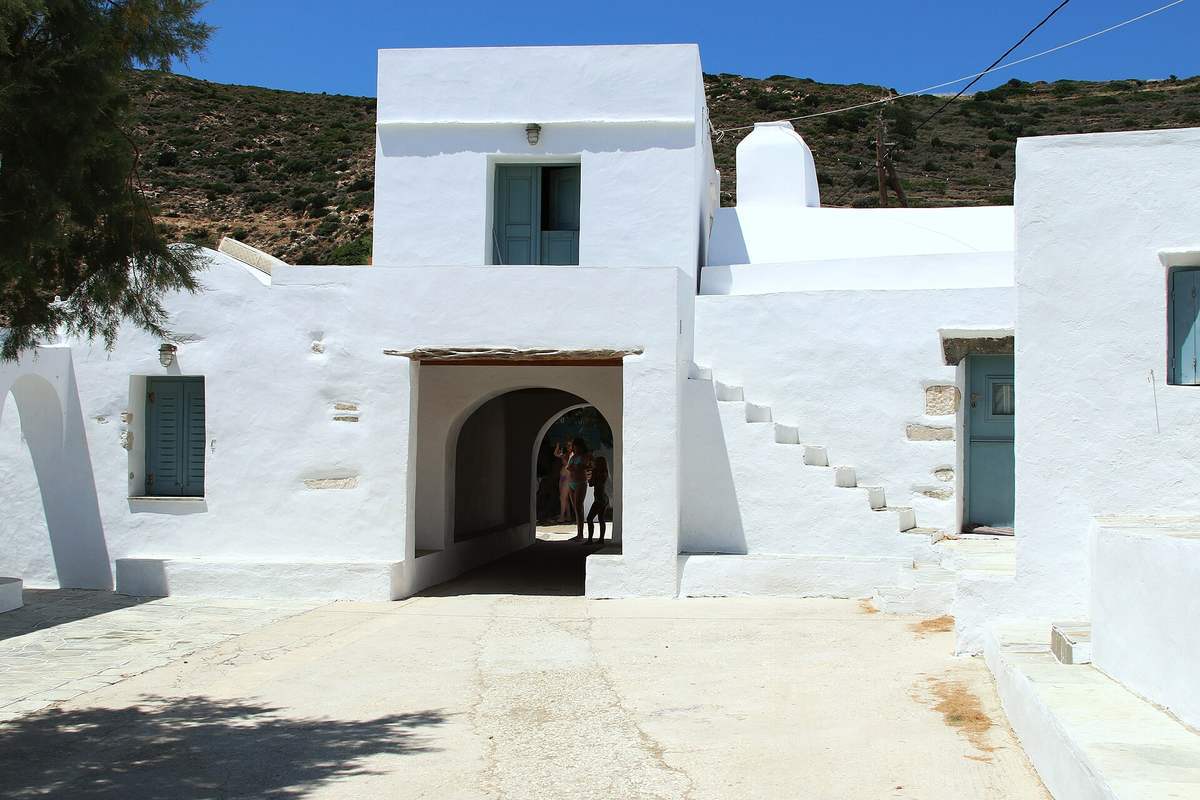
Choosing between Milos and Ithaca pits a dramatic volcanic Cycladic island against a small, green Ionian island steeped in the legend of Odysseus. Plan island tours and tickets through My Greece Tours.
This comparison is a common question in the Milos travel guide. The sections below compare the landscapes, the beaches, the vibe, the access and which island suits you best.
Which is better, Milos or Ithaca?
Milos is better for dramatic volcanic beaches, sea caves and boat trips, while Ithaca is better for green scenery, Homeric myth, quiet harbours and sailing. Choose Milos for spectacular Cycladic coves, Ithaca for lush calm, legend and an unspoilt Ionian charm.
Each island offers a different Greece. Milos is bare and volcanic. Ithaca is green and Ionian. The choice turns on taste.
Pick Milos for the coast. Coloured coves and caves define it. Boat trips fill the days. The beaches dazzle.
Pick Ithaca for the legend. Odysseus sailed home here. Green hills cloak it. Quiet harbours charm.
Both reward the calm seeker. Milos sells drama. Ithaca sells myth. Sea and scenery split them.
Milos and Ithaca belong to opposite seas and offer very different holidays. Milos, in the western Cyclades, is a dry, volcanic island whose coloured coves, sea caves and boat trips make a dramatic, scenery-led beach holiday on a bare, sun-baked Aegean island. It is relaxed yet quietly stylish, built around the spectacle of its sculpted coast.
Ithaca, in the Ionian Sea off western Greece, is a small, green and mountainous island world-famous as the legendary home of Odysseus in Homer’s Odyssey. With its forested hills, deep natural harbours, pretty waterfront villages like Vathy and Kioni, and a strong sailing tradition, it offers lush calm, myth and an unspoilt Ionian charm. Choose Milos for volcanic Cycladic drama and beaches, and Ithaca for green scenery, legend and a quiet, harbour-dotted island. The next section compares the landscapes.
How do the landscapes of Milos and Ithaca compare?
Milos has a dry, volcanic landscape of coloured cliffs, white rock and bare hills, while Ithaca is green and mountainous, with forested slopes, deep harbours and a rugged Ionian coastline.
The two landscapes diverge sharply. Milos runs bare and volcanic. Ithaca runs green and rugged. Sea drives the gap.
Milos owes its look to fire. Volcanic rock paints the coast. Cliffs glow red and white. Hot springs warm the shore.
Ithaca owes its look to green. Forested hills rise high. Deep harbours cut the coast. Olive groves cloak the slopes.
The contrast shapes the trip. Milos dazzles with rock. Ithaca soothes with green. Both meet clear seas.
The landscapes contrast Aegean and Ionian Greece. Milos is shaped by its volcanic origins, its coast stained in coloured rock and carved into white moonscapes, cliffs and sea caves, set against bare, sun-baked hills under a sharp light. The drama is geological and concentrated on a compact island, the classic Cycladic spectacle.
Ithaca is greener, softer and more mountainous, a small Ionian island of forested hills, olive groves and deep, sheltered natural harbours that nearly split the island in two, fringed by a rugged, indented coastline. Its beauty is lush and gentle rather than stark and volcanic, with the added romance of its Homeric associations. A traveller drawn to coloured volcanic geology will warm to Milos, while one who loves green hills, sheltered harbours and a sense of myth will lean toward Ithaca. The next section compares the beaches.
Which has better beaches, Milos or Ithaca?
Milos has more dramatic and varied beaches, with dozens of colourful volcanic coves and sea caves, while Ithaca has pretty pebbly coves backed by green hills and clear water. Milos wins for spectacle and boat trips, Ithaca for tranquil, green-fringed Ionian swimming.
The beaches split by character. Milos sells colour and caves. Ithaca sells green coves. Both run clear.
Milos wins on variety. The coloured coves astonish. Sarakiniko glows white. Kleftiko hides its caves.
Ithaca wins on greenery. Pebbly coves nestle below hills. The water glows clear. The shade cools the swim.
The choice depends on taste. Milos craves the camera. Ithaca craves the calm. Both reward the swimmer.
On beaches, Milos offers spectacle and variety that few islands can match. Its volcanic shore folds into dozens of coves of contrasting colour, the chalk-white moonscape of Sarakiniko, the cavernous cliffs of Kleftiko open only from the sea, and gentle southern bays for calm swims. For anyone who loves varied, photogenic beaches and boat days, it is hard to top.
Ithaca answers with pretty, peaceful Ionian beaches. Its coves, such as Filiatro, Gidaki and Sarakiniko (sharing a name with the Milos beach but quite different), are pebbly bays of clear turquoise water backed by green hills, often quiet and reached by a short walk or boat. They are lovely and tranquil but lack the colour, variety and drama of the Milos coves. Choose Milos for spectacular, varied beaches and boat trips, and Ithaca for serene, green-fringed swimming. The next section compares the vibe.
How do the vibe and atmosphere of Milos and Ithaca compare?
Milos has a quietly chic, scenery-led Cycladic vibe with a foodie scene and boat trips, while Ithaca feels green, peaceful and unspoilt, with a strong sailing culture and Homeric romance. Milos is a dramatic beach escape, Ithaca a tranquil, legend-steeped Ionian retreat.
The two moods differ in feel. Milos feels chic and dramatic. Ithaca feels green and serene. Sea and myth shape them.
Milos carries a Cycladic buzz. Whitewashed villages charm. The food scene shines. The boat trips draw a crowd.
Ithaca keeps a gentle calm. Yachts fill the harbours. Tavernas line the quays. The legend lingers.
Sailing marks Ithaca. Boats anchor in the bays. The Ionian draws them. The pace stays slow.
In atmosphere, the islands reflect their seas and stories. Milos has matured into an understated, design-aware Cycladic favourite, its whitewashed lanes in Plaka, its quietly admired tavernas and its relaxed, beach-loving crowd all part of the draw. Scenery-led and gently chic, it lives for exploring a dramatic, colourful coast.
Ithaca is greener, quieter and steeped in romance, a peaceful Ionian island whose deep harbours and pretty waterfront villages draw a sailing crowd and travellers seeking calm, with the legend of Odysseus adding a layer of myth to every cove and hill. Its mood is unspoilt, gentle and unhurried rather than buzzing. Where Milos offers a dramatic, scenic beach escape, Ithaca offers tranquil green beauty, sailing and a sense of stepping into legend. The next section helps you choose between them.
It is also worth thinking about how each island fits a wider trip. Milos slots into a Cycladic island-hopping route by ferry from Athens, while Ithaca pairs naturally with Kefalonia and the other Ionian islands on a green, western Greek itinerary. So the decision often reflects not just the two islands but the whole region and style of holiday you want around them.
How do you get to Milos and Ithaca?
Milos is reached by frequent ferries from Piraeus near Athens and by short domestic flights, while Ithaca has no airport and is reached by ferry from the mainland or from nearby Kefalonia. Milos is the more convenient island from Athens.
Milos sits in the western Cyclades on a well-served route from the port of Piraeus. Conventional ferries and faster boats connect it to Athens through the season, and a small domestic airport links the island to the capital by a short flight. The port at Adamas handles the arrivals and puts the main beaches, villages and boat-trip harbours within a short drive. A traveller basing a holiday on Athens finds Milos quick to plan and quick to reach.
Ithaca lies in the Ionian Sea off western Greece and takes more effort to reach. The island has no airport, so travellers fly into Kefalonia and cross by a short ferry from Sami, or ride a longer ferry from mainland ports such as Astakos. The main harbour of Vathy sits in a deep natural bay, while Frikes on the north handles boats from Kefalonia and Lefkada. The route rewards those who want green Ionian calm rather than a fast Aegean beach break.
The access gap favours Milos for a short or first Greek-island trip, and favours Ithaca for travellers already touring the Ionian. Milos pairs easily with Cycladic neighbours such as Sifnos, Serifos and Kimolos on a single hopping route from Athens. Ithaca connects most naturally with Kefalonia and the other Ionian islands on a green, western itinerary. The two lie in different seas, so the choice of gateway often settles the choice of island.
Which island is better value, Milos or Ithaca?
Ithaca is generally the quieter, lower-key island, with modest prices and thin crowds, while Milos carries higher summer costs as a popular Cycladic destination. Both islands stay cheaper than Santorini or Mykonos in peak season.
Milos has grown into a sought-after Cycladic island, and its summer prices reflect that popularity. Rooms in Adamas, Plaka and Pollonia fill early for July and August, and the best-rated hotels and boat trips command a premium in peak weeks. The island still undercuts the headline cost of Santorini, and the shoulder months of May, June and September bring softer rates with warm seas. A visitor who books ahead or travels off-peak keeps the budget in check.
Ithaca runs quieter and more modest, a reflection of its small size and unspoilt profile. Family-run tavernas around Vathy and Kioni serve honest Ionian food at fair prices, rooms rarely reach Cycladic peaks, and the island’s appeal costs little, resting on green hills, quiet coves and Homeric legend rather than paid attractions. The sailing crowd anchors in the bays and adds a gentle buzz without the resort mark-up. A traveller watching spending stretches a holiday budget further on Ithaca.
The value verdict tracks the character of each island. Milos asks more for a scenery-led break with celebrated food and boat trips, and repays it with volcanic spectacle. Ithaca asks less and hands back a peaceful, unspoilt Ionian experience built on nature, harbours and myth. Neither island reaches the cost of the famous Cyclades, so the decision rests on what a traveller wants from the money rather than on price alone.
How do dining and nightlife compare on Milos and Ithaca?
Milos has a refined food scene and relaxed seaside bars, while Ithaca has hearty Ionian tavernas and gentle harbour-side evenings. Milos suits chic dinners and sunset drinks, and Ithaca suits quiet feasting by the water with a sailing crowd.
Milos has built a strong reputation for eating well. Fishing villages such as Pollonia and Klima serve fresh seafood at the water’s edge, and Plaka holds stylish tavernas and small restaurants that draw food-minded travellers. The nightlife stays gentle and scenic, centred on sunset bars, cocktails in Adamas and long, unhurried dinners rather than clubs. The mood matches the island, polished and easy rather than raucous.
Ithaca eats and unwinds at a slower Ionian pace. Waterfront tavernas in Vathy, Kioni and Frikes turn out generous plates of grilled fish, local greens, olive oil and island wine, often with yachts moored a step from the table. The nightlife stays low-key, built around late dinners, a drink by the harbour and the easy company of the sailing crowd rather than bars and clubs. The evenings suit couples and calm-seekers who want quiet over commotion.
The dining-and-nightlife contrast captures the two islands neatly. Milos offers refined seaside dinners and relaxed, scenic drinks for couples and food lovers. Ithaca offers hearty, honest Ionian cooking and tranquil harbour evenings for travellers who want peace and the gentle rhythm of a sailing island. A visitor should choose Milos for stylish, quiet evenings with a foodie edge and Ithaca for calm, unspoilt nights by the water. The next section helps you choose between them.
What is there to do on Milos and Ithaca beyond the beach?
Milos fills its days with boat trips, sea caves, the catacombs and hilltop Plaka, while Ithaca rewards harbour villages, hiking, sailing and its Homeric sites. Milos leans to coastal sightseeing, and Ithaca to green walks, legend and quiet ports.
Milos offers plenty to explore once a visitor steps back from the sand. The signature boat trip circles the coast to Kleftiko and its sea caves, the ancient theatre and early Christian catacombs record the island’s long history, and the hilltop village of Plaka rewards an evening walk with a famous sunset. The old fishing hamlets of Klima and Mandrakia, with their painted boat-house syrmata, give the island a distinctive character beyond its coves.
Ithaca turns its energy to green hills and quiet harbours. Walking trails climb through olive groves and forest between Vathy, Kioni and Frikes, rewarding hikers with wide Ionian views, and the island’s Homeric associations draw travellers to sites linked to Odysseus. Sailing is the island’s signature activity, with charters and day boats exploring the sheltered bays and the coast of neighbouring Kefalonia. The pretty waterfront villages themselves become the main pleasure, made for slow strolls and long lunches.
The activity contrast mirrors the islands themselves. Milos keeps a traveller busy along a spectacular coast, with boat trips and monuments a short drive apart on a compact island. Ithaca asks a visitor to slow down among green hills, harbours and legend, trading busy sightseeing for hiking, sailing and quiet village life. A holiday on Milos revolves around the dramatic sea, while a holiday on Ithaca revolves around soft green scenery and Homeric myth.
When is the best time to visit Milos and Ithaca?
Milos shines from May to early October, with the shoulder months calmer and cheaper, while Ithaca peaks in summer for sailing and swimming and stays green and pleasant in spring and autumn. Both islands reward avoiding the busiest weeks of August.
Milos suits a long warm season from late spring to early autumn. June and September bring hot days, warm seas and thinner crowds, ideal for boat trips and beach days without the peak-August rush. July and August are the busiest and priciest weeks, when rooms and boats book out early. A visitor who can travel in the shoulder months finds the island at its most relaxed and its best value.
Ithaca stays green and inviting across a broad season in the milder Ionian climate. July and August bring the warmest seas and the busiest harbours as the sailing crowd fills the bays, while spring and early autumn keep the hills green and the walking comfortable. The island holds its calm even in peak weeks, with fewer crowds than the headline Cyclades. A traveller who wants quiet greenery and good hiking leans to May, June or September.
The timing verdict depends on what a traveller wants. Milos rewards a broad window from May to October, tilted toward the shoulder months for calm and value. Ithaca rewards summer for warm swims and sailing, with spring and autumn better for green walks and peace. Either island avoids the worst of the crowds outside the first half of August, so planning around that peak improves the trip on both. The next section helps you choose between them.
Should you choose Milos or Ithaca?
Choose Milos for volcanic beaches, sea caves, boat trips and a dramatic Cycladic escape, and Ithaca for green scenery, Homeric myth, quiet harbours and sailing in the Ionian.
The verdict rests on sea and scenery. Milos sells volcanic drama. Ithaca sells green myth. One island wins.
Choose Milos for the coast. Volcanic beaches headline it. Boat trips seal the deal. The food rewards the night.
Choose Ithaca for the legend. Green hills define it. Harbours charm. Sailing beckons.
They sit far apart. Milos anchors the Cyclades. Ithaca anchors the Ionian. One trip rarely fits both.
The decision turns on the kind of island you want. Choose Milos for a volcanic Cycladic island of dozens of coloured coves, sea caves, hot springs and boat trips, paired with a relaxed, stylish scene and a strong food culture. It rewards travellers who chase varied, photogenic beaches and a dramatic, scenery-led holiday in the Aegean.
Choose Ithaca for a small, green and mountainous Ionian island steeped in the legend of Odysseus, with forested hills, deep harbours, pretty waterfront villages and a strong sailing tradition, ideal for travellers seeking tranquil green beauty, myth and an unspoilt charm. The two lie far apart in different seas, Milos in the western Cyclades and Ithaca in the Ionian off western Greece, so they do not pair on one trip, and most travellers choose one as a focus. Plan your island route through our things to do in Milos guide once you decide.
Ultimately, the choice between Milos and Ithaca is a choice between two very different Greek worlds. Milos delivers the sun-baked drama of the Cyclades, a volcanic island of dazzling, varied beaches made for swimming and boat trips. Ithaca delivers the soft green calm of the Ionian, a small, mythical island of forested hills, sheltered harbours and quiet coves steeped in the legend of Odysseus. Weigh your desire for spectacular Aegean beaches against your love of green scenery, sailing and a sense of legend, and let that point you toward the island, Cycladic Milos or Ionian Ithaca, that best matches the holiday you have in mind.
Frequently Asked Questions
Is Milos or Ithaca better for beaches?
Milos is better for beach variety and drama, with dozens of colourful volcanic coves, sea caves and moonscapes, from Sarakiniko to Kleftiko reached by boat, plus sheltered bays for calm swimming. Ithaca has pretty, peaceful pebbly coves of clear turquoise water backed by green hills, such as Filiatro and Gidaki, often quiet and reached by a short walk or boat. Choose Milos for spectacular, varied, photogenic beaches and boat trips, and Ithaca for serene, green-fringed Ionian swimming in a tranquil, unspoilt setting.
Why is Ithaca famous compared to Milos?
Ithaca is famous above all as the legendary home of Odysseus, the hero of Homer’s Odyssey, who spent ten years struggling to return to his kingdom on the island. This Homeric association gives Ithaca a unique mythological romance, drawing visitors to sites linked to the legend and lending the green Ionian island a timeless appeal, alongside its sailing culture and natural beauty. Milos, by contrast, is famous for its dramatic volcanic beaches, sea caves and boat trips, and for being where the ancient Venus de Milo statue was discovered. The two islands are renowned for very different reasons, ancient myth versus volcanic scenery.
Are Milos and Ithaca far apart?
Yes, Milos and Ithaca are far apart and in different seas, so combining them on one trip is difficult. Milos lies in the western Cyclades in the Aegean, reached by ferry from Piraeus near Athens or by a domestic flight. Ithaca sits in the Ionian Sea off the west coast of Greece, reached by ferry from the mainland or from nearby Kefalonia, and it has no airport of its own. There is no quick or direct connection between the two, so most travellers choose one island as the focus of a holiday, picking Milos for volcanic Cycladic beaches or Ithaca for green Ionian scenery and Homeric legend.
Which island is easier to reach from Athens?
Milos is easier to reach from Athens. It sits in the western Cyclades on a busy ferry route from the port of Piraeus, with conventional and fast boats through the season and short domestic flights to its small airport. Ithaca lies in the Ionian Sea off western Greece and has no airport of its own, so travellers fly into Kefalonia and cross by a short ferry from Sami, or ride a longer ferry from mainland ports such as Astakos. For a trip based on Athens, Milos is the quicker and simpler choice. Ithaca makes more sense for travellers already touring the Ionian or heading to Kefalonia and the western islands. This access gap often tilts a short Athens-based break toward Milos and a green, western itinerary toward Ithaca.
Is Milos or Ithaca better for a first trip to Greece?
Milos is the stronger fit for a first trip to Greece for travellers who picture the classic Cycladic postcard. It delivers white villages, blue sea and colourful volcanic coves, with easy access from Athens, a good range of hotels and boat trips, and short distances between its sights. Ithaca rewards a quieter, more romantic first visit built around green scenery, Homeric legend, sailing and peaceful harbour villages rather than a busy beach scene. A first-timer chasing spectacular beaches and simple planning should lean to Milos, while a traveller drawn to lush calm, myth and the unspoilt Ionian will find Ithaca a memorable introduction to a gentler side of Greece. Both islands avoid the crowds and cost of Santorini or Mykonos, so either makes a rewarding debut.
Is Milos or Ithaca better for families?
Milos is the easier island for most families. Its sheltered southern coves offer calm, clear water for children, boat trips make a memorable day out, and short distances keep travel between beaches and villages quick. The island’s range of rooms and tavernas suits families who want comfort and easy planning. Ithaca works well for families who love the water and a slower pace, with safe pebbly coves, gentle harbour villages and boat outings, though its hillier terrain, no-airport access via Kefalonia and quieter facilities ask a little more organising. Choose Milos for a relaxed family beach holiday with wide coastal variety, and Ithaca for a peaceful, green family trip centred on swimming, sailing and unhurried village life in the Ionian.
Can you visit both Milos and Ithaca on one trip?
Combining Milos and Ithaca on a single trip is difficult because they sit in different seas with no quick link between them. Milos lies in the western Cyclades in the Aegean, best reached from Piraeus near Athens, while Ithaca sits in the Ionian off western Greece and has no airport of its own. Travelling from one to the other usually means routing back through Athens or the mainland, which eats up valuable holiday time. Most travellers choose one island as a focus and pair it with nearby neighbours instead, hopping Milos with Sifnos, Serifos or Kimolos in the Cyclades, or Ithaca with Kefalonia and the other Ionian islands on a green western itinerary. Picking one region keeps the travel simple and the holiday relaxed.