
Adventure activities in Greece: hike Samaria & Olympus, kayak sea caves in Milos, raft Epirus rivers, and chase Cyclades wind—plus best seasons, bases, and safety tips. Plan the whole trip with Greece Tours.
Every summer we end up doing the same thing: we say we’ll “take it easy” in Greece… and then we’re hiking a gorge at sunrise, paddling into a sea cave by lunch, and hunting the best wind on an island by late afternoon. That’s the quiet superpower of this country. Greece isn’t just beaches and tavernas (though we’ll gladly keep those in the plan). It’s a full-on outdoor playground, mountains, gorges, rivers, cliffs, volcanoes, and some of the clearest water in Europe.
We’ve spent years island hopping and road-tripping through places like Lefkada, Corfu, Knossos and Crete, Laconia and Mystras, Messinia, Skiathos, Milos, Santorini, Athens, Meteora, Pelion, and more. And when friends ask where to find the best adventure activities in Greece, we don’t give one answer, we give a menu.
Below in My Greece Tours, we’ll map out the best outdoor experiences by sea, land, river/canyon, and air, plus the practical planning details that make the difference between an epic day and an avoidable headache.
Key Takeaways
- Adventure activities in Greece go far beyond beaches, combining mountains, gorges, rivers, cliffs, volcanoes, and crystal-clear seas in one easy-to-mix itinerary.
- Plan by season: hike/climb/canyon in April–June or September–October, snorkel/dive May–October, chase Meltemi wind sports in July–August, and book rafting for late winter through spring when rivers run higher.
- Choose smart bases to simplify logistics—Athens for a flexible hub, Crete for an all-in-one adventure island, Paros/Naxos for wind sports, Zagori/Epirus for gorges and rafting, and the Ionian Islands for paddling and underwater exploring.
- Make the sea your easiest upgrade with sea kayaking, SUP, and coastal caving in places like Milos (Kleftiko), Crete, and Lefkada/Kefalonia, and stay flexible by switching coasts when wind or swell changes conditions.
- Prioritize iconic land and canyon days like Samaria Gorge, Mount Olympus trails, Meteora viewpoints/climbing areas, and mainland rafting/canyoning (Voidomatis, Lousios) by booking reputable operators and matching difficulty to your experience.
- Keep adventure activities in Greece smooth with early starts in summer heat, a Plan A/Plan B schedule for wind and sea state, certified guides for technical sports, and travel insurance that explicitly covers your chosen activities.
Why Greece Is A Top Adventure Destination
Greece consistently punches above its weight as an adventure destination because the variety is almost unfair. In a single trip, we can hike alpine ridgelines, scramble through limestone gorges, swim to a hidden beach, and finish the day on a breezy island watching kite sails carve up the sea.
A few things make Greece special for outdoor travelers:
- Diverse terrain is packed into a small area. Think the Pindus mountains and Vikos Gorge in the north, the big spine of Crete with world-famous gorges, the cliff drama of Meteora, and the mythic slopes of Mount Olympus.
- Clear waters and island geography. Thousands of islands and an endlessly indented coastline create perfect conditions for paddling, sailing, snorkeling, and diving.
- History woven into the landscape. One of our favorite “only in Greece” moments is hiking a trail where the view includes both a wild coastline and a ruin you’ve read about since school.
If you want a destination where adventure doesn’t feel bolted on, where it’s simply the natural way to move through the country, Greece belongs at the top of your list.
Best Time To Go For Each Type Of Adventure
Timing matters in Greece, mostly because heat and wind can be either your best friend or your biggest obstacle.
- Hiking, climbing, canyoning (land-focused adventures): Spring (April–June) and fall (September–October) are our sweet spots. Trails are greener, temperatures are sane, and you’ll enjoy long days without the heavy midsummer heat.
- Diving and snorkeling: May–October is generally prime, with warm-enough water and excellent visibility in many regions.
- Wind sports (kitesurfing/windsurfing/sailing): July–August is famous for reliable wind in the Cyclades (the Meltemi). Paros is a classic pick when you want powered-up conditions.
- River rafting: Typically best from late winter through spring (depending on rainfall and snowmelt). In summer, some rivers calm down, great for easy floats, less ideal for adrenaline.
One honest note: Greece in July and August can be intense on inland trails. We can still hike then, but we start very early, choose shade-friendly routes, and treat midday like it’s made for the sea.
Where To Base Yourself For Easy Access
If we’re building an adventure-heavy trip, where we sleep matters almost as much as what we do.
- Athens: The best all-purpose hub, major flights, ferries, and road access. We can mix urban exploration with day trips (coast, islands, even quick hikes).
- Crete: A self-contained adventure island with gorges (hello, Samaria), mountain villages, coastal paddling, and solid diving.
- Cyclades (Naxos, Paros): Strong choice for wind sports, sailing, and beach-to-trail days.
- Zagori / Epirus (northwest Greece): For mountains, stone villages, Vikos Gorge, and rivers like the Voidomatis.
- Peloponnese: Big variety, hiking, off-road routes, coastal adventures, and historic sites like Mystras.
- Ionian Islands (Zakynthos, Kefalonia, Lefkada, Corfu): Great for lush scenery, paddling coves, and underwater exploration.
We usually plan bases like “one mainland, one island” (or two islands that complement each other). It keeps logistics reasonable and variety high.
Sea Adventures: From Island Hopping To Underwater Exploration
If we had to pick the easiest way to add adventure to a Greek trip, it’s the sea. You don’t need to be a pro athlete, just willing to get salty.
Sea-based adventure activities in Greece range from mellow (sunset SUP in a bay) to full-send (kitesurfing in strong Meltemi). And because the coastline is so broken up, coves, cliffs, and sea caves, many of the best places are only reachable by water.
Sea Kayaking, SUP, And Coastal Caving
Sea kayaking is one of the most rewarding ways to explore Greece because it turns “a nice beach” into a whole route: paddle, land, swim, snack, repeat.
What we love most:
- Hidden coves and sea caves that boat tours often rush past.
- Quiet access, early morning paddles can feel like we rented the coastline.
- Low barrier to entry. Beginners can start with guided half-day trips in calm bays.
Where it shines:
- Milos: The coast around Kleftiko is the stuff of postcards, but it’s even better when we glide into the caves and swim straight off the kayak.
- Crete: Long coastlines and varied sea conditions: great for guided coastal routes.
- Ionian islands (Lefkada, Kefalonia): Often gentler seas and emerald water, perfect for SUP and easy paddles.
Coastal caving is usually paired with kayaking or boat access. We always bring a dry bag, water shoes with grip, and a headlamp if a tour suggests it; sea caves can get dark fast.
Scuba Diving, Snorkeling, And Freediving Hotspots
Greece isn’t just “nice snorkeling.” In many places, it’s clear enough that we can hover over rocky reefs and see detail without needing to dive deep.
- Snorkeling: Ideal for families, casual adventurers, and anyone who wants a low-cost win. Our tip is to go early or late in the day when the water is calmer and the beaches are quieter.
- Freediving: Greece is a natural freediving classroom with visibility, interesting rock formations, and lots of sheltered coves.
- Scuba diving: Best for shipwreck curiosity, deeper reefs, and structured exploration with local dive centers.
Notable areas we often recommend:
- Zakynthos & Kefalonia: Popular for underwater scenery and opportunities around reefs and drop-offs.
- Crete: A strong all-rounder, snorkeling for everyone, scuba options for certified divers.
A quick reality check: conditions vary by island and by wind. If the north coast is choppy, the south coast might be glassy. Flexibility is a superpower here.
Sailing, Kitesurfing, And Wind-Based Sports
If Greece had an unofficial summer soundtrack, it would be wind in the rigging.
- Island hopping by ferry or sail: One of our favorite ways to stitch adventures together. From Lavrio (near Athens), it’s easy to reach Cycladic islands like Kea, Kythnos, and Serifos, then keep going depending on your pace.
- Sailing: Perfect for combining movement with anchor-and-swim breaks. We can wake up in a new bay without packing up a hotel room every day.
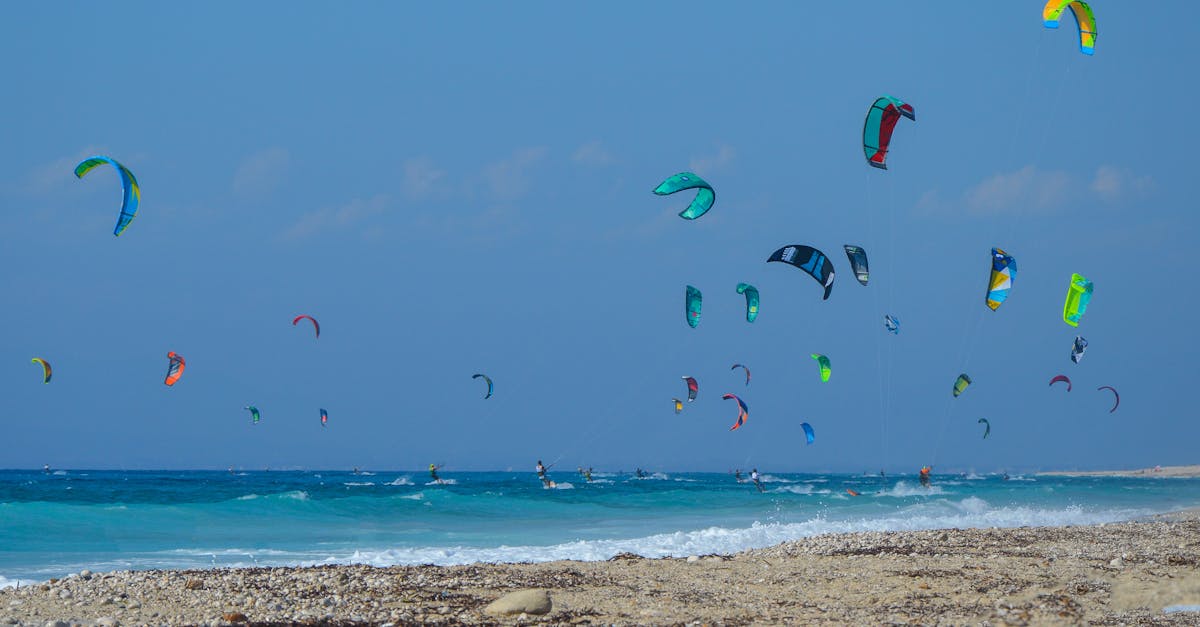
- Kitesurfing/windsurfing: The Cyclades are famous for it. Paros is a standout for consistent wind and a developed watersports scene.
Tips we’ve learned the practical way:
- If you’re new to kitesurfing, book lessons in a spot known for safe launch areas and steady wind.
- On windy days, plan a second activity that doesn’t depend on calm water (a hike, a village visit, or a food stop). Wind can be thrilling… and exhausting.
Sea adventures are where Greece feels most “effortless.” But the best days still come from matching the activity to the conditions, not fighting them.
Land Adventures: Hiking, Climbing, And Off-Road Routes
The islands get the glory, but Greece on land is where we find the country’s raw edge, gorges that swallow sound, ridgelines that go on forever, and stone paths that have been walked for centuries.
Land-based adventure activities in Greece are also the easiest way to escape crowds. Even in peak season, we can find a trail that feels like our own if we start early and pick smart locations.
Signature Hikes And Multi-Day Trails
If hiking is your main love language, Greece has routes for every style, from bucket-list day hikes to long trails linking villages.
Some signature options:
- Samaria Gorge (Crete): Often described as Europe’s longest gorge hike, and it’s absolutely one of Greece’s most iconic outdoor days. It’s a long trek (plan for hours), and it feels like traveling through a living geology lesson.
- Mount Olympus: Myth aside, it’s a legitimately dramatic mountain. We can do day hikes on lower trails or plan a summit attempt with proper preparation.
- Corfu Trail: A multi-day route that shows off Corfu’s greener, quieter interior, olive groves, villages, and coastal viewpoints.
- Fira to Oia (Santorini): Around 6.6 miles of caldera views and photogenic drama. It’s not “wild,” but it’s a classic scenic hike with a big payoff.
How we make hikes better (and safer):
- Start early, especially in summer.
- Carry more water than we think we need.
- Wear shoes with grip; Greek trails can be rocky, dusty, and slippery in places.
- Plan food stops. A village taverna at the end of a hike feels like a reward Greece invented specifically for hikers.
Rock Climbing And Via Ferrata-Style Routes
Climbing in Greece ranges from well-known sport cliffs to more niche routes near dramatic landscapes.
- Meteora area: Famous for its towering rock pillars and monasteries. The landscape alone is unforgettable. Climbing options exist in the region, and many visitors combine hiking viewpoints with outdoor activities.
- Aoos Canyon (Epirus): Known for a via ferrata-style route in the area (with sections reported around 70m). This is the kind of adventure we only do with current local guidance, routes and conditions can change, and safety systems matter.
If we’re not experienced climbers, we don’t wing it. Greece has excellent local guides, and a guided day turns “maybe risky” into “confident and fun.”
Mountain Biking And 4×4/ATV Adventures
When we want to cover more ground than a hike, but still feel the landscape, bikes and off-road routes are the move.
- Mountain biking: Many regions have dirt roads, old footpaths, and forest routes that are perfect for half-day rides or longer loops. Spring and fall are ideal for comfort.
- Peloponnese off-road (4×4/ATV): The Peloponnese is a big playground for trails that combine nature with history. We can ride or drive through olive groves, climb into hill villages, and stop at sites like Mystras or coastal viewpoints, depending on the route.
A small but important note: off-road fun comes with responsibility. We stick to legal routes, respect local land, and avoid sensitive areas, especially in fire season.
River And Canyon Adventures: Rafting, Canyoning, And Waterfall Rappels
Greece surprises people with how “alive” it feels away from the sea. In the north and mainland interior, rivers cut through mountains, and canyons hide pools and waterfalls that feel like secret levels in a game.
If we’re looking for high-energy adventure activities in Greece that aren’t beach-based, rafting and canyoning are the fastest way to change the vibe of the whole trip.
Top Regions For Rafting And River Kayaking
The best rafting tends to be on the mainland, particularly where mountains feed cold, clear rivers.
Well-known options include:
- Voidomatis River (Epirus/Zagori): Often praised for its clarity and scenic valley setting. Depending on season and water levels, trips can range from gentle to more dynamic.
- Lousios River (Peloponnese): A classic for combining nature with a cultural landscape, stone bridges, gorge scenery, and that “deep green” feel.
- Aliakmonas River: Another established choice for rafting/kayaking routes.
What we check before booking:
- Water level and season: Spring can mean stronger flows; summer can mean calmer rides.
- Group fit: Many operators offer family-friendly floats and separate options for thrill-seekers.
- Transport logistics: River trips usually involve shuttles. A good operator makes this seamless.
Canyoning Routes For Beginners Vs. Experienced Groups
Canyoning is one of the most memorable adventures Greece offers because it’s not just “a hike.” It’s movement through a canyon using rappels, swims, slides, and jumps (optional on many routes).
How we think about choosing the right canyon:
Beginner-friendly canyoning usually means:
- Shorter duration and fewer technical rappels
- Easy escape points
- More coaching and slower pacing
Experienced routes can include:
- Longer rappels and more complex rope work
- Cold water sections require wetsuits even in warm months
- Commitment (once you’re in, you’re in)
Names that come up in Greece include Kleftis Gorge (Grevena) and areas around Vikos and Samaria, with options ranging by difficulty depending on the specific route and operator.
Our advice is simple: canyoning is the one activity where we don’t bargain-hunt. We prioritize certified guides, proper equipment, and a clear safety briefing. The goal is adrenaline with control, not improvisation.
Air Adventures: Paragliding, Skydiving, And Scenic Flights
When we want the “how is this real?” perspective, we go airborne. Greece from above is all texture: ridgelines, patchwork fields, cliffs dropping into blue, islands scattered like stepping stones.
Air-based adventure activities in Greece also work surprisingly well as add-ons. We can plan a morning hike, then fly in the late afternoon when conditions settle.
Paragliding Sites With Reliable Conditions
Paragliding in Greece is often centered around coastal ridges and mountain takeoffs where wind and thermals cooperate.
What makes a paragliding site feel “reliable” isn’t just wind, it’s also:
- consistent launch conditions,
- safe landing zones,
- and experienced local pilots who know the micro-weather.
Because conditions change quickly, we typically pick paragliding locations based on where we already are (Crete, mainland mountain regions, or coastal areas with established schools) and let the local operators choose the best launch for the day.
If it’s your first flight, tandem paragliding is the obvious starting point. We get the thrill and the views, and the instructor handles the technical decisions.
Skydiving, Paramotor, And Microlight Options
Skydiving is more niche than paragliding in Greece, but it’s available through specialized drop zones and providers.
- Skydiving: Best for pure adrenaline. Weather is the gatekeeper; wind and clouds can cancel plans.
- Paramotor: A fun option when we want a powered flight experience, often with more flexibility on takeoff areas (still weather-dependent).
- Microlight/scenic flights: Ideal if we want the aerial views without the freefall. These can be fantastic for photographing coastlines, islands, and mountain interiors.
If air activities are a must-do, we schedule them earlier in the trip. That way, if weather forces a reschedule, we still have time to make it happen.
Wildlife And Nature Adventures: Unique Ecosystems And Night Skies
One of the best parts of adventuring in Greece is realizing it’s not only about adrenaline. It’s also about ecosystems, some fragile, some rare, many protected, and the kind of natural beauty that rewards patience.
We can kayak for hours and see nothing but cliffs and sea… and then spot a turtle surfacing beside us. That’s Greece at its best.
Sea Turtle, Monk Seal, And Birdwatching Experiences
Wildlife experiences in Greece are often about being in the right place, at the right time, with the right behavior.
- Sea turtles (Zakynthos): Zakynthos is strongly associated with loggerhead turtles (Caretta caretta). If we’re visiting, we follow local rules closely, no harassment, no chasing, no “one perfect selfie” nonsense.
- Monk seals: The Mediterranean monk seal is rare and protected. Sightings can happen in quieter coastal areas and sea caves. If we’re lucky enough to see one, we keep our distance and stay calm.
- Birdwatching: Wetlands, lagoons, and quieter mountain valleys can be excellent. Even if we’re not hardcore birders, a guided walk can teach us what we’re actually looking at.
If wildlife is a priority, we choose operators that emphasize conservation and follow official guidelines. It’s better for the animals, and honestly, it makes the experience feel more meaningful.
Volcanoes, Hot Springs, And Geologic Wonders
Greece is geologically dramatic. We feel it in the cliffs, the calderas, the caves, and in the hot springs that appear where you least expect them.
- Santorini: The caldera landscape is iconic, and caldera hikes deliver big views fast. Pairing a hike with a boat trip around the volcanic islands can make the geology click.
- Hot springs: Found in various regions and islands, often as a relaxing counterbalance to more intense adventure days.
We like to mix one “geology day” into an adventure itinerary because it’s active without being punishing, and it adds a different kind of awe.
Stargazing And Dark-Sky Locations
Stargazing in Greece can be shockingly good once we get away from city glow.
Our favorite approach:
- Choose smaller islands or mountain regions with minimal light pollution.
- Time it around the new moon if possible.
- Bring a simple star app and a light layer (nights can cool down even in summer).
Remote gorges and quieter islands often deliver the best skies. After an active day, lying back and watching the Milky Way feels like the most Greek thing we can do that doesn’t involve a plate of grilled octopus.
Safety, Permits, And Planning Essentials
Adventure is supposed to feel freeing, not stressful. The difference usually comes down to planning: choosing the right guide, respecting the weather, and not treating Greece like a theme park.
This section is the unglamorous part of adventure activities in Greece, but it’s what keeps trips smooth.
Choosing Guides, Gear, And Insurance
For technical activities (canyoning, climbing, rafting, diving, paragliding), good guides are everything.
What we look for:
- Relevant certifications and clear safety briefings
- Well-maintained gear (helmets, harnesses, wetsuits, radios, etc.)
- Realistic screening (they ask about our fitness/experience instead of saying yes to everyone)
- Local knowledge of route conditions, exits, and backup plans
On insurance: we don’t assume standard travel coverage includes adventure sports. We check for:
- coverage for the specific activity (e.g., scuba, paragliding),
- medical and evacuation,
- and any altitude/watercraft exclusions.
For gear, Greece makes it easy. In most adventure hubs, we can rent or book trips that include equipment, better than hauling bulky gear through ferries and flights.
Weather, Sea State, And Seasonal Closures
Greek weather is part of the adventure, but it’s also the main variable that can break plans.
Key realities:
- Summer heat: Land activities need early starts, shade-aware routes, and a hydration plan.
- Wind (Meltemi): Great for kitesurfing and sailing, but it can make some beaches rough and some crossings uncomfortable.
- Sea state: Even if the sky is blue, swell can make kayaking or snorkeling unsafe on exposed coasts.
- Seasonal closures: Some hikes or gorge routes may have restricted access in winter or after storms. Samaria Gorge, for example, has seasonal operating periods and can close due to weather.
Our rule: we build “plan A and plan B” days. If the sea is too rough, we swap to a mountain village, a shorter sheltered paddle, a museum, or a food-focused day. Greece rewards flexibility.
How To Build An Adventure Itinerary For Your Travel Style
An adventure trip in Greece can be hardcore, relaxed, or somewhere in the middle. The best itineraries aren’t packed; they’re balanced.
We like to think in rhythms:
- One big effort day, then a lighter recovery day.
- One sea day, one land day, then mix.
- Early mornings for heat-sensitive activities, evenings for villages and food.
And we plan around geography. Long ferry days and long driving days are “travel days,” not adventure days, unless we intentionally keep the activity light.
3-Day, 7-Day, And 14-Day Sample Adventure Plans
Here are sample plans we’ve used as templates. Tweak based on season, weather, and your comfort level.
3-Day (Athens-based sampler)
- Day 1: Athens “on foot” day, Acropolis and surrounding historic walks, plus a sunset viewpoint.
- Day 2: Coastal adventure day trip, sea kayaking or SUP near Cape Sounion, with time for a swim.
- Day 3: Choose-your-own: a hike on a nearby mountain, a climbing intro session, or a sailing day, depending on conditions.
7-Day (Crete adventure week)
- Day 1: Arrive, settle in, short coastal swim/snorkel.
- Day 2: Big hike day, Samaria Gorge (or an alternative gorge if season/weather demands).
- Day 3: Recovery + sea day, snorkeling or a beginner dive.
- Day 4: Mountain village loop, hike a shorter trail,and local food stops.
- Day 5: Sea kayaking/coastal caves day.
- Day 6: Bike day (or off-road route with a guide) + beach evening.
- Day 7: Buffer day for weather, repeat your favorite activity, or take a scenic drive.
14-Day (Mainland + islands “best of everything”)
- Days 1–4 (North mainland): Meteora viewpoints and hikes, then move toward Mount Olympus for mountain trails.
- Days 5–7 (Epirus/Zagori): Gorge scenery + Voidomatis rafting or river kayaking, plus stone village wandering.
- Days 8–14 (Islands): Cyclades for sailing and wind sports (Paros/Naxos), then add a second island for sea caves and snorkeling (Milos is a favorite).
If we want the itinerary to feel luxurious (not rushed), we add “do nothing” windows, because sometimes the most strategic adventure move is resting so we can go hard the next day.
Conclusion
The reason we keep coming back isn’t that Greece has one standout adventure. It’s that it has layers, sea caves and summit trails, river gorges and volcanic coastlines, wind-powered islands and quiet mountain nights.
If we’re planning our first adventure-focused trip, we start simple: pick one base with easy logistics (Athens or Crete), add one “big” experience (a gorge hike, a rafting day, a dive), and leave room to follow conditions. Greece rewards that kind of travel, curious, flexible, and a little bold.
And if you see us up early on a ferry with salty hair and dusty shoes… yeah, we said we were taking it easy, too.
Frequently Asked Questions About Adventure Activities in Greece
What are the best adventure activities in Greece for first-time visitors?
For a first trip, mix sea and land: sea kayaking or SUP in calm bays, snorkeling (May–October), and one iconic hike like Samaria Gorge in Crete or Fira to Oia in Santorini. Base in Athens or Crete for simple logistics and easy day trips.
When is the best time for adventure activities in Greece?
For land adventures like hiking, climbing, and canyoning, aim for spring (April–June) or fall (September–October) to avoid intense heat. Diving and snorkeling are best from May to October for warmer water. Wind sports peak in July and August, especially in the Cyclades during the Meltemi.
Where should I base myself for adventure activities in Greece?
Athens is the easiest all-purpose hub for flights, ferries, and day trips. Crete is a self-contained adventure island with gorges, paddling, and diving. For wind sports, pick Paros or Naxos. For mountains, rafting, and Vikos Gorge, stay in Zagori/Epirus.
What are the top sea kayaking and sea cave spots in Greece?
Milos is a standout—Kleftiko’s cliffs and sea caves are even better by kayak or small craft, especially early in the day. Crete offers long, varied coastlines for guided routes. The Ionian Islands (Lefkada, Kefalonia, Corfu) often have gentler seas and great SUP conditions.
Is Samaria Gorge in Crete hard, and what should I pack?
Samaria Gorge is long and can take hours, so treat it as a big hike day. Start early, carry more water than you expect, and wear grippy shoes—many Greek trails are rocky and dusty. Plan food for after; a village taverna makes the perfect finish.
Do I need special insurance or permits for adventure activities in Greece?
Permits depend on the activity and area, but the bigger issue is insurance and operators. For rafting, canyoning, climbing, diving, or paragliding, use certified guides with maintained gear and clear briefings. Don’t assume standard travel insurance covers adventure sports—verify activity coverage and medical evacuation.
See more adventures in My Greece Tours:
- Ikaria Travel Guide: Visit Ikaria Greece – Ikaria Island Adventure & Nature Guide
- Ios Greece Guide: Exploring One of The Best Cyclades Island
- Ithaca Ithaki
- Kefalonia Tours and Excursions – Book Through the Locals for Unique Experiences
- Kos Tours and Travel: Discover Kos Greece with the Best Tours
- Kythira Travel Guide: Discover Kythera’s Beautiful Island
- Lefkada Slow Guide: Where to Stay in Lefkada Island, Greece – Best Areas and Hotel
- Meteora Greece: Explore Meteora Monasteries & Unforgettable Meteora Tours
- Milos Travel: The Ultimate Guide to Milos, Greece
- Mycenae Tours: Experience Legendary Archaeological Site
- Mykonos Greece: The Absolute Guide To Survive
- Mystras Tours: Uncover the Mysteries of Mystras with a Byzantine Castle Tour
- Naxos Greece: The Ulitmate Guide & Incredible Things to Do