

Explore the mysteries of Knossos Palace with My Greece Tours. Plan the whole trip with Greece Tours. Unravel hidden stories, the Knossos labyrinth mystery, and the myth of the Minotaur. Discover Knossos Palace symbols, archaeology mysteries, and unexplained architectural features. Dive into the Knossos double axe symbolism, mysterious frescoes, hidden chambers, and underground passage legends. Perfect for history lovers eager to uncover Knossos myths vs. ruins. Join us in revealing the least known facts and secrets of this ancient Cretan wonder.
Mysteries of Knossos Palace: Unraveling Knossos Myths and Secrets
Knossos Palace, a treasure trove situated on Crete, embodies the grandeur of Minoan civilization and is steeped in mythology. Famous for the Knossos labyrinth mystery and the myth of the Minotaur, it captures the imagination of history lovers with its labyrinthine passages and hidden chambers. Enigmatic symbols like the double axe, and mysterious frescoes embellish its ruins, weaving a complex tapestry of mythology and history. Arthur Evans, a key figure in Knossos’s exploration, revealed many of its secrets, though his interpretations sparked debate. From unexplained architectural features to the Linear B script, Knossos remains a captivating enigma for archaeology enthusiasts.
- Knossos Palace is an archaeological marvel with complex architecture and cultural artifacts that enhance understanding of the Minoan civilization.
- The Knossos Labyrinth, linked with the Minotaur myth, remains a profound symbol of entrapment and mystery in Greek mythology.
- The double axe, or ‘labrys’, at Knossos suggests religious significance and is tied to the mysteries of the Minoan civilization.
- Arthur Evans’s explorations of Knossos revealed intricate structures and artifacts, bridging gaps between myth and reality.
- Deciphering the Linear B script was crucial to understanding the administrative and cultural practices of the ancient Minoans at Knossos.
Unveiling Knossos: An Introduction to the Minoan Palace
Nestled amidst the hills of Crete, the Palace of Knossos stands as a testament to the innovative spirit of the ancient Minoans. As an epicenter of Minoan civilization, this sprawling complex is a marvel of engineering and artistry, offering a glimpse into the life of this advanced society. Built over 3,000 years ago, the ancient Knossos Palace not only served as a royal residence but also a vibrant hub for religious and political activities. With its grand courtyards, storied rooms, and intricate infrastructure, the Palace of Knossos invites enthusiasts of history to delve into its past. As one explores the archaeological site, the sheer scale of the palace becomes evident, bringing to life the skilled craftsmanship of the Minoans. Sensational discoveries, from vibrant frescoes to labyrinthine corridors, contribute to the enigmatic allure of this archaeological marvel. Delving deeper into the Minoan palace yields stories intertwined with myths, legends, and a rich history that has captivated scholars and travelers alike.
The Historical Significance of Knossos
Knossos, an archaeological marvel nestled on the island of Crete in Greece, plays a pivotal role in the study of the ancient Minoan civilization. This once-majestic structure, often referred to as the Minoan Palace, is lauded for its complex architecture and rich cultural artifacts, which have greatly contributed to our understanding of ancient Knossos and its role in history. As the largest Bronze Age archaeological site on Crete, it served as the political and ceremonial center of the Minoan civilization, influencing the region with its advanced artistic and architectural innovations. The grandeur of Knossos extends beyond its physical structure, representing a significant period where the arts and culture thrived in Greece. Ancient records and myths link the Minoan Palace to the legendary labyrinth of the Minotaur, further enhancing its historical allure. Today, archaeologists and historians continue to pull back layers of time to reveal more about Crete’s past, making Knossos an everlasting symbol of Greece’s rich historical tapestry.
Discoveries at the Minoan Palace Site
As you embark on your journey through the Minoan Palace site, you’re stepping into a world filled with captivating discoveries. The palace archaeological site of Knossos is not just about the imposing ruins. It’s the artifacts that whisper secrets of a bygone era, each piece housed with care in the museum. Among the notable palace findings are the intricately designed frescoes, colorful works of art that offer glimpses into the vibrant culture of ancient Crete. The site, rich with historical significance, showcases a civilization that was ahead of its time. Remember, this archaeological site served as the ceremonial and political heart of Minoan culture, a place shrouded in mystery and legend. Whether you’re fascinated by the historical site itself or eager to examine each artifact, every corner of the palace reveals something new. Visiting the museum can further enhance your understanding, as curated exhibits provide context to these palace findings, visible through the impressive ruins scattered across the site.
Deciphering the Mysteries Behind the Labyrinth
In the heart of Cretan history lies the captivating enigma of the Knossos Labyrinth, a cornerstone of Greek mythology and a symbol of ancient mystery. This structure, thought to have been commissioned by King Minos, has intrigued scholars for centuries with its labyrinthine complexity and historical significance. The Knossos Labyrinth is more than an architectural marvel; it’s a key to understanding the civilization of ancient Crete and its mysterious tales. As we delve into the past, the Knossos Labyrinth reveals layers of mystery intertwined with the myth of the Minotaur, a tale of power and peril, shedding light on a civilization lost in time. While Knossos stands as an epicenter of archaeological discovery, the allure of its mysteries continues to beckon to those who seek knowledge of its ways. By understanding these tales of cunning and survival, we gain a deeper appreciation of the ancient world and the secrets Knossos held for those who dared to enter its depths.
The Myth of Minotaur and Its Connections to Knossos
The myth of the Minotaur is one of Greek mythology’s most intriguing tales, intricately connected to the grandeur of Knossos. King Minos, the legendary ruler of Crete, is a pivotal figure in this narrative. The story begins with Minos, who, according to mythology, angered the god Poseidon, resulting in the birth of the fearsome Minotaur. This creature, half-bull and half-human, was confined within the enigmatic Knossos labyrinth, a complex of twisting passages designed by the architect Daedalus. The labyrinth, and the mythology surrounding it, remains a profound symbol of entrapment and mystery. The Minotaur’s insatiable hunger for sacrificial victims adds a chilling layer to the myth. King Minos’s complete control over the labyrinth echoes the monarch’s vast power. This myth is intricately woven into the archaeological wonders of Knossos, reflecting the blend of history and mythology. Exploring these ancient connections with My Greece Tours reveals the overlapping worlds of Greek mythology, Minos, and the maze-like architecture of Knossos.
To further understand the significance of the Minotaur myth, consider these intriguing elements:
- Symbolism of the Labyrinth: The labyrinth represents both a physical and psychological maze, symbolizing the complex human psyche and the journey toward self-discovery and understanding.
- Architectural Miracles: The palace of Knossos itself is often likened to a labyrinth due to its complex layout, reflecting the intricate nature of ancient Minoan architecture and urban planning.
- Role of Theseus: As a hero, Theseus’ journey into the labyrinth to slay the Minotaur is symbolic of facing and overcoming personal and societal challenges.
- Cultural Integration: The blending of Minoan and Greek cultures is evident in the myth, highlighting the exchange and evolution of cultural values and stories across civilizations.
- Representation of Power and Control: King Minos’ control over the Minotaur and the labyrinth underscores themes of power dynamics and the consequences of unchecked authority.
These insights help us appreciate the enduring legacy of Knossos in both myth and history.
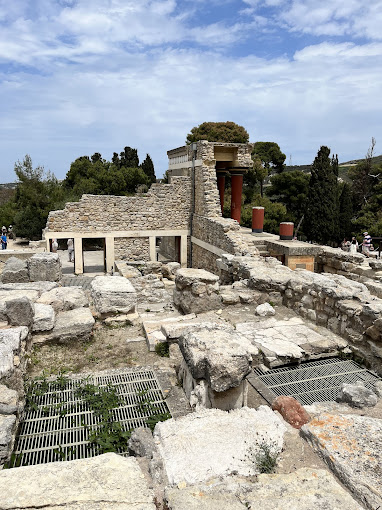
Symbolism of the Labyrinth in Ancient Crete
The labyrinth, an integral symbol in the mythological tapestry of Ancient Crete, is as mysterious today as it was during the Minoan era. In the heart of Palace Knossos, this intricate network of passageways was considered not only a physical maze but also a powerful symbol of existential journey and transformation. Often associated with the story of the Minotaur, the labyrinth exemplified the complex interplay between order and chaos inherent in Minoan mythology. It wasn’t merely built for purpose; it reflected a mysterious understanding of the universe’s duality. Visitors to this ancient site are enthralled by the ingenious layout of the Palace Knossos, which some scholars suggest symbolizes the labyrinth itself. This mythological symbol, thus, isn’t just a cornerstone of Cretan history but a window into the psyche of the Minoans, who saw themselves navigating life’s labyrinthine paths. In modern interpretations, this ancient symbol continues to fascinate, inviting us to explore deeper meanings and connections at this iconic site.
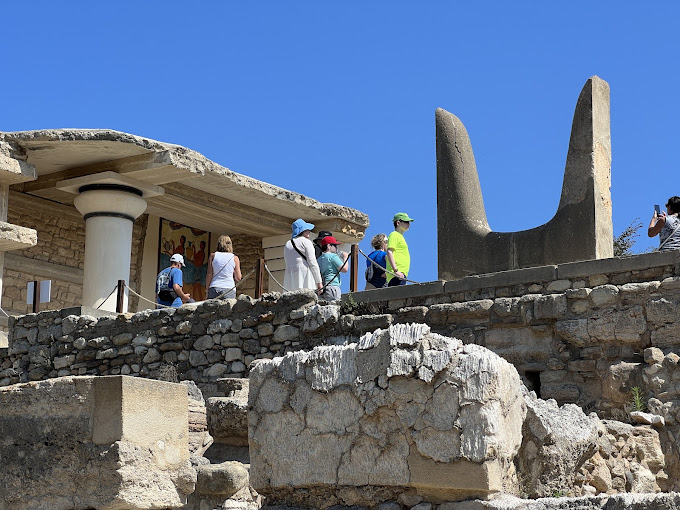
Sacred Symbols and Hidden Stories of Knossos Palace
Stepping into Knossos Palace, you’re immediately immersed in the sacred aura of this ancient Minoan site, where history whispers its secrets through remarkable symbols and hidden stories. This palace, the cradle of Minoan civilization, is a treasure trove of ancient myths and reveals mysteries woven into its architectural grandeur. The labyrinth at Knossos, intertwined with the story of the Minotaur, continues to captivate historians and myth enthusiasts alike, hinting at the palace’s sacred significance. As you explore the palace’s vast and intricate design, sacred symbols, such as the double axe, intrigue visitors with their enigmatic meanings. Every corner unveils a new layer of Minoan culture, adding depth to the historical tapestry of this ancient site. Knossos Palace is not just a testament to Minoan architecture but a repository of ancient stories that beckon visitors to uncover their secrets. Engage with the intertwining history of sacred symbols and hidden stories that form the essence of this legendary palace, offering a tantalizing glimpse into the advanced civilization of the ancient Minoans.
The Enigmatic Double Axe Symbolism
The ancient Minoan civilization of Knossos Palace is shrouded in mystery, one of which is the enigmatic double axe symbolism. Found throughout the palace artifacts, the double axe, or ‘labrys’, is an iconic emblem that continues to intrigue historians and archaeology enthusiasts alike. The prevalence of this symbol at Knossos suggests it carried significant weight in the religious and cultural practices of the Minoans. Some historians propose that the double axe was linked to female deities and priestesses within Minoan culture, symbolizing power and divinity. However, the symbolism isn’t merely confined to religious aspects; it may also represent the duality of life and death, a common theme in many ancient societies. For those diving into ancient history, exploring the origins and meanings of this artifact at the Knossos Palace offers a captivating glimpse into the minds of the Minoans. As one delves into the fascinating history of Knossos, the double axe serves as a vital clue to unlocking the secrets of this ancient civilization.
Revealing the Palace Findings: Hidden Chambers and Artifacts
As you dive deeper into the mysteries of Knossos Palace, the hidden chambers and ancient artifacts uncovered here are simply mesmerizing. These palace findings reveal much about the Minoan civilization that once thrived within these thrumming walls. Nestled among the ruins, the hidden chambers pique the curiosity of history enthusiasts and reveal secrets of everyday life and ceremonial practices. The chambers, while hidden, offer glimpses of Minoan life, intriguing archaeologists and history lovers alike. Amidst these findings, the artifacts speak volumes about the sophistication of the Minoan culture. From intricately designed pottery to remarkable frescoes, these artifacts forge a connection to an ancient world. As you explore Knossos, the ruins whisper tales of a time past but not forgotten, blending myths with ancient realities.
Every chamber conceals a story, and every artifact serves as a testament to a once-vibrant civilization. Step into this world, where hidden chambers and artifacts bring the ancient palace’s magic to life.
The Role of Arthur Evans in Knossos Exploration
When it comes to unveiling the mysteries of Knossos Palace, Arthur Evans, a prominent archaeologist, played a critical role. Sir Arthur’s fascination with Knossos began in the early 20th century, leading him to unearth what would become one of the most significant archaeological sites in history. His explorations at the palace have shed light on the sophisticated Minoan civilization, revealing complex architectural features and intricate symbols that amazed history enthusiasts worldwide.
Evans’s meticulous excavation work unveiled the storied labyrinth, once only a myth, as well as mysterious frescoes and artifacts that enriched our understanding of Knossos. His interpretations of Knossos, though sometimes controversial, opened new windows into the past, making Knossos not just a site of ruins, but a living tapestry of ancient civilization. By analyzing the archaeological evidence, Evans transformed the way we perceive the connections between myth and reality at the palace, leaving behind a legacy that’s as mysterious as the palace itself.
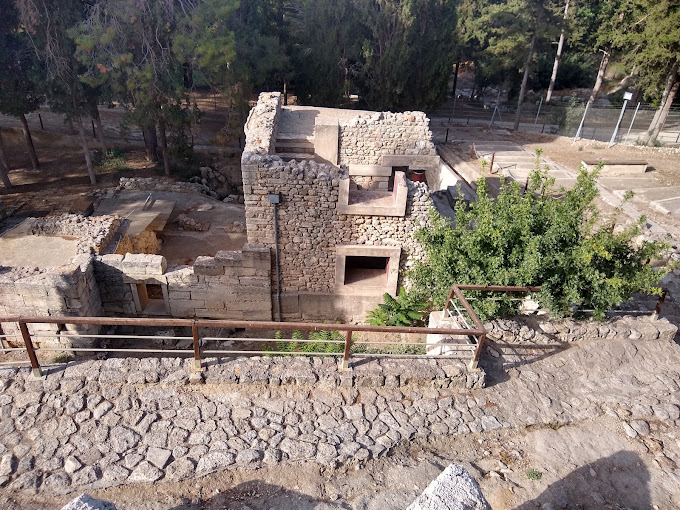
How Arthur Evans Unveiled the Secrets of Knossos
Arthur Evans, a passionate archaeologist, embarked on an extraordinary exploration to unearth the secrets of Knossos, forever changing our understanding of history. In the early 20th century, Evans dedicated himself to uncovering the mysteries of this ancient Minoan civilization. His discoveries at Knossos were groundbreaking, revealing intricate palatial structures that hinted at a complex societal framework. One of Evans’s most significant contributions was the excavation of the storied labyrinth, tied to the myth of the Minotaur, which captivated the imagination of many. Fascinated by the Minoan culture, Evans meticulously cataloged artifacts and symbols, including the enigmatic double axes, which are now showcased in museums around the world. By interpreting the architectural layout and artistry, Evans unlocked Knossos’s past, bridging a gap between myth and reality. Through his tireless efforts, Evans transformed Knossos from mere ruins to a treasure trove of history, allowing modern society a glimpse into a long-lost world and shedding light on the secrets hidden beneath its ancient stones.
The Debate: Sir Arthur’s Interpretations and Their Impact
Sir Arthur Evans’s name is intricately linked with Knossos Palace, as his interpretations and excavations significantly shaped our understanding of this ancient marvel. Yet, a debate persists about how Evans’s interpretations may have impacted our perception of Minoan history.
Some historians argue that Sir Arthur’s reconstructions, driven by his vision, might have misrepresented the true nature of Knossos. For instance, Evans’s expansive rebuilding efforts could blur the lines between myth and reality, particularly regarding the labyrinth and Minotaur legends. Despite these criticisms, Evans undeniably revived interest in Knossos and catalyzed further archaeological exploration.
His interpretations introduced us to the vibrant world of Minoan culture, inspiring generations of historians to delve deeper into the mysteries of the Knossos Palace. The debate about Arthur Evans’s impact highlights the complex interplay between mythology and archaeology at Knossos. Deciphering the truths within Knossos’s ruins continues to be a testament to Evans’s influence and a call for ongoing exploration and research.
Decoding the Linear B Script: Unlocking Knossos’s Past
The Linear B script has been central to unlocking many of Knossos’s secrets and understanding the past of this remarkable Minoan civilization. Deciphered in the mid-20th century, Linear B provided essential insights into ancient documentation, allowing historians to piece together the intricacies of Minoan life. Although primarily found on clay tablets across Crete, the script has a profound connection to Knossos, detailing aspects of its economy, administrative systems, and even religious practices. This complex script offered a window into how the Minoans organized their civilization and laid the foundation of advanced societal structures. By delving into Linear B, we gain a richer comprehension of Knossos’s historical importance and its role in shaping the broader ancient Greek world. As we explore these ancient scripts, we uncover a narrative that goes beyond the myths, providing a tangible connection to the people who once thrived in the grandeur of the Minoan Palace. Truly, Knossos’s past is intricately tied to the mysteries within the Linear B script.
| Aspect | Details | Impact |
| Discovery | Linear B tablets uncovered in Knossos | Revealed administrative practices |
| Decipherment | Michael Ventris cracks the code in 1952 | Language linked to early Greek |
| Content | Records of economic and religious activities | Insights into societal structure |
| Significance | First European writing system | Pioneered the study of Minoan civilization |
| Challenges | Incomplete preservation of tablets | Limits full understanding |
This table provides a concise overview of how the Linear B script has significantly contributed to our understanding of Knossos and the complexities of Minoan civilization.
As we journey through the mystifying corridors of Knossos Palace, it is clear that its secrets stretch beyond visible ruins. From the enigma of its labyrinth and the tales of hidden chambers to the double axe symbolism whose meaning eludes definitive explanation, Knossos continues to captivate and puzzle. Whether you’re a history enthusiast or a seeker of myths, My Greece Tours invites you to delve into the fascinating world of Knossos, discovering its unexplained architectural features and uncovering the layers of its legendary myths and history, and perhaps, unlocking a piece of its ancient mystery yourself.