
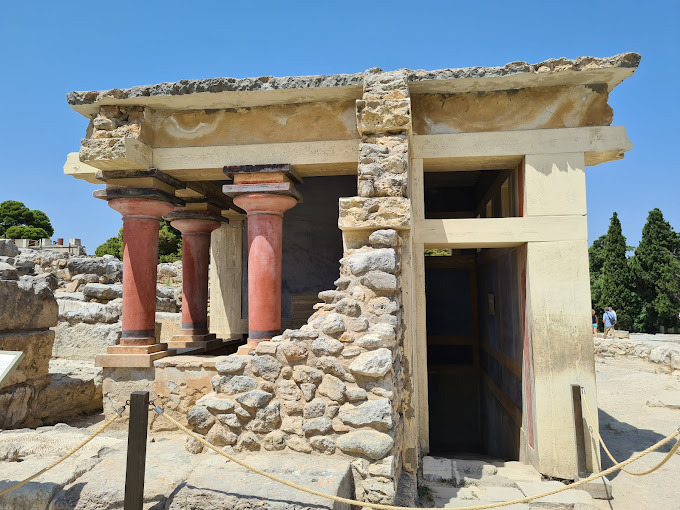
Discover the key features of Knossos Palace, the pinnacle of Minoan architecture. Plan the whole trip with Greece Tours. Explore its engineering marvels, such as advanced drainage systems, light wells, and seismic adaptability. Learn about the significance of the central court and the multistory layout. Delve into the vibrant frescoes and their symbolism, from the famous throne room to storage magazines and workshops. Understand the architectural innovations, including the unique western façade and role of courtyards. Uncover what makes Knossos Palace special and its influence on ancient Greek and Mediterranean culture. Join us for an unforgettable tour with My Greece Tours.
Knossos Palace, a pinnacle of Minoan architecture on the island of Crete, captivates with its labyrinthine layout and sophisticated engineering. Key features include the harmonious integration of light wells, ensuring ventilation and natural light, alongside an impressive drainage system, highlighting advanced water management techniques. The multistory design showcases innovative space utilization, while the western façade and centralized courtyards underscore its architectural brilliance. Vibrant frescoes throughout the palace echo the cultural symbolism and artistry of the Minoans, with the throne room exemplifying political and spiritual authority. A visit with My Greece Tours unveils the richness of this ancient marvel.
Key Features of Knossos Palace: Everything to Know
- Knossos Palace features advanced drainage systems and light wells, showcasing Minoan engineering brilliance.
- The central court highlights Knossos Palace’s role as a social and ceremonial hub of Minoan life.
- Symbolism in frescoes and throne room design reflects Minoan culture’s richness and complexity.
- Multistory layout and western façade reveal architectural innovations in ancient Knossos.
- The labyrinthine layout and interconnected rooms demonstrate sophisticated space utilization and design.
The Minoan Palace of Knossos: An Architectural Marvel
The Minoan Palace of Knossos stands as an impressive testament to ancient innovation, an architectural marvel that captivates with its intricate design. This palace complex is a shining example of Minoan architecture, weaving together artistic creativity and engineering prowess in a way like no other. At the heart of this palace archaeological site, you’ll find the famous central court, a communal space that highlights the essence of Minoan life. The intricate layout and maze-like design attributed to the legendary architect Daedalus leave many in awe, further enhancing the mystique of this significant landmark.
The palace archaeological site is peppered with stunning frescoes that showcase the rich cultural tapestry of the era, making Knossos Palace a living gallery of Minoan art. Its intricate drainage systems and water management techniques, such as light wells and ventilation shafts, reveal a sophisticated understanding of engineering that’s remarkable even today. Within the walls of Knossos Palace, the presence of royal apartments and workshops sheds light on the daily life and craft of the ancient inhabitants. As a site of both historical and architectural significance, the Minoan Palace of Knossos truly stands as a beacon of ancient ingenuity, resonating through time.
Understanding the Labyrinthine Layout
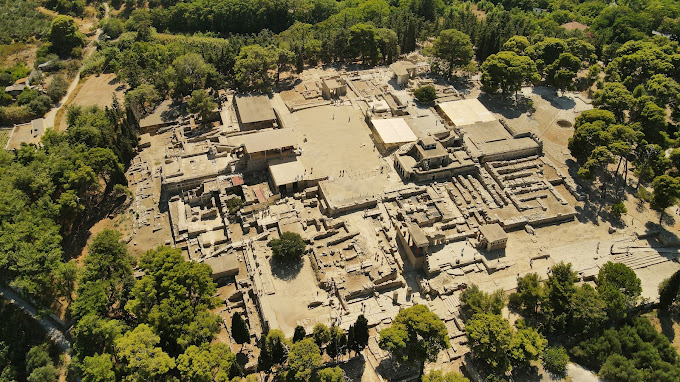
The Knossos Palace, famously known for its labyrinthine layout, continues to captivate visitors with its unique architectural design. This ancient marvel, often referred to simply as the “Knossos labyrinth,” was the inspiration behind the myths of King Minos and the legendary Minotaur. Understanding the intricate corridors and interwoven chambers reveals how the Minoan architects achieved such sophistication in ancient times. The labyrinthine layout at Knossos wasn’t merely a feat of complex corridors; it was an ingenious mix of residential, ceremonial, and storage spaces seamlessly integrated into one expansive structure. Minos, the legendary king, was believed to have influenced the design, blending function with mythical symbolism. Each turn and passage within this ancient labyrinth is a testament to the Minoans’ sophisticated architectural skills. The spaces within the palace weren’t just randomly assigned but served distinct purposes, from workshops to luxurious living quarters.
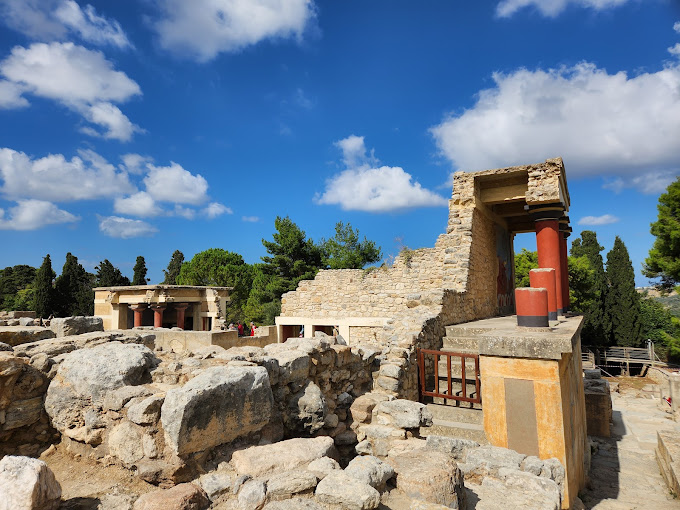
This clever design allowed for ventilation and facilitated communication between different parts of the complex. Adjacent to each courtyard, the array of interconnected rooms showcased their ingenuity. Through this labyrinthine layout, the ancient architects of Knossos provided both a practical and symbolic structure, ensuring that even in a world thousands of years removed, its allure endures. Visit Knossos, and let the maze guide you through history!
Key Elements of Knossos Architecture
The architectural design of the Minoan Palace at Knossos, located on the picturesque island of Crete, Greece, stands as a testament to the ingenuity of the ancient Minoan civilization. Among the key elements of Knossos architecture, its multistory layout is truly remarkable, setting it apart from other ancient structures in Greece. This labyrinthine structure, rumored to house the legendary Labyrinth itself, boasts a unique network of corridors and rooms ingeniously designed to maximize space and functionality. Knossos features elements such as light wells and ventilation shafts that ensure ample natural light and air circulation throughout the palace. The Minoans also thoughtfully incorporated advanced drainage systems, reflecting their understanding of water management.
Knossos engineering seamlessly wove practicality with artistic expression, evident in the palace’s stunning frescoes and decorative motifs. Particularly noteworthy is the western façade, which showcases the architectural brilliance of the Minoans with its grand staircases and majestic entrances. The symbolic use of space and art within the palace provides insights into the Minoan culture and their connection to the surrounding natural environment. It’s this intricate blend of innovation and aesthetics that makes the Minoan Palace at Knossos a unique and captivating treasure of ancient architecture.
The Central Court: Heart of Knossos
The central court of the Knossos Palace is often regarded as the heart of this remarkable Minoan site. It’s a space that exemplifies the grandiosity and complexity of the palace, providing insight into the social and ceremonial life that once thrived here. Unlike any other site of its time, the central court acted as a unifying axis connecting various architectural elements and functional areas within the palace. The orientation and positioning of the central court were meticulously planned, highlighting the architectural prowess of the Minoans. It was a vital hub for gatherings, celebrations, and rituals, underlining its importance in the cultural framework of Knossos. The art and architecture surrounding the central court are captivating, reflecting the ingenuity and creativity of the civilization. Known for its intricate frescoes, the site offered a glimpse into the rich symbolic language used by the Minoans, including motifs that showcased their connection with nature and mythology. The strategic placement of the central court not only emphasized spatial coherence but also facilitated effective ventilation and lighting throughout the palace complex. For any visitor exploring the Minoan palace of Knossos, the central court is undeniably a focal point that brings together the essence of its architectural splendor.
Role and Function of the Central Court
The central court of Knossos Palace, located on the captivating island of Crete, was more than just an open space; it was the vibrant heart of the Minoan world. As the hub of activity, both socially and religiously, its strategic positioning within the palace’s layout reveals much about the Minoan civilization. This court symbolizes the unity of multiple functions, serving as a pivotal space where rituals, gatherings, and even administrative duties took place. The court’s design reflects both practicality and symbolism, drawing a line between everyday life and ceremonial grandeur. King Minos, as legend holds, would have utilized this space to impress subjects and visitors alike. The architectural genius in its construction shows clever engineering, particularly in the way it facilitated movement and accessibility within the palace, connecting it effortlessly to various wings and chambers. Archaeologists marvel at how this space enhanced air circulation throughout Knossos, proving fundamental to the palace’s ingenious ventilation system. Its intricate communion with other sections underscores the court’s centrality in palace design, making it a vital archaeological feature. Understanding the central court of Knossos is key to grasping the complexity and elegance of Minoan cultural and sociopolitical life.
| Aspect | Description | Significance | Innovations |
| Role | Central gathering place | Hub for ceremonial and social activities | Facilitated community and religious engagement |
| Architectural Features | Spacious and open design | Allowed for large gatherings | Integration of natural lighting and ventilation |
| Innovations | Advanced construction techniques | Enhanced durability and aesthetics | Use of multi-storied structures with complex layouts |
| Cultural Importance | Symbol of Minoan identity | Reflects societal values and hierarchies | Artistic and architectural influence on contemporaneous societies |
This table encapsulates the architectural and cultural significance of Knossos’ central court, serving as a touchstone for understanding Minoan innovation and societal organization.
Architectural Innovations Around the Court
In the heart of ancient Greece, the architectural marvel that is the Knossos Palace stands as a testament to the ingenuity of the Minoan civilization. The central court of this magnificent site is surrounded by a network of structures that showcase a variety of architectural innovations unique to the Minoan style. The central placement of the court is key to the palace’s design, serving as a hub that connects various wings and levels. One of the standout features around the court are the multi-level layouts, which demonstrate advanced planning techniques that were ahead of their time in ancient Greece. The Minoan architects’ use of light wells provided natural illumination and ventilation, essential for the comfort and sustainability of the palace. The palace’s drainage systems are another feat of ancient engineering, expertly handling water flow to prevent flooding and maintain the integrity of the structures. This need for effective water management led to a highly efficient design that allowed the Knossos Palace to withstand environmental challenges. The integration of artistic elements throughout, ranging from fresco art with symbolic motifs to intricately designed facades, further highlights the palace’s role as an apex of cultural and architectural development in ancient Greece, reflecting its Minoan heritage.
The Throne Room: Symbol of Power
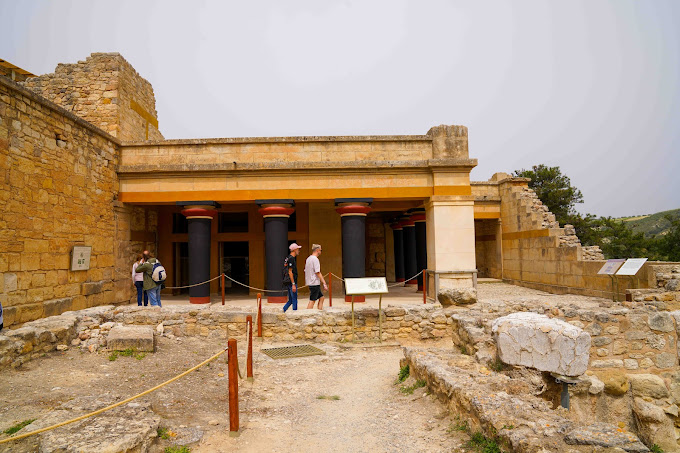
The Throne Room in the Minoan Palace at Knossos stands as a significant symbol of ancient power and artistry. As you step into this emblematic chamber, you’re immediately greeted by the timeworn throne that once seated a Minoan king, underscoring its regal importance. The throne room doesn’t just reflect the power of leadership; it’s a masterpiece embedding ancient art and ceremonial significance. What’s compelling about this chamber is its breathtaking frescoes that adorn the walls, weaving tales of mythical creatures and religious ceremonies. These frescoes are more than mere decoration, they’re a narrative meant to assert the power and grandeur of the king.
The throne room was not only an administrative hub but also a sacred space that hosted important ceremonies and rituals. This dual function highlights the Minoan ability to blend political authority with spiritual symbolism. The design of the throne room also prioritized acoustics, ensuring that decrees and religious invocations were heard throughout the space. This blend of functionality and beauty captures the very essence of Minoan architecture. Such elaborate detail reminds us why the throne room, a focal point of the palace, has fascinated historians and visitors alike for centuries. Discover its mysteries with My Greece Tours.
Design and Features of the Throne Room
The Minoan throne room at Knossos Palace captivates visitors with its architectural elegance and socio-political significance. This key feature of the palace epitomizes the opulent design associated with Minoan architecture. Central to the room is the throne itself, symbolizing the power and authority of its rulers. The design of the throne room combines practical functionality with artistic flair; the walls are adorned with beautiful frescoes that tell stories woven with symbols deeply meaningful to Minoan culture. These frescoes at the Knossos site display vibrant colors and intricate patterns that have withstood the test of time. The room’s layout incorporates a raised dais for the throne, surrounded by stone benches lining the walls, indicative of ceremonial gatherings. The architecture of the palace, including the throne room, showcases the Minoans’ mastery of space utilization within the complex. Engineers designed the space not only for grandeur but for comfort, where effective ventilation played a prominent role. This element, along with other features, spotlight the innovative approaches of the Minoans in palace design. The throne room at Knossos Palace, with its unique architectural and artistic elements, remains a symbol of ancient splendor and an enduring testament to Minoan artistry.
Symbolism and Frescoes in the Throne Room
The throne room of Knossos in ancient Greece is a fascinating space rich with symbolism and frescoes. Upon entering this majestic chamber, one immediately notices the elaborate art that decorates the walls. These frescoes depict scenes laden with mythical and religious significance, serving as more than just decoration, they’re a testament to the artistic prowess of the Minoans. Symbolism in these frescoes often revolves around themes of nature and divinity, integrating motifs such as griffins and sacred plants, which impart insights into the cultural beliefs of ancient Knossos. The design of the throne room cleverly promotes an air of authority and mysticism, amplifying its intended use as a place of governance. The throne itself, strategically placed to face the entrance, is a symbol of power and command, further enhancing the room’s symbolic function. It’s intriguing to note how the recurrence of certain themes in the art mirrors the Minoan’s reverence for natural elements, suggesting a harmonious relationship with their environment. This careful interplay of frescoes and symbolism within the throne room renders this part of Knossos not only a historical jewel but also an essential element in understanding the broader cultural tapestry of ancient Greece and the sophistication of its architectural design.
Royal Apartments: Living Quarters of Nobility
The royal apartments of the Minoan Palace at Knossos are a testament to the advanced architecture that characterized this ancient site. Set in the heart of the sprawling Knossos complex on Crete, these apartments reflect not only the status of the king but also the sophistication that the Minoans brought to their architectural endeavors. The apartments housed the noble elite of the Minoan society, showcasing expansive designs and intricate details emblematic of the era. Each chamber within the royal apartments reflects a keen attention to both form and function, a central theme in Minoan architecture at the palace. Notably, the use of light wells provided natural illumination, while the engineering feats behind water management and drainage systems highlight the ingenuity of this site. The intricacies of the royal apartments at Knossos further underscore how the Minoans utilized advanced architectural practices to ensure comfort and practicality. Whether it’s exploring the symbiotic relationship between the layout and the surrounding environment or appreciating the subtle nuances in architectural design, the royal apartments of the Knossos palace remain a cornerstone of understanding ancient Minoan civilization. Discovering these quarters adds depth to what makes the Palace of Knossos an architectural marvel and a historic gem of Crete.
Layout and Features of the Royal Apartments
The layout and features of the royal apartments at the Minoan Knossos Palace are an incredible testament to ancient Greek architecture. Nestled on the island of Crete, this splendid example of Minoan design showcases the sophistication and innovation of the time. The royal apartments are believed to have housed the king and served as his private quarters. Their complex layout, considered highly advanced for its time, reflects a deep understanding of both aesthetic and practical needs. The architecture of these apartments is ingeniously integrated with the palace’s overall structure, ensuring a seamless blend of styles. Each room within the royal apartments is meticulously designed, utilizing the natural resources of Crete to enhance both comfort and opulence. The apartments’ location within Knossos Palace optimizes access to light and ventilation, critical to maintaining a pleasant environment despite the warm Greek climate. Built over multiple levels, these impressive structures demonstrate an early yet profound mastery of multistory architectural planning. The intricate W layout of the royal apartments further signifies the remarkable attention to detail unique to Minoan culture. Without a doubt, these apartments stand as a symbol of the sheer brilliance of Knossos architecture and its enduring legacy in Crete, Greece.
Decorative Elements in the Royal Apartments
The royal apartments at Knossos are a treasure trove of decorative elements that reveal the artistry and sophistication of ancient Minoan design. Nestled within the archaeological site of Crete, these rooms showcase a fascinating blend of art and architecture. The high-status inhabitants of Knossos adorned their living quarters with exquisite frescoes that depicted scenes from everyday life, as well as mythical narratives. These decorative elements, which include vibrant colors and intricate motifs, are a testament to the Minoans’ skill and creativity. The use of natural materials in Minoan art highlights their respect for their environment, creating a harmonious blend between man-made structures and the surrounding landscape. Each room within the royal apartments was thoughtfully designed, with various purposes in mind, undoubtedly enhancing the living experience of the ancient nobility. Furthermore, the proximity of the royal apartments to other critical areas within the palace’s labyrinthine layout underscores their importance. Despite the passage of millennia, the decorative elements in these ancient halls continue to captivate visitors and scholars alike, offering insights into the societal norms, aesthetic values, and lifestyle of ancient Crete. Such rich details bring the past to life, making Knossos an enduring symbol of ancient Minoan culture and a must-visit archaeological marvel.
Handling Water: Ingenious Drainage Systems
When it comes to handling water, the ancient Minoan site of Knossos stands as a testament to advanced architectural ingenuity. The drainage systems at Knossos Palace are truly remarkable, reflecting a sophisticated approach to water management. Set in the heart of Crete, this ancient palace features a complex network designed to deal with both rainwater and waste. The design of the drainage systems underscores the importance of efficient water management in Minoan culture. This ancient architecture incorporated stone and clay pipes, forming an elaborate solution that protected the palace from flooding. Not only did these systems divert excess water, but they also preserved the palace’s structural integrity, showcasing intelligence in an era when such engineering feats were rare. Notably, the drainage systems were a critical part of the site’s design, ensuring the palace remained functional and habitable. It’s impressive how the Minoans integrated engineering with the natural landscape, demonstrating a deep understanding of their environment. They exemplified how design can be adapted to suit specific needs, long before modern engineering concepts emerged. The drainage proficiency at Knossos palace is a shining example of how ancient architecture can reveal the priorities of a civilization. Such innovations made the palace resilient to environmental challenges and highlighted the brilliance of its creators.
Knossos Water Management Techniques
The ancient site of Knossos on Crete is an archaeological wonder, not only for its grandeur but also for its advanced water management techniques. This Minoan palace exemplifies sophisticated design, especially in the realm of water management. The architects developed methods to bring water into the palace while also ensuring efficient drainage systems. The architecture of Knossos reveals a meticulous planning where water was directed through terracotta pipes and slender channels, illustrating a harmonious balance between functionality and aesthetics. These ancient techniques underscore the Minoan’s mastery over water management, a vital aspect given Crete’s seasonal rainfall. An essential feature of this architectural marvel is its capability to handle water, ensuring that the site remained operational even during heavy rains. Drainage systems were meticulously designed to prevent flooding, utilizing the natural slope of the terrain. Such innovative design demonstrates a deep understanding of environment-centric architecture. At Knossos, water management wasn’t just about utility; it also served symbolic purposes, reflecting the palace’s sophistication in harmony with nature. The advanced drainage system of Knossos remains a testament to the Minoan civilization’s ingenuity, making this archaeological site a symbol of ancient engineering prowess, effectively integrating water management into the architectural heritage of Crete.
Light Wells and Ventilation at Knossos
The ancient Minoan Palace of Knossos, located on the stunning island of Crete, stands as a testament to remarkable architectural innovation, particularly in its ingenious use of light wells and ventilation. Designed to harness the Mediterranean sunlight, these light wells were pivotal in illuminating the palace interiors, creating visually dramatic spaces that were revolutionary for their time. The strategic placement of these elements throughout the site ingeniously balanced light and shade, crucial in maintaining a comfortable living environment within the palace’s sprawling complex. Furthermore, the Minoans’ understanding of natural ventilation surpasses expectations for an ancient civilization, utilizing these systems to channel breezes efficiently throughout the vast halls and courtyards. This approach ensured that even in the height of summer, the Knossos site remained a pleasant abode for its residents. Light wells not only enhanced the palace’s aesthetic appeal but also exemplified the ingenuity of Minoan architecture. Their dual purpose celebrated both form and function, making the palace at Knossos a marvel of ancient engineering. Embracing the natural elements, these features stand as one of the most defining architectural characteristics, contributing to our fascination and continued admiration for this iconic archaeological site.
Following the remarkable use of light wells and ventilation, consider other ingenious architectural features employed by the Minoans at Knossos:
- – Multistoried buildings showcasing advanced engineering skills.
- – Intricate drainage and plumbing systems to manage water efficiently.
- – Extensive use of frescoes and vibrant murals to adorn interiors.
- – Sophisticated storage magazines with large pithoi for surplus goods.
- – Structural inclusions of earthquake-resilient features to withstand tremors.
- – Open courtyards that facilitated communal activities and light entry.
- – Utilization of ashlar masonry for constructing durable, aesthetically pleasing walls.
Together, these features highlight the Minoans’ impressive architectural foresight and craftsmanship.
Knossos Palace stands as a testament to the brilliance of Minoan architecture and engineering.
The palace’s innovative features such as its complex multistory layout, remarkable drainage systems, and the use of light wells and ventilation showcase the Minoans’ advanced understanding of building design. Symbolic fresco art and the iconic throne room further add to its allure. Whether marveling at its seismic adaptability or its artistic western façade, it’s clear that Knossos remains a pivotal piece of ancient history. With My Greece Tours, you can explore this remarkable archaeological site and uncover the secrets of its storied past.
What are the key features of Knossos Palace’s architecture?
Knossos Palace is known for its labyrinthine layout, multistory design, advanced drainage systems, and light wells. These elements showcase the Minoans’ sophisticated engineering and architectural prowess.
How does the central court of Knossos Palace reflect Minoan culture?
The central court served as a social and ceremonial hub, highlighting the importance of gatherings and rituals in Minoan life. It was meticulously planned to facilitate both community interaction and effective ventilation and lighting.
What significance do the frescoes and the throne room have at Knossos?
The vibrant frescoes and the design of the throne room symbolize the political and spiritual authority of the Minoans. These elements provide insights into the cultural complexity and artistic expression of the era.
How does the engineering of Knossos Palace stand out?
The palace’s advanced features include remarkable drainage systems and light wells, which ensured proper water management, ventilation, and natural light. Such engineering feats highlight the Minoans’ understanding of sustainable architecture.
Why is Knossos Palace considered an “architectural marvel”?
Knossos Palace is an architectural marvel due to its innovative design including a labyrinthine layout, symbolic art, and effective use of space, light, and ventilation. These features resonate through time as testaments to Minoan ingenuity.